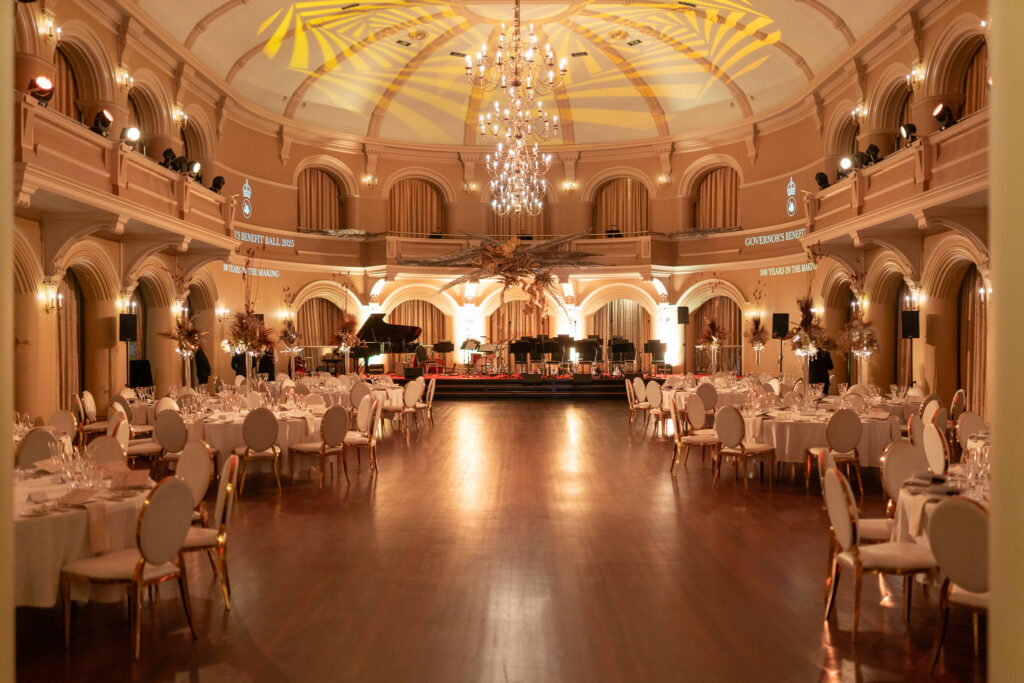
The Government House Ballroom in Perth was completed and officially opened on June 22, 1899, during the era of Governor Sir Gerard Smith.
It was designed by Hillson Beasley under the term of Principal Government Architect John H. Grainger, the building reflects a free classicism or Classic Revival style.
It features a massive 30-meter by 12-meter dance floor on the upper level, paired with a matching supper room on the lower level.
The original design called for a promenade roof with glass overlooking the dance floor, but a standard pitched slate roof was installed instead, which was later replaced by Bristile clay tiles in the early 1950s.
Key Historical Milestones:
Opening (1899): Officially opened on the anniversary of Queen Victoria’s accession alongside a visit from the Admiral Commanding-In-Chief.
Foyer Addition (1926): A grand foyer was added, housing antique mirrors, chandeliers, and banquet seating.
The 1925 Incident: The ballroom became the site of a sensational 1925 murder trial after a fatal shooting at an annual charity hospital ball, which later ended in an acquittal.
Heritage Listing (1990s): Following a comprehensive conservation plan in 1990 by architect Ronald Bodycoat, the building and its grounds were officially listed on the Western Australian Register of Heritage Places.
Modern Renovations (2003–2004): Underwent a major government-backed refurbishment to restore its grand features and add a new entry porch
https://govhouse.wa.gov.au/office-of-the-governor/the-house/ballroom
https://inherit.dplh.wa.gov.au/public/inventory/details/1399a98a-26f3-447b-8d9e-97ac11b058e3
1898
THE NEW GOVERNMENT HOUSE BALLROOM.
Although some doubt was entertained whether the Government would go on with the proposed extensive addition to Government-house, consisting of a ballroom, it is announced by the Director of Public Works (Mr. F. H. Piesse) that the work will be proceeded with.
The proposed new building will occupy an area of about 124ft. x 200ft., built as a brick and stone addition on the western side of the existing Government House. A style of architecture has been chosen which permits of the new building blending agreeably with the old. The ballroom, which is on the main floor, has a clear dancing space of 100ft. x 50ft., and will be 35ft. high, with arched ceiling. Each end of the room will be circular, and at each side are crush arcades for those persons not dancing, each 50ft. x 20ft. On the floor above these there will be arcaded galleries all round, from which views of the floor will be obtained, and seating accommodation provided for those requiring it. The roof, which is approached by staircases in the angle-towers, will be flat and provide a large promenading space. A portion of the roof is made to slide open, so as to secure, thorough ventilation in addition to that obtained by electric fans.
Beneath the ballroom a large banqueting or refreshment hall is arranged of ample height and with floor space equalling that of the ballroom. The buildings, when completed, will have a semi-circular frontage to the river, flanked by, towers at each angle, and while every effort has been made to make the additions picturesque and of a sufficiently ornamental character, due economy has also been observed. Included in the buildings to be erected is a large-dining-room, 50ft. x 30ft., and various necessary rooms on the ground floor, and on the first floor will be nine additional bedrooms. A. billiard room, 21ft. x 29ft. is also provided.
Western Mail (Perth, WA : 1885 – 1954), Friday 18 March 1898, page 37
1899
GOVERNMENT HOUSE. THE BALLROOM AND RECENT ADDITIONS.
The ball at Government House last week has directed special attention to the additions to Government House, especially as this was the first occasion on which the new ballroom had been utilised. The ball-room is the most important of the recent additions to Government House. It is one of the finest ballrooms in Australia, if not the very finest, and takes this high place alike for beauty, comfort and convenience, reflecting the greatest of credit on the architect, Mr. John H. Grainger. The ballroom is seen towards the left of our first view. The main floor surface is 100ft. x 50ft., while on either side of this, and separated by pillars, are crush spaces for non-dancers. The total height of the room is 35ft. The whole of the work is in white plaster, and there is a polish on it like marble. The graceful curves in the ceiling, the arches, pillars, artistic embellishments, and the shadows cast by the mouldings, with the electric light reflect-ing the brilliant colours of the ladies’ dresses, make up a very beautiful effect. Nearly the whole of the electric light-ing is done by lamps placed close to the curved ceiling, and this is reflected down, so that the effect is soft and there is a total absence of glare.
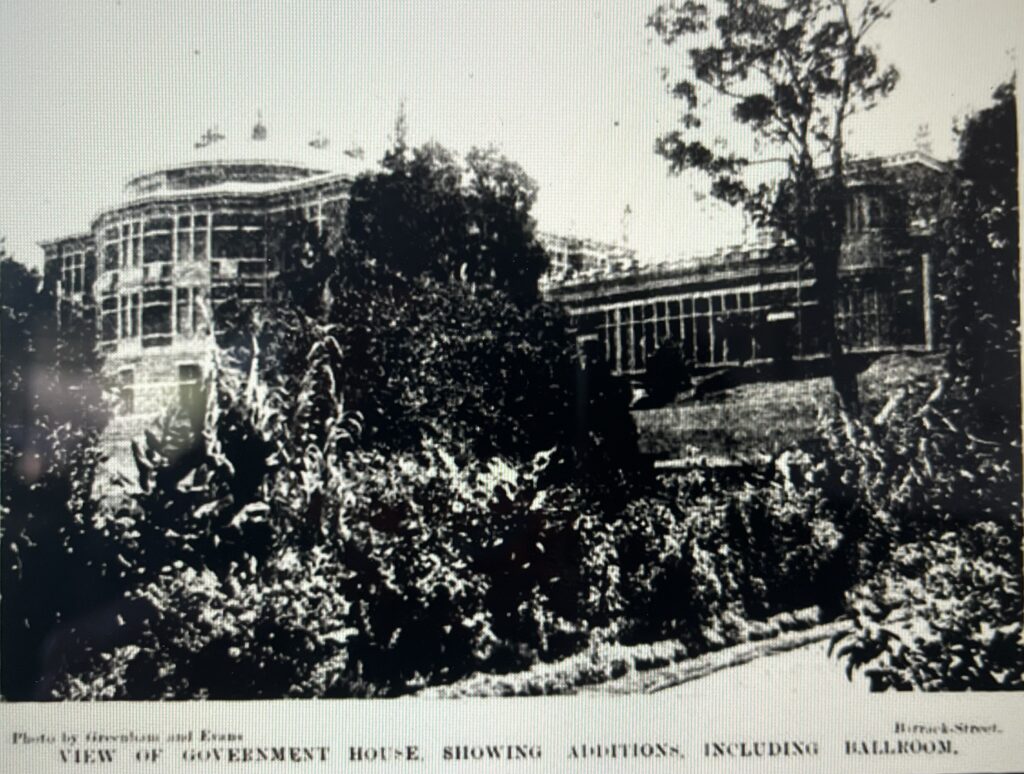
Photo by Greenham and Evans Barrack-Street
VIEW OF GOVERNMENT HOUSE, SHOWING ADDITIONS, INCLUDING BALLROOM.
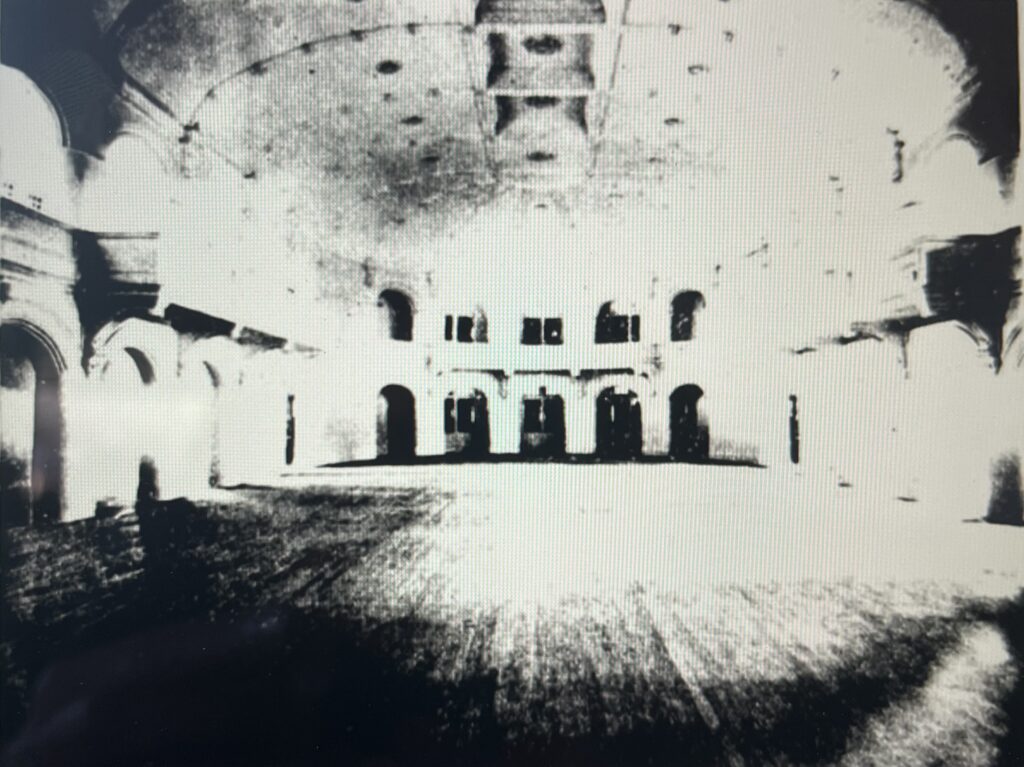
Photo by Greenham and Evans Barrack-Street.
INTERIOR VIEW OF GOVERNMENT HOUSE BALLROOM.
There are very wide galleries running round the entire room, and this is a splendid position from which to watch the dancers, and was greatly enjoyed on the night of the 22nd inst. Three flights of stairs lead from the main floor of the ballroom to this gallery, and the fourth corner of the ballroom is occupied by the Governor’s private room. This connects with the main portion of the house, and is the means of access for the house party to the ballroom. Leading from the eastern gallery is a large outdoor promenade over the dining and billiard rooms, and there is space here for a large number of people to stroll, and on fine nights this will be much enjoyed. The entrance hall to the ballroom for the public is from the north end, and is 80ft. long by 20ft. wide, and from this the guests are shown into large and comfortable ladies’ and gentlemen’s cloak-rooms. Under the ballroom and of exactly the same size is the supper room, to which access is gained from the ballroom by three flights of stairs corresponding with those leading to the gallery. Attached to it are all the necessary rooms for waiters, storage, etc., and all conveniences are provided to allow supper to be served with great ease and speed. Here, as in the ballroom, the greatest attention has been paid to ventilation. It should be mentioned that all the galleries round the ballroom are fitted with windows which look over the river and provide fine views of the river and gardens. Several additional rooms have also been provided in the residential portion. The other additions may be shortly mentioned.
The first of the new rooms is the handsome dining room, 50ft. x 30ft. The Swan River consequently the room is beautifully lighted, and full advantage can be taken of the view. Immediately adjoining the new dining-room are the two serving rooms, which connect with the kitchens, and serving bays are provided in the main corridor. Next the dining-room is the billiard-room, 35ft. x 22ft., which also faces the river, and is lighted in a similar manner to the dining-room.
The new dining-room will certainly easily provide for 70 guests, while the new ballroom has been found able to accommodate very comfortably over 1,000 people. The works have been carried out by the Public Works Department from the designs and under the direction of Mr. John H. Grainger, chief architect. The contractors, who are to be complimented on the manner in which the works have been carried our, are Messrs. K. P. Vincent and Son. Mr. George Allan, the Government inspecting officer, had the works of construction under his charge. The electric lighting has been carried out, under the direction of the chief architect, by the Government electrician, Mr. Hancock.
Western Mail (Perth, WA : 1885 – 1954), Friday 30 June 1899, page 25
1904
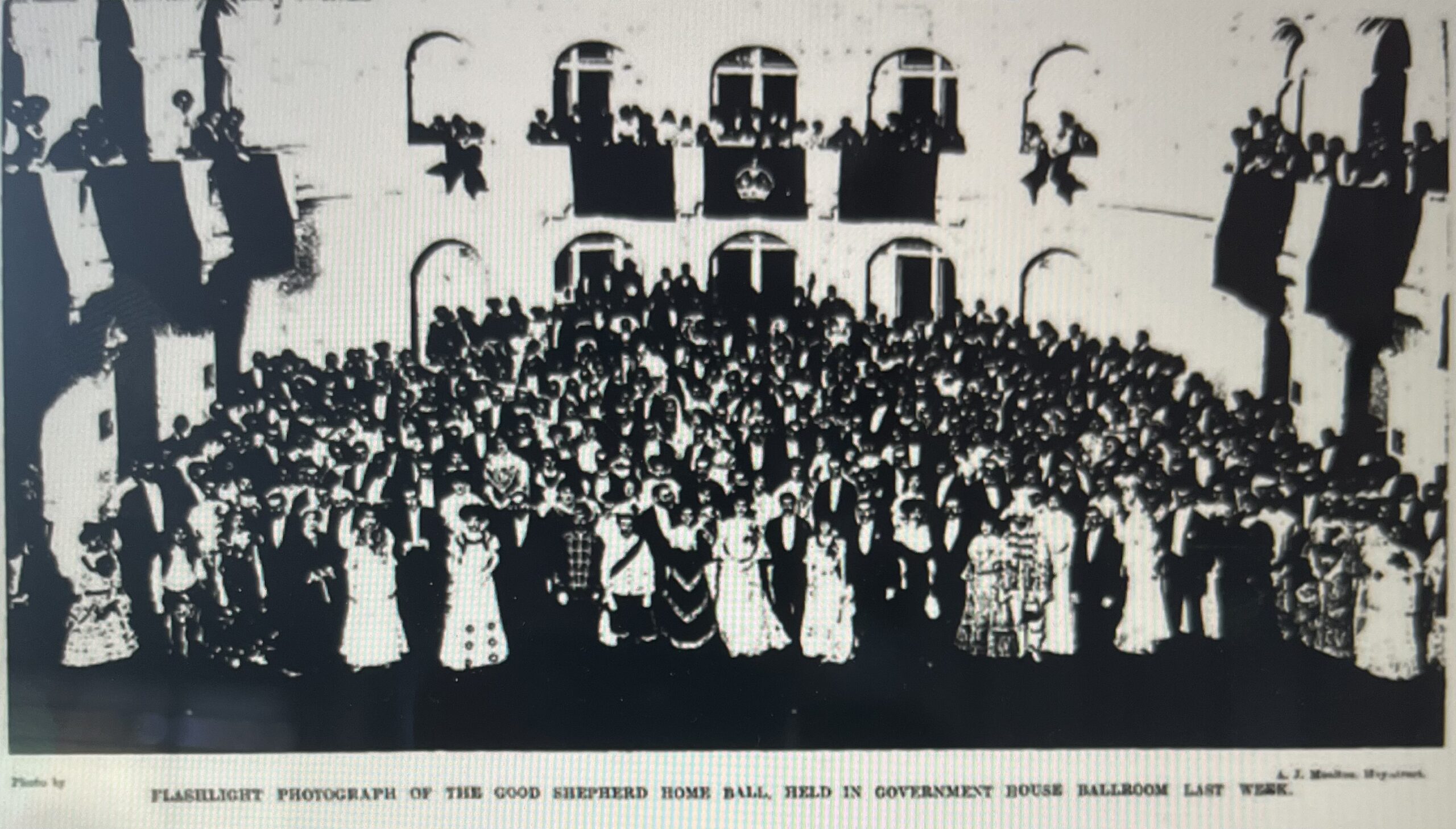
Photo by A. J. Moulton, Hay-street.
FLASHLIGHT PHOTOGRAPH OF THE GOOD SHEPHERD HOME BALL, HELD IN GOVERNMENT HOUSE BALLROOM LAST WEEK.
Western Mail (Perth, WA : 1885 – 1954), Saturday 20 August 1904, page 27
1923
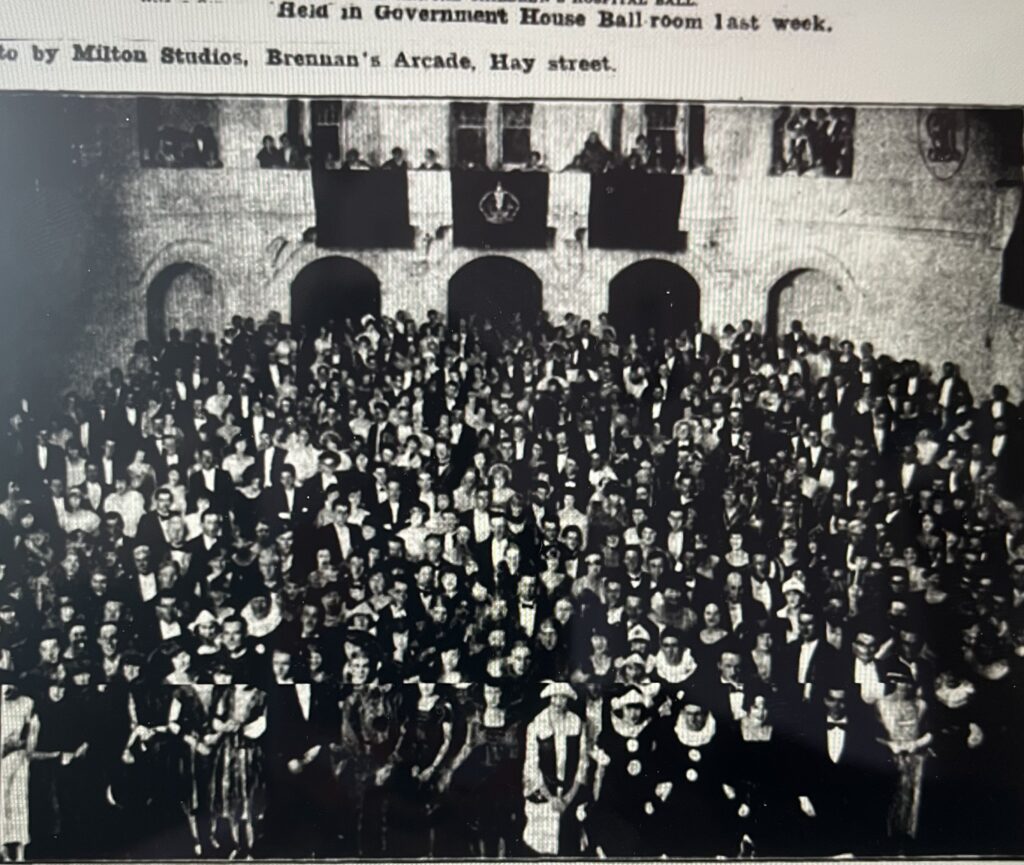
THE ANNUAL CHILDREN’S HOSPITAL BALL.
Held in Government House Ball-room last week. Photo by Milton Studios, Brennan’s Arcade, Hay street.
Magpie (Perth, WA : 1923), Friday 10 August 1923, page 6
1924
Government House Ballroom presented a very gay and animated scene on Wednesday evening of last week, the occasion being the A.T.N.A. annual ball, this year in aid of a club building fund which the association desires to acquire. His Excellency the Governor and the Hon. Lady Newdegate, with Major Kerr Pearse, and Mr. F. E. Chase in attendance, arrived about nine o’clock, to the strains of the National Anthem. …Harrison‘s orchestra, which is an entirely returned soldiers band, provided excellent and inspiring music.
Western Mail Thursday 22 May 1924 page 35
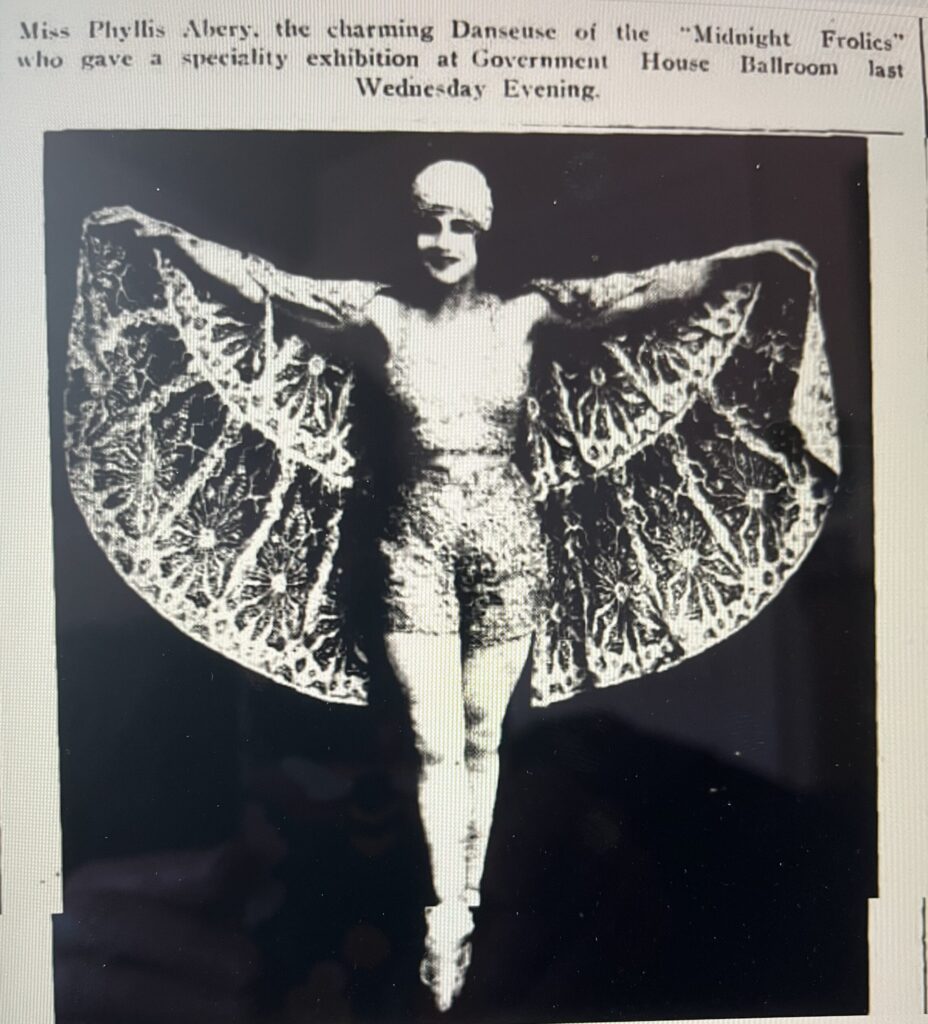 Miss Phyllis Abery, the charming Danseuse of the “Midnight Frolics” who gave a speciality exhibition at Government House Ballroom last Wednesday Evening.
Weekly Judge (Perth, WA : 1919 – 1931), Friday 19 September 1924, page 1
1925
TERRIBLE TRAGEDY IN GOVERNMENT HOUSE BALLROOM
SHIP’S ENGINEER SHOT DEAD BY A SWEETHEART
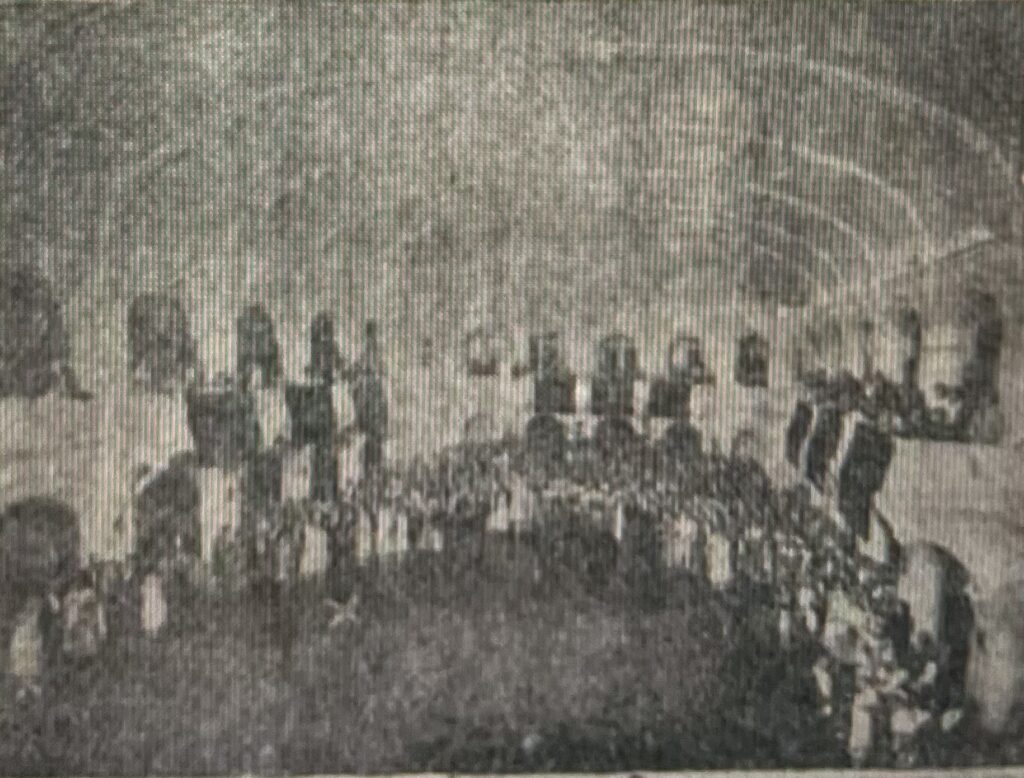 In the centre is shown the scene of the tragedy, which is easily the most popular ballroom in the State. (A cross marks the exact spot where the unfortunate victim fell.)
 To the left, are to be found two views of Cyril Gidley, who was so tragically and instantaneously sent to his account, the top one in his ordinary civilian attire and the bottom one in the uniform of a ship’s engineer.
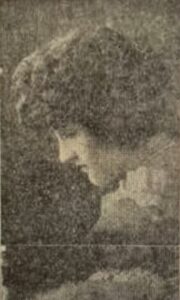 Two photos, of Audrey Campbell Jacob (one side and the other nearly full face), who fired the fatal shot and will now have to stand her trial on a charge of murder, are shown on the right hand side of the picture.
Tragedy startling in its suddenness and revolting in its grimness abruptly terminated dancing and gaiety in the Government House ballroom, a few minutes before 1.30 am, on Thursday.
There were three dances remaining on the programme of the St. John’s Hospital Free Ward Ball, the several hundred persons remaining all intent on, enjoying them to the uttermost. They were just commencing the first jazz encore to the strains of “Follow Yvette,” when the staccato note of a revolver shot halted them in their step. Many eyes were directed to the ceiling thinking one af the light globes had burst, but only momentarily. The movement, of a well-set young man in the centre of the floor quickly attracted attention but ere dancers had time to focus their gaze upon him he fell to the floor dead. Standing over him in a perfectly unconcerned manner, and with a slight smile on her lips, was a young women dressed in a blue evening costume and holding a black automatic pistol in her right hand. Beside her was the victim’s last dancing partner, dazed beyond comprehension by the suddenness and shock of the tragedy.
The victim of the shooting was Cyril Gidley, aged 25, an Englishman, and eighth engineer on the Nor’-West motor ship Kangaroo. His assailant was a 20-year-old. girl named Audrey Campbell Jacob, whose parents reside in High-street. Fremantle, her father being engaged in the Fremantle Clerk of Courts Office. She, at the time, was staying in Surrey Chambers, Perth. It is alleged that she had had a disagreement with her parents and in consequence left home; but an authorative statement is to the effect that she wished to study art drawing and came to Perth for this purpose with full cognisance of her mother but unknown to her father.
Gidley hailed from Grimsby (England) where his parents now reside and came to this State about the middle of 1923 in the capacity of fourth engineer on the steamer Newquay. Ill health necessitated his discharge from that vessel at Bunbury, but in October of the same year he joined the Kangaroo as ninth engineer and was with that ship until the present trip north when ill heath again made it necessary for him to remain ashore. His vessel sailed on the 20th. inst.five days before the tragedy-and under ordinary circumstances he would have been with it.
His first acquaintance with the girl Jacob is said to have been made about two years ago and with her he became very friendly and eventually (about a year ago), was engaged. This engagement was broken off but the pair remained on friendly terms. Whether each had knowledge that the other was going to the ball on Wednesday night is not definitely known, but it is believed that Jacob was under the impression that Gidley had sailed north with the Kangaroo.
However, it was noticeable during the evening that Jacob and a girl friend named Humphries, dressed in fancy costume as pierrot, and pierrette respectively, were almost exclusively together during the early portion of the dance and received little or no outside attention. They danced together but were taken to supper by a dark complexioned young man who was subsequently noticed dancing with Miss Humphries in the absence of Audrey Jacob, who had gone to her lodging late in the evening, ostensibly to change into ordinary costume.
During the night Pierrot and Pierrette were very conspicuous, not only from the fact that they were among the few in fancy costume, but also because their get-up was somewhat striking-white headgear and heavily powdered faces imparting a ghostly aspect. Consequently the temporary absence of one and her subsequent return in a blue evening gown was more than ordinarily noticeable. Shortly before the fateful dance Miss Jacob was seen seated on the western balcony looking down on the floor. Apparently she left this position at its commencement as with the first strains of “Follow Yvette” she was standing at the foot of the stairway nearest the main entrance. The orchestra was just commencing the first encore when the tragedy took place. Gidley was dancing with Miss Maude Mitchell, with whose family he was friendly, and was about in the centre of the floor slightly towards the top left hand corner when Miss Jacob, who approached from the western side, attracted his attention.
Various versions of the conversation which passed between the two have been given, but according to eye witnesses close enough to hear, Miss Jacob touched Gidley on the shoulder and said ‘I’ve got you now,” to which Gidley replied “Excuse me, but I am dancing with this young lady.” Jacob thereupon produced the automatic from the folds of the soft material of which her dress was made and, stepping back a pace, fired.
The bullet struck Gidley in the left breast over the heart and though death must have been instantaneous he did not fall for a moment but placed his hand over his eyes as though suddenly feeling faint. He then toppled with a crash to the floor.
Jacob’s hand containing the pistol dropped to her side and she remained on the spot with a faint smile on her face, but with a calmness almost suggesting stupor. She stood like this for several minutes before the slightest effort was made to disarm her. Then a constable moved up quickly from the main entrance, and, approaching the girl from behind removed the weapon from her hand and escorted her to an alcove. Here she was given a chair and remained until taken to the Roe-street lock-up. To the constable she remarked, “I know what I’ve done, its quite alright. Take me quietly from here.”
Probably the most horrified witness of the tragedy’ was Miss Maude Mitchell, the victim’s last partner, and a daughter of Mrs. Wilford Mitchell, one of the organisers of the ball. In her unfortunate position, every sympathy can be extended to her, and the fact that she collapsed afterwards was naturally not surprising. Also terribly shocked was Miss Humphries who had been with Miss Jacobs throughout the evening until shortly before the fatal incident when she had left for the dressing room to prepare to leave. The shot attracted her attention and she rushed in to see Gidley lying prone on the floor and her friend standing over him armed with a pistol. Her consternation was expressed by: “My God, I only left her for ten minutes and look what’s happened.” Miss
Humphries later expressed a determination to visit Fremantle, where she resided, saying she was going by taxi.
The body of Gidley was examined by doctors present and then taken into the gentlemen’s cloakroom, and covered pending removal.
Sunday Times (Perth, WA : 1902 – 1955), Sunday 30 August 1925, page 1
BALLROOM TRAGEDY INQUEST COMMENCED. MRS. JACOBS’ EVIDENCE. Perth, Sept. 8.
The inquest into the circum-stances attending the death of Cyril Gidley, who was shot in the Government House ballroom during a ball on August 27, was commenc-ed before the City Coroner. Mr. Kidson, to-day. Audrey Jacob, who is charged with the murder of the deceased, was present in cus-tody. The first witness to give evidence was Mrs. Jessie Jacob, mother of the accused. She said her daughter was educated at the Woman Catho-lic Convent at Norseman until she was 16 years of age. She related how she came to know Gidley, and stated that when he came to her house he made statements to her against her husband, which eventu-ally led to her and her husband becoming separated. Gidley fre-quently visited Audrey at home and suggested once that two rooms should be added to the house, for which he would pay and use in con-nection with smuggling goods from Singapore. Gidley said he had done quite a lot of smuggling. Wit-ness declined to have anything to do with it. On becoming engaged to the deceased, Audrey broke off an engagement with Claude Aren-del, third officer on the Bendigo. Before the engagement was broken off Arendel gave her an automatic revolver for her protection. Au-. drey left home in order to pursue painting studies at the Perth Tech-nical School. When her husband got a temporary transfer to Ka-tanning she arranged for him to return home when he came back to Fremantle. When Gidley heard of this he was very much annoyed. When witness told her husband of Gidley’s smuggling proposals he took Audrey to Detective-Sergeant Cowie to make a statement. As a result the detective seized some smuggled goods. After this Gid-ley was very incensed against wit-ness’ husband and said he would “get him in the long run.” In con-sequence of Gidley’s threats she kept one of her daughters from school. Right up to the last wit-ness understood that an engage-. ment was in existence. She con-sidered Gidley a dangerous fellow. E. J. Jacob, father of the accus-ed and assistant Clerk of Courts at Fremantle, said he left home last year as a result of statements made to his wife by Gidley. Witness ask-ed Gidley what he meant by trying to separate him from his wife and family. Gidley said he could do lots of things if he liked, and that Audrey was to be his wife. Wit-ness answered. “Not while I’ve a shot in the locker.” Gidley said he had Mrs. Jacob’s consent, to which witness replied that it was no good, as Audrey was under age. Upon his return from Katanning his wife told him of the smuggling proposal, and they both went to the police. The inquest was adjourned until September 7.
Western Argus (Kalgoorlie, WA : 1916 – 1938), Tuesday 8 September 1925, page 9
BALLROOM TRAGEDY
TRIAL OF AUDREY JACOBS. ACCUSED ACQUITTED.
The trial of Audrey Jacob for the wilful murder of Cyril Gidley at Government House ballroom at about 1.30 a.m. on August 27, was opened before Mr. Justice Northmore in the Criminal Court on Thursday morning.
Mr. Hubert Parker (Crown Prose cutor) conducted the prosecution, whilst Mr. Arthur Haynes conducted the defence, and with him also ap peared Mr. L. D. Seaton. The public gallery was thronged with a great concourse of interested onlookers throughout Thursday and yesterday. The accused entered a plea of not guilty, on the ground that the shooting was purely an accident, and that on securing the revolver from her room in Surrey Chambers she went towards the river end of Barrack Street with the intention of taking her life. She however retraced her footsteps, and proceeding to the Cathedral of the Imaculate Conception she knelt on the ground outside the building and commenced to recite the Rosary, when half way through the recital she decided to go home. On the way, whilst passing Government House, she made up her mind to enter the ballroom and ask Gidley what was the matter. She touched him on the shoulder and he coldly replied. “Excuse me; I’m dancing.” The room seemed to go round and something seemed to snap in her head. She raised her right hand, and the revolver, which was wrapped in a silk handkerchief, and which she must have gripped convulsively, exploded. After the conclusion of evidence on Friday night a verdict of not guilty was returned and the accused was acquitted.
South Western Times (Bunbury, WA : 1917 – 1929), Saturday 10 October 1925, page 5
Music (By “Minim.”)
The much-deferred concert by pupils of Mr. J. R. Nowotny took place on Thursday evening last in the Government House ballroom. The programme was substantial and, as usual, with Mr. Nowotny’s enterprises, a stimulating compilation on distinctive lines. Mr. Nowotny is certainly an enthusiastic musician, who is not content to tread the easy, well-worn paths, and he deserves well of the musical community for that. He gave us the opportunity, on Thursday of hearing the first movement of a Mozart violin concerto, done with the proper orchestral accompaniment. This last was rendered with a refinement and neatness which were, to be frank, rather surprising, and wholly delightful. The music itself is of true Mozartean quality, the essence of grace and purity of expression, and though the encore numbers of the soloist, Miss N. Kenny, (especially a Lullaby, admirably played) were very pleasant to hear a further movement of the Mozart work would have been, under the circumstances, more welcome.
The orchestra, conducted by Mr. Nowotny, did some good work, notably in Beethoven’s “Fidelio” Overture, and Nicholai’s “Merry Wives of Windsor” Overture. Beethoven composed no less than four overtures for his one opera, “Fidelio.” The one played last week— a joyous, exhilarating work—is known as the ”Fidelio” Overture, the other three appear on concert programmes as the Overtures “Leonora” No. 1, “Leonora” No. 2. “Leonora,” No. 3, respectively. The No. 3 is by general consent accounted the finest of the set. Leonora, it may be remembered, was the heroine of the opera, and it is on record that Beethoven wished his work to be called by her name rather than Fidelio.
Western Mail (Perth, WA : 1885 – 1954), Thursday 26 November 1925, page 21
1926
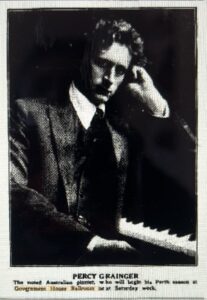
PERCY GRAINGER
Recitals in Government House Ballroom
A notable musical attraction to be presented at the end of the present month by J. and N. Tait will be the series of recitals to be given by the celebrated young Australian pianist composer, Percy Grainger. For the last five years Grainger has given over 150 piano recitals in Europe annually, playing before enthusiastic and crowded audiences in the artistic centres of Great Britain, Germany, Holland, Norway, Denmark, Russia and Switzerland. “Percy Grainger stands alone; he is the one cheerful sunny composer living,” wrote an eminent London critic in the “Saturday Review,” referring to the wonderful personality that permeates all the works of Percy Grainger. The first recital is to be given on Saturday next, with concerts to follow on August 3, 5 and 7.
Sunday Times (Perth, WA : 1902 – 1955), Sunday 25 July 1926, page 3
1928
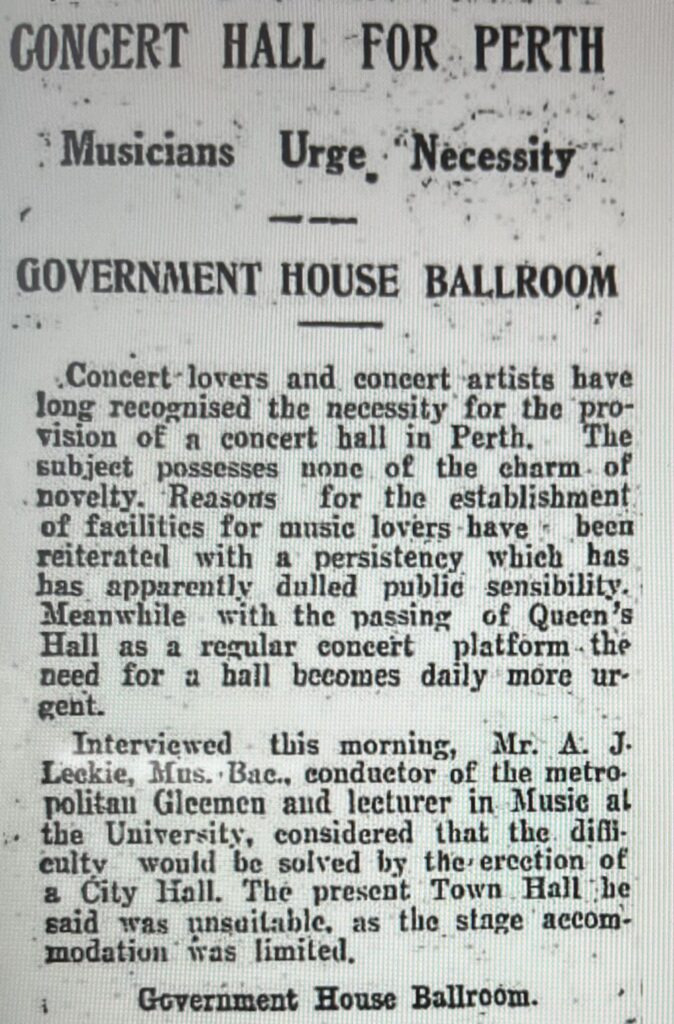
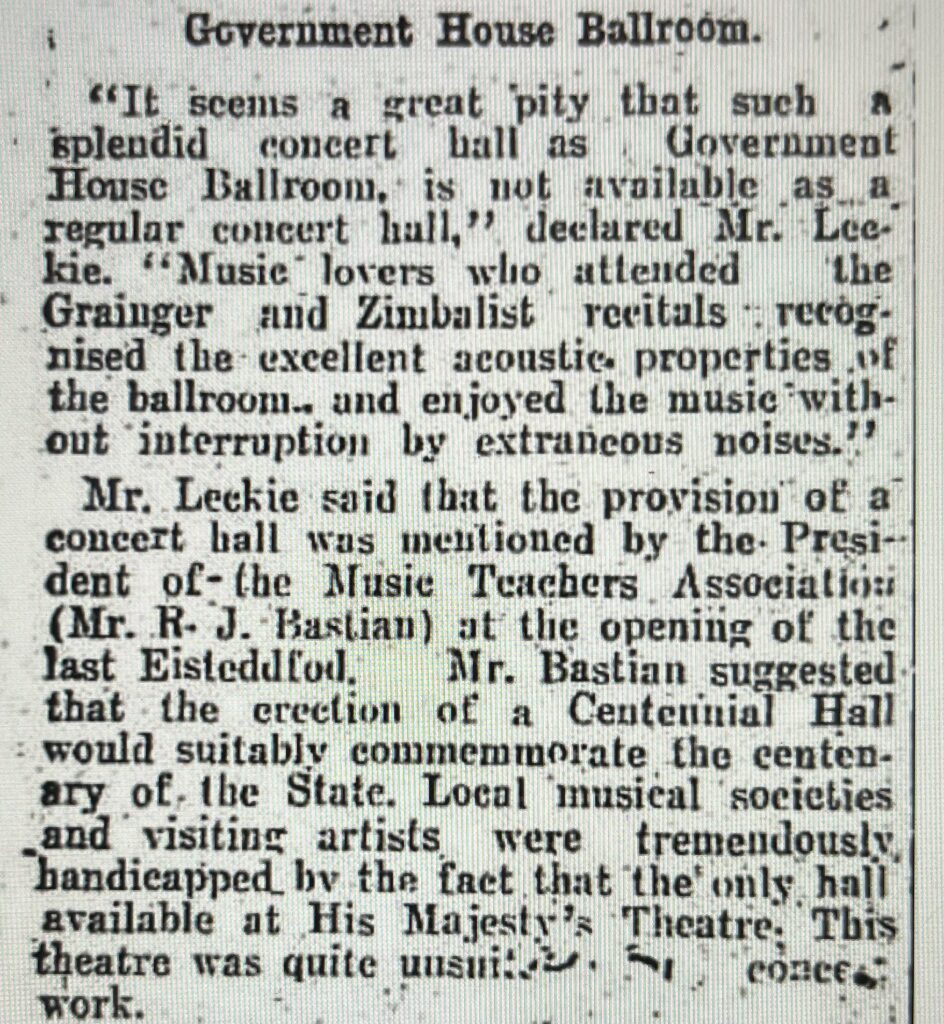
Daily News (Perth, WA : 1882 – 1955), Wednesday 4 January 1928, page 6
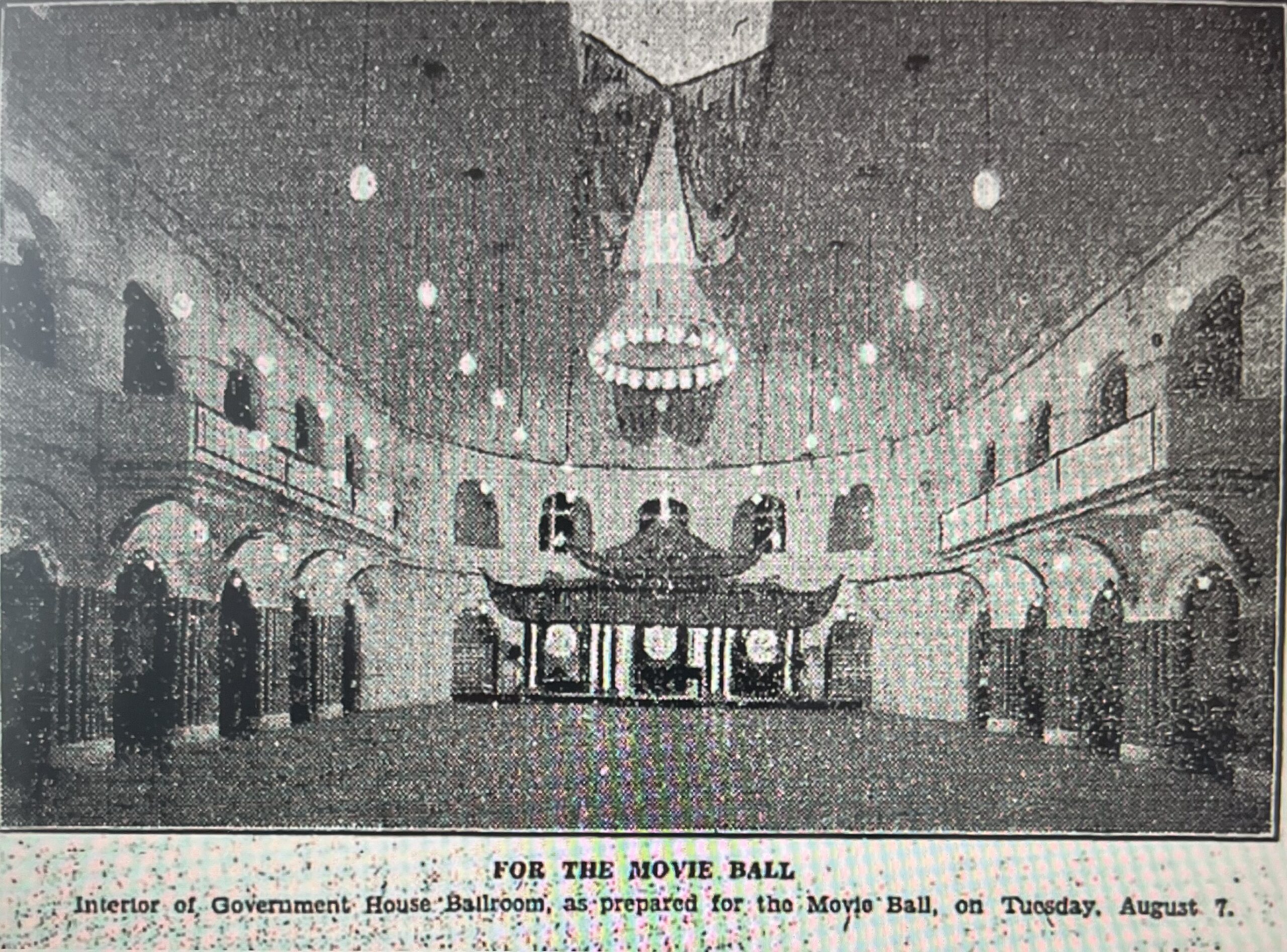
FOR THE MOVIE BALL Interior of. Government House Ballroom, as prepared for the Movie Ball, on Tuesday, August 7.
Daily News (Perth, WA : 1882 – 1955), Monday 13 August 1928, page 8
1929
SPIVAKOVSKY
Concerts by Famous Pianist
THE WORLD FAMOUS PIANIST, Jascha Spivakovsky, will make his reappearance in the Government House Ballroom next Saturday night. The Spivakovsky of seven years ago is exceedingly well remembered by local music lovers as a player of extraordinary power and virility, full of life and youthful vigor, whose playing of even the best known pianoforte numbers revealed the intense personality of the interpreter. It will be indeed interesting to see what a few years have done for the fiery young Russian. Since he left .Australia he has played with practically every orchestra of note in Europe, and his reputation as a concert player is now world-wide. During his recent triumphal season in Sydney, Spivakovsky made a point of introducing at least one new composition at each of his eight concerts. much to the delight of musicians and students.
Truth (Perth, WA : 1903 – 1931), Sunday 5 May 1929, page 13
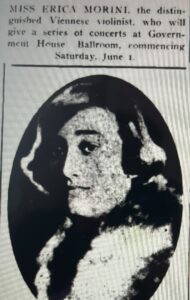
MISS ERICA MORINI, the distinguished Viennese violinist, who will give a series of concerts at Government House Ballroom, commencing Saturday, June 1.
Weekly Judge (Perth, WA : 1919 – 1931), Friday 24 May 1929, page 1
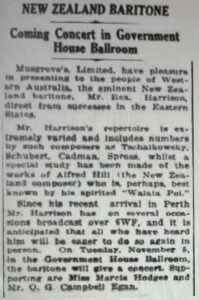
Sunday Times (Perth, WA : 1902 – 1955), Sunday 27 October 1929, page 9
1930
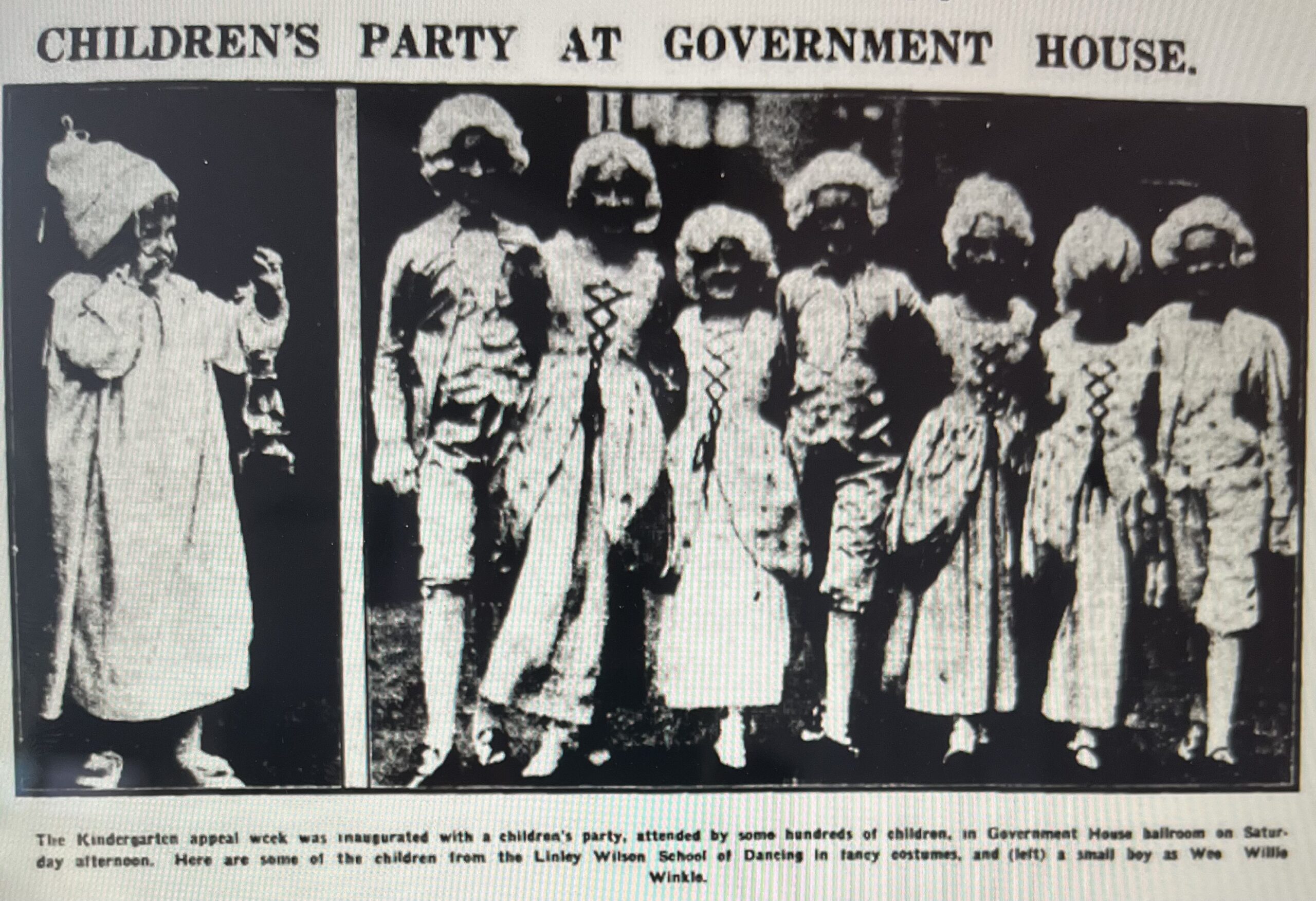
CHILDREN’S PARTY AT GOVERNMENT HOUSE.
The Kindergarten appeal week was inaugurated with a children’s party, attended by some hundreds of children, in Government House ballroom on Satur day afternoon. Here are some of the children from the Linley Wilson School of Dancing in fancy costumes, and (left) a small boy as Wee Willie Winkle.
West Australian (Perth, WA : 1879 – 1954), Monday 18 August 1930, page 12
1933
1935
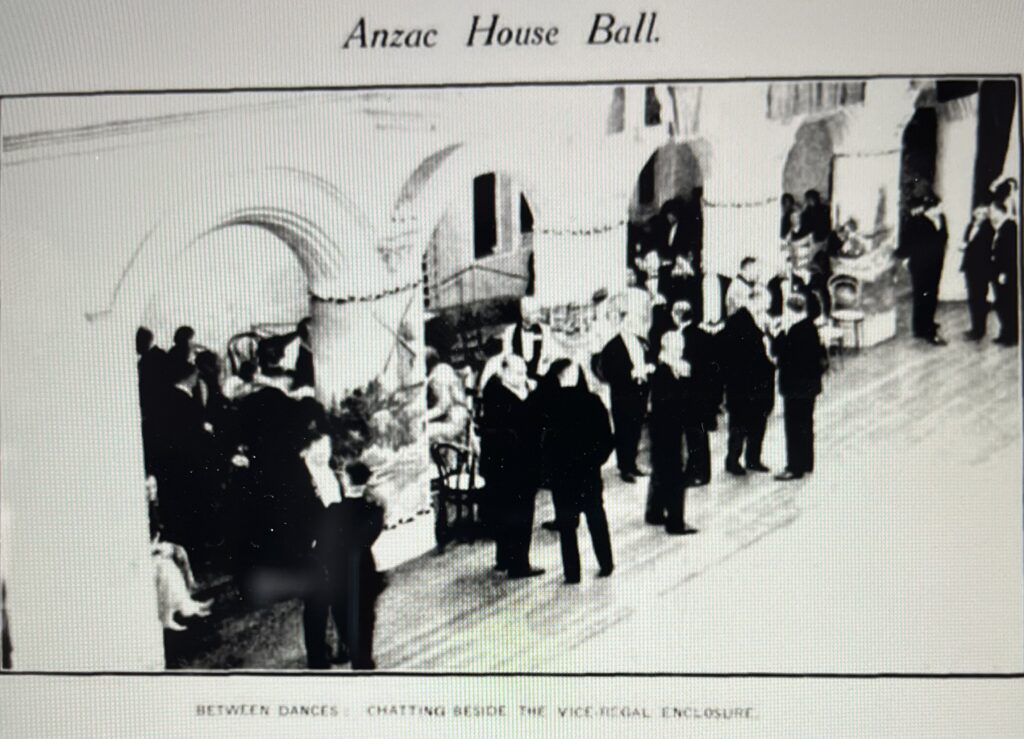
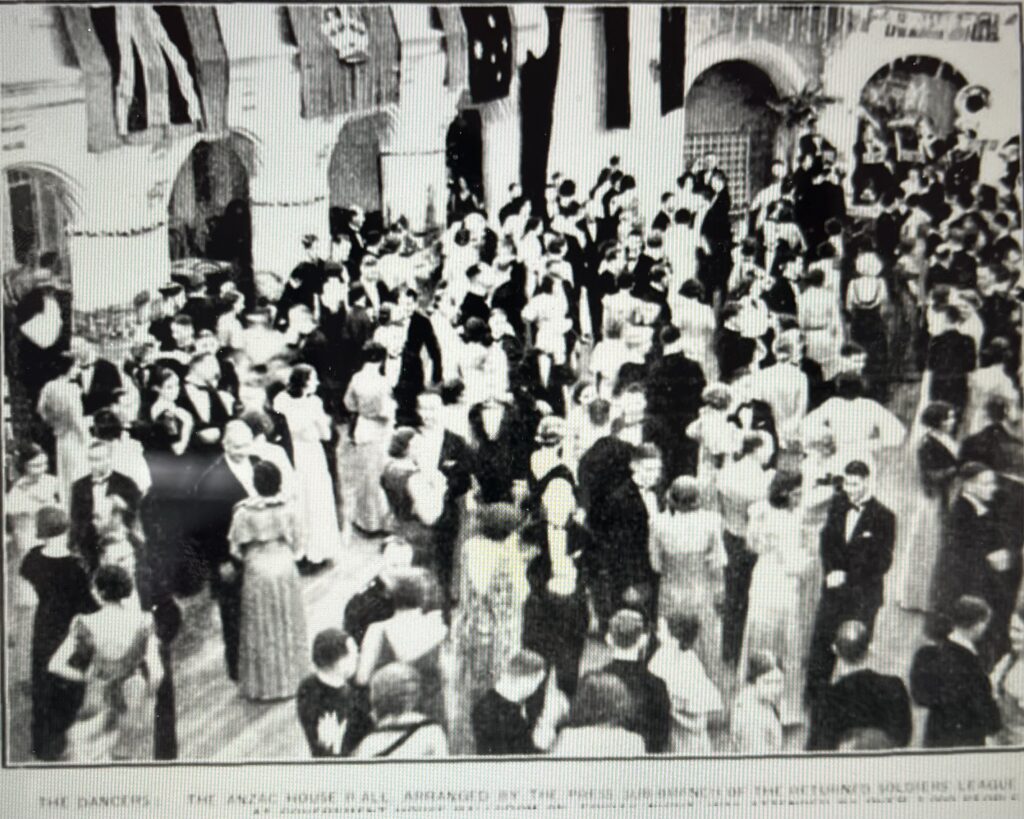
ANZAC HOUSE BALL. Presentation of Debutantes.
GOVERNMENT House Ballroom presented a brilliant scene on Friday night when the third annual Anzac House Ball took place. A pleasing prelude to the ball was the delightful musical programme given by the R.S.L. Memorial Band in the Government House grounds. Gay flags, bunting, balloons and palms all added to tho brightness of the scene.
For the dancing music was supplied by the Australian Broadcasting Commission’s band from 6WF, conducted by Mr. Nelson Burton, and supper was served in the supper room below the ballroom, and in Stirling Institute. The tables werP effectively arranged with a profusion of gladioli, chrysanthemums, wattle, poinsettias and red hybiscus. Supper was served simultaneously in both rooms. A happy innovation later in the proceedings was the serving of hot beef tea at 1 o’clock. Buffets were conducted by Mrs. Orgill in the vestibule and on the side balcony, the attendants being a bevy of girls in picturesque period frocks in red and white. Entertaining interludes during the evening included two specialty numbers in costume by the Roma Gibbons ballet, and a demonstration dance by Miss Renee Esxer and Mr. J. McMorrow.
The ball (a running description of which was broadcast from 6WF) was organised by the Press sub-branch of the Returned Soldiers’ League, in conjunction with the State executive of the league. From the proceeds, £50 will be devoted to the work of the Press branch ( of the Sons of Soldiers’ League, and the ‘ balance will go to the Anzac House ; Building Fund.
His Excellency the Lieutenant-Governor (Sir James Mitchell) and Lady Mitchell were the guests of honour, and were accompanied by Mr. and Mrs. Terence Anketell. Captain K. A. Hall and Lieutenant C. H. Evans, A’s.D.C, were in attendance. Other special guests included:-The Acting-President of the Legislative Council (Mr. J. Cornell) and Mrs. Cornell, the Speaker of the Legislative Assembly (Mr. A. H. Panton) and Mrs. Panton, the Minister for Employment (Mr. J. J. Kenneally) and Mrs. Kenneally), the Lord Mayor of Perth (Mr. J. J. Poynton) and the Lady Mayoress (Miss Mabel Teather), Lieutenant-Commander H. B. Hatten, R.A.N. (representing the District Naval Officer, .Commander R. Griffiths Bowen) and Mrs. Hatten, the District ] Commandant (Brigadier A. M. Martyn) and Mrs. Martyn, Lieut.-General Sir J. Talbot Hobbs, Lady Hobbs and Miss Nancy Hobbs, and the State president of the Returned Soldiers’ League (Mr. A. Yeates). The president of the Press sub-branch of the Returned Soldiers’ League (Mr. K. T. Henderson) and Mrs. Henderson were the host and hostess.
A feature of the evening was the presentation of the following eight debutantes: Misses Betty Churchill (South Perth), Miss Marion Cowan (Subiaco), Miss Pauline Snowball (West Leederville); Miss Margaret Hudson (North Perth), Miss Daphne Watson (North Perth), Miss Mavis Fry (Nedlands), Miss ; Vivien Gammon (Nedlands), and Miss Dorothy Victor (Nedlands). They all wore white frocks and carried posies of bright red flowers, presented to them by the committee. Members of the committee responsible for all arrangements in connexion with the ball included:Mr. C. Longmore (chairman), Brigadier A. M. Martyn, Lieut.-Commander H. B. Hatten, Colonel J. E. Mitchell; Messrs. D. M. Benson, B. Kirke, G. Anderson, J. F. Pocklington, R. Olney, R. A. Biggs (secretary) and Lieut.-Colonel A. C. N. Olden. Members of the 103rd Howitzer Battery, A.F.À., lent valuable assistance to the committee in many ways.
Viceregal Party Arrives.
The viceregal party arrived at 9.45 o’clock and were met at the private en-trance to the ballroom by Mr. and Mrs. Henderson, Mr. C. Longmore and other members of the committee and escorted to the dais, accompanied by Mrs. Terence Anketell and Mr. Yeates, the Lord Mayor and Lady Mayoress, Slr Talbot and Lady Hobbs and Miss Nancy Hobbs. The national anthem was then played, after which the eight debutantes were presented to His Excellency and Lady Mitchell by Captain K. A. Hall, A.D.C. They walked gracefully down the centre I of the ballroom on a crimson carpet while the orchestra played “The Debutantes” and Miss May Webster sang the song, making their curtsies in charming fashion. They then joined their partners, all except one of whom were military officers in uniform and danced a minuet.
Western Mail (Perth, WA : 1885 – 1954), Thursday 30 May 1935, page 58
1939
TALENTED W.A. MUSICIAN.
GOVERNMENT HOUSE RECITAL.
Miss June Epstein, the talented musical daughter of Mr. Epstein, of Embassy Cabaret fame, is to give a pianoforte recital in Government House Ballroom on Tuesday, November 7. It will represent the clever young artist’s first public appearance since returning from London, where her artistry was acclaimed by leading English critics. Miss Epstein won the most coveted overseas scholarship ever offered to a music student in Western Australia. The international boil-over has prevented, her return to London to take up a further scholarship conferred on her by the University of London. She will leave, for the Eastern States after her recital. Reservations are at Nicholson’s.
Guardian (Perth, WA : 1937 – 1954), Friday 20 October 1939, page 2
1940
Orchestral Season
Harold Williams, whose recital at Government House Ballroom met with such tremendous success, will be the soloist at the first Celebrity Orchestral Concert in the 1940 series on Saturday April 20, at the Capitol Theatre. The A.B.C. (Perth) Symphony Orchestra, under the conductorship of Professor Georg Sehneevoight, will present a programme including Symphony No. 5 (Beethoven), Air de Ballet (Gluck), Karelia Suite (Sibelius), Shepherd Fennels Dance (Balfour), Caprice Espagnol (Rimsky-Korsakov). Mr. Williams will sing operatic excerpts from Mozart’s “Marriage of Figaro” and Wagner’s “Tannhauser.”
Sunday Times (Perth, WA : 1902 – 1955), Sunday 14 April 1940, page 8
1941
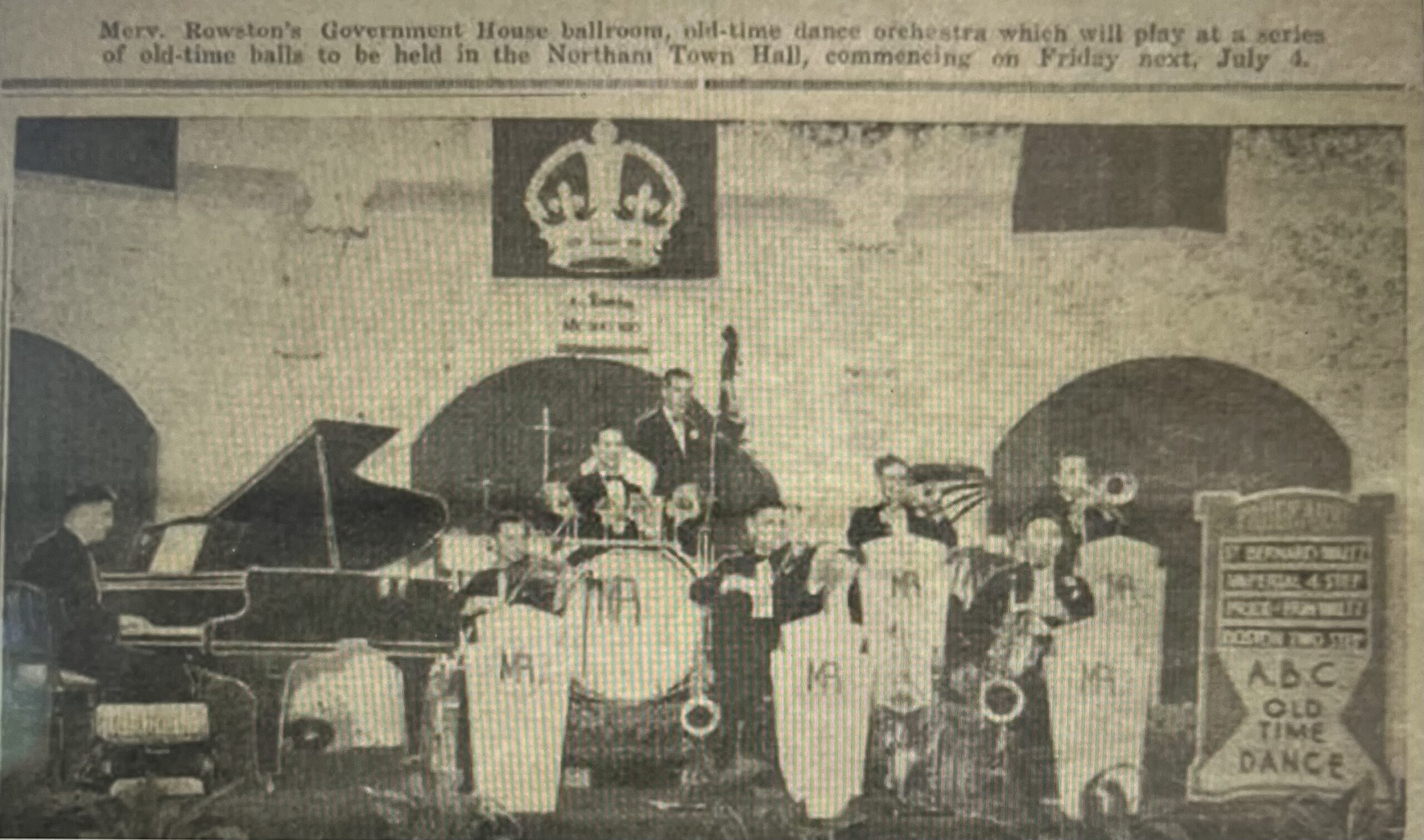 Merv Rowston and his Government House Ballroom Orchestra
Collie Mail (WA : 1908 – 1966), Thursday 24 July 1941, page 3
Christmas Dancing:
GOVERNMENT HOUSE BALLROOM ORCHESTRA IN BUNBURY
Now familiar to Bunbury dancers, and also to many of the town’s holiday visitors, is Merv. Rowston‘s famous Government House Ballroom Orchestra of eight players. This delightful combination, complete with Bernard Williams as M.C., will hold a gala dancing festival in the Bedford Hall, Bunbury, on Christmas night and Boxing night, There will be two sessions of dancing on Christmas night and again on Boxing night; the early ses-sion is from 8 till 11.30, and the late session from midnight till 4 a.m. The programme will include old-time and modern, and also lucky spot dances, A feature of the dances will be a Circular Waltz competition, for which silver cups and cash prizes will be awarded. Supper arrangements are in the hands of the Bunbury branch of the St. John Ambulance, At the hands of the capable and experienced Government House Ballroom unit, patrons may safely anticipate four good, bright sessions of dancing entertainment. The price of admission to each ses-sion is two shillings, free of tax.
South Western Times (Bunbury, WA : 1932 – 1966), Wednesday 24 December 1941, page 1
1957
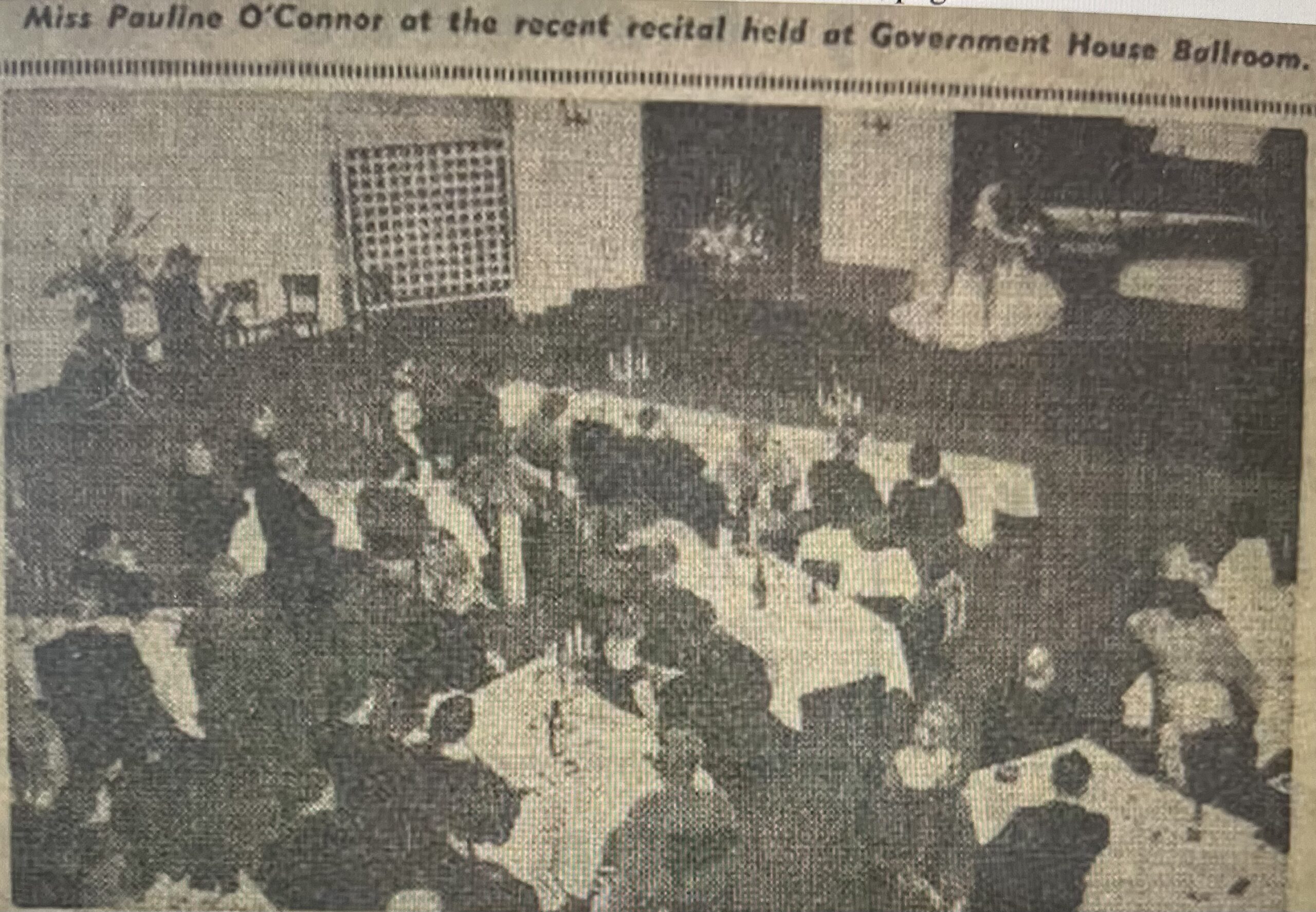
Miss Pauline O Connor at the recent recital held at Government House Ballroom.
Kojonup Courier (WA : 1951 – 1958), Wednesday 28 August 1957, page 1