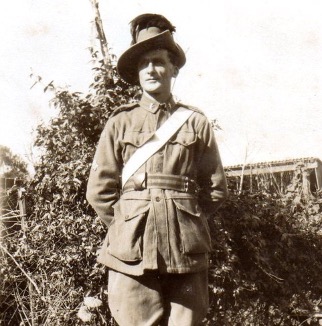
Frederick Charles Bridge was born in 1892 to John Thomas Bridge (born c. 1861) and Mary Elizabeth Pickering (born c.1863).
He was a cadet in the 20th Infantry Parramatta for 4 years and married Emma Ridley (1890 – 1964) in Granville NSW in 1913. At the time of his enlistment had been a cabinet maker for 5 ½ years with Murray Brothers in Parramatta.
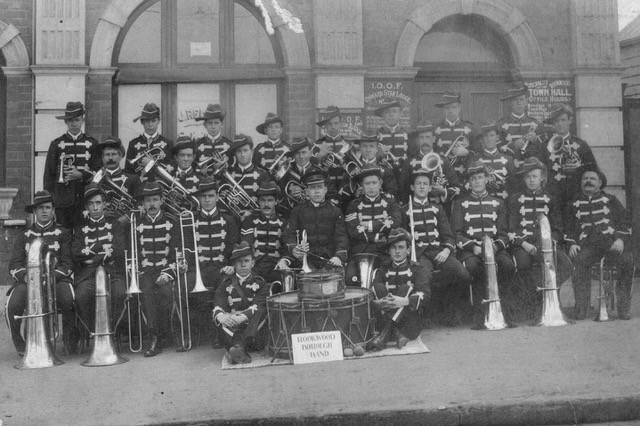
 1915
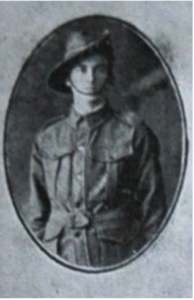
Frederick enlisted No. 3110 in the 6th Australian Light Horse Regiment on 5.9.1915 aged 23 – a cabinet maker from Parramatta.
He embarked for the Middle East on 10.5.1917 on HMAT Boorara.
In August 1917, the Anzac Mounted Division was resting at Marakeb, a camp on the Mediterranean coast about three miles north of Khan Yunis. After months of campaigning, the men were given a rare opportunity to rest, swim in the Mediterranean, train and prepare their horses for the coming offensive.
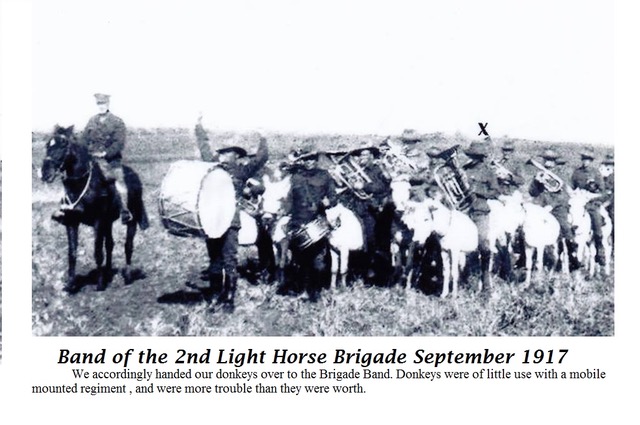
Lieutenant John Crosby-Browne of the 5th Light Horse had previously served as a military band conductor in the British Army. Recovering from malaria, he was approached by Lieutenant Colonel John Arnott, commanding officer of the 7th Light Horse Regiment, and asked to form a band to entertain and raise the morale of the troops.
The response was rapid and the band grew steadily in numbers for the next month, including Frederick Bridge who joined on 2nd September 1917.
When Lieutenant General Harry Chauvel inspected the 20 member ANZAC Mounted Division Band at Desert Column on 22 September 1917 he was impressed. The band was seconded to Anzac Mounted Divisional Headquarters and ordered to accompany the Division into the field. Additional instruments and music were obtained from London by Crosby-Browne in late September.
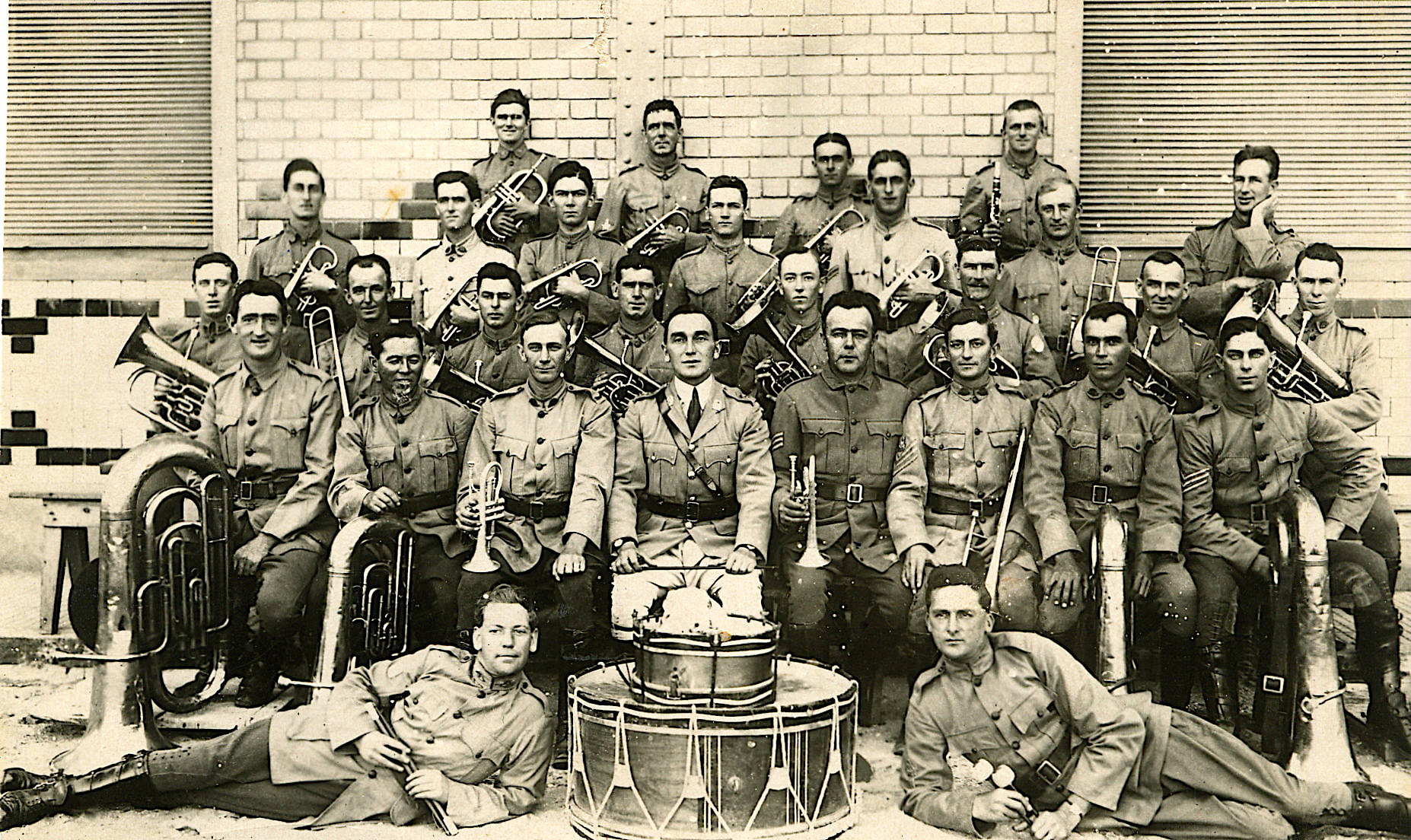
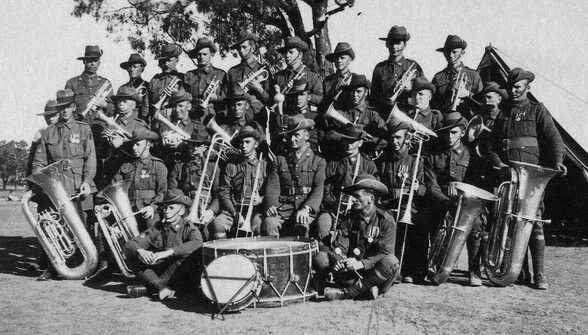
One of the band’s earliest major assignments was a sports afternoon on 6 October 1917 organised by the 2nd Light Horse Brigade, commanded by Brigadier General Ryrie with Generals Allenby and Chaytor present.
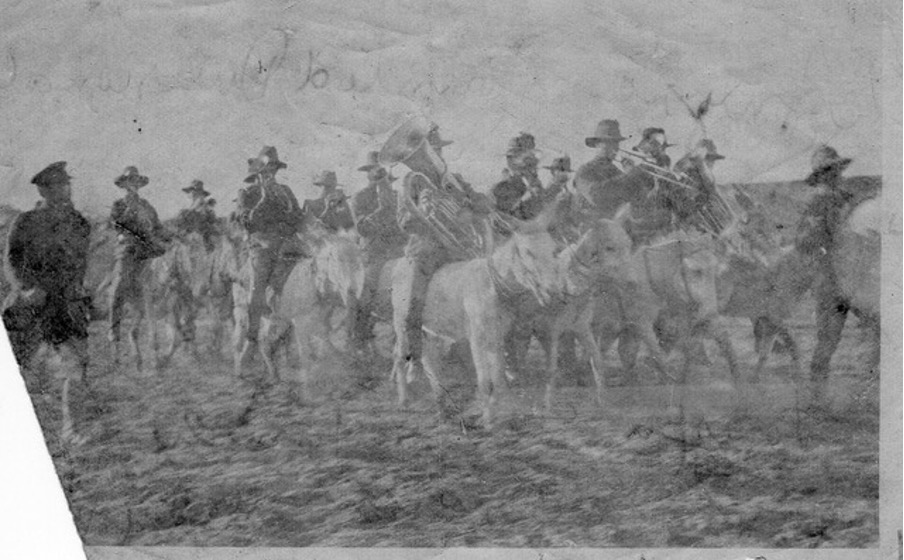
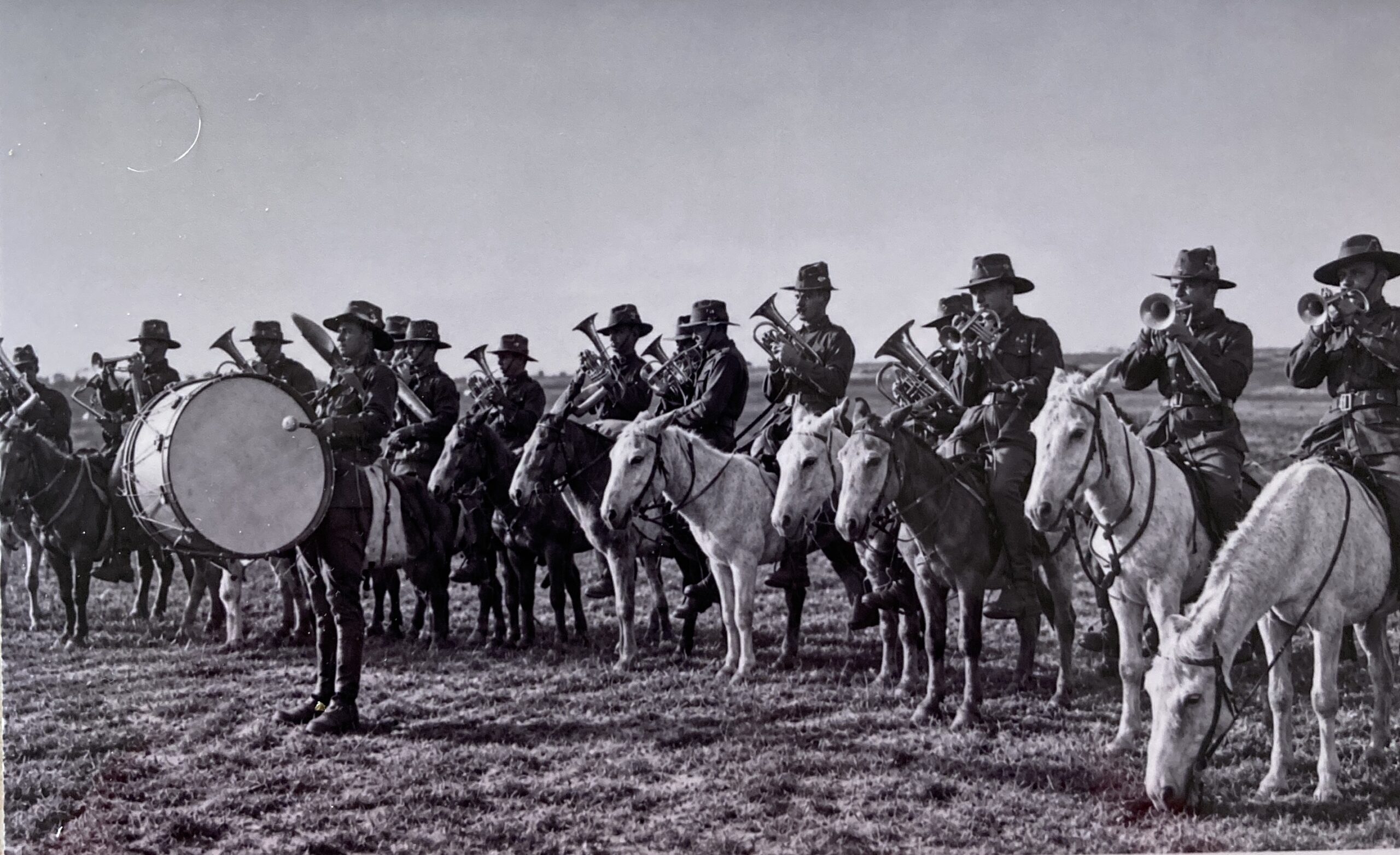
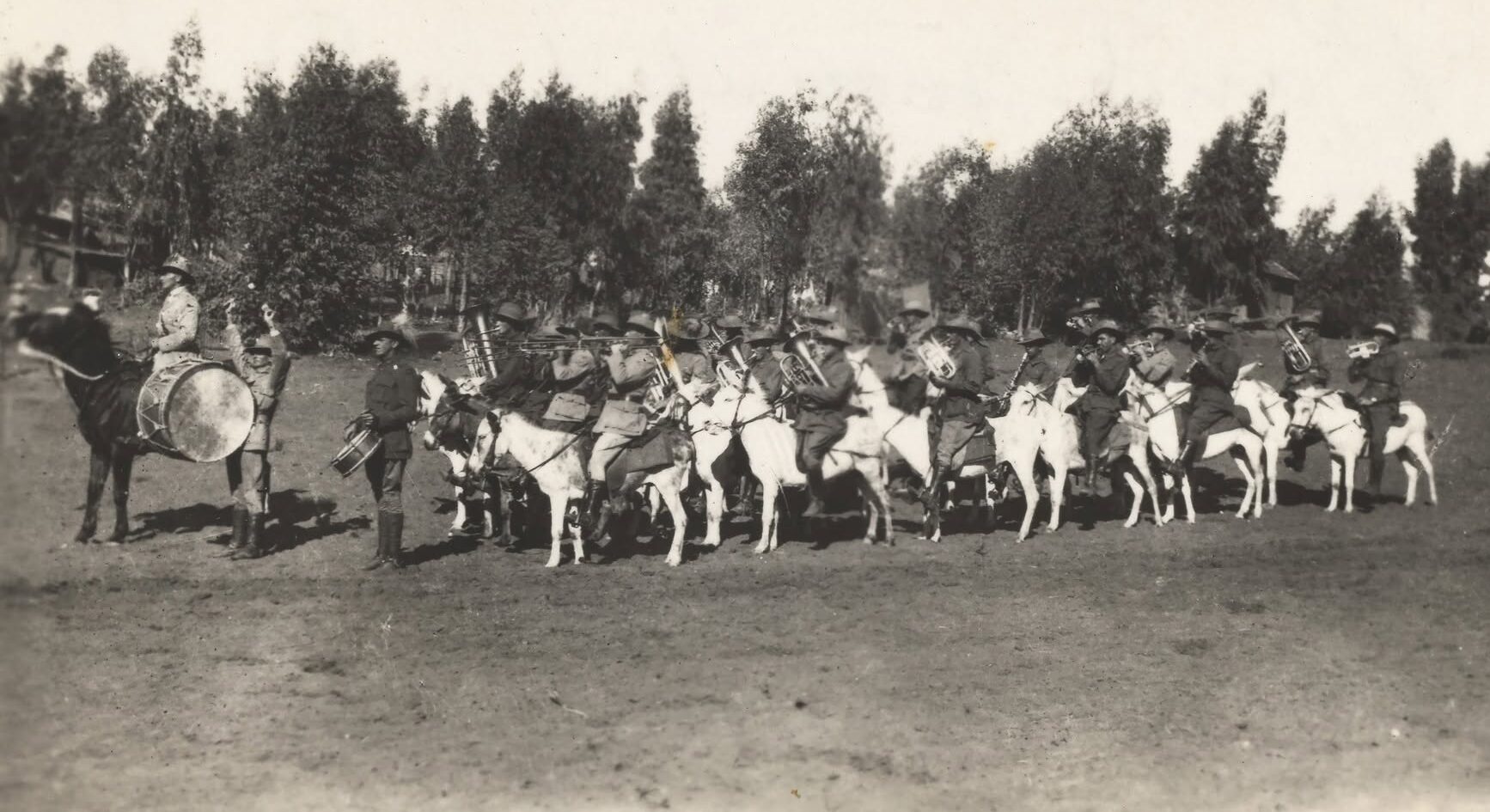
The ANZAC Band became known for riding on white sudanese donkeys.
Bridge suffered from malaria and persistent ear problems during his service in the Middle East.
1919
He departed on 28.6.1919 per the “Madras” from Kantara and brought his drums sticks home with him.
July 1919
Mrs. Bridge, Lansdowne-street, Parramatta South has been notified that her husband, Trooper F. C. Bridge is returning home by the troopship Madras, due in Melbourne on the 28th inst and in Sydney a few days later. Trooper Bridge has been away two years and four months, most of the time being spent in Egypt and Palestine.
Cumberland Argus, 26 July 1919
1927
Frederick performed with Dame Nellie Melba for the Duke and Duchess of York at the opening of the Old Parliament House, Canberra.
Provisional Parliament House in Canberra was officially opened on May 9, 1927.
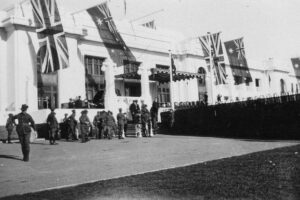
His Royal Highness the Duke of York (later King George VI), accompanied by the Duchess of York, unlocked the front doors using a large gold key. Prime Minister Stanley Melbourne Bruce delivered the inaugural address. A formal message was read aloud from His Majesty the King declaring the parliament open.
Renowned Australian soprano Dame Nellie Melba sang the national anthem (God Save the King) on the front steps, followed by the crowd and the Canberra Philharmonic Society. Thousands of spectators cheered, Royal Australian Air Force (RAAF) planes flew overhead, and attendees enjoyed festivities including turtle soup and Canberra pudding inside, with meat pies and scones served to the crowds outside.
Video footage of the event exists:
https://www.moadoph.gov.au/about/old-parliament-house/history
By 1932, the electoral roll shows Frederick as a carriage builder.
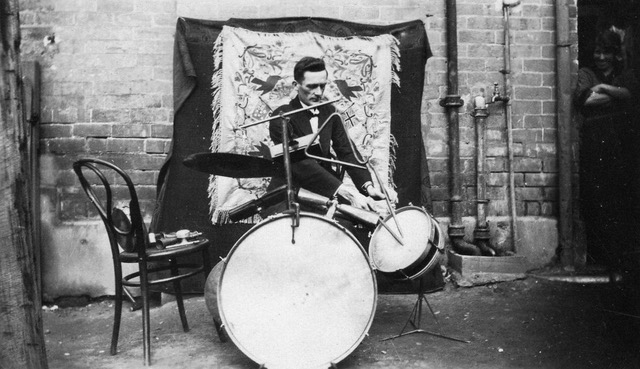
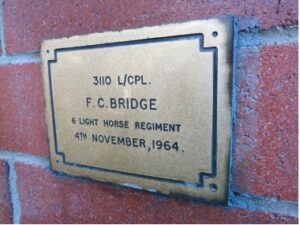 Frederick and Emma had children Daphne, Violet, Joyce, Fredda, Beryl and Naomi.
Frederick died on 4.11.1964 at the age of 72.
The band’s bass drum returned to Australia.
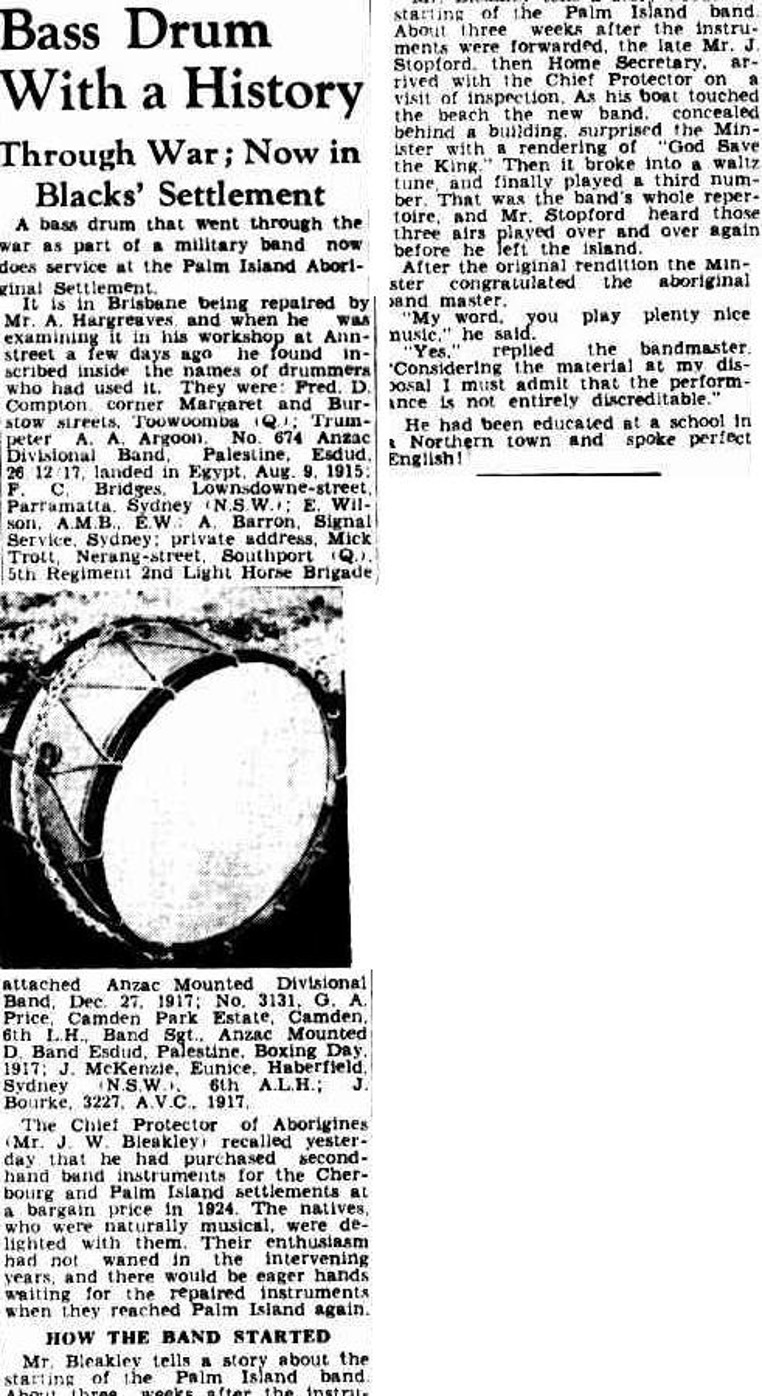
| National Library of Australia | http://nla.gov.au/nla.news-article37895045 |
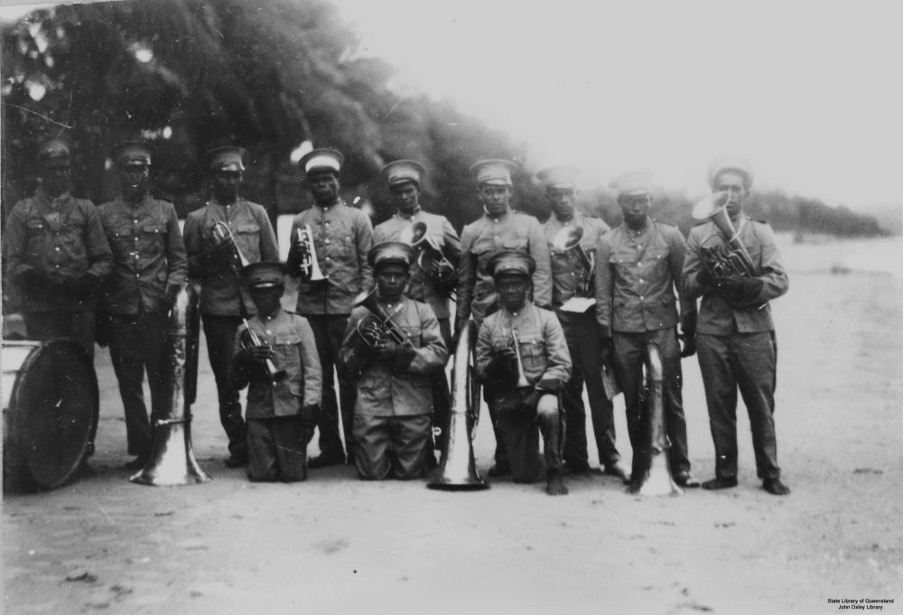
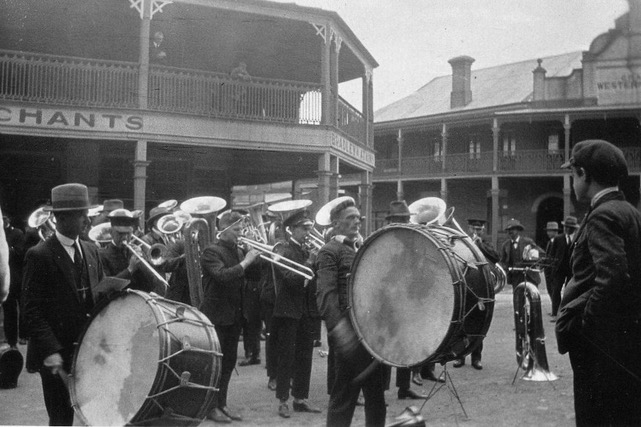
Palm Island Brass Band, Queensland, 1931 (source: State Library of Queensland: 166102)
https://bandblastsfromthepast.blog/tag/palm-island-brass-band/