Tommy Tycho and music-making in Western Australia
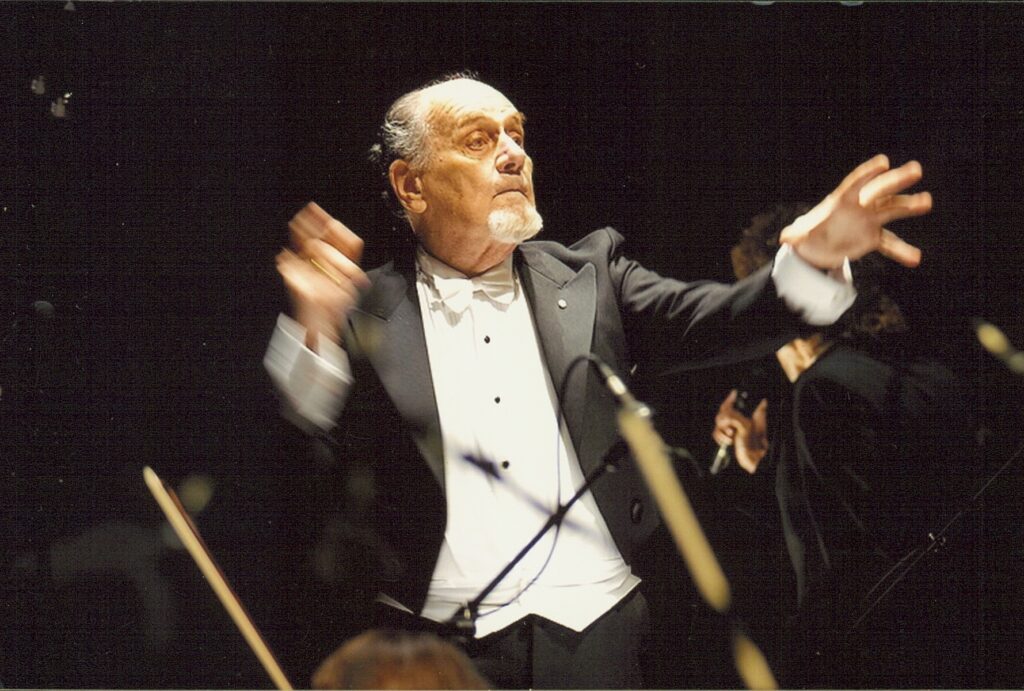
Tommy Tycho had a long association with the West Australian Symphony Orchestra. From 1984-2003 he was a frequent guest conductor in their family and contemporary music programs. At the time Tommy was the first popular music conductor to appear with all the state symphony orchestras (who were then managed by the ABC).
The first concerts Tycho performed with WASO were the ABC Family concerts 1984 featuring Tommy and Vicky and conducted by Dobbs Franks. Soon Tycho was invited as a guest conductor for WASO and the first concert was “Fascinating Rhythms” featuring singer Jackie Love. The program also included the Perth premiere of Tommy’s 1984 “Prom Overture”, op.5 which had been commissioned by Sydney Youth Orchestra. The concert also featured Tommy’s piano and orchestra arrangement of Gershwin’s “Fascinating Rhythm”, with many other Gershwin themes thrown in.
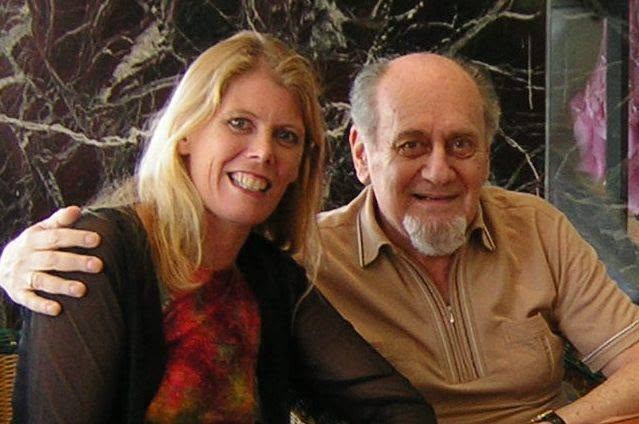
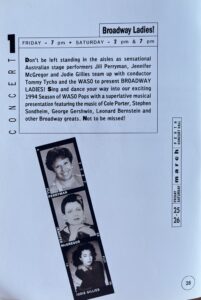
During the 1990s Tycho was featured as conductor in the “Fantastic Fridays” series. These concerts included Broadway music, and a Disney concert was also programmed in the 1990s featuring singers and instrumental arrangements of Disney music. Another concert called “All themes great and small” featuring daughter Vicky Tycho who gave her debut in 1982 and worked regularly with Tommy during the 1980s-1990s as a duelling piano act.
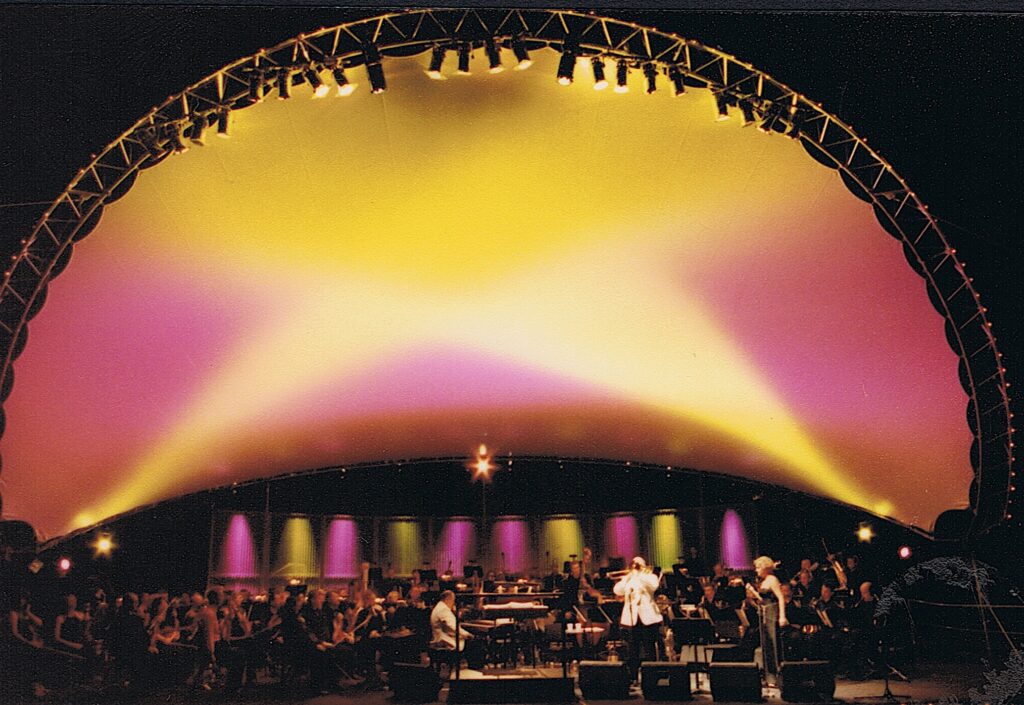
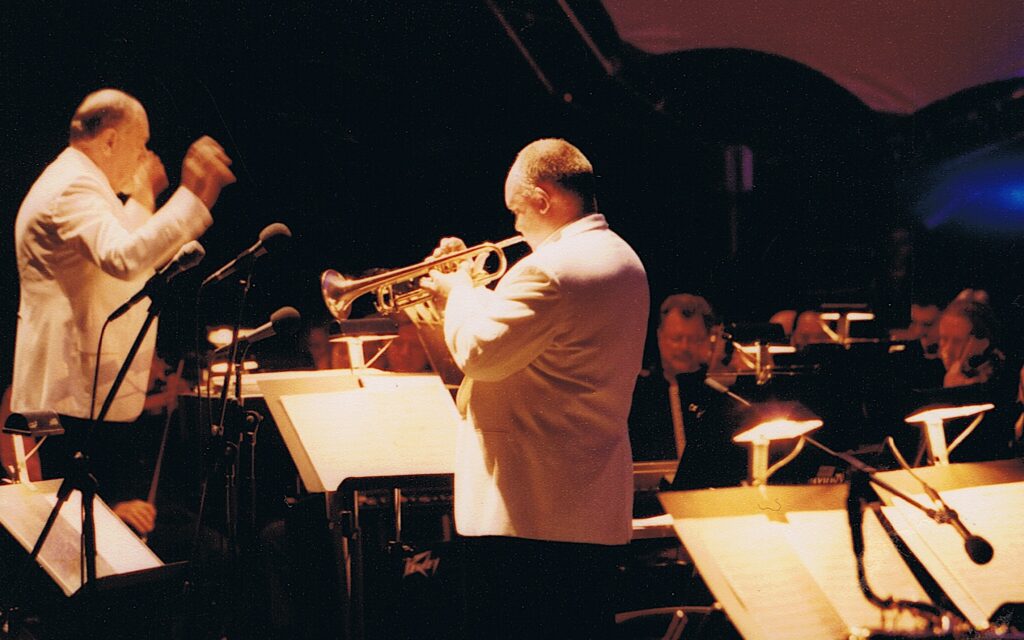
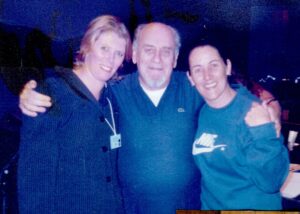
In 2000 Tommy conducted many of WASO’s outdoor concerts called “Pops in the Park” held at Kings Park.
These featured James Morrison and Emma Pask, the crooner Frank Bennett, and Grace Knight.
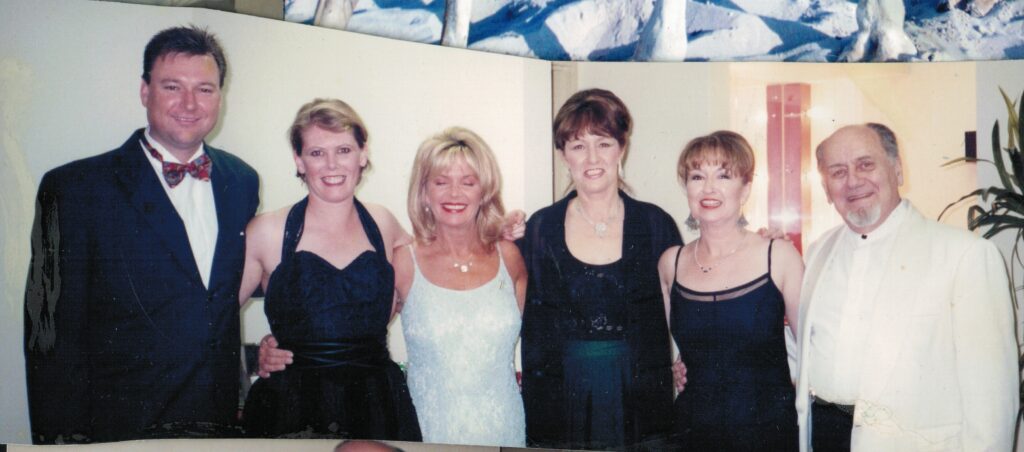
The early 2000s saw Tycho return to WASO as a guest artist and conductor as part of the Ernst and Young Contempo Series. These concerts included Rhonda Burchmore and pianist Ray Aldridge. Other concerts featured Julie Anthony, Rob Guest, and others.
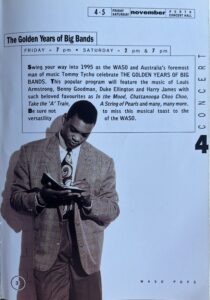
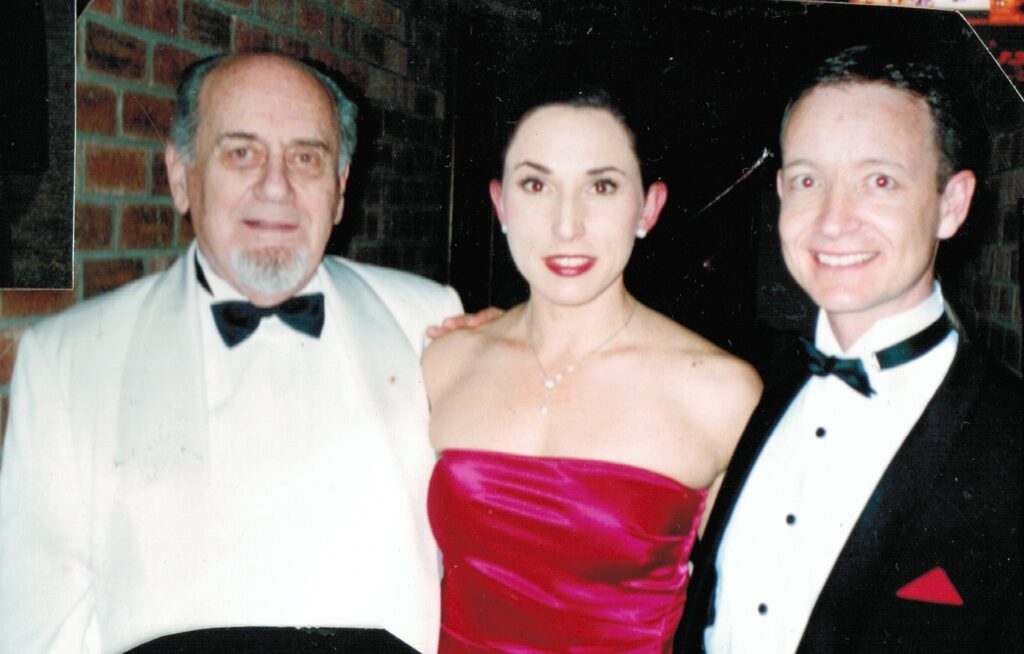
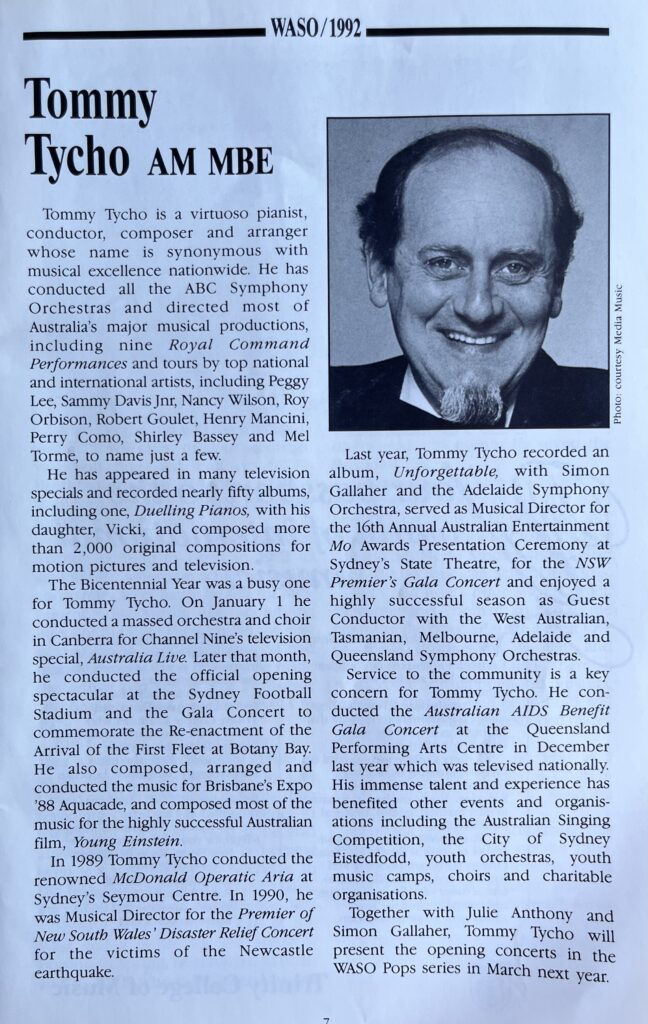
In 2003 Tommy was commissioned by WASO to compose a five-minute piece to celebrate their 75th birthday (Tycho also celebrated his 75th birthday that year), which was a celebratory overture called The Celebration of Septuaginta Quinque.
This was part of their 5 x 15 commissioning program in which they commissioned 15 composers to write 5 minute works totalling 15 minutes. In this same concert Tommy also gave the premiere of the third movement of his Violin Concerto, which was performed by WASO’s concert master at the time, Daniel Kossov.
Material provided by Dr Samuel Cottell.
Tommy Tycho (1928-2013), AM MBE, Doctor of Music (honoris causa)
Thomas (Tommy) Tycho was born in Budapest, Hungary in 1928. His mother was a celebrated soprano, and his father worked for the Hungarian Electrical Commission. By age four Tycho began learning the piano and soon was a child prodigy, playing Gershwin’s Rhapsody in Blue with the Budapest Philharmonic at ten years of age. Tycho also studied composition with Leo Weiner, Zoltan Kodaly, and Carl Orff. The Occupation of Hungary and World War II interrupted Tycho’s studies and he was interned in a Labor camp and the ghetto. After the war Tycho continued his studies in composition and conducting. To make a living to support his family he worked as a pianist and arranger in jazz and dance bands in Hungary performing in upscale hotels and making recordings. He also worked in a number of night clubs. His formal studies included music at the Hungarian Gymnasium and the Franz Liszt Academy of Music. Leaving Hungary the day before the Communist takeover, Tommy joined a dance band led by Jules Szepesi, and they became residents at the Park Hotel in Tehran. Tycho was soon called upon by the Shah and became the palace pianist. During this time Tycho met his wife Eve, and wanting to settle down they migrated to Australia in 1951.
Unable to join the protectionist Musician’s Union of NSW Tycho sought work at David Jones as a storeman in the loading dock. Upon gaining entry to the Union Tycho auditioned at the ABC and soon gave broadcasts on the Sunday radio program A Handful of Keys. During the 1950s he regularly broadcast on ABC radio including as a duo pianist with Glenn Marks, as pianist with the Jay Wilbur Ensemble, in the Geza Bachmann Trio, and forming his own light music ensemble, The Thomas Tycho Players, where he wrote the music arrangements, compositions, and led the ensemble. Beyond the ABC Tycho led a quartet on radio 2UW, appeared on The Ford Show, and for a time was the Shefte Melody Man broadcasting popular tunes on the 2UW program. In the 1950s Tycho also composed his first two film scores for the Government film department: Valley of the Yarra and A Call for Order.
When Channel 7 (ATN) commenced broadcasting on 2 December 1956, Tycho was one of the first musicians to perform on television. At the same time he was also a pianist and arranger in the Sydney Tonight orchestra, soon becoming the music director of the entire 7 network. Tycho was vital to the success of television working as music director for all of the music and revue programs Curtain Call, The Commonwealth Bank Hour of Music, Revue ‘61, ‘62, Startime, Startime ‘63, Studio A, Teen Time, The Johnny O’Keefe Show (later renamed Sing Sing Sing), and many more. During this period Tycho also composed original music for locally produced television programs Penthouse, and the documentary series ANZAC. He later wrote music for The Mavis Bramston Show, the theme music for You Can’t See ‘Round Corners, The Battlers, and Riptide. During the period 1964-1968 Tycho wrote arrangements for RCA Records of Australia appearing on over fifty recordings. Here he released his debut LP as pianist arranger and conductor on Tycho, Tycho. In the latter years of his association with ATN7 Tycho also directed the orchestra at the Silver Spade, working with artists such as Ethel Merman, Mel Torme, Barbara Eden and other international artists.
Leaving television in 1972 Tycho reinvented himself by returning to live performing. With the help of Robert A. Gunn and Mel Welles, the trio created a series of concerts in association with 2CH Radio who had just switched to the ‘good music’ format. The concerts featured the newly formed Good Music Orchestra and showcased Tycho’s talents as a pianist, arranger, and conductor. The first of these concerts, Good Music Live at the Sydney Opera House, was released on Festival Records. These were followed by a series of “Nigh with …” concerts that included music by Gershwin, Cole Porter, Irving Berlin, and Rodgers, Hammerstein and Hart were all recorded and released on LP. During this time Tycho also created Big Band Concerts, An Evening with Julie Anthony, and Hello Broadway starring Anthony, Barry Crocker, and Frankie Davidson. In 1979 Tycho was the music director for Peggy Lee’s Australian tour. During this period he was the music director for A Concert for Darwin, and for June Bronhill’s concert at the Sydney Opera House.
Having established himself as the leading orchestral popular music figure in Australia, the 1980s saw Tycho conducting the first Royal Charity concert broadcast live from Sydney Opera House. In 1980 Tycho once again returned to television as the music director of the multicultural music variety program Cabaret on the newly established Channel-0 (SBS). He made recordings, and with Lynn Rich as manager formed the Sydney International Orchestra. In 1982 Tycho composed and arranged music for the Commonwealth Games in Brisbane. In 1983 he was the music director for the opening of Sydney Entertainment Center. During this time Tycho formed a piano duo with his daughter Vicky. They toured nationally and made an LP Duelling Pianos.
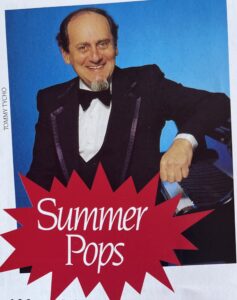 In 1984 Tycho arranged and recorded Australia’s new national anthem Advance Australia Fair for the ABC. He later arranged various versions of the anthem in 1985 and 1986. The 1986 version was recorded by Julie Anthony and is the version still used today for major sporting and cultural events. Tycho’s most iconic version is perhaps the special 1988 Bicentennial version broadcast live from the lawn of Parliament House and was used as ABC television’s station closing throughout the 1980s and 90s, with Tycho’s arrangement giving Australia’s anthem its heart and soul.
The 1980s saw Tycho engaged as a guest conductor with the state symphony orchestras becoming one of Australia’s first popular music maestros. He first was invited as a guest pianist with the MSO, then recorded a three-part television series, My Music, with the Queensland Symphony for ABC television. He conducted the Queensland, Adelaide, Tasmanian, West Australian, and Sydney Symphony Orchestras over a twenty-year period. Tycho continued to be in demand as conductor, arranger and pianist throughout the 1990s and 2000s making three albums with his protege Bernard Walz. Tycho also wrote the arrangements for three Anthony Warlow albums and was music director for two of Warlow’s national tours in the 1990s and 2000s. He provided arrangements and recordings for hundreds of artists and was in demand for all the major cultural events. In 1995 he published his memoirs The Tommy Tycho Story: Music, Maestro Please.
During his lifetime Tycho composed several film scores including the iconic Young Einstein for Yahoo Serious and others. Tycho composed a number of light music pieces including Sydney Suite, Sunday at Taronga Park, Dance of the Fireflies, The Kangaroo and others. He also composed a number of classical concert pieces including a String Quartet (1947), Suite for Grand Orchestra (1948/9), Three Pieces for Woodwind Quartet (1971), a Trumpet Concerto for Dick Montz (1985), Proms Overture, op.5 (1984) commissioned by the Sydney Youth Orchestra, The Celebration of Septuaginta Quinque commissioned by WASO in 2003, “Romanza” the second movement from his incomplete second piano concerto, and his magnum opus, the Violin Concerto (2002) which is regularly performed.
Tycho was awarded an MBE in 1977, an AM in 1987 and an honorary Doctor of Music in 2007 from the University of Sydney. He was also a patron of the MO Awards. Tycho’s enduring legacy is still present today in Australian cultural life. His orchestrations are still performed by orchestras and the Tycho Trust, led by his daughter Vicky, ensures his music is made available for future generations through digitisation and preservation. Samuel Cottell has written a PhD on Tycho “From storeman to stardom: the life and music of Tommy Tycho within the context of light music 1951-1978,” and a new documentary TYCHO! Beyond the Baton by Stephan Wellink has won multiple awards and accolades being regularly screened in cinemas around Australia.
Biography provided by Dr Samuel Cottell 2026.