Search names, events, places, organisations, and sources across the archive.
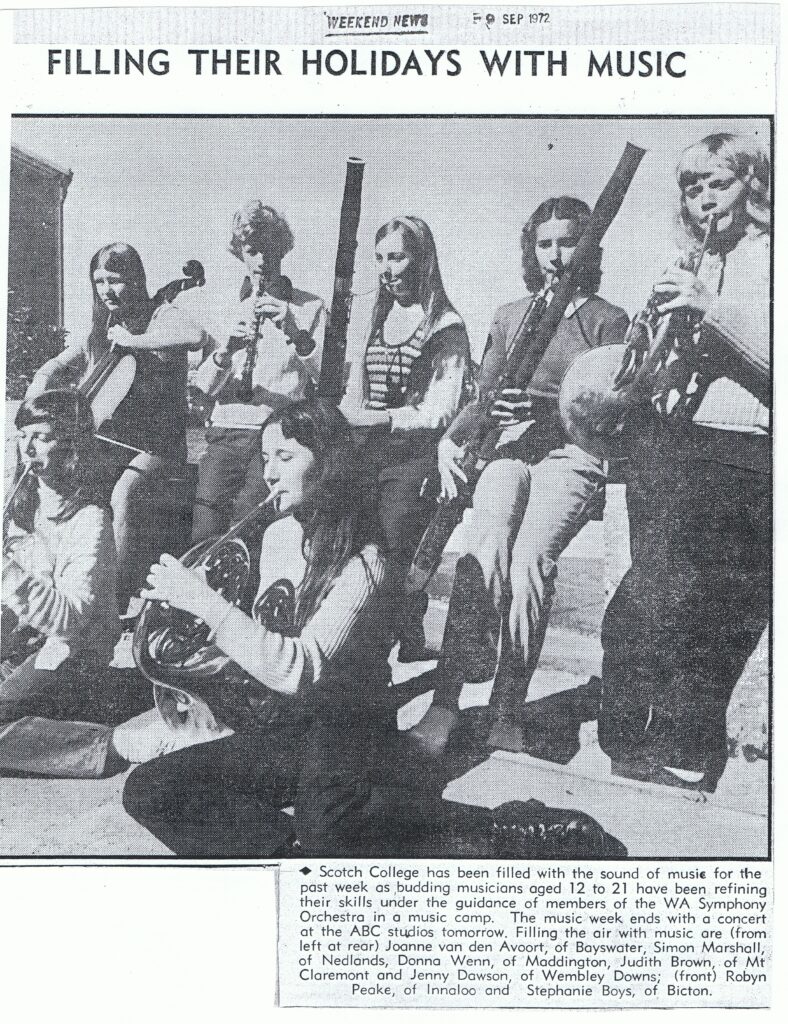
Scotch College Music Camp
Person
CARMICHAEL, Michael
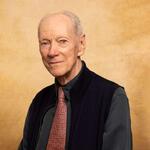
Born in Melbourne in 1930, John Carmichael studied piano with Raymond Lambert and composition with Dorian Le Gallienne at the University Conservatorium before continuing his piano studies at the Conservatoire National in Paris with Marcel Ciampi. Contact with Arthur Benjamin while he was still in Australia led to a period of study with him in London, studies in composition continued later with Anthony Milner.
John Carmichael was a pioneer in the field of music therapy; he developed music teaching and music appreciation projects at Stoke Mandeville Hospital (where the Paraplegic Olympics was born) and Nethern Mental Hospital in Surrey. Then followed a period as Musical Director of the Spanish dance company Eduardo Y Navarra, with extensive international touring including an Australian visit during which ABC Television recorded their dance program Fuego en la Sangre (Fire in the Blood). The contact with flamenco, expressed both in dance and by the flamenco singers and guitarists, led John Carmichael to encapsulate the experience in his Concierto Folklórico, released on ABC Classics with the composer as piano soloist.
In 1980 James Galway premiered John Carmichael’s Phoenix – Concerto for Flute & Orchestra at the Sydney Opera House; he gave the American premiere at the Hollywood Bowl a few months later and included the work in his Flute Masterpieces series released by RCA to celebrate Galway’s 60th birthday. His Trumpet Concerto, recently released on CD with John Wallace and the BBC Scottish Symphony Orchestra, was originally written for Australian trumpeter Kevin Johnston and also released on ABC Classics, together with his Country Fair for clarinet and orchestra.
Writing for the piano has always stimulated ideas for compositions, including works for four hands, and has led to collaborations with Australian pianists such as Victor Sangiorgio and Antony Gray, who gave the premier of Carmichael’s Piano Quartet Sea Changes in London in 2000 with Australian string players Belinda MacFarlane, Morgan Goff and Matthew Lee; the work was later released on the ABC Classics CD Sea Changes.
John Carmichael’s work for wind octet On the Green was premiered at St. Martin-in-the-Fields in 2007. Celebrating the green spaces of West London where the composer has lived for the least 40 years, it highlights the events which take place in these areas open to all to enjoy – open air music, fun fairs, children’s games and care-free summer’s days.
Concentration on melodic and thematic development within well-wrought musical structures has always been a feature of Carmichael’s music, something remarked on by both listeners and reviewers. In 2007 on the release of the ABC Classics CD Solo Flights, a complete recording by Antony Gray of Carmichael’s music for solo piano, it was selected as CD of the Week on the ABC network and was reviewed in the Classic FM Magazine in the UK as “77 minutes of enchanting music”, while Rob Barnett in Classical Music on the Web, reviewing the CD Sea Changes, remarks that Carmichael is “completely serious in his pursuit of discovery in melody – blissfully accessible and often sheerly beautiful”.
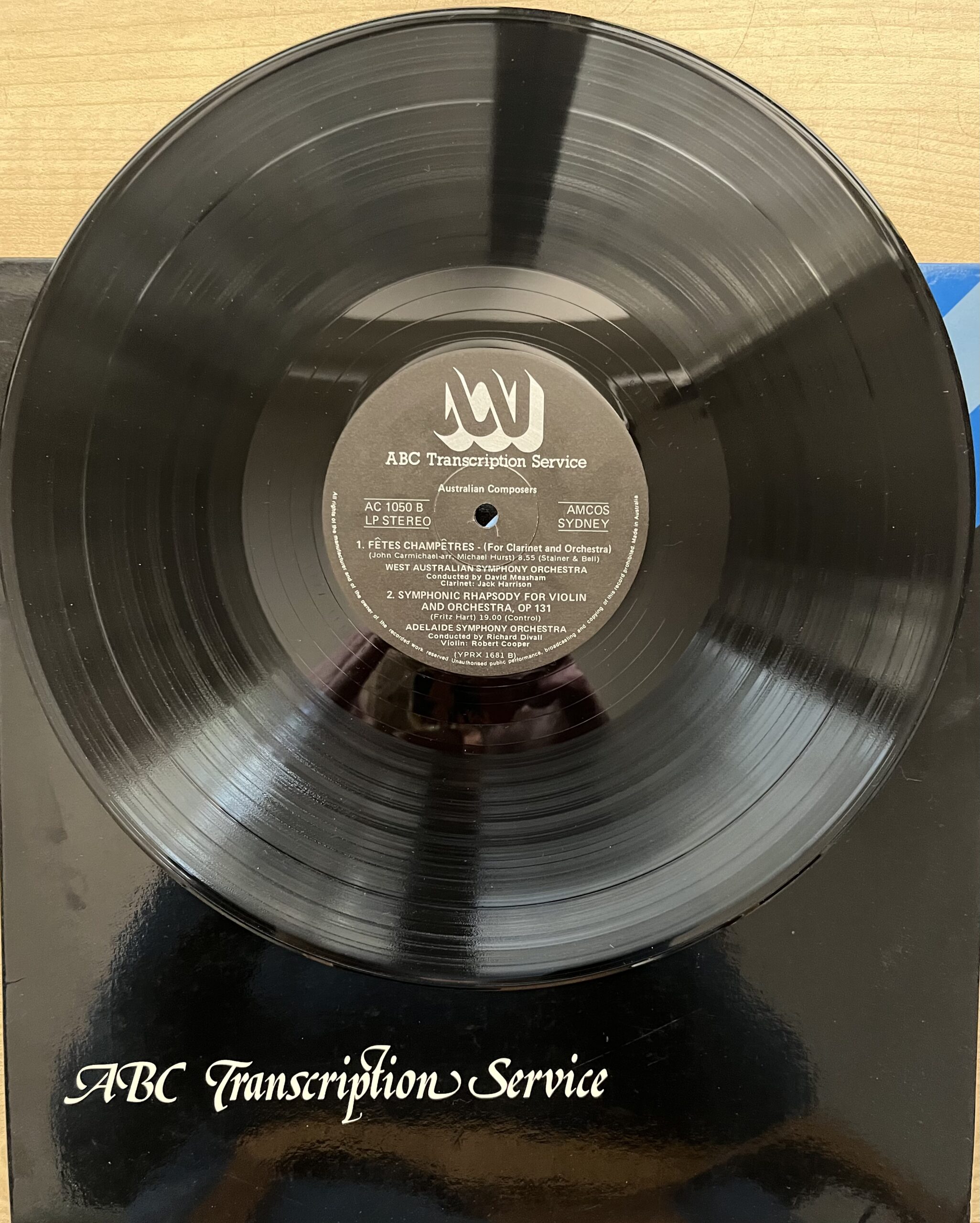
John Carmichael wrote A Country Fair (also known as [Fêtes champêtres]) in 1960 as a work for clarinet and piano, later orchestrating it in 1972.
Original Composition: 1960 (for clarinet and piano)
Orchestral Version: 1972 (for clarinet and orchestra)
Movements: Passepied, Berceuse, and Rigaudon
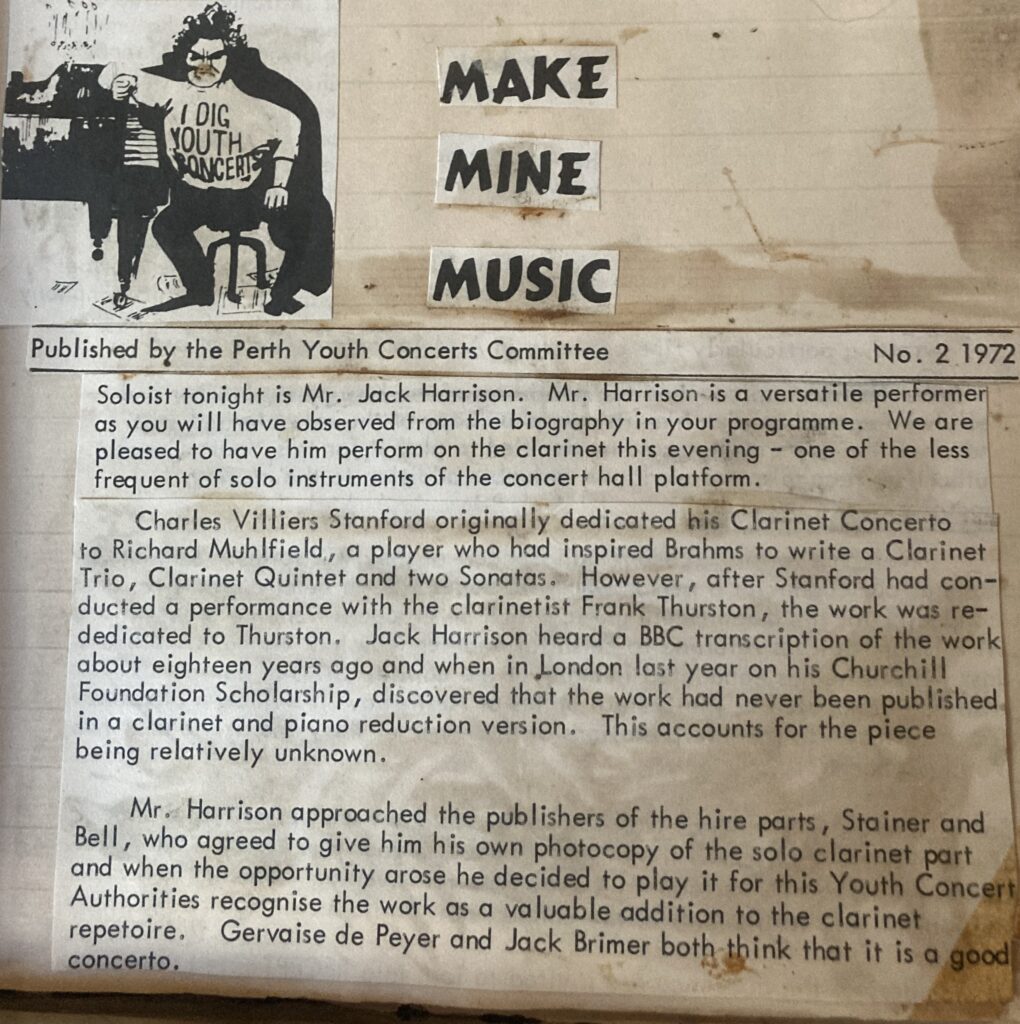
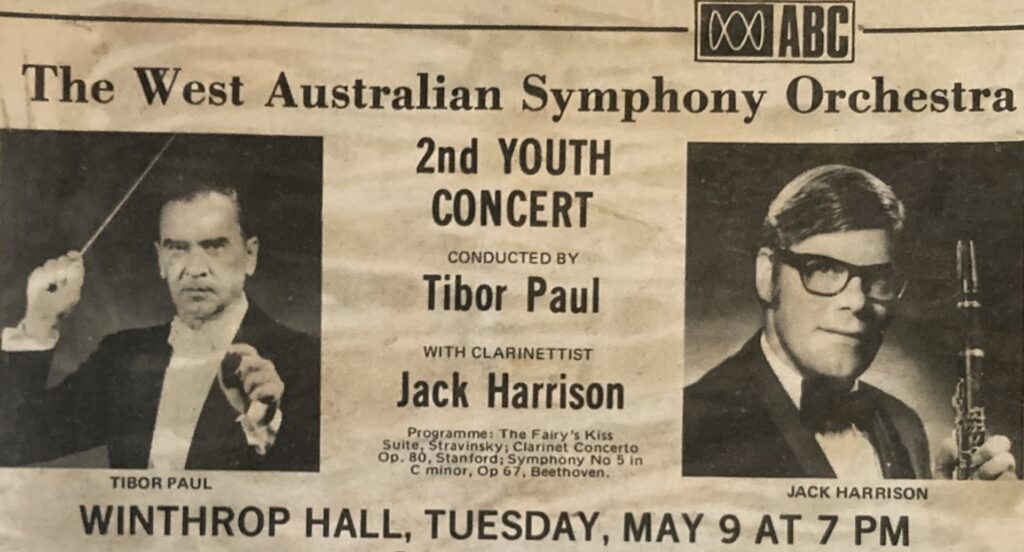
30.1.1972
John Carmichael“A Country Fair” Orchestrated by Michael Hurst (in 1972) AUSTRALIAN PREMIERE The piece was originally written for clarinet and piano in 1963 under the title Fêtes champêtres
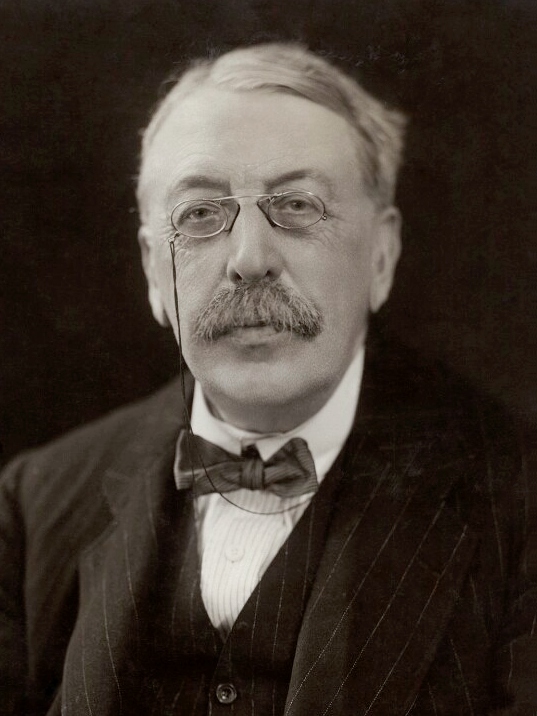
Charles Villiers Stanford (1852- 1924) was one of the leading musicians of his generation and had a profound effect on the development and history of English music as a performer, conductor, composer, teacher and writer.
Born in Dublin to a musical family, his musical gifts were recognized early. He studied piano and the violin privately and subsequently the organ with Robert Prescott Stewart at Christchurch and St. Patrick’s Cathedrals in Dublin. Stanford entered Queens’ College Cambridge in 1870 as both an organ and classics scholar. While still an undergraduate he became Assistant Conductor of the Cambridge University Music Society and held the position of Conductor from 1875 to 1893. He became organist at Trinity College Cambridge in 1873 and subsequently studied composition in Germany with Carl Reinecke and Friedrick Kiel.
He was appointed Professor of Composition at the Royal College of Music in London in 1883 (a position that he held for more than forty years) and Professor of Music at Cambridge in 1888. He subsequently held appointments as Conductor of the Bach Choir in London, the Leeds Philharmonic Society and the Leeds Festival.
Stanford was a prolific composer, completing seven symphonies, eight string quartets, nine operas, more than 300 songs, 30 large scale choral works and a large body of chamber music. He also composed a substantial number of works for the organ, as well as anthems and settings of the canticles for the Anglican Church. He wrote extensively on music including three volumes of memoirs and a popular text on composition.
Today he is largely remembered for his songs and religious music as well as his influence on several generations of composition students at the Royal College of Music. These included Sir Arthur Bliss, Frank Bridge, Samuel Coleridge-Taylor, Rebecca Clarke, Ivor Gurney, Gustav Holst, Herbert Howells, John Ireland, Ralph Vaughan Williams and Charles Wood.
Stanford was knighted in 1902 and in 1904 he became the first British composer to be elected a member of the Royal Academy of Arts in Berlin. His ashes are interred in Westminster Abbey near the remains of Henry Purcell.
There has been a revival of interest in Stanford’s music over the past two decades with performances of some of his neglected works and an increasing number of recordings.