Search names, events, places, organisations, and sources across the archive.
Person
MATTHEWS, Robert
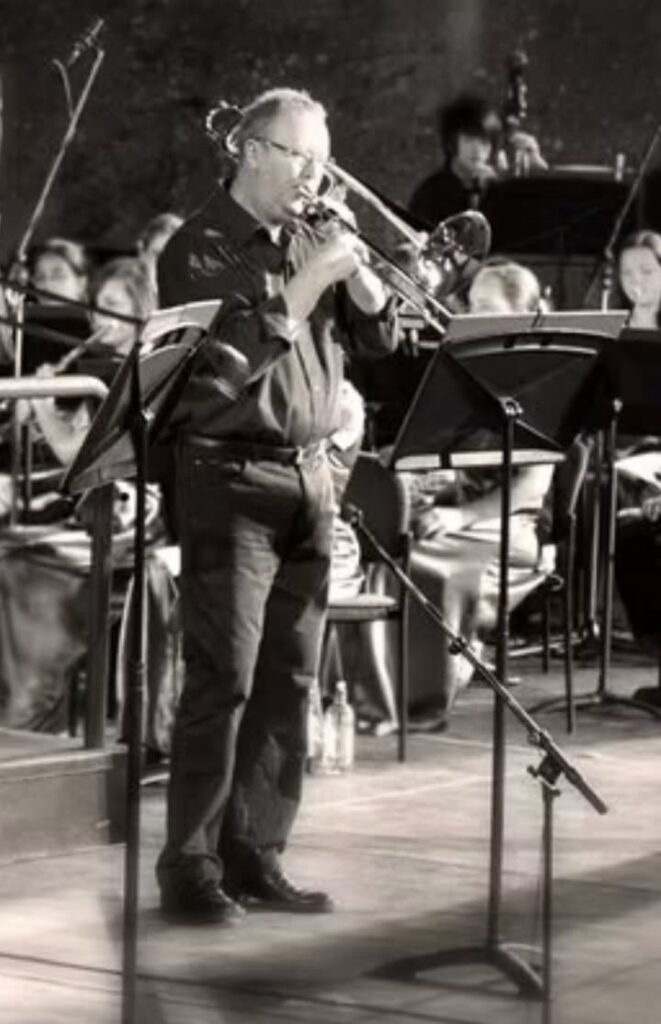
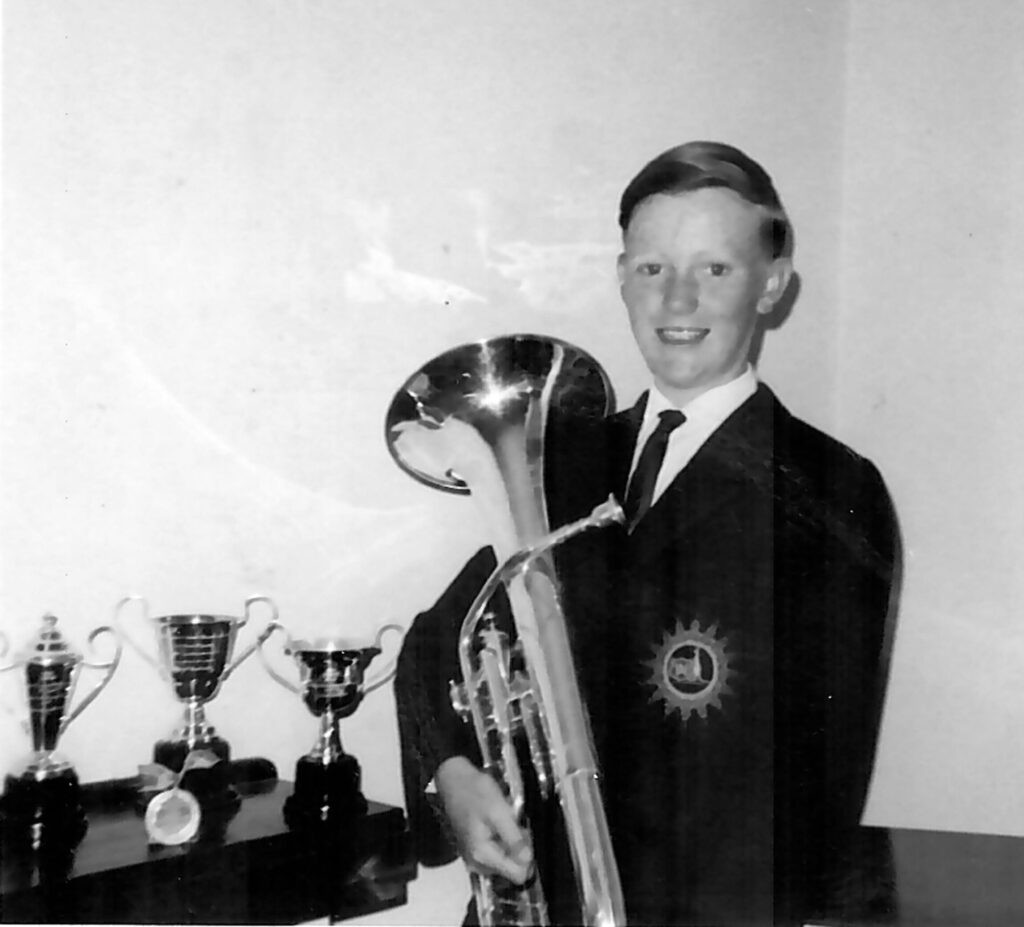
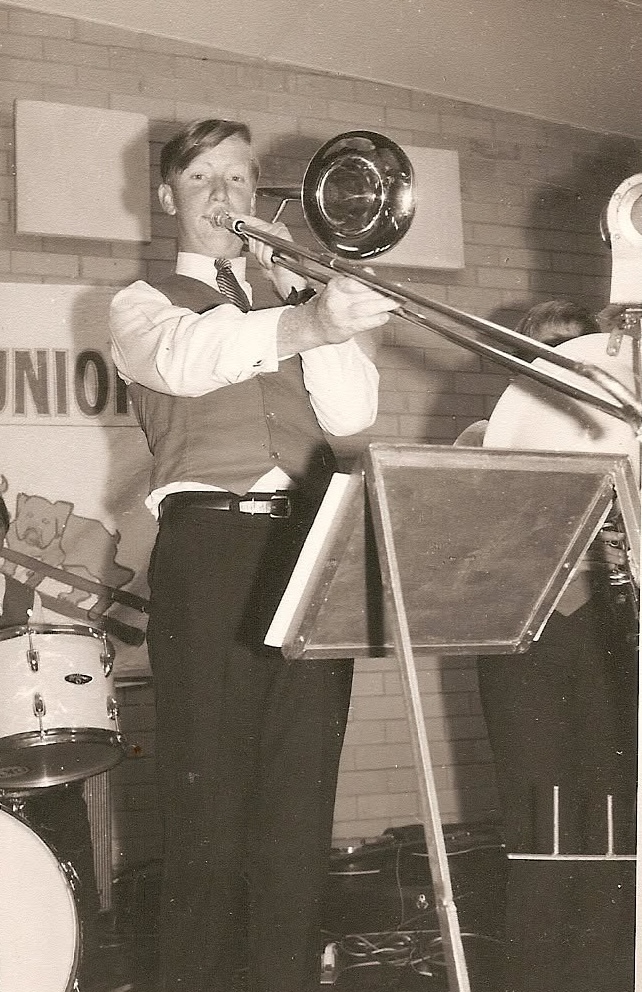
Bob Matthews began his musical life in Perth’s brass band movement and the Y.A.L. band under the guidance of maestro Sammy Sharp.
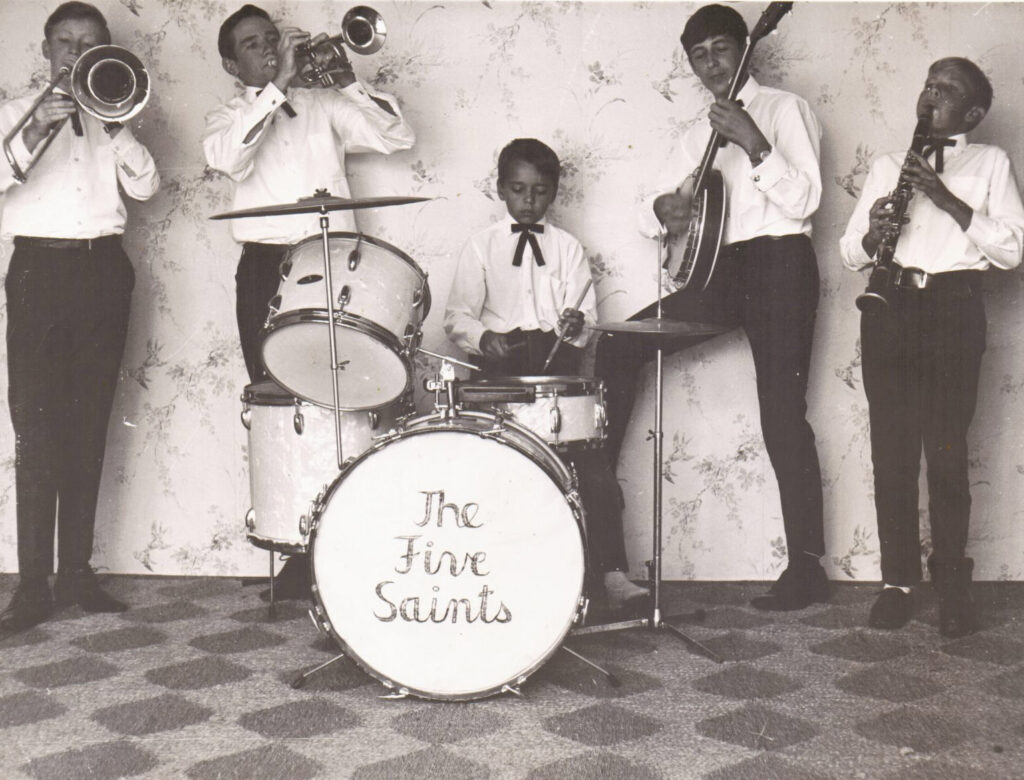
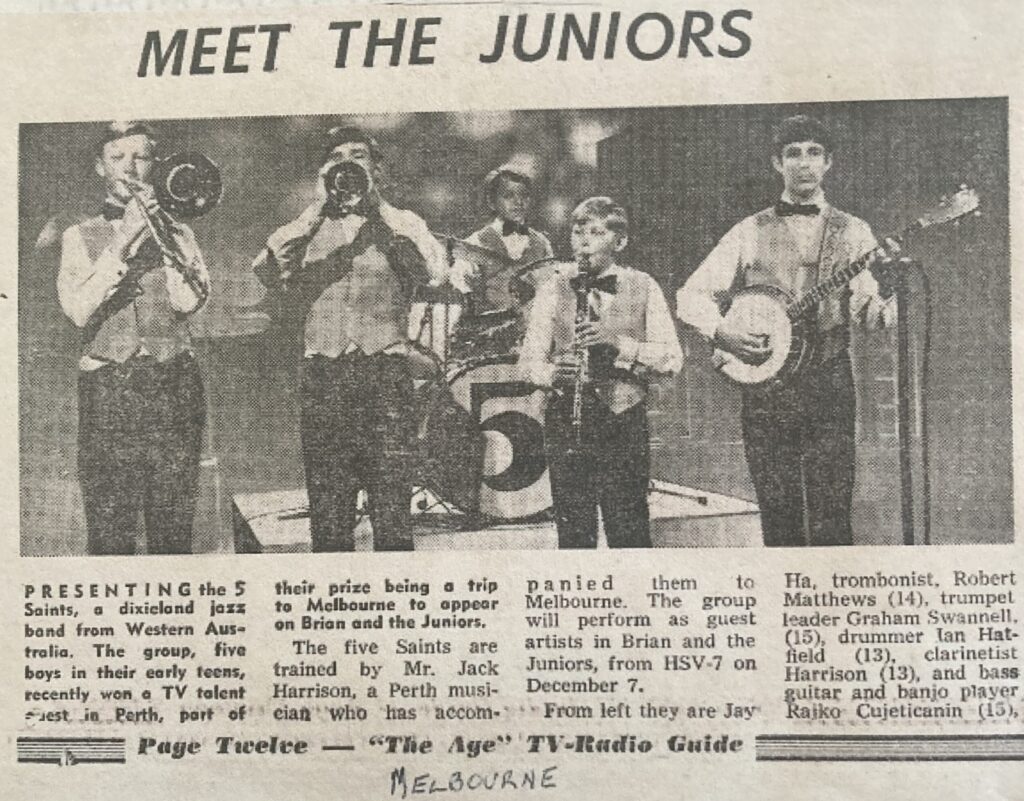
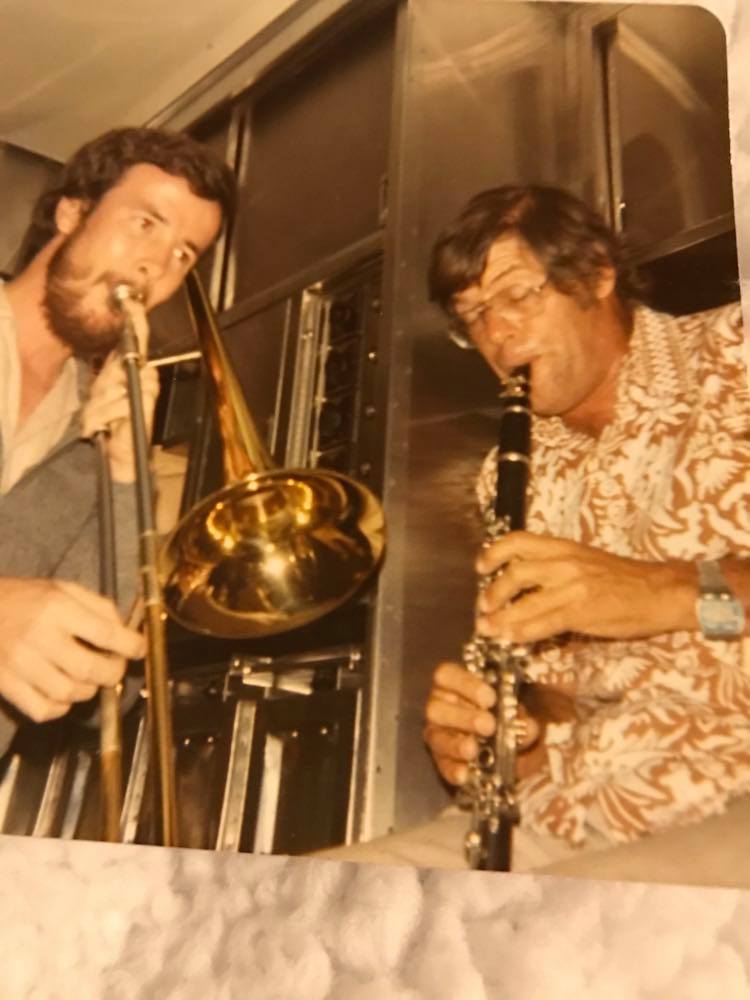
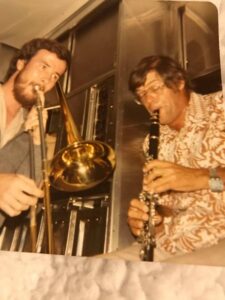
After playing various brass instruments, he eventually settled on the trombone and became a founding member of the award-winning traditional jazz band The Five Saints, mentored by Jack Harrison and featuring his son Jay Harrison on clarinet.
“The Five Saints”
A music scholarship took Bob to Perth Modern School, followed by a two-year scholarship with the ABC’s National Training Orchestra in Sydney. Subsequent orchestral engagements included periods with the West Australian Symphony Orchestra and the Elizabethan Trust Orchestra at the Sydney Opera House.
A Churchill Fellowship enabled Bob to undertake further trombone studies at Indiana University in the United States. He subsequently returned to Perth, where he spent ten years as Principal Trombone with the WA Arts Orchestra, alongside a developing career in music education. It was also in the Arts Orchestra that he met his wife, Diane Riddell, then the orchestra’s Principal Flute.
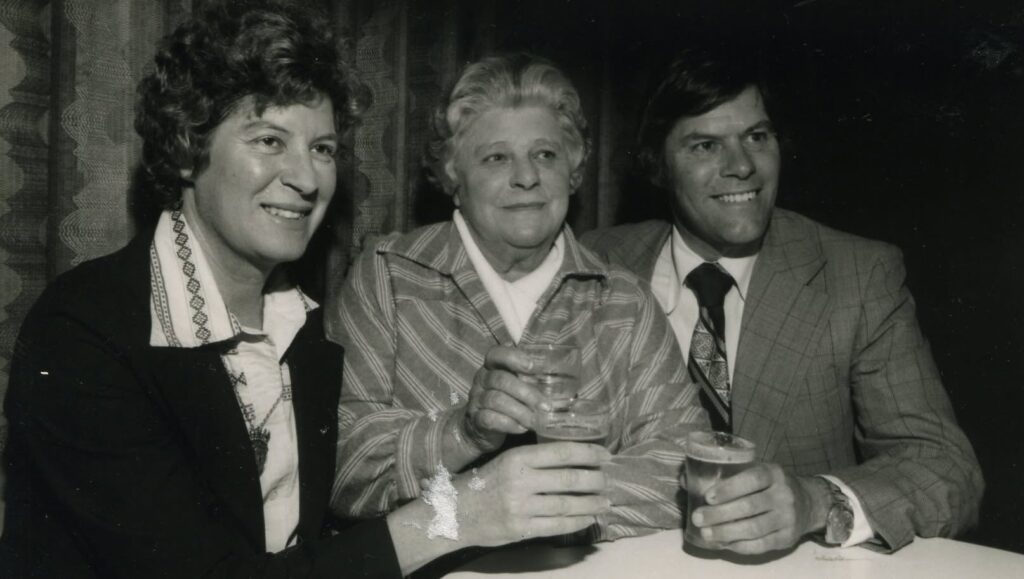
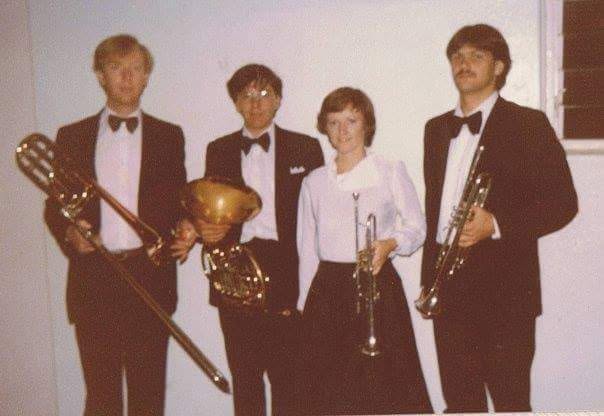
Robert Matthews, William Stewart, Margaret Fenn, Kim Harrison
Following his years with the Arts Orchestra, Bob gradually reduced his freelance performing commitments and moved into full-time music education, spending the remainder of his working career teaching music in Perth schools.
Born in Bendigo country Victoria, David studied bassoon in his hometown with the wine-maker / bassoonist Stuart Anderson (Balgownie Bendigo, pioneers of 1970’s commercial winemaking in Victoria’s central goldfields region).
David toured to Hong Kong and China with the Melbourne Youth Orchestra, and was
Principal with the Australian Youth Orchestra.
David furthered his bassoon studies with Harold Evans (MSO Principal) at the Victorian College of the Arts.
David played a number of seasons with Victoria State Opera under the baton of Richard Divall, including on period instruments.
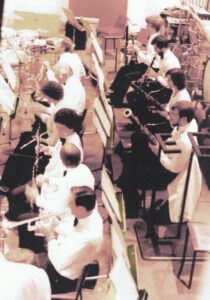
1981 WASO woodwind section
David considers himself very fortunate to have had his first full-time professional orchestral position playing contrabassoon and second bassoon in Anne Henderson’s WASO section.
David also had periods as WASO’s Acting Principal. This was in the period of the conductor David Measham – as well as the Austrian-Jewish / Czech maestro Albert Rosen. As Hans Swarowsky had been Rosen’s conducting teacher at the Vienna Academy of Music, David enjoyed Rosen’s ‘Old Europe’ directorship immensely.
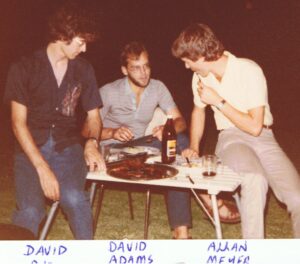
Perth offered wonderful bodysurfing beaches, the Karri forests / wineries / coast of the Southwest corner, ballet / modern dance classes, Rottnest Island, and scuba diving with David’s WASO contemporaries.
In Perth David met his UK-born wife Hilary Nye.
Moving to a London base, David worked as a free-lance player – including master-classes with Milan Turkovic & Brian Pollard – and was live-in custodian of the Victorian Society’s Lynley Sambourne House museum.
David created Ensemble Australis to perform Australian music with Australian musicians in London.
After a period as Acting Principal of the Stavanger Symfoniorkester in Norway, David was appointed as Orchestra Manager for Sir John Eliot Gardiner’s Monteverdi Choir and Orchestra – a position he held for two decades.
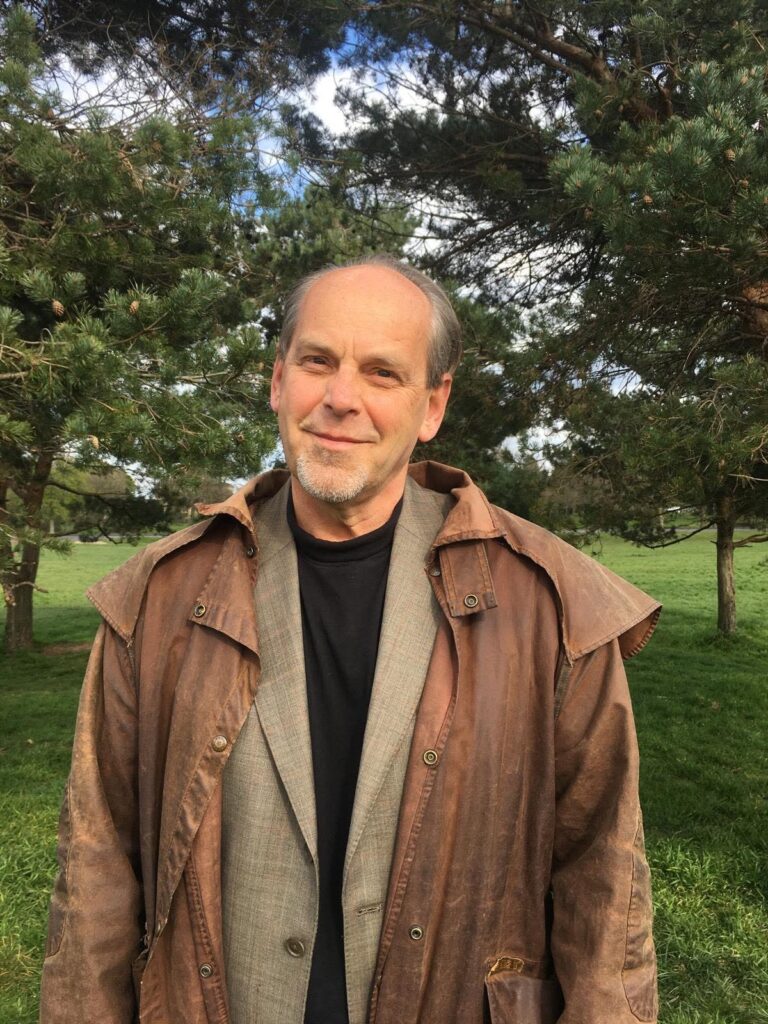
Following the MCO and now living in Bristol England, David retrained as both a person-centred counsellor and a horticultural lecturer. In this period David also founded the performance organisation Bozarts.
David Adams – Wilderness Festival Orchestra
After running the City of Bristol College’s Horticulture Department for some years, David is now retired.
He divides his time between founding Cote House – an innovative Bristol cohousing community – and singing with unusual chamber choirs.
Hilary and David’s two children both live in Melbourne – event ticketing entrepreneur Sam and doctor Julia.
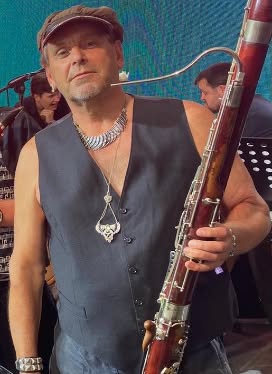
David plays on a Heckel No. 5552 bassoon owned originally by his former teacher Harold Evans. Wilhelm Heckel GmbH is a renowned German woodwind maker and the bassoon’s year of manufacture is 1919. This 5000-series instrument belongs to a highly regarded era of ‘pre-war’ acoustic craftsmanship. Bassoons from this era are celebrated for their small bore design, thinner wall construction, lightweight feel, warm resonance, and highly flexible, ‘golden’ tonal quality.
 David also had periods as WASO’s Acting Principal. This was in the period of the conductor David Measham – as well as the Austrian-Jewish / Czech maestro Albert Rosen. As Hans Swarowsky had been Rosen’s conducting teacher at the Vienna Academy of Music, David enjoyed Rosen’s ‘Old Europe’ directorship immensely.