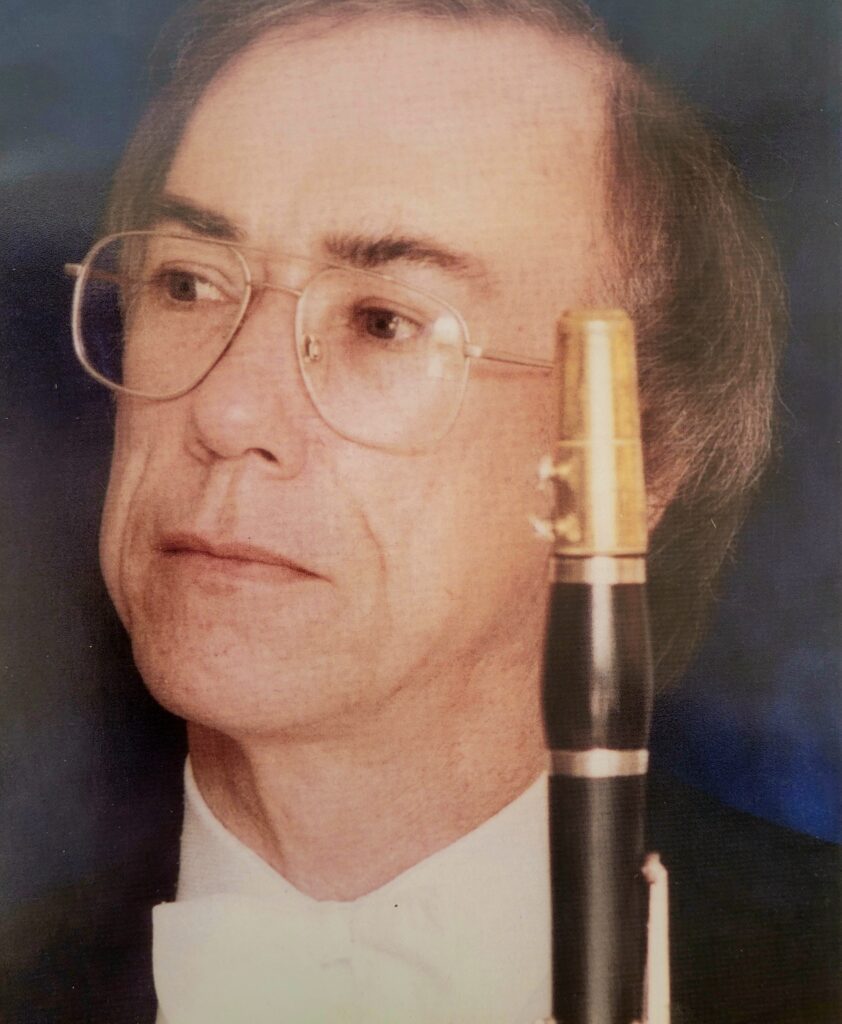
GREG BLACKMAN is a clarinet soloist, recitalist, chamber player and teacher.
He was born in Yeovil, England, on 27 February 1949 moving to Australia when he was one year old. Encouraged by his mother, Greg started playing the flute aged 8, which was not a happy choice of instrument for him, changing to clarinet aged 13. Greg’s high school music teacher was Richard Gill who conducted Greg in his first professional gig (£5) in Gilbert and Sullivan’s “Gondoliers”. Greg’s final two years of school were spent at the Sydney Conservatorium High School.
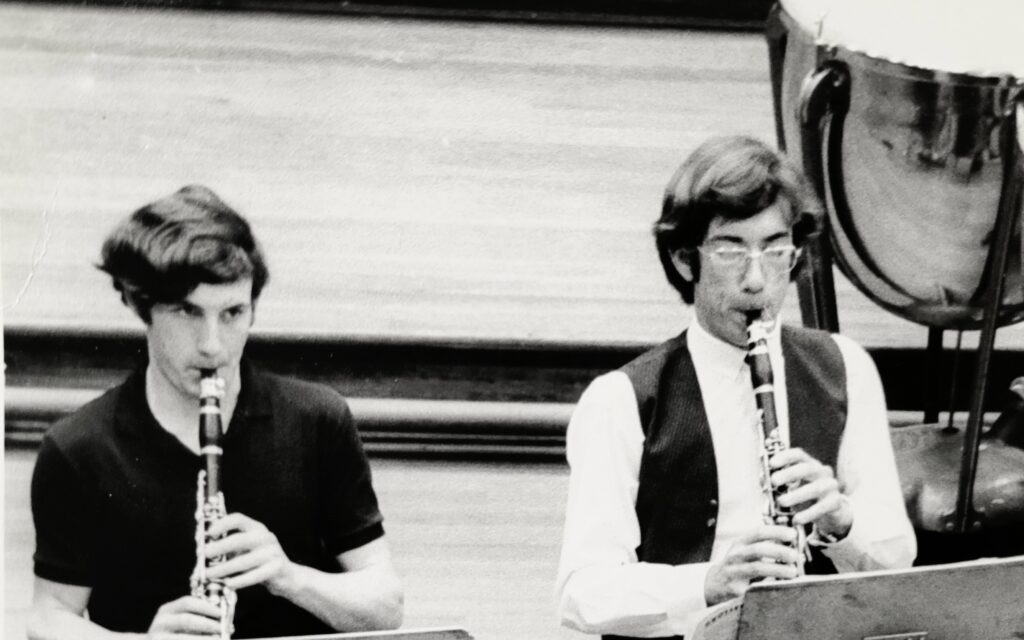
From 1964 to 1970 Greg studied with Tim White, ex-Melbourne Symphony Orchestra, and Don Westlake at the Sydney Con, then in 1972/3 he had two concentrated months with Jack Brymer in England.
Greg was 2nd clarinet with the Queensland Symphony from 1971 – 73 and Principal Clarinet of Tasmanian Symphony Orchestra from 1973 – 1979, during which time he performed the Weber First Concerto conducted by Walter Susskind. ( Duncan Abercromby filled the T.S.O. Principal position).
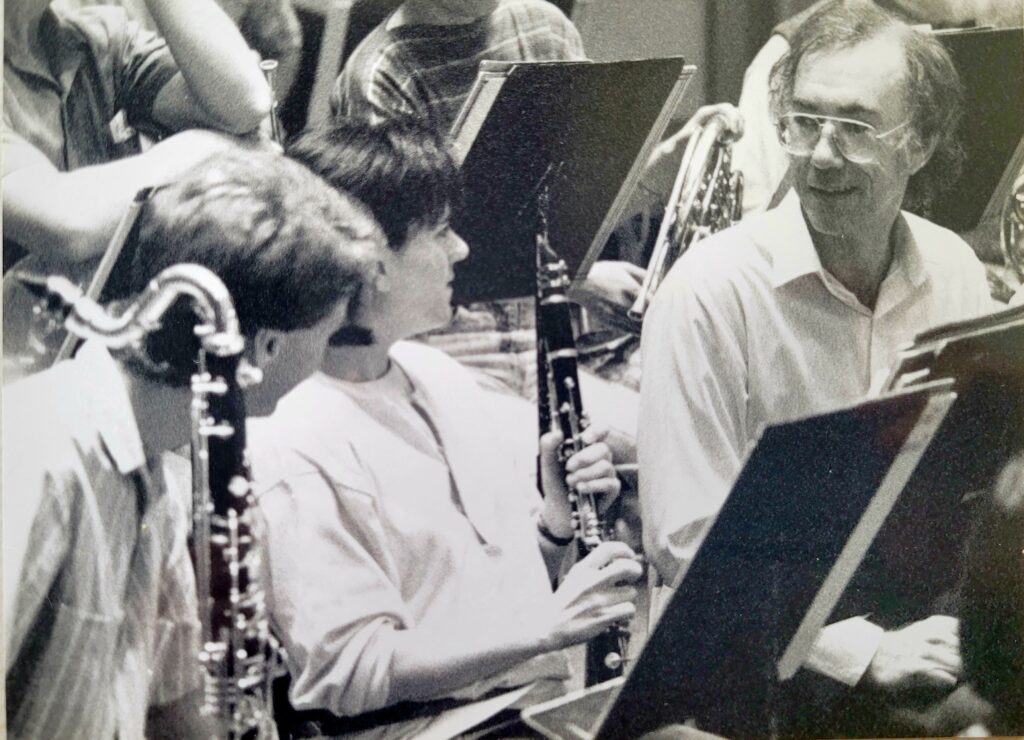
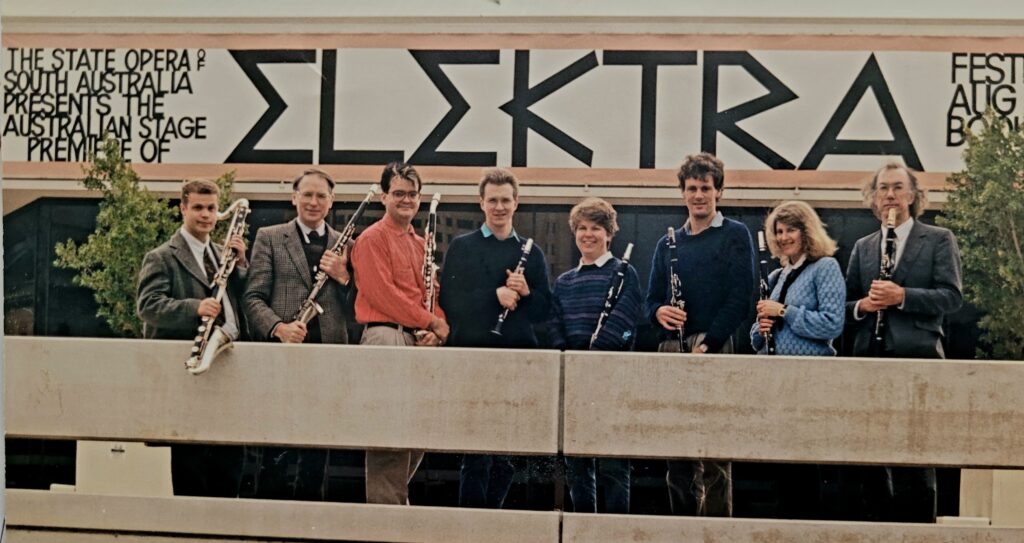
Greg was Principal Clarinet with the Adelaide Symphony Orchestra from 1979 – 2006, taking one year off in 1984 when he was Senior Lecturer at the Canberra School of Music, Principal in the Canberra Symphony Orchestra and in the Canberra Wind Soloists.
Larry Sitsky has written Zuqurq for solo clarinet and bongos for Greg, and Peter Webb has written a Sonata. In 1970, Greg gave the first performance of Don Banks’ Prologue, Night-Pieces and Blues for Two at the Cell-Block Theatre in Sydney.
Weston, Pamela, Clarinet Virtuosi of Today, (Egon,1989), p316
JACK HARRISON REMEMBERED (Greg Blackman)
As an 18-year old student of Don Westlake – Principal Clarinet, SSO – around 1967, I recall him speaking of Jack in glowing terms, as being ” probably the finest player in the country .” My teacher came from Perth, so Don was aware of a fine clarinet teaching tradition in the West.
It would be some 6 or 7 years later in 1976 that I first met Jack Harrison at a Clarinet Convention at Sydney Conservatorium. He came up to me in the main auditorium ( I was surprised he knew who I was ) and said hello, just like a friend I had always known. As we sat there together listening to a dry, tedious, droning lecture, Jack eventually said : ” Hey Greg, this is a lot of B. S. isn’t it ? Why don’t we just go down the pub for a chat ? ” So probably the highlight of the entire convention was the delightful afternoon I spent with Jack at the pub.
Sometime after as Principal in TSO, I came across a note pencilled into the clarinet part. It read : ” Hi Greg, regards, Jack “. At that time ABC orchestral parts circulated around the country, so with Jack and me, the clarinet parts became a sort of messaging facility, which continued between us for over a decade; like ” How are things Greg? “. So weeks or months later Jack would get : “Fine Thanks Jack, what’s new there ? “
I recall Jack’s astonishing tape of the Artie Shaw concerto – we were all talking about it. We also got wind of a story about Jack playing in WASO, where he was playing some rustic folk dances, with his warm, smooth sound that we all admired. The conductor asked : ” Meester Harrison, can you play with a more peasant-like tone ? ” to which Jack dryly replied :” Sorry, maestro, I left my peasant – like mouthpiece at home ! “
During my several visits to Perth, Jack was ever the charming host; always sharing stories with his engaging style of humour among the mandatory tech talk.
So let me conclude by saying that Jack was a great character and an inspiring player with an easy, warm, natural style, both as a colleague and as a musician. I have been blessed and enriched by his presence in my life.
Greg Blackman 6 November 2026