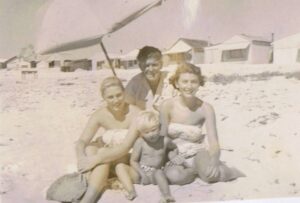
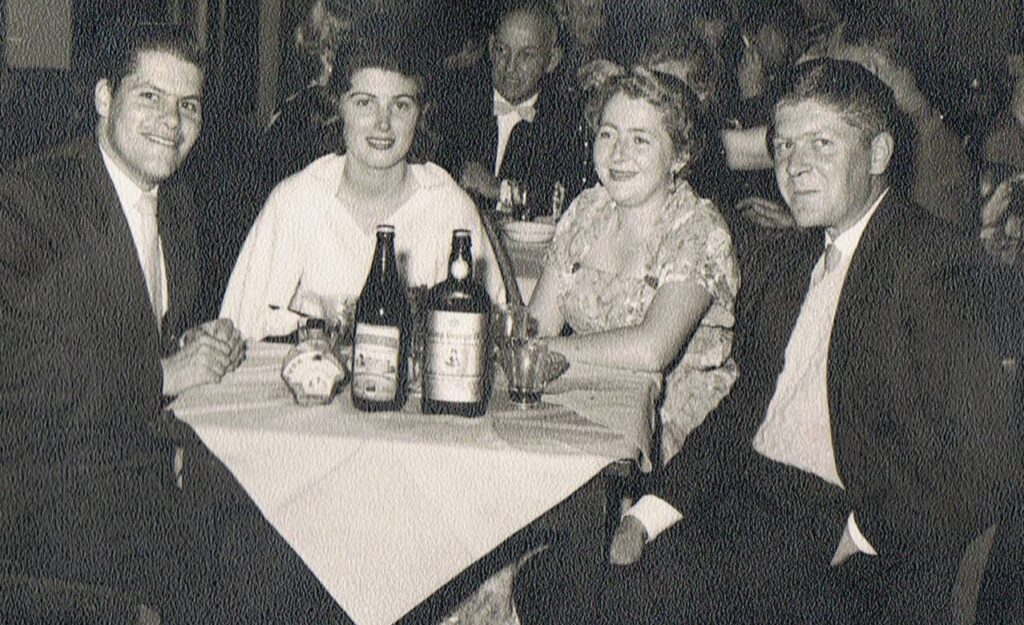
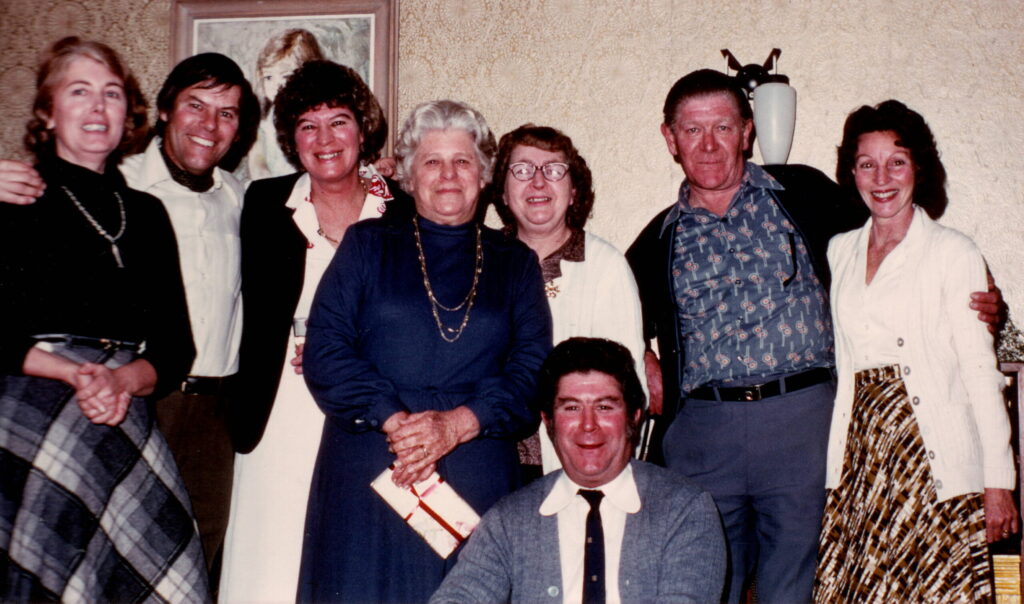
In 1929 aged 21, was working at Perth Hospital and fell 30 foot from a ladder and fractured bones in his left foot.
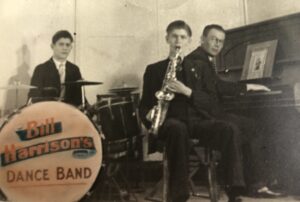
He performed in “Bert Howell’s Stage Band”.
1934
The musical career of second clarinet player Bob Trew, who joined the Perth Symphony Orchestra in 1934, began in 1920 in York, which at that time enjoyed both an orchestra and a brass band. Trew was also a qualified plumber.
Harrison, Marcia. West Australian Symphony Orchestra Celebrating 75 Years. WASO Holdings Pty Ltd, 2003. Page 36
1938
TREAT FOR THE KIDDIES – Symphony Orchestra Pleases
The children’s concert held in His Majesty’s Theatre last week was a most successful one. Sponsored by the National Broadcasting Commission, a highly educational programme was performed by the A.B.C.(Perth) Symphony Orchestra conducted by E. G. Roberts. This musical body is now delivering the goods and is comprised of the usual studio orchestra, containing as it some of the finest musicians in Australia, and all of whom are capable of giving a most exacting performance of their instrument. This was manifested when, reinforced by other players not on the permanent staff, the various leaders were called upon to show the children their instruments and play a few classical bars or lilting little ditty.
…Other woodwind soloists were Mr. Singleton (oboe) and the clarinet pair Mr. Percy Newton and Bob Trew, the latter delivering a delightful duet in a workman like fashion.
Mirror (Perth, WA : 1921 – 1956), Saturday 4 June 1938, page 2
1942
SYMPHONY MEN PLAY DANCE MUSIC.
An occasion unique in the history of South Australian rural entertainment, writes ”Jazzman,” was the playing of three symphony men in the dance band at the recent carnival at the Berri Co-op. Packing House. Being in a shed, the acoustics were naturally poor, but your scribe managed to get near the stand and was impressed with the sax work of Bob Trew, a clarinet player from the Perth Symphony and the A.B.C. network. He plays with a round, smooth tone, reminiscent of the American Negro, Benny Carter. Unfortunately no traditional jazz was played and this prevented his swinging improvisations. Another interesting musician was S/Sgt. V. Lombardi who played violin for part of the evening. Formerly a first violin of the Adelaide Symphony he handled the dance orchestrations deftly. The third symphonic figure was the Conservatorium pianist Frank Lellmann. His bass slapping is extremely powerful and his tremendous rhythmic drive literally kicked the melodic instruments along. A word to promoters of future “shed shows”: have the band centre of the floor. This idea has been tried in Adelaide with great success.
Murray Pioneer (Renmark, SA), Thursday 10 December 1942, page 4
Entertaining the troops WWII
1944
From somewhere in camp: ABC ON PARADE. Devised, arranged and produced by Dave Howard, with the ABC Theatre Orchestra, conducted by Ernest J. Roberts and including the following artists: Joe Brennan and Ida Newton, Sunny Day (Elsie Connoly), Olive Dunton, Jack Harrison, Eileen Moran, Vernon Sellars, Maurice Jaffey, Neil Shortland-Jones, The Paulasto Brothers. (Bob Trew 14th June) Compered by Cyril Leighton. The Broadcaster Thursday February 24, Thursday April 20, June 14 1944
Robert Trew in 1949 Perth Symphony Orchestra clarinet section
1949
Outstanding alto and clarinet man with the Sharp combination, George Caro, has had a colourful career in the game. At 15 he commenced the sax, and as George maintains, was completely self-taught.
He first came to the public notice in 1930 when he was one of 18 who competed in the saxophone competition conducted by the Brass Band Association of WA. Winner was Cas Mitchell, now of the ABC Melbourne, second George Caro, Bob Gibson (now in England) was third, and fourth position was filled by Bob Trew (Perth ABC).
In 1934, when the exodus was on, George made the Eastern States tour with the Ron Movie outfit, and when this orch. returned to WA, George decided to hit out for the overseas spots. His first working port o’ call was Colombo, where he played at the Mount Lavinia Hotel. From here he went to the Grand Hotel at Calcutta, before making the Malayan Peninsula in 1936, where he played in Singapore cabarets and the Eastern and Oriental Hotel in Penang. On his return to Australia, George linked up with pit work, played for the American Marcus ‘Show, North China Troupe, Dante, and various other visiting shows.
During the war he played second cornet with the 28th Battalion Band, and at a later stage, while serving in Darwin conducted a Sunday night Swing Show featuring a 5piece outfit. Returning to civvy street, he joined Chris Gosper’s eight playing at St. Mary’s, Mt. Hawthorn. When Sammy Sharp returned from England, George moved in with Sammy Sharp and remained with him ever since. —’QUAIL.’ Mirror (Perth, WA : 1921 – 1956), Saturday 23 April 1949, page 14
1950 Broadcaster article Perth Musicians
1951
Only three months in the South Australian Symphony Orchestra, Jack returned to Perth on 8th February 1951 to fill the second clarinet position with the West Australian Symphony Orchestra after the sudden death on January 18 1951 of second clarinettist Bob Trew aged 43.
TREW (Robert Walker); A sincere tribute to the memory of Bob deepest sympathy to Mrs. Trew and family. Inserted by the staff of the Australian Broadcasting Commission.
TREW (Robert W.): In memory of a great friend and associate. The Moore family.
Ken Murdoch was born in 1907 in Portsmouth, England.
Early conductor of the Perth Symphony Orchestra (WASO) George Reid and his son Harold Reid gave lessons to Ken Murdoch. Ken taught Jack Harrison the saxophone.
Stars at tomorrow night’s concert at Scarborough beach in aid of combined local charities will include Ron Moyle, Viv Nylander, Ken Murdoch, Niddy Roberts, Hazel Shapcott and many others. A good night’s entertainment is assured.
Daily News (Perth, WA : 1882 – 1955), Saturday 14 December 1940, page 28
1941
6KY SOON ON THE AIR
“Spare no expense, but give us the goods,” were the instructions when orders were placed for the equipment for 6KY, the new “B” class radio station in Perth. And soon the radio audiences of Western Australia are to hear the “goods.” 6KY comes on the air on Thursday night with a specially prepared opening programme of swing and variety. Official opening ceremony will be performed by Mr. J. C. Willcocks, Premier of the State. Short speeches will be delivered by the Prime Minister (the Rt. Hon. J. Curtin), the Lord Mayor of Perth (Dr. T. W. Meagher), chairman of the A.L.P. (Mr. Needham, W.A.), the president of the A.L.P. (Mr. King, N.S.W.) and Prof. Cameron. Studios and executive offices of 6KY are at 17 James-street, and the transmission plant is on the high ground at Inglewood, with a mast towering 192 feet in the air. Wave length is 210 metres, and the station is received low on the dial and in good strength. Studios include a theatre (with accommodation for about 250), and two smaller studios. Good care will be taken of the programmes by Ken Murdoch, a walking index on music, be it the latest swing or the oldest of symphonies or concertos. Mr. L. Wilkinson, late of Broken Hill, has charge of 6KY, and he and his staff promise radio audiences all they could wish for in entertain-ment. Policy of the station is to promote local talent where possible, and on the opening night the variety units will be supplied entirely by flesh and blood performers. Hugh Hay and Des. Day are the announcers, Mavis Buck has charge of the women’s session and Billy Brown has orders to keep the children amused. Mr. W. Fuhrman is sales manager and Mr. B. Graham salesman.
Mirror (Perth, WA : 1921 – 1956), Saturday 18 October 1941, page 3
1945
Fell For Sax Appeal Of Musician’s Wife
When that old urge for rhythm enters your bones, Perth saxophone and clarinet player Ken Murdoch is the boy to escort you on a roundabout of swing. A zoot suit might help, but it wouldn’t be strictly necessary if you wanted to snare a few spine-tingles from Ken’s playing. Thousands have heard Ken’s swing, boogie-woogie and jive over the radio; thousands have danced to his melodious sax.
And Ken made a Yank face the music when he caught him wooing his attractive wife, Edith Margaret Murdoch, in Wellington-square. Ken related how his marriage had gone off-key to Mr. Justice Wolff in the divorce court, and told how he’d been given the air by his wife for a Yank named Raymond D. Krohn. Murdoch was home with his youngster one day when the boy asked: ‘Are you going to look after me when Mummy goes, Daddy?’ It didn’t take the musician long to realise that something was amiss, and later he had a chat with sleuth Arthur Nankivell, and together they kept an eye on Edith’s movements. On Dec 15, about 10.15 p.m., they saw her walk towards King-st with a Yank. From King-St, they followed them to Wellington Square. It was 12.20 before the |raiders found their target and the proceedings then were terse and to the point. But it didn’t end there! After Ken went ahead with divorce proceedings, Edith pleaded with him to take her back. He did, on the following conditions: (1) all contact with Krohn were to be avoided; (2) She was to cease her associations with a woman friend. For 11 days, things were OK and then she told Ken: ‘I have no affection for you, and I’m not likely to have in future.’ then packed her bags and walked out. Since, hubby has found out that she’s been seen with Krohn and the woman friend. Murdoch got his decree, plus custody of the child. Sailor Krohn will have to pay the costs.
Mirror (Perth, WA : 1921 – 1956), Saturday 24 March 1945, page 13
1947
In The Lair Of The Long Hairs! – Jazz Invades Winthrop Hall
Symphonic sanctity of elegant Winthrop Hall was disturbed one night this week. Occasion: A celebrity concert. But there were no evening cloaks, starched shirt-fronts, lorgnettes, rustling programmes, whispered critiques or social effrontery.
Instead there was a youthful buoyancy in the air, an exhilarating excitement and an infectious happiness which reflected easily from an audience dressed as nonchalantly as a street crowd. Indeed, as our American cousins would have said. ‘The Joint was Jumpin’ down at Carnegie Hall.’ And as truly as Carnegie Hall, as well as the world-famous Metropolitan Opera House, has been invaded by jazz musicians of high calibre, here was our own Winthrop Hall baring its soul to a jazz concert. Graeme Bell and his Jazz Group were stepping off the Asturias, en route to Europe, to let the local jazz fans hear them do a ‘bash.’ With a happy introduction by local discographer Ken Murdoch, the Jazz group (in shirt sleeves) marched onto the stage in military band style playing their instruments to the tune of ‘When the Saints Go Marching In.’ Then a few more explanatory remarks by the cornetist and away to a flying start went this 7-piece musical combination on a programme that raked jazz from the limbo of the past half century, pre- World War 1, from New Orleans, the Mississippi, old Chicago and older Negro Spirituals. A cornet flanked by an old valve-trombone and clarinet were the frontline instruments, while at the rear solid, rhythm was produced from a string bass, drums, banjo and piano. A quick glance through some of the titles played may mean nothing to the average music-lover, but to the True Jazz fan they are the concerto, the sonata and fugue— ‘Walkin’ the Streets of the City,’ ‘Tessa’s Blues’ (composed by Roger Bell), ‘Smokey Mokes’ (which Ken Murdoch identified as ‘Coon Can Rag’), Gershwin’s ‘The Man I Love,’ ‘Shreveport’ (played hi traditional honky tonk trio style), ‘Coquette,’ ‘Royal Garden Blues,’ ‘Riverside Blues,’ ‘The Darktown Strutters Ball,’ ‘Tiger Rag,’ ‘I Ain’t Gonna Give Nobody None of My Jellyroll’— plus other improvised bits and pieces. Graeme Bell and his Jazz Group are on then- way to Europe on the Asturias to attend the International Youth Festival at Prague. They have been selected by the Australian Associated Youth Committees and have been sponsored in the Eastern States by the Victorian Branch of the Eureka Youth League. They are already booked to appear in concerts hi London, Paris, Brussels, Amsterdam, Zurich and Prague. Concert at Winthrop Hall was arranged by the University Labor Club.
The Music Makers Personnel of the Group are Graeme Bell, leader and pianist; Roger Bell, cornettist; Jack Varney, banjo; Russ Murphy, drums; Don Roberts, clarinet; Adrian Monsborough, trombone; Lou Silbereisen, bass. Jazz as played by the Group is the music which is said to have reached its artistic climax in the ‘twenties, the golden era of jazz, and it has been kept alive all over the world by jazz groups, record collectors and jazz fans. Although the more modern swing and popular song music has its origins in the True Jazz, there is a distinct and very controversial breach between them and the adherents to the True Jazz form disclaim these modern styles with their accompanying zoot-suiters, bobby-soxers, swing arrangements and jive jargon. Pure jazzists hail the earliest negro and Whiteman exponents of jazz as their champions and lay extremely heavy claims to this music as a true art. Jazz has not proved itself an art of sufficient poetic or intellectual scope to take the place in civilised society occupied by the great art of concert and operatic music. But in both Its folk and popular form it is an art to be -reckoned with— and ‘there can be no doubt that the world is richer for it! This, briefly, is the creed of the True Jazz boys.
400 CHEER BELL JAZZ BAND
More than 400 young people cheered Graeme Bell’s Dixieland Jazz Band in Winthrop Hall last Monday night. “This is the biggest audience of University students we have ever played to,” said Harry Stein, leader of the EYL delegation to the World Youth Festival at Prague. “The band is part of the Australian delegation to the Festival, and we feel we are sending something that is the best of its kind in Australia,” he said. The EYL delegation, passing through Fremantle on its way to Prague, picked up WA State Chairman of the EYL, Chas. Bresland, who will attend the Festival as WA delegate. He will work as a voluntary brigader in Czechoslovakia, and on the Youth Railway in Yugoslavia. Jazz Convention Paying tribute to the band ABC jazz expert, Ken Murdoch, said that this was WA’s first jazz convention, and the audience was privileged to hear such well-known musicians. He said that a famous US record critic had named the Graeme Bell Dixieland band as among the 10 best in the world. “Do you want to hear the band on its return?” asked Henry Stein. Whistles and cheers from the audience. “Can I give greetings from the WA University to the Festival in Prague?” Four hundred young Australian lungs gave a rousing “Yes.”
Workers Star (Perth, WA : 1936 – 1951), Friday 11 July 1947, page 5
1948
JAZZ JAMBOREE OF 1948 – Capitol Theatre, Sunday Night October 31
eight leading bands led by: Merv Rowston, Sammy Sharp, Chris Gosper, Harry Bluck, Ron Jenkins, Bill Kirkham, Jack Harrison, Ken Murdoch. Box plan at Nicholsons. Adm 2/6 Proceeds to Charity. Harry Bluck, who heads the A.B.C. Rhythmettes, is the brains behind the business and all proceeds go to the Musicians’ Benevolent Fund.
The Mirror Saturday October 23 1948 Vol 25. No. 1379
JAZZ JAMBOREE OF 1948 – Capitol Theatre – Sunday Night October 31
eight leading bands led by: Merv Rowston, Sammy Sharp, Chris Gosper, Harry Bluck, Ron Jenkins, Bill Kirkham, Jack Harrison, Ken Murdoch.
Box plan at Nicholsons. Adm 2/6 Proceeds to Charity. Harry Bluck, who heads the A.B.C. Rhythmettes, is the brains behind the business and all proceeds go to the Musicians’ Benevolent Fund.
The Mirror Saturday October 23 1948 Vol 25. No. 1379
1948
SUNDAY OCTOBER 31st – JAZZ JAMBOREE OF 1948 Capitol Theatre, Sunday Night October 31 – eight leading bands led by Merv Rowston, Sammy Sharp, Chris Gosper,Harry Bluck, Ron Jenkins, Bill Kirkham, Jack Harrison, Ken Murdoch. Box plan at Nicholsons. Adm 2/6 Proceeds to Charity. Harry Bluck, who heads the A.B.C. Rhythmettes, is the brains behind the business and all proceeds go to the Musicians’ Benevolent Fund.
The Mirror Saturday October 23 1948 Vol 25. No. 1379
JAZZ CONCERT: At the Capitol Theatre on Sunday night the professional dance-band musicians of Perth will present a jazz concert. The programme, it is stated, has been planned to cover every style of modern Jazz Idiom Eight bands will be conducted by the following: Merv Rowston, Jack Harrison, Sammy Sharp, Harry Bluck, Ron Jenkins, Chris Gosper, Bill Kirkham and Ken Murdoch. The proceeds will be for charity.
West Australian (Perth, WA : 1879 – 1954), Thursday 28 October 1948, page 24
Jazz Jamboree of 1948
Jazz enthusiasts and the disciples of boogie-woogie, swing and be-bop (the translation of which has yet to be given to me) will be right in front of the eight-ball, so to speak, on Sunday night at the Capitol Theatre where the Jazz Jamboree of 1948 will take the stage as a charity concert. Harry Bluck, who heads the A.B.C. Rhythemettes, is the brains behind the business and all proceeds will go to the Musicians’ Benevolent fund. This year over 60 of Perth’s leading musicians will combine to make the show something for be-boppers (and others) to bop about. Merv Rowston’s Orchestra, Jackie Harrison’s Quintette, Chris Gosper and his Concert Orchestra, Ken Murdoch’s Swing Show Quartette, Sammy Sharp’s Orchestra, Harry Bluck’s Jazz Group, Ron Jenkin’s Band and Bill Kirkham and his Jive Five will all be on stage, in addition to the “1948 Mystery Band”. This mystery band seems to be something of a mystery to all except the musicians in it. Harry Bluck tells me that nobody know the personnel, the music they are likely to play, the instruments they will select or even if they will “give out” from the stage or the stalls. But it seems like a great night and the cause will be a worthy one. It should be well worth while to go along to find out exactly what bo-peep is (sorry) bo-bep (excuse), I mean be-pop. Won’t somebody get me out?
The Broadcaster October 1948
Big Jazz Mystery – Perth’s hep-cats are properly mystified. No one will tell them the identity of a mystery band which will play at the big jazz jamboree at the Capitol. Anyone who solves this Top Swing Secret gets a prize— 6 swing records, no less! Eight bands will play, led by Merv Rowston, Jackie Harrison, Chris Gosper, Ken Murdoch, Sammy Sharp, Ron Jenkins, Bill Kirkham and Harry Bluck.
Mirror (Perth, WA : 1921 – 1956), Saturday 23 October 1948, page 4
JAZZ CONCERT – At the Capitol Theatre on Sunday night the professional dance-band musicians of Perth will present a jazz concert. The programme, it is stated, has been planned to cover every style of modern Jazz idiom. Eight bands will be conducted by the following: Merv Rowston, Jack Harrison, Sammy Sharp, Harry Bluck, Ron Jenkins, Chris Gosper, Bill Kirkham and Ken Murdoch. The proceeds will be for charity.
West Australian (Perth, WA : 1879 – 1954), Wednesday 26 October 1949, page 14
1949
PERTH JAZZ MEN ARE TOPS IN EAST
Recent news about WA dance musicians who have sought to establish national reputations is good news. At least 4 who have been questing after the big-time in the Eastern States have made it, some of them ranking amongst the top-salaried musicians of the day. Currently occupying press space in musical magazines and feeling the for and, against quips of critics in Sydney is Ray Hartley, onetime popular pianist at radio lunch-hour concerts in Perth. General gossip has it that Ray is sow in the high salary range although it is rumoured that the road has been long and very rough. At present Ray is featured with Paul Lombard’s outfit at the Celebrity Club which used to be Rose’s and spare time, as little as he may have, L being turned towards arranging and holding down a couple of radio spots. In addition to this Ray contributes to the Music Maker, the Australian Dance Band Editorial and his articles on prominent keyboard men are a worthwhile contribution to that magazine. Although his name is usually associated with lunch hour concerts, Ray’s success was first assured in renditions of the Ray Hartley Trio; a combination which he has reformed in Sydney.
Without a doubt the most popular pianist in Sydney, is W. A.’s none other than Jim Riley. Jim is very highly respected both in the profession and out of it and accepts the good Samaritan role. He was originally a Fremantle boy and had a good classical background. He made his debut in dance band work with Ron Jenkins, and remained with him until approached by Merv. Rowston and Ken Murdoch. He then moved his stand and these three very prominent men upheld the music at the Miami Club for several years. In 1938, Jim became pianist with Ron Moyle at the A.B.C. It was during this time that he first attempted dance band arranging and it soon became obvious that he was much further advanced than any other dance musician here in this field. As a result of his enthusiasm, Jim managed to contact famous American arrangers in Will Hudson and Otto Cesana and it was not long before his arrangements received due recognition. During the early years of the war, Jim was the strength in Merv. Rowston’s A.B.C. old-time orchestra at Government House, and after the closing of tills hall both musicians moved across to the American Red Cross on Riverside Drive. At present, Jim is pianist and arranger in Frank Coughlan’s 14 piece Trocadero Band which plays 6 nights a week and Saturday afternoon. He does a lot of outside arranging and trio work and it is a fact that some of the leading musicians in the East now receive instruction in arranging from Jim. His exceptional ability and modesty combine to make him one of the most eagerly sought after pianists and arrangers in Sydney. He has been a perfect host to all visiting West Australians and Perth musicians are assured of a warm welcome, particularly, when he fulfils his ambition, to own a hotel.
Mirror (Perth, WA : 1921 – 1956), Saturday 19 February 1949, page 11
Union rates for dance band musicians have just increased, so when you next engage a band don’t raise your eyebrows if the quote seems higher than usual.
Minimum rate now, as set out by the union is 33/7 per head, plus 5/ bandleader’s fee to 11.30 p.m., which meant that you can’t engage a 3piece band under £5/5/9. Actually, few bands in the city will play for bare junior rates, while the demand is on for reliable dance band men and higher wages are available. Therefore, dance organisers, don’t sacrifice the evening by engaging a cheap, unreliable band. Embassy fans will have to lie low until the new floor installations are complete. Flooring, which was removed after last Saturday night’s dancing was the original — laid some 20 years ago. Alterations will take at least 10 days to complete if all goes well. They will include sanding of the surface and sterine treatment. Sammy Sharp’s band has moved its stand into Perth Town Hall temporarily.
Biography: Merv Rowston was self taught and gained most of his tuition by listening to records. In his ‘teens, Merv played at his first paid engagement — 2 piece unit of electric pianola and drums. Merv free-lanced with small outfits around the city, including Bill Naughton’s KitKat Cabaret band, and in 1929 got his first big break when he joined Charlie’ Sheridan’s Piccadilly Cabaret Band. During the following 5 years he was in the public limelight and among leading combinations he played with were Merv Lyons, at the original Temple Court Cabaret ( Embassy ; Knickerbocker Jazz Group, at the Luxor and Fred Nice, whose band, incidentally, featured in the first radio broadcast in 1932 In July, 1934 he went abroad and was associated with some of the leading percussionists and bands in England. After his return he formed his own band in 1937, which featured at the Miami Club. This line-up was Jim Riley piano; Ken Murdoch, sax: Merv. Rowston, drums: Pa Wagner, vocals. Tie-up of Jim, Ken and Merv is still recognised as one of the greatest combinations that Perth’s Dance Band Land has ever known. Merv’s successes since then reel off smoothly. – By AGAS
Mirror (Perth, WA : 1921 – 1956), Saturday 12 March 1949, page 14
Rhythm Round-up
It has often been said that a musician is a musician alone, and he can do nought else. However, this is not the case with Jimmy Beeson, who has proved himself a successful fisherman as well as an outstanding pianist with the Sammy Sharp outfit. It appears that Jimmy and wife are down by the seaside, and the other morning he was persuaded to go out and try his hand at fishing. At his first cast, Jimmy’s line landed about 10ft. away from him and when laughed at by his wife and younger brother, he proceeded to haul in his line. Lo and behold, he had a struggling fish on the hook end of the line, but to this day Jimmy still doesn’t know the brand of fish. * * * Perhaps: The reason why Thursday nights at the Embassy seem colourful might be at-tributed to the increasing number of evening frocks worn. Certainly adds colour to the picture. * * * Personalities: June Edwards, prettily dressed in a powder blue lace ballerina with friend Frank Larkham, of Goulburn, Sydney, were seen admiring the dancers from the balcony . . . Nellie Ellison and Thelma Fowler, of Perth and Bayswater respectively, seemed interested in the swirling mass of streamers paid out from the balcony . . . pretty brownette June Davis seen doing a rhythm foxtrot. June has recently returned from a trip to Canberra via the capitals. Guess it’s good to be home again, June . . . Dolores Ren-aux model Yvonne Slavin, of South Perth, chose an attracttive ballerina frock in light florals . . . Loge chatterers were Dot Williams of Collie with two city girl friends, Margo Brimmage and Jeanette Oliver.
Biography: Perth’s lead-ing jazz critic and record enthusiast, Ken Murdoch is classed as one of the city’s leading sax exponents. In the real sense of the word, Ken is a thorough musician and his ability is not confined to swing, as many imagine; his performances under Cripps are sufficient to testify to his legit ability. He commenced taking lessons from George Reid in 1928 and attributes any brilliance and success to his old tutor. In later years, he occupied alto chair with Fred Nice’s 6ML Cheerio Club band, 6ML Swing Trio with Merv. Rowston and Jim Riley and also with the Eon Moyle Embassy Band.— ‘QUAIL.’
Mirror (Perth, WA : 1921 – 1956), Saturday 26 March 1949, page 14
Biography Our Musician for the week is alto and tenor sax expert Jack Pateman, leading alto with the Harry Bluck Sextet. Known throughout the local dance band world as ‘Daddy’ Pateman because of his long association with the dance band profession, Jack commenced earning the sax shortly after World War I at the age of 18, and attended the same tutor as Ken Murdoch at about the same time, namely George Reid, one-time conductor, of the Perth Symphony Orchestra. His first dance band engagement came to him when he took the alto seat in his father’s orchestra (Alf Pateman’s Old Time Band) which played for Mrs. B. Richards’ old time dances at the Unity Theatre back in the 20’s. At a later stage he joined pianist Bill Naughton, now in the Eastern States, and Merv Rowston. This trio moved into the Kit Kat Cabaret Cottesloe and were there for some time. From this nightery, he moved on to the Piccadilly Ballroom where he joined Charlie Sheridan’s 10-piece combination as third alto and later toured with this outfit when it conducted a large scale tour through the wheat belt and sou-west. He was a prominent figure at the Wentworth Hotel, where he occupied alto chair with the Fred Nice trio for -years and during this time he saw 2 seasons at the ANA Boathouse with Jack Nice’s band. During the war, while in the 125 AGT, he played alto and tenor in a concert party quartet under Captain Fred Nice. After the war he took his own band into the Club Cabarita and was later joined by Harry Bluck, who later reformed the band and moved into the Pagoda, where they are now seeing their third season. Jack Pateman was a notable figure in the Jazz Jamborees and was also with the ABC show, Sunday Serenaders, under Sammy Sharp. He has always been a utility man and during his 20 odd years of experience has carried baritone, tenor and alto responsibilities. Jack, whose home is in Claremont is a full-time teacher of the alto- tenor and clarinet. —’QUAIL.’
Mirror (Perth, WA : 1921 – 1956), Saturday 18 June 1949, page 13
Only 18 But Has Future!
Up-and-coming exponent of the tenor sax is 18-y-o Peter Clinch, who is heard a lot— and appreciated — in city dance combinations.
Biography
18 – year – old tenor exponent Peter Clinch, of Wembley commenced taking sax lessons at the age of 13 with noted Perth reed man, George Caro. His studies on this instrument commenced along the normal classical lines and later he moved about in amateur orchestral circles until early in 1947, when he joined a group of young musicians who were training under Ken Murdoch, the back-bone of, and stepping stone to, the majority of the city’s prospective dance band men. During Peter’s stay with Ken’s group, he filled a casual role and played with a number of small outfits around the city until he received his first break, playing 2nd. tenor with Jackie Sue’s Seven Piece outfit at the Fremantle Town Hall in the 1947 season. He remained with this combination for one season, playing at the port and a number of city spots, before moving his stand across to the Chris Gosper combination, which was featured at Anzac House. During the middle of 1948, Peter sat in with the Sammy Sharp outfit as 4th tenor and later accepted 2nd tenor when well known Johnny McCaughan vacated the position to go South in October, ’48. Since then he has remained with the Sharp outfit and has been heard in the Jazz Jamboree with this outfit, the Battle of the Bands with Jackie Sue and was prominent in Thursday’s Round-up over 6WF, once again with Sammy’s boys. He is a full-time dance musician , and is assured of a rosy path ahead.
Mirror (Perth, WA : 1921 – 1956), Saturday 25 June 1949, page 15
JAZZ JAMBOREE OF 1949
EIGHT OF PERTH’S BEST BANDS – Alvan St. Jazz Group, Harry Black’s Swingtette, Jack Harrison’s Quintette, Ron Jenkins Lido Quartette, Ken Murdoch‘s Band, Bill Kirkham‘s Jive Band, Merv. Rowston‘s Band, Sammy Sharp‘s Band.
CAPITOL THEATRE, SUNDAY, OCTOBER 30th – ADMISSION: 3/6 (reserved). Box Plan at Nicholsons.
The West Australian Wednesday 19 October 1949 page 30
They Asked Seaman In New York If He Knew Perth ‘s Ken Murdock
It’s a very small world, according to a Perth musician. In Sydney about 2 years ago, top flight sax player Ken Murdock chummed up with a young Sydneysider who was due to sail from Australia as refrigeration engineer on a Norwegian cargo vessel. Ken met him again later in Perth when the freighter berthed at Fremantle, showed him the sights and treated him to a good time generally. Young Eastern Stater then shoved off for America and, when he was in New York, he visited a theatre to listen to Benny Goodman’s swing outfit in action. Later he dropped backstage to chat with a few of the musicians. When he said he’d been there, he was asked if he knew Ken Murdock. The pianist was Buddy Herman, who was stationed here in 1943 and was pianist on the sub-tender Clytee. Ken Murdock knew him quite well, because he ‘sat in’ with most of the American bands when they were here. Buddy, incidentally, is doing a double-piano act with the Goodman gathering these days.
Mirror (Perth, WA : 1921 – 1956), Saturday 17 December 1949, page 12
Stayed home and tidied the house. went to Jack’s place for tea with Anne, Jim, Bob and Ken Murdoch and had luscious jam session after tea. Got home at 12.30am after super time. Jack gave me a super beach bag for my birthday.
Did some clari practice and went for a walk. Read till half past then went to Clive Armadio’s place and had a lesson and learnt quite a lot. Came home, quickly got changed and then went to Martin Place and met Mr Reid [George Reid conducted the original Perth Symphony Orchestra and his son Harold gave lessons to Sammy Sharp, Ken Murdoch and Merv Rowston] [1]. Went to the Reid’s for tea by ferry. Met Nancy and Valma. Played the clari and Valma sang. Had supper and came home – got to bed 11.30pm.
MARCIA: Monday 27th March 1950
Met Jack for lunch. Went to see Ken Murdoch. Practise one and a half hours.
MARCIA: Sunday 16th April 1950
Went to Ken Murdoch’s with Jack, Billy Clowes and Stan for a jam session and had a luscious time.
THE BIGGEST DANCE BAND SHOW of the YEAR — ALL YOUR FAVORITES
JAZZ JAMBOREE of 1950 – CAPITOL THEATRE – SUNDAY, OCTOBER 29th
NINE OF THE STATE’S LEADING DANCE BANDS
Bill Kirkham’s Embassy Band
Ken Murdoch’s Ensemble
Ron Jenkins Band
Peter Clinch Boptette
Merv Rowston’s Band
Colin Hicks and His Musk
Wayne Hendrick’s Modernaires
Norm Wrightson’s Band
Harry Bluck’s Music in the Modern Manner
ALL YOUR SWING, JAZZ AND BEBOP PAVORITES
500 Unreserved Seats on Sale at Doer
GFOFF MANION and PETER HARRISON. Comperes
JAZZ MUSIC: Nine dance bands combined to present the “Jazz Jamboree of 1950” in the Capitol Theatre on Sunday night to raise money for the W.A. Musician’s Benevolent Fund. Every seat was filled and the audience had an op portunity of comparing different styles. Warm applause greeted special efforts by the bands or their vocalists. The programme was produced by Harry Bluck and the comperes were Geoff Manion and Peter Harrison.
West Australian (Perth, WA : 1879 – 1954), Tuesday 31 October 1950, page 9
1951
AUSTRALIAN BAND PLAYS AT PALACE – Graeme Bell
Graeme Bell’s Australian Jazz Band recently became the first jazz band to play in a Royal Palace, according to an English newspaper just received by airmail by Perth musician-bandleader Ken Murdoch. The band gave two lunch hour recitals on its way through Perth for England. All members are Australians, The band was invited to St. James’ Palace by the King’s 26-year-old nephew. Gerald Lascelles, a keen musician and an ardent jazz fan. Accompanied by band manager Mel Langdon and the wives of six of the band members, the band entered the palace at 6 p.m. and did not leave until almost midnight. It played Australian jazz compositions.
Daily News (Perth, WA : 1882 – 1955), Thursday 4 January 1951, page 5
1951 – JACK HARRISON’S SEXTET OPENS ON 6WN
On September 2 Jack Harrison’s Sextet opens on 6WN. The programme will probably consist of light classics, arranged modern ballads, and bright numbers of the samba, tarantella and bolero type. Last year Jack studied under the Sydney musician Clive Amadio and it is quite likely that Jack’s sessions will resemble the well-known Amadio Quintet. Jack reports that the members are James Drummond (violinist), Stephanie James (pianist) who recently returned from Europe, Kenneth Murdoch (saxophonist) John Mowson (bass) and his father, William Harrison (organ and vibes). Jack will play first clarinet and second saxophone. He will have a guest singer for each session. Kath Bass, Phyllis Blott and Elise Longwill would probably be the first three he says. Each number will be arranged for the sextet. Jack and his father are doing some of this work. Some work by an Eastern States arranger is available provided it is copied. Sister Jill is doing this in her spare time in Adelaide.
The Broadcaster Saturday August 18 1951 Vol. 18 No. 907.
1951 Jazz Jamboree program cover
CAPITOL THEATRE – SUNDAY 28th OCTOBER 1951 – JAZZ JAMBOREE
Featuring 12 of Perth’s Leading Dance Bands
Jazzstars, Cliff Adams, Norm Wrightson, Merv Rowston, Ron Jenkins, Harry Bluck, Jimmy Beeson, Bill Kirkham, Peter Clinch, Ken Murdoch, Jack Harrison, Sammy Sharpe.
Booking Opens at Nicholsons. Friday 19th October 1951.
The Broadcaster Saturday November 24 1951 (Jack Harrison scrapbook)
1951 Jazz Jamboree – programme
1952
Jazz Jamboree 1952
1953
Ken Murdoch ad
INVENT of the week brought with it many big social ‘do’s’ and the Lord Mayor’s Coronation Ball was amply provided for by the music of Ken Murdoch and his band. This follows another event for Ken, inasmuch as he was elected union president this week.
Mirror (Perth, WA : 1921 – 1956), Saturday 6 June 1953, page 12
Dance Band Notes
Bob Gibson was guest of honour at a farewell party at the Hotel Continental on Monday Among the musical friends who gathered to wish him bon voyage were Harry Waddell, Harry Bluck, Athol Hill, and of course, mine host popular, genial Harry Ward. Before departing on the plane that evening Bob was the recipient of a pen and pencil set presented by Ken Murdoch on behalf of the WA Musicians’ Association as a memento of a very enjoyable reunion with friends and musicians in his own State during Jazz Festival week.
Mirror (Perth, WA : 1921 – 1956), Saturday 7 November 1953, page 12
DRUMMER RETURNS Perth musicians welcome back Ken Harvey, who has had an extensive tour of the British Isles. Ken started drumming under tuition from Merv Rowston, and played for some time as a freelance before joining the Ken Murdoch band, with whom he was associated for about 2 years. While in England to further his knowledge of electronics, hearing aids and radio, Ken took the opportunity to study with the famous teacher of drumming, Max Abrams. A keen observer of dance band talent in the UK and Europe, one of Kens most interesting experiences was seeing the ‘Jazz at Philharmonic’ shows conducted by Norman Grantz. We hope to see Ken back soon in the ranks with the local boys and giving out on that new drum kit and set of vibes which he brought back with him.
Mirror (Perth, WA : 1921 – 1956), Saturday 28 November 1953, page 12
Hot music’s deepest groove in years will lead to the Capitol to-night, when 8 leading bands will stage Perth’s first Jazz jamboree. Outstanding combinations of Merv Rowston, Chris Gosper, Sammy Sharp, John Stirling, Henry Cochrane, Ray Harley, Bill Kirkham and the Hounslow group will present a programme ranging from earliest jazz to modern and swing.Sunday Times (Perth, WA : 1902 – 1955), Sunday 12 October 1947, page 11
1948
JAZZ JAMBOREE OF 1948
Capitol Theatre
Sunday Night October 31
eight leading bands led by
Merv Rowston, Sammy Sharp, Chris Gosper, Harry Bluck, Ron Jenkins, Bill Kirkham, Jack Harrison, Ken Murdoch
Box plan at Nicholsons. Adm 2/6 Proceeds to Charity.
Harry Bluck, who heads the A.B.C. Rhythmettes, is the brains behind the business and all proceeds go to the Musicians’ Benevolent Fund.
The Mirror Saturday October 23 1948 Vol 25. No. 1379
Jazz enthusiasts and the disciples of boogie-woogie, swing and be-bop (the translation of which has yet to be given to me) will be right in front of the eight-ball, so to speak, on Sunday night at the capitol theatre where the Jazz Jamboree of 1948 will take the stage as a charity concert. Harry Bluck, who heads the A.B.C. Rhythemettes, is the brains behind the business and all proceeds will go to the Musicians’ Benevolent fund. This year over 60 of Perth’s leading musicians will combine to make the show something for be-boppers (and others) to bop about. Merv Rowston’s Orchestra, Jackie Harrison’s Quintette, Chris Gosper and his Concert Orchestra, Ken Murdoch’s Swing show Quartette, Sammy Sharp’s Orchestra, Harry Bluck’s Jazz Group, Ron Jenkin’s Band and Bill Kirkham and his Jive Five will all be on stage, in addition to the “1948 Mystery Band”. This mystery band seems to be something of a mystery to all except the musicians in it. Harry Bluck tells me that nobody know the personnel, the music they are likely to play, the instruments they will select or even if they will “give out” from the stage or the stalls. But it seems like a great night and the cause will be a worthy one. It should be well worth while to go along to find out exactly what bo-peep is (sorry) bo-bep (excuse), I mean be-pop. Won’t somebody get me out?
The Broadcaster October 1948
JAZZ CONCERT
At the Capitol Theatre on Sunday night the professional dance-band musicians of Perth will present a jazz concert. The programme, it is stated, has been planned to cover every style of modern Jazz idiom. Eight bands will be conducted by the following: Merv Rowston, Jack Harrison, Sammy Sharp, Harry Bluck, Ron Jenkins, Chris Gosper, Bill Kirkham and Ken Murdoch. The proceeds will be for charity.
The West Australian Thursday 28 October 1948 page 24
AROUND PERTH in 1948 WITH HARRY BLUCK
PERTH RADIO STATIONS USING MORE BANDS
AND LIVE ARTIST SESSIONS
Quick survey of local musicians currently airing programmes in Perth shows what a keen interest is being shown by local radio stations, both national and commercial, in presenting “flesh and blood” shows, especially by members of the dance band fraternity. Here are where a few of our leading “outfits” can be heard over the local ether. Sammy Sharp’s Band (featuring a 15 piece combination) and vocalist Peter Boyd are prominent each Thursday evening over station 6PR with a Band Presentation and “Talent Quest” show. Over the same network from Perth town Hall, Chris Gosper and his “Music for Moderns” are relayed from their weekly midday sessions, which have proved a huge success, and shows signs of developing into something really big. From the same network come many other “live” shows including pianist Warrick Lever, Henry Cochrane and Jimmy Beeson. George Hay and his “Hawaiians”, Billy Barnes’ Hill Billys, Accordionist Harry Bluck, saxophonist Jack Pateman.
On the Nationals the weekly show features the “Rhythmettes”, a novelty outfit led by Harry Bluck, while the Jackie Harrison Quintette and Emil also give occasional broadcasts, not forgetting of course, soloist Henry Cochrane. Quick roundup of the other stations tells us of a weekly Sunday Show by the “400 Swingtette” over 6KY, where Chris Gosper and Ralph St. Clair play solo piano sessions, while a prominent Hill Billy movement is also aired by this station.
Theatre May Use More Music
News that Sammy Sharp’s Thursday night broadcasts shift into the Ambassador’s Theatre as part of the programme etc, may mean the thin end of the wedge for some other houses to follow suit and gradually reintroduce more musicians into local theatres. From observation it appears that Perth picture houses are not doing terrific business mid week. Perhaps some really good musical acts and support may be the answer, as indications from the other side of the show business points to outstanding houses for all flesh-and-blood performances.
The Jazz Jamboree
Already the bands concerned in this year’s “Jazz Jamboree” are working on their numbers for this colossal programme which shows every promise of superseding last year’s magnificent turn out. The bands listed to appear so far are – Merv Rowston’s, Jack Harrison’s, Ron Jenkin’s, A Jazz Group, Bill Kirkham’s, Chris Gosper’s and Sammy sharp’s bands. This year a box plan will be opened and so it is hoped to avoid the terrific crush and queuing that took place last year – the queue was four deep, entirely encircling a complete city block – and was there for a couple of hours in pouring rain. Also – at last – proceeds from this year’s Jamboree go to the Musician’s own Benevolent Fund.
Music Maker October 1948
JAZZ JAMBOREE OF 1948
Capitol Theatre, Sunday Night October 31
eight leading bands led by
Merv Rowston, Sammy Sharp, Chris Gosper, Harry Bluck, Ron Jenkins, Bill Kirkham, Jack Harrison, Ken Murdoch
Box plan at Nicholsons. Adm 2/6 Proceeds to Charity.
Harry Bluck, who heads the A.B.C. Rhythmettes, is the brains behind the business and all proceeds go to the Musicians’ Benevolent Fund.
The Mirror Saturday October 23 1948 Vol 25. No. 1379
JAZZ CONCERT: At the Capitol Theatre on Sunday night the professional dance-band musicians of Perth will present a Jass concert. The programme. It is stated. has been planned to cover every style of modern lass idiom Eight bands will be conducted by the following: Merv Rowston, Jack Harrison, Sammy Sharp, Harry Bluck, Ron Jenkins, Chris Gosper. Bill Kirkham and Ken Murdoch. The proceeds will be for charity.
West Australian (Perth, WA : 1879 – 1954), Thursday 28 October 1948, page 25
1949
Followers of the Gosper combination will be with me in wishing Chris, who is now studying with the Melbourne Conservatorium all the best. They tell me that while Keith Whittle (Embassy drummer) and Chris were marking time In Melbourne recently, it was jointly decided to take on a temporary occupation with the South Melbourne Aviation Engineering Supply Co. transferring nuts and bolts by wheelbarrow from one part of the factory to another. In 3 days, the musicians ran into no end of humorous strife. Climax came when Chris was accidentally ‘crowned’ with a 5 foot crow-bar. Chris has been sitting in with the Stork Club and is now with George Watson’s Academy of Music, teaching modern pianoforte. L V A Ball: The Wednesday night ball held at the Embassy Ballroom in conjunction with the annual conference in Perth of the LVA, was attended by more than 700. Ball was preceded by a cocktail party on the balcony which was attended by a gathering of some 200 people. Music was supplied by the Goldenhour Old Time Dance Band. Thursday’s 50-50 two-band nonstop show continues to draw the crowds. Among this week’s personalities, noticed Jim and Sylvia Rowling of Scarborough celebrating their first wedding anniversary, and Sylvia’s 21st birthday with friends, Jeff Watts of Mt. Lawley, and Pat Atkinson, of South Perth. During the evening Sylvia cut the top tier of her wedding cake. The river view by night is always an attraction. On the balcony saw Joy Lague and Vernon Herd, of Wembley; also Gloria Stuart of Victoria Park with Eastern States visitor John Balcom, of Box Hill, Victoria …. South Perth’s Merle Cooper was on the floor . . . Marianne Higgs celebrated her 18th birthday with a cocktail party at her Claremont home, followed by dancing at the Embassy. She was attractively dressed in black ballerina with pink lace insets. Vocals this week were capably handled by Johnny Carlton, of the Goldenhour Old Time Dance Band. TIVOLI: Current attraction at this theatre is selling well. One of the centre points of interest is Philip Edgeley, son of Eric Edgeley, of Edgeley and Dawe fame, who are well remembered In Perth. Another young personality, Bruce Beeby, son of Dr. Beeby, of the Patch Theatre is seen in the same play.
Mirror (Perth, WA : 1921 – 1956), Saturday 30 April 1949, page 14
PETER BOYD
Style and personality incorporated in Peter Boyd’s vocals may well have originated in his early school days, when, at the age of 10, he won packets of boiled sweets in singing competitions at his school. He has always been keenly interested in vocalising, but not seriously until 1944, when at 21 he joined a small 3piece outfit led by Morrie Cooperman, who was playing for an all-modern Saturday day night session at Mary Shaw Studios. From this, the first rung of the ladder, Peter moved across to the Rechabite Hall, where he carried the vocals for a trio in Jean Crammond, Mick Bartlet and Ted Campbell in a 50/50 programme. His real break came when he joined Viv Nylander’s Embassy Band, before that musician retired from the dance band world to occupy a chair at the ABC. Upon Viv’s retirement, Bill Kirkham took up the reins of the combination and Peter remained with the show until Sammy Sharp returned from England, whereupon he teamed up with the Sharp outfit, which subsequently presented the Sunday Serenaders (a programme over the ABC), the Sammy Sharp Show on the Scarborough promenade, Sunday afternoons and the Sea Crest Cafe programme presented by Sammy’s quartette and Peter handling the vocals. He was also later heard in the Battle of the Bands, and the 1948 Jazz Symphony. Peter favours the voice o John Charles Thomas, and selects as his favourite band, Stan Kenton’s. He is at present still handling the vocals for the Sharp outfit at the Embassy and the YAL. – ‘QUAIL’.
Mirror (Perth, WA : 1921 – 1956), Saturday 30 April 1949, page 14
JACK HARRISON CHEQUE BOOK:
4 JULY 1949
JACK Cheque to: Jack Pope Womens College £5/3
Colin Youlden Womens College £2/11/8
Bill Kirkham Womens College £2/11/8
Charlie Thompson Womens College £2/11/8
George Franklin Womens College £2/11/8
Bill Hendrie Womens College £2/11/8
Roy Coates Womens College £2/11/8
JAZZ JAMBOREE OF 1949
EIGHT OF PERTH’S BEST BANDS – Alvan St. Jazz Group, Harry Black’s Swingtette, Jack Harrison’s Quintette, Ron Jenkins Lido Quartette, Ken Murdoch’s Band, Bill Kirkham’s Jive Band, Merv. Rowston’s Band, Sammy Sharpe’s Band.
CAPITOL THEATRE, SUNDAY, OCTOBER 30th
ADMISSION: 3/6 (reserved). Box Plan at Nicholsons. [6]
JIVE FANS
BIG moment in local jive lives will arrive Sunday week when another Jazz Jamboree will be held at the Capitol with 60 of Perth’s best musicians featured in 8 bands.
Alvan-street Jazz Group, Harry Bluck Swingtet, Jackie Harrison’s Quintet, Ron Jenkins Lido Quartet, Bill Kirkham’s Swing 7, Ken Murdock’s Band, Merv Rowston’s
Society 5 and Sammy Sharp’s Band. Fans will also appreciate a re-appearance of sensational blind singer Phyllis Frost.
Mirror Saturday 22 October 1949 page 14
BIG JAZZ SHOW
Over 60 musicians will appear in the “Jazz Jamboree of 1949” in the Capitol Theatre on Sunday October 30. Eight bands will feature every style from Dixieland to bop. The concerts have been held since 1947 and have attracted very big audiences. The proceeds for the show are donated to the musicians’ benevolent fund. The bands taking part will be: Alvan-street Jazz Group, Harry Bluck Swingtet, Jackie Harrison’s Quintet, Ron Jenkins Lido Quartet, Bill Kirkham’s Swing 7, Ken Murdock’s Band, Merv Rowston’s Society 5 and Sammy Sharp’s Band.
Jack Harrison scrapbook
MUSICIANS HERE DON’T LIKE BEPOP
Some of Perth’s leading jazz musicians were asked whether they agreed with caustic comment on bebop by the king of jazz trumpeters Louis Armstrong in Paris last week. Armstrong said that bebop was nothing but friction and squeezing notes out of a bad trumpet. “They play only mistakes and made weird sounds” he said.
Band leader-trumpeter Sammy Sharpe, who has played all over the world, thinks that Armstrong is the greatest jazz musician that has ever breathed. “Bebop leaves me cold” he said. “It’s an ultra modern idea of excitement in music, The music itself has a terrific construction with plenty of liberty with chords.” Bandleader and radio swing session compere Ken Murdoch (clarinet and saxophone). Finds bebop “an interesting study”. Band leader-saxophonist Bill Kirkham agrees with Armstrong’s criticism. “It’s surrealism in music and the public doesn’t understand it. I have music for bebop in my library, but my band never plays it,” Kirkham said. Australia’s youngest band leader, clarinettist Jackie Harrison (18) likes listening to the style.
Daily News Saturday 1949
1950
All Together With A Tra-la-la
EVERY musicker of note turned up at the Jack and Dudie Pateman’s Nedlands home for the serious business of wetting baby Graeme William’s head. They packed the women off to Sylvia Caporn’s home and the ”boys’ had a right royal time. During the arvo Harry Bluck cheffed up spag. savories and what have you. Pete Sullivan (not the curly headed one) brought a can of Indian curry. A spokeshavian playlet ‘Cinderella’ was produced by Maestro Beeson, featured Alan Gough, Cliff Adam, Pete Harrison, Merv Rowston and ‘Lily of the Valley’ Roberts. It was a real classic. Kev Logan even stopped hibernating and made an attempt to hydrate himself. They nearly sold him a sax. Bam Sharp put on a happy time and the beer flowed like wine. Ray Le Cornu did a job with the kegs. Chick helped the food along. Wally Hadley, Maurice Maurice, Keith Whittle. ‘Mule Train,’ George Caro, ‘Cigarettes’ Cooke, Baden Flxter, Butch Kirkby, Bill Kirkham, Henry Cochran. were ell in it. At nine o’clock sharp they drank a special toast to George Franklin— wherever he might have been between here and Curfew rang at 2 a.m and everyone departed for their homes. They tell me the Patemans have since bought a block and 3 tents in case of repercussions from neighbours who may dislike jazz, Dixieland — and just plain noise.
Mirror (Perth, WA : 1921 – 1956), Saturday 20 May 1950, page 12
AT THE CAPITOL
THIS SUNDAY NIGHT
20 August 1950
RHAPSODY IN JAZZ
Come and hear Jack Harrison, W. Kirkham and Colin Hicks and their orchestras. Supported by Betty Whittaker, Hazel Lewis, Michael Harrington-Martin, Phil Moron and other leading artists. Compered by Geoff Manion
Tickets at the door. Price 5/- and 3/.
The Daily News Saturday 19 August 1950 page 22
1951
SUBIACO POLICE BOYS’ CLUB modern Dance. Drill Hall. Sat, nights. Bill Kirkham’s 6-pce. swing band. Dancing from 8-12 p.m. Adm. 2/6. –
West Australian (Perth, WA : 1879 – 1954), Saturday 20 October 1951, page 22
CAPITOL THEATRE
SUNDAY 28th OCTOBER 1951
JAZZ JAMBOREE
Featuring
12 of Perth’s Leading Dance Bands
Jazzstars, Cliff Adams, Norm Wrightson, Merv Rowston, Ron Jenkins, Harry Bluck, Jimmy Beeson, Bill Kirkham, Peter Clinch, Ken Murdoch, Jack Harrison, Sammy Sharpe.
Booking Opens at Nicholsons. Friday 19th October 1951.
1952
Wednesday 28th May 1952
Jazz At The Capitol
Lena Horne. Spike Jones. Mills Brothers. Harry Eddison. Lester Young. Ella
Fitzgerald. Ray Brown . . .
They’re just a few big names of modern music in the long list of acquaintances claimed by Ron Stanton, now in Perth. Ron, a Sydneysider, is a genuine young man of music. American tours have given him an intimate knowledge of techniques over there — and he’s bringing them to Perth.
Particularly impressed with the annual festival Jazz at the Philharmonic, he has formed a “leaders group” in Perth for Jazz at the Capitol. Group includes Harry Bluck, Sammy Sharp, Cliff Adams, Bill Kirkham, John Mowson, Charlie Thompson and Ron Stanton himself.
Program— at the Capitol on Wednesday night— will also include the “name bands” of Perth, Chung Doo, Stanton’s sextet and Jack Harrison’s quartette.
Mirror Saturday 24 May 1952 page 8
Sunday October 26th 1952
Jazz Jamboree
DANCE BAND FANS!
BOOK EARLY And Avoid Disappointment for the
JAZZ JAMBOREE
CAPITOL THEATRE
SUNDAY, OCTOBER 26 At 8.45 p.m.
SAMMY SHARP HARRY BLUCK
MERV ROWSTON KEN MURDOCH
BILL KIRKHAM JACKIE HARRISON
THE JAZSTARS NORM WRIGHTSON
RON JENKINS JIMMY BEESON
COLIN HICKS CLIFF ADAM
Tickets 4/-
BOX PLAN NOW OPEN AT NICHOLSONS
Bill Kirkham is a motor engineer who takes time off from sorting out nuts and bolts to sort out crotchets and quavers. He amuses himself in his spare time with speedcar racing and he expects to have something, special for this season with a new car he recently brought over from Adelaide. Bill’s professional musical career resulted from the depression. When things were tough he teamed up with other musicians and he has been at It ever since. He has had his own band for the last 5 years. Kirkham’s favorite band— Glen Milller. Tops in his own instrument, the saxophone – Tex Beneke.
Mirror Sat 1 November 1952 page 6
1953
IMPROMPTU JAM STOLE THE SHOW
An impromptu jam session nearly stole the show at Thursday night’s WA Amateur Dance Band Concert at the Capitol Theatre. Composite band of members who had competed earlier, really went to town and had patrons rocking in their seats. Jam band was led by internationally known Harry Phillips on the trumpet and Sid Vandervelde on guitar. Boys really turned it on and the crowd went wild. Even when Sammy Sharp came forward to announce the night’s awards the audience clamoured for another spread of jam. So, a grinning Sammy waved the boys to continue. Night was a feast of bounce, jive and bop with the amateur instrumentalists showing enough promise to indicate that many will soon be making pro names for themselves. Hundreds were present to hear 13 outfits, ranging in size from 4 to 11 pieces, vie with one another in a variety of Jazz renditions. Judges Ken Murdock, Ron Moyle, Merv Rowston, Harry Bluck and Bill Kirkham were not set an easy task. Finally, they awarded the shield to the West Coast Dixielanders, a 7 -piece outfit led by Phil Battey on trumpet, George Battey, clarinet, Dick Hatton, trombone. Conn Goldsmith, bass, Bob Anderson, piano. Alan Blight, drums, and Vince Goldsmith, guitar. These boys have been playing together less than a year and decided at the last minute to enter the contest They will hold the shield until next year’s contests.
The Dixielanders all prefer the type of music their name suggests is their special dish and are keen on the Jelly Roll Morton school. Second place went to Neil Manno’s Quintette with the Jive Five led by Wynne Hammer third. Other awards were: Best Instrumentalist; Ray Taylor, trumpet. Best Guitar: Jimmy Taylor. Best Drummer: Wynne Hammer. Best Pianist: Thelma McGrath. Best Vocalist: Bill Groessler. Most promising reed player was 17-y-o Neil Boon, a Dutch youth. Organisers, the W A Musicians’ Union, Sammy Sharpe and compere Wally Hadley are to be congratulated on a good show which all agreed was a great improvement on previous contests and augurs well for the future of dance music in this State. Saw quite a sprinkling of musicians who have given up regular playing in the audience at the Capitol, including Harry Ward and Laurie McGrath.
Mirror (Perth, WA : 1921 – 1956), Saturday 25 July 1953, page 11
The Myola Club, Claremont, was the scene of much gaiety one night during the week when Colin, eldest son of Mr. and Mrs. Fred Mounsey, of Nedlands, celebrated his 21st birthday. Mrs. Mounsey received the guests in charming gown of azure blue crepe, beaded in silver, and black accessories. During the evening the guests autographed a large wooden key. Only disappointment was that Colin ‘s only sister, Joy, was unable to be present. Some of those invited were: Mr. and Mrs. Cannemeyer, Mr. and Mrs. Ralph Siele, Mr. and Mrs. D. Lambert, Mr. and Mrs. Bob Lakides, .VJr. and Mrs. Morgan Herbert, Mrs. A. Moran, Mr. and Mrs. Eric Wilson, Mr. and Mrs. Jo Walton-; Misses Melva Jones, Betty Green, Bervl King. Billie Dini’ond, June McShane, Val Wroth, Edith Materson, Val Wansbrough, Mary Carlson. Joan Firby, Lea Parker, Beryl Sexton. J. Mr.loney, Norma Schoficld, Margaret Atherdon., Margaret Le Lievre, P. Carter, Joan Carlson. Messrs. F. Mounsey, Des Thomas, Bruce Wroth, Arthur Downey, Keith Hownslow, Col. Goldsmith, Dick llatton, John Miller, Frank Sagare, Peter Lyons, Mas Annear, Merv Howie, Phil Greenwood, Bert Hall, George Freeman, Ray West, Peter lHatton, Allan-Tyson, Roland Baker, Jo Watson, Bunt Hardy, D. Mounsey, and many others.
Mirror (Perth, WA : 1921 – 1956), Saturday 3 May 1947, page 13
Bruce and Joan Wroth
HULL-WROTH: Mr. and Mrs.
Ralph A. Hull, of 774 Beaufort street, Mt. Lawley, have pleasure in announcing the engagement of their only child, Joan, to David- Bruce, son of Mrs. H. Wroth, 31 Caporn-street, -Nedlands.
HULL-WROTH: The marriage of Joan Hull, 774 Beaufort-street, to Bruce Wroth, will take place at St. Mary’s, Colin-street, West Perth, at 6.30 today.
West Australian (Perth, WA : 1879 – 1954), Monday 25 February 1952, page 6
ART GROUP’S RANGE WIDER THIS YEAR (By C.G.) The Studio Group of Six can always be relied on for an Interesting and varied show of paintings.
This year their range is Wider, and the styles of painting more diverse than formerly. Interest is added, too, by the inclusion of four young newspaper artists who have joined The West Australian staff. The regulars continue to paint as a recreation-a kind of busman’s holiday, while the younger members are trying their wings and experimenting. The show is bright and colourful, strong in tonal quality, and varied in subject matter. Confident handling and strength in composition are also apparent, as would be expected from people accustomed to the precision and clarity demanded in newspaper work. Artistic quality is not lacking, and much of the work carries conviction of the painter’s sincerity and emotional expression. Good Study Both Clem Ambler and Henry F. Harffey continue in wellknown vein.The The former’s watercolours are softer and broader than before. Harffey has a good study of geraniums, and a fine sketch in conte for a portrait. Paul Rigby and Cedric Baxter are alike in their bold approach and dashing execution. Rigby’s head of a girl with yellow background. and a fine study of an old house have strong appeal Cedric Baxter’s handling of pastel is sure and direct, sometimes theatrical, as in “Abandoned.” His portrait sketches and figure groups show progress in feeling and sense of atmosphere. Norman Aisbett’s more peaceful style keeps on improving. His landscape near Mandurah is a fine subject well handled, with doubtful framing. A girl’s portrait in crayon has much character in its simple treatment. Stewart Cownie has not been doing much work of late, but his landscapes have some of his old assurance. “Evening” is a picture marred by a white wave in the foreground. The younger members are doing well in their different styles. Michael Jones is a bold experimenter in oils and water-colours,
who should go far with more tuition. Igor Katarski’s sensitive sketches form a contrast-an ink landscape sketch is really good. Bruce Wroth puts too much into his landscapes; his simpler sketches give promise of good things. Barry Lee is a little timid as yet, but his drawing and colouring are sound. Life studies, sketches; and small pictures are an interesting feature of a lively exhibition.
West Australian (Perth, WA : 1879 – 1954), Wednesday 5 August 1953, page 13
Recently Athol Thomas took you inside a beauty parlour for the man’s angle. This week – in company with artist Bruce Wroth-he invades the woman’s world again, this time at a fashion show.
PART CLUB HOLDS AN EXHIBITION (By C.G.) At Boans fashion gallery is a mixed group of paintings and drawings by a loosely-constituted group of people working together as the Art Club.
The better work suffers by comparison with that of in-ferior quality. Cyril Ross has two good oils in a yachting scene and a sun-lit glade of pine trees. His limited palette and sense of composition make for har-mony. Portia Bennett’s little study of a boat is one of the high-lights: a quiet and competent effort which stresses the vir-tues of simple aims and sound means. a Karafylakis follows his iusual style in heavy impasto and brilliant colour. “The Bush” and “Kalamunda” are ‘broader than usual. G. F. Wilson keeps going with his impressions of city life. He is getting towards his goal in “Blue Night” and “Interval.” Satisfying In the water-colour and crayon section we notice at noce John Lungh’s bright little sketch of Yallingup, in which variety of line and crayon stroke tell in a satisfying com-position. H. Harffey’s “Flooded Farm” and “Shack on Salting” are good, and Bruce Wroth’s broad and simple washes give quality. D. L. Cummings is broaden-ing his style with consequent improvement. H. E. Foote’s rather anaemic study of boats needs strength and emphasis to be effective, Cedric Baxter’s “Brahimini Lullaby” is strongly drawn in cravon. “The Charleston’ is a lively
illustration in rather strident colour. Bill Angove has a bewilder-ing variety of drawings and paintings. Perhaps concentration would develop an individual style. His “Fremantle Building.” and “Blue Nude.” and “Figure Draped in Blue” are reason-ably successful. Leon Williams shows a couple of very melodramatic pictures which do not reveal his talent. L. Humby and J. E. Lindsay’s efforts are very amateurish and suggest the need of further study. The exhibition will close on November 10.
West Australian (Perth, WA : 1879 – 1954), Thursday 4 November 1954, page 6
Artists Show Work
THE work of well – known newspaper artists will be shown at an exhibition of paintings in Newspaper
House Art Gallery during the next fortnight. The works will be from Clem Ambler, Cedric Baxter, Paul Rigby, Norman Aisbett, Bruce Wroth. Barry Lee. Henry F. Harffey. City businessman H. R. Howard is to open the exhibition late today.
Daily News (Perth, WA : 1882 – 1955), Monday 12 September 1955, page 6
PAINTINGS FOR FIELDS
3IX oil paintings of the WA oil search, by Perth newspaper artist Norman Aisbett, will go to Kalgoorlie tomorrow for- special exhibition. „ At present on exhibition in Newspaper House art gallery with a display of work done by other newspaper artists, they show the National 130 rig at Rough Range, the unloading of barges, preparing to spud in and the T32 jack-knife rig at Shothole Canyon. To cater for public demand artists Clem Ambler, Cedric Baxter, Henry F. Harffey, Paul Rigby, Norman Aisbett, Bruce Wroth and Barry Lee have decided to open the exhibition tonight from 7 until 9.30 and on Wednesday. Thursday and Friday nights next week.
Daily News (Perth, WA : 1882 – 1955), Thursday 15 September 1955, page 16
There were plenty of high jinks at the Musicians’ Ball this week. Here, Jack Harrison of Scarborough, puts on an act for, from left Mrs Coughlin of Subiaco, Mrs Bruce Wroth of Claremont, and Mrs Horace King of Doubleview. The ball was held at the Embassy. [1]
The York Society which each year holds a ‘Restored House of the Year’ , award in conjunction with the York Fair recently hosted the 1975 winners Mr and Mrs Henry Penny, of Greenhills, to a luncheon at Sedgmoor Inn, Greenhills. The Penny’s was the first country home to win the award and, after the luncheon, they were presented with a painting of their house by Bruce Wroth. Two other entries, from Mr D. W. McLeod and Mrs A. Forrest, were also commended on the high quality of the restoration of their homes.
Beverley Times (WA : 1905 – 1977), Thursday 29 July 1976, page 7
Jack Harrison and Bruce WrothRay Harrison’s birthday: Jay Harrison (sax) Jack Harrison, Bruce Wroth, Dick Hatton (trombone) Ray Harrison (drums)
Outstanding alto and clarinet man with the Sharp combination, George Caro, has had a colourful career in the game. At 15 he commenced the sax, and as George maintains, was completely self-taught.
He first came to the public notice in 1930 when he was one of 18 who competed in the saxophone competition conducted by the Brass Band Association of WA. Winner was Cas Mitchell, now of the ABC Melbourne, second George Caro, Bob Gibson (now in England) was third, and fourth position was filled by Bob Trew (Perth ABC).
In 1934, when the exodus was on, George made the Eastern States tour with the Ron Movie outfit, and when this orch. returned to WA, George decided to hit out for the overseas spots. His first working port o’ call was Colombo, where he played at the Mount Lavinia Hotel. From here he went to the Grand Hotel at Calcutta, before making the Malayan Peninsula in 1936, where he played in Singapore cabarets and the Eastern and Oriental Hotel in Penang. On his return to Australia, George linked up with pit work, played for the American Marcus ‘Show, North China Troupe, Dante, and various other visiting shows.
During the war he played second cornet with the 28th Battalion Band, and at a later stage, while serving in Darwin conducted a Sunday night Swing Show featuring a 5piece outfit. Returning to civvy street, he joined Chris Gosper’s eight playing at St. Mary’s, Mt. Hawthorn. When Sammy Sharp returned from England, George moved in with Sammy Sharp and remained with him ever since. —’QUAIL.’ Mirror (Perth, WA : 1921 – 1956), Saturday 23 April 1949, page 14
Bob Gibson was a Perth musician who began his career on violin, then learning clarinet and saxophone with Harold Moschetti. In Perth he initially played with the Doreen D’Arcy’s Orchestra, a six piece dance band, and then in Ron Moyle’s seven piece band at the Embassy Ballroom. Moyle toured to Melbourne and Gibson auditioned successfully in 1935 for the “Good Companions”.
1933
LOCAL BAND HONOURED – Engagements in Eastern States.
For the first time in broadcasting history a West Australian band has been engaged through the Australian Broadcasting Commission to give performances- over the air in the Eastern States. Ron Moyle and his ‘Westralians,’ a combination of local performers, will leave ‘ for Adelaide by the Great Western express on Saturday, night, and will be absent for about six weeks. The ‘Westralians’ will be heard over the air from 5CL, Adelaide, on December 21 and 22, and from South Australia they will go to Melbourne, where they will broadcast from 3LO- between January 6 and 27. It is possible that the band will; also visit Sydney. Ron Moyle himself is well-known to listeners in Western Australia, having been connected with broadcasting in this State for many years. His band, which is composed of the following players, was heard from 6WF during last dancing season: — Ron Moyle, A.T.C.L. (pianist); Bob. Gibson, L.A.B. (alto saxophone, clarinet and violin) ; George Caro, A.T.C.L. (tenor saxophone, clarinet and violin); Allan Gough, A.T.CJj. (alto saxophone, clarinet and violin); Viv. Nylander (trumpet and trombone); Kem. Fimmel (trumpet); Charles Thompson (trombone and trumpet);. Wally Hadley (banjo, flute and guitar); Cliff Adams (guitar, tap dancer and vocalist); Eddy Roberts (drums and vocalist); and Tom Bennett (bass). The band will give a final concert at the Ambassadors Theatre on Friday night. West Australian (Perth, WA : 1879 – 1954), Wednesday 13 December 1933, page 5
In 1935 the band the “Good Companions” was formed by Ern Pettifer at the Palais de Danse, St Kilda. “The formation of the “Good Companions” set music at the Palais on a forward-looking path, because Pettifer gave some talented young players a break. Auditions were held on a hot summer day and in the line of hopeful stretching around the corner was a gifted alto saxophonist from Perth, Bob Gibson. The audition piece was a tough arrangement of “Bugle Call Rag” by Frank Coughlan who was then with Pettifer. Gibson sailed through it because he had had a thorough classical training and had won many scholarships for his ability, and he knew dance work too. Gifted young players never appear out of nothing and Gibson was no exception. Perth had its own thriving dance bands.” Andrew Bisset, Black Roots White Flowers, 1987 Globe Press. page 55
1941
Talking Shop By “Finn” Westralian Wonder. From farther and farther afield come the stars of 3Aws “Youth Show” and the latest on the list is an amazing young man from Nedlands, Western Australia. He is nine year old Jack Harrison who surprised everyone by winning the first prize in the big 150 pound “Search for Talent”. He competed against allcomers and won by popular vote, although listeners had no knowledge of his age or identity. Jack started playing the mouth organ …he will feature in the broadcast from 3AW. The Listener In Complete Radio Newspaper February 22-28 1941 And 4BH. Teleradio Saturday March 1, 1941
Jack’s father tells me (per the P.M.G.) that he has met at least 14 W.A. people n Melbourne and Sydney who are tops in the eastern entertainment world. He cut out newspaper references to some of the W.A. people which have appeared during the few weeks he has been in the East and forwarded them to me. One about “Duffy” Newton (who used to act in 6WF plays) made about ten inches of type, had a double column heading and carried a photo. Other cuttings contained photographs of David Samuel (deputy-leader of Bert Howell’s Band and leader of last year’s “Youth Sow” band), Chester Bond (who is at present featured in a big radio serial), Bob Gibson and George Watson (a principal of the Drum Club). The Broadcaster February 1 – 8 1941
1949
19 February 1949 – PERTH JAZZ MEN ARE TOPS IN EAST
Recent news about WA dance musicians who have sought to establish national reputations is good news. At least 4 who have been questing after the big-time in the Eastern States have made it, some of them ranking amongst the top-salaried musicians of the day. Currently occupying press space in musical magazines and feeling the for and, against quips of critics in Sydney is Ray Hartley, onetime popular pianist at radio lunch-hour concerts in Perth. General gossip has it that Ray is sow in the high salary range although it is rumoured that the road has been long and very rough. At present Ray is featured with Paul Lombard’s outfit at the Celebrity Club which used to be Rose’s and spare time, as little as he may have, L being turned towards arranging and holding down a couple of radio spots. In addition to this Ray contributes to the Music Maker, the Australian Dance Band Editorial and his articles on prominent keyboard men are a worth while contribution to that magazine. Although his name is usually associated with lunch hour concerts, Ray’s success was first assured in renditions of the Ray Hartley Trio; a combination which he has reformed in Sydney.
One Of The Best Recognised as being one of the best musicians in Australia was Bob Gibson. Since leaving Australia some months ago to further his knowledge in England, little news has been heard of him. He is another W. A. man and at the age of 9 was a winner of eisteddfods and a gold medalist, but his future career was not restricted to his ability as a violinist alone, for at the age of 14-15, Bob commenced taking sax and clarinet lessons from Harry Moschetti, and very soon established himself on these instruments. In the early 1930’s, Bob took over the leading alto sax seat in the Ron Moyle outfit, a combination through which passed some of the finest musicians of the State, and when this outfit went on tour through the Eastern States, Bob Gibson still occupied alto seat but he never returned to W. A. With hard work and perseverance he finally cracked the ice in Melbourne and had occasion to look back. Just prior to the last war, he organised his own band and hit St. Kilda night spots which proved to be his first top liners. His subsequent success such as the Shell Show are now history and it is hoped that his success overseas will continue. Mirror (Perth, WA : 1921 – 1956), Saturday 19 February 1949, page 11
1950
April 1949 – Outstanding alto and clarinet man with the Sharp combination, George Caro, has had a colourful career in the game. At 15 he commenced the sax, and as George maintains, was completely self-taught. He first came to the public notice in 1930 when he was one of 18 who competed in the saxophone competition conducted by the Brass Band Association of WA. Winner was Cas Mitchell, now of the ABC Melbourne, second George Caro, Bob Gibson (now in England) was third, and fourth position was filled by Bob Trew (Perth ABC). In 1934, when the exodus was on, George made the Eastern States tour with the Ron Movie outfit, and when this orch. returned to WA, George decided to hit out for the overseas spots. His first working port o’ call was Colombo, where he played at the Mount Lavinia Hotel. From here he went to the Grand Hotel at Calcutta, before making the Malayan Peninsula in 1936, where he played in Singapore cabarets and the Eastern and Oriental Hotel in Penang. On his return to Australia, George linked up with pit work, played for the American Marcus ‘Show, North China Troupe, Dante, and various other visiting shows. During the war he played second cornet with the 28th Battalion Band, and at a later stage, while serving in Darwin conducted a Sunday night Swing Show featuring a 5piece outfit. Returning to civvy street, he joined Chris Gosper’s eight playing at St. Mary’s, Mt. Hawthorn. When Sammy Sharp returned from England, George moved in with Sammy and remained with him ever since. —’QUAIL.’Mirror (Perth, WA : 1921 – 1956), Saturday 23 April 1949, page 14
1950
On The Home Range – BOB GIBSON
Ask the boys in the strings and the winds about Bob Gibson. Gibson! they say with awe. He lives, eats, and drinks music. He has no other interests, only music, in which he strives for perfection. And in hushed tones they say, ” What an ‘ear’ that man’s got!” ASK “Melbourne’s thousands of dance fans. “Bob Gibson,” they say. “He’s more than a band leader. He is the perfect dance tempo!” To us Bob appears to be just an ordinary bloke, unassuming, dark, rather short, with a pleasant fluency. Local dance fans were desolate when Bob sailed for England in 1948. Now he’s back, after London successes, wondering whether to re-form his band in Sydney or in Melbourne. Few, if any, Australian band leaders have had a bigger personal following than Gibson. Before his London trip his band, then the only big-time, freelance combination in the country, was nationally famous for its work in hit radio – programmes such as The Shell Show, All Australian Hit Parade, Popularity Parade, and A.B.C. Shows. In addition, the Bob Gibson band, which incidentally was then costing about £500 a week to run, was in demand for Vice-Regal evenings and the top society balls of the season. Bob was something of a child prodigy. At 12 years of age, he was playing the violin in the newly-formed Perth Symphony Orchestra. In his early teens he was awarded his violin degree in Perth by the travelling examiner of the Royal Academy of Music. As a youth of 17 he stepped off the Overland in Melbourne into the St. Kilda Palais orchestra, the Palais being one of the biggest dance halls in the Commonwealth. He was lugging four cases — three for his violin, saxophone, and clarinet, and one for clothes. He fiddled and “doubled” on the sax and clarinet to such purpose that within a few years he was promoted to be Palais Orchestra arranger, probably the youngest in the Commonwealth. Then in 1939, only 25 years old, he formed his own orchestra. Bob went overseas to study entertainment trends in radio, television. and on the stage. He warns Australian musicians and theatricals that the competition over there is terrific. For every musician here there are at least 100 in London, competing for a limited amount of work. When a band vacancy occurs a dozen first-class players apply. for the position before it can be advertised. Only the fittest survive. Working conditions are much tougher than here, and the pay is not as good. There are many English musician anxious to migrate here. English artists and players are beginning to take a “dim view” of the increasing number of Australians reaching the top. But, Bob says, for every Dick Bentley, Kittys Bluett, and. Joy Nicholls at the top there are a score of Australians hovering on the breadline, many of them good artists. “Great talent is not enough in London,” he says, “You must have” luck too.” Gibson had his share. After doing a “study” tour with Tommy Trinder’s show, Bob was asked to form an orchestra of 25 players for the B.B.C. He also spent seven weeks in Paris and conducted a light orchestra which did the background”, music in a French film. Bob advises young theatricals and musicians to go to England for study, but to buy a return ticket before leaving! Gibson plans to return to London in 1951. In the meantime, he aims to. satisfy those dancing feet in Melbourne, or Sydney, perhaps! Smith’s Weekly (Sydney, NSW : 1919 – 1950), Saturday 18 February 1950, page 15
1953
Local Acts Compete for Record Prizes in Talent Final – Sixteen local acts will contest the grand final of Talent Hour, Australia’s most richly endowed talent quest, to be relayed from Melbourne Town Hall through UZ at 8 p.m., Tuesday, November 10. Each of the four section winners will receive £500, with minor placegetters receiving £250, £40 and £15. The best act of the night will be awarded an additional £1000. Awards will be made at the conclusion of the programme. Regular adjudicators, Dr. Herman Schildberger and Mr. Harry Sutcliffe; have been joined by Mr.-Garnet H. Carroll. Recorded semi-final performances of all artists will be featured in Talent Hour Preview, at 3 p.m. Sunday, November 8. Recorded grand final performances will be repeated, in Talent Hour Review, at 3 p.m. Sunday, November 15. Sydney orchestra leader, Bob Gibson will direct a 20-piece orchestra. The stage setting will include the appearance of leading Melbourne mannequins. Competitors are as follows;— Vocal: Joan Reed, soprano; Kenneth Sullivan, tenor; Theodor Sartory, bass-baritone; Leonard Delany, baritone. Instrumental: Roger Holmes, piano; Ian King, tuba; Eugene Danilov, clarinet; Mary Nevmet, violin. Pop Vocal: Reg Gray; Jack Bowkett; Margot Carroll, John Oldham. Novelty: Alfred Smith, monologuist; Don Harper Quartet; John Shingler and Kelvin McMillian, flute and saxophone duo; D.D.H. instrumental trio. Age (Melbourne, Vic. : 1854 – 1954), Thursday 5 November 1953, page 19
RED CARPET FOR MUSIC VIPs GET WELL WORN
Perth musicians are finding their red carpet (for rolling to welcome local members who have become VIP’s in the musical world) is wearing pretty thin. Latest to tramp across it will be Bob Gibson, on Monday night. He arrives from the Eastern States by ‘plane, will be an honoured guest at the Musicians’ Ball at the Embassy on Tuesday night. He has made his name not only as a musician and band leader, but also as an ‘ arranger. His work has been praised by ‘big name’ clarinettist Artie Shaw. Bob studied violin in Perth at an early age. While still in short pants he played at the old Prince of Wales Theatre. He turned to the saxophone later, left here in that capacity with Ron Moyle’s orchestra in 1933 for. what is believed to be! the first tour of a dance band under the ABC banner. He stayed in Melbourne, where he ‘saxed’ with Ern Pettifer’s orchestra at St. Kilda’s Palais de Dance, which was later taken over by Hal Moschetti, another West Australian. Later engagements included seasons with Bert Howell, of Capitol Theatre, and Shell Radio Show fame, Jay Whidden, Roy Fox and Dick Freeman. Bob formed his own combination at Melbourne’s Palm Grove, with a wealth of experience behind him. During the war he organised a band and toured forward areas as director of a US entertainment unit. After the war he returned to England as musical director of the Tommy Trinder Show (a job now held by Hal Moschetti). But the climate and ill-health (he developed pneumonia) sent him back to Australia, where he has carved himself a new niche. Mirror (Perth, WA : 1921 – 1956), Saturday 24 October 1953, page 12
SUNDAY, NOVEMBER 1st, 1953 – Jazz Festival Week Part Two: CAPITOL THEATRE – THE BOB GIBSON SHOW
Box Plans for both these attractions now open at Nicholsons. TICKETS 5/ The West Australian Saturday 17 October 1952 page 35
LISTENERS WILL HEAR GIBSON An agreement reached between the W.A. Musicians’ Association and the ABC resulted in last Sunday’s Jazz Jamboree (featuring The Bob Gibson Show) being recorded for broadcasting from 6WF. When the ABC heard that ace band leader Gibson would be the guest artist for the second part of Jazz Jamboree, it came to an agreement with organisers Sam Sharp and Harry Bluck for Gibson’s show to be recorded, and also agreed to pay the W.A. Musicians’ Association a fee for the right to record the show. The date of the broadcast will be published shortly. Gibson is now musical director for 2UW. Recently Gibson signed an agreement with the Columbia Recording Company. The first of his releases to be heard in Perth will probably be “Wild Horses” and “My One and Only Heart”. Gibson, who went to England in 1948 and returned in 1950, now favours big band. He records with a 28-piece band, and for concert and radio work he uses anything from 16 to 20 musicians. Two of his most popular programmes, heard from 2UW and Sportsman’s Parade and Musically Yours. Gibson said that any young musicians who hoped to go abroad needed plenty of capital and lucky breaks. He said that there were too many instances of a bandleader casually approaching a popular tune without having any idea of presentation.
Of the orchestra he conducted at the Jazz Jamboree on Sunday night, Gibson commented “They are a first class bunch of musicians. Considering they had such short notice to get together they gave a truly remarkable performance.” The band leader also praised individual performances. He believes that 17 year old Neil Boon could develop into a top line artist. Jack Harrison displayed plenty of versatility and gave a smooth performance, he said. Gibson also praised the responsiveness of the audience. “In modern music there is no greater encouragement” he said. The Broadcaster Saturday November 7 1953 Vol .20 No. 1023
BAND HAS BIG NAMES IN EVERY SECTION – When Harry (‘Powerhouse’) Phillips takes up his trumpet on the stage it is usually a signal for wild enthusiasm from rhythm fans who see in him a combination of Louis Armstrong, Harry James and a dozen other trumpet idols. Harry, who has been to WA for nearly 5 years, is from an English musical family which has been associated with big-name bands in England and on the Continent for many years. His brother Syd will always be remembered for his compositions and arrangements with the famous Ambrose. Another brother, Woolf, is equally well known. Before coming here Harry played in most of the capital cities of Europe and speaks several languages fluently. He has played lead trumpet with brother Syd’s band, with Ambrose, Mantovani and Harry Roy, as well as with his own groups. He can play a sweet trumpet, but is usually associated with the forceful style which gives him his name of ‘Powerhouse.’ Although this looks to be a difficult style, he achieves his effects from the modern non-pressure method, with which there is no great physical effort, despite the seemingly strained attitude of the player. Harry claims to be able to te ich this style easily. Associated with Harry in his band are a number of promising young musicians, notably saxophonist Neil Boon, a 17-y-o Dutch boy who literally stopped the show at last Sunday night’s Jazz Jamboree, when Bob Gibson was guest conductor. A great future is predicted for this boy, who has been playing saxophone for less than a year, but has played the clarinet for 4 years. His alto sax solo ‘I’m In the Mood for Love’ received such an ovation that compere Wally Hadley had to ask Harry to bring him forward and introduce him to the audience. Band’s guitarist Sid Vandervelde, also from London, was with the late Felix Mendilsohn’s Hawaiian Ensemble and the late Freddie Gardner, the great sax stylist. Sid works a6 a motor-mechanic in Perth and has been here for 2 years. Fans like the drive he gives the band with his solid rhythm on an amplified Spanish guitar. Brothers Don and Gordon Bates, who play piano and drums with the outfit, are local boys who have been well-known in the music game here since they had ‘their own band some years ago. Don is a saddler with his father and Gordon is with a City leather firm. Harry works as a planning engineer for a Perth firm.
The popular Harry Phillips combination which has delighted Perth rhythm fans: (PHOTO) From left: Syd Vanderveldt, guitar; Don Bates, drums; trumpeter Harry, Gordon Bates, piano; Neil Boon, sax and clarinet. Mirror (Perth, WA : 1921 – 1956), Saturday 7 November 1953, page 12
By 1942, aged 14, Burrows had begun playing clarinet and quit school. He began appearing at Sydney jazz clubs, and appeared on The Youth Show, a Macquarie Radio show. In 1944 he was invited to play and record with George Trevare’s Australians. He became well known in Sydney jazz circles and was performing in dance halls, nightclubs and radio bands. He was a member of Jim Gussey‘s ABC Dance Band for five years.
1953
Jazz man defer to pipes
Australian jazz legend Don Burrows celebrated his 74th birthday at Scotch College to the sounds of pipes and drums. He took time out from classic swing to listen to the school band with his WA mat, musician Jack Harrison and Kevin Hunt, one of Australia’s most highly regarded jazz pianists. On Saturday, Don held a jazz workshop for Scotch music students. Don and Jack have been friends for 49 years after a spontaneous meeting in Sydney.
On his honeymoon, Jack called Don, whom he had not met, to ask where he was playing. Don had heard Jack playing his clarinet on the Young Australia Show and told him to stand outside his hotel in King’s Cross with his clarinets and he would pick him up. They have been friends ever since. Jack said “Burrows is still the same Mr Nice Guy I met all those years ago, his enthusiasm for his profession has never waned.” Jack, who was a student at Scotch in the 1940s said he and Don still shared a passion for music, and for passing it on to young musicians. He said he and Don had sat like two grumpy old men playing jazz to the accompaniment of a computer program called Band in a Box. [1]
[1] Claremont Nedlands Post August 31 2002 Vol. 28 No. 35
During the 1960s and 1970s Burrows had many engagements in Australia and the United States, including six years performing at the Wentworth Hotel in Sydney in quartets with Ed Gaston, George Golla, and various drummers. It was this association which made his name the “most familiar in Australian jazz”. In 1972, he was invited to perform at the Montreux Jazz Festival and later the Newport Jazz Festival.
The year 1973 was a watershed for Burrows as he received the first gold record for an Australian jazz musician for his record Just the Beginning,[8] instigated the first jazz studies program in the southern hemisphere, at the New South Wales Conservatorium of Music (under the direction of Rex Hobcroft) and was appointed a Member of the Order of the British Empire (MBE). In 1979 he was appointed Chair of Jazz Studies at the conservatorium.
Burrows performed to mostly classical music audiences through tours with Musica Viva and the Australian Broadcasting Corporation concert series. He led the nationally televised show The Don Burrows Collection for six years. He had an extensive recording career with his groups and performed on albums by others.
In 1981 Burrows played woodwind on a Play School album, Hey Diddle Diddle: it was his only involvement with the show.
In 2005 Burrows toured with a small band that included the Australian jazz pianist Kevin Hunt. He used his photographic images with his music in a show called Stop, Look and Listen.
Jack Harrison and Don Burrows jammingDon Burrows fishing trip on his boatDon Burrows and Jack Harrison on a fishing holiday
Don loved fishing, a passion he shared with Jack Harrison.
Burrows had arthritis from age 38. In a 2008 interview with the Australian Broadcasting Corporation’s Andrew Ford, celebrating his 80th birthday, he said that “arthritis is not the greatest for playing a musical instrument. But playing a musical instrument is very, very good for arthritis”. In later years he had Alzheimer’s disease and lived in a nursing home in northern Sydney. He died on 12 March 2020, aged 91.
https://en.wikipedia.org/wiki/Don_Burrows
Allan Meyer, Don Burrows, Jack Harrison
IS THERE AN AUSTRALIAN who hasn’t heard of Don Burrows? Legendary musician Don Burrows (AO, MBE) has been at the forefront of the jazz world for most of his 60 years in the business. He’s a household name in Australia, renowned for his musicianship and his enthusiastic support for the jazz arts. He’s also highly respected internationally, where he’s toured numerous times to great acclaim annually since 1960.
This superb multi-instrumentalist plays flute, clarinet and all the saxophones, from alto to baritone. He’s a composer and arrange of great note, and one of the world’s finest interpreters of the jazz tradition. A Don Burrows concert is a journey from classic swing and the gentle sway of Brazilian bossa nova to exciting modern jazz.
Did you know that this Living National Treasure (named in 1988 and 1998) was the first Australian jazz artist to win a gold record, the first to play Europe’s famed Montreaux and the USA’s Newport festivals, the first to play in China, the first awarded a Creative Arts Fellowship, the first inducted into the ARIA Hall of Fame, the first Director of a Jazz Studies course. He has also found time to host his own television show, The Burrows Collection, for six years on ABC TV, has released close to forty albums, and regularly tours here and abroad, including South and North America, Europe, the Middle East and Asia. And just look at this who’s who of great recording and concert partners – Oscar Peterson, Dizzy Gillespie, Nat King Cole, Mel Torme, Stephane Grappelli, Tony Bennett, James Morrison, George Golla, Cleo Laine, Frank Sinatra, Kate Ceberano, the Sydney Symphony Orchestra and hundreds more.
Now in his 74th year, Don Burrows has not even begun to think about slowing down. He continues to tour Australia and the world regularly. In the last few years Don Burrows appearances have included China, Brazil, Argentina, Mexico, Venezuela, Cuba, New Zealand and all the major jazz festivals of Australia. His passion for jazz has seen him embark on several countrywide educational tours in recent years, taking his music and experience to schools in isolated corners of Australia, from Broome to Tasmania.
His 1995 Creative Arts Fellowship, under the auspices of which he tours schools, follows two earlier honours – an Order of Australia and an MBE – in recognition of his generous and unstinting work in promoting jazz. Each year the University of Sydney awards Honorary Degrees to people who have achieved great distinction in their field. On the 25th of May 2000, Don Burrows was awarded the degree of “Doctor of Music” [Honoris causa].
On the second of April 2001, Don Burrows was awarded for the second time the degree of “Doctor of Music” [Honoris causa] from the Edith Cowan University in Perth, Western Australia.
In October 2001, Don Burrows returned to Mexico and South America to perform with musicians from Brazil, Venezuela and Argentina. Recently he headlined the first International Jazz Festival in Nepal.
Don is now in his 60th year as a professional musician.
Throughout a long, varied and successful career Don Burrows has played just about every kind of venue, in front of just about every kind of audience, from nightclubs and festival stages to television studios and outback classrooms. His musicianship and his ability to communicate his passion for the music have become legendary. He remains one of Australia’s pre-eminent artists, veritably a Living National Treasure.
Norm Wrightson (1924-2020) was a hairdresser and bandleader. His band, the Norm Wrightson Orchestra, played Saturday nights at the Victoria Hall for thirty years from 1949. His salon at 7 William Street was until April 2020 still a barbershop with his name on it, tho he himself had retired in 1999. Norm Wrightson died Friday 14 August 2020, aged 95.
Norm Wrightson born 1924, became the third generation in the family to work as a barber. In 1933 the family opened a shop opposite the Town Hall in William Street and the family lived upstairs. After serving an apprenticeship with his father and completing four years of Army service during World War Two, Norm worked in the shop with the support of his wife, Bernice, until his retirement in 1999. Norm Wrightson developed great skill as a musician, playing the saxophone and clarinet. He started his own band and became a well-known and respected band leader, playing at numerous venues until he retired from music in 1961 to concentrate on the barber’s shop. Bob Wrightson focussed on teaching dance and with his wife Shelda competed in international ballroom competitions with great success. He was involved in dances at Victoria Hall and Canterbury Court. Summary of a 2012 interview with NW by Heather Campbell, Fremantle Library OH/WRI.
Robert Wrightson and his dad Ernie Wrightson had a small barber shop on Canning Hwy in East Fremantle. In 1933 a shop at 7 William St Fremantle became available and they jumped at the opportunity. They named the barbershop R.E Wrightson. Norm Wrightson, the son of Robert Wrightson would have been 9 years old at the time, and Norm’s brother Robert was 13 years old. Norm’s parents Robert and Moude slept upstairs above the barbershop in the front room practically underneath the Town Hall clock. Norm and his brother Robert also slept in the room upstairs above the barbershop. Norm’s grandfather Ernie retired from barbering after six weeks of entering their new business premises so from then on Norm’s father Robert started to employ hairdressers. Haircuts for men at the time were a shilling. Kids’ haircut and men’s shave were sixpence. Norm’s brother Bob started a hairdressing apprenticeship with his dad but at age 16 was selected to go on a tour of South Africa with the YAL (Young Australian League). Norm would practise on his saxophone upstairs and he was sure he used to drive the customers downstair in the barbershop mad. Norm would go off to school and by age 13 would come into the barbershop and start cutting kids’ hair to help out his dad. In those days Norm’s dad was quite a heavy smoker and his mum who didn’t smoke or drink would roll his cigarettes, light them and pass them on to Norm’s dad to smoke. Norm’s dad used to have a habit of smoking whilst he was cutting hair and one of his friends used to walk in and pick up his cigarette and have a couple of puffs. One day Norm’s dad loaded the cigarette with six wax match heads and his friend that used to come in and puff his cigarette started to puff away. Imagine what happened – the cigarette blew up in his face and there was a lot of laughter from all the other customers and barbers. The second world war started in 1939 and in 1942 Norm was called up. While he was away for four years, Norm’s dad put on two apprentices, brothers Les and Horry Hawkins and they turned out to be very good hairdressers so they kept the place going. During the war there were no shop fronts, all the windows were taken out and the fronts boarded up in case of air raids. When Norm got out of the army in 1946 he completed his apprenticeship. It took Norm eight years all up to finish his apprenticeship including his army time. Norm married Bernice Poole on 1947 and sent Norm’s parents to England for a holiday for six months by ship and they loved it. Norm Wrightson’s was one of the first barbershops in WA to put on a lady apprentice, Katrina Bannister and a lady hairdresser Tina Russel. They both turned out to be excellent hairdressers. Norm’s dad started to take things easy and retired in 1973. Norm’s mum still worked behind the counter and Bernice (Norm’s wife) worked a couple of days also to give Norm’s mum some much needed time off. During the 1950s and 1960s Norm employed two Italian hairdressers and several ladies. The Italians were Tony D’Andrea and Fedele Potalivo, both excellent barbers and they all had a lot of fun together. Both men worked for over thirty years for Norm. Norm would call Fedele a D-I-N-G and he would call Norm as ‘Ossi Bugga’ – the customers loved the banter. Norm’s dad passed away in 1981 and Norm’s mum in 1983. The business was originally in the name of R.E Wrightson and when Norm took over from his father he renamed the shop to Norm Wrightson’s Hairway. As the business started to expand, Norm knocked down the wall to the backroom to increase the barbershop to ‘6 Chairs’ to let people know how big the business was. This proved to be quite effective but also humorous, as friends of the staff were confused and thought the Barber Salon was called 6 Chairs. Text from the history section of the Norm Wrightson Hairway website.
Obituary by Ray Taylor in the West Australian, 11 September 2020
Fremantle has lost one of its best-known and revered personalities, Norm Wrightson, whose history in the port city began in 1933 when he was aged nine. WA was still struggling with the Great Depression when Norm’s parents and two sons moved into a two-storey historic building with living quarters above a shop. The building was in William Street opposite the Fremantle Town Hall. In a time when businesses were closing and not opening, Norm’s father, Bob, told the landlord he wanted to open a barber shop. Although the landlord expressed doubt, he let the Wrightsons take the tenancy, giving them the first three months rent-free. So started the business that flourished for 87 years at the same location — and has relocated, also in Fremantle, recently. It was a logical step for Norm to become a barber. The boys’ mother, Maud, had ambitions for them. They both learnt to tap dance and were encouraged to take up music — a dynasty of music and dancing was born. Elder brother Robert (Bob), excelled at ballroom dancing and in 1954, he and his wife, Shelda, became world champions. Bob and Shelda then opened a chain of dance studios around Australia. Norm’s interest was the saxophone and clarinet and he became one of the leading WA exponents of reed instruments. But his first commitment during the 1940s was service with the army in Australia during World War II and New Guinea just after the war, before returning to Fremantle. The ambition of every musician during that era was to play in the band at Perth’s Embassy ballroom in William Street. It was a classy venue with comfortable lounges down each side of a 1115sqm jarrah floor and featuring ballroom dancing nearly every night. Norm was employed by popular Embassy bandleader Ron Moyle, giving him invaluable experience playing with very capable musos. It was a great contrast to the gigs he had done with his brother, playing drums around Fremantle. The Embassy job was the beginning of a lifetime of hairdressing by day and donning the dinner suit to play in bands at night. Each night was concluded with God Save the King, as patrons stood to attention. The day job honed Norm’s confidence and personality. Barbers are usually good communicators and he was renowned for his good service and friendly nature. In 1942, he met the love of his life, Bernice Poole, who worked nearby. It was instant attraction leading to marriage in 1947 and lasted for 65 wonderful years until Bernice’s death in 2012. The marriage produced three children — sons Boyd and Gary, and daughter Marlene. Norm’s music career took a major turn in 1949 when he formed his own band to play a regular Saturday dance at Bob’s dance studio in Victoria Hall, Fremantle. Norm on sax, plus trumpet, piano, drums, bass and vocals was a standard format at the time. Playing a wide variety of swing jazz and pop music, the band soon gained fame around Perth and Fremantle. Following the influence of Frank Sinatra, Norm’s vocalist was a talented young Dane Gorn, succeeded by other male and female vocalists. Norm worked on his musical development and fine-tuned his technique by studying with the principal clarinettist of the Western Australia Symphony Orchestra, Alan Rule. Norm was known for his excellent rendition of the clarinet showpiece of the time, Golden Wedding, a number often requested. In 1955, Norm’s brother, Bob opened Perth’s biggest cabaret venue, Canterbury Court, with ballroom dancing Wednesday, Thursday and Saturday nights. It was very popular because it featured two bands playing non-stop dancing. It was quite usual to have 800 dancers enjoying themselves midweek. The patrons were well turned out, men wore ties and jackets and women wore beautiful dresses. Alcohol was not available and not allowed. The dancers just enjoyed the music and intermingling. For the years 1955 to 1975, Norm was chosen to play in big bands assembled as backing groups for overseas artists. Famous performers Nat King Cole, Pat Boone, Eartha Kitt, Louis Armstrong, Trini Lopez and others were the early visitors to Perth, usually bringing a musical director to conduct the local orchestra. The format was a two-hour rehearsal in the morning, then two two-hour shows at night. It’s a credit to the calibre of local players that the shows were very successful. In 1968, Bernice and Norm’s 16-year-old daughter, Marlene, was diagnosed with cancer in her back which was a tragedy for the family. Treatment in WA was relatively basic, but Norm faced the problem by sending details to the world’s leading oncologists in America and Japan. The advice was she could not be saved. Marlene died in August 1968. Family, friends and fellow musicians rallied around to get the Wrightson family through that awful time. Among the most arduous gigs were country ball nights in towns such as Northam, Narrogin, Katanning and Harvey. These gigs involved loading up one car and leaving Perth at 5pm, arriving at 8pm and performing 8.30pm to 2am, then packing up and driving home. After a short sleep, it was off to the day job! Norm Wrightson was the last of several popular bandleaders in Perth including Harry Bluck, Ron Jenkins, Sam Sharp and Chris Gosper. In the late 1960s, Norm’s dad, Bob retired, and Norm took over the business, renaming it Norm Wrightson’s Hairway. It was the biggest barbershop in Fremantle and quite a talking point with 1930s decor and lots of memorabilia. Norm retired from his music career in 1989 and he sold the shop in 1999 when his service was acknowledged by the Fremantle mayor and council. In 2013, the 80th year of the shop’s continuous service was celebrated with a concert combining barbershop nostalgia with big-band music to delight a huge crowd of Norm’s fans. After Bernice’s death, Norm adapted to a new social role, friends alluding to him as the “social secretary” as he regularly organised outings and events. He enjoyed a happy companionship with his sister-in-law Lorna Poole until her death in 2016 and friendships with sister-in-law Josephine Wrightson and broadcaster Carol Kennedy. Well into his 90s Norm was recognised around Fremantle by many clients. He leaves a wonderful legacy with two sons, three grandchildren and seven great-grandchildren. Ray Taylor.
Matt Styles is one of Australia’s most versatile saxophonists, working across jazz, classical, funk, and cross-genre music as a performer, educator, arranger, composer, and musical director. A self-described performing educator, he has inspired audiences and students throughout the UK, Asia, and Australia.
Matt has collaborated with an impressive range of artists, including Ben Folds, Diana Ross, Dave Weckl, Paul Grabowsky, Tim Minchin, Olivia Newton-John, and The Manhattan Transfer. He has performed at major international jazz festivals across Europe and Asia and appears on numerous recordings, including Home by 11, an album of original Australian works by Mix’t Trio released on Tall Poppies Records.
As principal saxophonist, Matt has performed with leading orchestras including the Malaysian Philharmonic, Singapore Symphony, Western Australian Symphony, Tasmanian Symphony, and Perth Symphony Orchestras. Over a career spanning more than three decades, he has built a repertoire ranging from early saxophone works to contemporary world premieres.
A passionate advocate for new music, Matt has given more than 30 Australian and world-premiere performances, including numerous works as a featured soloist with orchestra. Highlights include Superhighway Saxophone Concerto by Holly Harrison with the Western Australian Symphony Orchestra, Seasons of Life by Glyn MacDonald, Four Postcards from Perth by Simone Lobbia, Catalina by James Ledger, and Aria and Finale by John Carmichael.
His academic studies include postgraduate training at London’s Royal College of Music, Indiana University, and the University of Minnesota, together with a Churchill Fellowship that enabled study with leading international saxophonists and educators. He later completed a Doctorate focused on the interpretation, pedagogy, and performance of classical, jazz, and cross-genre works.
As founder of Western Australia’s first university saxophone program, Matt has spent 27 years developing versatile, career-ready musicians. His graduates work across performance, composition, education, arts management, entrepreneurship, and research.
His current research explores injury prevention for saxophonists through the integration of sports science, psychology, and music performance. With more than 30 years of teaching experience, Matt continues to shape the next generation of musicians while maintaining an active and diverse performing career.
From the age of 15 in 1941 Bill worked in the administration of steel companies.
Australia entered World War II on September 3, 1939, immediately following Britain’s declaration of war on Germany. Prime Minister Robert Menzies announced the involvement, prompting a rapid volunteer mobilization for the 2nd Australian Imperial Force (AIF) to support British forces in Europe and the Middle East, while initiating home-front preparations.
Bill’s uncle Charles Harrison enlisted aged 33 in the Royal Australian Airforce in Harvey in August 1940.
Bill enlisted in the RAAF (#441924) aged 18 in 1944 and was just about to get his wings when the war stopped.
1945 Ray, Bill Jnr on sax and William Harrison
Bill played saxophone in the Harrison family jam sessions with his father and siblings.
Bill and Mavis Sansom
On 19th February 1945 the engagement was announced :
Mr and Mrs Frank Sansom, of 291 Churchill-avenue, Subiaco, have much pleasure in announcing the engagement of their youngest daughter, Mavis, to Bill, eldest son of Mr and Mrs W. E. Harrison, of 24 Highway. Nedlands.
1947 Mavis and William Harrison’s wedding
On the 15th February 1947 William Arthur Harrison married Mavis Mary Sansom and Jill Harrison was a bridesmaid. Being just 2 days after Bill Jnr reached the age of 21, the minister asked for Bill Snr’s blessing of the marriage – which he did.
The following year on 16th July 1948 Bill Jnr and Mavis provided Edna and Bill Snr with their first grandchild, Susan Mary.
Bill far left: 1949 Bill, Mavis, Jill, Norma, Ray and Edna
1950 25th Wedding Anniversary party: Ray, Norma, Bill Snr, baby Susan with Edna, Jack, Mavis, Bill Jnr
Bill was best man at the wedding of his brother Ramon to Norma Webber 16th December 1950, at 4.30 pm, St George’s Cathedral, Perth.
Around 1950, Bill purchased property at 176 Stirling highway on the corner of Rockton Road, Claremont, which consisted of a bank on the corner with vacant land behind on which he built two shops. Bill used one of these shops for his real estate office and offered the other to his brother Ramon to rent. Ray started his own business and had 3 registered business names: U Hire, Stall & Shelter Hire Service and Cottesloe Hire Service. These hires services provided equipment for fetes and fairs and party hire equipment such as coloured lights, trestles and chairs etc. Ray ceased this business on 15th October 1965 after five years.
Mavis and Bill had their second daughter Pauline May on 26th February 1951.
1953 Berwyn Allen and Bill Harrison Jnr1953 Berwyn Allen and Bill Jnr at Jack and Marcia’s wedding
1953 Wedding of Jack and Marcia
Bill’s youngest brother, Jack married Marcia Chayter on 14th December 1953 and Bill was a groomsman.
Bill and Mavis’s son Trevor William was born on 11th March 1954.
Four generations of Harrison boys: Jack and Jay, Ray and Jeff Arthur, Bill Snr, Trevor and Bill jnr.1958 Mavis, Marcia, Bill and Jack inside Whitfords shack1958 Nerida Chayter, Bill, Marcia and toddler Jay at Whitfords shack
During the 1950’s Bill Jnr and Jack bought a shack at Whitfords beach together which was used for holidays. Julie Harrison remembers the long journey off the main road, (Wanneroo Road) through the sand dunes along the limestone tracks, it seemed to take forever to get to the coast.
Trevor Harrison believes it was approx 10 kms, turned left off Wanneroo Road, then left again into a gate (farmer’s gate) which was padlocked but the Harrison’s had keys. Trevor said that the tracks had old plasterboard sheets laid on them to stop the cars getting bogged, similar to the old switchback roads in City Beach. One thing that sticks Julie’s mind, was the old (antique now) furniture inside the shack, sideboard etc.
1961 at dinner with Jack, Marcia and Mavis
Around 1963, Bill purchased Coolbev Hire in Nicholson road, Subiaco and asked his brother Ramon to work for him, which Ray did for a couple of years. Ray’s job was to deliver the gear and products for hire and sale to functions, such as alcohol, party and catering supplies.
Bill was one of the first people (before Roy Weston) in Perth to franchise real estate, buying up houses and blocks of land and reselling them after development or subdivision.
Some of his investments included:
Rockton Road Claremont
A butchers shop opposite Guildford Chapel which was his real estate office
Land in Kalamunda, Rockingham and Mandurah in the late 1960s.
He bought streets of Mandurah off the map and pre sold them prior to them being titled.
He built a shopping centre with Dixon (Road named after him) and Patterson. It included Tom the Cheap Grocer with 6 boutique shops.
He bought the Boathouse Tavern and renovated it at the same time he owned the Parkerville Tavern.
1981 – Jack and Jill’s 50th Edna’s 75th: Marcia, Jack, Jill, Edna, Mavis, Bill Jnr, Norma and Ray in front
Bill was a life member of the Subiaco Football Club from 1970 and was involved on committees and with fundraising. With manager Basil Fuller, he was involved in booking the first overseas trip by any Australian football team to Singapore. Bill established business links whilst in Singapore. The football team also travelled to the Eastern states, all which required sponsorship as it was in the days when the players paid to play and weren’t even provided with parking.
In his retirement, he and Mavis moved to a property that had been a plant nursery on Gnangara Drive in Wanneroo.
Bill died 8th February 2000 aged 73.
HARRISON (William Arthur) “Bill”
13.2.1926 – 8.2.2000
Love husband of Mavis and father of Susan, Pauline and Trevor. Father-in-law of Kevin and Glenda, respected grandfather of Anthony, Andrew, Todd, Karen, Rebecca and Heath and loved great grandfather of Aaron, Jarrod and Hayley.
A chapter closes.
Rest in peace.
HARRISON (William Arthur)
In memory of my brother Bill who never appreciated his worth. Loved brother of Jack, brother-in-law of Marcia, uncle of Jay, Kim and Jody. In peace at last.
HARRISON (Bill)
Fond memories of happy times. Loving thoughts to Mavis and family. Brother Ray, Norma, Jeff, Julie, Jack and Elaine.
HARRISON (William Arthur)
Loved brother of Jill. Brother-in-law of John, uncle to Penny, Peter and Paul. Rest in Peace, Bill.
HARRISON (William)
In memory of Bill, brother-in-law of Dot and Dan, uncle of Neil. Passed away 8.2.2000.
HARRISON William (Bill)
A Life Member of the Club since 1970, Bill passed away after a long illness. Our sincere sympathy to his family. President, Directors and Players, Subiaco Football Club.
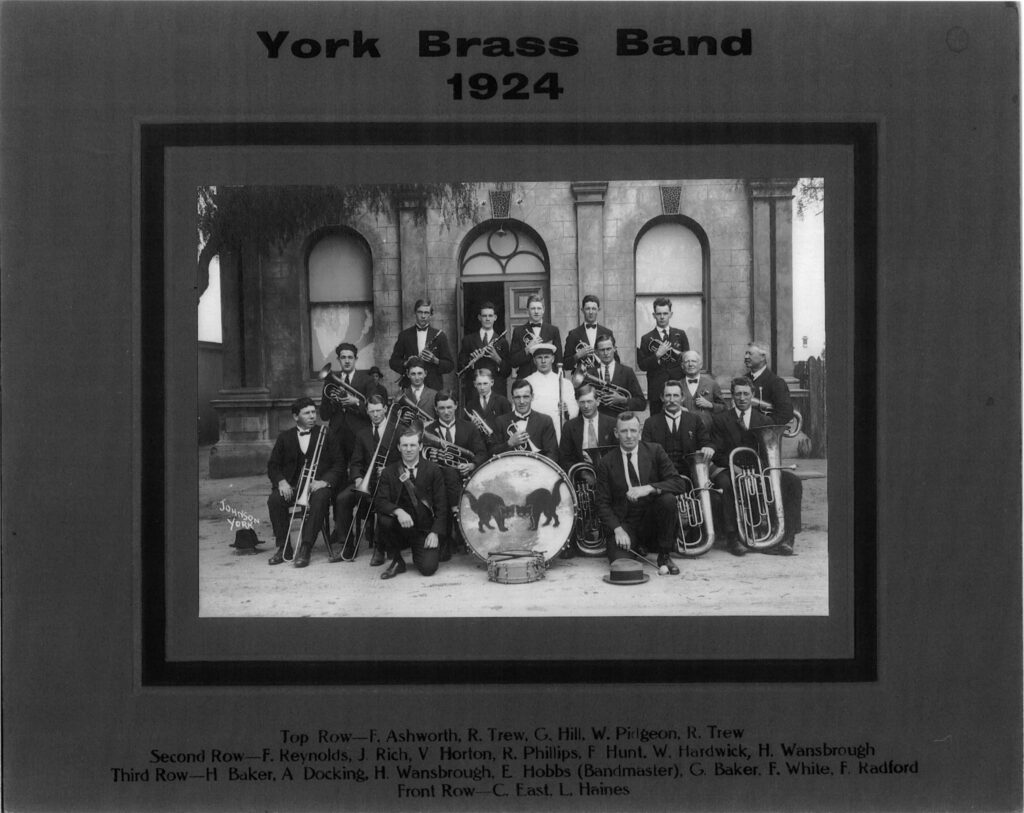
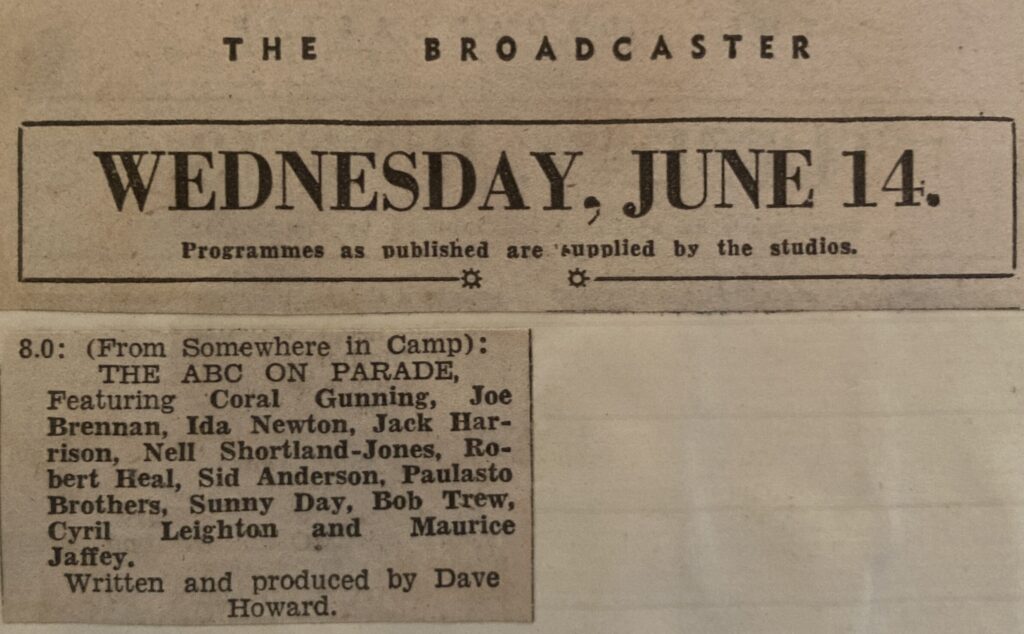
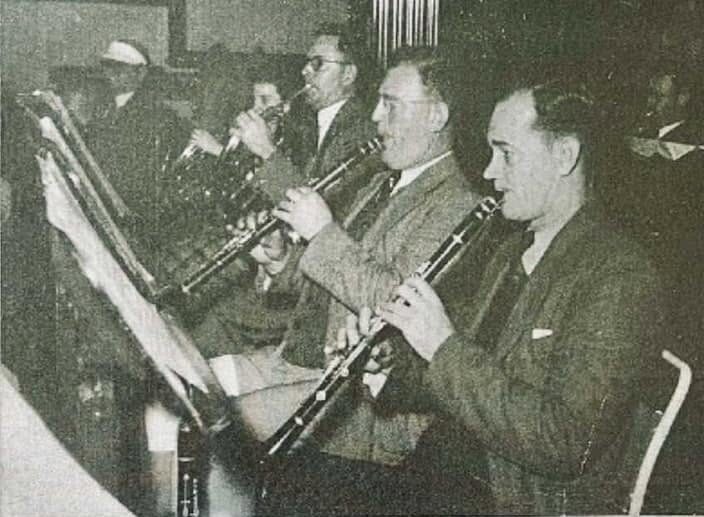
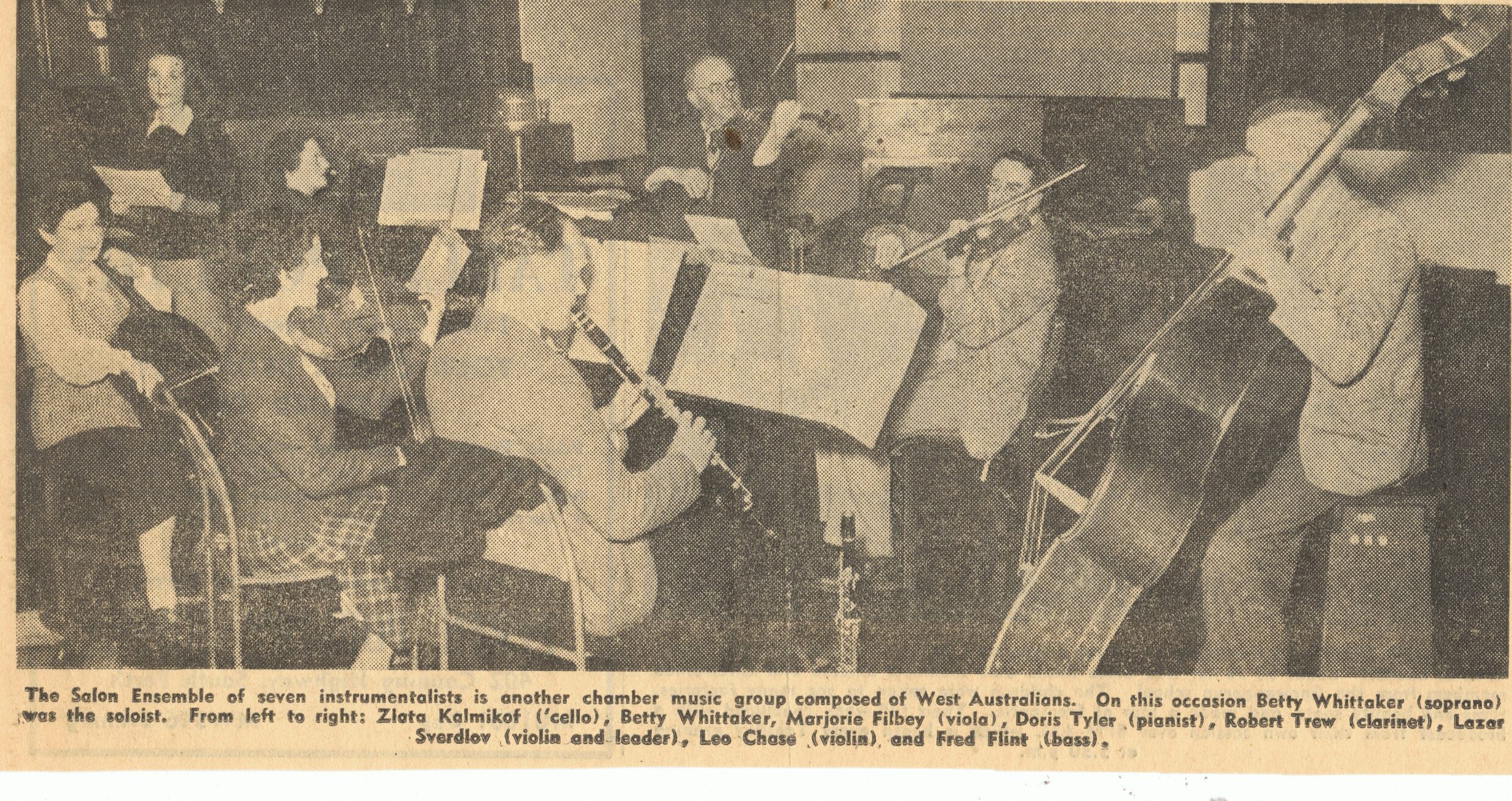
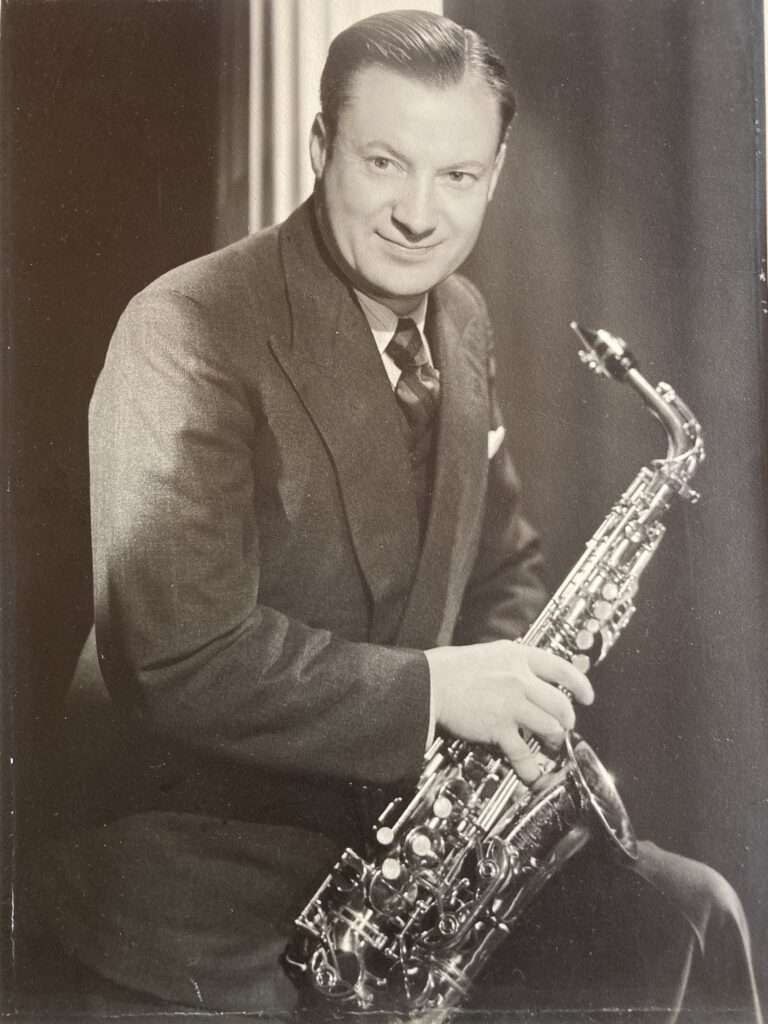
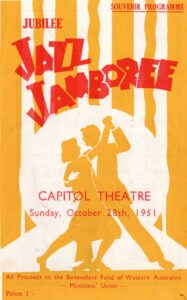
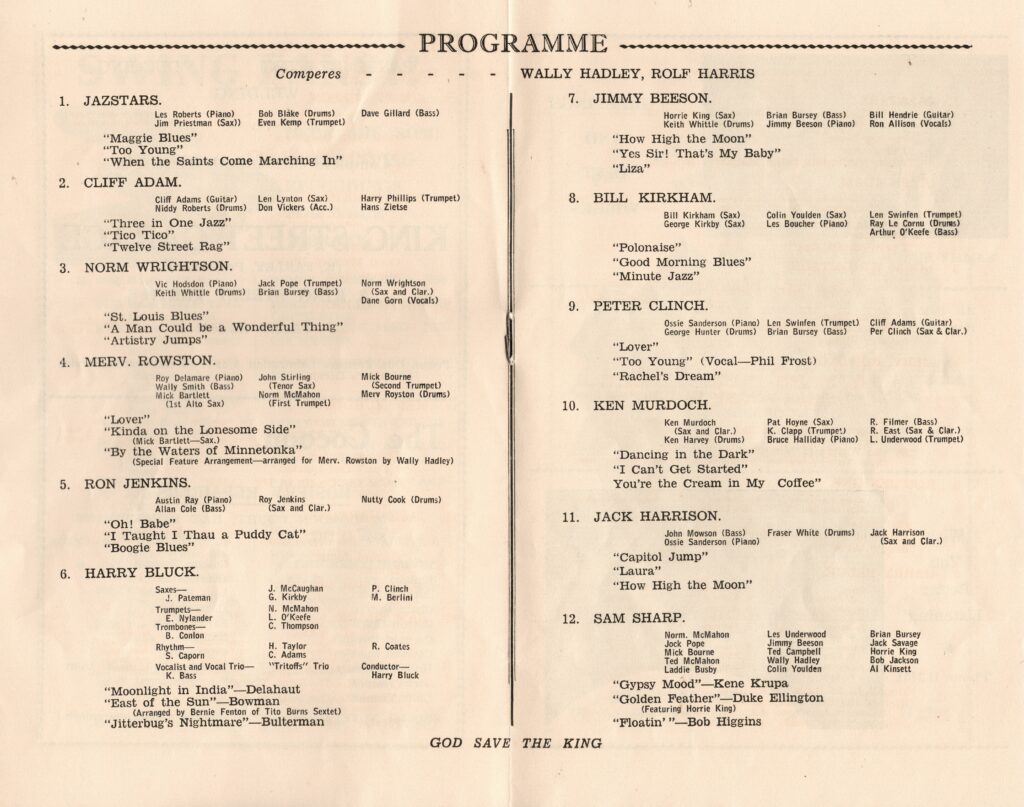
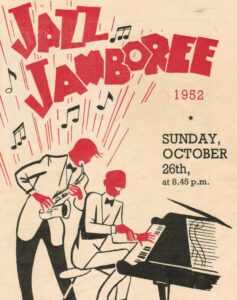
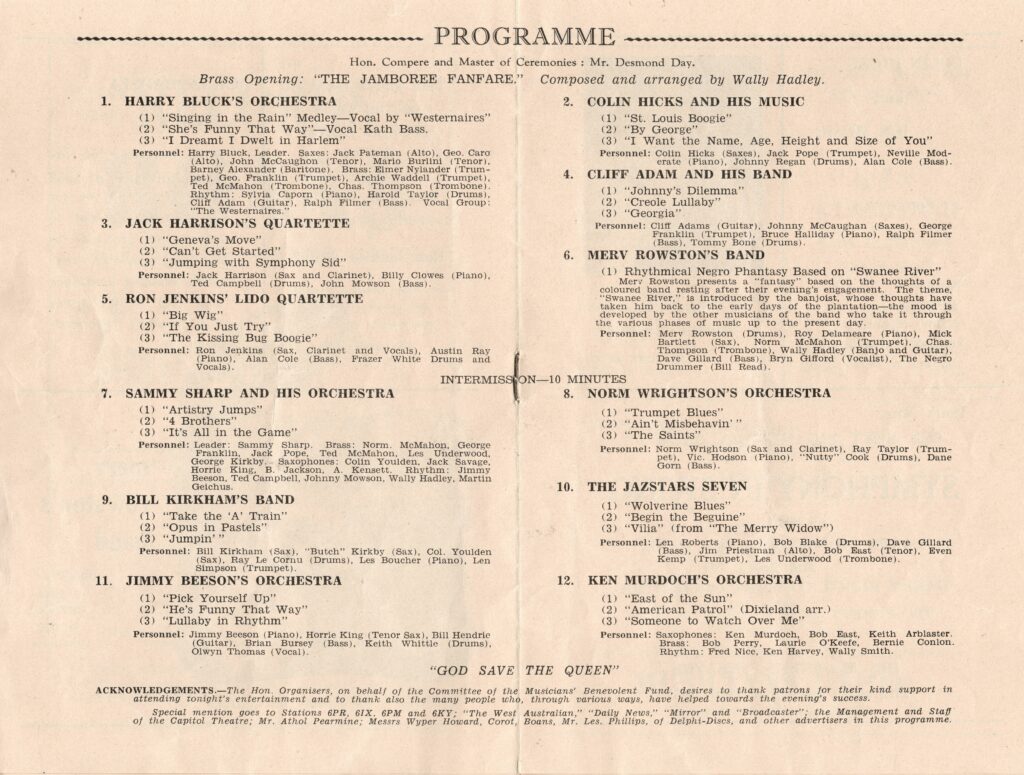
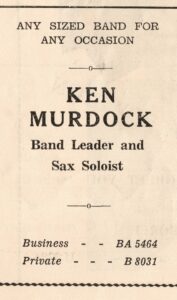
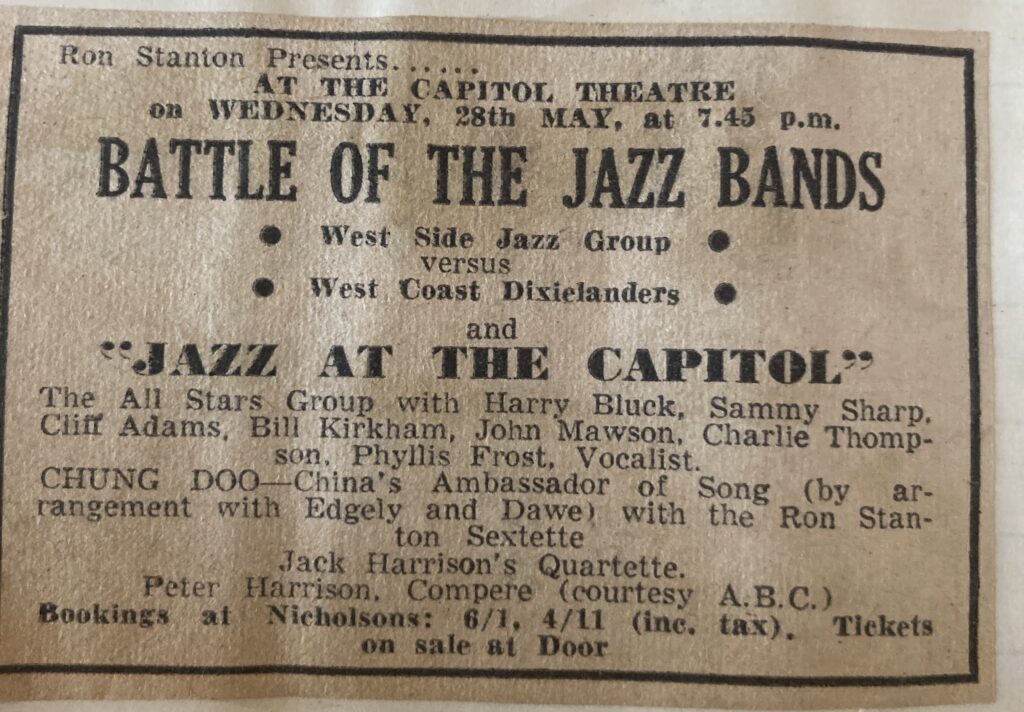
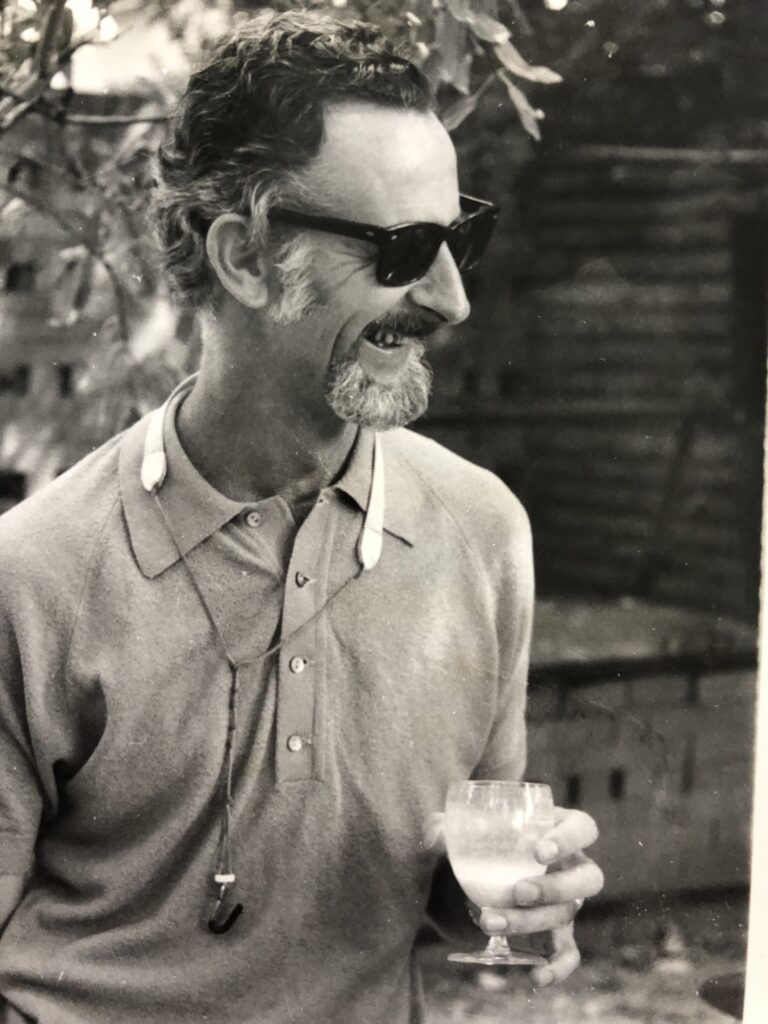
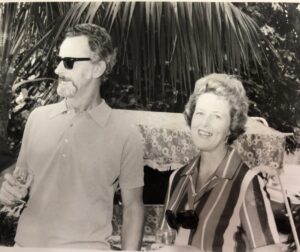
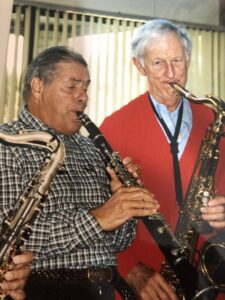
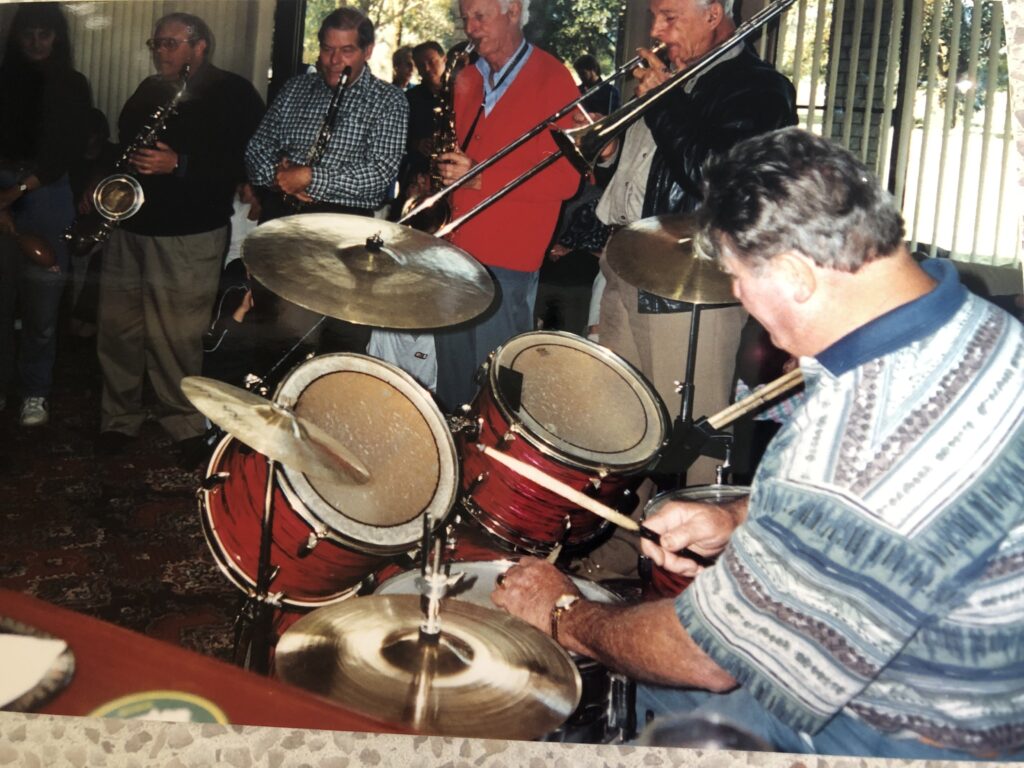
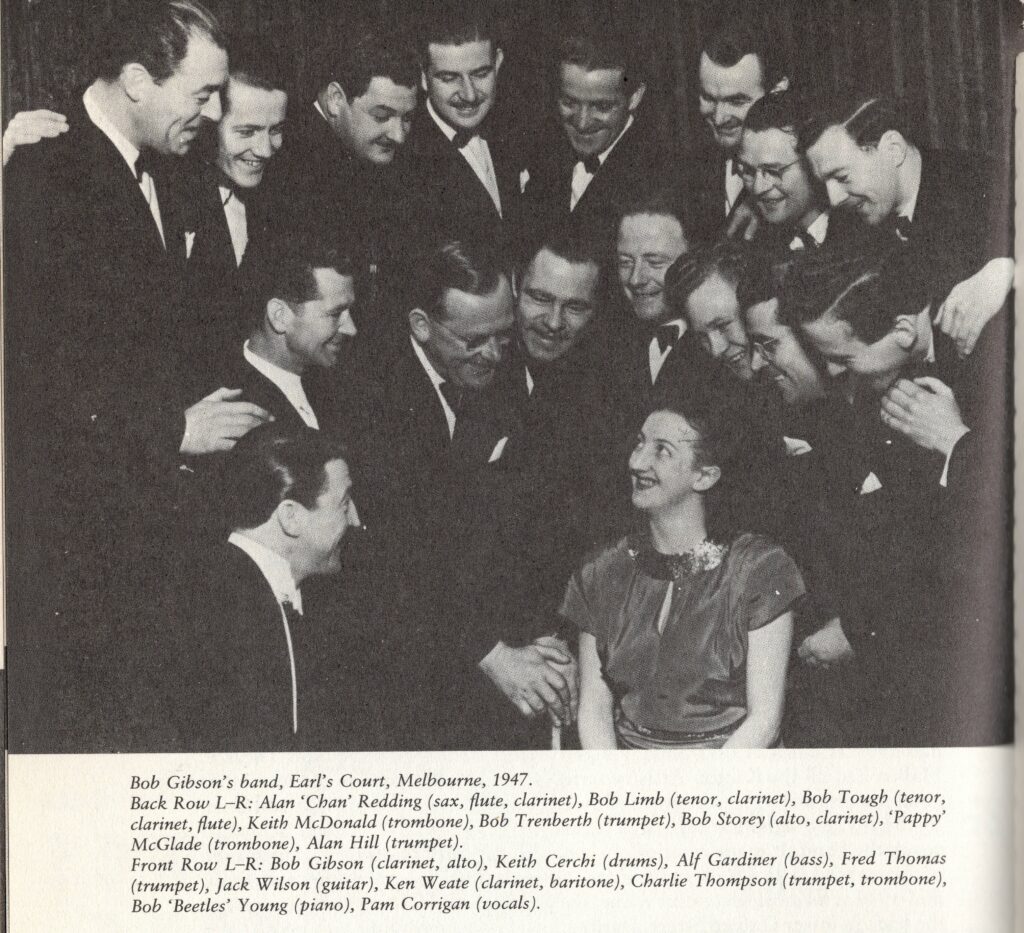
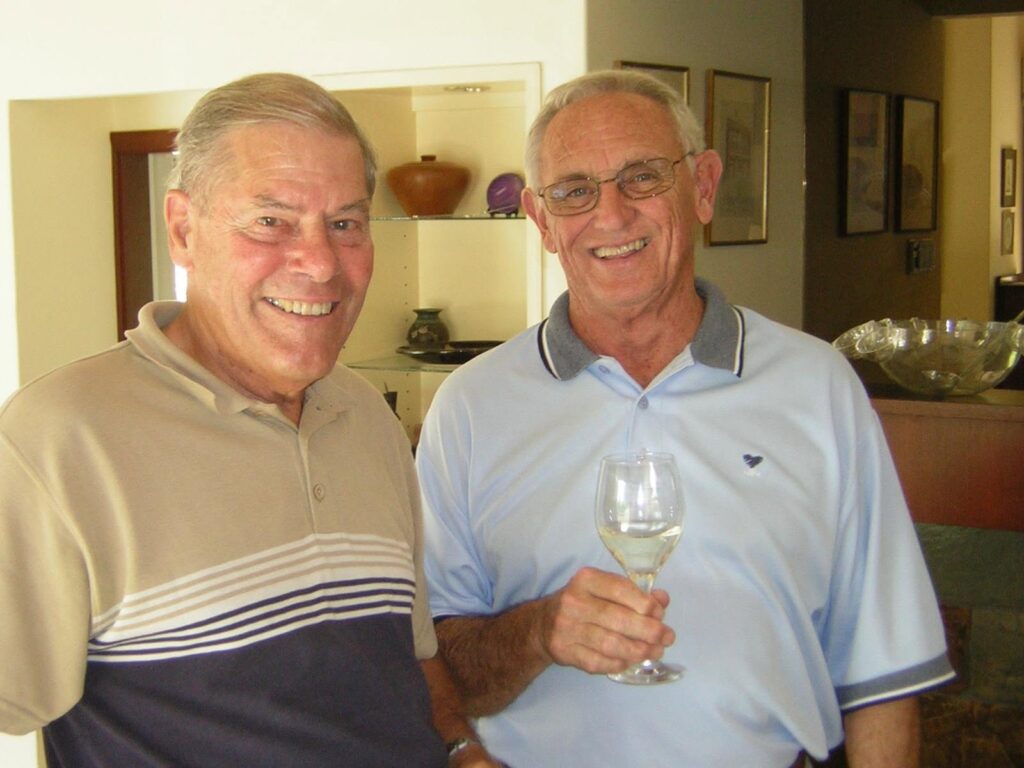
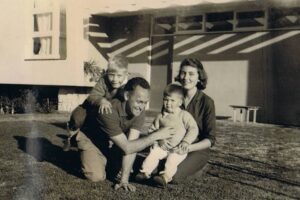
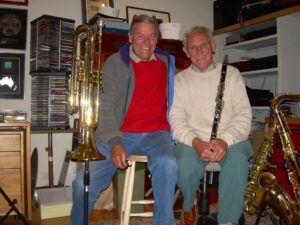
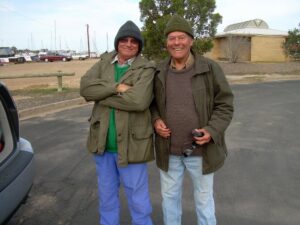
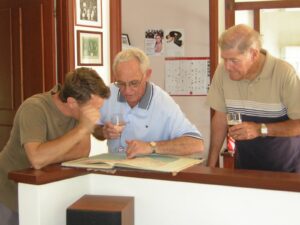
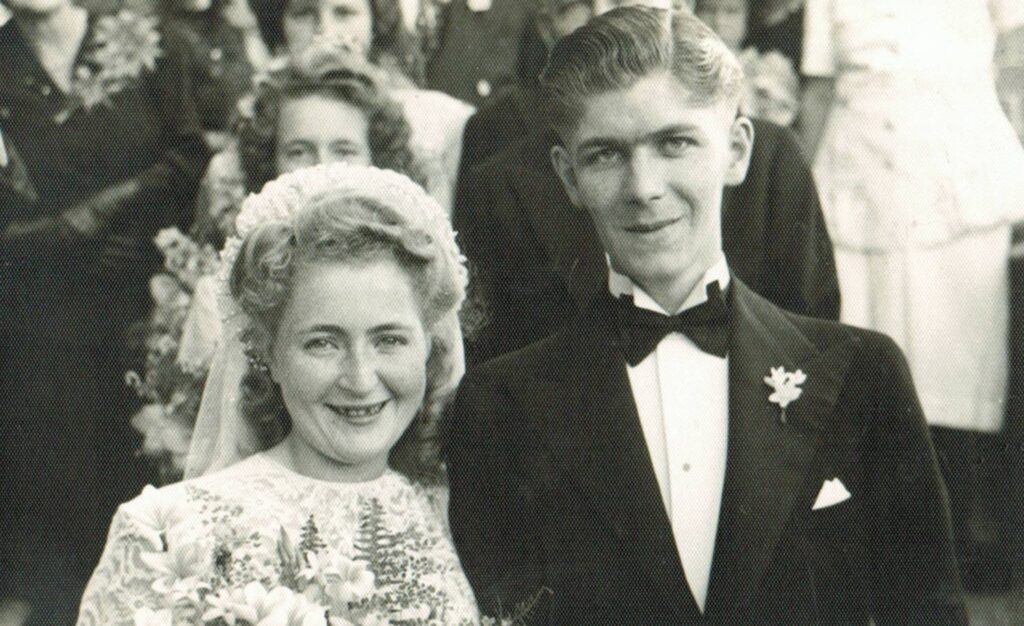
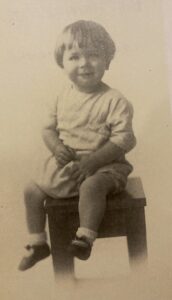
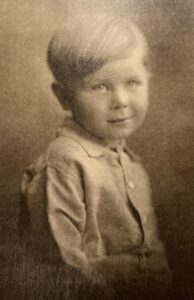
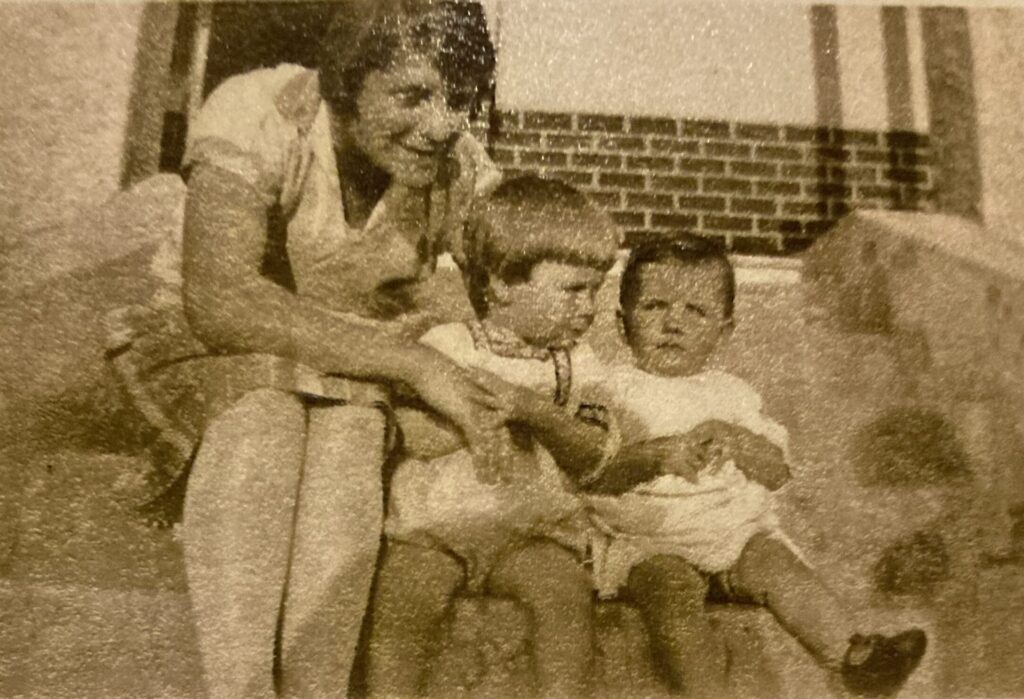
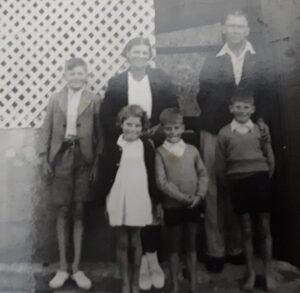
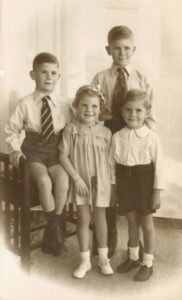
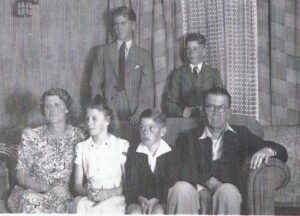
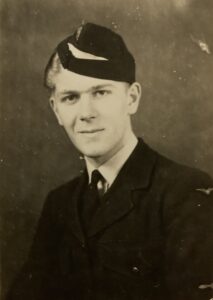 Australia entered World War II on September 3, 1939, immediately following Britain’s declaration of war on Germany. Prime Minister Robert Menzies announced the involvement, prompting a rapid volunteer mobilization for the 2nd Australian Imperial Force (AIF) to support British forces in Europe and the Middle East, while initiating home-front preparations.