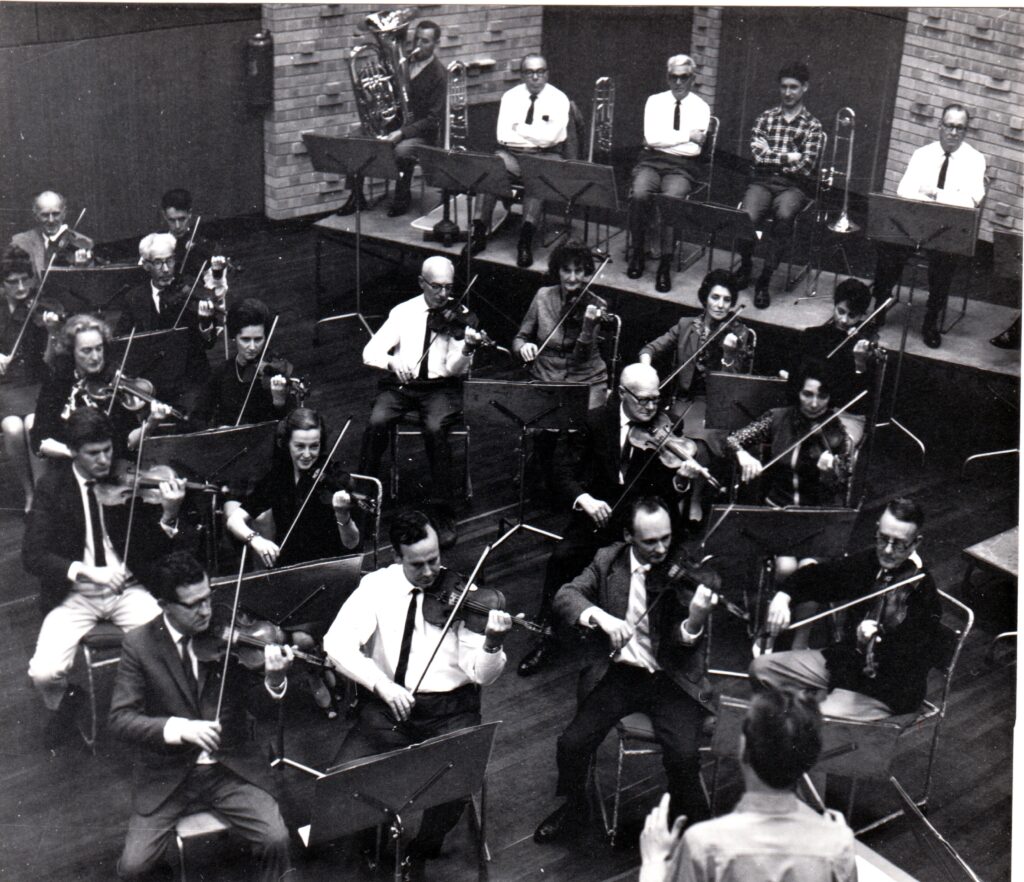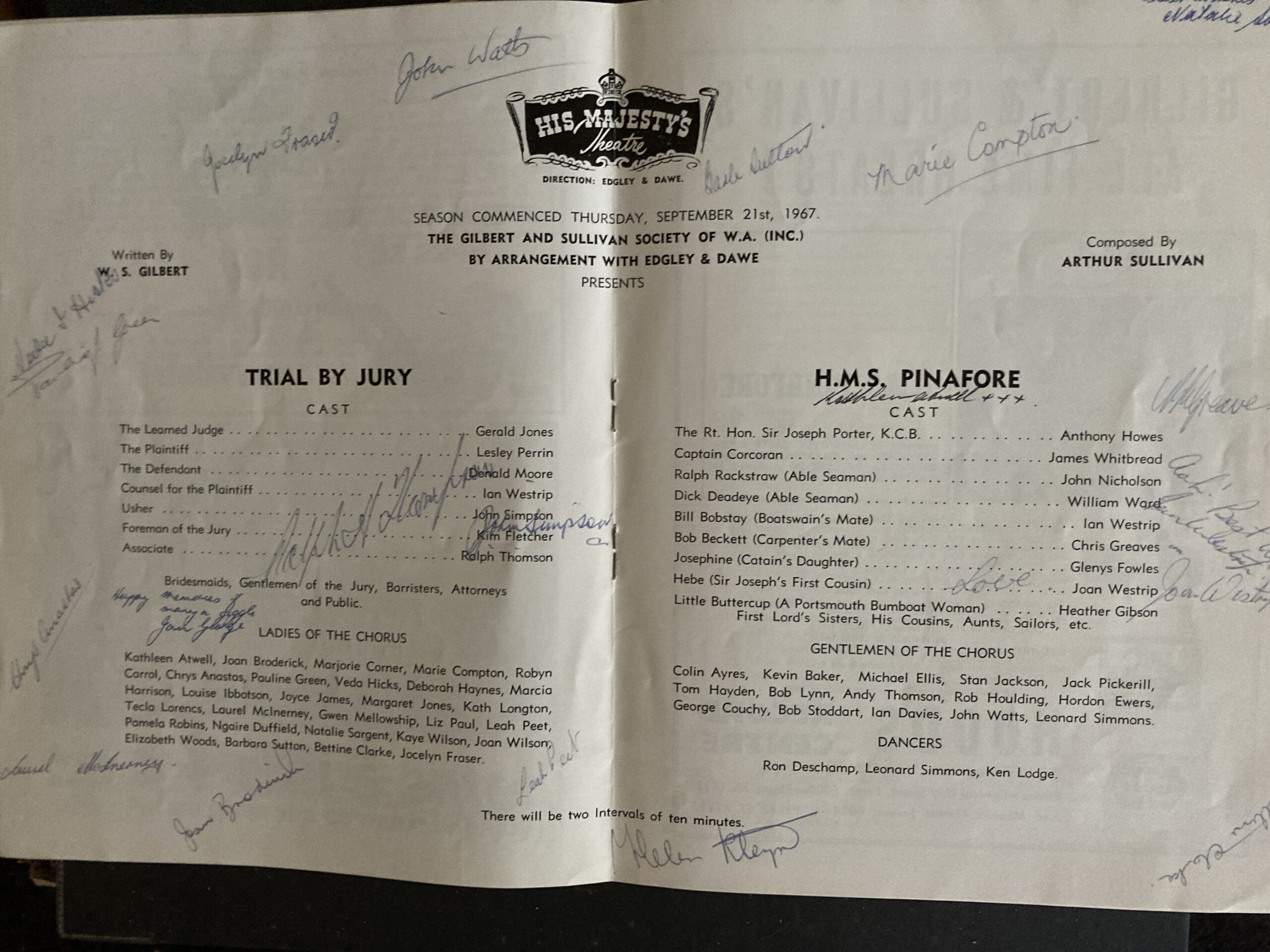
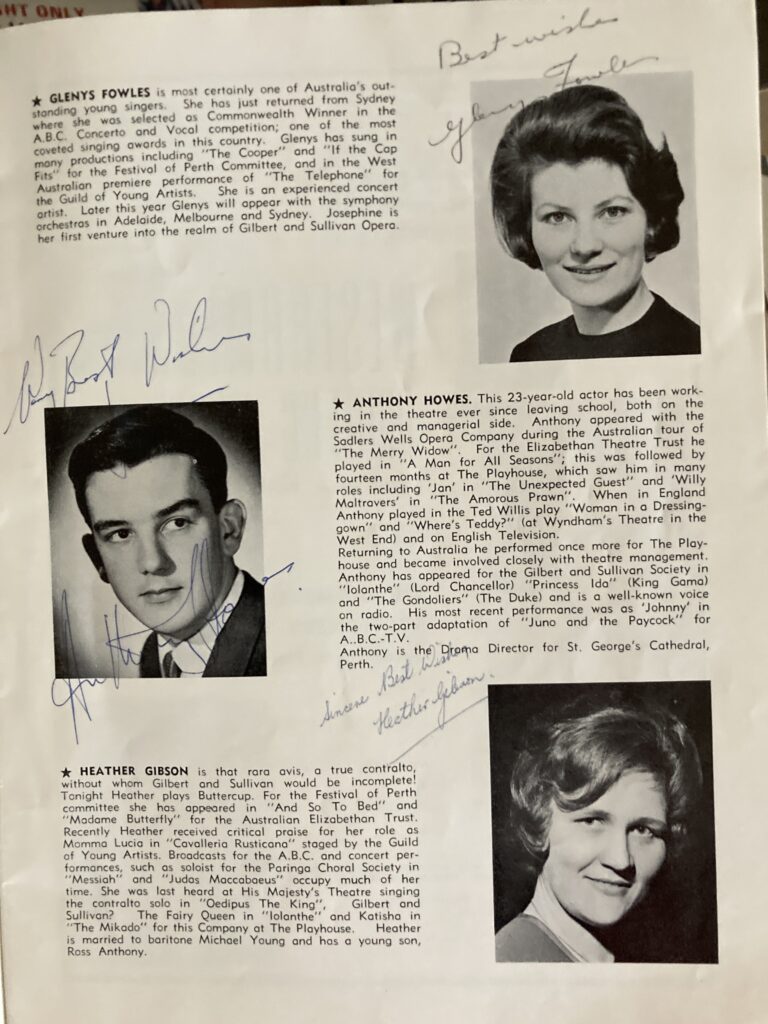
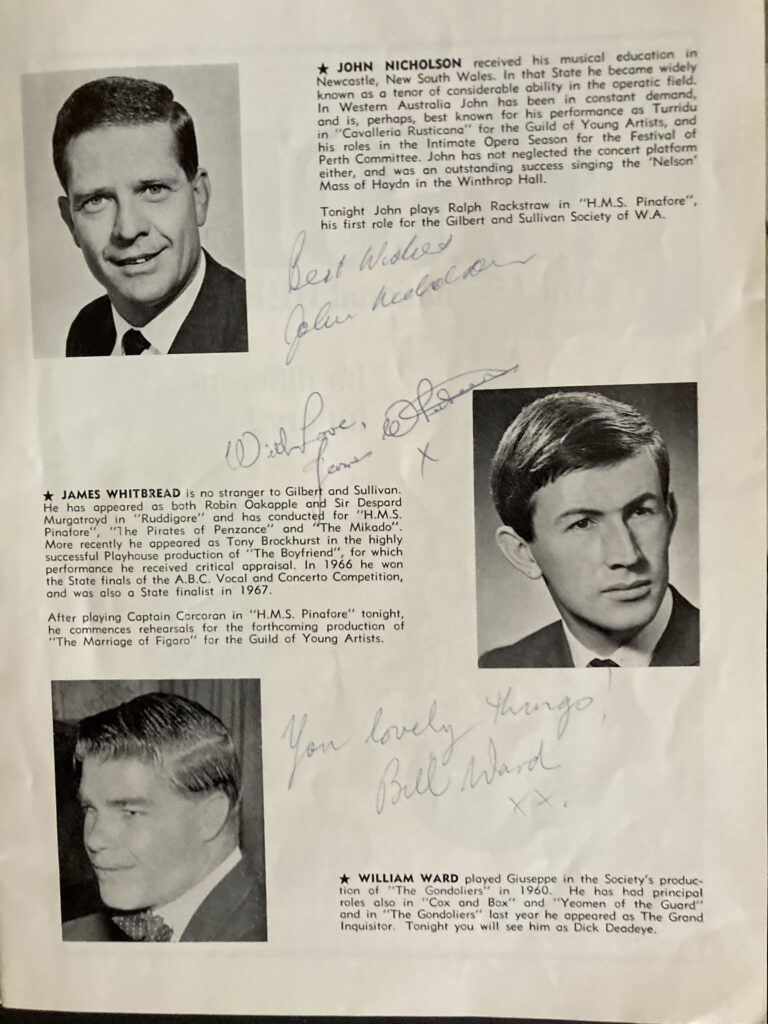
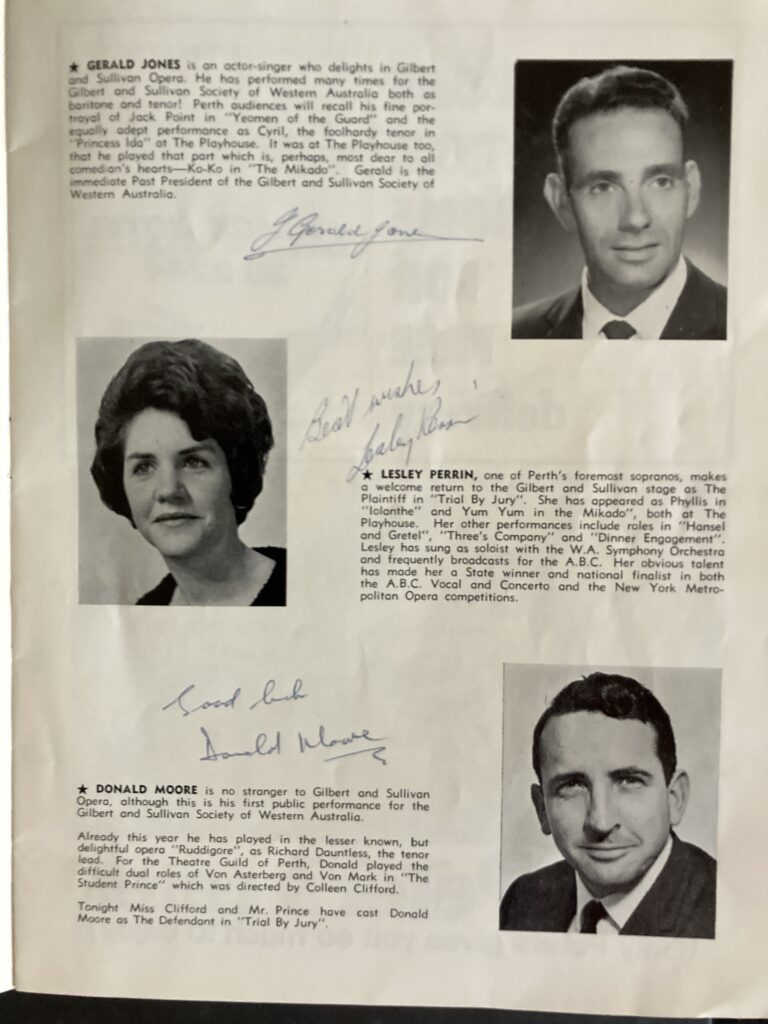
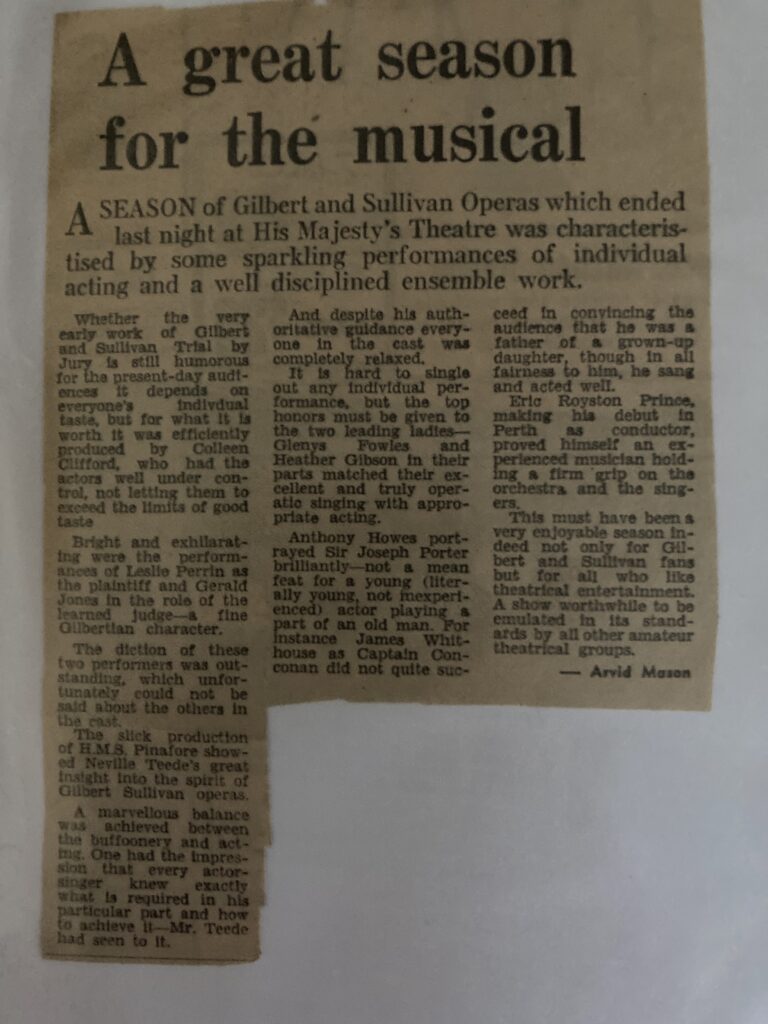
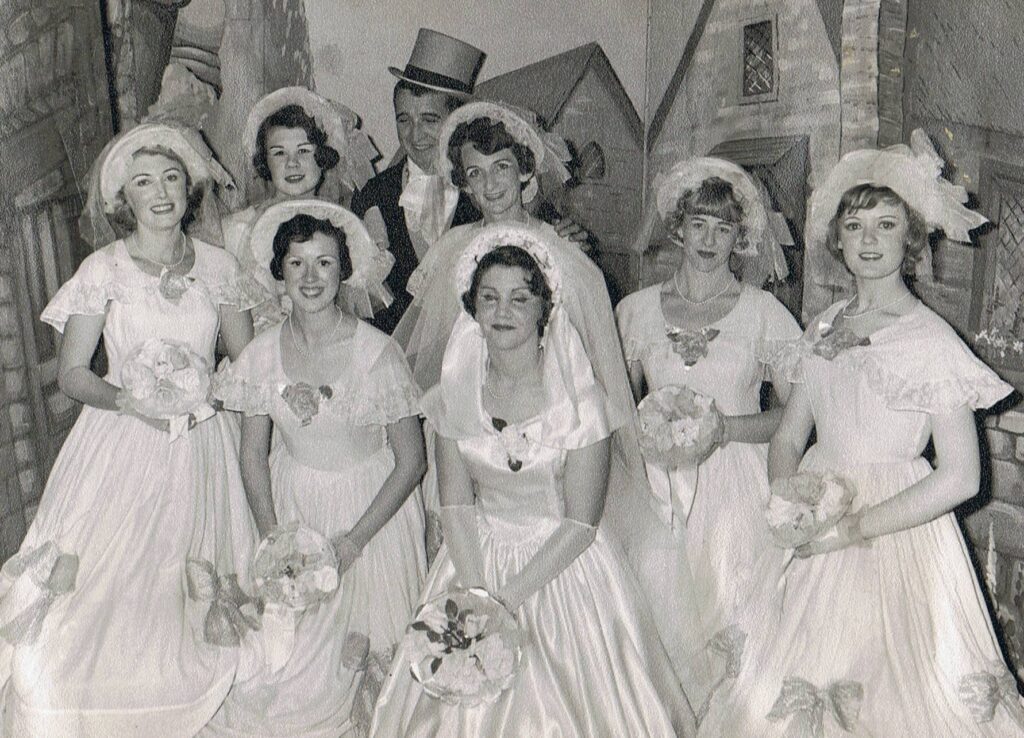
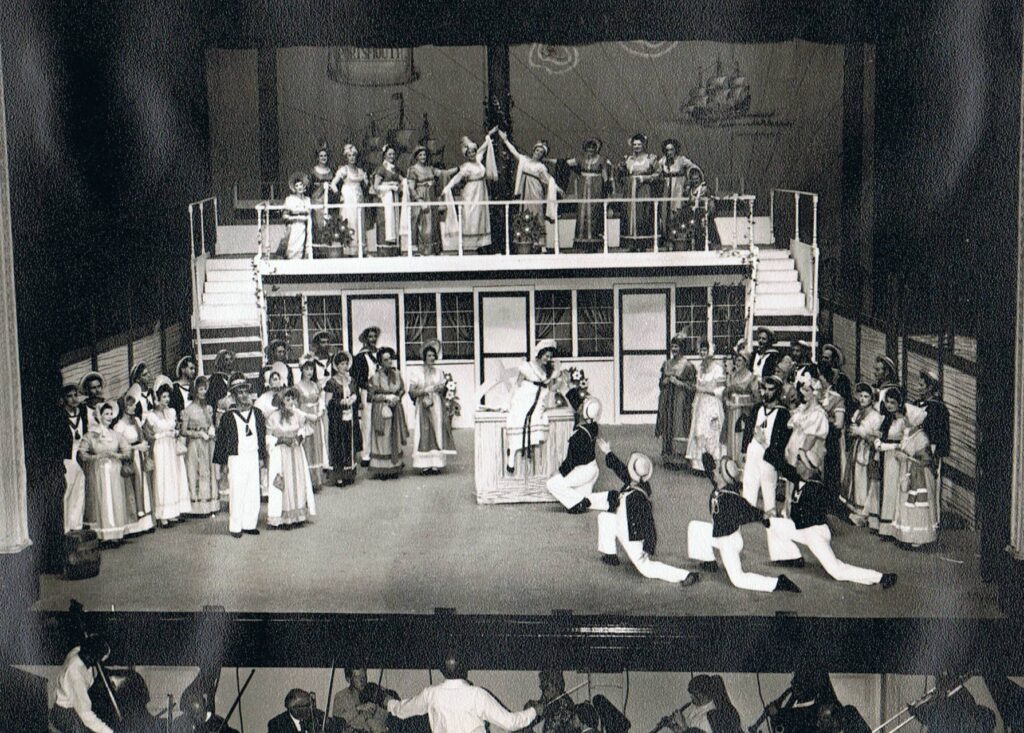
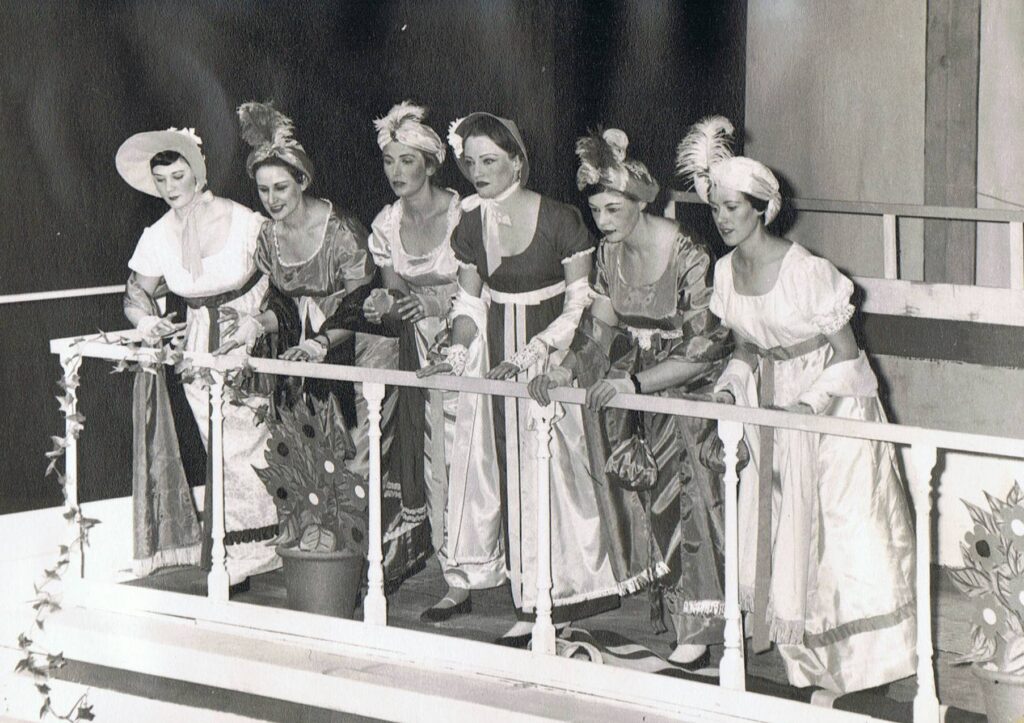
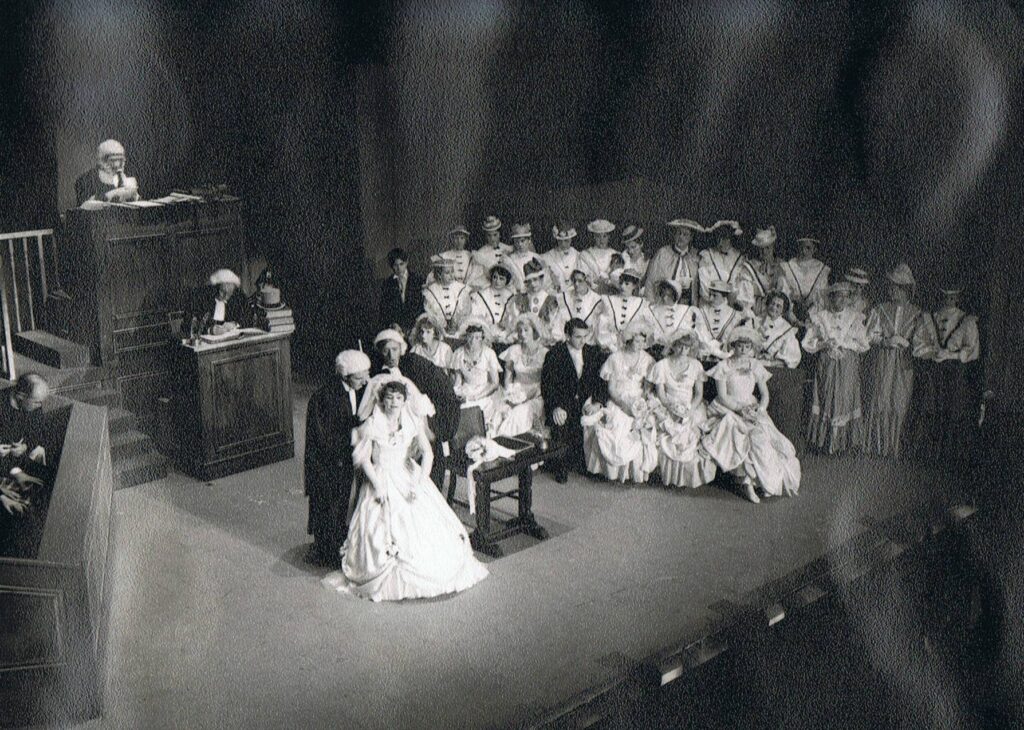
1967 Gilbert and Sullivan

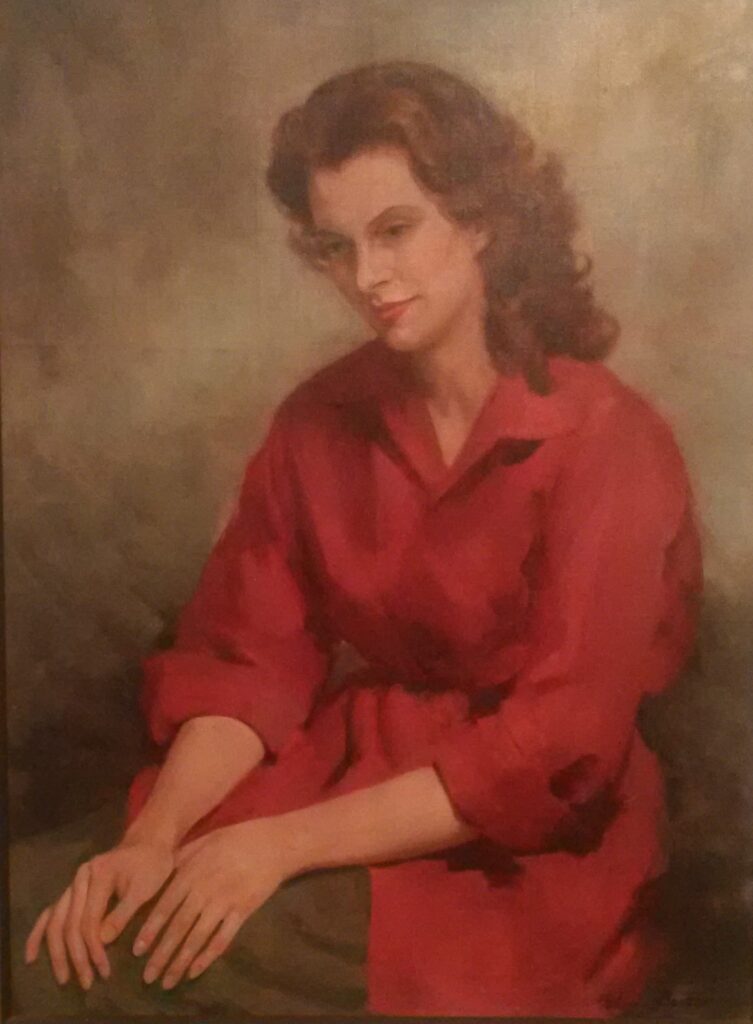
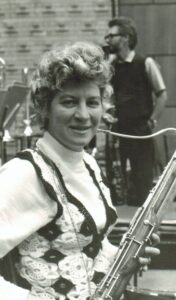
Marcia Harrison far left

Marcia Harrison third from left

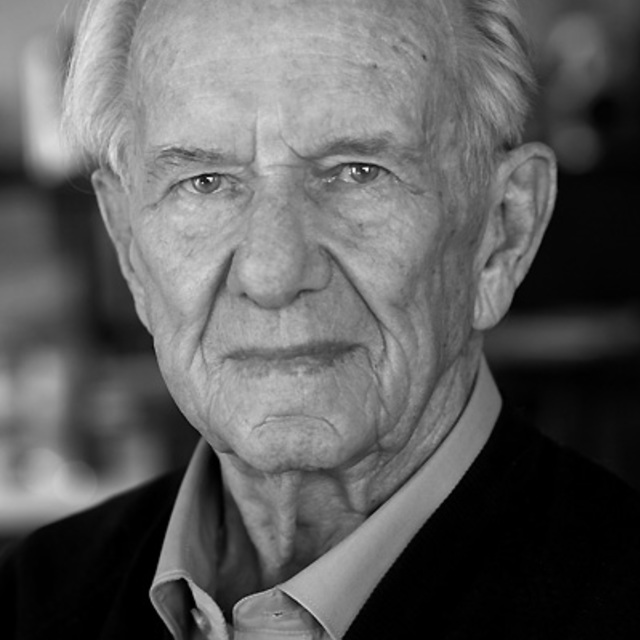
Person

RITCHIE, John

John Ritchie was born in Wellington, New Zealand, in 1921. He graduated in music at the Otago University and trained as a teacher at Dunedin Teachers’ College. Ritchie served in the navy in World War II and subsequently undertook post-graduate study with Walter Piston at Harvard University from 1956-57. In 1946 he was appointed to Canterbury University becoming Professor and Head of Music in 1962. Ritchie served as acting and Deputy Vice-Chancellor from 1973-83. During 1967-68 he held a Visiting Professorship at Exeter University and served on the board of Trinity College of Music, London. He conducted many choirs and, in 1959, formed the John Ritchie String Orchestra and later the Christchurch Civic Orchestra. He guest-conducted the New Zealand Symphony Orchestra and for the New Zealand Ballet. In 1974 he was Music Director of the Xth Commonwealth Games and in 1986 the Papal Visit of Pope John Paul. Ritchie was Secretary General of the International Society for Music Education from 1976-84 and its President 1990-92. He was elected an Individual Member of the International Music Council in 1979. As a composer he is known for choral music, music for brass, concerto-type works, carols and church music. These include Concertino for Clarinet and Strings, Concerto for Saxophone and Small Orchestra, Threnody (brass band), The Snow Goose (flute and orchestra), and Papanui Road Overture (full orchestra). John Ritchie was Professor Emeritus at Canterbury University until his death. He was awarded the CANZ Citation for service to New Zealand music in 1992. He had a family of three daughters and two sons. His wife, Anita, a nationally recognised soprano, died in 2001. John Ritchie passed away on the morning of his 93rd birthday, the 29th of September 2014. https://sounz.org.nz/contributors/1083 https://www.canterbury.ac.nz/about-uc/why-uc/our-alumni/honorary-doctorates/emeritus-professor-john-ritchie CONCERTINO FOR CLARINET AND STRING ORCHESTRA (1957) Free Studio Recital Basil Kirke Studio A.B.C. Building, Adelaide Terrace 3pm Sunday June 10th 1967 PERTH SINFONIETTA With Jack Harrison (clarinet) Programme: Overture “Artaxerxes” (Arne), Concerto Grosso in c Minor (Germiniani), Serenata Notturna (Mozart), Concerto for Clarinet and Strings (Ritchie) Variations and Fugue on a Theme of Kuhnau (Andriesson/Donemus).
10.6.1967 John Ritchie Concertino for Clarinet and String Orchestra (1957) AUSTRALIAN PREMIERE Jack Harrison (clarinet)   Perth Sinfonietta Free Studio Recital Basil Kirke Studio A.B.C. Adelaide Terrace, Perth, Western Australia

Instruments

Years

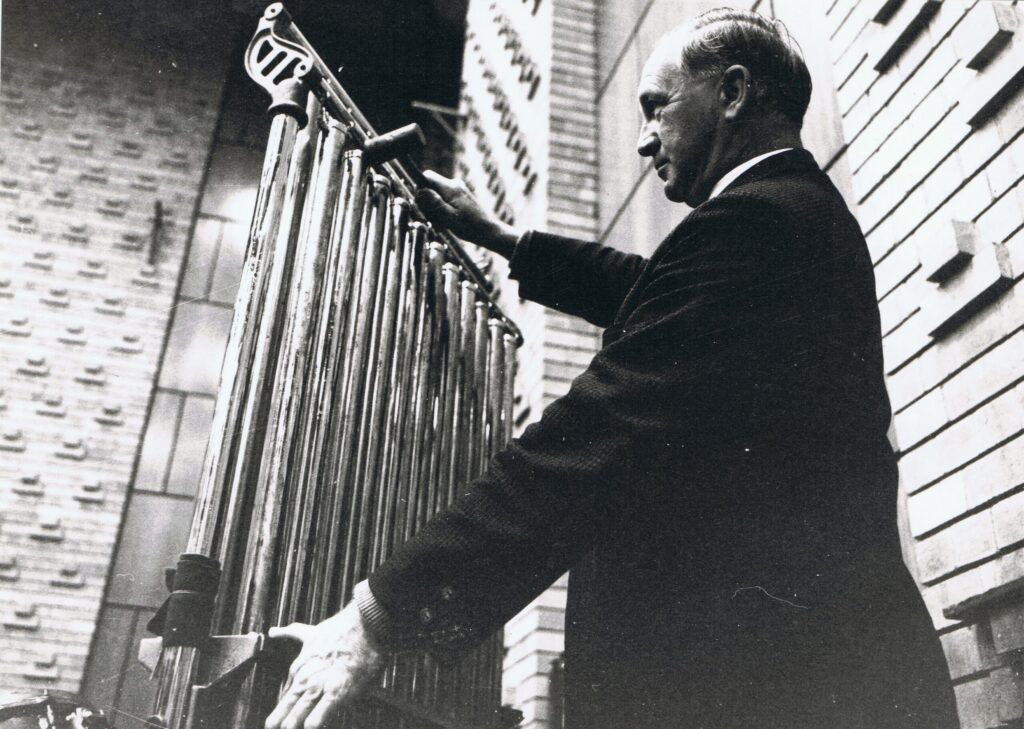
WASO Percussionist Verdon Williams

Verdon Williams

Person

TAHOURDIN, Peter

Peter Tahourdin was born in southern England in 1928. He studied composition with Richard Arnell at Trinity College of Music in London, graduating in 1952. In the years that followed, various concert and broadcast performances of his music were given in England, Holland and Canada. Tahourdin came to Australia in 1964 and was appointed visiting composer to the University of Adelaide. The following year he was commissioned by the Australian Ballet to compose the score for Illyria, which was first produced, with choreography by Garth Welch, at the 1966 Adelaide Festival of Arts – it was later to appear on television.A long-standing interest in electronic music led him to undertake a year’s course of study at Toronto University in Canada. On returning to Adelaide he became active as a composer, lecturer and broadcaster, and he established the first practical course in electronic music in Australia at the University of Adelaide in 1969. He was appointed to the staff of the Faculty of Music at the University of Melbourne in 1973, first as lecturer, then senior lecturer, in composition. During the two years 1978-79 he was chairman of the Composers’ Guild of Australia. His compositional output stems from a variety of commissions and interests, ranging from orchestral and chamber music to choral, electronic and educational music, as well as music for the theatre. The five symphonies stand at critical points in Tahourdin’s career and are markedly different from one another, both in structure and in content. Equally, his chamber music reflects his changing approach to musical composition – from the tonal Clarinet Sonata (1962) through the four Dialogues (1971-84) and the Quartet for Strings (1982), all of which are concerned with the notion of direct yet varied interplay between the performers, to the Raga Music series (1985-88), which takes its structural base from procedures that underlie the unfolding of the raga in north Indian classical music. In his electronic music Tahourdin is concerned with modern technology as an added resource that carries with it its own aesthetic and may be used in its own right (Three Mobiles – 1974), as a means of shaping and controlling other musical resources (San Diego Canons – 1983), or as one element within a more complex whole (Ern Malley – A Dramatic Testament – 1976).
https://www.melbournecomposersleague.com/peter-tahourdin/
https://www.australianmusiccentre.com.au/article/peter-tahourdin-1928-2009
CLARINET SONATA The Clarinet Sonata (1962) by British-Australian composer Peter Tahourdin is an early chamber work. Written in England and premiered in London by New Zealand clarinettist John McCaw, it marks a traditional, tonal approach to composition that predates his later, more avant-garde works. MUSIC By Peter Hellstrom The opening musical performance of the Festival Of Perth at 3 pm tomorrow week will be a free recital of contemporary Australian chamber music in the A.B.C. Basil Kirke studio. The festival committee is to be congratulated on the emphasis it has given this year to Australian music.  As a result of its cooperation with the Fellowship of Australian composers, 14 of the 55 composers represented in the Festival are Australian.   The opening recital is by the Oriel Quartet with which will appear pianist Alice Carrard, violinist John Exton and clarinettist Jack Harrison. Many of the works will be given their first W.A. performances. They include Sydney composer Peter Sculthorpe’s sixth string Quartet, Colin Brumby’s Trio for clarinet violin and piano and Peter Tahourdin ’s Clarinet and Piano Sonata.  West Australian compositions will include Jennifer Fowler’s String Trio and Ashley Arbuckle’s Movements for String Trio.  The West Australian January 21 1967 page 35
7 AUSTRALIANS IN PROGRAMME – By Sally Trethowan 29th January 1967 A free concert and the first of the music in this year’s Festival of Perth, which is offering principally music by Viennese and Italian composers, was a recital of contemporary Australian chamber music yesterday afternoon in the Basil Kirke Studio.   Though the symbolical free-and-first might be seen as a sort of declaration of faith on behalf of the festival organisers, the Australian-music-at-any-price faction should feel satisfied after a two hour program of seven works by seven composers.  However, there are some people, and I am one of them, who believe that a self-conscious offering of Australian music in one parcel as it were is probably not the best method of asserting its quality. Music should be listened to on its own merits regardless of the nationality or domicile of its composer. One of the most moving and satisfying things for an audience must be to watch a composer playing his own work.  At yesterday’s concert, Dr John Exton played the violin part of his “Fantasy for Violin and Piano” with Alice Carrard playing the piano part. Dr Exton’s Fantasy is the product of a highly intelligent disciplined mind.  From a single musical cell, the work evolves in continual parthenogenesis, gathering emotional tension till it logically works itself out full-cycle. Peter Sculthorpe’s Sixth String Quartet performed by the Oriel String Quartet is tense, nerve fraught music strongly indebted in technique to Bartok, though lacking both that composer’s emotional fire and his intellect. Felix Verder’s “Five Fantasias for String Trio” were deep browed music that even in quick passages exercised levity, the instrumental lines convoluted in prescribed patterns of discordant chromaticism.   Two of the younger W.A. composers were represented Ashley Arbuckle by an aortic set of Nine Miniatures for String Trio, and Jennifer Fowler by an expressive well-wrought String Trio.  “Strophe for clarinet violin and piano” a set of epigrammatic Variations a la Webern, by turns reflective and capricious, composed by Victorian Colin Brumby, was an agreeable foil for the other clarinet work, a Sonata by Peter Tahourdin. This engaging music played with gusto by Jack Harrison, clarinet and Alice Carrard, piano, employees a comparatively old-fashioned idiom, is strongly lyrical, repetitious and has a freshness and sparkle that glances back to Weber rather than Webern with whom most of the other composers have affiliations. One cannot praise too highly the scholarly analysis and program annotations of David Tunley and John Exton.
29.1.1967 Peter Tahourdin Clarinet Sonata (1962) PERTH PREMIERE Jack Harrison (clarinet) Alice Carrard (piano) Festival of Perth Free Studio Recital Basil Kirke Studio A.B.C. Adelaide Terrace, Perth, Western Australia
https://www.australianmusiccentre.com.au/artist/tahourdin-peter https://www.monash.edu/arts/music-performance/information-for-current-students/scholarships-and-prizes/Peter-Tahourdin-Memorial-Composition-Prize
Peter Tahourdin (1928 – 2009)

Instruments

Years

Person

RANDALL, Peter

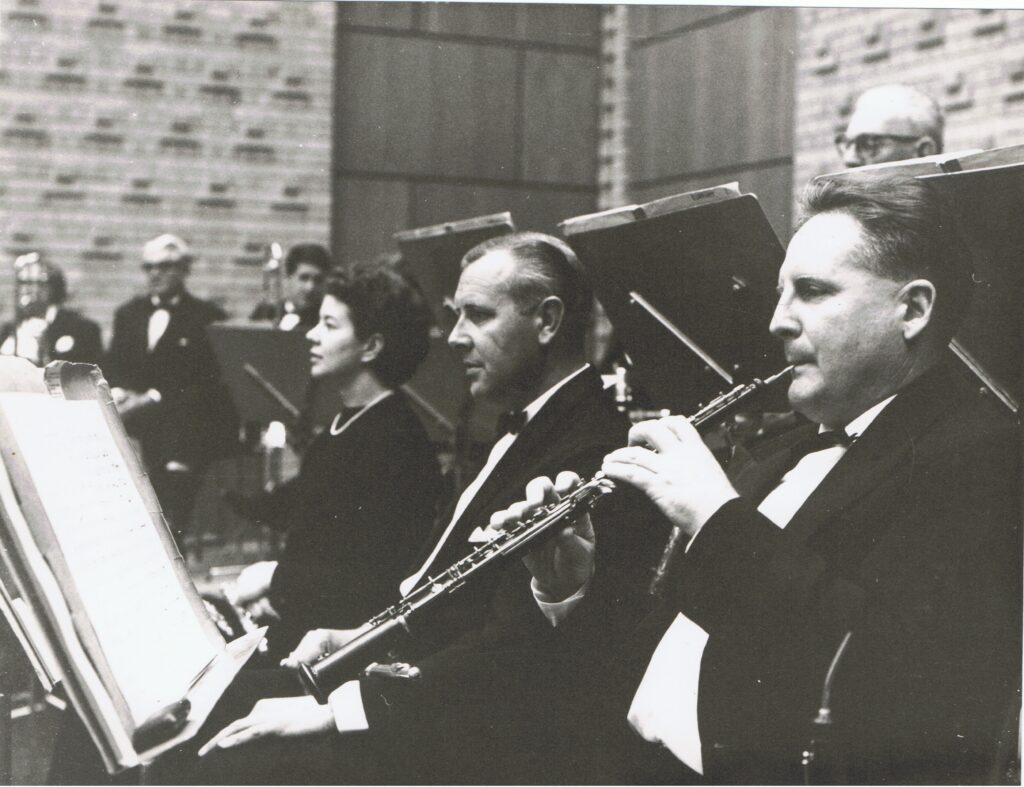
Peter Randall was Principal Oboe of the West Australian Symphony Orchestra and taught Jay Harrison.
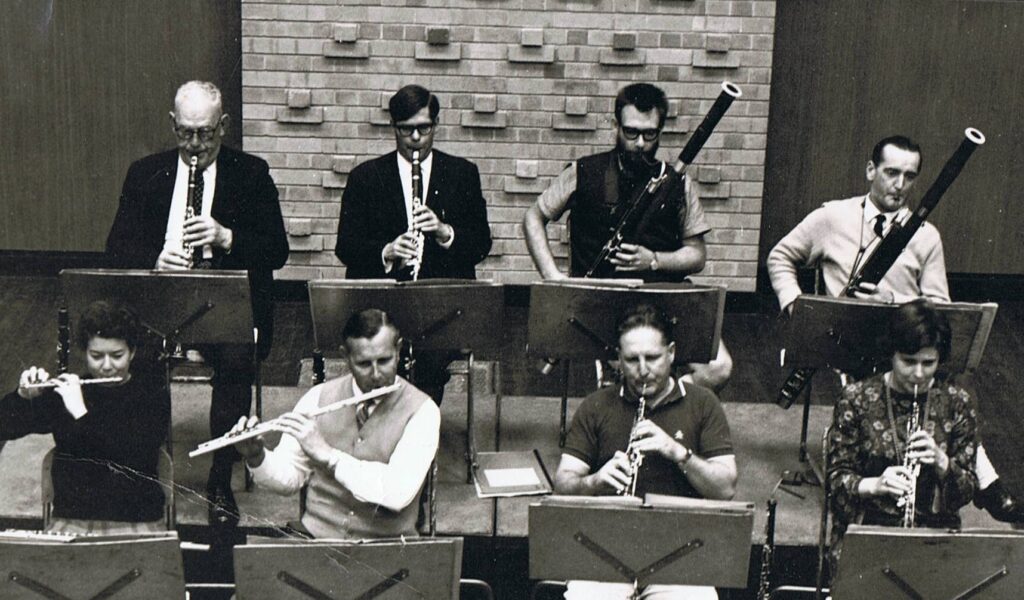
1967 WASO Wind Section


Peter Randall, oboe

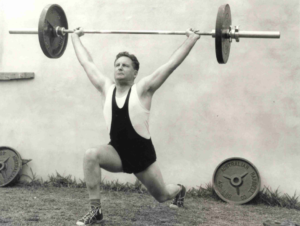
In his spare time he did weight lifting.

He was known for his pickled broad beans and curry pastes.
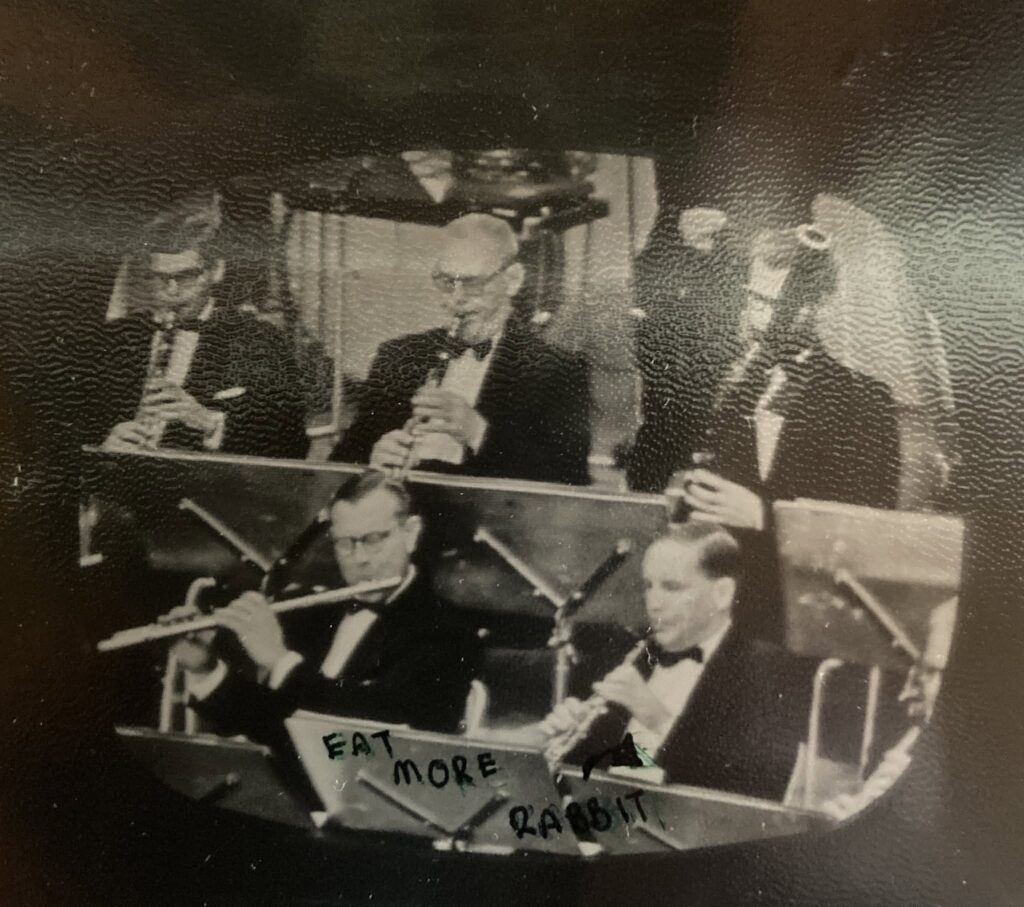
photo of WASO on TV with Alan Rule and Peter Randall – “eat more rabbit” 1961

He was known as “Rabbits” by his colleagues after receiving a spray of criticism from a conductor and simply replying “Eat more rabbit”.
Instruments

Years

Person

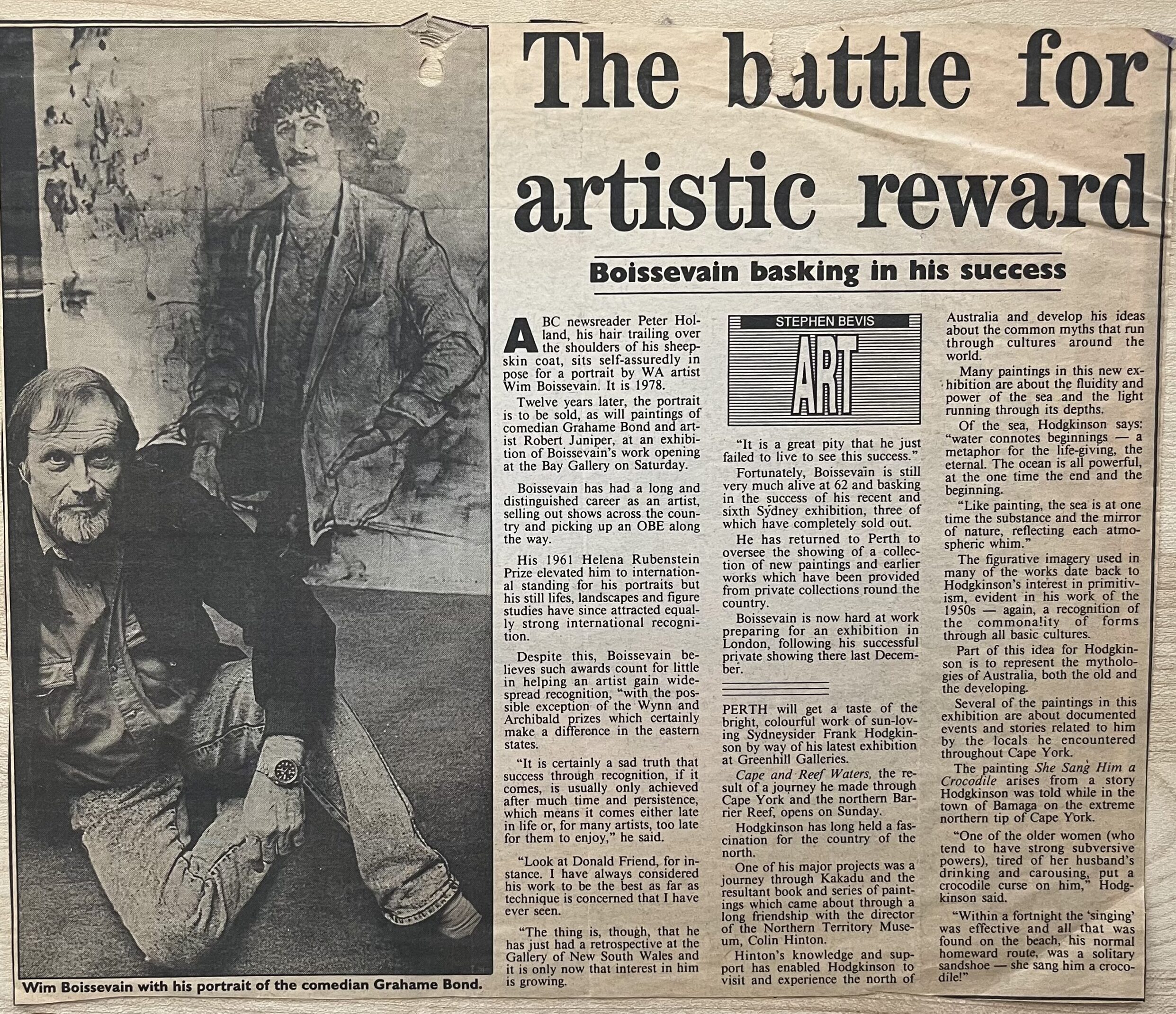
BOISSEVAIN, William "Wim"

William Boissevain was born in New York in 1927 his father was in the diplomatic service and consequently the family travelled the world. He trained in both London and Paris.

He was influenced by some of the greatest painters in European modern history such as Degas, Toulouse-Lautrec and Matisse, Boissevain recollects the time he spent wandering the vast corridors of the Louvre, studying works by such masterful artists. His drawings reflect the precision and skill of the great French masters while also embedded with the spontaneity of colour, line, and form.

After WW11 in 1947, Boissevain decided to join his mother in Perth, who like many postwar migrants had emigrated to Australia. He was naturalised in 1949. From 1951 to 1955 he taught drawing and French at Wesley College in Perth and, later he taught art at Perth Technical College.

The worldwide influences Boissevain experienced as a child can be seen in his bird and flower studies and his evocative Australian landscapes which have an almost oriental beauty.

In 1959 he won the Claude Hotchin Art Prize. Claude Hotchin was a businessman and art dealer who had a residence “Chartwell Gardens” in Mundaring.
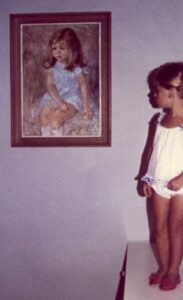

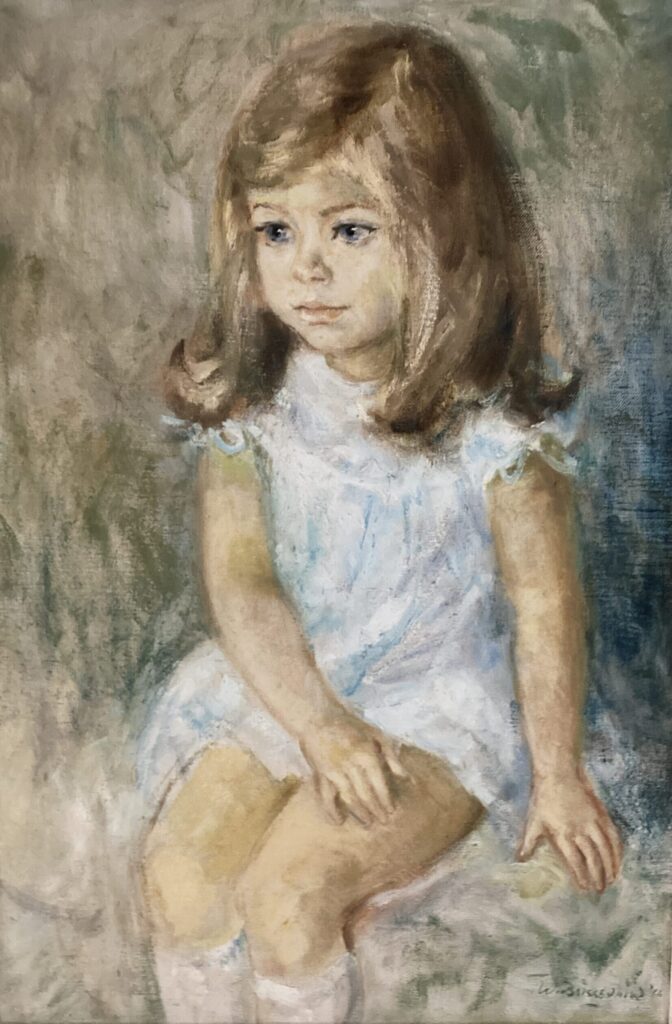
1967 portrait of Jody Harrison by William Boissevain

In 1967, Jack and Marcia Harrison were introduced to Boissevain by Iwan Iwanoff and commissioned Wim to paint their four year old daughter Jody.

Jody Harrison painted by Boissevain

Harrison neighbours, John and Donna Coleman followed suit and had their daughter Lisa painted:
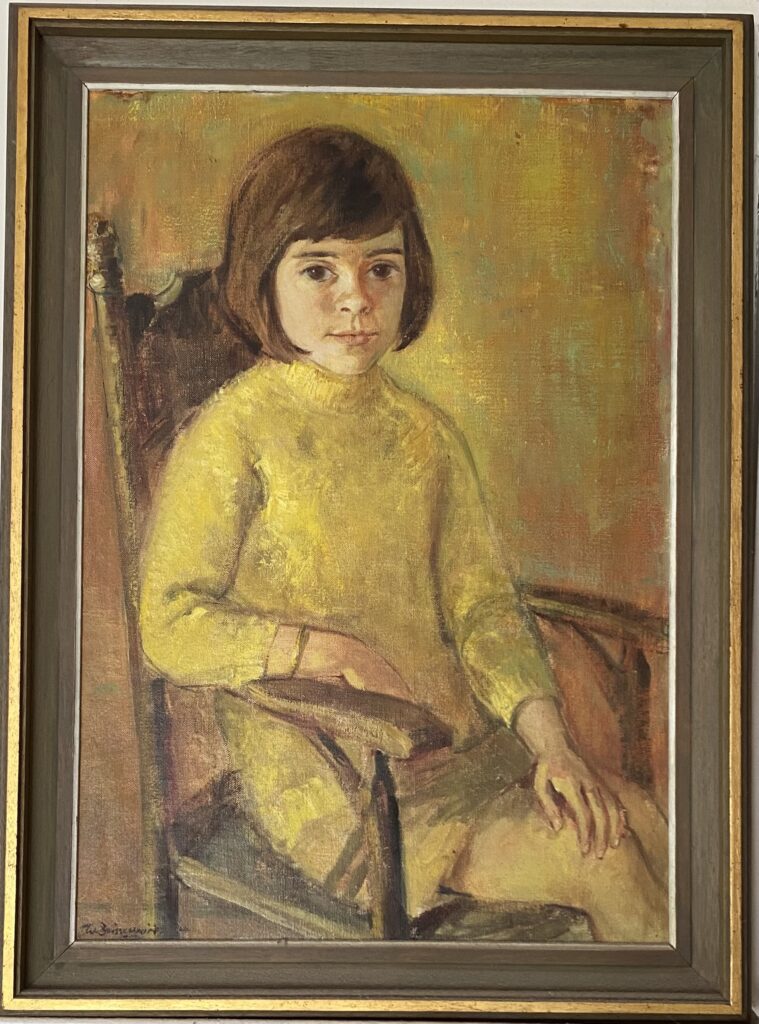
Lisa Coleman painted by Boissevain


In 1978 Boissevanwas awarded the Order of the British Empire for ‘Services to the Arts”.

Boissevain’s works are held in Collections across Australia, including the National Gallery of Australia, the National Portrait Gallery in Canberra, the Art Gallery of W.A. and the Art Gallery of Tasmania. His works are also held in many important private collections, including King Charles lll, Baroness Bentinck – Switzerland, the Emir of Bahrain and many more prestigious collections.

He lived in various homes in the Shire, first on Old York Road in Greenmount and in the 70’s the bottom of Smith St in Glen Forrest where he also had a studio. In later years he exhibited his work at White Peacock Studios in Glen Forrest.
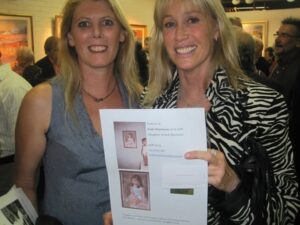
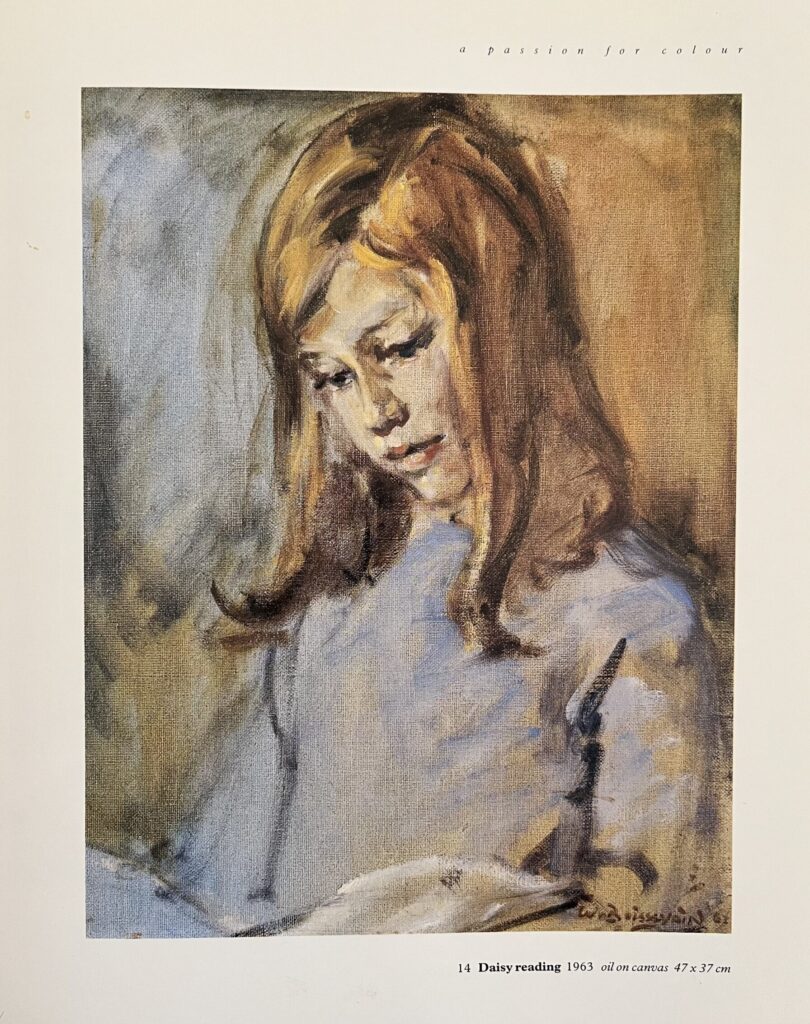
Jody Harrison and Daisy Boissevain

Daisy Boissevain


Linda Iwanoff by Boissevain

Linda Iwanoff


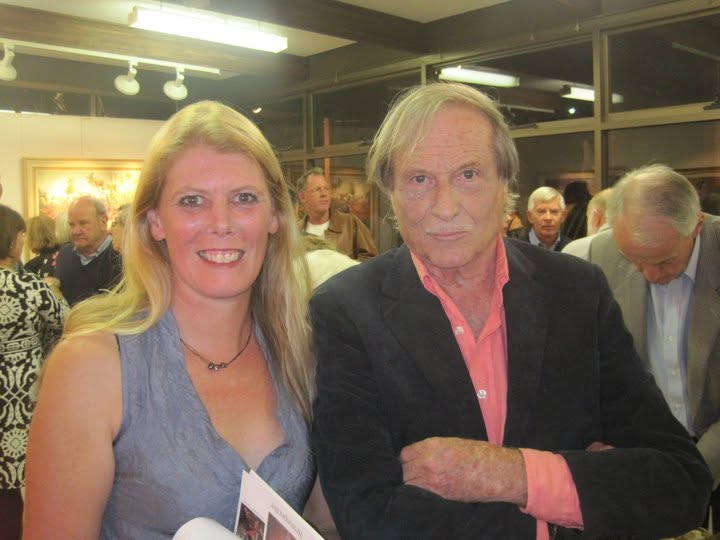
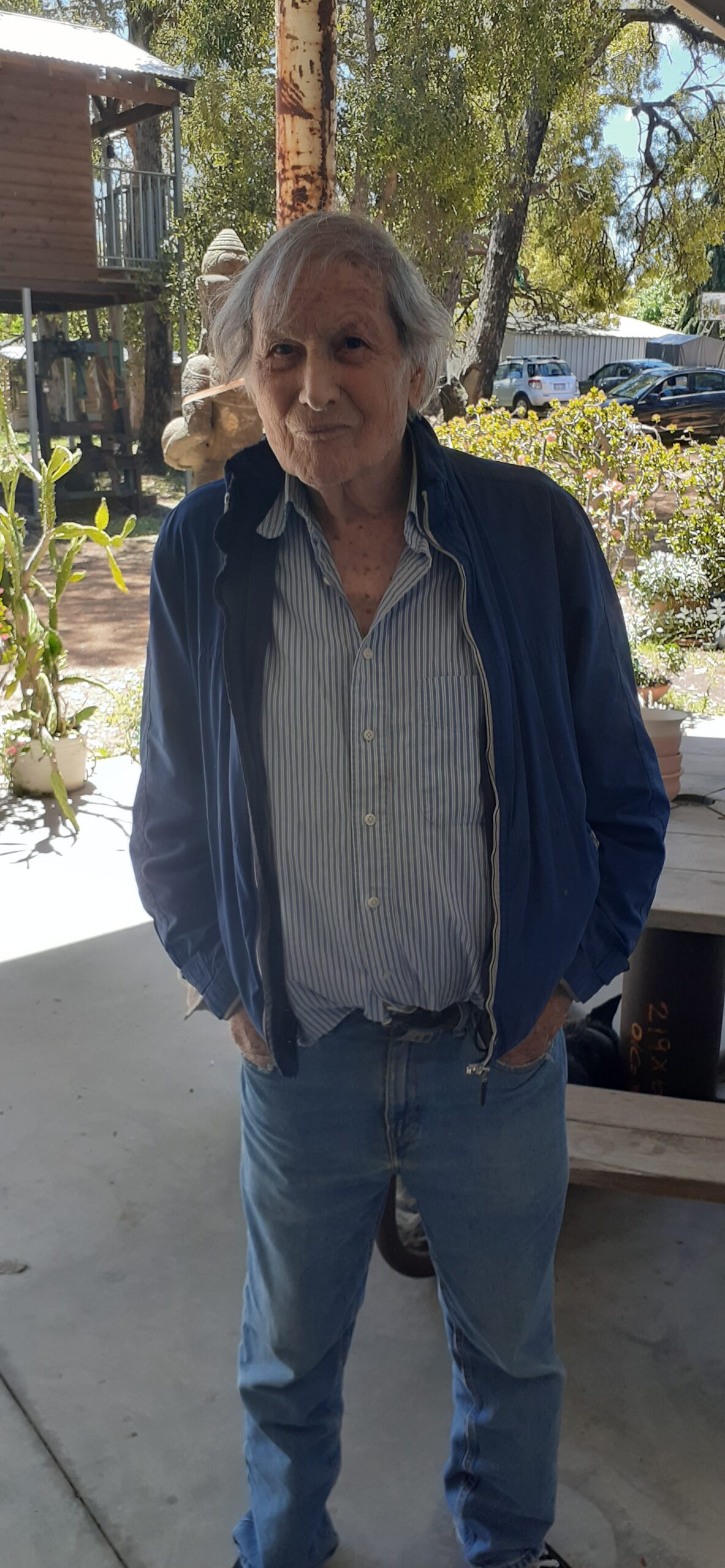
Wim Boissevain – image courtesy of Warren Anderson


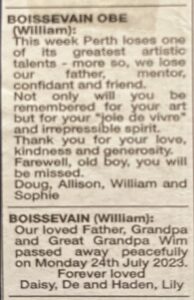
William Boissevain died in 2023 at the age of 96.

PUBLICATION

Fry, Gavin, William Boissevain: A Passion for Colour, (The Beagle Press, Sydney, Second Edition 2001).

Instruments

Years