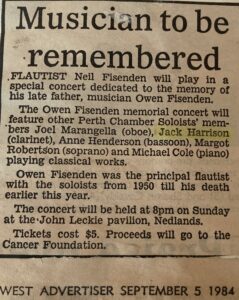
Once again, the State finals of the Concerto and Vocal Competition on June 12 showed the strength of talent in young Western Australian musicians. The finalists were WA Symphony Orchestra violinist Robert Ingram, tenor Lloyd Masel, pianists Michael Bertram and Josephine McKimmie, sopranos Elayne Sibritt, Margot Robertson and Lynette Howieson and violinist Geoffrey Michaels.
Margot Robertson was the soloist when the West Australian Symphony Orchestra travelled south in March, returning in time to take part in the Shell Aria Contest held in Canberra. In the eisteddfod held in conjunction with the main contest, Margot won champion lady’s solo. In June 1959, Margot and pianist Alan Speer won their sections in the state finals of the Concerto and Vocal Competition.
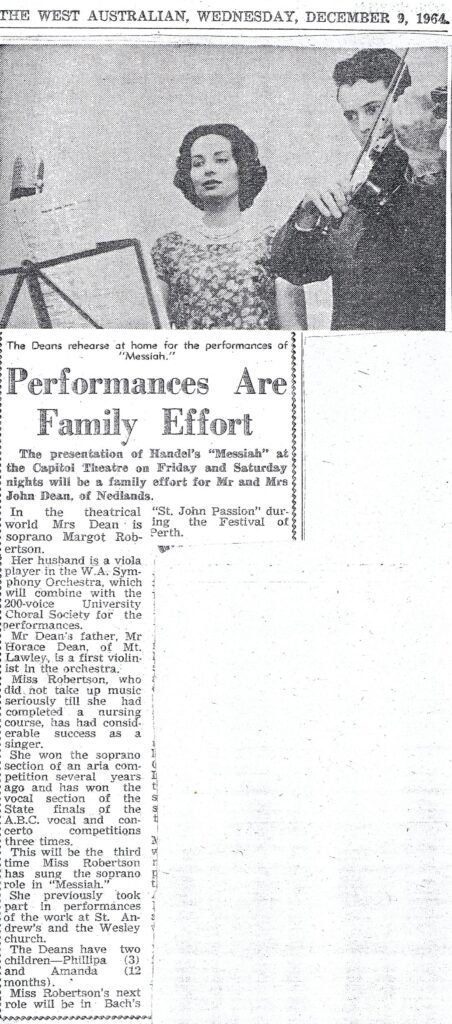
The usual nervous tension was in evidence for the State Finals of the Concerto and Vocal Competition. A thirteen-year-old pianist who was later to make a name for himself was highly commended for his rendition of Ravel’s Concerto in G. His name was David Helfgott. Other competitors were pianists Noelle Johns and Michael Cole, violinist Brian Hanly and soprano Lesley Perrin. The winners were pianist Pauline Rowe and soprano Margot Robertson, who was successful for a third time.
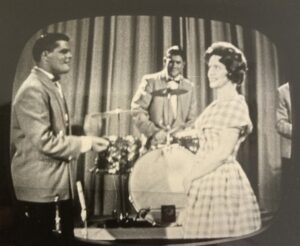
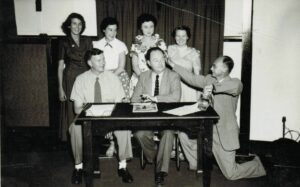
1961 ABC TV Jack and Ray Harrison with soprano Margot Robertson
Thursday May 11 1961 – ABW TO SCREEN BIRTHDAY SHOW – By Keith Flanagan
ABW Channel 2 will tonight present its biggest live show yet, to celebrate its first birthday. There will be singers, dancers, a 25 piece orchestra and an invited audience of 200 for the two hour show.
Jock Millett will produce the cabaret style show in the Kirk Memorial Studio in the radio building – the biggest studio the A.B.C. has here. The record library will be taken over as a makeup room for the 44 people who will come before the cameras. Lighting in the studio will be equivalent to 1000 60 watt globes.
Jim Fisher, Earl Reeve and Diana Ward will compere the show, to run from 8pm to 10.30pm, with a half hour break from 9 for the American documentary “Our Man in Space”. Verdon Williams has formed a 25 piece orchestra for the show. Artists to appear are the Four Notes, Margot Robertson,Tony Federici, Carmen Arenas, Adriano Angelucci, Doris Dodd, Garry Smith and Derna Sluik, Jack Harrison, the Wrightsons, Lorna Sydney, Gerrard Sibbritt and Terri Charlesworth, Andre Tio, Peter Piccini and a demonstration ballroom group. The West Australian Thursday May 11 1961
1964
1967
MUSIC – A CONCERT – By Peter Hellstrom
Saturday August 5th 1967 8pm
An unusual and exciting concert will be given in Winthrop Hall on August 5 in aid of the building fund of St Columba the new university men’s residential college. Called “Concert Extraordinary”, the varied program will involve more than 300 performers including several leading W.A. musicians, all of whom will donate their services to the appeal. Directed by John Hind, the Bach Society Choir will sing Benjamin Britain’s “Hymn to St Cecilia” and the Perth Madrigal Singers will sing ”The Daniel Jazz” by Herbert Chappell. The University’s A Cappella Choir conducted by David Tunley, will sing English madrigals. The University Choral Society will join combined choirs in performances of works by Mozart and Handel which will be conducted by Professor Frank Callaway. The program will open with university organist, John Hind, playing Bach’s great “Toccata and Fugue in D minor”. Violinist Vaughan Hanly will play Saint-Saen’s “Introduction and Rondo Capriccioso” with pianist Stephen Dornan who will also be heard with soprano Margot Robertson and clarinettist Jack Harrison in Schubert’s “The Shepherd on The Rock”. Jack Harrison will also play harmonica solos.
CONCERT IS A PERTH MUSIC “HAPPENING”
By Sally Trethowan
The “straight” items included popular classics such as… Schubert’s “The Shepherd on The Rock” with pianist Stephen Dornan, soprano Margot Robertson and clarinettist Jack Harrison.
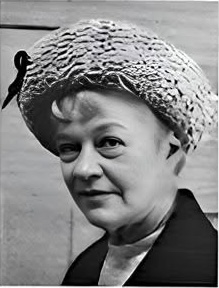
Known as Auntie Nell, Nell Shortland-Jones was a singer and freelance radio personality. She was a hugely popular radio artist in W.A., was frequently in demand by sponsors and particularly well known for the Children’s Sessions.
Nell was born in 1906 in Subiaco and was educated at Perth Girls High School. She was prominent in National and Commercial radio as an announcer, singer and compere from 1934 until 1972. Nell received a B.E.M in 1968.
1942
News of People from Here and There
“WAS speaking to Mrs. Shortland-Jones t’other day. She is a very busy woman these days-not that being busy is any novelty to this energetic president of the Children’s Hospital Women’s Auxiliary. But since the new year Mrs. Jones and her band of workers have been hard at it preparing emergency stocks of linen for the hospital. A “call to arms” sent out to the auxiliary was answered with such promptness than within ONE hour many garments were cut out and six machines were in operation. By the end of January, 376 articles had been completed!
Incidentally, Mrs. Jones was telling me latest news of daughter Nell who, it seems is due back in our midst next week. Nell has been in Melbourne for the past six months. . . and has had few spare moments be-tween radio engagements with the well-known commercial stations. One of the highlights of her broadcasts was the State-wide radio appeal for the New Sydney Fund. Over £13,000 was raised in one night. Nell was timed to go on the air at 10 p.m., but there were so many donations to be acknowledged that listeners did not have an opportunity of hearing her voice until after 1 a.m.! I’m told that 6IX listeners will soon have the opportunity of hearing some of Nell’s Melbourne broadcasts. She featured in the popular “Yells-a-Poppin’ ” which is to be released here by that station.
Western Mail (Perth, WA : 1885 – 1954), Thursday 5 February 1942, page 20
Some of the Participants In last week’s “Passing Show” (6WN) were E. Paulasto, P. Foweraker, F. Paulasto, Miss E. Moran, Jack Harrison and Miss N. Shortland Jones. The ABC Weekly Vol 4 No. 22 May 30 1942
SUNDAY CONCERT. “The workings of the Police Boys Clubs” is the subject of Constable W. Scott has chosen for his address tomorrow afternoon at the seventh Pleasant Sunday Afternoon in the North Perth Town Hall. Concert will commence at 3 p.m., includes items by Miss Nell Shortland-Jones, the Y.A.L. Band, Mr Bill Talbot, Master, Jackie Harrison, the Mace String Quartette, Mrs Marjorie Cook, Miss Hannah Colley. Accompanist will be Miss Stephanie Nash. Proceeds will go to the Northern Suburbs Police Boys’ Club. The Daily News Saturday 3 October 1942 page 12
Pleasant Sunday. Tomorrow (Sunday), commencing at 3 p.m., In the Maylands Town Hall, a Pleasant Sunday Afternoon, arranged by Cr. W. L. Menkens, will take place. It will be in aid of the Perth Road Board Red Cross Prisoners of War Fund (Maylands ward committee). The chair will be taken by Mr. H. V. Shearn, M.L.A., and the speaker Mr. R. Lloyd Thomas, whose subject will be ‘Planning World Peace.’ An excellent musical programme will be contributed to by Miss Nell Shortland – Jones, Miss Marjorie Payne, Miss Joy Hobley, Miss Hannah Colley, Mr. David Lyle, Mr. Will Savage, Master Jackie Harrison, with Miss Stephanie Nash as accompanist. Mirror, Saturday November 7 1942 page 19
1943
HIS MAJESTY’S THEATRE GRAND COMMUNITY CONCERT ON SUNDAY EVENING NEXT. The Most Startling Array of Community Singing and International and Local Entertainers, featuring: THE DUTCH CHOIR AND SOLOISTS – SPECAL EXCLUSIVE APPEARANCE OF AMAZING VOICES, JACKIE HARRISON, Mouth Organ Virtuoso; PAULASTO BROS., Entertainers; THE LITTLE DIGGER. Entertainer: GLADYS HOPE. Pianiste THE TWO DIGGERS, Instrumentalists; KEITH CULLEN, Boy Soprano; NELL SHORTLAND-JONES, Soprano; EILEEN MORAN, Entertainer. TRIALS FOR MEMBERS OF THE FORCES. Conductor: Councillor E. CADDY. Compere: JOHN SULLIVAN. RESERVES AT NICHOLSONS. The West Australian Thursday 10 June 1943 page 5
SUNDAY CONCERTS. An Army concert party presented a bright and varied entertainment at His Majesty’s Theatre last night. The show. which was compered by Des. Turner, of the ABC. Sydney, contained many good individual numbers by such artists as Pat Harrop, Hughie Hay, George Lewis, Fergy Rose, Tom Urquhart, Henry Cochrane’s Novelty Swing Boys and the “Sky Rocket Lovelies Ballet” also contributed to the programme. A concert in aid of Castledare Orphanage was held at the Capitol Theatre last night under the patronage of the Lord Mayor (Dr Meagher). John Sullivan was compere and the programme opened with “Advance Australia Fair” and ‘The Star-spangled Banner” sung by a boys choir from the orphanage. A U.S. band gave a number of enjoyable items and the assisting artists were Carmel Burrows, Nell Shortland-Jones, May Pilgrim. Claude Saunders and Jackie Harrison. The 11th of a series of Sunday afternoon Concerts held at the North Perth Town Hall yesterday afternoon realised over £15 for the Kindergarten Union of WA. It was arranged by Mrs W. L. Menkens. Mr A. Houston was chairman and the speakers were Chaplain C. R. Phillips. who spoke on “Service or Profit.” Mr A. King and the president of the union (Lady Birley). The musical programme was given by the North Perth Senior State School Choir under the baton of Miss R. Adam, assisted by Mrs J. Dean, Misses E. M. Stone, Pat Hill, Edna Hollett and Nancy Wilson. The accompanists were Mrs E. Everitt, Miss V. Tulk and Mr J. Dean. The West Australian Mon 27 September 1943 page 5
1944
From somewhere in camp: ABC ON PARADE. Devised, arranged and produced by Dave Howard, with the ABC Theatre Orchestra, conducted by Ernest J. Roberts and including the following artists: Joe Brennan and Ida Newton, Sunny Day (Elsie Connoly), Olive Dunton, Jack Harrison, Eileen Moran, Vernon Sellars, Maurice Jaffey, Nell Shortland-Jones, The Paulasto Brothers. (Bob Trew 14th June) Compered by Cyril Leighton. The Broadcaster Thursday February 24, Thursday April 20, June 14 1944
AID FOR WOOROLOO. Concert Next Sunday. Theatrical artists are expressing their goodwill towards the patients of Wooroloo with a benefit concert in aid of the Sanatorium Colony, at the Ambassadors Theatre on Sunday, commencing at 3 o’clock. The Australian Broadcasting Commission has consented to present a performance of “The ABC on Parade,” which will be the first public appearance of this broadcast show, recently returned from a tour of military camps. The producer and compere is Dave Howard, with theatre orchestra under the direction of Ivan Nylander and Tony North at the organ. Guest artists include Betty Hatfield (soprano), Eileen Moran (entertainer), Olive Dunton (xylophonist), Tony North (wizard of the wurlitzer), Vaughan Hanly (virtuoso violin), Nell Shortland-Jones (popular vocalist), Maurice Jaffey (tenor), Jack Harrison(W.A.’s miniature Larry Adler), Hannah Colley (trumpet soloist) the Paulasto Brothers (entertainers) and those nitwits of the network Joe Brennan and Ida Newton, The second half of the concert programme opens with the US Navy Band compered by Stan Gervas of 6PM-AM Professional vocalists, entertainers and vaudeville acts will also appear in sequence with a grand finale by the US Band. The Ambassadors Theatre for this concert was made available to the Wooroloo Farm Colony Committee by Mr S. W. Perry, resident manager for Hoyts Theatres, Ltd. Dr Park, Commissioner of Public Health, will briefly indicate that the concert opens a week of intensified effort to interest the public in the colony development and welfare of the patients at Wooroloo. Seats for the concert may be reserved at Nicholsons, the admission prices being 4/, 3/ and 2/. The West Australian Wednesday 13 September 1944 page 4
PATRIOTIC EFFORTS.
Concert for P.O.W. Funds. A concert will be held tonight at the Assembly Hall. Pier-stret. at which the. solo artists will include ACW Hannah L. Colley (trumpeter). “Levato” (child trick. cyclist) and Jack Anstey’s Singing Group.: The concert will be produced and compered by Nell Shortland-Jones and the proceeds will aid the POW fund.
West Australian (Perth, WA : 1879 – 1954), Tuesday 5 December 1944, page 6
1945
Women’s Auxiliaries – STATE EXECUTIVE
The last executive meeting of 1944 was held on December 15, all members being pre sent. Mrs. McKinlay (State President) presided. The agenda this meeting was a full one, which dealt mostly with Christmas cheer for present and exservice men and women. On December 20 at Anzac House a luncheon and afternoon tea was given to 100 convalescent service men and women from Hollywood, Lady Mitchell and John Nicholson Homes. An excellent luncheon was prepared by members of the executive. Official visitors were Mr. Anderson (State President R.S.L.), Mr. Benson (State Secretary), Mr. Leslie, M.L.A., and Mr. Yeates, O.B.B. A programme of music was arranged by Miss Nell Shortland Jones, assisting artists being Miss Merrimee Holt (piano), and A. C. W. Colley (trumpet). This function was made available by a very generous donation from Southern Cross Auxiliary.
Listening Post (Perth, WA : 1921 – 1954), Monday 1 January 1945, page 21
1945
P.O.W. WELCOMED. First of a Series of Dances. The first of the monthly series of the POW Relatives’ Association’s “welcome home” dances proved so popular last night that by 9 o’clock the doors of the Town Hall had to be closed. Crowds of ex-POW and their friends crowded the ball while many more looked on from the balcony. The GOC, Western Command (Major-General A. J. Boase) was present. The chairman of the association (Rev C. E. Taylor) welcomed the men and pointed out that the dances were intended for renewals of friendships and a chance for servicemen to get together. He said that the association intended to hold a dance on the last Tuesday of every month and hoped it would not be long before many of the POW in Japanese hands would be able to be present, Nell Shortland-Jones was in charge of the programme while the music was supplied by Sylvia Caporn.
West Australian (Perth, WA : 1879 – 1954), Wednesday 1 August 1945, page 7
1947
TOODYAY – Relax Community Concert – A very popular team of guest artists journeyed from Perth Friday evening of last week to present another Relax Community Concert. Concert was sponsored by Westralian Soaps Ltd., and was broadcast over 6AM-6PM from 8.45 p.m. till 10.45 p.m. All door takings and donations were in aid of the school library fund organised by the Parents and Citizens’ Association of Toodyay. Local entrants for the £50 Search for Talent, proved to be most successful and very well received. Guest artists appearing were Paulasto Bros, Faith Court, Nell Shortland- Jones and Madame Holt, as “We Three”; Jack Harrison and Myer Fitzgerald with Lettie Hoskins at the piano and Mr. Les Adams as compere. Winner of the Search for Talent competition in Toodyay was Mrs. Mick Floyd who sang “Wait and See,” with Mrs. Bert Chitty. In second place and Mrs. Phillip Chitty as third. To these three singers we convey our best wishes for the future trials In which they will be competing. Toodyay Herald Friday 11 July 1947 page 2
“1947 Miss Radio” Gloria Swain. First Function on Sunday – The first function in aid of the candidature of “Miss Radio” in the “Miss Australia” contest will be held on Sunday night. A community concert timed to start at 8.45 o’clock will be conducted in the Capitol Theatre. Artists who have offered to appear include Letty Hosking (pianist), Chris Christensen (wizard of the zither), Coral Gunning (personality girl), Jack Harrison (mouth organist), Irene Stancliffe (soprano), Maurice Jaffy (tenor), Dave Howard (saxophonist), Nell Shortland-Jones (soprano), Ted MacDonald (entertainer) and visiting stars Joe Brennan and Ida Newton. The community singing will be conducted by John Juan and Ted Kean.
Mirth and Music – ARTISTS
Members of Dave Howard’s Mirth and Music Show met last week and extended best wishes to Miss Betty Bahen, one of its members, prior to her marriage to Mr. Geoff Hammond. On behalf of the troupe, Miss Nell Shortland-Jones presented Miss Bahen with a wedding gift. Those present were Miss Betty Whittaker, Miss Olwyn Thomas, Miss Rhoda Allen, Miss Sylvia Caporn, Mr. Ernest Paulasto, Mr. Fred Paulasto, Mr. Albert Chappelle, Mr. Harry Bluck, Mr. Dave Howard, Mr. Geoff Wilbur, Mr. Ralph Filmer, Mr. Bill Hendrie, Mr. Harold Malcolm, Mr. James Congdon, Mr. Jack Harrison, Mr. Billy Edwards and Mr. Harry Graham.
Western Mail Thursday 9 December 1948 page 37
Open Air Theatre Built A big, floodlit open-air theatre has been built for tonight’s Radio Star Show at lower Supreme Court Gardens. The largest of its kind ever to be erected in Perth, the stage has been built among the trees, shrubs and flowers. Among those who will appear are Roy (‘Mo’) Rene, Hal Lashwood, Theo Walters and Jack Burgess. Gates will open at 7 p.m. — an hour before the concert is scheduled to start. Special squads of police will patrol the fences. Motor cycle police will escort the entertainers to the grounds when they arrive here by tonight’s A.N.A. Skymaster. The local artists include Wally Hadley, Ante Soljanic, Nell Shortland-Jones and Chris Gosper and his orchestra. Reserved seats are 6/6 each. Other seats are 3/ each. Money raised by tonight’s concert will aid the Australian Surf Life Saving Association and will boost the Miss Australia Surf Girl contest.
Daily News (Perth, WA : 1882 – 1955), Saturday 31 January 1948, page 18
1952
OFFICIAL OPENING OF NEW SERVICE STATION
Strangers coming into Merredin on Thursday last were a little bewildered as to what was going on. It was not a public holiday or gala day anywhere in the State as far as they knew, but something unusual was certainly going on in the Eastern Wheatbelt capital. Coming into town from the west, the eye met flags flying in Memorial Park, miniature flower beds with flowers of every variety blooming in profusion, which would be the envy of any gardener; fountains with statuettes emitting aqua purra for the goldfish, all this being surrounded by lawns giving a most picturesque effect.
From an improvised platform, the compere, Mr. Ian Millbank invited the company to partake of the good things provided, and then introduced some A.B.C. talent in Sylvia Caporn (pianist), Nea Sharpe (violinist), and Nell Shortland-Jones (soprano) who would entertain during the afternoon. Nell, who is so popular throughout Western Australia, set things moving from the right foot by her superb rendering of the soprano solo, “Because of You,” and as a demand encore “Be My Love.” Other renditions during the afternoon increased this artists popularity. Sylvia Caporn also pleased with piano solos, and Nea Sharpe’s artistic handling of the violin was captivating. A local artist to face the mike was our own Mrs. Chadwick, who as a prelude to her song, “Kimona,” described how when bathing at the coast without bathers, they lost their kimonas and found themselves in an awkward predicament. This brought forth rounds of applause and cries for more, which was willingly given. Then the roof almost lifted when Mr. Bill Kennedy, Dalgety’s rep., was announced as the next artist. Bill has a deep bass-baritone voice which he uses with telling effect in light and shade passages such as are necessary in his selection of the popular ballad, “Klondyke Kate.” The applause had hardly subsided when it broke out afresh at the appearance of Bill Sheridan, Bill’s rival, who was determined not to be outdone and to keep Elder’s flag flying by rendering “Will She Ever Come Back to Me”, a number that gave him plenty of scope to use his beautiful lyric-tenor voice to the best advantage and if there happened to be a wager on this competition we would give it as a photo finish.
Nell Shortland-Jones talks about her mother’s family history and how she came to be involved in the Children’s Hospital women’s Auxiliary. Nell discusses how the auxiliary started as the Cheer-up society and the fundraising and donating that the auxiliary was involved with. She recalls how popular the Christmas pudding was and the use of boiling pots and hospital staff to stir the ingredients. She talks about the impromptu concerts that were put on for the children on the ward balconies and how her mother became the first woman on the hospital board.
Sara Macliver is an Australian soprano singer, born and raised in Perth, Western Australia. Macliver is one of Australia’s most popular and versatile artists, appearing in operas, concert and recital performances and on numerous recordings. She is regarded as one of the leading exponents of Baroque repertoire in Australia, and lectures in Voice at the UWA Conservatorium of Music.[1]
Sara Macliver regularly performs with Symphony Australia Orchestras, Musica Viva, Melbourne Chorale, the Australian Chamber Orchestra, the Australia Bach Ensemble and Sydney Philharmonia Choirs. She has a particular association with the Australian Brandenburg Orchestra, with whom she recorded her first CD, If Love’s a Sweet Passion, which was a finalist for the Australian Record Industry Association (ARIA) Award for Best Classical Release in 2000.
She has performed in Japan, Italy, New Zealand and Hong Kong. She has performed with Pinchgut Opera in The Fairy-Queen, toured with Musica Viva, Australia Bach Ensemble and worked with Richard Egarr on Joseph Haydn‘s The Creation in Perth. Other projects include a program based on the life of Jane Austen, with pianist Bernadette Balkus and Musica Viva. She also appeared in Pinchgut Opera’s production of Monteverdi‘s L’Orfeo to great critical acclaim.
Sara Macliver has made a number of recordings for ABC Classics including Gabriel Fauré‘s Requiem and The Birth of Venus, Carl Orff‘s Carmina Burana, the title track for a trilogy of Christmas albums and a CD of Haydn arias with the Tasmanian Symphony Orchestra conducted by Ola Rudner. In 2002, she completed a recording of Handel‘s Messiah for a joint ABC Classics and ABC Television production. This has been released on CD and DVD, and screened several times on national television. ABC Classics have released a disc of Bach arias and duets with Sara Macliver and mezzo-soprano Sally-Anne Russell and the Orchestra of the Antipodes conducted by Antony Walker. This quickly became a best seller and was nominated for an ARIA award. This was followed by a disc of the PergolesiStabat Mater (ABC Classics) and other baroque duets, which won the inaugural ABC Classic FM listener’s choice award in 2005. She also appeared in Pinchgut Opera’s production of Charpentier‘s David et Jonathas H.490 in 2009.
CHAYTER On Jan 18th to Mr and Mrs H.W. Chayter Mackie St Moorooka – a daughter (Marcia).
The Courier-Mail Brisbane 20 Jan 1934 pg 12.
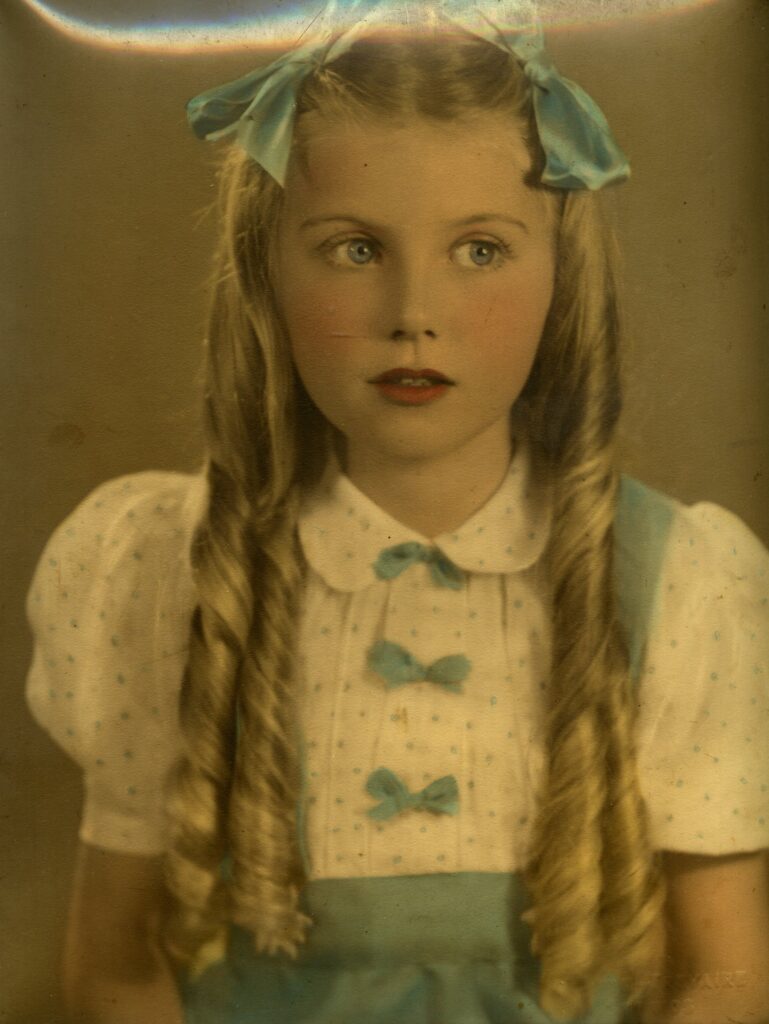
1934 Marcia Chayter
Marcia was baptised on 28th October 1934 at St Aiden’s Church, Clifton Hill, Brisbane, Queensland. Her Godparents were Doris Alice Guy, Marie Chayter (Rollo’s sister), Clifford Henley (Norma’s brother).
Marcia and Norma Chayter1937 Marcia Chayter aged 3 years 2 months
In 1937 aged three, Marcia’s life changed forever. With jobs scarce due to the Depression, her father, a fully qualified chemist, accepted the prize offer of managership of the Felton, Grimwade and Bickford chemical factory.
In March 1937, their Brisbane belongings, Beale upright piano and all, were duly secured with them on a ship called the “Duntroon”.
Their passage to Perth was so rough that their cases slipped from under one bed to another like greasy snaggers in a frypan. The accompanying sea sickness knew no bounds. Norma and the three year old Marcia were so ill, they disembarked in Adelaide and completed the voyage by train.
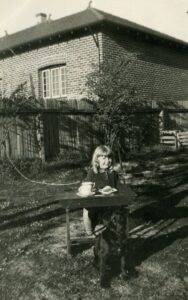
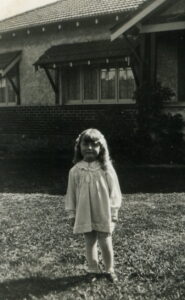
1938 Marcia at Woodroyd with “Flash” the dog
On their arrival in Perth they were met by a Mr Maxwell who was the manager of the business side of Feltons.
1938 Marcia at Woodroyd
A flat in Mount Street central Perth had been organised for them and soon after in they then rented a brand new house at 28 Woodroyd Street, Mt Lawley that had sand for a garden.
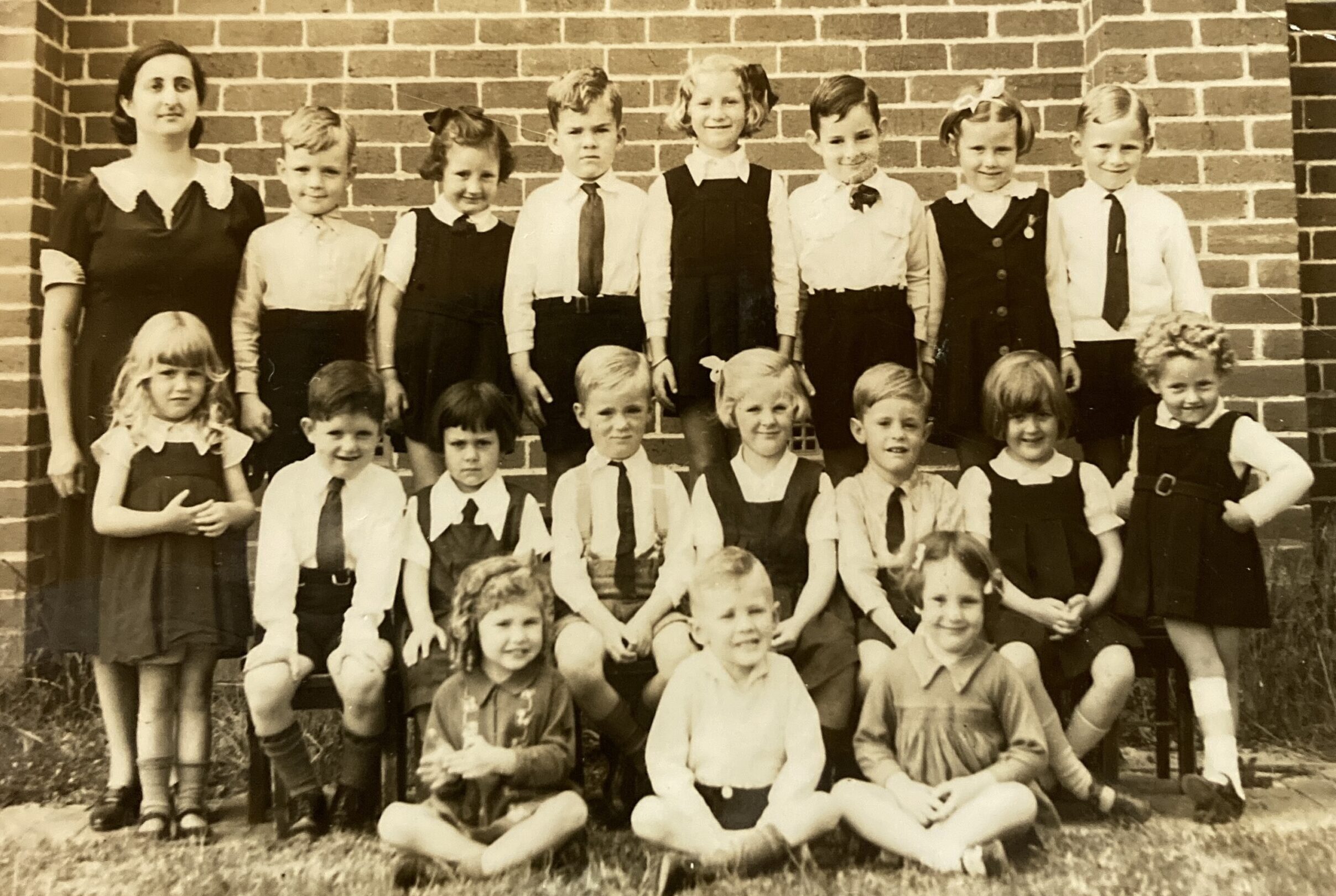
1938 Braemar Kindergarten – Marcia Chayter in front of the teacher far left, wringing her hands
In 1939 Marcia attended “Braemar” Kindergarten and subprimary in St Giles Hall at 65 Lawley Crescent,
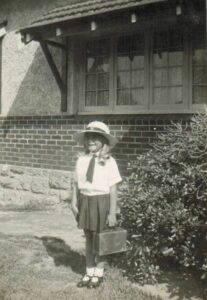
In 1940, Marcia started primary school at Lawley Ladies’ College, a small private school at the end of Longroyd Street, travelling towards Walcott St, Mt Lawley.
Lawley Ladies College
On May 17th 1941 Norma and Rollo had another daughter, Nerida.
Marcia was eight in 1942 when Lawley Ladies’ College was evacuated to the country and the only alternative was Inglewood State School with Mr. Chandler as headmaster. Marcia was put up from grade 2 to grade 3.
There was a “rough” element at Inglewood school and Norma continued to dress Marcia in her Lawley Ladies’ College uniform for which Marcia was bullied and had stones thrown at her being called a “College Snob”. She often used to run home as she was so frightened.
In 1943 Marcia was accepted into the Perth College intermediate school aged 9.
Perth College
Marcia left Perth College at the age of 14 gaining her Junior Certificate for which she sat in November 1948. The Perth College nuns were not keen to give an end of year dance, so the PC girls arranged one for themselves.
The parents of one of Marcia’s class, Adrienne Silbert, owned a reception Centre in Mount Lawley called “Tannerville” and so a dance was organised there. There, Marcia met the band’s clarinettist Jack Harrison.
The University of Western Australia Public Examinations Board awarded the Junior Certificates which Marcia Chayter received in February 1949 passing English, French, Physics, Arithmetic and Algebra, Geography and Latin. Rollo had hoped Marcia might have excelled at chemistry, but she did not!
In early 1949 Marcia was employed at the accounting firm of Weir and Broderick in St George’s Terrace. Marcia was the office girl in charge of the mail, tea making, message delivering and other dull jobs. They were very kind, allowing her to do her shorthand homework and typing practice once all her work had been completed. Mr Broderick was a generous boss and at Christmas he gave her a lovely dress length of material as well as toiletries.
She often met up with her mates in the city in her lunch break.
Marcia in her seersucker dress
At this stage Marcia still only had two dresses. One was plain blue and Norma had embroidered Marcia’s name on it. The other was made of tablecloth seersucker material that Norma had found. Any money Marcia had over after bus fares and paying Norma board she saved towards improving her meagre wardrobe. Balls and dances were frequent and Marcia for which Marcia would creatively try and embellish her few outfits with fresh flowers of a new sash.
Wesley Ball
In 1949 Marcia also started a Junior Secretarial Course studying shorthand and typing at night school twice a week. Getting to Perth from Mt Lawley by public transport would have involved catching buses and trams.
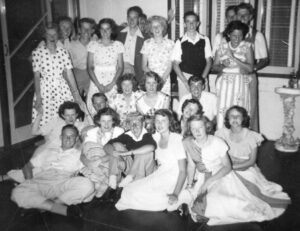
The Mount Lawley Tennis Club dances held every second Friday was the place to go and Marcia’s Mt Lawley “gang” including the Nevards, Coombs, Berwyn Allen and Marcia would walk to those dances and met Jack Harrison and his twin sister Jill and brother Ray who supplied the music. Everyone knew everyone else everyone danced every dance. There was no alcohol and the man at the door made sure everyone was safe.
Kings Park Tennis Club held a similar type dance every alternate Saturday with the same band and the same people. Berwyn and Marcia caught a tram and a trolley bus to attend. Bob Pope who lived a few streets away often came as well this time.
From the diary Marcia Chayter started on Thursday 22 December 1949, it is clear that she is following Jack Harrison’s dance gigs around.
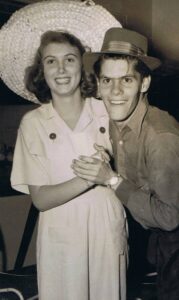
at a barn dance
The mention of “the chev” and Jack’s pictures with Marcia (matching her dresses) imply they were going out prior to Marcia’s 1949 diary.
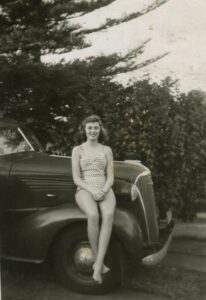
1950 Marcia aged 16 sitting on Jack’s Chev
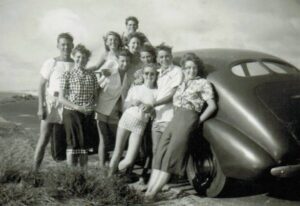
Most Sundays Marcia Chayter’s “gang” would meet at North Cottesloe Beach. After Jack and Marcia had started to date, Jack would not join them until the afternoon as he had to practise in the morning and eat a roast dinner for lunch prior to meeting up with his friends!
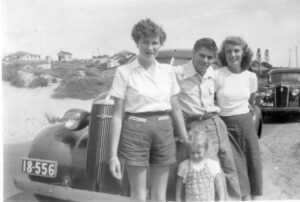
the gang1950 Jill, Jack, Marcia & Susan & the Chev
Jack’s car (“the chev”) allowed him the freedom to visit Marcia in Mt Lawley and also provide opportunities for fun excursions and day trips.
In August 1950, Jack was invited to join the South Australian Symphony Orchestra as second clarinet by conductor Henry Krips. He accepted the position starting in November.
ABC Schools’ Broadcast Department
In October 1950 Marcia was employed in the typing pool at the ABC in the Schools’ Broadcast Department working at Broadcast House.
Prior to leaving for Adelaide, Jack had many commitments including a 10 day country tour in late October with the Adult Education Board. It must have been heart breaking for both he and Marcia who had been seriously dating for over a year.
Max Reilly and Marcia
Marcia stared dating Max Reilly, thinking Jack had left for good.
After only three months in the South Australian Symphony Orchestra, Jack returned to Perth on 8th February 1951 to fill the second clarinet position with the West Australian Symphony Orchestra.
1952 Dee, Judy, Marcia
Marcia continued working at the A.B.C. making lifelong friends, including Judy Mitchell, who later would become her daughter Jody’s Godmother.
Marcia and Jack
Jack announced his engagement to Marcia on 12th August 1952 – his 21st birthday – and they were married on 14th December 1953.
Jack and Marcia commissioned Iwan Iwanoff to design their family home at 11 Dodonia Gardens City Beach where they lived until 1993.
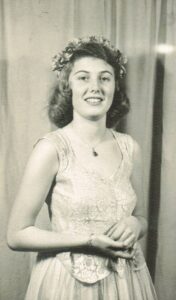
1955 Marcia’s 21st birthday
In between bringing up three children and Jack, Marcia managed to take singing lessons with Sylvia Biddle and was a member of the chorus of the Gilbert and Sullivan Society.
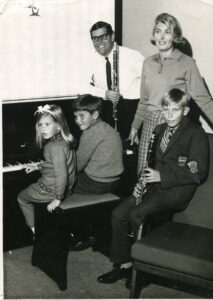
Marcia far left: G&S1967 Harrisons around Dodonia piano
Marcia furthered her education. Obtaining her TAE and then completing a Bachelor of Applied Science with a double major in History and Librarian Studies at Curtin University (then W.A.I.T.). She was employed as librarian at St Columba Theological Library until she retired in 1993.
Composed by Iain Grandage, libretto by Kevin Gillam. Commissioned for and performed by Sara Macliver (soprano), Allan Meyer (clarinet) and Graeme Gilling (piano). Paintings by Brendon Darby (courtesy of Janet Holmes a Court). Commissioned and acquitted by Jody Harrison (Director, Solo to Symphony) through funds by the Australia Council.
In 2005 Blackwood was commissioned by Jody Harrison assisted by a grant through the Australia Council.
Growing up listening to her father Jack perform Schubert’s Shepherd on the Rock gave the initial inspiration for Jody’s desire to add to the limited repertoire for clarinet, soprano and piano. This genesis of an idea grew into the inclusion of a broader inclusion of artists to create this uniquely West Australian project.
Iain Grandage said “These are structurally formal poems, yet they contain deeply expressive language. In setting them to music I have attempted to reflect this duality – syllabic structures of the poems are reflected formally in the metres of the musical settings while the melodic lines inhabit a far more lyrical domain. Similarly, the expansion inherent in both the river’s growth and our own personal journey is reflected in a gradual expansion of musical intervals through the course of the work from 2nds in arterials through to octaves in then sea.
Clarinettist Allan Meyer, soprano Sara Macliver and pianist Graeme Gilling were the selected artists. Composer Iain Grandage envisaged a song cycle and accepted the commission as did poet, Kevin Gillam.
Iain and Kevin discussed a life and love story entwined with the journey of the Blackwood River from the South West to the ocean, linking with the black wood of the clarinet.
Kevin said “I see major value in a work such as this in fusing the art forms of music and poetry with the more general theme of landscape.” Knowing that West Australian artist Brendon Darby built a studio on the banks of the Blackwood River and had spent many hours painting “that beautiful river” Jody approached Brendon to contribute paintings as a backdrop to the performance. Darby said he felt “great affinity” with the Blackwood River and was the ultimate addition to the Blackwood team.
The clarinet (the woodwind family’s own black wood) alternatively plays the roles of lover and landscape – Messiaen-like birdsong and watery figurations on occasion make way for duets with the voice, most notably in the two love songs that delineate the work’s tripartite structure.
The first of these love songs (some nights there are no words) marks the end of the first section of the work and the second (Seine) occurs at the beginning of the final section. Throughout the central section of the cycle, an ever-darkening series of settings incorporate expanding musical means (including a quote from Schoenberg’s Pierrot Lunaire) and end with a clarinet solo – a reflection on the text ‘how great the diameter of solitude’.
Blackwood was premiered on Sunday 13th February 2011 at Government House Ballroom presented by the Perth International Arts Festival and Tura New Music. Janet Holmes à Court added to her art collection Brendon Darby’s diptych Blackwood Song during the interval of this performance and generously allows the art to be included in all performances. Brendon meticulously incorporated parts of Kevin’s poetry into the paintings.
Iain said “My joy in writing this work was that it was in fact not an act of solitude. I was writing for dear friends and colleagues – musicians of the highest order whom I have had the pleasure of making music with for many years. I would like to thanks Sara, Allan and Graeme for their patience, facility and unfailing generosity whilst the piece emerged, Jody Harrison for commissioning it (with assistance from the Music Board of the Australia Council) and of course Kevin for his wonderful words that help transport us all to our own places of calm and deep contentment.”
Iain Grandage 2010
Iain Grandage programme notes (2011):
Text:
The texts of the song cycle Blackwood track the course of the Blackwood River in the South-West of Western Australia from its head to the Indian Ocean. However on another, more personal level they track a very human tale of birth, love and transcendence. The tension between the expanse of landscape and the intimacy of the human being within it is, for me, integrally connected to our sense of Australian identity. It has long been an inspiration to me, as it has many Australian composers.
Reviews:
“This is a uniquely West Australian project inspired by the Blackwood River. It is a beautiful work for voice, clarinet and piano, the unique combinations of which produce several wonderful moments during the work. It is a very engaging piece with great unity from movement to movement leaving the listener often unaware of the change until later.”
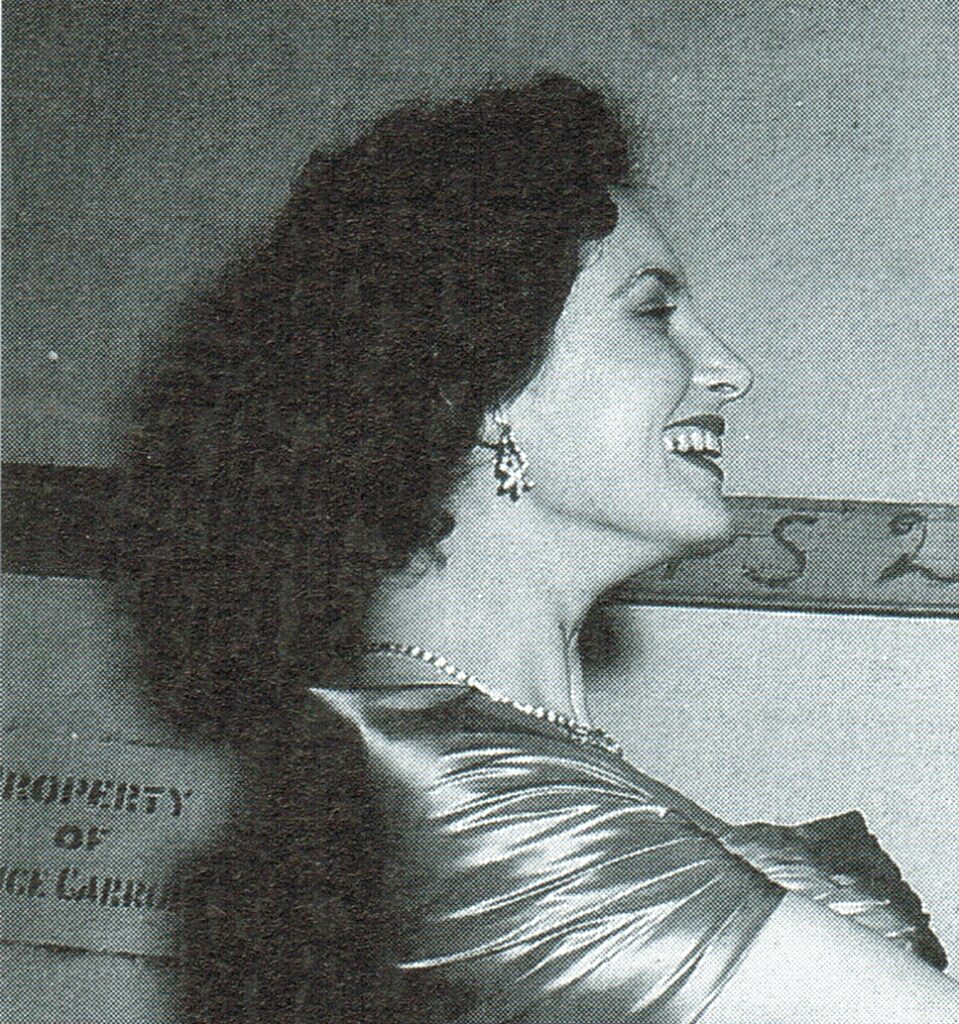
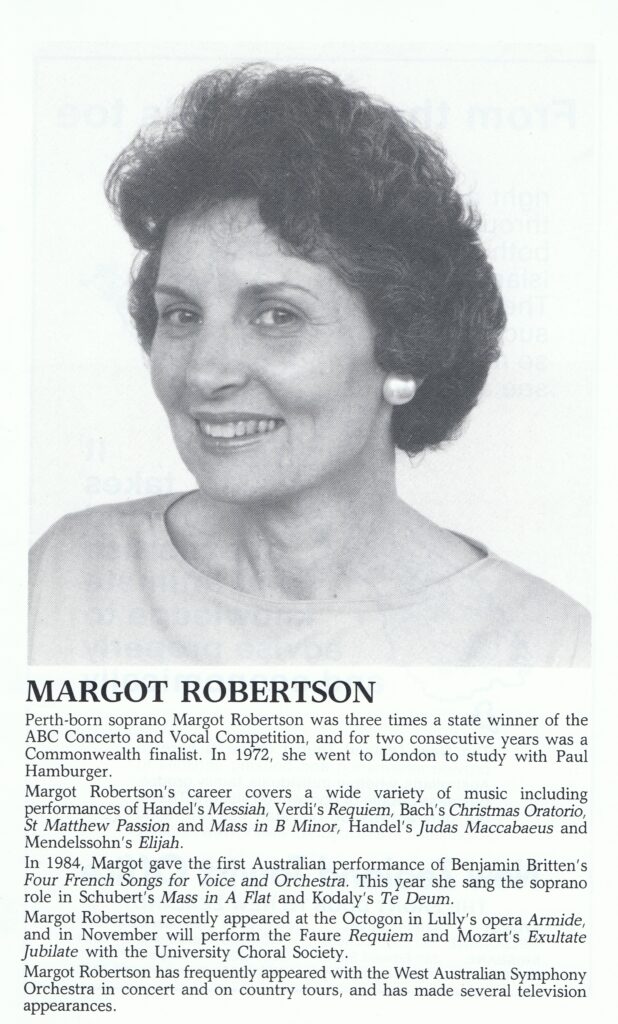
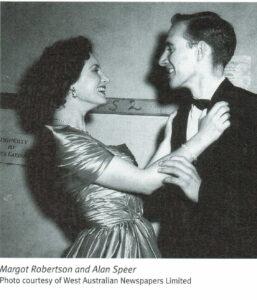 Margot Robertson was the soloist when the West Australian Symphony Orchestra travelled south in March, returning in time to take part in the Shell Aria Contest held in Canberra. In the eisteddfod held in conjunction with the main contest, Margot won champion lady’s solo. In June 1959, Margot and pianist Alan Speer won their sections in the state finals of the Concerto and Vocal Competition.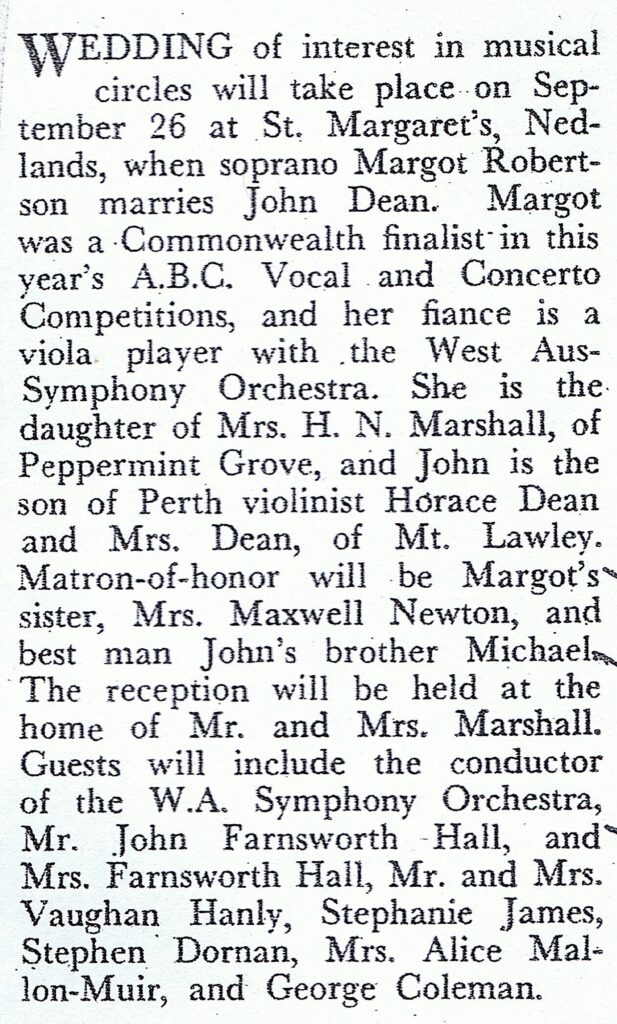
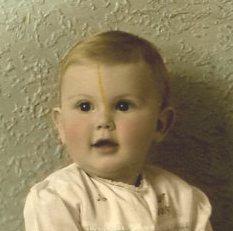 Marcia was baptised on 28th October 1934 at St Aiden’s Church, Clifton Hill, Brisbane, Queensland. Her Godparents were Doris Alice Guy, Marie Chayter (Rollo’s sister), Clifford Henley (Norma’s brother).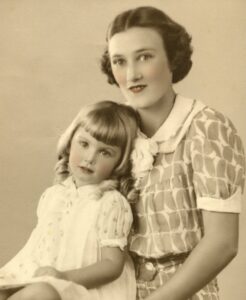
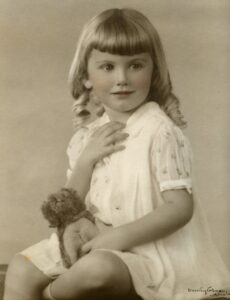
 On May 17th 1941 Norma and Rollo had another daughter, Nerida.
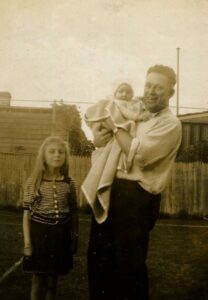 Marcia was eight in 1942 when Lawley Ladies’ College was evacuated to the country and the only alternative was Inglewood State School with Mr. Chandler as headmaster. Marcia was put up from grade 2 to grade 3.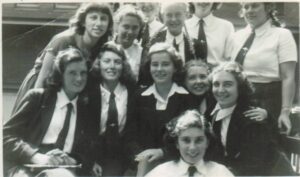
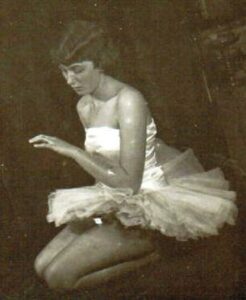
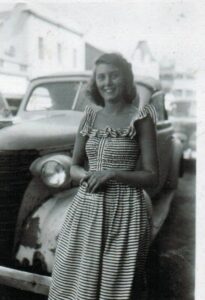
 The
The 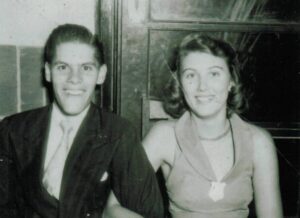
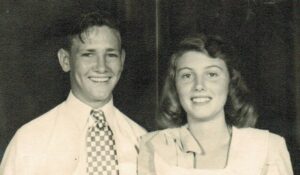
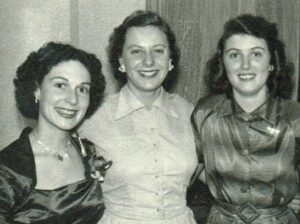
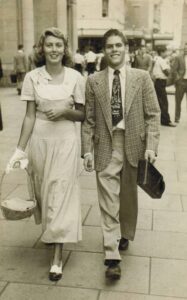
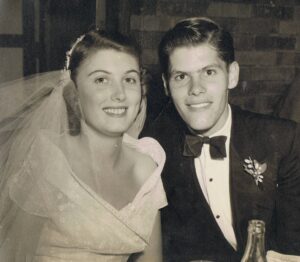
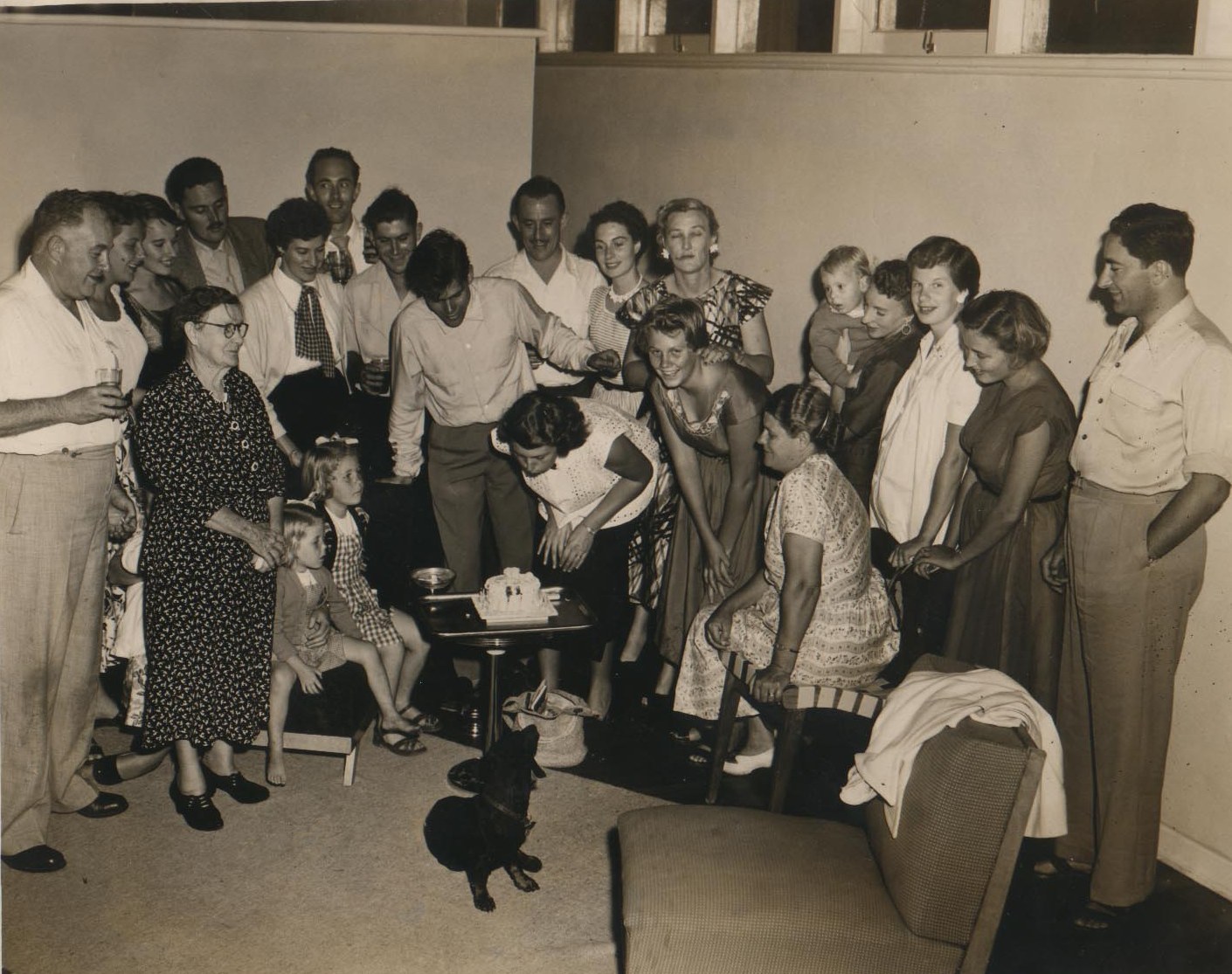
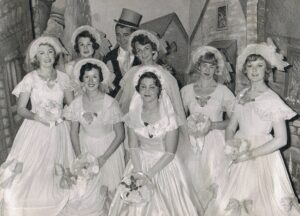
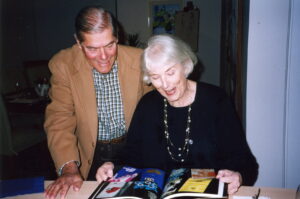 In 1999 Marcia began writing the history of the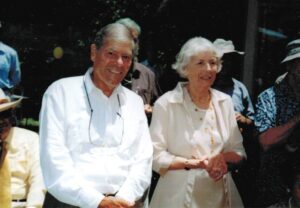
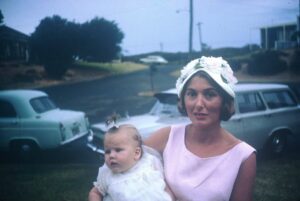 Jody
Jody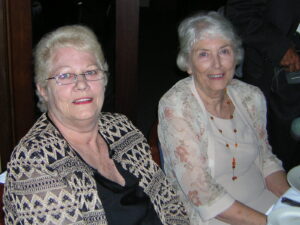
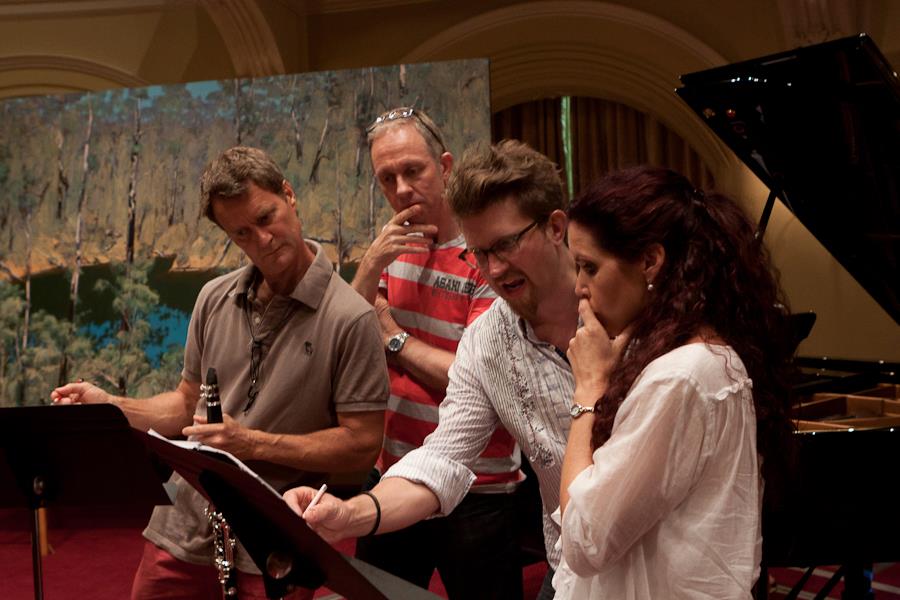
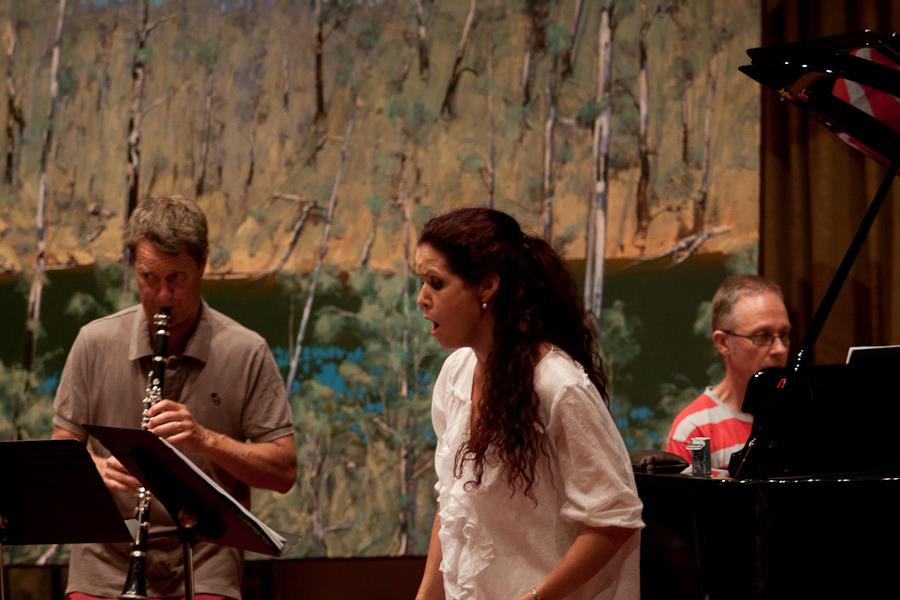 The clarinet (the woodwind family’s own black wood) alternatively plays the roles of lover and landscape – Messiaen-like birdsong and watery figurations on occasion make way for duets with the voice, most notably in the two love songs that delineate the work’s tripartite structure.
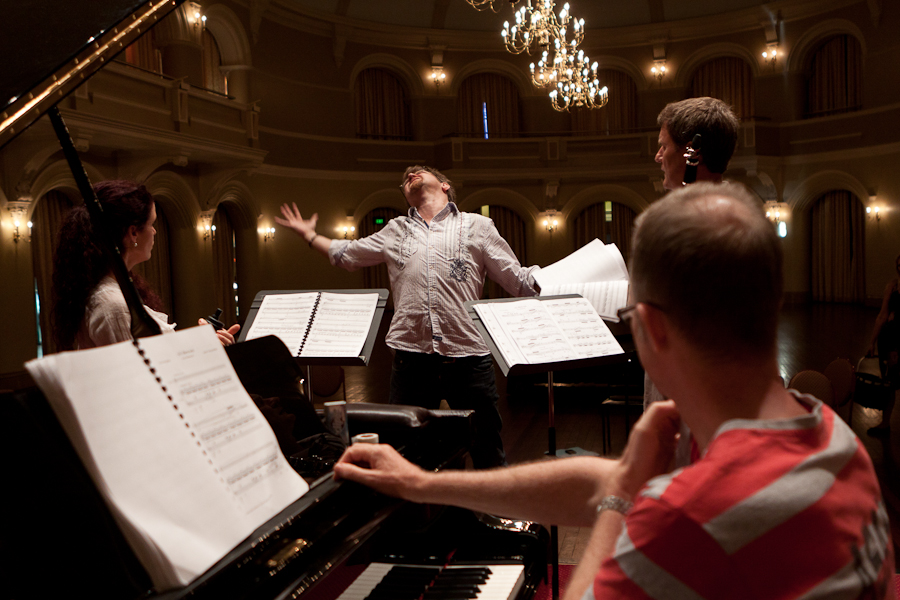 The first of these love songs (some nights there are no words) marks the end of the first section of the work and the second (Seine) occurs at the beginning of the final section. Throughout the central section of the cycle, an ever-darkening series of settings incorporate expanding musical means (including a quote from Schoenberg’s Pierrot Lunaire) and end with a clarinet solo – a reflection on the text ‘how great the diameter of solitude’.
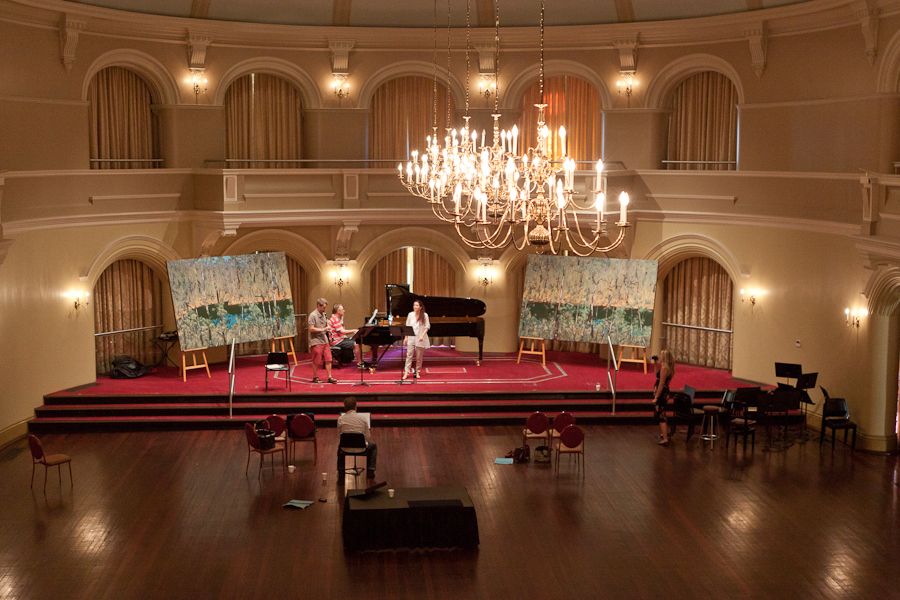 Iain said “My joy in writing this work was that it was in fact not an act of solitude. I was writing for dear friends and colleagues – musicians of the highest order whom I have had the pleasure of making music with for many years. I would like to thanks Sara, Allan and Graeme for their patience, facility and unfailing generosity whilst the piece emerged, Jody Harrison for commissioning it (with assistance from the Music Board of the Australia Council) and of course Kevin for his wonderful words that help transport us all to our own places of calm and deep contentment.”