Search names, events, places, organisations, and sources across the archive.
Person
COLEMAN, George
George Coleman, Principal Viola of the West Australian Symphony Orchestra for a considerable number of years, had commenced his career travelling with the Ballet Rambert. On an invitation from Eugene Goosens, he played viola with the Sydney Symphony Orchestra, then joined the WASO in 1951.
In 1960 aged 48 he married pianist Stephanie James. He retired from WASO in 1968.
1967: WASO viola front desk – George Coleman and John Dean
George Coleman taught violin and viola to generations of young musicians in Western Australia. Many of his former students have gone on to achieve successful professional music careers, both locally and internationally.
George William Coleman died on the 20th September 2000 aged 88.
Lorna Crawford McKean (1914-1963), soprano, was born on 13 August 1914 at Arncliffe, Sydney, youngest of three daughters of native-born parents Robert Crawford McKean, schoolteacher, and his wife Jane, née McManus. Lorna received early piano tuition from her mother and formal education at Bexley Public, Cleveland Street Intermediate High and St George Girls’ High schools. She left school to concentrate on full-time piano studies with Elizabeth Coleman and singing lessons with Ruth Ladd.
A talented actress who performed at (Dame) Doris Fitton‘s Independent Theatre, McKean loved music. She studied singing at the New South Wales State Conservatorium of Music, giving lieder recitals and performing operatic roles such as Pamina in Mozart’s The Magic Flute and Eurydice in Gluck’s Orpheus and Eurydice. McKean was awarded a Layman Martin Harrison scholarship, and in 1936 gained teacher’s and performer’s diplomas in singing. Shortly afterwards she accepted an invitation to join the Australian Broadcasting Commission’s wireless chorus, conducted by Joseph Post.
On 9 August 1938 at the district registrar’s office, Rockdale, Lorna married Leo Denis Vaughan Hanly, a 21-year-old violinist and a fellow student at the conservatorium; they were to have three children. Hanly had been assisting-artist during Richard Tauber’s Australian tour and the Taubers attended the wedding. The newlyweds completed a national broadcasting tour for the A.B.C. before settling in Perth, where Hanly was appointed (1939) leader of the A.B.C.’s local orchestra. His wife soon became active in music circles in the city. When World War II broke out she undertook extensive touring and concert work throughout the State to assist the war effort.
In 1948 Lorna McKean (as she continued to be known professionally) travelled to London with an introduction to the soprano Elisabeth Schumann. She auditioned successfully for the British Broadcasting Corporation and fulfilled a number of engagements, including radio recitals and public performances. In 1949 she returned to Western Australia. Her work in London had impressed (Sir) John Barbirolli, conductor of the Hallé Orchestra. In accepting an invitation to tour Australia for the A.B.C. in the summer of 1950-51, he stipulated two conditions: that the tour take place when the English cricket team was in Australia, and that she should appear as soloist in some of his concerts. Barbirolli’s tour established McKean in the front rank of Australian musicians.
She continued her singing career, tackling new compositions, adding to her repertoire, and introducing works by composers such as Claude Debussy, Paul Hindemith and Edgar Bainton to Perth audiences. During the 1950s and early 1960s McKean occupied a prominent position in Perth’s music world. Survived by her husband, daughter and one of her two sons, (violinist Brian Hanly) she died of a cerebral tumour on 26 October 1963 at Royal Perth Hospital and was cremated with Congregational forms. John Farnsworth Hall, the conductor of the West Australian Symphony Orchestra, described her as ‘a superb artist who was deeply appreciated’.
Select Bibliography
Broadcaster, 24 Sept-1 Oct 1938, 29 July 1939, 27 Feb 1946.
West Australian, 19 Apr 1939, 2, 28 Oct 1963.
Sydney Morning Herald, 15 Jan 1951; family records (privately held).
Citation Details
Brian Pope, ‘McKean, Lorna Crawford (1914–1963)’, Australian Dictionary of Biography, National Centre of Biography, Australian National University, https://adb.anu.edu.au/biography/mckean-lorna-crawford-10982, published online 1 January 2006, accessed online 28 October 2026.
Sydney Morning Herald (NSW : 1842 – 1954), Saturday 1 August 1936, page 12
1936
LORNA MCKEAN.
Miss Lorna McKean, pupil of Miss Ruth Ladd, will give a Leder recital at the Conservatorium Hall on Thursday August 13. The programme will include works by Schubert, Brahms. Schumann and Strauss, also groups of songs by French and English composers. The assisting artists will be Vaughan Hanly violinist, and Miss Muriel Edsall, accompanist.
Sydney Morning Herald (NSW : 1842 – 1954), Saturday 1 August 1936, page 12
1941
Evening of Music.
MEMBERS of the W.A. Music Teachers’ Association and many friends met last Saturday night at the Burt Memorial Hall and listened to a programme of music by local composers. The programme was arranged by Mr. Edward Black. The president, Mr. F. L. Robertson, with Mrs. Robertson, and the hon. secretary, Miss J. L. Young, received the guests. Mr. Edward Black gave an introductory paper on “The Guild of Australian Composers.” This was followed by songs by Mrs. Carroll, Paul Buddee, Edward Black, and Otto Kaye, sung by Miss Lorna McKean; four sketches for violin and cello, composed by Lazar Sverdloff were played by Madame Zlata Kalmikoff and the composer; song by Miss Lorna Ford. sung by Miss Boesser; songs by Roy Wood, sung by Mr. Frank Robertson: piano solos by Alec and Edward Black played by Edward Black; and songs by Miss Florence Hedd sung by Miss Gertrude Hutton. At the conclusion of the music supper was served on tables gay with yellow and orange tinted flowers.
West Australian (Perth, WA : 1879 – 1954), Wednesday 2 July 1941, page 8
1947
Monster Concert TONIGHT – 8.45 – CAPITOL
Stanley Clarkson, Perth Symphony Orchestra, Ante Soljanic, Perth Highland Pipe Band, Sammy Sharp‘s Band, C.T.A. Choir, Betty Wright, Vaughan Hanly, Subiaco Brass Band, Henry Cochran, Radio Players, Lorna McKean, and “MISS RADIO”.
Sunday Times (Perth, WA : 1902 – 1955), Sunday 17 August 1947, page 13
1951
Jack Harrison was second clarinet in the South Australian Symphony Orchestra for the following concerts:
THE AUSTRALIAN BROADCASTING COMMISSION
THANKS ALL Symphony Orchestral and Celebrity Concert SUBSCRIBERS and PATRONS for their interest and support during the past year and in extending to them the Compliments of the Season also announces the
organised and presented for the SOUTH AUSTRALIAN GOVERNMENT
CENTENNIAL HALL, WAYVILLE
Thursday, February 1, 1951, 8 p.m.
introducing
SIR JOHN BARBIROLLI
Eminent British Conductor of Halle Orchestra directing the
SOUTH AUSTRALIAN SYMPHONY ORCHESTRA
Soloist: EVELYN ROTHWELL
Distinguished British Oboist
Under the distinguished patronage of HIS EXCELLENCY THE GOVERNOR OF SA, SIR WILLOUGHBY NORRIE, LADY NORRIE and SUITE
A memorable musical event of interest to all South Australians.
FAREWELL APPEARANCE
SIR JOHN RARBIROLLI
CENTENNIAL HALL, WAYVILLE
WEDNESDAY, FEBRUARY 7, 1951, 8 p.m.
South Australian Symphony Orchestra
Soloist: RAYMOND O’CONNELL Brilliant Australian Pianist
Preferential plans from Thursday January 11. Ordinary plans from Thursday, January 18.
Price 10/-, 7/6, 5/-, and 3/- (No tax).
The Mail Adelaide Saturday 23 December 1950 page 28
MUSIC . . . . ART . . . THEATRE – Moderm Works For Symphony Concert
FIRST CONCERT Thursday 18 January 1951
By Harold Tideman
Modern orchestral works will be a feature oi the SA Symphony Orchestra’s first concert for the year in the Adelaide Town Hall on Thursday night. Of particular interest to South Australians will be the first public performance here of Alex Burnard’s overture ‘L’Allegro.’ Conductor Henry Krips gave this work a successful airing in a recent broadcast. Based on Milton’s poem it is definitely in the modern idiom, cleverly orchestrated. Formerly of Adelaide, and now senior lecturer in Harmony and Composition at the NSW State Conservatorium of Music, Sydney, Dr. Burnard gained his Music degree at the Elder Conservatorium in 1927 and his Mus. Doc. in 1932. He studied with Dr. Ralph Vaughan Williams during a visit to England, and in 1935 gained five major awards in the ABC composers’ competition. Besides instrumental works, he has written a number of unusual songs, including settings of William Blake’s ‘Songs of Innocence’ for soprano and flute which were performed here in the Australian Music Festival last year.
First Time
Richard Strauss’s ‘Rosenkavalier’ Suite will also be played for the first time here by the orchestra. Those familiar with the opera (‘The Rose Cavalier’) know the peculiarities of Strauss’s orchestration and recognise that his work demands a pinnacle of orchestral playing. That the SA Orchestra is now able to cope with this field of music is a tribute in itself to the conductor and the personnel, and augers well for the future. Smetana’s symphonic poem ‘Ma Vlast’ (My Fatherland) will be one of the major works on Thursday’s programme. In this brilliantly orchestrated piece, the famous Czech composer traces the course of the River Moldau from its mountain source, through the noble city of Prague, to the sea. In more reflective vein will be Liszt’s symphonic poem, ‘Les Preludes,’ based on Lamartine’s ‘Meditations Poetiques,’ and lighted texture will be provided in the ‘Dance of the Tumblers’ from ‘The Snow Maiden’ by Rimsky-Korsakov which will conclude the evening and Henry Krip’s own transcriptions of ‘Clair de Lune’ and ‘Passepied’ from Debussy’s ‘Suite Bergamasque.’ Assisting artists will be Western Australian soprano, Lorna McKean, who will sing two famous operatic arias— ‘Si, michiamano Mimi,’ from ‘La Boheme’ (Puccini), and ‘Ah, fors e lui’ from ‘La Traviata’ (Verdi).
Barbirolli’s Visit
FEBRUARY 1 1951
Listeners to the broadcasts of the Barbirolli concerts from Sydney have been greatly impressed, and the famous conductor’s visit to Adelaide is being eagerly awaited. The two programmes arranged for here contain mostly solid and well tried fare which will make the task of both conductor and orchestra all the harder. For the State concert in the Centennial Hall on February 1, the orchestra will open with Berlioz’s ‘Carnaval Romaine’ Overture and the concerto for oboe and strings by Corelli (arranged by Barbirolli) will follow, Evelyn Rothwell being the soloist. Then comes Mozart’s ‘Jupiter’ symphony, and after the interval, the Brahms Symphony No. 1 in C minor.
FEBRUARY 7 1951
For the second concert on Feb. 7 in the same hall, the programme will be — -‘Egmont’ overture (Beethoven), Serenade for Strings (Elgar), Concerto in A minor for piano and orchestra (Schumann) with Raymond O’Connell soloist, and the Symphony No. 7 to C major (‘The Great’) by Schubert.
The Advertiser Adelaide Saturday 13 January 1951 page 7
This Tuesday, June 12, a recital was given in the Town Hall to the children of Pingelly by Australian , soprano, Lorna McKean, and brilliant pianist, Stephen Dornan. The programme was one chosen especially for the children, the opening: song being “The Road to the Isles,” rendered delightfully by Miss McKean. A description of the song was given by Mr. Dornan to an appreciative audience. This was followed by a Maori song, “Waaata.Poi,” by the Australian composer, Alfred Hill. We were then entertained with the Military Prelude by Rachmaninoff with Stephen Dornan at the piano. Further vocal and pianoforte items were fully appreciated by the children present and it is hoped that we will receive many more entertainments of such a high calibre. At the beginning of this month the new typewriter arrived at the school, in time for the preparation of examination papers.
Soprano, Lorna McKean and associate artist, pianist, Stephen Dornan presented a Jubilee recital in the Albany Town Hall last Friday, under the direction of the Adult Education Board. A programme of varied works was received by an enthusiastic, if rather sparse audience. Although bookings were filled for the dress circle, a number of seats in the hall remained vacant. One can easily imagine why Lorna McKean is popular with fellow artists and audiences. She sings with grace and charm. Miss McKean commenced the programme with two well known songs “My Mother Bids Me Bind My Hair” by Haydyn and “My Heart Ever Faithful” by Bach, sung with sympathy and sensitive expression. One of the most popular of Max Reger’s compositions, “The Virgin Slumber Song,” “A Dream,” by Grieg and a highly dramatic song “The Trout” by Schubert were executed with fin-The only operatic works included in the programme were “They Call Me Mimi” from La Boheme by Puccini, and “The Laughing Song” from der Fledermaus by Strauss. Miss McKean completely captivated her audience with her effervescent charm and her excellent interpretation of both. “The Laughing Song” was received with more than ordinary enthusiasm. In her five years’ absence from the musical scene of Albany, Miss McKean’s voice has developed from a lyric soprano, to a soprano with greater depth of tone, dramatic content and flexibility. Her interpretations of “They Call Me Mimi” and “The Laughing Song” were beautifully done, the first being most poignant and the second sung with joyous abandonment. . Finally, Miss McKean sang three delightful folk songs,
“The Road to the Isles,” “The Last Rose of Summer” and Peter Warlock’s arrangement of “One More River to Cross,” which had a very fine piano accompaniment. Stephen Dornan gave explanatory notes oji all the music performed, and to the listener, they were too long and definitely overdone. Tp an audience of school children this is most desirable, but for adults the explanations and story of musical architecture want to be drastically pruned. Mr. Dornan’s contribution to the recital was three fold. He did the talking, accompaniments and solo playing. His playing was noted for its fine technique, clarity of tone and rhythm content, but one feels that the aesthetic side was lost through the explanatory interruptions. Debussy’s soothing composition, “Clair de Lune” was presented in direct contrast with its companion, “Prelude in G Minor,” by Rachmaninoff: Dornan played this gripping military piece with vitality and understanding and a great deal of rhythmic quality. This Prelude is seldom heard at recitals and it possesses great rhythm and dramatic feeling. “Viennese Dances,” by Gaitner-Friedmann were delightful and entertaining, but his final presentation was easily the most popular on the programme. “The Ritual Fire Dance” by de Falla was played stirringly and with admirable understanding for the barbaric quality of the composition. Stephen Dornan’s rendering was his best on the programme. This young pianist wants to be careful that he does not let mannerism and habit at the keyboard detract from his musicianship.
West Australian Symphony Orchestra costs thousands of pounds
Person
DORNAN, Stephen
Stephen Lloyd George Dornan was born in Perth in 1916. He died on 25th April 2012 aged 95.
1933
The Resident Secretary of the Associated Board of the Royal Schools of Music (Mr. W. E. Southwood) has been notified of a record success for Western Australia, in, that two exhibitions tenable in London have been awarded to West Australian musicians. The successful candidates are Miss Joy Huggett, pupil of St. Hilda’s Church of England Girls’ School, Cottesloe (tenable at the Royal Academy of Music, London) and Mr. Stephen Dornan, pupil of Mr. A: J. Leckie, Mus.Bac. (tenable at the, Royal College of ‘Music, London).
West Australian (Perth, WA : 1879 – 1954), Saturday 8 April 1933, page 5
Stephen L. G. Dornan, – L.A.B., A.Mus.A., a pupil of Mr. A. J. Leckie, Mus.Bac, left for, London this week to study at the Royal College of Music, having gained an Associated Board exhibition. This exceptionally clever young pianist, who is now only- 17 years old, has had a remarkable series of examination successes. He gained exhibitions in Grade III and Grade II. of the A.M.E.B. examinations, the gold medal and prize in both advanced and final trades of this Associated Board, and this year shared the prize for L.A.B. with 192 marks out of a possible 200. It was mainly through his active enthusiasm that the Young Musicians’ Club was formed in Perth. He has acted as president of. the club since its inception. The exhibition given by the Associated Board is one of three awarded annually in Australia. It provides free tuition at either the Royal College or Royal Academy of Music for a period of two years or more.
West Australian (Perth, WA : 1879 – 1954), Saturday 16 December 1933, page 5
1940
A PIANIST’S SUCCESS. Mr. Stephen Dorman Returns.
Mr. Stephen Dorman, a young West Australian pianist who has acquitted himself creditably in musical circles in London, has returned to this state, where he plans to make his home. In 1933 Mr. Dorman, then 16 years of age, won a two years’ scholarship of the Associated Board of Music and in the following year he went to the Royal College of Music, London, where he studied pianoforte as a soloist and, from the teacher’s aspect, the organ, choral and orchestral conducting, orchestration and ensemble. He studied pianoforte under Herbert Fryer, Kendall-Taylor and Edwin Mitchell. After he had two years’ study the scholarship was extended for three years and in 1938 he won the Leverhulme Scholarship and the Challen Gold Medal. The medal is awarded to an advanced student giving the best half-hour recital of work selected by himself. It was presented to him by the Duke of Kent at St. James’s Palace. Mr. Dorman gave several recitals at the Royal College of Music, and included some big modern works in his programmes. He took part in several concertos at the college, including the Glazounov Concerto in F minor under Constant Lambert and the Delius Concerto under Dr. Malcolm Sargent. He has given several Empire broadcasts for the British Broadcasting Corporation and was to have given a recital in the Wigmore Hall in January last, having won a competition for the honour. However, the war Intervened and the recital bad to be postponed. Since the beginning of the war, Mr. Dorman said, he had been pianist for a successful ballet company named the Arts Theatre Ballet. In a few months this small but very talented company, which included some former members of the Russian Ballet, had risen to a position of amazing solidarity and importance in the ballet world. Mr. Dorman was accompanied on his homeward journey by his sister, Miss Pearl Dorman, a chemist, who has for the past 12 months been studying singing in London.
West Australian (Perth, WA : 1879 – 1954), Tuesday 6 August 1940, page 11
Reception at the University. The president (Mr. C. L. Jenkins) and committee of the University Music Society held a reception at the refectory at the University on Saturday evening, at which the guests of honour were the music examiners at present visiting Western Australia, Messrs. Frank Hutchins and H. Elvins. The president, and secretary (Mrs. A. D. Hunter) received the guests, Mrs. Hunter wearing a self-patterned apple green satin frock with matching rucked velvet bolero jacket. A profusion of golden broom and Geraldton wax flower decorated the refectory, and there were between 150 and 200 people present. A programme of music was presented, the following artists contributing items, Misses Angus and Bunning (Tschaikowsky Concerto on two pianos), Vaughan Hanley (violin solo. Bach Unaccompanied Sonata), Miss Alice Mallon (three songs by Brahms), and Mr. Stephen Dornan (who has recently returned from abroad, pianoforte solos). Specially interesting notes were lent to the programme by talks by the guests of honour. Mr. Elvins took as his subject, “Adventures in Norway,” relating charming and humorous incidents of his travels. Mr. Hutchins’s remarks were followed by illustrations played by himself, of some of his own compositions for the piano. Professor A. D. Ross, patron of the society, proposed a vote of thanks to the artists, and at the conclusion of the programme an adjournment was made to another part of the refectory. where supper was served. Other special guests of the society included Dr. Lyon (Trinity College), Mrs. Conrad Charlton, Mr. and Mrs. A. J. Leckie. Mr. and Mrs. R. Wood, Mr. F. Robertson, and Mr. E. Black. Mrs. Partridge and Miss Harrie Partridge of White Rocks. Brunswick Junction, motored up to Perth on Friday and spent the week-end with Mrs. Horace Sholl at her home at Peppermint Grove.
West Australian (Perth, WA : 1879 – 1954), Monday 7 October 1940, page 10
1941
STEPHEN DORNAN
Young Australian pianist, who returned to Perth last year from London after building a successful career. He is now touring the National stations ; under contract to the A.B.C. He won the Challen medal, which is the highest distinction awarded by the Royal College of Music in London for a soloist, and he was presented with the medal by the Duke of Kent at St. James Palace.
You all know Steven Dornan, A.B.C. pianist. He’s given up twiddling his fingers on the ivory keys and donned khaki.
Mirror (Perth, WA : 1921 – 1956), Saturday 3 January 1942, page 20
1944
STEPHEN DORNAN’S RECITALS.
Warrant-Officer Stephen Dornan, who visited Cairns during the week-end and gave recitals, sponsored by Army Education Service, for service-men and women, may give a public recital in Cairns some time next month. The selections tor his recital at the Council Chambers on Friday night, which was attended by members of all types of services and units in the district, included Bachs “Jesu, Joy of Man’s Desiring” ; Chopin’s “Waltz in A Flat,” “Waltz in C Sharp Minor,.” “Berceuse,” and “Study in E”; Beethoven’s “Moonlight Sonata” and Brahms’ “Rhapsody in G Minor.” for the first half; then “The Viennese Dance,” by Gartner ; “Valse Oubliee,” by Liszt ; “The Cathedral Under the Sky,” by Debussy ; “Ritual Fire Dance,” by Falla ; “Harpsichord Dance,” by Delius ; “Carillon,” by Casella ; “Perpetual Motion,” by Poulenc ; “Jeux d’Eauz,” by Ravel, and “Chromatic Waltz,” by Godard.
Cairns Post (Qld. : 1909 – 1965), Tuesday 12 September 1944, page 4
1946
MUSIC AND THEATRE. (By “Fidelio”) The detailed programme of the fifth series of “Everyman’s Music” recitals under the auspices of the Adult Education Board, which will: commence shortly, discloses some new features. In two of the four recitals chamber music is represented -in one case a string quartet, in the other a woodwind group to the: fore. For the first time seats can be’ reserved in advance, and printed; programmes will be available. Thei artists, besides a number already; well known in this connection, and: some youthful newcomers, will in-i elude also a notable visitor from the [Eastern States, the soprano Thea Philips. Miss Philips will appear on Thursday evening, May 2-all these recitals take place on Thursdays with, as associate artist, Stephen Dornan, the West Australian pianist, returning from Army Education Service duties.
West Australian (Perth, WA : 1879 – 1954), Saturday 9 March 1946, page 6
1947
Recital at Geraldton – Dornan-Everett Concert DELIGHTFUL MUSIC (By ‘Music-Lover’)
On Saturday evening last the Adult Education Board, in association with the Geraldton Music-Lovers’ Club, offered to a Geraldton Town Hall audience (of less than expected numbers, let it be stated) an evening of fine music. The artists were the brilliant young pianist, soon to leave for overseas, Stephen Dornan and Phyllis Everett, contralto. Introducing the programme in a friendly and informal style Mr. Dornan explained that it was designed to present to listeners a brief survey of music over three centuries — the eighteenth, nineteenth and the present. The audience would easily discern the differences in style of composers whose lives fell within the span of the periods covered. The earlier composers were restricted in their mode of writing, not only by established practices, but also by the limitations of the instruments tneu known. The piano as they knew it to-day, belonged rather to the nineteenth century and earlier instruments, notably the harpsichord, had nothing of the pianoforte’s robustness of tone nor its compass. Among the composers included in the earlier groups were Bach, Handel and Scarlatti. Mr. Dornan’s playing was sure and pleasing to a degree, while Miss Everett’s fine contralto voice was heard to advantage in several groups of songs. Singing with deceptive ease, the contralto’s efforts brought forth the very best in the audience — perfect stillness and rapt attention during items and sustained and genuine applause after each song. Throughout the entire evening Stephen Dornan’s annotations were in every way most helpful, combining authoritative musical knowledge with a friendly attitude towards his audience, the whole enlivened by occasional flashes of humour. His playing of both solo items and acompaniments for Miss Everett’s songs was a joy. His command of the tonal resources of the instrument, his ability to express the mood and the period of the various composers selected, and his skill at making the most of a not-too-co-operative hall piano were in full measure appreciated by the audience. If one could pick any items as outstanding in a really first-class programme one might be tempted to mention the pianist’s ‘Etude in E’ (Chopin) and the Debussy ‘Cathedrale Engloutie’ and the contralto’s ‘Do i Not Go My Love’ and the enchanting ‘Foxgloves.’ One feels that in a town and district of such size there should be better support for these recitals of good music by leading artists, especially in view of the very moderate charge made for admission. Members of the Geraldton Music-Lovers’ Club, upon whose shoulders falls the responsibility of organising these recitals at the Geraldton end, feel that many people do not fully realise what they are missing by not attending these recitals. Children, particularly those studying music, should be especially encouraged to attend these functions as the benefit to be derived is enormous. The next Everyman’s Music recital to be held in Geraldton should attract considerable attention as three artists of very high standing have been engaged to visit the town. On October 9th, Father Albert Lynch (violinist), Irene Stancliffe (soprano) and Frances Moran (pianist) will give a combined recital at the Geraldton Town Hall under the auspices of the Adult Education Board. The attention of readers is drawn to press advertisements, shortly to begin, in which full particulars of this musical treat will be given.
Geraldton Guardian and Express (WA : 1929 – 1947), Saturday 27 September 1947, page 5
1951
Pianist On Way Home
A REALLY warm reception will be given Australian pianist Stephen Dornan when he arrives in Fremantle from England on February 15, on the Maloja. Since he left the army over three years ago, he has been under the tuition of Reizenstein and Rosa Kosloff in England. During the war, he was well known to Australian troops for his recitals in the Pacific islands. He will also be remembered by Australian audiences for his broadcasts with the A.B.C.. particularly during his 1940 tour of Australian cities.
PARTNERS IN SUCCESS Sonatas For Violin And Piano (By “Fidelio.”)
The large audience drawn to the Winthrop Hall on Saturday night to hear Vaughan Hanly and Stephen Dornan in four sonatas for violin and piano was richly rewarded. In the past the association of these artists proved a happy one. Their reunion on Saturday showed that while both have matured in the intervening years, their approach to the chosen works retains conspicuous freshness and vitality. Backed by high technical competence and fine standards of tone, their interpretations must have kindled an answering glow in every attentive, sensitive listener. The springing full-blooded, incisive impetuosity, for instance, with which the bold opening passages of Elgar in E Minor were flung forth! But the high point of this sonata is the slow movement, in which the composer. preceding and following a central passage of intense lyrical feeling with broken phrases half playful, half wistful, has created a very original piece of music, distinctive m character and of great poetic appeal. UNANIMITY. Of the four sonatas played, only the Cesar Franck can be described as thoroughly familiar. The programme began with a performance of Beethoven’s Op. 12 No. 1, in D, which most happily captured the buoyant impulse and lyrical charm of one of the most gracious and masterly works of the composer in his teenager state. At once the fine finish of the partnership, its unanimity, ardour and sensitiveness, were manifest. After the interval came an excursion into modernity. Hindemith’s Sonata in E, dated 1935, is not in the atonal category to which this German composer has contributed much. Its dissonances are not of the aggressively excruciating kind; and, unlike many modern composers, Hindemith does not outrage the nature of the violin by condemning it to scrappy percussiveness. He allows it flowing, singing passages in plenty but, being anything but a Romantic, it is-a cool, impersonal kind of song, which seems to communicate nothing but its own equable patterning. More immediately accessible is a. section which exploits a tarantella rhythm with stimulating vigour. Many recalls at the end signified the audience’s appreciation of an outstanding recital.
West Australian (Perth, WA : 1879 – 1954), Monday 23 April 1951, page 7
This Tuesday, June 12, a recital was given in the Town Hall to the children of Pingelly by Australian , soprano, Lorna McKean, and brilliant pianist, Stephen Dornan. The programme was one chosen especially for the children, the opening: song being “The Road to the Isles,” rendered delightfully by Miss McKean. A description of the song was given by Mr. Dornan to an appreciative audience. This was followed by a Maori song, “Waaata.Poi,” by the Australian composer, Alfred Hill. We were then entertained with the Military Prelude by Rachmaninoff with Stephen Dornan at the piano. Further vocal and pianoforte items were fully appreciated by the children present and it is hoped that we will receive many more entertainments of such a high calibre.
At the beginning of this month the new typewriter arrived at the school, in time for the preparation of examination papers.
Soprano, Lorna McKean and associate artist, pianist, Stephen Dornan presented a Jubilee recital in the Albany Town Hall last Friday, under the direction of the Adult Education Board. A programme of varied works was received by an enthusiastic, if rather sparse audience. Although bookings were filled for the dress circle, a number of seats in the hall remained vacant. One can easily imagine why Lorna McKean is popular with fellow artists and audiences. She sings with grace and charm. Miss McKean commenced the programme with two well known songs “My Mother Bids Me Bind My Hair” by Haydyn and “My Heart Ever Faithful” by Bach, sung with sympathy and sensitive expression. One of the most popular of Max Reger’s compositions, “The Virgin Slumber Song,” “A Dream,” by Grieg and a highly dramatic song “The Trout” by Schubert were executed with fin-The only operatic works included in the programme were “They Call Me Mimi” from La Boheme by Puccini, and “The Laughing Song” from der Fledermaus by Strauss. Miss McKean completely captivated her audience with her effervescent charm and her excellent interpretation of both. “The Laughing Song” was received with more than ordinary enthusiasm. In her five years’ absence from the musical scene of Albany, Miss McKean’s voice has developed from a lyric soprano, to a soprano with greater depth of tone, dramatic content and flexibility. Her interpretations of “They Call Me Mimi” and “The Laughing Song” were beautifully done, the first being most poignant and the second sung with joyous abandonment. . Finally, Miss McKean sang three delightful folk songs, “The Road to the Isles,” “The Last Rose of Summer” and Peter Warlock’s arrangement of “One More River to Cross,” which had a very fine piano accompaniment. Stephen Dornan gave explanatory notes oji all the music performed, and to the listener, they were too long and definitely overdone. To an audience of school children this is most desirable, but for adults the explanations and story of musical architecture want to be drastically pruned. Mr. Dornan’s contribution to the recital was three fold. He did the talking, accompaniments and solo playing. His playing was noted for its fine technique, clarity of tone and rhythm content, but one feels that the aesthetic side was lost through the explanatory interruptions. Debussy’s soothing composition, “Clair de Lune” was presented in direct contrast with its companion, “Prelude in G Minor,” by Rachmaninoff: Dornan played this gripping military piece with vitality and understanding and a great deal of rhythmic quality. This Prelude is seldom heard at recitals and it possesses great rhythm and dramatic feeling. “Viennese Dances,” by Gaitner-Friedmann were delightful and entertaining, but his final presentation was easily the most popular on the programme. “The Ritual Fire Dance” by de Falla was played stirringly and with admirable understanding for the barbaric quality of the composition. Stephen Dornan’s rendering was his best on the programme. This young pianist wants to be careful that he does not let mannerism and habit at the keyboard detract from his musicianship.
A recital rich in musical satisfaction was given by Alice Carrard (piano) and Zoltan Barna (‘cello) at the Winthrop Hall on Saturday night. Each was heard as soloist, and jointly they interpreted sonatas by Debussy and Kodaly, a modern Hungarian master. The work last named, a novelty here but composed over 40 years ago, impressed most in the haunting, brooding music of its slow opening, re-captured at the end. Debussy’s sonata, which we have heard from these artists before, again charmed with its piquant effects in original sonorities, and characteristic finesse. In both sonatas the players’ partnership was conspicuously successful. UNACCOMPANIED. Mr. Barna had undertaken the formidable task of opening the recital with a performance of one of Bach’s suites for un-accompanied cello. Here, one felt, he was a little dry and at times inadequate in firm outlining of the music. His fine skill and sensitive musicianship (a striking feature of which is a flair for capturing the beauty of “re-mote,” dreamy moods) were displayed more effectively later. He played also that 19th Century favourite of the cello virtuoso, Boellmann’s “Varia-ions Symphoniques.” Masterfully able as was Mme. Carrard’s performance of Schumann’s “Carnaval,” we valued more the opportunity of hearing her in one of the late Beethoven sonatas—great music seldom played here. Her affinity for the works of this composer and her “masculine” grasp were evidenced anew in a deeply satisfying performance of Op. 109. The last of this series of Adult Education Board recitals will be given next Saturday, with the Perth String Quartet, Stephen Dornan and Lorna McKean.
West Australian (Perth, WA : 1879 – 1954), Monday 8 October 1951, page 5
1954
The Repertory Club will present the operetta “The New Moon” (music by Sigmund Romberg) at the end of June. Nita Pannell is producing, with Stephen Dornan as musical director. Auditions will be held at the club tomorrow evening. Romberg, a prolific composer of musical plays, is best known, probably, by his scores for “Desert Song” and “The Student Prince.”
West Australian (Perth, WA : 1879 – 1954), Saturday 3 April 1954, page 27
Melodious Vocalists – English Duo’s Artistry TOWN HALL CONCERT
Presented under the auspices of the Adult Education Board, with whom the Geraldton Music Lovers’ Club co-operated, the celebrated English, Duo—soprano Viola Morris and contralto Victoria Anderson—with a Western Australian in Stephen Dornan at the piano — delighted a small but most enthusiastic audience in the Geraldton Town Hall last Thursday night. The singers teamed admirably in their duets, drew from a repertoire so extensive that they might have truthfully . been billed as “The Cosmopolitans” and in their expressive renderings revealed sweetness of tone, clarity and a capacity, to reproduce with fidelity the mood of every composer. Nor was their artistry in solo numbers any less satisfying, and the end of the programme came all too quickly for a house which revelled in their many items. In some contributions they were unaccompanied, and in those which Stephen Dornan accompanied them the pianist revealed ability of a high order, despite the fact that he found the instrument he was playing was not up to expectations. In his own brackets Mr. Dornan demonstrated he could reproduce every shade of musical beauty and, whether in lively or sedate passages, was equally at home. The programme opened brightly with Viola Morris and Victoria Anderson singing the lilting “Now is the Month of Maying,” which they followed with. “My Dearest, My Fairest,” “Angler’s Song,” “It Was a Lover and His Lass” {a particularly popular offering), “Adieu. Sweet Amaryllis” and “Sound the Trumpet” (in which there was all the requisite vigor). Stephen Dornan’s first group comprised the Concert Study (Poldini), Debussy’s Clair de Lune, played with all the delicacy which has made this number a favorite with concertgoers, and Mozart’s lively Turkish March. The English Duo submitted “When Spring With It’s Joy,” “Schon Blumelein,” “Die Schwestem,” “Le Coeur de Ma Mie,” “I, Would That My Love,” “I Know a Bank” and the sprightly “Where the Bee Sucks.’ With her delightful soprano voice Viola Morris began the second half with “Have You Seen but a Whyte Lillie Grow,” which preceded, the spirited rendering of “I’ll Sail Upon the Dog Star,” the other two numbers in this group comprising “L’Invitation au Voyage” and “The Maiden.” All the anticipated animation was apparent in Stephen Dornan’s playing of Seguidillas and the Ritual Fire Dance, and then came further vocal camoes with the melodious contralto offerings of Victoria Anderson in “Awake Saturnia” (calling for considerable power in volume and expression), “The Queen’s Maries” and the vivacious number entitled “The Bold Unbiddable Child.” Amongst the duets which concluded. a splendid programme were “Early One Morning,” ‘.’Five Eyes,” “Afton Water” and the “Keel Row,” with “O Dear What Can the Matter Be?” as an encore. ‘ On Thursday afternoon about 250 pupils from the Geraldton High School and Geraldton Primary School made a very appreciative audience at a special concert given in the town hall.
John Kay (27), of Taringa (Queensland) had forty-seven stitches inserted in his head and right arm after being attacked with a reaping hook in a southern suburb (Holland Park) to-day. The police have charged a fifty-one-year-old man with unlawful wounding.
Stephen Dornan the associate artist in the Adult Education recital by Viola Morris and Victoria Anderson at the Kalgoorlie Town Hall tomorrow night, needs no introduction to goldfields audiences. He is a firm favourite with metropolitan music lovers, and ranks high in the list of outstanding Western Australian artists. Some years ago he won the associated board scholarship and carried out further studies at the Royal College of Music. London, where he came under the supervision of well known tutors in Herbert Fryer and Kendall Taylor (piano), Sir Walter Alcock (organ) and Dr. William Reed (conducting). He has also given numerous recitals for the Australian Broadcasting Commission.
The Youth concert on 31st May 1956 presented enthusiastic patrons with an interesting item – Concerto in E flat for two pianos by Mozart. Stephen Dornan joined Stephanie James, who had already played many times with the orchestra. Stephen, who studied at the Royal College of Music in London and later under Roza Kozloff, was also well known to the Perth musical public as a soloist and chamber music player, and also later as a teacher. Hi sympathetic accompanying technique was admired by all musicians who had the privilege of playing with him.
WIND QUINTET IS REFRESHING – By Sally Trethowan – Thursday June 27 1963
A concert by a rare composition of instruments – a wind quintet – makes a refreshing excursion from the string works that monopolise the field of chamber music. Though few composers have been attracted to the wind group as a medium for musical expression, they have not in general been cavalier in their treatment of it. Beethoven’s early Quintet Op. 16 played at yesterday’s free lunch-hour concert in Winthrop Hall, is as felicitous an example of fusion of form and content as any that can be found in the repertoire. The artists, Jack Harrison (clarinet), Peter Randall (oboe), Brian Pope (bassoon) and Harold Thornton (horn) with Stephen Dornan (pianist) , wove the interlaced counterpoint of their respective strands with a professional skill to give a nearly flawless reading. The other work on the programme, Mozart’s Quintet K 452, was given a less inspired though pleasant performance. Stephen Dornan is playing at his best and yesterday fulfilled his pivotal role in setting the tempo and maintaining the balance of the ensemble and gave coherence to the whole.
The West Australian Friday June 28 1963
1965
MUSIC – By Peter Hellstrom – U.W.A. Thursday Lunchtime Recital
September 1965
The free lunch-time concert at 1.10pm at the University next Thursday will be given in the undercroft of Winthrop Hall. The performers will be clarinettist Jack Harrison, cellist Louis Mojzer and pianist Stephen Dornan. The programme will be Sonata in E flat major Op. 120 No. 2 for Clarinet by Brahms, Sonata (1934) for Cello and Piano by Shostakovich, and the
Sonata for Clarinet and Piano by Leonard Bernstein.
The Master of Queens Musick, Sir Arthur Bliss, has told the Festival Of Perth committee that the planning of the musical programs in the coming festival is a magnificent gesture to British music and should be more widely known. That it has become well known already in Britain is showing by letters from many leading authorities there they include congratulations from the executive of the Composers Guild of Great Britain. Though some prominent English music festivals like Cheltenham Aldeburgh and the longest established Three Choirs Festival feature their country music, no British festival has in recent times included such an extensive and exciting range of British music in one series. Works of nearly 70 composers are included. The Perth programs have been wisely spaced over the six week festival period and though many of the concerts will start at the customary 8 pm some will be at 6 pm to enable patrons to attend another festival attraction the same evening.
Works by Vaughan Williams Gordon Jacob, Howard Ferguson, Lennox Berkeley and Michael Tippett will be new to W.A. The London Symphony Orchestra conducted by Colin Davis will introduce Bliss’s “Discourse for Orchestra” to Australia in one of its Perth concerts. In the other, Tippitt’s Symphony No. 2 and Stravinsksy’s Symphony in Three movements will be played here for the first time. Leading W.A. musicians appearing as soloists in the festival will include soprano Molly McGurk who will sing Benjamin Britain’s song cycle Les Illuminations with the W.A. Symphony Orchestra. She will also sing the solo soprano part in the University Choral Society’s performance of Vaughan Williams A Sea Symphony. Stephen Dorman will be the accompanist for tenor David Galliver’s three British song recitals. He will also partner violinist Vaughan Hanley in a Sonata recital and will play the solo part in constant Lambert’s Concerto for Orchestra and Nine Instruments. Jack Harrison will be the soloist in David Tunley’s Clarinet Concerto and will be joined by the Oriole Quartet in Bliss Clarinet Quintet. Graham Wood will introduce James Penberthy’s Romance for Violin and Orchestra and Alice Carrard will be the pianist with the A.B.C. Wind Players in Rawsthorne’s recent quintet. Madame Carrard will be joined by Mr Dornan, Stephanie James and Michael Cole to perform Malcolm Williamson’s new Concerto for Wind Quintet and two pianos. The new university organist, Mr John Hind, will be soloist in a program which will feature the W.A. Bach Society. The Oriel Quartet will also be the soloists with the W.A. Symphony Orchestra in Elgar’s Introduction and Allegro for strings and will give a separate recital of works by Howells, Frank Bridge, John Exton (the newly appointed senior lecturer in music at the university) Gerald Finzi, Elizabeth Lutyens and Edmund Rubbra.
The West Australian September 1965
EXPRESSION IN BRAHMS TRIO – By Sally Trethowan
Much of Brahms later music is valedictory in sentiment, and the trio for Piano Clarinet and Cello Op. 114 is typical of his last works. The major item in yesterday’s free lunchtime concert in Winthrop Hall, this work was performed expressively by Stephen Dornan (piano) Jack Harrison (clarinet) and Louis Mojzer (cello). Mr Dornan’s realisation of the full textured piano part which lies mainly in the middle and lower registers of the instrument demonstrated his deep understanding of and affinity for Brahms’s chamber music. Mr Harrison played the clarinet line with a poignancy and sweetness that echoed in sentiment the autumnal sadness of the cello part effectively realised by Mr Mozer. To open the program Mr Dornan and Mr Harrison play the Sonata for Clarinet and Piano by American Leonard Bernstein, a man famed as composer, conductor, concert pianist, scholar and expert on Bach and jazz. The first of the two movements was a romantic outpouring of song which, however, adroitly sidestepped both the banal and the sentimental. The second was a delightful capricious movement strongly flavoured with jazz rhythms. Here the clarinet chatted loquaciously, emphasising its arguments with strongly accented syncopations till it finally deemed to defeat the piano with sheer ebullience. After this Mr. Dornan in an expert display on the piano played three highly coloured pieces from Mihaud’s “Saudades do Brazil”, music that alternatively swayed and exploded with the ferocity of a tropical storm.
The West Australian Friday September 10 1965
1966
HARSH-TONED MUSIC ENTERTAINS – By Sally Trethowan
The last of the festival “Music of Britain” chamber concerts given in the Basil Kirk memorial studio last night offered some of the most complex and insistently dissonant music of the whole series. Yet each of the three works was so excellently performed that some measure of the composers musical thought in each case intense and highly individual must surely have impressed the general music lover no matter how unsympathetic he might have been to the harsh contemporary harmonic language. The first work “Quintet for wind and piano” by Alan Rawsthorne, was perhaps the most earnest in intention, and also the most abstruse and uncompromising. Much of it was concerned with working out, in terms of spasmodic tempi, unremitting dissonance and often exciting and original blends of wind colour, two moods, one apparently serene but masking disquieting emotional currents; the other desperately merry. This difficult music was persuasively presented by Alice Carrard (piano), Peter Randall (oboe), Jack Harrison (clarinet), Brian Pope (bassoon) and Neil Pierson (French horn). After this, Trevor Jones’s happy blend of whimsy lyricism and drama in his “Cantata Zoologica” was immensely entertaining. It was given a premiere late last year by the W.A. Bach Society choir and quintet and it was performed last night by the same artists except that the conductor on this occasion was Laughton Harris and the narrator was Neville Teede. Mr Harris’s cogent grasp, poetically and musically of the work was incisively conveyed through the unerring accuracy of his beat to which the choir and instrumentalists responded with brilliant execution. Mr Harris also conducted the final concerto for wind Quintet and two pianos (eight hands) by Malcolm Williamson. The wind players were joined by flautist Owen Fisenden and pianist Madame Carrard by fellow soloist Allyne Tilsed, Stephen Dornan and Michael Cole. This work exhibited complex interplay of tone colour. The finale, where the piano parts exploded in figuration of a Bartokian ferocity and aliveness was, I think, unrivalled in the festival music for sheer excitement of performance.
The West Australian Wednesday March 9 1966 page 17
1966 MUSIC LOVER’S DIARY
The fourth programme in the A.B.C.’s free recitals in the Basil Kirke Studio this year will be held at 3pm tomorrow. Jack Harrison, Graham Wood,John Dean, Brian Meddemmen and Stephen Dornan will perform trios by Mozart and Shostakovich. The Kylie Club will hold its annual general meeting in the Skinner Galleries at 8.15pm next Saturday. There will be a musical programme in which the artists will be Frances Moncrieff, Allyne Tilsed and Brian Meddemmen.
1967
MUSIC – A CONCERT – By Peter Hellstrom
Saturday August 5th 1967 8pm
An unusual and exciting concert will be given in Winthrop Hall on August 5 in aid of the building fund of St Columba the new university men’s residential college. Called “Concert Extraordinary”, the varied program will involve more than 300 performers including several leading W.A. musicians, all of whom will donate their services to the appeal. Directed by John Hind, the Bach Society Choir will sing Benjamin Britain’s “Hymn to St Cecilia” and the Perth Madrigal Singers will sing ”The Daniel Jazz” by Herbert Chappell. The University’s A Cappella Choir conducted by David Tunley, will sing English madrigals. The University Choral Society will join combined choirs in performances of works by Mozart and Handel which will be conducted by Professor Frank Callaway. The program will open with university organist, John Hind, playing Bach’s great “Toccata and Fugue in D minor”. Violinist Vaughan Hanly will play Saint-Saen’s “Introduction and Rondo Capriccioso” with pianist Stephen Dornan who will also be heard with soprano Margot Robertson and clarinettist Jack Harrison in Schubert’s “The Shepherd on The Rock”.
1967 CONCERT IS A PERTH MUSIC “HAPPENING” – By Sally Trethowan
The “straight” items included popular classics such as… Schubert’s “The Shepherd on The Rock” with pianist Stephen Dornan, soprano Margot Robertson and clarinettist Jack Harrison.
1968 Soldier’s Tale Perth premiere
1968
Free A.B.C. Concert – Sunday September 29th 1968
The free concert in the A.B.C.s Basil Kirke Studio tomorrow beginning at 3 o’clock is one of a series of six in which distinguished artists are performing a wide variety of works. The program will be Bartok’s outstanding and complicated “Sonata for two pianos and percussion” played by Wendy Nash and Stephen Dornan and percussionists John Reece and Brian Sadique directed by Verdon Williams and Stravinsky’s “Soldiers Tale” concert suite conducted by Verdon Williams. The performers will be Graham Wood (violin), John Mowson (bass), Jack Harrison (clarinet), Jill Harrison (bassoon), Donald Johnson (trumpet), Alan Mewitt (trombone) and Brian Sadique (percussion).
The West Australian Saturday September 28 1968
1971
On Feb 23 1971, Jack Harrison performed the Perth premiere of Margaret Sutherland’s “Sonata for Clarinet and Piano” (1949) with Stephen Dornan (piano) in a Festival of Perth’s Australian Composers’ Workshop held at the Basil Kirke Memorial Studio at the A.B.C. in Western Australia. He performed on the first commercial recording in 1972 – LP compilation titled Australian Festival of Music, Volume 8.
Peter Jenkins: I suspect Jack’s was probably the first recording. (Festival SFC 80025)
Workshop at its most attractive – By MARY TANNOCK – Thursday February 18 1971
Last night’s Australian composers workshop program at the Basil Kirke Studio was distinguished by the presence of Dr Andre Jurres, president of the International Society of Contemporary Music and the Australian composer Peter Sculthorpe. They were members of the panel chaired by Professor Frank Callaway. It was also the most attractive of the workshop series in the festival so far. Works by Margaret Sutherland, Colin Brumby, John Exton, Peter Sculthorpe and Trevor Jones were performed by Molly McGurk (soprano), Jack Harrison (clarinet), Stephen Dornan (piano) and the Oriel Quartet. Peter Sculthorpe’s “The stars turn” opened with wistful echoes from Gregorian Chant and a sea shanty and dissipated quickly into the character of the song. With limpid tones Miss McGurk sensitively delineated the shifting patterns of a lyrical line. Again, with Colin Brumby’s “Three Italian Songs for High Voice and String Quartet”, she infused chiselled and graceful declamation into the string line, throwing into relief its undulating fluidity. Trevor Jones’s “Essay for String Quartet” was alive with dense pulsating rhythms and sometimes fugal growth. Its textural complexity was skilfully highlighted by the Oriel Quartet.
In Margaret Sutherland’s “Sonata for Clarinet and Piano” traditional texture and techniques were cleverly reconciled to the clarinet line and the accompanist Stephen Dornan’s deft chordal Textures in the piano provided neat and subtle undertones.
The West Australian February 19 1971
Composers’ Workshop an Evening of Contrasts – By ALAN BONDS – Thursday February 18 1971
The workshop program presented in the Basil Kirke Studio last night was an evening of contrasts. The programme began with a polished rendition by Jack Harrison and Stephen Dornan of a “polished” Sonata for Clarinet and Piano by Dr. Margaret Sutherland. The work’s appeal was immediate, its form was basically straightforward and concealed few intricacies for cerebral digestion. The cycle of three songs by Colin Brumby further enhanced this composer’s reputation for skilful handling of texts. The work was witty and sensitive, but I feel that the texture of the accompanying string quartet was frequently too thick and overpowered the refined singing of Molly McGurk. For those interested, last Thursday’s performance of John Exton’s String Quartet (1969) was their fourth opportunity to hear the work in as many months and the work could easily stand a fourth hearing. It is completely absorbing, combining the all-embracing logic of serialism with a wonderful sense of contrast and colour. The performance by the Oriel Quartet was both accurate and persuasive, skilfully handling textures, which demand fine precision and control. “The Stars Turn” (1970) by Peter Sculthorpe was I feel more notable for the performance than the music which was performed. The piece itself was expressive and moving in the skull for tradition of Irkanda and the Quartets but I couldn’t help it feel that I had heard it all before. Molly McGurk did a splendid job moulding and phrasing as she might to Schubert or Brahms. The Oriel Quartet concluded the performance with a performance of Trevor Jones’s “Essay for string Quartet”. It would be fair to say that much of the work is reminiscent of Bartok’s quartet writing. The Essay was easily sectionalised thematically with frequent excursions through poly modality to atonalism.
The Sunday Times February 21 1971
1972
The A.B.C. presents Studio Recital – 3pm Sunday May 21 1972 – Basil Kirke Studio
Molly McGurk (soprano) Jack Harrison (clarinet) Stephen Dornan (piano)
Programme
Women’s Love and Life – Song Cycle Op. 42 SCHUMANN
Three Fantasy Pieces for Clarinet and Piano Op. 73 SCHUMANN
The Shepherd on the Rock SCHUBERT
In September 1973 Jack Harrison was invited by Ivor Meddleton to be an artist on the second Churchill Fellows’ L.P. recording. The artist was asked to donate their time, to be recorded at the closest A.B.C. studio and the cost of the accompanist covered by The Winston Churchill Memorial Trust.
Jack replied that he would be happy to contribute. “Listed below are three pieces, any one of which would be suitable and I will leave the final choice in your hands:-
“Concerto for Clarinet and String Orchestra” by Malcolm Arnold – my reasons for including this work is that I am performing this piece of music with the W.A. Symphony Orchestra during the month of November and the A.B.C. has agreed to allow a recording to be made for the Churchill Trust. Another reason is that there is, to my knowledge, no commercial recording of this concerto. As I will be concentrating on this piece for the next six weeks, I would naturally favour it as my choice.
“Sonatina” for Clarinet and Piano” by Malcolm Arnold
“Sonata for Clarinet and Piano” by Poulenc
He recorded the Poulenc with Stephen Dornan (piano) and was the first Australian recording of the work.
Born in Bern in 1951, Thomas Indermühle is the scion of a Swiss family of musicians. He studied with Heinz Holliger at the University of Music in Freiburg in Breisgau, and with Maurice Bourgue in Paris.
Afterwards, he spent several years as solo oboist in the Netherlands Chamber Orchestra in Amsterdam and the Rotterdam Philharmonic Orchestra. In 1974 he was awarded a prize at the International Competition in Prague, and in 1976 he won the International ARD Competition in Munich.
Since then, he has appeared as a soloist in almost all European countries, in the USA, Canada, Mexico, Japan, Korea and Australia. Leading composers as Manfred Trojahn, Wolfgang Rihm, Akira Nishimura and David Philip Hefti have written oboe concertos for Thomas.
Of great importance to him are also his “Ensemble Couperin”, his activity as a conductor, and his work with his students. Indermühle has been responsible for an oboe class at the Zurich University of Music since 1984, and in 1989 he was appointed professor at the University of Music in Karlsruhe.
He has recorded for Philips, EMI, Claves, Novalis and Camerata Tokyo.
Thomas Indermühle has been trusting Rigoutat since 1972.
Concerto and Vocal / Instrumental and Vocal Competition / Young Performers Awards – A.B.C.
The ABC Young Performers Awards (historically known as the ABC Instrument and Vocal competitions) is Australia’s oldest and most prestigious classical music competition for young musicians, running continuously or through periodic revivals since 1944.
The competition evolved through several administrative eras and titles:
Year / Period
Competition Name
Managing Body / Notes
1944
State-based competitions
Founded by the Australian Broadcasting Commission (ABC) with state symphony orchestras.
1949
Commonwealth Final introduced
State winners competed nationally for the first time.
1950–1967
ABC Concerto and Vocal Competition
Expanded format launching early career soloists like Max Olding (1952) and Roger Woodward (1964).
1968–1986
ABC Instrumental and Vocal Competition
Standardized into four distinct categories by 1978: String, Vocal, Keyboard, and Other Instrumental.
1987–1996
ABC Young Performers Awards
State finals converted into category finals (1986); rebranded to emphasize holistic young artist development.
1997–2004
Symphony Australia Young Performers Awards
Management moved to Symphony Australia following the devolution of the ABC’s Concerts Division.
2001–2015
Vocal category transition
The vocal section shifted to the Music & Opera Singers Trust (MOST®), while instrumental categories remained under Symphony Australia / ABC.
2016–2022
ABC Young Performers Awards (administered by MOST®)
MOST® assumed full administration with the ABC remaining as media and broadcast partner.
2026–Present
ABC Young Performers Awards (returned to ABC)
Returned to full stewardship under ABC Classic to mark its 50th-anniversary celebrations, featuring finalists performing live with the Sydney Symphony Orchestra.
Format and Structure
Eligibility: Open to young classical instrumentalists and singers (traditionally under 30, and currently aged 31 and under).
Stages: Progresses through multiple rigorous rounds including video/live auditions, state or regional heats, semi-finals, and a grand final with a major Australian symphony orchestra.
Categories: Split across Keyboard, Strings, Instrumental (woodwind/brass/percussion), and Vocal.
Notable Past Winners and Finalists
Over more than 80 years, the competition has helped launch the international and national careers of many prominent Australian musicians:
Max Olding (Piano, 1952)
Donald Westlake (Clarinet, 1953)
Donald Thornton (Piano, 1954)
Charmian Gadd (Violin, 1962)
Roger Woodward (Piano, 1964)
Nathan Waks (Cello, 1968)
Diana Doherty (Oboe, 1985)
Ian Munro (Piano / Composition)
Simone Tedeschi (Piano)
Liwei Qin / Li Wei (Cello, 1993)
Claire Edwardes (Percussion, 1999)
Amy Dickson (Saxophone, 2004)
Lloyd Van’t Hoff (Clarinet, 2015)
Emily Sun (Violin, 2018)
Eliza Shephard (Flute, 2022)
2026 Grand Finalists: Beatrice Colombis (Violin), Charlotte Miles (Cello), and Dillon Chan (Piano)
Australian Broadcasting Commission’s Concerto and Vocal Competition.
Finalists: Miss Betty North. Miss Nancy Barnden, Miss Betty Wright, Miss Norecn Edwards, and Miss Stephanie James.
Tuesday, April 23, in the Capitol Theatre, the Australian Broadcasting Commission conducted a Concerto and Vocal Concert at which were heard the above dualists in the recent competitions.
The Perth Symphony Orchestra, under the baton of Mr. Ernest J. Roberts, opened with an overture, “The Marriage of Figaro,” by Mozart. Miss Betty North played “Konzertstuck in F Minor for Piano and Orchestra,” by Weber. This item was followed by Recit. and Aria, ” Dove Sono,” from ” The Marriage of Figaro,” by Mozart, rendered by soprano Miss Nancy Barnden.
Miss Betty Wright then played the first movement of ” Concerto in A Minor, Op., 16, for Piano and Orchestra.” by Grieg, which completed the first half of the
programme. After the Interval, Miss Noreen Edwards played a Concerto No. 1 in G Minor for Violin and Orchestra, first and second movements by Max Bruch. This artist, although quite young and immature, so far as orchestral associations are concerned, displayed a solidity and sympathy which makes her future musical career assured.
Miss Ray Williams, soprano, then sang “Il Est Deux, Il Est Bon” (from “Herodiade”), and the programme was brought to a close with an item from Miss Stephanie James, Symphonic Variations for Piano and Orchestra” by Franck. Of all the contestants this young lady was outstanding. She has the brilliance and poise of the accomplished artist and a promising musical future is. undoubtedly in store for her.
Music lovers throughout the Stale are appreciative of the Concerto and Vocal programmes provided by the A.B.C., which are a boon to country listeners and which provide aspiring young artists with the opportunity of displaying their talent before a public audience.
Westralian Worker (Perth, WA : 1900 – 1951), Friday 2 May 1947, page 2
1950
VOICE AND CONCERTO – Semi-Finalists In A.B.C. Contest
The West Australian semi-finalists in the concerto and vocal competitions conducted by the Australian Broadcasting Commission were announced yesterday. They are Molly McGurk, Bernise Demorest. Pamela Kott and Ina Micale (pianists), Elise Longwill and Pamela Flower (sopranos) and Jack Harrison (clarinet). They will appear at the orchestral concert to be conducted by Sir Bernard Heinze on May 25 at the Capitol Theatre, at which the two State finalists will be selected. The final will be adjudicated by Dr. A. E. Floyd, Mr. L. Kennedy and the Assistant-Director of Music of the A.B.C. (Mr. H. Cannon). Mr. Cannon said yesterday that the number of entries in Western Australia in proportion to population had been the largest in the Commonwealth. This year there had been 69 entries for the competition, the majority having come from the metropolitan area. Prizes, he said, were being given to both the instrumentalist and vocalist finalist in the State and Commonwealth finals. The aim of the competition was to give young artists an opportunity to appear with an orchestra under an experienced conductor. Mr. Cannon added that the competition had impressed many overseas conductors, mainly because of the experience gained by young artists. and several conductors had said that it was a unique competition in this respect.
The West Australian Thursday 4 May 1950 page 7
Jack Harrison
VOICE AND CONCERTO
Semi-Finalists In A.B.C. Contest
The West Australian semi-finalists in the concerto and vocal competitions conducted by the Australian Broadcasting Commission were announced on Wednesday. They are Molly McGurk, Bernise Demorest, Pamela Kott and Ina Micale (pianists), Elise Longwill and Pamela Flower (sopranos) and Jack Harrison (clarinet). They will appear at the orchestral concert to be conducted by Sir Bernard Heinze on May 25 at the Capitol Theatre, at which the two State finalists will be selected. The final will be adjudicated by Dr. A. E. Floyd, Mr. L. Kennedy and the Assist ant-Director of Music of the A.B.C. (Mr. H. Cannon).
Mr. Cannon said on Wednesday that the number of entries in Western Australia in proportion to population had been the largest in the Commonwealth. This year there had been 69 entries for the competition, the majority having come from the metropolitan area. Prizes, he said, were being given to both the instrumentalist and vocalist finalist in the State and Commonwealth finals. The aim of the competition was to give young artists an opportunity to appear with an orchestra under an experienced conductor. Mr. Cannon added that the competition had impressed many overseas conductors, mainly because of the experience gained by young artists, and several conductors had said that it was a unique competition in this respect.
The West Australian Friday 5 May 1950 page 5
Local Finalists Meet Conductor
State finalists in the ABC vocal and concerto competition, who will play at next Thursday’s youth concert, met their conductor, Sir Bernard Heinze, yesterday morning.
Left to right: Molly McGurk (piano), Ina Micale (piano), Pamela Kott (piano), Pamela Flower (soprano), Jack Harrison (clarinet), Elise Longwill (soprano). Bernice Demorest (piano), and Sir Bernard.
Sunday Times Sunday 21 May 1950 page 21
Tomorrow at 8pm Capitol Theatre – 2nd YOUTH CONCERT
State Finalists in the Concerto and Vocal Competition.
PERTH SYMPHONY ORCHESTRA Conductor: Sir Bernard Heinze
Soloists: Molly McGurk, Bernice Demorest. Pamela Kott. Ina Micale (pianists); Elise Longwlll. Pamela Flower (sopranos); Jack Harrison (clarinet).
Prices: 2/1 to Youth up to 25 years 6/1 and 4/1 to adults. Plan at Nicholsons. Direction: Australian Broadcasting Commission.
The West Australian Wednesday 24 May 1950 page 35
Instrumental and Vocal
PERTH SYMPHONY ORCHESTRA
Conductor: Sir Bernard Heinze
Soloists: Molly McGurk. Bernice Demorest, Pamela Kott. Ina Micale (pianists). Elise Longwill. Pamela Flower. (sopranos). Jack Harrison (clarinet).
Prices: 2/1 to Youth up to 25 years, 6/1 and 4/1 to adults. Plan at Nicholsons until 4.30. Patrons are requested to be seated by 7.50 as the concert will commence at 8 sharp and there will be no admittance during an item.
Direction: AUSTRALIAN BROADCASTING COMMISSION
The West Australian Perth, Friday May 26 1950 page 14
Last night at the Capitol Theatre an audience which completely filled the auditorium attended the second of the Australian Broadcasting Commission’s series of youth concerts. Actually, the occasion, more than any other previous concert of the kind, fulfilled the purpose, for the young solo performers were those chosen in the West Australian concerto and vocal competition. There were seven of them, four pianists, one clarinettist (the only male to qualify) and two vocalists. Considerable interest was added by the fact that the concert was the final test to decide the choice of one instrumentalist and one singer to compete against two representatives of each State in Sydney at a later date.
HIGH PRAISE
The adjudicators were the Director of Music for the A.B.C. (Mr. W. G. James) and Dr. Edgar Bainton (former Director of the New South Wales Conservatorium of Music), Their decision, which was announced at the end of the concert, bestowed the honours on Miss Elise Longwell, soprano, whose singing of the aria, “Salce, Salce,” the Willow Song from Verdi’s opera,”Otello,” was a fine performance, and on Miss Molly McGurk, who received high praise for her playing of Liszt’s TodtcnTanz (Dance of Death). The adjudicators were so impressed also with Jack Harrison, who played the clarinet Concertino (Weber) that they announced their intention of strongly recommending his inclusion as a finalist.
The others who appeared were Miss Pamela Kott (first movement of Beethoven’s Piano Concerto No. 4, in G Major); Miss Bernice Demorest (first movement of Moszkowski’s Piano Concerto in E Major); Miss Ina Micale (first movement of Schumann’s Piano Concerto in A Minor); and Miss Pamela Flower (Jewel Song from Gounod’s opera “Faust”). A high standard was maintained by all the young musicians, and Dr. Bainton described the adjudicators’ task in arriving at their verdict as “exciting.” The orchestra, under the direction of Sir Bernard Heinze. Gave excellent cooperation to the soloists.
Saturday May 27 1950 page 11
1951
ABC CONTEST FINALISTS IN WA CHOSEN
THE eight WA finalists in the ABC Annual Concerto and Vocal competition were selected today. They are Sheila Hines (piano) ; Ian Conochie (baritone) ; Barbara Smith (viola) ; Molly McGurk (piano) ; Ina Micale (piano) ; Jack Harrison (clarinet) ; Valerie Wynne (soprano); Bernice Demorest (piano). They will all appear with the WA Symphony Orchestra in the Capitol Theatre on Thursday. A State finalist from each of the vocal and the instrumental sections will be selected.
These two winners will be eligible for the Australia-wide competition, which will be held in Sydney on July 7. The winner of this competition will be booked for a tour of Australia under the ABC.
THE WORLD OF MUSIC – State Finalists In. A.B.C. Competition
Seven young West Australians were chosen yesterday to appear at the Capitol Theatre on Thursday night as the State finalists in the Australian Broadcasting Commission’s concerto and vocal competitions. They are Miss Sheila Hines (pianist), Miss Barbara Smith (violist), Miss Molly McGurk (pianist), Miss Ina Micale (pianist), Miss Valerie Wynne (soprano), Miss Berniece Demorest (pianist), Mr. Jack Harrison (clarinettist), and Mr. Ian Conochie (baritone). They will all appear with the W.A. Symphony Orchestra under the baton of Mr. Rudolf Pekarek. The judges at the concert will be Dr. A. E. Floyd and Messrs. Lauri Kennedy, H. Cannon and Pekarek. From these finalists they will select one artist from the vocal section and one instrumentalist These will have the chance of appearing with other State finalists in Sydney on July 7 when the Australian winner of each section will be announced. The winners will then tour Australia under the direction of the commission.
The West Australian Saturday 28 April 1951 page 4
Bookings also open for CONCERTO & VOCAL FINALS. Featuring: SHEILA IINES, IAN CONOCHIE, BARBARA SMITH, MOLLY McGURK, INA MICALE, JACK HARRISON, VALERIE WYNNE, BERNIECE DEMOREST, With W.A. Symphony Orchestra conducted by RUDOLF PEKAREK. Capitol Theatre Next Thursday. PRICES: 4/-, 6/-, plus booking fee. Direction A.B.C.
The West Australian Monday 30 April 1951 page 21
ABC CONTEST 3rd MAY 1951 – WINNERS IN MUSIC A.B.C.’s Vocal And Concerto Finals – (By “Fidelio.”)
Finalists in the A.B.C.’s concerto and vocal contest for this State played and sang before the judges and a big audience at the Capitol Theatre last night. Sheila Hines, pianist, and Valerie Wynne, soprano, were placed first in the respective sections. Jack Harrison, clarinettist, was specially commended. Of the eight contestants heard with the W.A. Symphony Orchestra four were pianists. There were only two singers, and the remaining instrumentalists were a violist and a clarinettist. Miss Hines played a Mendelssohn con certo, Miss Wynne sang “Elsa’s Dream” (Wagner), Mr. Harrison played two movements of Mozart’s Clarinet Concerto. The judges were Dr. A. E. Floyd, Mr. Lauri Kennedy, Mr. Herbert Cannon (the A.B.C.’s Assistant Director of Music) and Mr. Rudolf Pekarek, conductor of the Perth orchestra. Four of the contestants had been among the finalists in previous years, one (Ina Micale, pianist) three times, two (Molly McGurk and Berniece Demorest, pianists) twice, and Mr. Harrison once; but last night’s winners were appearing for the first time in that role. The ages of the contestants ranged from 19 to 26. Whether one or both of the winners will go to the Eastern States, there to compete with winners in other State contests in the Commonwealth, finals, has still to be decided.
The West Australian Friday 4 May 1951 page 4
ABC CONTEST FINALISTS IN WA CHOSEN
The eight WA finalists in the ABC Annual Concerto and Vocal competition were selected today. They are Sheila Hines (piano); Ian Conochie (baritone) ; Barbara Smith (viola) ; Molly McGurk (piano) ; Ina Micale (piano) ; Jack Harrison (clarinet) ; Valerie Wynne (soprano); Bernice Demorest (piano). They will all appear with the WA Symphony Orchestra in the Capitol Theatre on Thursday. A State finalist from each of the vocal and the instrumental sections will be selected. These two winners will be eligible for the Australia-wide competition, which will be held in Sydney on July 7. The winner of this competition will be booked for a tour of Australia under the ABC.
The Daily News Friday 27 April 1951 page 6
WINNERS IN MUSIC – A.B.C.’s Vocal And Concerto Finals (By “Fidelio.”)
Finalists in the A.B.C.’s concerto and vocal contest for this State played and sang before the judges and a big audience at the Capitol Theatre last night. Sheila Hines, pianist, and Valerie Wynne, soprano, were placed first in the respective sections. Jack Harrison, clarinettist, was specially commended. Of the eight contestants heard with the W.A. Symphony Orchestra four were pianists. There were only two singers, and the remaining instrumentalists were a violist and a clarinettist. Miss Hines played a Mendelssohn concerto, Miss Wynne sang “Elsa’s Dream” (Wagner), Mr. Harrison played two movements of Mozart’s Clarinet Concerto. The judges were Dr. A. E. Floyd, Mr. Lauri Kennedy, Mr. Herbert Cannon (the A.B.C.’s Assistant Director of Music) and Mr. Rudolf Pekarek, conductor of the Perth orchestra. Four of the contestants had been among the finalists in previous years, one (Ina Micale, pianist) three times, two (Molly McGurk and Berniece Demorest, pianists) twice, and Mr. Harrison once; but last night’s winners were appearing for the first time in that role. The ages of the contestants ranged from 19 to 26. Whether one or both of the winners will go to the Eastern States, there to compete with winners in other State contests in the Commonwealth, finals, has still to be decided.
The West Australian Friday 4 May 1951 page 4
1953
1953 A.B.C.’s Concerto and Vocal Competition
Next Thursday evening the finals of the A.B.C.’s Concerto and Vocal Competition will take place at the Capitol. The contestants, with their chosen items, are as follows: Donald Thornton, pianist (first movement of Tschaikowsky concerto); Molly McGurk, soprano (air from “Louise”); Brenda Cullity, violinist (first movement of Beethoven concerto); Laurie Devine, pianist (Franck’s “Symphonic Variations”); Patricia Wyatt, soprano (Meyerbeer aria); Jack Harrison, clarinettist (movements from Weber concerto). The adjudicators will be the A.B.C.’s Director of Music (Mr. W. G. James) and Mr. H. Portnoj.
The West Australian Saturday 2 May 1953 page 20
Finalists Will Be Selected The State finalists in the Concerto-Vocal Competition will be selected tomorrow when the State semi-finalists are called for re-audition. The finalists will appear with the West Australian Symphony Orchestra in the Concerto Vocal Concert to be held on May 7. The semi-finalists are: Pianists. Laurie May Devine, Donald William Thornton. Sheila Hines and Angela Travia: violinists, Brenda Cullity and Barbara Tyler; clarinet, Jack Harrison: sopranos, Patricia Wyatt, Lynette Howieson, Beth Banks and Molly McGurk, mezzo-soprano. Vella Timewell; baritone, John Little and bass-baritone, Douglas Glendinning. The West Australian Friday 10 April 1953 page 6
ABC FINALISTS ANNOUNCED For MAY 7 1953 THE Australian Broadcasting Commission today announced the State finalists in its 1953 concerto and vocal competition. The six finalists are: Sopranos; Patricia Wyatt and Mollie McGurk. Pianists: Laurie Devine and Donald Thornton. Violinist: Brenda Cullity, Clarinet: Jack Harrison. An ABC spokesman said that the finalists would be heard at a youth concert in the Capitol on May 7, with the State Symphony orchestra. They will compete in the Australian final in Melbourne in July. The Daily News Saturday 11 April 1953 page 3
1953 ABC I&V finals
ABC STATE FINALISTS State finalists in the ABC Concerto and Vocal competition for 1953 are: Sopranos: Molly McGurk, Patricia Wyatt. Pianists: Laurie Devine, Donald Thornton. Violinist: Brenda Cullity. Clarinet: Jack Harrison. They will take part in the finals on May 7 when they appear with the State Symphony orchestra in the Capitol. Sunday Times Sunday 12 April 1953 page 8
Music Under Fire – Youth Concert Reviewed
Pianist Donald Thornton, who was judged winner of the instrumental section, opened the concert with the first movement of Tchaikovsky’s Piano concerto No. 1. Soprano Molly McGurk, winner of the vocal section, with a lovely poetic rendering of Charpenter’s “Depuis de Jour”. Jack Harrison opened the second half of the programme with the second and third movements of Weber’s Concerto in E Flat for clarinet and orchestra. He played with imperturbable technique and in places genuine artistry. I should like to hear him play a Mozart work, which might give scope for a more sensitive and musical approach than Weber. PEGASUS. The Pelican (UWA Guild Journal) – Jack Harrison’s scrapbook
Winners In Music Test Are Chosen (By “Fidelio.”)
Donald Thornton, a 20-year old science student at the University of Western Australia, won first place in the instrumental section of the A.B.C.’s concerto and vocal finals at the Capitol last night. It was his first appearance in these competitions. He played the opening movement of the Tschaikovsky No. 1 Piano Concerto and pleased the judges (and others) with his “musical approach” to a work which, as the A.B.C’s Director of Music (Mr. W. G. James) said, is so often “banged out from end to end.” In the vocal section, Molly McGurk, who sang the well-known soprano air from “Louise,” was named the winner, thereby achieving a feat probably without precedent here. For hitherto Miss McGurk has figured in the list of finalists – three times – as pianist. Her win last night, which was her first, comes at her first attempt as vocalist. The remaining contestants were Brenda Cullity, violinist (second time in these concerts); Laurel Devine, pianist, and Patricia Wyatt, soprano, both newcomers; and Jack Harrison, clarinettist, who for the third time had gained a place in the finals. High Standard The adjudication was in the hands of Mr. James, Mr. Henry Portnoj, and the W.A. Symphony Orchestra’s conductor, Mr. Pekarek. Mr. James introduced Mr. Portnoj as a musician from Vienna, now settled in Melbourne, and formerly closely associated with the Vienna State Opera. Mr. James said that the all-round standard was high, and he gave well deserved praise to Mr. Pekarek for his sympathetic help to the competitors by way of the orchestral ac-companying. Hitherto the “grand finalists” from the several States, chosen to appear in Sydney, have been selected from the State winners. Mr. James said this had been changed. From now on, the eight to appear in Sydney will be selected from the finalists in the States, that is, they will not necessarily be the winners in the States. So far this year, finalists have been heard only in W.A. After the Hobart adjudication, on June 6, when all State finals will have been completed, the choice of winners to go to Sydney will be made. As usual at these events, there was a very large audience last night.
West Australian (Perth, WA : 1879 – 1954), Friday 8 May 1953, page 8
Jack Harrison was, again, highly commended, but didn’t win. He was always tremendously impressed that Molly McGurk had won on two occasions – once on piano then as a vocalist and enjoyed working with Molly in both roles during their careers. To make matters worse, clarinettist Don Westlake came into prominence in the 1953 to be the first wind player to win the ABC’s Instrumental and Vocal Competition.
1954
Scooped the Pool – W.A. MUSICIANS’ SUCCESS
Sydney, Aug. 17.—Two West Australian musicians who scooped the pool in the final round of the A.B.C. vocal and concerto competitions last night said that they did not want to win “We only wanted honourable mentions,” they said. The two—Donald Thornton, pianist, and Patricia Wyatt, soprano—are both 21 and for the next four years could have entered the A.B.C competition. “Now we have won it seems that we cannot enter any more,” Miss Wyatt said. “We can only go back-stage and wish competitors the best of luck.” Mr Thornton won the instrumental section. He played Rachmaninov’s “Paganini Rhapsody” with the Sydney Symphony Orchestra. Miss Wyatt, who sang the “Bell Song” from Delibes’ “Lakme,” won the vocal section. Nine young musicians took part in the final concert. The adjudicator was the noted European conductor, Walter Susskind, and the orchestra was conducted by Eugene Goosens.
Michael Dean (cello), Robert Ingram (violin) and Alan Speer (piano)
1958
Once again, the State finals of the Concerto and Vocal Competition on June 12 showed the strength of talent in young Western Australian musicians. The finalists were WA Symphony Orchestra violinist Robert Ingram, tenor Lloyd Masel, pianists Michael Bertram and Josephine McKimmie, sopranos Elayne Sibritt, Margot Robertson and Lynette Howieson and violinist Geoffrey Michaels.
Margot Robertson was the soloist when the West Australian Symphony Orchestra travelled south in March, returning in time to take part in the Shell Aria Contest held in Canberra. In the eisteddfod held in conjunction with the main contest, Margot won champion lady’s solo. In June 1959, Margot and pianist Alan Speer won their sections in the state finals of the Concerto and Vocal Competition.
An all star cast of leading Commonwealth and State artists will give a Concert in the York Town Hall on Saturday, 30th August. The occasion is the one hundred and sixth Anniversary of the York Methodist Church. Geoffrey Michaels, the fourteen year old violin prodigy, who last month, playing with the Sydney Symphony Orchestra, won the A.B.C’s Commonwealth Concerto Competition will be featured. Miss Patricia Connop who was last year’s winner and is at the present the star of the “Mikado” now playing at the Capitol Theatre, together with George Idle who plays opposite her in the same show, will be among vocalists. Miss Dianne Hosking, one of Perth’s leading actresses, will present speech items and John Dean and Bob Ingram, of the Perth Symphony Orchestra, will contribute instrumental items. Miss Margo Robertson, a West Australian finalist of Mobil Quest and Mr Ian Conochie, a leading base soloist in the “Messiah”, will also be vocalists. Duo-pianists of State fame who will perform are Josephine McKimmie and Michael Bartram; Wendy Prosser and Alan Speer. This is the finest line up of talent this State and York has enjoyed for such moderate charges. To make the evening a social success fitting for the occasion supper will be served the admission fee of six shillings will cover this. To obtain a good seat it is advisable to book at Efford’s Pharmacy, Beverley.
Beverley Times (WA : 1905 – 1977), Friday 22 August 1958, page 4
1960
A thirteen-year-old pianist who was later to make a name for himself was highly commended for his rendition of Ravel’s Concerto in G. His name was David Helfgott. Other competitors were pianists Noelle Johns and Michael Cole, violinist Brian Hanly and soprano Lesley Perrin. The winners were pianist Pauline Rowe and soprano Margot Robertson, who was successful for a third time. The conductor was John Farnsworth Hall.
In 1962, Lyn Tilsed won the instrumental section of the New South Wales Final of the ABC Concerto and Vocal Competition playing the flute, and in the following year, won both the Keyboard (flute)and Wind/Brass (flute) sections of the West Australian Finals.
In this historic 1964 Perth final, a young David Helfgott won the piano section with a performance of Rachmaninoff’s Piano Concerto No. 3
1968
In 1968, Lyn Tilsed entered the ABC Concerto and Vocal Competition once more, winning the keyboard section of the WA Finals and was runner – up in the Commonwealth Finals playing the harpsichord, an instrument for which she developed a great love and interest.
1984
The West Australian Thursday May 17 1984
Cathie Travers
In 1984, Bruce Gillam was named a State Winner of the ABC Instrumental and Vocal Competition, performing Nielsen’s Clarinet Concerto with the West Australian Symphony Orchestra. Elisa Wilson won the Vocal section and Cathie Travers the Piano.
Person
TREW, Robert
Robert Walker Trew was born in 1908.
In 1929 aged 21, was working at Perth Hospital and fell 30 foot from a ladder and fractured bones in his left foot.
He performed in “Bert Howell’s Stage Band”.
1934
The musical career of second clarinet player Bob Trew, who joined the Perth Symphony Orchestra in 1934, began in 1920 in York, which at that time enjoyed both an orchestra and a brass band. Trew was also a qualified plumber.
1930s Perth Studio Orchestra in front of old ABC building.
BACK L-R: Fred Flint, Tony Federici, Harry Singleton, Rima Swain, Lazar Sverdloff, Ivan Nylander, Alec Black, Vera Rees, Percy Newton, William Glassford, George Davies, Bob Trew, George Mellor.
FRONT: ?, Vaughan Hanly, Dave Kember, Harold Thornton, ?.
1938
TREAT FOR THE KIDDIES – Symphony Orchestra Pleases The children’s concert held in His Majesty’s Theatre last week was a most successful one. Sponsored by the National Broadcasting Commission, a highly educational programme was performed by the A.B.C.(Perth) Symphony Orchestra conducted by E. G. Roberts. This musical body is now delivering the goods and is comprised of the usual studio orchestra, containing as it some of the finest musicians in Australia, and all of whom are capable of giving a most exacting performance of their instrument. This was manifested when, reinforced by other players not on the permanent staff, the various leaders were called upon to show the children their instruments and play a few classical bars or lilting little ditty. …Other woodwind soloists were Mr. Singleton (oboe) and the clarinet pair Mr. Percy Newton and Bob Trew, the latter delivering a delightful duet in a workman like fashion. Mirror (Perth, WA : 1921 – 1956), Saturday 4 June 1938, page 2
1942
SYMPHONY MEN PLAY DANCE MUSIC. An occasion unique in the history of South Australian rural entertainment, writes ”Jazzman,” was the playing of three symphony men in the dance band at the recent carnival at the Berri Co-op. Packing House. Being in a shed, the acoustics were naturally poor, but your scribe managed to get near the stand and was impressed with the sax work of Bob Trew, a clarinet player from the Perth Symphony and the A.B.C. network. He plays with a round, smooth tone, reminiscent of the American Negro, Benny Carter. Unfortunately no traditional jazz was played and this prevented his swinging improvisations. Another interesting musician was S/Sgt. V. Lombardi who played violin for part of the evening. Formerly a first violin of the Adelaide Symphony he handled the dance orchestrations deftly. The third symphonic figure was the Conservatorium pianist Frank Lellmann. His bass slapping is extremely powerful and his tremendous rhythmic drive literally kicked the melodic instruments along. A word to promoters of future “shed shows”: have the band centre of the floor. This idea has been tried in Adelaide with great success. Murray Pioneer (Renmark, SA), Thursday 10 December 1942, page 4
Entertaining the troops WWII
1944
From somewhere in camp: ABC ON PARADE.
Devised, arranged and produced by Dave Howard, with the ABC Theatre Orchestra, conducted by Ernest J. Roberts and including the following artists: Joe Brennan and Ida Newton, Sunny Day (Elsie Connoly), Olive Dunton, Jack Harrison, Eileen Moran, Vernon Sellars, Maurice Jaffey, Neil Shortland-Jones, The Paulasto Brothers. (Bob Trew 14th June) Compered by Cyril Leighton. The Broadcaster Thursday February 24, Thursday April 20, June 14 1944
Robert Trew in 1949 Perth Symphony Orchestra clarinet section
1946
EVERYMAN’S MUSIC – Recital TonightAn unusually varied programme is offered by the Adult Education Board in the third of the current Everyman’s Music series to be given in Winthrop Hall this evening at 8.15 o’clock. Chamber music will include the Divertimento in B Flat for two clarinets and bassoon (Mozart) with Percy Newton, Robert Trew and Jock Good and the Mozart Trio in E Flat for piano, clarinet and viola with Edward Black, Percy Newton and William Glassford.
West Australian (Perth, WA : 1879 – 1954), Thursday 25 April 1946, page 6
1949
Outstanding alto and clarinet man with the Sharp combination, George Caro, has had a colourful career in the game. At 15 he commenced the sax, and as George maintains, was completely self-taught. He first came to the public notice in 1930 when he was one of 18 who competed in the saxophone competition conducted by the Brass Band Association of WA. Winner was Cas Mitchell, now of the ABC Melbourne, second George Caro, Bob Gibson (now in England) was third, and fourth position was filled by Bob Trew (Perth ABC). In 1934, when the exodus was on, George made the Eastern States tour with the Ron Movie outfit, and when this orch. returned to WA, George decided to hit out for the overseas spots. His first working port o’ call was Colombo, where he played at the Mount Lavinia Hotel. From here he went to the Grand Hotel at Calcutta, before making the Malayan Peninsula in 1936, where he played in Singapore cabarets and the Eastern and Oriental Hotel in Penang. On his return to Australia, George linked up with pit work, played for the American Marcus ‘Show, North China Troupe, Dante, and various other visiting shows. During the war he played second cornet with the 28th Battalion Band, and at a later stage, while serving in Darwin conducted a Sunday night Swing Show featuring a 5piece outfit. Returning to civvy street, he joined Chris Gosper’s eight playing at St. Mary’s, Mt. Hawthorn. When Sammy Sharp returned from England, George moved in with Sammy Sharp and remained with him ever since. —’QUAIL.’ Mirror (Perth, WA : 1921 – 1956), Saturday 23 April 1949, page 14
1950 Broadcaster article Perth Musicians
1951 Only three months in the South Australian Symphony Orchestra, Jack Harrison returned to Perth on 8th February 1951 to fill the second clarinet position with the West Australian Symphony Orchestra after the sudden death on January 18 1951 of second clarinettist Bob Trew aged 43.
TREW (Robert Walker); A sincere tribute to the memory of Bob deepest sympathy to Mrs. Trew and family. Inserted by the staff of the Australian Broadcasting Commission.
TREW (Robert W.): In memory of a great friend and associate. The Moore family.
WASO clarinet section 1951: Allan Rule and Jack Harrison
Jack Harrison in Adelaide Symphony Orchestra
1951: South Australian Symphony Orchestra with Jack Harrison on second, Cleve Martin on Principal Clarinet, Jock Good Principal Bassoon and Noel Schumann Post – brother of the conductor Joseph Mozart Post – on Principal Oboe.
Person
ADAM, Cliff
1932
BRIGHT AND CLEAN – Luxor Presents Snappy Show – (By “Grease Paint”)
This week’s show at the Luxor Theatre is bright, snappy and clean. The first half finale has an Hawaiian atmosphere in which Dixie and D’Raine and Cliff Adam contribute several melodious numbers on the ukulele and guitar, while Desiree Maurice, Nat Hanley and Joe ValJi supply the humor. Other bright and popular numbers in this half are songs by May Webster, Joe Valli (the Un-canny Scot), Fred Moore, Kath Esler and a male quartette, comprising Joe, Hughie, Cliff and Fred and Thelma Pittar. Cliff Adams and the ballet present “Ballet Artistique.”
The second half introduces some real clever work by popular Nat Hanley who showed his versatility on the piano (he had to give several encores), and some first class work is done by Desiree Maurice and Joe Valli in a sketch written by the latter entitled “Not a Word to the Wife.” A number that received long and sustained applause was that of the “Clifton Duo” (Bootsie Williams and Cliff Adams), step and tap dancers of outstanding ability. A clever kiddie in Thelma Barrey puts over a good contortionist act. The revue written by Nat Hanley and called “Cowboys and Clues” is built around the exploits of two comical cowboys (Nat Hanley and Joe Valli) who expose a supposedly-wealthy Mexican Don as a card-sharper and murderer. Some splendid acting is seen from Desiree Maurice, Dot D’Raine, and Charles Baker (Don Pedro Garcia); the latter’s fine voice was also heard to good effect in that one-time popular song “Marcheta.” A brightly-frocked and clever ballet, good support from the talented Luxor orchestra and colorful and artistic backgrounds (the work of Alf Maurice) help to make this week’s show one of the. best yet presented to Luxor fans.
New Call (Perth, WA : 1931 – 1934), Thursday 14 April 1932, page 17
“SHOW GAME PERSONALITIES – What They Do Outside The Theatres No. 7.— “The Versatile Duo.” (By D.M.S.).
AN act that has been receiving well-deserved applause at the Luxor Theatre is provided by that versatile couple, Bootsie Williams and Cliff Adam. Both are exceptionally fine and versatile exponents of the terpsichorean art and are comparative youngsters in both age and length of time spent in team work. But their work is well up to the standard of any yet seen in Perth. Both were born in the West and are also former pupils of Miss Emmie Gable.
“BOOTSIE” WILLIAMS had her first lesson at the age of thirteen, and besides being a classy stepper is also in a class of her own as an acrobat and wire-rope walker. V, hen fifteen she went on a two-years’ tour of the North West as a member of the Sylvester Co., and whilst on this tour, had with the other members of the company the unenviable experience of being lost for three days. Returning to Perth she and a partner appeared at Hoyts’ Regent Theatre in a dancing act which included exhibitions of the “Black Bottom,” and “Varsity Drag.”When When the Ambassadors opened she was a member of the ballet and remained with it for two and a half years. Th? last six months she has been a member of that sextette of bonny steppers around at the Luxor, and just recently teamed up with her partner.
KNOWS A LOT: Cliff Adam like his partner is not confined to dancing alone. A clever musician he plays the ukelele, guitar and banjo, and has appeared in numbers with Dixie and D’Raine (well known and popular entertainers with Luxorites), he can sing a good song and is also a good acrobat. His first stage appearance was as a juvenile in the Nellie Brainley Co. some years ago. Three years ago he received his first dancing lessons, and has appeared at the Ambassadors, Regent, Capitol and suburban theatres. He was a member of the Prince of Wales male ballet and then after a season at the Capitol Theatre joined up with the Milton and Adams Co. at the Luxor. When Brock and Thompson (whose whirlwind dance was an outstanding number in the “Golddiggers of Broadway”) were in Perth, Cliff Adams’ ability as a tap dancer was favourably commented on and both predicted that in a few years he would be among the top-notchers. Both Cliff and his partner are quiet and unassuming types of young Australians and the sort who wherever they might be will always bring credit to themselves and Western Australia. and the wish of “The New Call” is good luck, good hunting and the greatest success in the near future.
New Call (Perth, WA : 1931 – 1934), Thursday 21 April 1932, page 6
1933
LOCAL BAND HONOURED. – Engagements in Eastern States.
For the first time in broadcasting history a West Australian band has been engaged through the Australian Broadcasting Commission to give performances over the air in the Eastern States. Ron Moyle and his ‘Westralians,’ a combination of local performers, will leave for Adelaide by the Great Western express on Saturday, night, and will be absent for about six weeks. The ‘Westralians’ will be heard over the air from 5CL, Adelaide, on December 21 and 22, and from South Australia they will go to Melbourne, where they will broadcast from 3LO- between January 6 and 27. It is possible that the band will also visit Sydney.
Ron Moyle himself is wellknown to listeners in Western Australia, having been connected with broadcasting in this State for many years.
His band, which is composed of the following players, was heard from 6WF during last dancing season: — Ron Moyle, A.C.T.L. (pianist); Bob Gibson, L.A.B. (alto saxophone, clarinet and violin) ; George Caro, A.T.C.L. (tenor saxophone, clarinet and violin); Allan Gough, A.T.C.L. (alto saxophone, clarinet and violin); Viv. Nylander (trumpet and trombone); Kem Fimmel (trumpet); Charles Thompson (trombone and trumpet); Wally Hadley (banjo, flute and guitar); Cliff Adam (guitar, tap dancer and vocalist); Niddy Roberts (drums and vocalist); and Tom Bennett (bass). The band will give a final concert at the Ambassadors Theatre on Friday night.
West Australian (Perth, WA), Wednesday 13 December 1933, page 5
1934 – Melbourne
CLIFF ADAM DOING WELL – Perth Boy’s Success
Cliff Adam, a Perth boy, is doing exceptionally well in Melbourne just now. Cliff will be remembered for his supers dancing turns at the Luxor and elsewhere. Some time ago he went East, but was compelled to break his engagement and return West owing to illness. He is now at his top again in Melbourne, and is one of the most popular performers at the New Embassy in that city, where his items on the guitar and his clever dance numbers ARE A FEATURE of the programme. Cliff, who is a son of Mr. and Mrs. W. Adam, of Beaufort street. Perth, is the cleverest stepper of his type that this State has yet produced, and ‘The Mirror’ predicts a big future for him. His many W.A. friends will be delighted to hear of this unassuming young Perth lad’s progress.
Mirror (Perth, WA : 1921 – 1956), Saturday 14 April 1934, page 7
1949 – Mirth and Music
Jack Harrison’s photo of the staff of “Mirth and Music” in ABC Studio 7. Cliff Adam (guitar), Bill Hendrie (guitar), Ralph Filmer (bass) Dave Howard (producer), Muriel Costigan (singer), Sylvia Caporn (pianist) and Harry Bluck.
“COMMAND PERFORMANCE”
Capitol Theatre Next Sunday Night (Sun 2 Oct 1949)
Lounge 10/-, Front Stalls 7/-, Circle 5/-, Back Stalls 3/-.
The West Australian Wednesday 28 September 1949 page 30
On October 6 1949, Jack Harrison played the first performance in W.A. of the Artie Shaw Clarinet Concerto with the Jazz Symphony Orchestra conducted by John Nugent Haywood at the Capitol Theatre.
JAZZ SYMPHONY OF 1949
CAPITOL THEATRE
THURSDAY, OCT. 6 1949
(One Night Only).
1949’s BIGGEST MUSICAL SHOW
Surprise Exclusive Engagement of Australia’s Topline Film, Radio Actor and Producer Star of “Overlanders” Film, Founder and First Conductor of Perth Symphony Orchestra
JOHN NUGENT HAYWARD
Conducting
THE JAZZ SYMPHONY ORCHESTRA IN GERSHWIN’S “RHAPSODY IN BLUE”
Featuring LOUISE D’ARCY – A.B.C. Concerto SOLOIST.
HUGE LINE-UP OF THE STATE’S BEST PROFESSIONALS ! ! !
SAMMY SHARP’S JAZZ SYMPHONY ORCHESTRA of 28 Leading Musicians.
ALBERT CHAPPELLE Dramatic Baritone in W.A.’s first presentation of the famous “SOLILOQUY” with Orchestra.
JACKIE HARRISON First Performance in W.A. of the thrilling ARTIE SHAW “CONCERTO FOR CLARINET” with Orchestra.
PHYLLIS FROST Sensational Blind B.B.C. Singer.
CLIFF ADAMS and “NIDDY” ROBERTS hilarious Comedy Duo.
“SOPHISTICATED LADIES” STRING ENSEMBLE All-femme String ensemble heard with success over A.B.C.
PETER HARRISON Well-known Radio Personality and Announcer, also prominent “Old'” Jazz Authority.
HARRY BLUCK Producer who successfully directed the “Jazz Symphony of 1948”, “Jazz Jamboree,” “Battle of Bands” and other successes.
ADMISSION – 3/-, 4/-, 5/- (plus tax)
BOX PLAN AT NICHOLSONS.
BOOK EARLY TO AVOID DISAPPOINTMENT.
The West Australian Friday 30 September 1949 page 37
BLIND SINGER GIVES BIG AUDIENCE THRILL
I don’t think I was the only one that got a kick out of Jazz Symphony of 1949 which packed the Capitol Thursday night. I really believe the audience enjoyed themselves thoroughly. In a grand show it’s hard to single out any particular artist but I hand the palm to blind singer Phyllis Frost (she’s ex-BBC). Her St. Louis Blues was outstanding. Jackie Harrison’s Concerto for Clarinet and Albert Chappelle’s Soliloquy (with full Sammy Sharp orchestra) we’re 2 other winners. So, too, was the big orchestra’s Rhapsody in Blue, in which Louise D’Arcy, piano, and John Nugent Hayward, conducting, were in splendid form. For humor, a talented musical trio in Niddy Roberts, Cliff Adam and Harry Bluck did a top-ranking job. Judging by the size of the audience, jazz concerts are the vogue. Should be a big gathering at the jamboree on October 30.
Mirror Saturday 8 October 1949 page 12
TEST MATCH CONTEST
Offer Of Visit To Adelaide
A trip to the fourth Test match in Adelaide, one week’s accommodation and £25 spending money is a prize offered by “The Broadcaster” this week. Competitors are required to name the English and Australian elevens and12th men, for the third Test but need not place them in batting order. Full details are in this week’s issue. Other features include photographs and details of eight world famous artists who will come to Australia this year to take part in the jubilee celebrations. At the jubilee “Festival of Light,” in Supreme Court Gardens on New Year’s Eve, much of the cream of the State’s musical talent will be heard. An unusual story about a Perth pianist is presented by Robert Boyle. Quips from “Take it from Here” and “Much-Binding-in-the Marsh” appear, and “Narvis” on his dance band page states that Cliff Adam has been commissioned to record for the Australian Broadcasting Commission and tells of the Harrison Trio’s separate plans. A well-written short story, “Firstin Foster,” by Roger Walford, is illustrated by Ronald Bocking. The West Australian Thursday December 28 1950 page 2
1951
1951 Jazz Jamboree
CAPITOL THEATRE – SUNDAY 28th OCTOBER 1951 – JAZZ JAMBOREE
Booking Opens at Nicholsons. Friday 19th October 1951.
1951 Jazz Jamboree – programme
1952
Bill Hendrie and Cliff Adam
In 1952, Jack’s jazz ensemble (now consisting of Jack, Jill, Ray, John Mowson (bass) and Cliff Adam (guitar) was broadcast nationally on the ABC’s Swing Club. Jazz gigs and concerts were juggled between classical concerts and broadcasts with W.A.S.O. Live jazz gigs often consisted of Jack’s band which he joined for the final bracket after a symphony performance. Remembering to put all of his instruments in the car was sometimes a challenge!
W.A. BAND ON NATIONAL HOOK-UP EARLY IN APRIL 1952
Thursday night Swing Club listeners in all States of the Commonwealth are to hear a broadcast by Jack Harrison’s Swing Quintette, one of Perth’s most outstanding modern style outfits. The group recently recorded a session for the Australian Broadcasting Commission, which is now due for an early airing.
This band is to some extent a family concern, with Jack himself, alto, tenor and clarinet; twin sister, Jill Harrison, piano; and Ray Harrison, drums. The remaining members of the group are one-time Brokensha bass man John Mowson and Cliff Adams guitar. Cliff is a well known Sydney musician and has played for many years at the Trocadero – the harbour city’s number one dance hall. In 1949 the family group won the “Battle of the Bands” in Perth and has been doing regular broadcast work since, in addition to its usual dance engagements. An interesting fact regarding Jack and Jill Harrison, and also John Mowson, is that they are still under twenty one years of age. In addition to this all three are members of the West Australian Symphony Orchestra. The group’s manager is yet another member of “the family” – William E. Harrison. –(TOM STERNE).
Music Maker Magazine April 1952
Radio Broadcast May 17 1952
The A.B.C.’s Thursday Night Swing Club is almost a family affair for there are three
Members of the Harrison family in the Jack Harrison Swing Quintette. Twenty year old Jack is on the saxophone and clarinet, twin sister Jill is pianist and Ray is drummer. Other members are John Mowson (bass) and Cliff Adam (guitar). Jack has been associated with radio shows for 12 years having appeared as a mouth organist in an amateur hour in 1940. Jack and Jill have graduated through swing music to the W.A. Symphony Orchestra. John Mowson is also a permanent member of the orchestra and Cliff Adam is well-known in Sydney as a member of the Trocadero Band.
The Broadcaster Saturday May 17 1952 Vol. 19 No. 946
Wednesday 28th May 1952 – Jazz At The Capitol
Lena Horne. Spike Jones. Mills Brothers. Harry Eddison. Lester Young. Ella
Fitzgerald. Ray Brown . . .
They’re just a few big names of modern music in the long list of acquaintances claimed by Ron Stanton, now in Perth. Ron, a Sydneysider, is a genuine young man of music. American tours have given him an intimate knowledge of techniques over there — and he’s bringing them to Perth.
Particularly impressed with the annual festival Jazz at the Philharmonic, he has formed a “leaders group” in Perth for Jazz at the Capitol. Group includes Harry Bluck, Sammy Sharp, Cliff Adam, Bill Kirkham, John Mowson, Charlie Thompson and Ron Stanton himself.
Program— at the Capitol on Wednesday night— will also include the “name bands” of Perth, Chung Doo, Stanton’s sextet and Jack Harrison’s quartette. Mirror Saturday 24 May 1952 page 8
Sunday October 26th 1952 – Jazz Jamboree
Jazz Jamboree 1952
DANCE BAND FANS! – BOOK EARLY And Avoid Disappointment for the
JAZZ JAMBOREE – CAPITOL THEATRE
SUNDAY, OCTOBER 26 At 8.45 p.m.
SAMMY SHARP HARRY BLUCK
MERV ROWSTON KEN MURDOCH
BILL KIRKHAM JACKIE HARRISON
THE JAZSTARS NORM WRIGHTSON
RON JENKINS JIMMY BEESON
COLIN HICKS CLIFF ADAM
Tickets 4/- BOX PLAN NOW OPEN AT NICHOLSONS
Cliff Adam, who led his own outfit at last Sunday’s Jazz Jamboree, begun in show business as a tap dancer. An operation put an end to that and Cliff took up the guitar. He left Perth in 1938 to try his luck in the Eastern States. Recognition soon came and he was a member of the band of the Capitol Theatre, Melbourne, and later, Sydney’s Prince Edward Theatre. Some years ago Cliff had the distinction of playing at a ball at Government House, Melbourne, in honour of the Duke and Duchess of Gloucester. Royal party’s official entrance had to be timed to the split second. Afraid to trust the watches of the boys in the band, the Duke’s ADC produced an alarm clock. According to Cliff, the inevitable happened — some- one set the alarm clock to synchronise with the Duke’s entrance. He says it is surprising how difficult it is to switch off an alarm clock sometimes! Cliff names Andre Segovia and George Van Epps as the world’s greatest exponents of the guitar.
Mirror Sat 1 November 1952 page 6
1953
PERTH MUSICIANS PLAN BIG WELCOME FOR RAY HARTLEY ON HIT PARADE
Local-boy-made-good Ray Hartley will step off the Strathnaver onto the proverbial red carpet rolled out by WA musicians when he arrives in Fremantle Tuesday week. Busy drawing up plans and specifications for a monster concert featuring local artists at the Capitol is band leader Sammy Sharp. Many other suggestions about ways and means to honour the writer pianist must be shelved until Ray has been consulted, but certain it is that Ray’s rapid rise in the entertainment world will be appropriately recognised. Present vague information about his ‘working holiday’ stay in Perth will not allow the mapping of any schedule. In fact, it’s thought that the concert at the Capitol will have to wait til a week or so after his arrival because of theatre bookings. How polished pianist Ray broke through the formidable barrier to success with his catchy ‘Let’s Do It Again’ soon after his arrival in London is well known. For some weeks the local radio hammered Donald Peers’ rendition of the number, and it was the same in England and America, where the tune topped the hit parade. Ray’s is truly a ‘rags-to-riches’ story— from a laundry hand to a celebrity in a few years, which seem incredibly short. He put his RAAF discharge in his pocket and went to work in a Perth laundry. Seven years ago he was 6 PM’s station pianist and supplemented his income with odd engagements at the ABC and a dancing school. He made steady local progress and moved across to Sydney in early 1948. There his services were in demand on radio and stage, and in his spare time he collected his A.Mus.A. at Sydney Conservatorium. This was the signal for his departure for London, where he quickly got his feet on the ladder of success. It’s almost 4 years now since Ray landed in London full of hopes and ambition, and since then he’s had at least 16 tunes published, including 2 best sellers. BBC and Radio Luxembourg have sought out his services, and he has made the screen with M-G-M and Pathe. Definite it is that Ray will be heard in 4 broadcasts from the ABC while in his home town. A week after his arrival he will appear in ‘What Next?’ ?
Harry Bluck and the conductor-arranger himself is shown at the far left, front row, Next to him in front, from left: Sylvia Caporn, Johnny McCaughan, Mario Burlini, George Franklin, Cliff Adam. Back row: Ralph Filmer, George Caro. Jack Pateman, Ted Mc-Mahon, Arch Waddell.
This well – known Perth band is heard weekly in Hit Parade all over Australia and by the troops in Korea. It is the noted combination of Harry Bluck and the conductor-arranger himself is shown at the far left, front row, Next to him in front, from left: Sylvia Caporn, Johnny McCaughan, Mario Burlini, George Franklin, Cliff Adam. Back row: Ralph Filmer, George Caro. Jack Pateman, Ted Mc-Mahon, Arch Waddell.
Mirror (Perth, WA : 1921 – 1956), Saturday 18 July 1953, page 12
NOTES ON THE DANCE BANDS
Thursday 27 August 1953
The Inkspots, not the famed colored outfit, but a group of well-known business, sporting and musical folk who usually gather at popular Clive McMillan’s home, held a ladies’ night at the Continental, Claremont, on Thursday last. Guests included the following: Clive McMillan, Steve McHenry, Murray Church, Merv Rowston, Morry Maurice, Cliff Adam, Jim Beeson, Wally Hadley, Roy Delamere, Reg Benjamin, Jack and Jill Harrison, Johnny Mowson, Dr. Willington, Cyril Bird and Reg North. Mine host Harry Ward entertained on the banjo and joined the boys on trombone in several jam sessions.
Mirror Saturday 29 August 1953 page 13
An effort is being made to have a reunion of players of Ron Moyle’s old band. – These include: Ron Moyle (pianist and leader), Cliff Adam (guitar, vocals and tapdancing), Niddy Roberts (drums), Wally Hadley (banjo), Tommy Bennett (bass), Ken Pimmell and Viv Nylander (trumpets), Charles Thompson (trombone), Alan Gough, George Caro, Bob Gibson (saxes).
Mirror (Perth, WA : 1921 – 1956), Saturday 24 October 1953, page 12
1954
JAZZ AT THE CAPITOL
TEN TOP BANDS TO BEAT OUT JAZZ
SUNDAY 27 JUNE 1954
That Jazzbo Collins’ quip ‘Be you round, be you square, it’s guaranteed to curl your hair,’ could well be applied to tomorrow’s ‘Jazz at the Capitol.’ Perth fans have always rushed these shows and judging by the crowd round the box office during the week this one will be no exception. Ten of Perth’s top bands will get together to boost the Wendy Nash Appeal. And in the midst of all this jazz Wendy herself will take the spotlight and play a couple of classical numbers— Clare de Lune (Debussy) end Khatchachurian (Toccato). Organiser Harry Bluck says that though these compositions are definitely in the classical sphere he is sure they will go across well with the jazz lovers.
Listed for the program are the Harry Bluck Sextette, Ray Le Cornu’s Band, Cliff Adam Sextette, The Jazstars, Jack Harrison’s Quartette, Norm Wrightson’s Band, the Jimmy Beeson Group and Merv Rowsten’s Band. Popular trumpeter Sammy Sharp will be sitting in with Merv.
All these outfits, with the exception of Merv Rowston, will play 3 numbers. He will
present his own arrangement, ‘Merv’s Music in the Modern Manner.’ Ray Le Cornu’s Band will give out with ‘Tuxedo Junction,’ made famous by the mighty Glen Miller Orchestra. It will be interesting to see how he puts this number across. Also on Ray’s list is the ‘Woodchoppers’ Ball,’ old favorite of which Woody Herman made such a great recording. King’s Park dance-goers know what a terrific job Jackie Harrison makes of the ‘Golden Wedding.’ The hall comes to a standstill when Jackie gets up on the stool to extract those last few high notes from the liquorice stick. Ron Jenkins has built a great reputation with his top class music and comic acts. Ron and his quartette will serve up ‘Crazy Man Crazy’— guaranteed to make everyone ‘go mad.’ Norm Wrightson has a certain touch of class about his presentations. He gets a beautiful tone out of his clarinet — which should be well to the fore. His selections are all numbers played by Benny Goodman groups —’I Got Rhythm.’ ‘South of the Border’ and ‘Undecided.’
Those who were at the Jazz Jamboree last, November will no doubt remember the great reception Martin Gieschus got when he sang ‘That Old Black Magic.’ He had to sing it again. Tomorrow night he is singing current pops-top ‘Answer Me My Love’ with the Jimmy Beeson Group. Jimmy’s other 2 items are ‘Sometimes I’m Happy’ and ‘Cheek to Cheek.’ Jazstars are billed for 2 oldies in ‘Tiger Rag’ and ‘That’s a-Plenty.’ Liza Ray provides the vocal of their third number, ‘Somebody Loves Me.’ Harry Bluck sextette will feature ‘Lullaby of Birdland,’ a number popularised by the inimitable George Shearing. Kath Bass exercises the vocal chords singing ‘The One I Love Belongs to Someone Else’ with the Bluck group. Cliff Adam’s outfit will play ‘The Continental,’ ‘Cumana’ and ‘Long John
Stomp.’ It’s no wonder all seats have been taken except 200 to be sold at the door.
The Mirror Saturday 26 June 1954 page 13
1954 George Watson Show
Jazz Concert – George Watson Show – Sunday 7 November 1954 – Popular
The Capitol theatre was packed last night when six local bands and a combined band led by George Watson, a former West Australian, gave a jazz concert. Mr. Watson is regarded in Melbourne as one of Australia’s foremost drummers and bandleaders.
The young audience heard jazz classics played by Neil Boon’s Quartet; Cliff Adam’s Show Band; Harry Phillips’ Quartet; Ossie Sanderson’s Trio; Jack Harrison’s Quartet; and the Dixieland Group.
The West Australian Monday 8 November 1954 page 15
1954 Watson George program
1955
Cliff Adam Band one of best on WA radio
Heard and enjoyed often on local stations are popular members of the Cliff Adam Band (below from left to right) Jack Pope, Harry Wicks, Cliff Adam, and John McCaughan. Leader Cliff Adam -something special with a guitar, a song, and formerly a tap dance – is among the most experienced of WA musicians.
Cliff Adam Band (left to right) Jack Pope, Harry Wicks, Cliff Adam, and John McCaughan
He left Perth to tour the Eastern States with. Ron Moyle’s “Westralian” in 1933 and, finding things over that way to his liking, stayed for several successful years.
He played in famous Melbourne cabarets and toured with the Bert Howell band, one of Australia’s best in Sydney. He played with the tuneful Jay Whidden unit and had success on the air with the Colgate – Palmolive, Fred Hartley and other well-known radio bands. Now he broadcasts with his Hawaiian ensemble,, the 55-60 Show with the ABC Variety Band and. of course, his own Cliff Adam show.
Drummer and vibraphone player Harry Wicks moved here from Sydney two years back with the smash-hit Moreton and Kaye show He liked the place, decided to stay, and is heard in many local commercial shows. Harry hails originally from New Zealand but he has the Australian “bounce” in abundance.
Trumpeter Jack Pope, a member of Harry Bluck’s ABC Melodians, is heard also on commercial stations. So does tenor-sax maestro John McCaughan, a momentous Melodian with the ABC. The quartet play together several times weekly in Cliff’s dance band. Other members of the band, pictured, are Russ Shepgeard pianist, and Ralph Filmer, bass.
Sunday Times (Perth, WA : 1902 – 1955), Sunday 9 January 1955, page 20
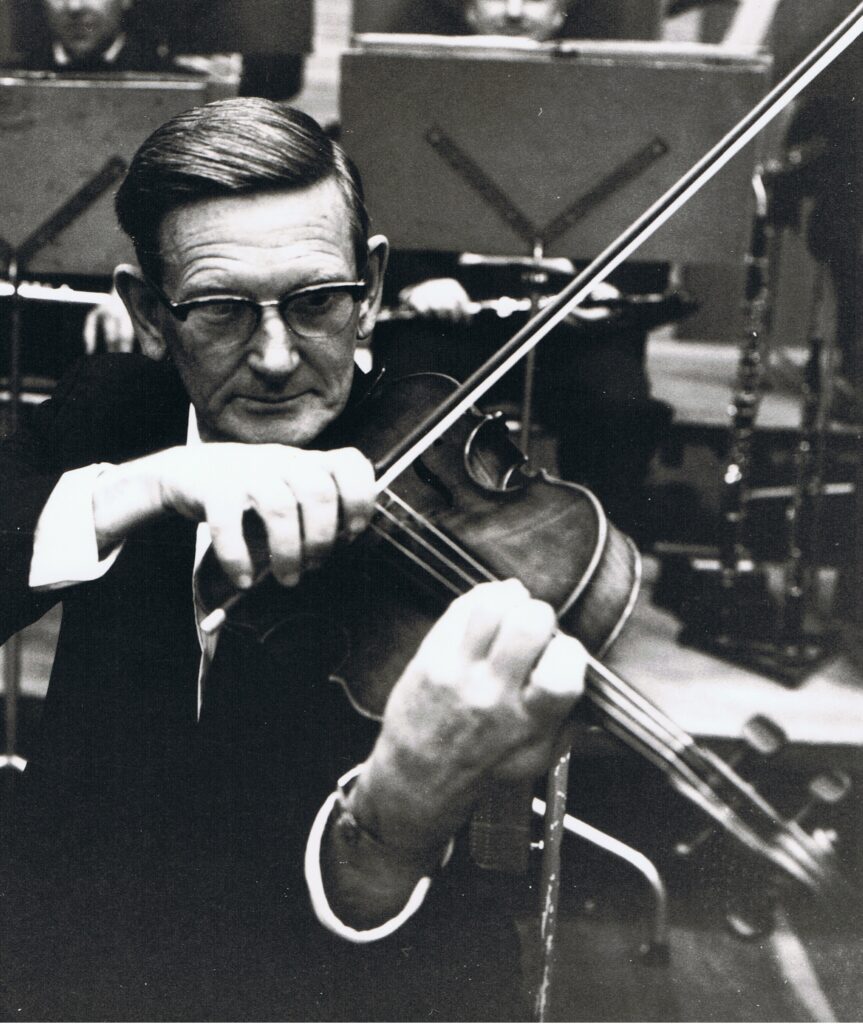
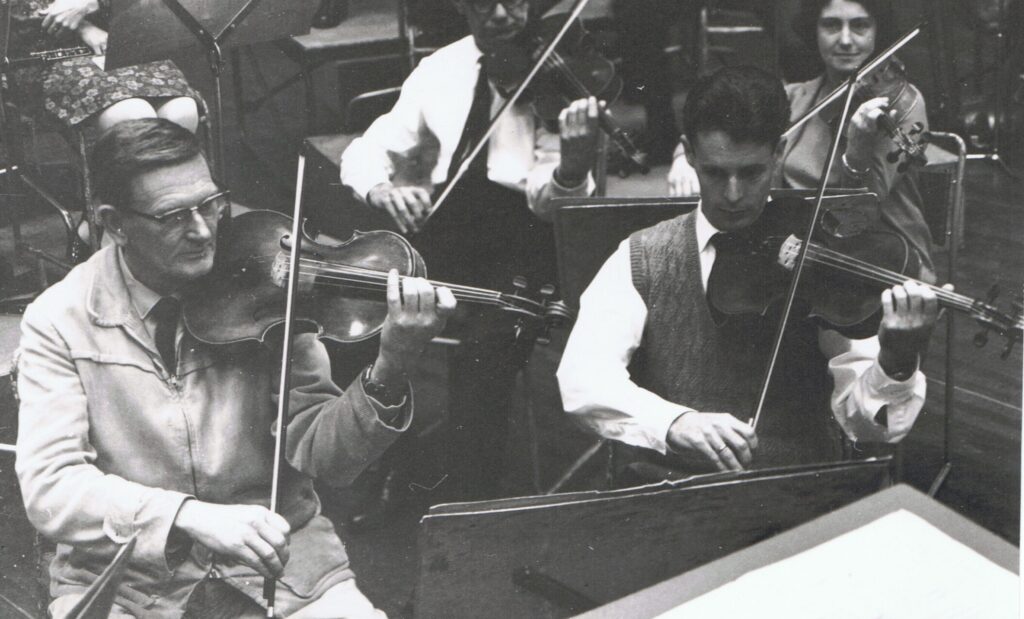
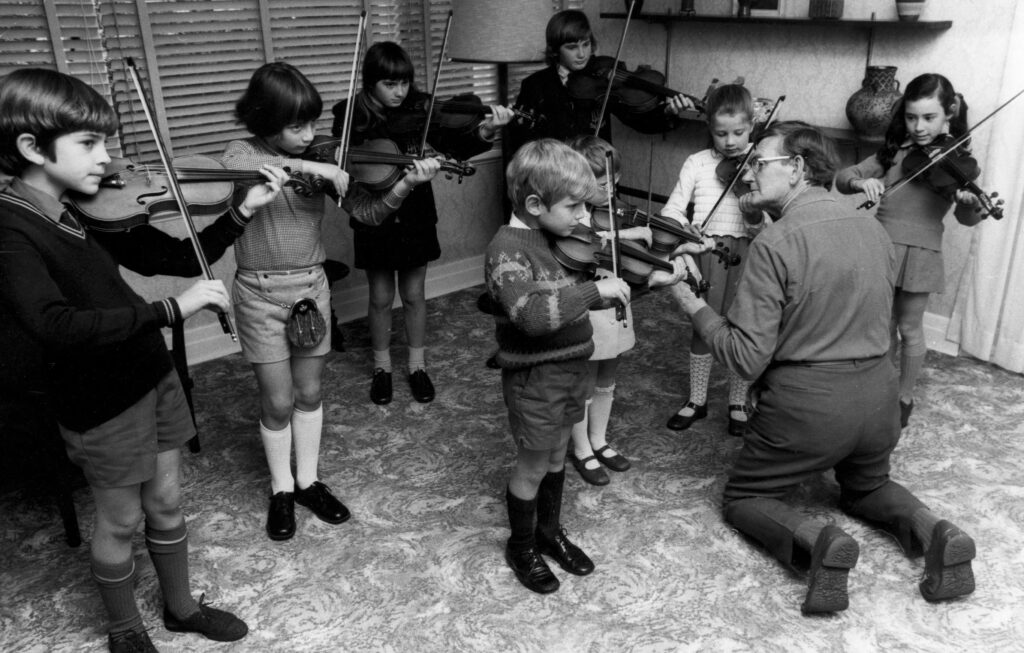
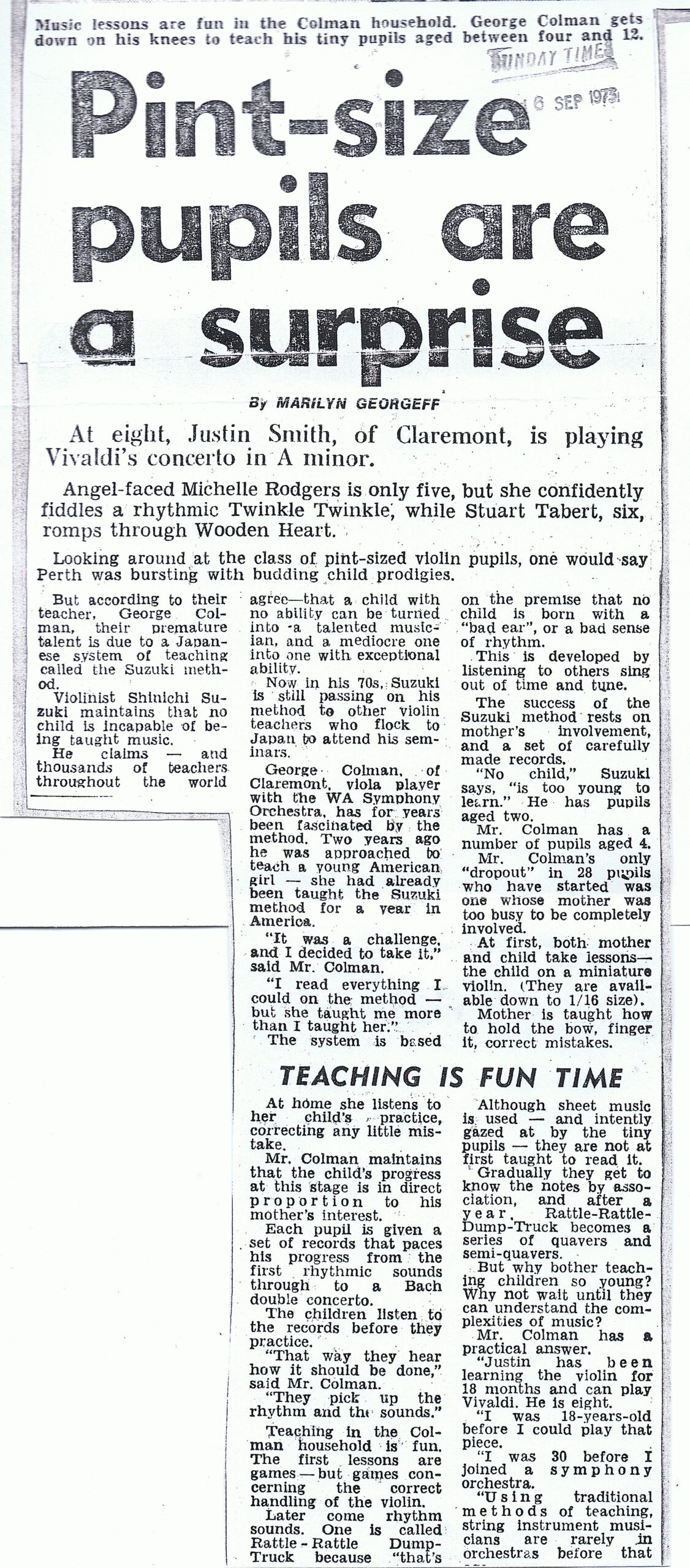
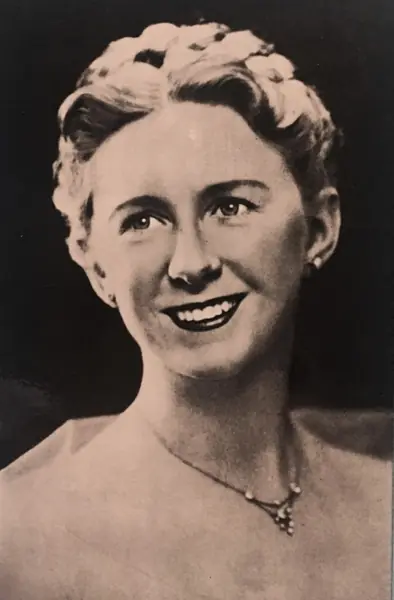
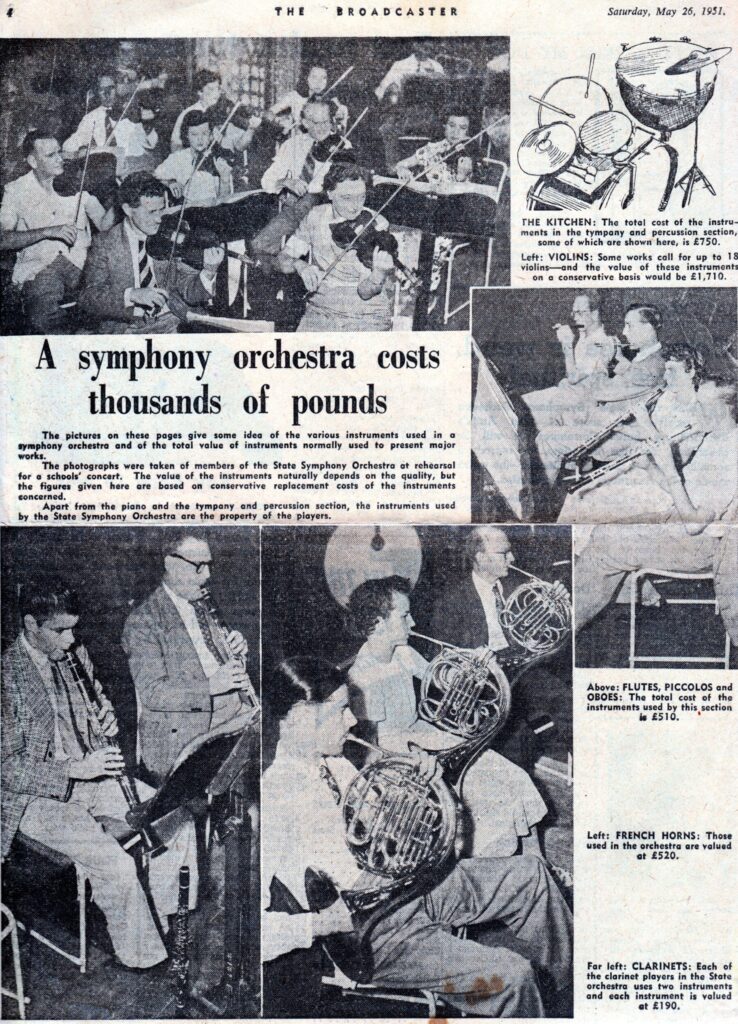
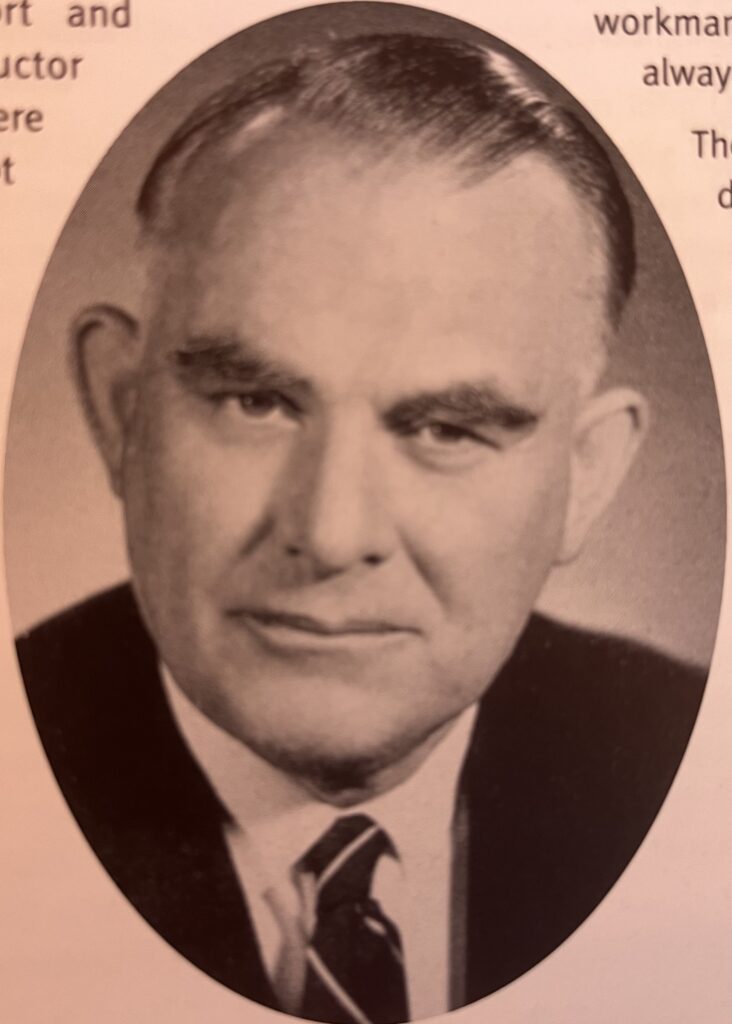
 Stephen L. G. Dornan, – L.A.B., A.Mus.A., a pupil of Mr. A. J. Leckie, Mus.Bac, left for, London this week to study at the Royal College of Music, having gained an Associated Board exhibition. This exceptionally clever young pianist, who is now only- 17 years old, has had a remarkable series of examination successes. He gained exhibitions in Grade III and Grade II. of the A.M.E.B. examinations, the gold medal and prize in both advanced and final trades of this Associated Board, and this year shared the prize for L.A.B. with 192 marks out of a possible 200. It was mainly through his active enthusiasm that the Young Musicians’ Club was formed in Perth. He has acted as president of. the club since its inception. The exhibition given by the Associated Board is one of three awarded annually in Australia. It provides free tuition at either the Royal College or Royal Academy of Music for a period of two years or more.
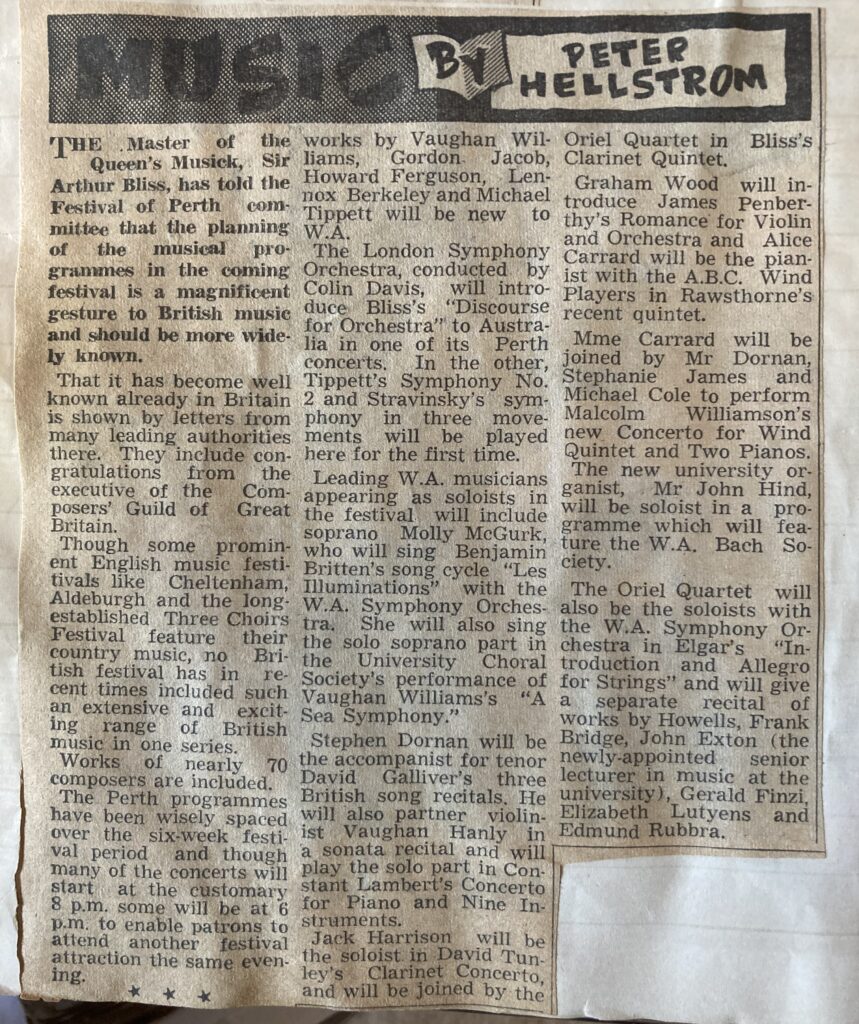
 1966
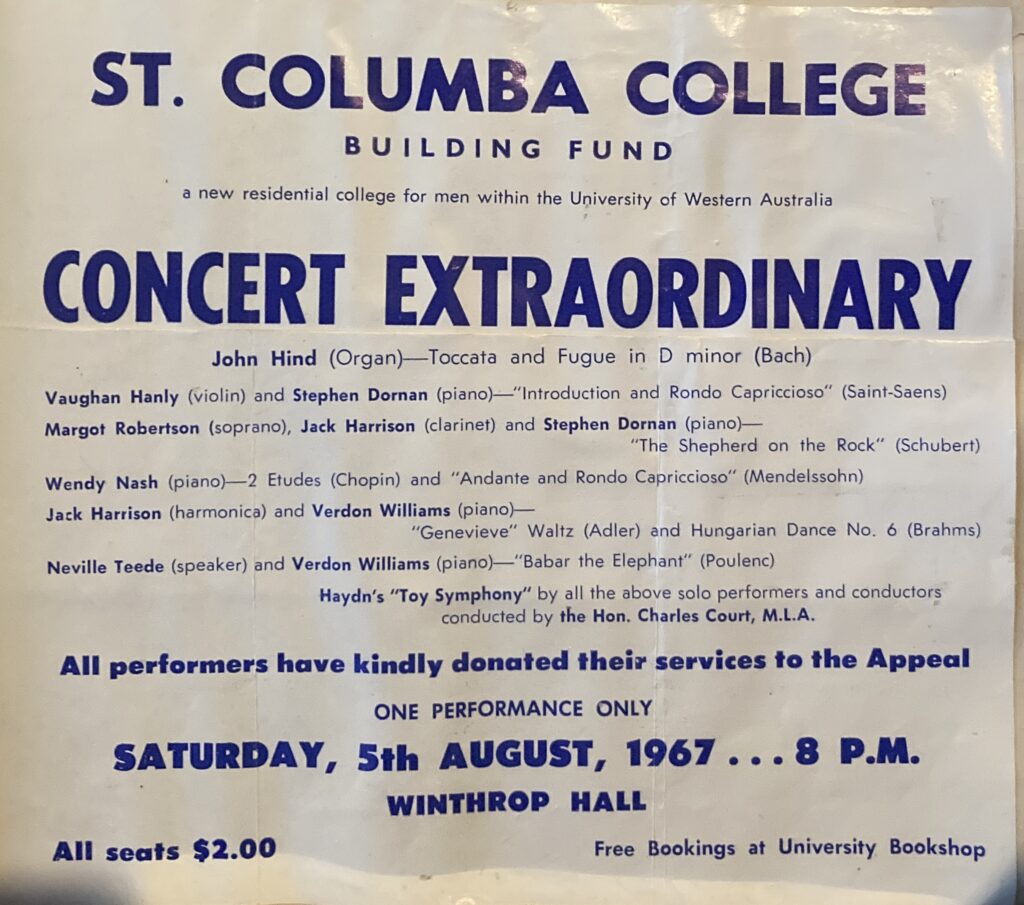
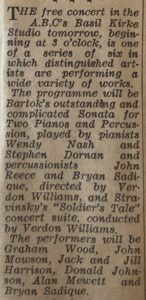
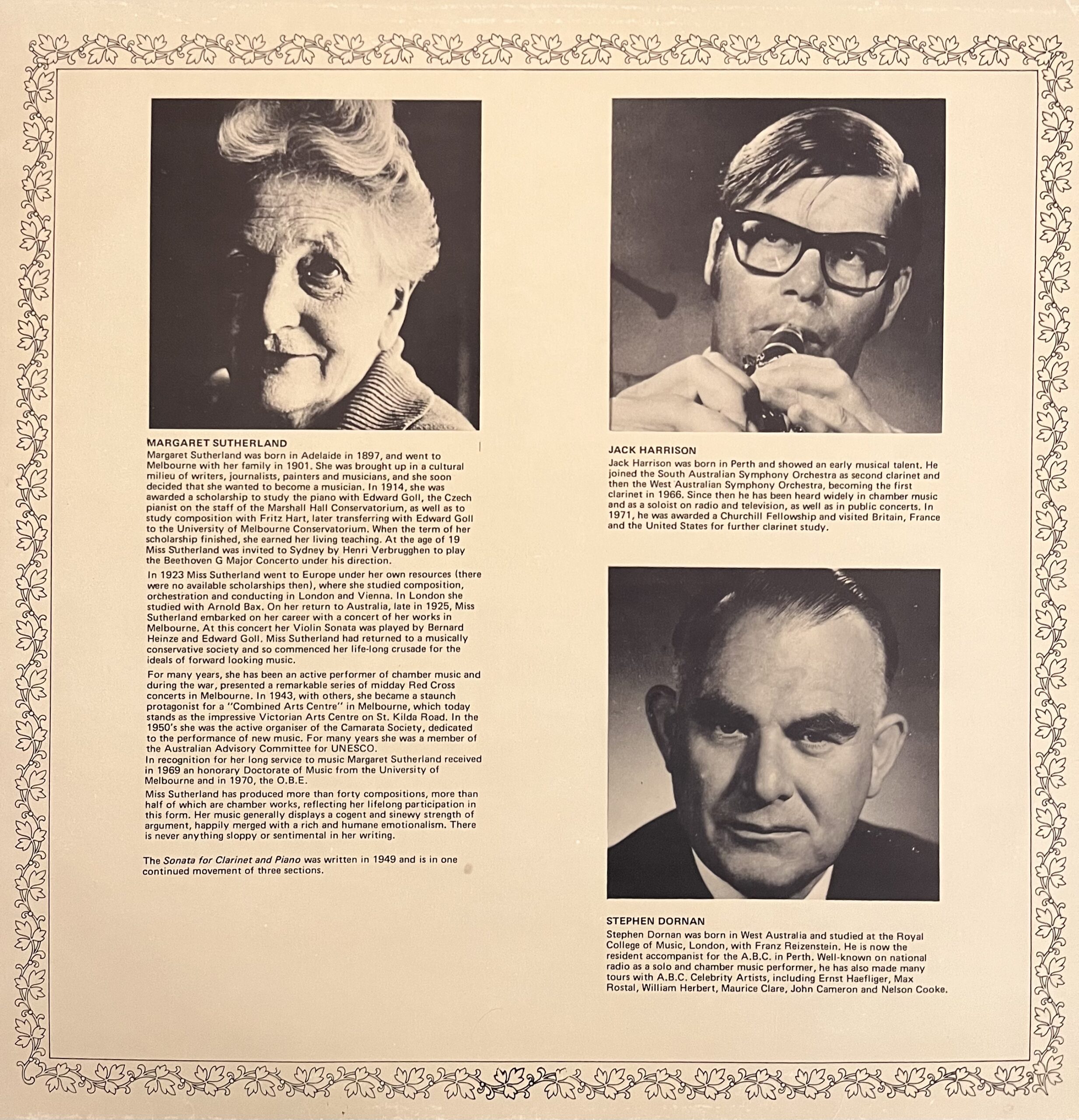
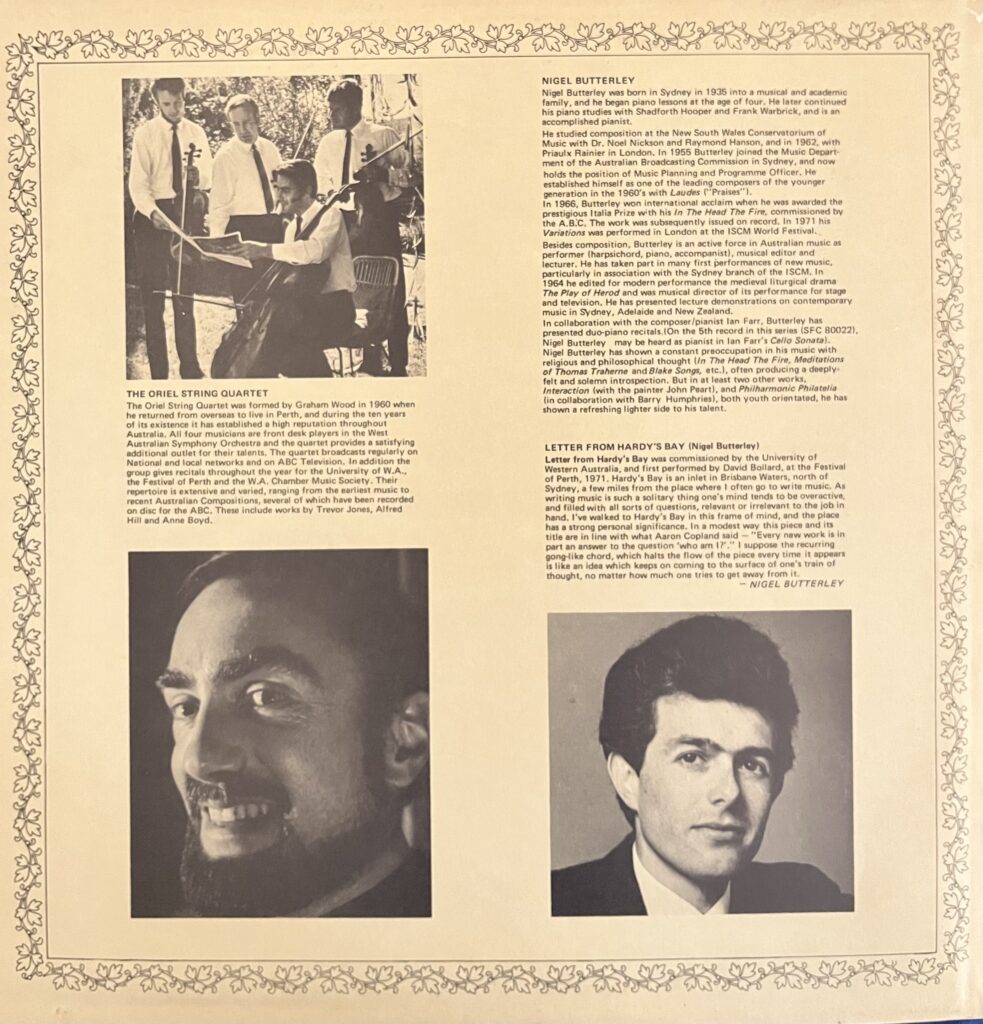
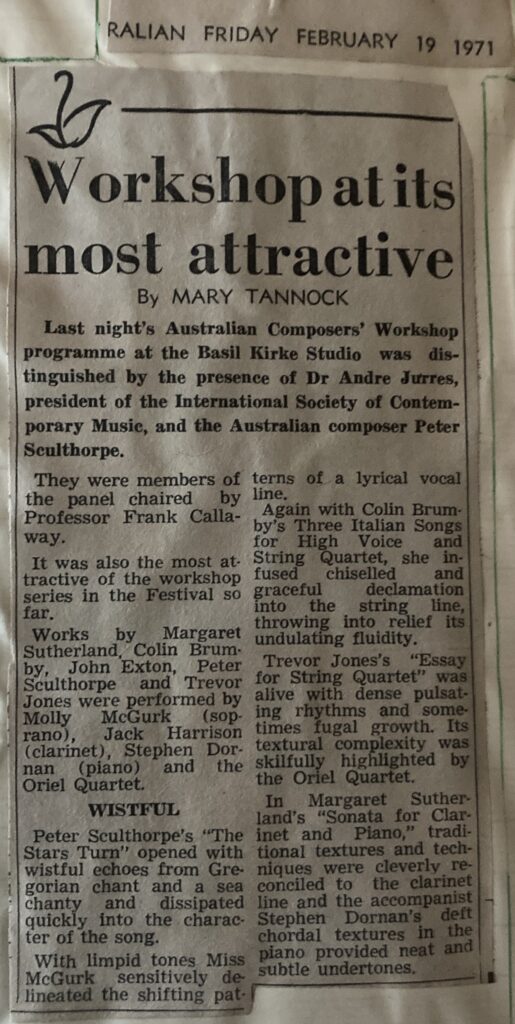
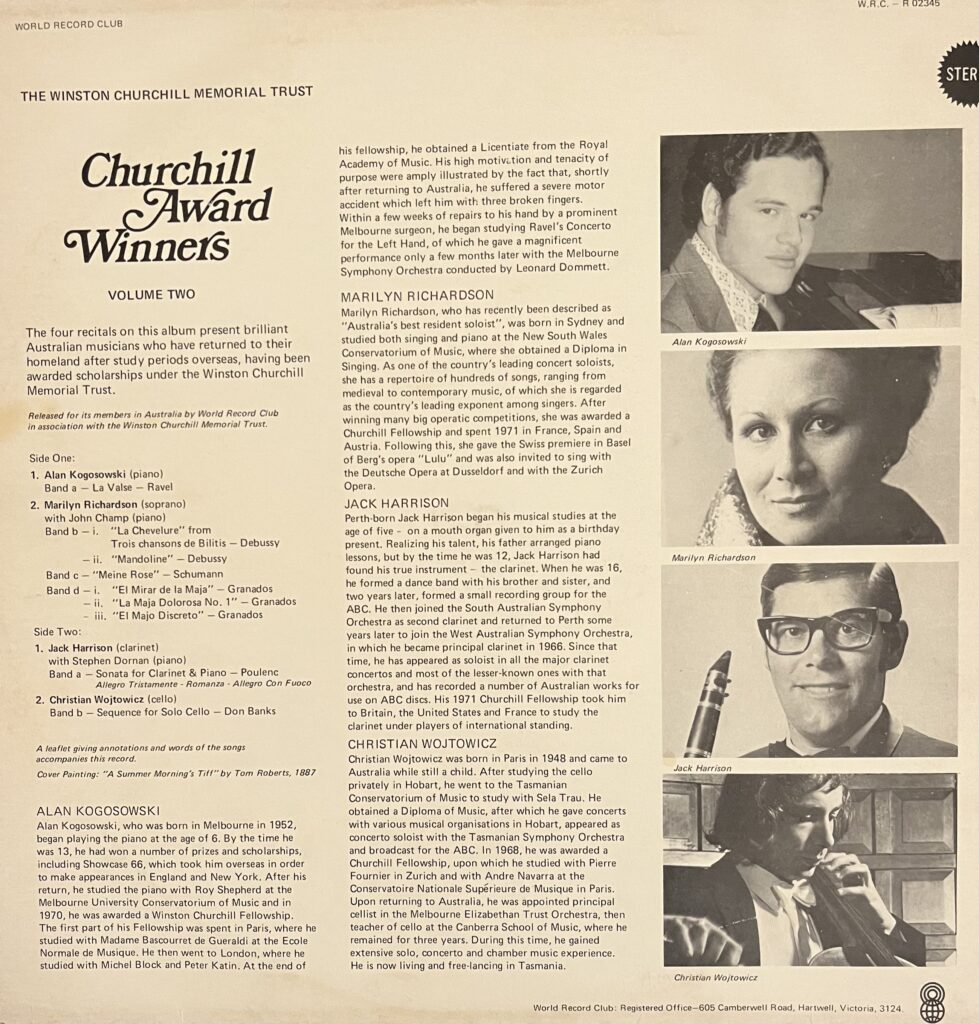
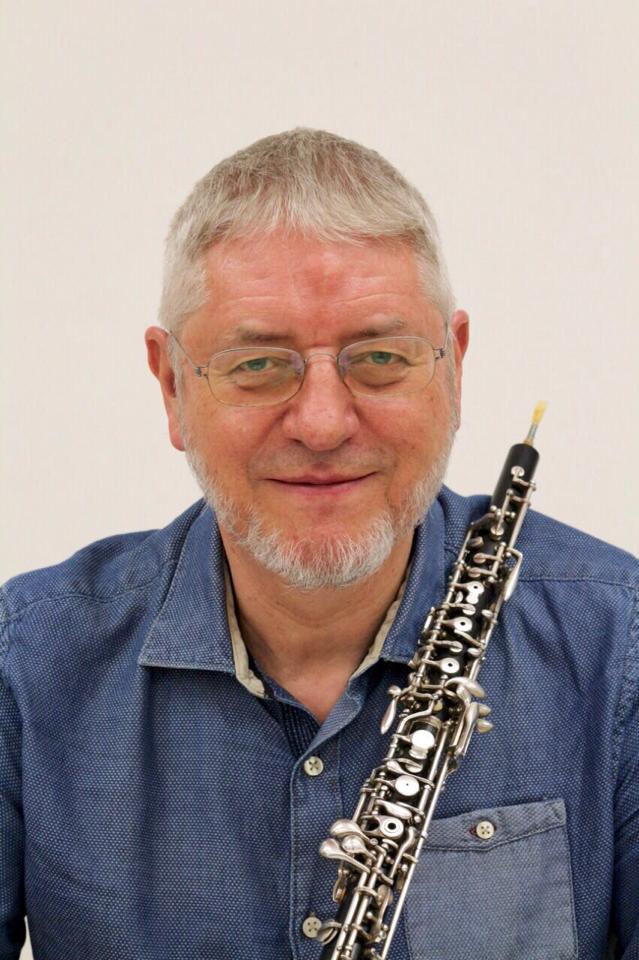
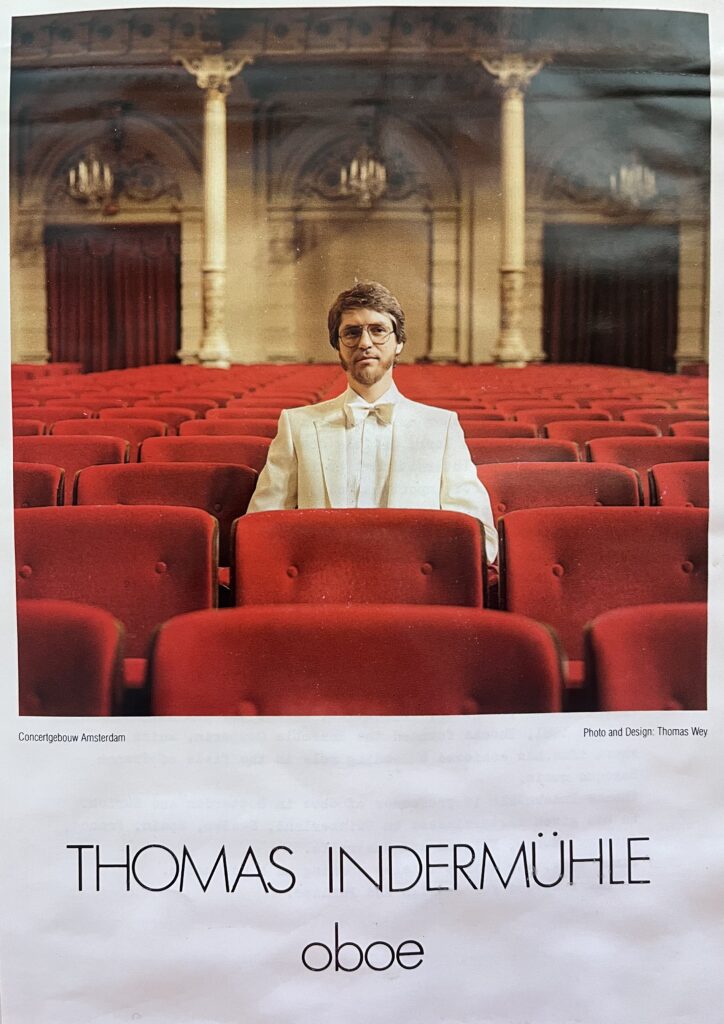
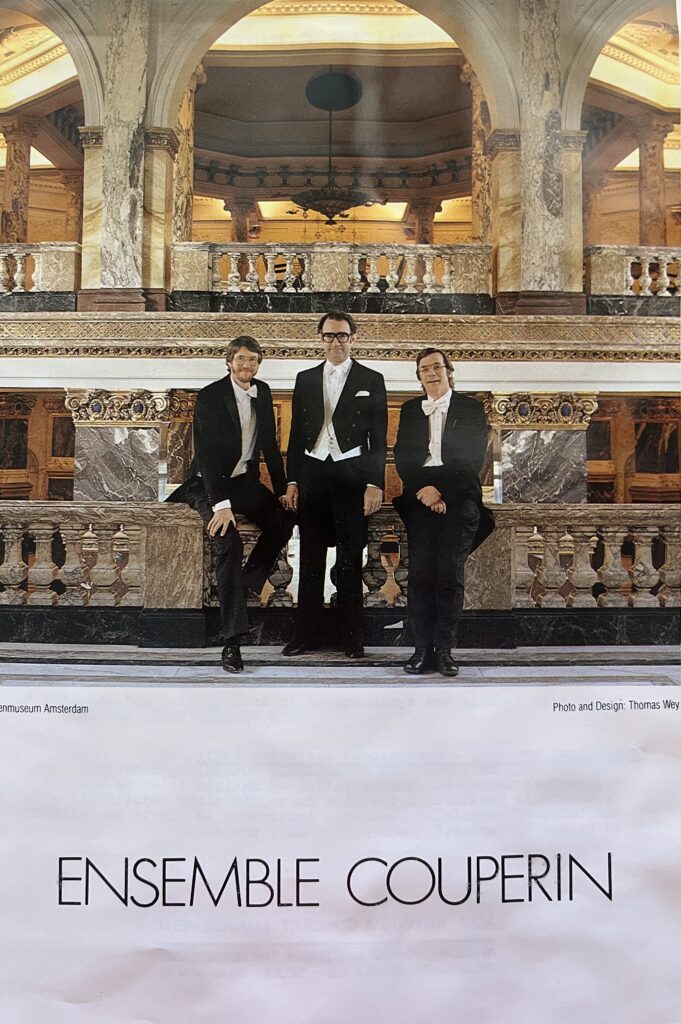
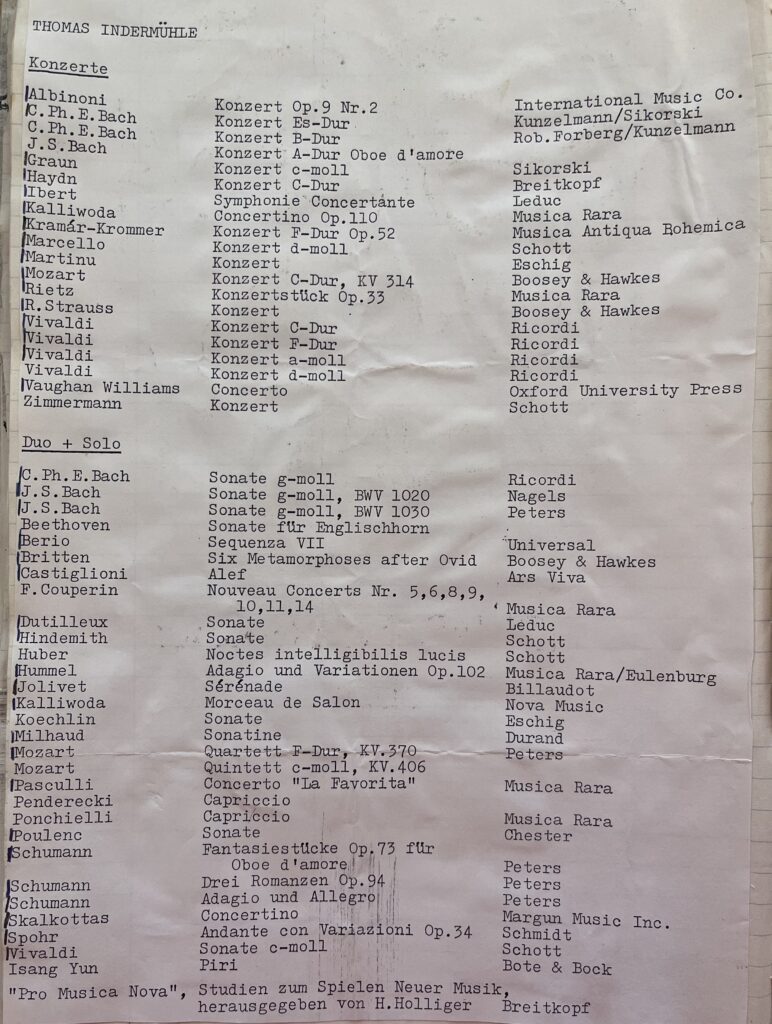
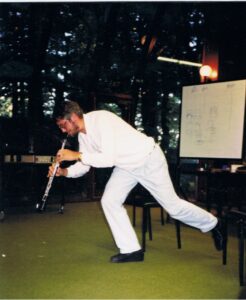
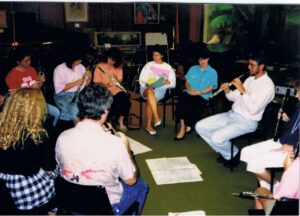
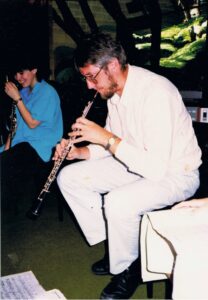
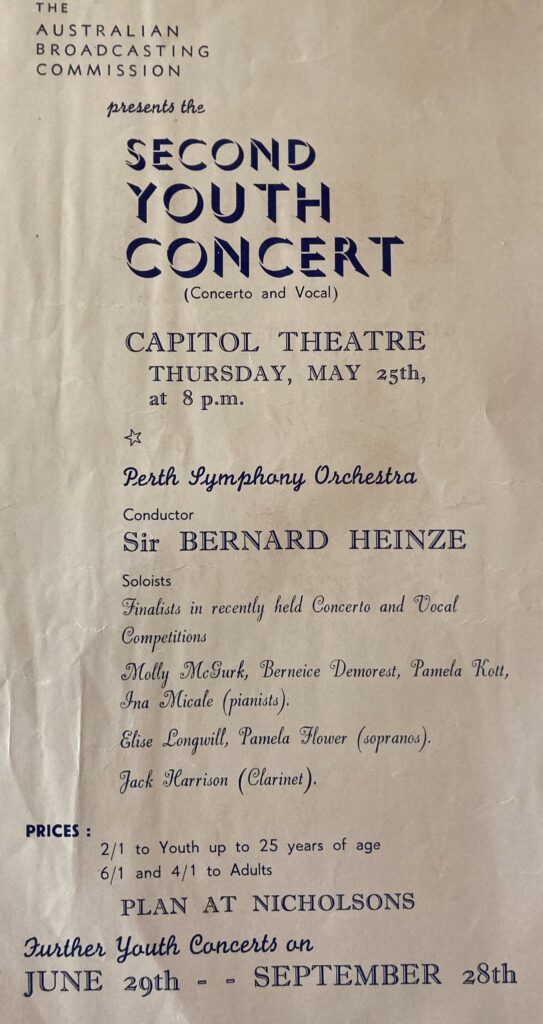
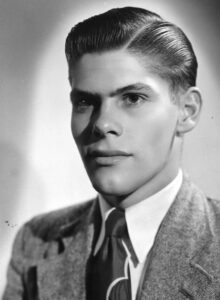
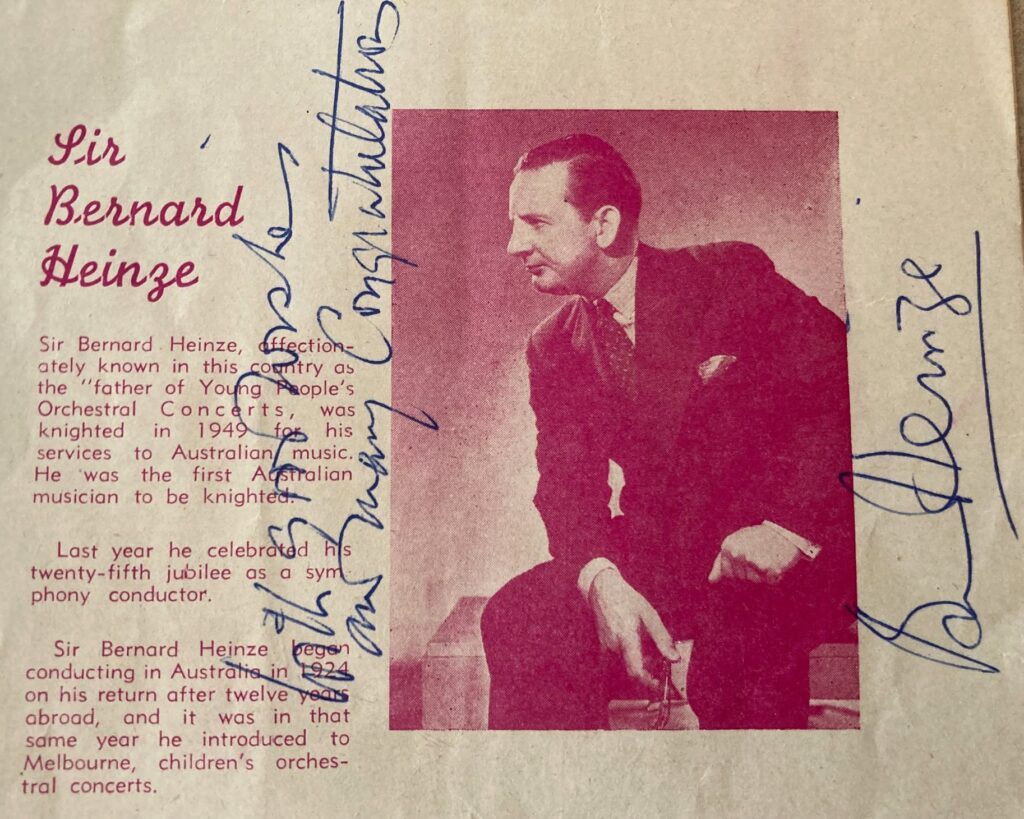 Sir Bernard Heinze – signed program
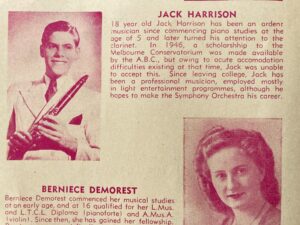
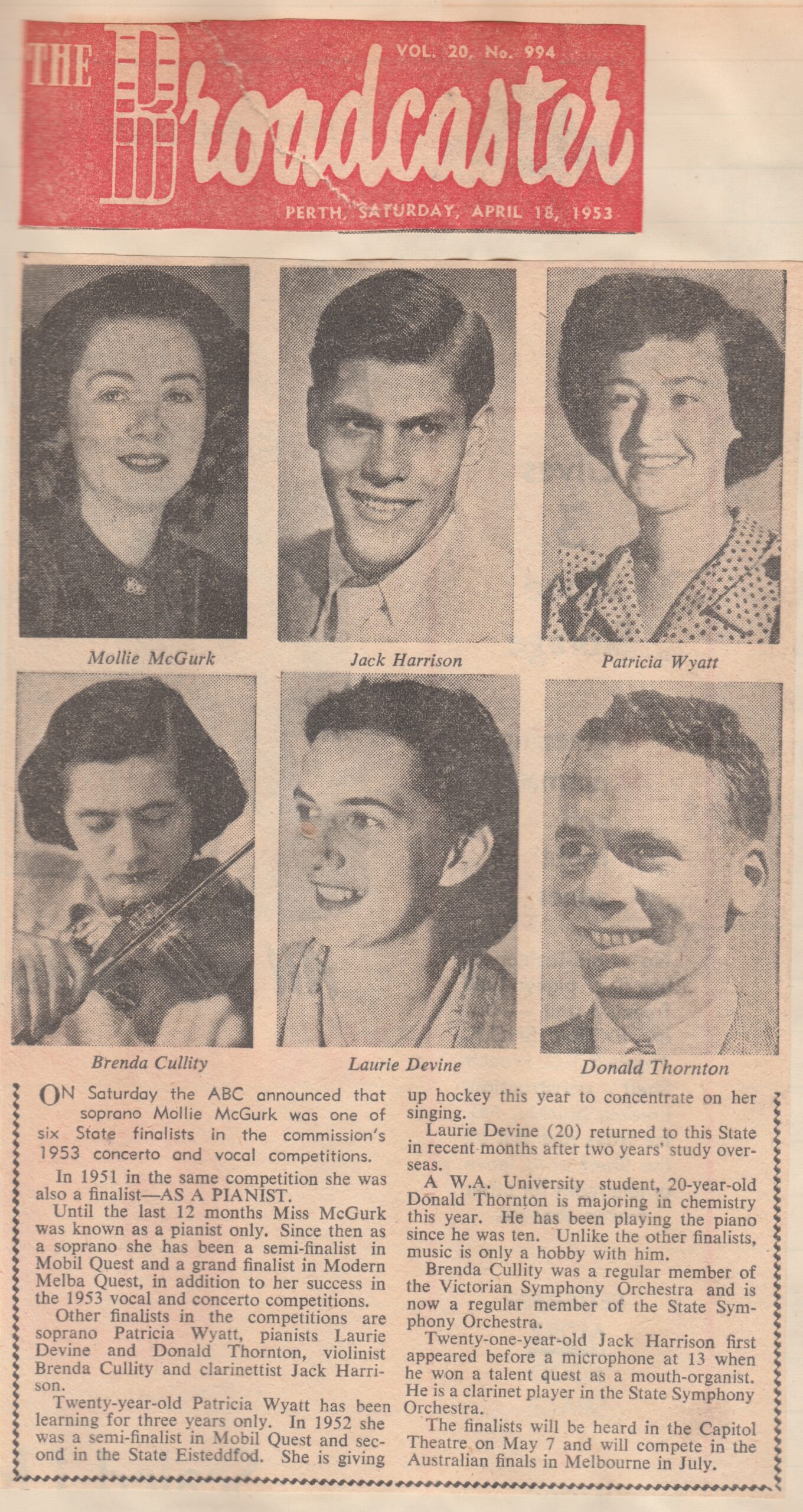
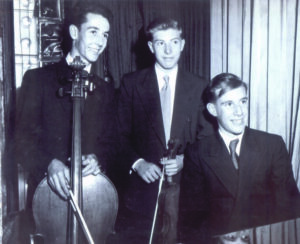
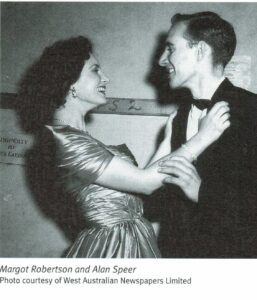 Margot Robertson was the soloist when the West Australian Symphony Orchestra travelled south in March, returning in time to take part in the Shell Aria Contest held in Canberra. In the eisteddfod held in conjunction with the main contest, Margot won champion lady’s solo. In June 1959, Margot and pianist Alan Speer won their sections in the state finals of the Concerto and Vocal Competition.
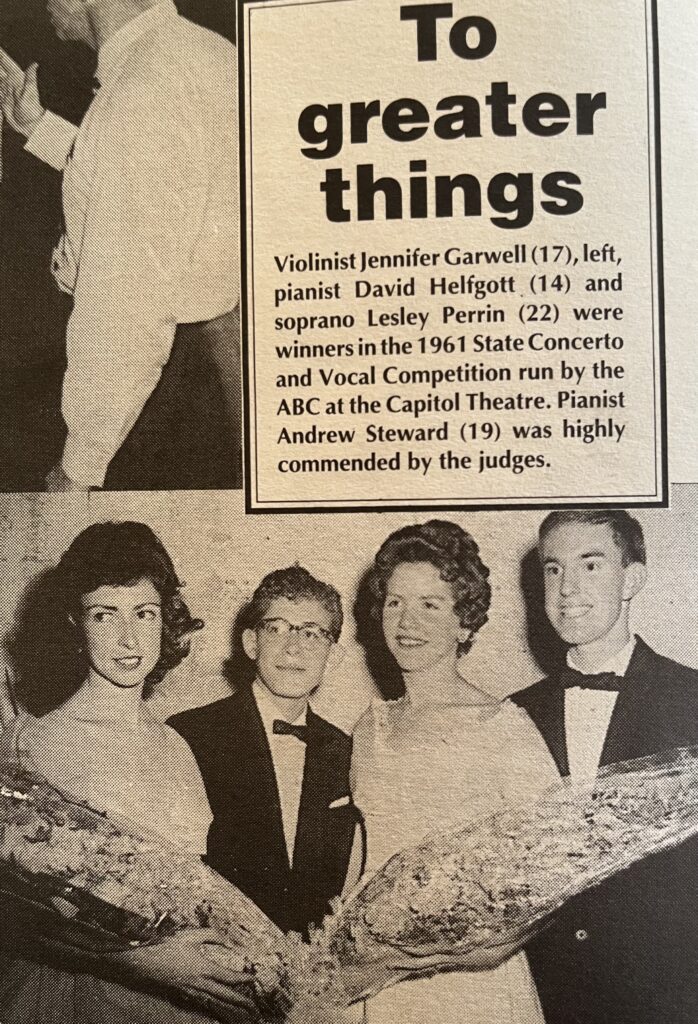
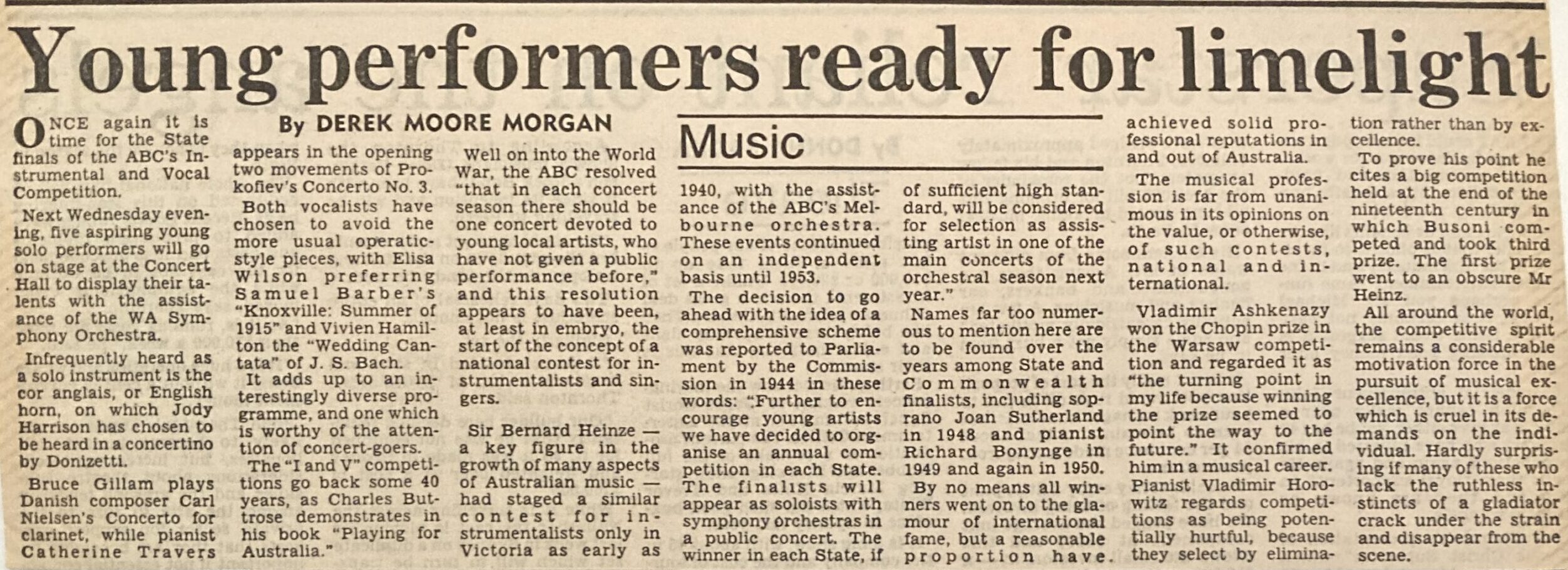
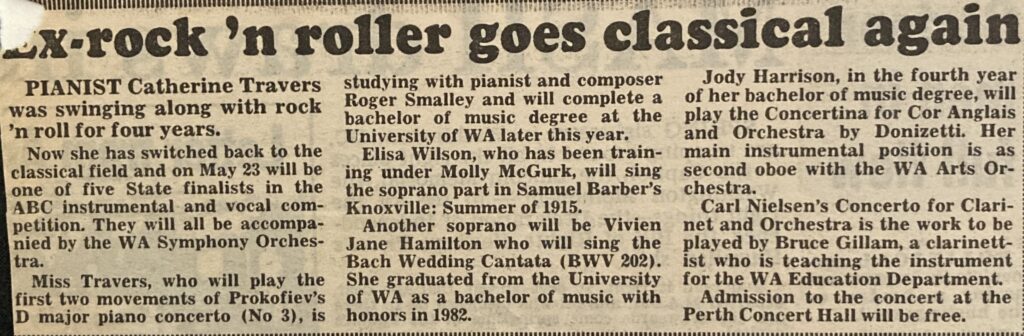
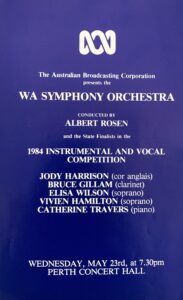
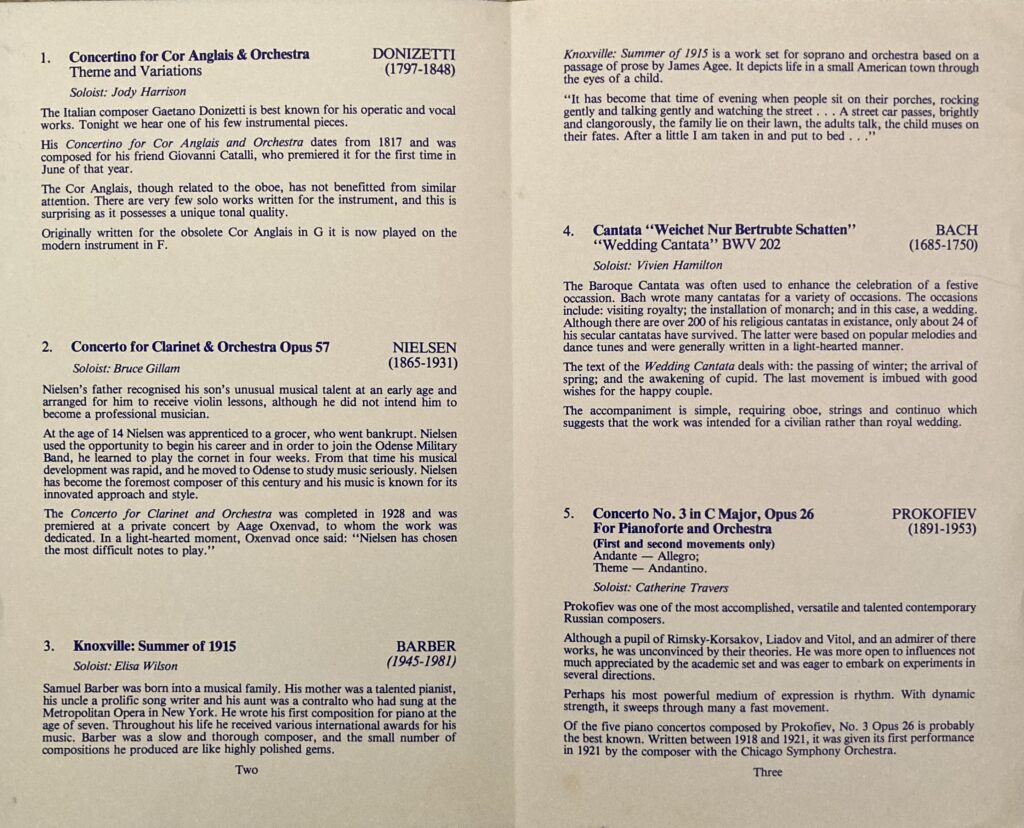
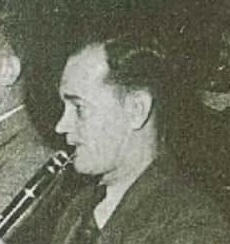
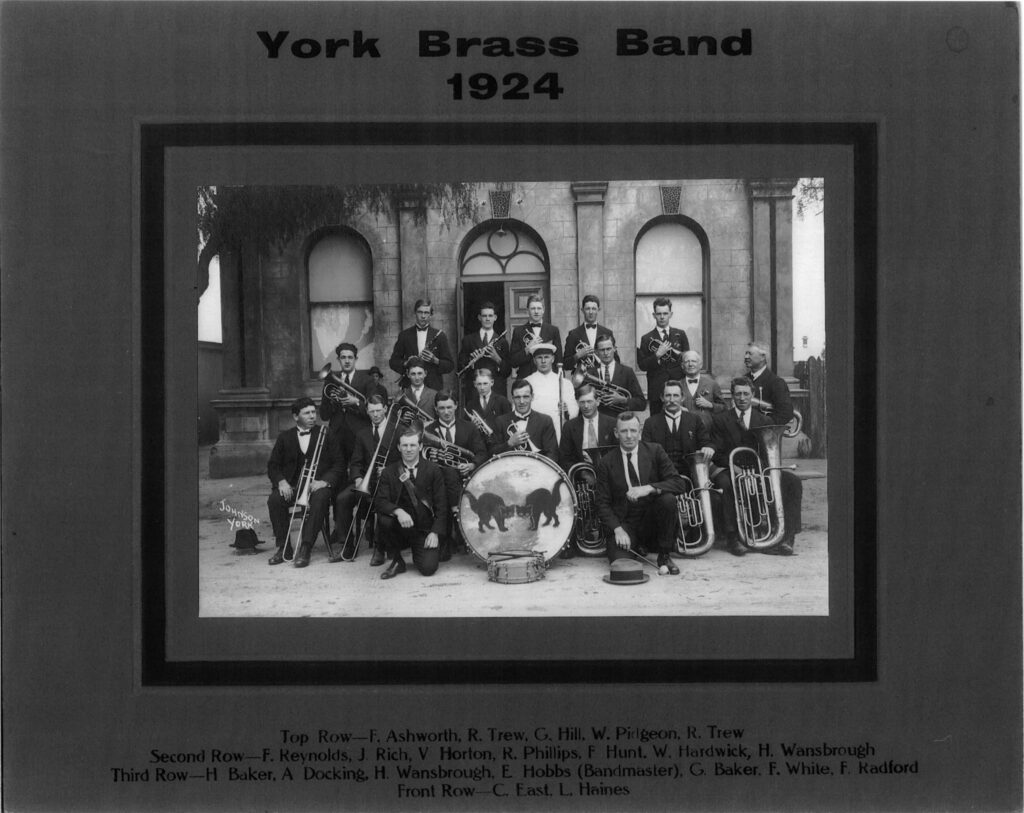
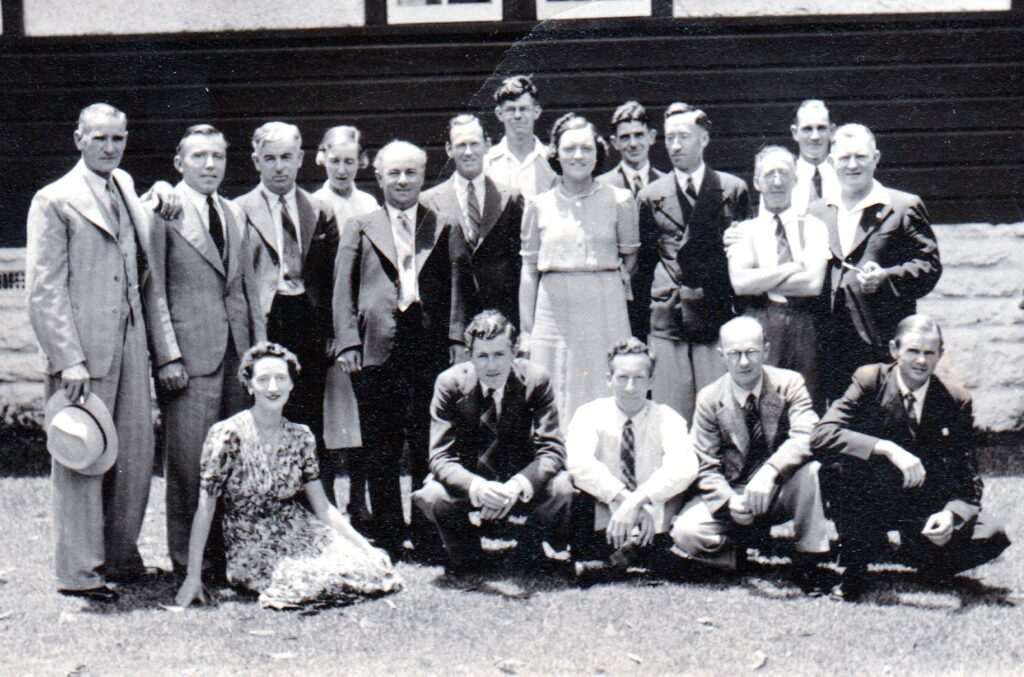
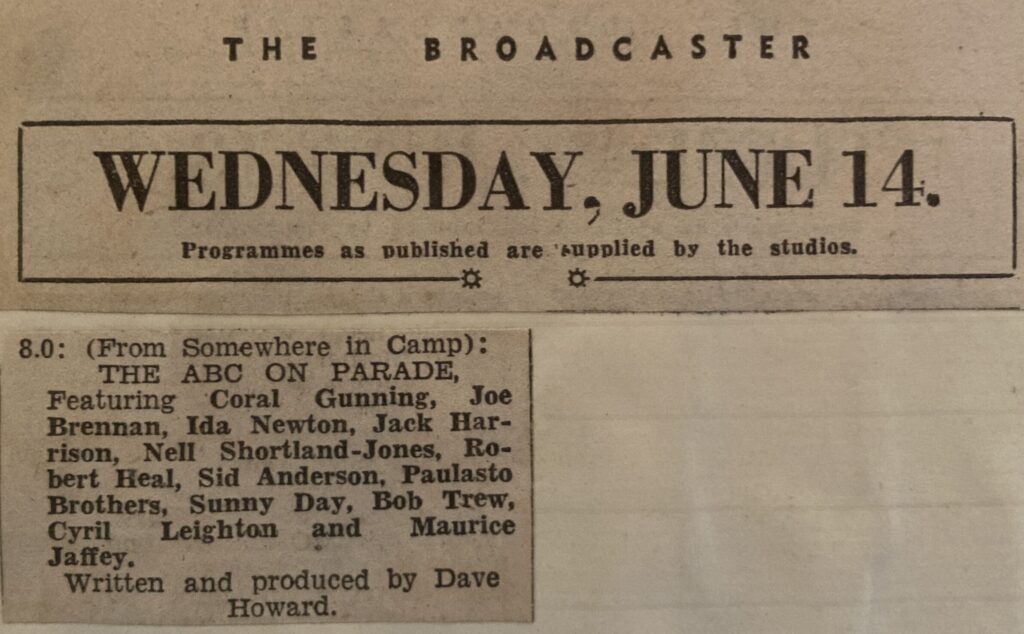
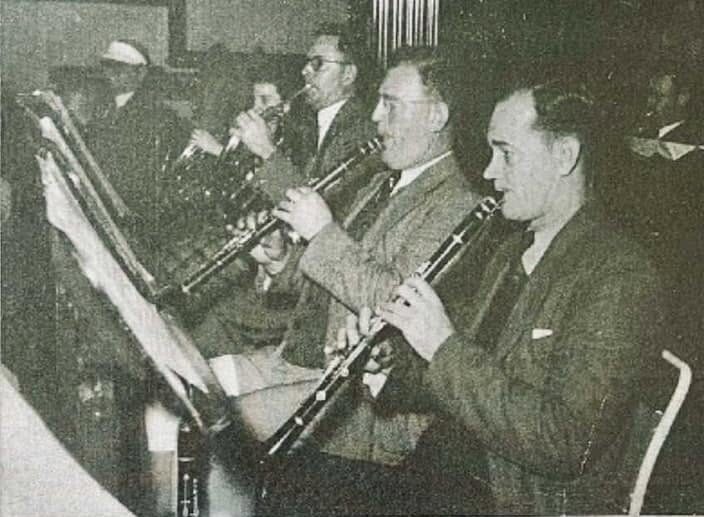
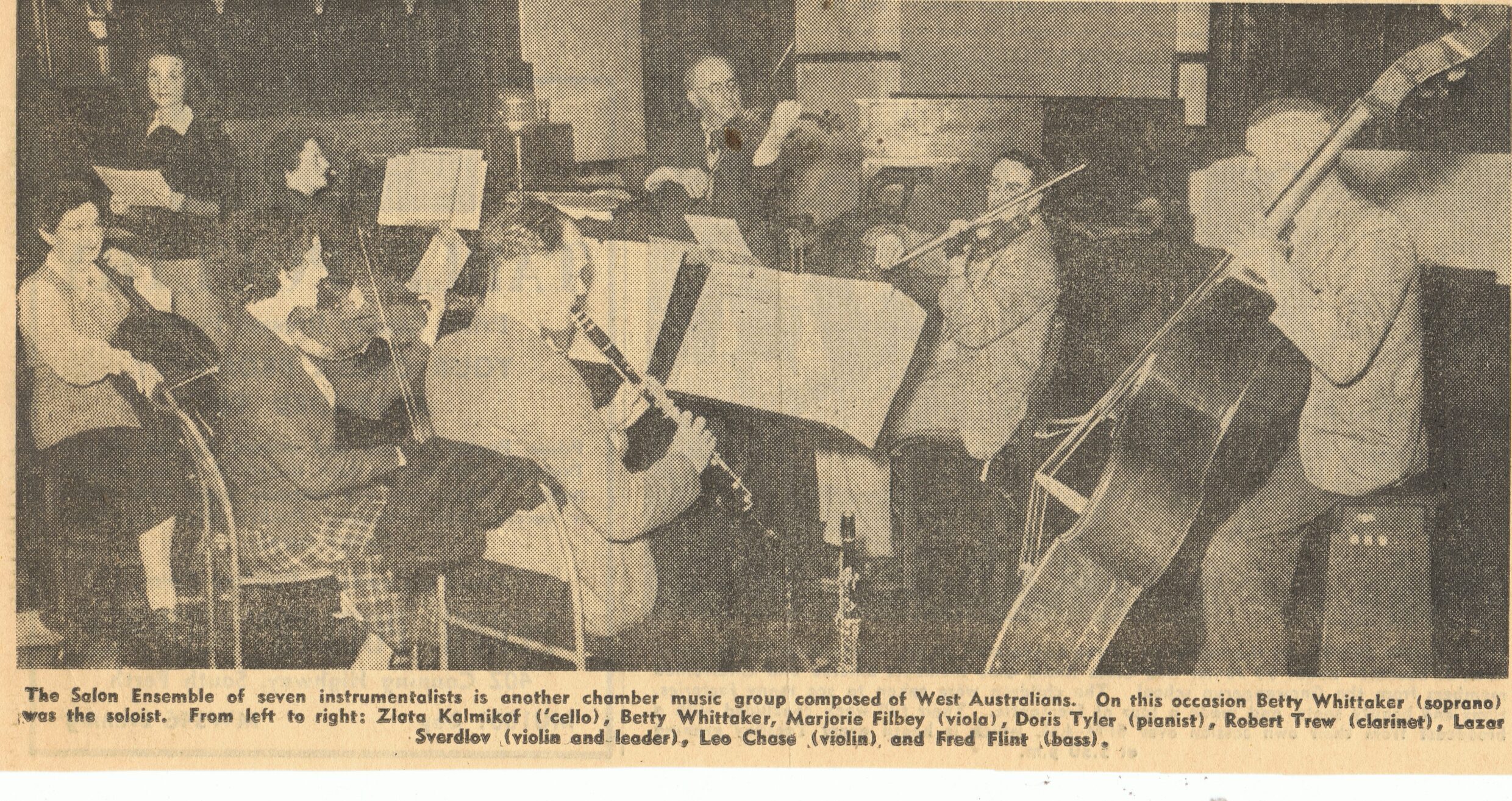
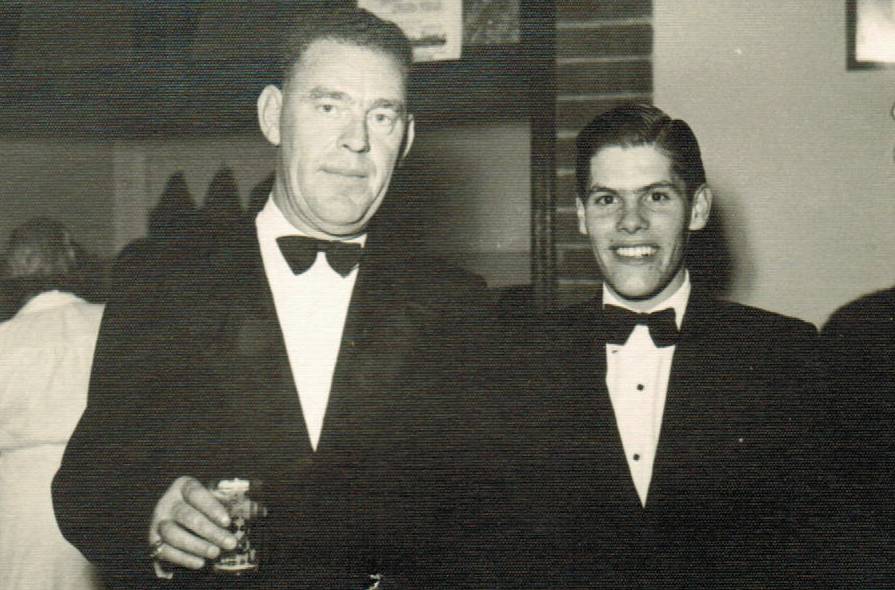
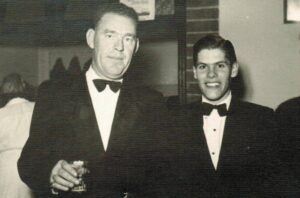
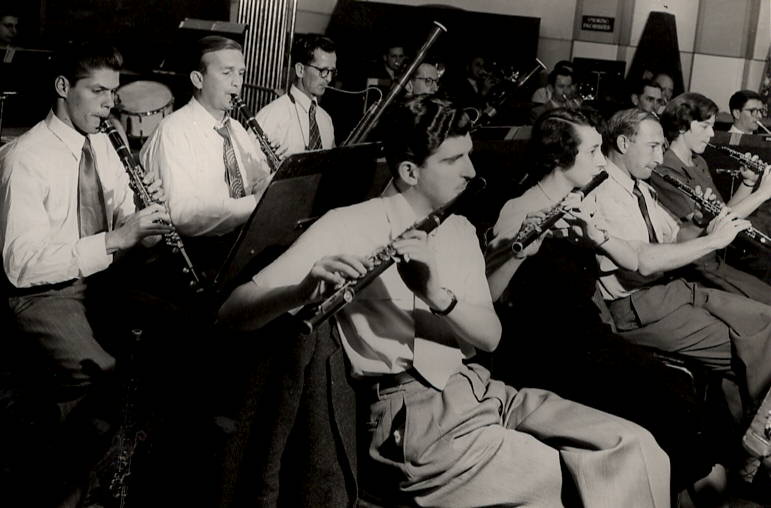
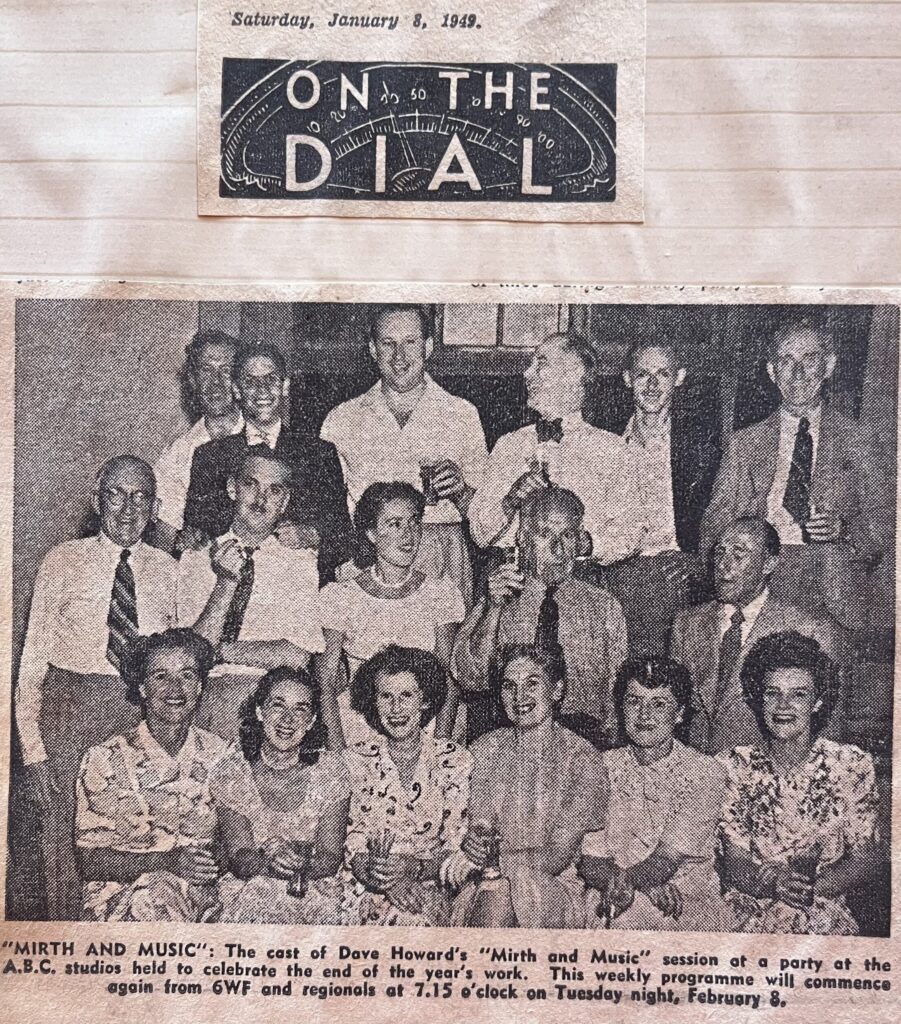
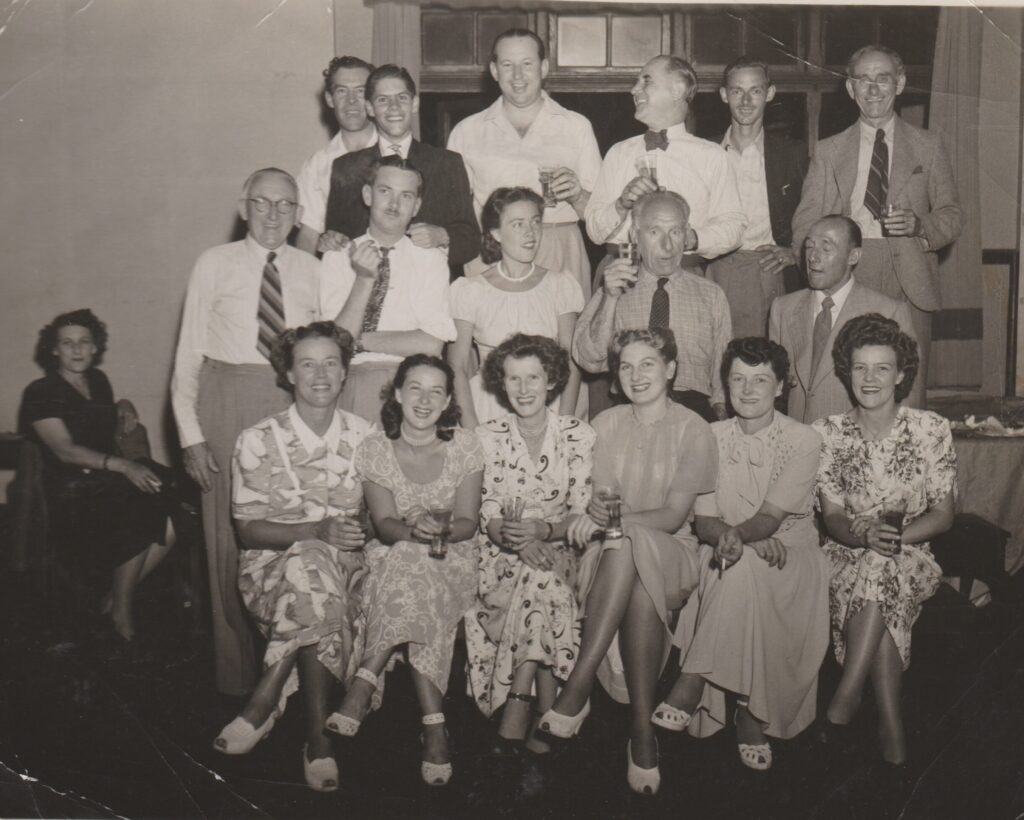
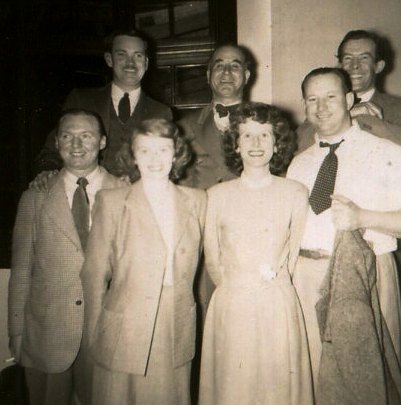
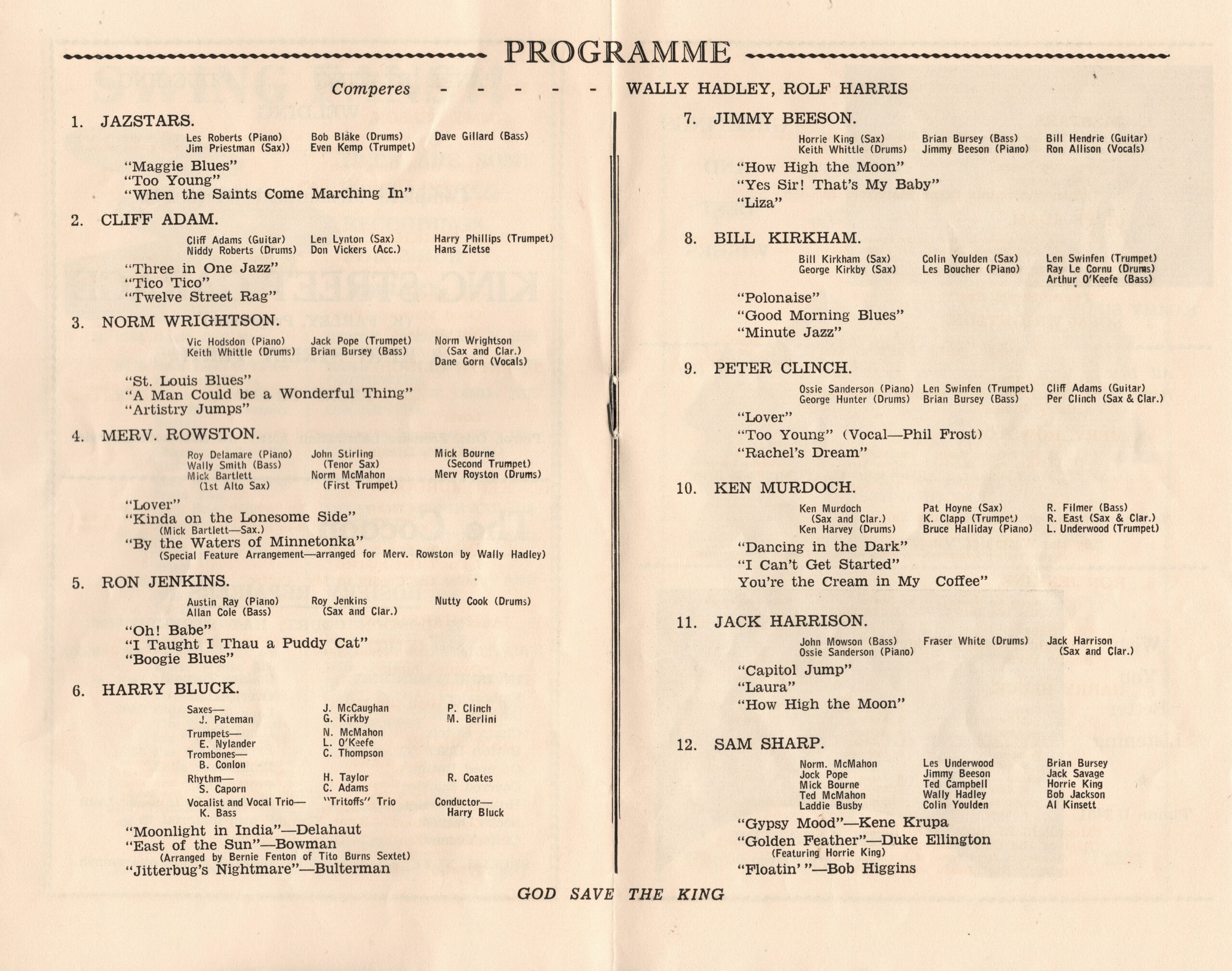
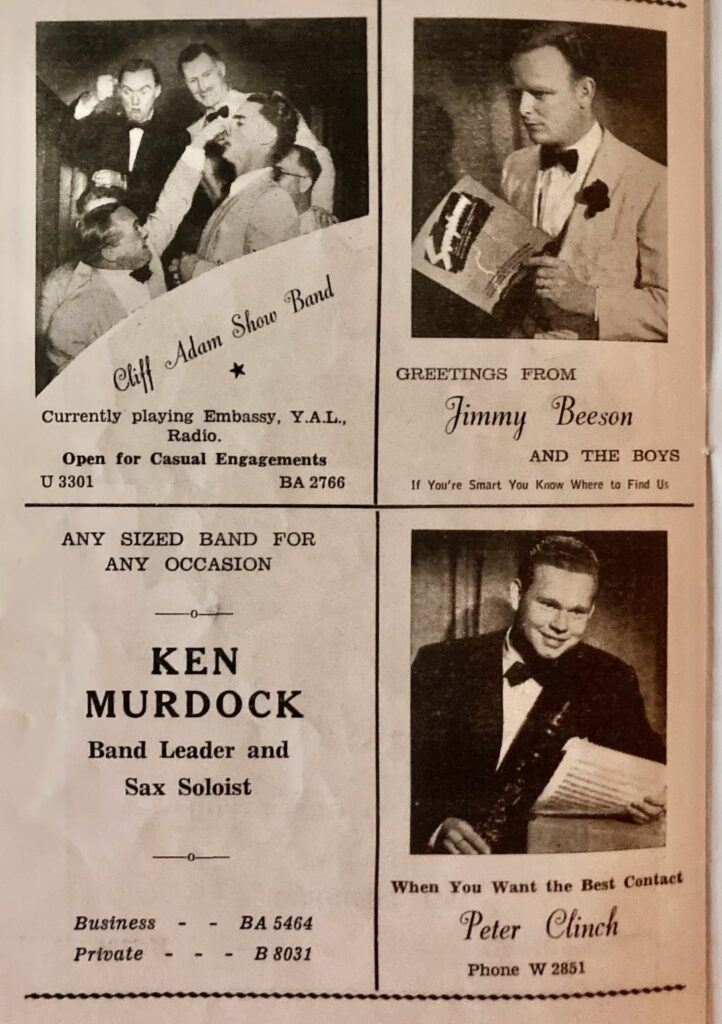 Wednesday 28th May 1952 – Jazz At The Capitol