Search names, events, places, organisations, and sources across the archive.
Person
GOSPER, Ken
Ken Gosper was an ex-Katanning lad.
1938
COMMUNITY CONCERT – FIRST OF 1938 SEASON.
The first community concert of the season took place on Thursday night in the Town Hall, when a fair gathering of enthusiasts fallowed Conductor Gordon “Billy Edwards” Beeck. As usual, Mrs. Kath. Williams did yeoman service at the piano. A new feature at this season’s concerts will be the use of slides for community numbers. They were introduced on Thursday and proved very popular. Mr. Palmer has kindly put the use of his plant at the disposal of the committee, and Mr. Max. Tonkin has undertaken the showing of the slides. Gordon himself has undertaken their preparation, and the first batch to be used consisted of the latest and most popular screen hits, such as “Rainbow on the River,” “”Hiis’ll Make You Whistlf,” “Moonlight and Shadows,” and many other not so new but still very popular. The committee is to be congratulated on this splendid innovation.
During the evening four artists appeared and were well received by the audience. Mr. Ken. Gosper played two piano solos, consisting of medleys of popular song-hits. Mr. Cliff. Pearson, who was accompanied by Mr. Beeck, rendered two delightful violin solos— “Tosselli’s Serenade” and. “Ah, Sweet Mystery of life.” • Ever-popular Mrs. Floyd sang two numbers, “Trees” and “Goodnight, My Love,” the latter being especially well received. She was accompanied by Mrs. A. Norrish. A piano solo by Mrs. Leppard was warmly applauded by the audience.
Conductor Gordon has yet another successful concert to his credit, his judicious mixing of community items, artists and slide songs and witticisms from the stage making a grand evening’s entertainment. During the evening, he announced that a concert would be held next Thursday, when a special programme would be offered, including a little dancer from Perth who appeared here last-year, local Artists and slide songs.
Great Southern Herald (Katanning, WA), Saturday 7 May 1938, page 5
1939
THE BOYS IN CAMP: Katanning Detachment 11th Battalion in Training.
Some nought-o-naught militiamen of the Katanning Detachment, 11th Battalion, entrained on November 10th for one month’s continual training in the metropolitan area, and from “Somewhere in Melville” comes news of their activities.
Travelling to Perth, they somewhat let down the reputation of the A.I.F.; but, although the engine-driver was obliged to wait on them at every station before proceeding, they at least did not pull the Railway Department’s property to pieces, and all arrived sound in wind and limb. They were met at Perth and transported to their future home by motor ‘buses, arriving tired and hungry shortly after noon.
The camp itself is ideal. Situated amid towering redgums, it presents the appearance perhaps more gene rally accepted as fitting a tourist camping ground than a military training camp. Row on row of teats pitched in a hollow amid the trees house the troops, while on the slope well-constructed and airy iron mess
huts are a popular rendezvous for a seemingly endless stream of men at the mess parades. Situated so close to civilisation, extra, conveniences are available in the form of a decent water supply, which operates in excellently constructed showers and wash basins, and all mess huts are electrically lighted.
Work for the day concludes at 4.30p.m., and after tea at 5.30 troops can obtain leave till 10.30 p.m. Many take advantage of the opportunity of getting out of camp, but a great number adjourn to the nearby Y.M.C.A. or Salvation Army tents, where letters may be written or books read and a wireless enjoyed. Entertainment is also to be found within the camp confines, and Ken. Gosper, an ex-Katanning lad, is ever popular with his piano-accordeon. It is a common sight to see anything up to a hundred men grouped around his tent in the evening, enjoying his gifted playing and wholeheartedly singing any familiar tune; nor is his audience confined to the “ungodly” and non coms., for often Sam Browns can be seen glistening in the light of theswinging lantern.
The camp of some nought-nought o-o men rises at 5.30 a.m., and after a morning run at 6 o’clock cleans up tents and prepares for the day’s toil till 7 a.m., what breakfast is ready. Getting under way at eight, the troops work till the welcome break for lunch at 12.30, and re-commence at 2 p.m. for a further 2 1/2 hours’ work. The need of the inner man is well catered for, a three-course meal being served at night while break-fast and lunch are all one could ask for.
Saturday afternoon and Sunday were spent cleaning up the camp site, and on Monday real work began. Troops worked on Tuesday morning, but in the afternoon only one parade was held—an M.O. parade at which they were “shot” for typhoid. “Shot” is the ideal word to use, as some of the lads, well primed beforehand with camp gossip, gently but most ungracefully passed out in the process, some before and others after.
CAMP LETTERS.
The camp is served with a daily inward and outward mail service, and all letters should be addressed to “C” Company, 11th Battalion Camp, Melville,” giving the rank of the addressee.
This article is merely to serve as an introduction, to the camp, giving a background to the life under training conditions. Next Saturday we shall publish some of the lighter side of camp life.
Great Southern Herald (Katanning, WA), Saturday 18 November 1939, page 4
1946 Make this a date
1946
SUNDAY JULY 28 1946 – MAKE THIS A DATE — GALA COMMUNITY AND VARIETY CONCERT, Princess Theatre Fremantle (Kindly loaned by Grand Theatres) Proceeds in aid Fremantle City R.S.L.. LOOK AT THIS LINE-UP OF TOP-LINE ARTISTS: Joan Bridger — Sweet Singer of Popular Songs. Jackie Harrison — Our Own youthful Larry Adler. Frank Fenn — the Very Different Funny Man. Len Ford -Fremantle’s Popular Baritone. Ken Gosper — and his Melodious Piano Accordeon. Angus McLean — Master Exponent of the Trumpet. Betty Elder – Vocalist. And ‘THE HOT SHOTS’— Non-Stop Crazy Musical Act Including: Merv Rowston at the Drums and Horno-Washboard. Jack Samuels — The Singing Cowboy. Lionel and A. — The Barnyard Musical Duo. Skinny Guy – Corn Doctor. THIS IS A RIOT ! ! Quick-Fire Quiz. Boodle for Brains. Cash Prizes. Introducing ‘Asparagus’, The Quiz Kid.
On Thursday evening last Mr. Evans of Perth brought his vaudeville show to Toodyay to present the “Gaieties of 1946.”
Among the artists, most of whom were returned servicemen, were: “Nutty” Cook (drummer), Greta Hall (singer), Mr. Rennie (comedian), Ken Gosper (piano accordion), Yvonne Teague (ballerina), Miss Wylie (ballet mistress), Mr. Young (saxophonist, clarionet and violinist), Miss Cecilia Young (show girl and ballet dancer), Great Devante (Master of Magic), Ian Meale (female impersonator) and Eric Allen (novelty pianist and musical director). Some very interesting funnies were put over by the talented comedian and ballet dancing was also well received by the large audience. Orchestral and band musical numbers were sundered right throughout the programme, making excellent accompaniments for the well-known and most popular numbers sung by Greta Hall. This show will be presented in Kalgoorlie tomorrow night and will .be leaving for South Australia early in January. We wish Mr. Evans and all his artists the very best of luck and trust they may return at a later date with bigger shows for a much increased audience of people.
BRUNSWICK – HAPPY CHRISMAS PARTY AT LOCAL CREAMERY DEPOT An artist’s impression of the proposed new premises of the Brunswick depot for Peter’s Creamers Ltd., dominated the scene, when over 400 producers and customers of the district were entertained by the firm on Wednesday last at Brunswick. Perth artists in A.B.C. announcer Peter Harrison, Martin Gischus, Al. Thompson and Lionel Urquhart, with Ken Gosper at the piano, provided the tempo for the happy throng, who seated at the long tables in the hall, thoroughly enjoyed the party.
Harvey-Murray Times (Bunbury, WA), Thursday 24 December 1953, page 8
from Cater = English – occupational name for the buyer of provisions for a large household from the Anglo Norman French acatour from the Late Latin acceptator, to accept, to receive.
Henry William Chayter’s father, RICHARD HENRY CHAYTER was born in Brisbane and married MARY ADAMS, who was reputedly an excellent artist, particularly with oil painting. Richard first commenced work with Queensland Agency (a wholesale grocer) and later formed the firm of Denham and Chayter (wholesale grocers), Brisbane. In 1932 he joined the staff of R.M. Gow. He was active in retirement (1948) and attended to office work at Monument Motors Tingalpa. Richard was a keen follower of Rugby League and cricket and was a life member of Brisbane Cricket Club. He resided on The Esplanade, Manly for 40 years.
Mary died in 1944 and Richard in 1959 aged 79 after a short illness (he suffered from Asthma).
1911 Rollo Chayter with his parents
The four children of Richard Chayter and Mary:
Marie (m Edmund Burkitt)
Jean (m. Arlie Raymond)
Raymond Adams (lieutenant in the R.A.Navy)
HENRY WILLIAM (married NORMA HELENA EMILY HENLEY)
1937-Rollo-29-Marie-23-Ray-17-Jean-15.1907 Henry ‘Rollo’ Chayter
HENRY WILLIAM CHAYTER was born on 7.10.1907 in Brisbane Queensland.
1910 Henry ‘Rollo’ Chayter
He was confirmed on 19.9.1923 at St Peter’s.
Henry used to have a saying “never under 100” due to this one theory exam:
Never under a hundred
1925 “Rollo” at Church of England Grammar School
He lived in Manly and attended Church of England Grammar School.
1920s Rollo at Churchy1920s Rollo at school at “Churchy”
Henry was a mad keen cricket player (wicketkeeper), was on the athletic, tennis and football teams and earned the nickname “Rollo”, named after a rotund draft horse which rolled the cricket pitch.
1920s Rollo – on back is written “The Millionaire of Manly”
Rollo played state grade cricket for Brisbane.
1928 Rollo in his cricket gear
Henry passed his Junior in 1924 (English, Arithmetic, Algebra, Geometry and Chemistry) and was then apprenticed in 1926 to pharmacist John Richardson of South Brisbane for three years (earning 15 shillings the first year, 20 the second and 25 the third).
1926 Rollo’s apprenticeship
Rollo became a Chemist, graduating from the Pharmacy Board of Queensland in November 1930.
1930 Rollo is a qualified pharmacist1931 Rollo’s registration for pharmacy
Norma Henley and Rollo Chayter ticked1931 Norma Henley and Rollo Chayter
Rollo was married to NORMA HELENA EMILY HENLEY on 28.11.32 in the Chapel at Church of England Grammar School by Canon Morris.
1932 newspaper article – wedding of Rollo and Norma
Canon Morris gave them a bible as their wedding present. The wedding car was the Chayter’s huge Graham-Page with flowers in the vases on each side of the cabin. The reception was at 45 Graceville Avenue (“Euroka”) where apparently all the kids got drunk on claret cup!
1932 wedding of Norma Henley and Henry Chayter1932 Chayter Henley wedding
For their honeymoon Norma and Rollo went to “Ashmount”. Rollo was not a bush boy and Norma broke him in picnicking, swimming, fishing, shooting and teaching him to ride.
With jobs scarce due to the Depression, her Rollo now a fully qualified chemist, accepted the prize offer of managership of the Felton, Grimwade and Bickford chemical factory (which had amalgamated with The Drug Houses of Australia) in Perth. The laboratory and works section manufactured drugs, galenicals, pharmaceutical and proprietary products in Charles Street.
During its long history in Western Australia, the laboratory and works section was managed by Mr R. Chayter (1935 – 1953).
A History of Pharmacy in W.A.” by Alan McWhinney.
1938 Rollo, Marcia and “Flash” at Woodroyd Street, Mt Lawley
In March 1937, their Brisbane belongings, Beale upright piano and all, were duly secured with them on a ship called the “Duntroon”.
Marcia and Norma were so ill that they were taken off the boat in Adelaide and completed the rest of the journey by train.
1938 Trigg Beach – Norma, Marcia and Rollo
When they first arrived they rented a house in 28 Woodroyd Street, Mt Lawley and Norma was terribly homesick and lonely.
1939 Rollo and Marcia on the beach
The Chayter family befriended the neighbours – the Holberts directly over the road and the McHarrie family next door. Had it not been for the benevolence of Ethel and Andy McHarrie, Marcia wondered if Norma would have survived. (Marcia’s guinea pigs didn’t survive as the McHarrie’s cat ate them.)
The McHarries had four surviving children (Joan had died aged 6 in 1928 of diptheria) Ken, Dawn, Adele and Judy (Judy McHarrie married Peter Stafford).
Mrs McHarrie was later to become the Godmother of Nerida, their second daughter. On the rare occasions that Gran and Rollo indulged in a little nightlife, Marcia stayed the night at the McHarrie’s.
Rollo joined the West Perth Cricket Club as a wicketkeeper and had matches on the weekend.
CRICKET TEAMS
W.A.C.A. teams for matches beginning tomorrow are: —
West Perth. — Second grade: Baker, Chayter, Jones, Chandler, Annesley, Berry, Lockwood, Grimbley, Parry, McGill, Waldock. The Daily News Friday 19 January 1940 page 16
1940 Rollo, Marcia and Norma1940 Marcia, Norma and Rollo1940 Rollo and Marcia
On May 17th 1941 Norma and Rollo had another daughter, Nerida. She was a large baby over 9 pounds. Many doctors had joined the war effort and Norma had a difficult time. Norma’s recovery was slow and Marcia can remember having to battle with the washing and hanging the water laden towels on the line. Rollo’s brother Ray came for a visit.
1941 Ray holding baby Nerida, Marcia and Rollo
1941 baby Nerida, Ray Chayter, Marcia and Rollo
1942 Chayter family
Around 1944, the Chayter family had moved to 31 Longroyd Street, Mt Lawley, a house owned by Marion and Gordon Campbell who lived around the corner in Braeside Road.
Apart from work, produce production was Rollo’s forte, coming in the form of eggs, their backyard being large enough to accommodate fowls of all shapes and sizes. These pampered pets – Horry Loo Loo and Maisie to just name two, were aware of their privileged position, strutting proudly in and out of the creeper which grew in s Sleeping Beauty castle like manner over their coop. Norma did not share Rollo’s feathered enthusiasm, which is not surprising, as they often had ailing chicks, huddling together in a shoe box being warmed in the oven, or a chicken with a match stick splint on one leg, found limping around the laundry.
1941 Rollo with Horry Lulu, Marcia, Norma and Nerida1942 – Rollo’s enlistment1942 – Rollo’s exemption
Household stress levels didn’t improve in February 1942 when Norma faced Rollo going to war.
Rollo enlisted and was accepted into the Australian Military Forces Western Command, but shortly after, was given an exemption from overseas service in order to stay in Perth in the Citizen Forces as Laboratory Manager to continue manufacturing much needed pharmaceuticals.
As a result, he received white feathers in the mail (a sign of cowardice) and the family was regularly abused by grieving peers judging him for not fighting for his country.
Each year the Chayters had a two weeks holiday at Waterman’s Bay at the Sandy Croft guesthouse. When this place closed down they spent one holiday in a friends shack at Trigg Island. At that stage they had no car and were deposited in this place by one of their neighbours.
1945 – Rollo, Nerida and Marcia at the beach
Every Saturday, Rollo and Norma would go to the horse races.
The Perth Cup horse racing carnival was held each year on New Year’s Day Norma and Rollo loved to go. They bought tickets for their children to attend a pantomime at the Tivoli Theatre (near His Majesty’s Theatre) and would drop them there and they would catch a train home.
Around 1946, Rollo was seriously ill for some time with Brill’s Disease, a highly infectious form of recurring typhus caused by a bacterium transmitted by vermin, otherwise known as the plague. The illness itself is debilitating and may occur years after the initial sickness.
1947 picnic – Rollo, Marcia, Norma and Nerida
About 1946, Rollo bought their first car – a Vauxhall Tourer – which had been part of the traveller fleet at Felton’s. Rollo permitting, the car meant the family could go down to Scarborough or Trigg beach for a swim on a Sunday and an added treat was a chocolate ice cream from a shop in Scarborough, the only place in Perth where they could be purchased. Anne Jennings (neighbour) sometimes came with them.
Rollo continued to play cricket for West Perth. He was the wicked keeper and every weekend mum and Marcia would go reluctantly to watch him play. Mum took scones for afternoon tea on one occasion roll Rollo was at death’s door with Brills disease – the plague – but he still played cricket.
LOWER. GRADES.
Teams for the B and C Grade finals are as follows: B Grade.
West Perth: Berry. Chayter, Turson (2) Bridges, Grigg. POX. Grimbley. Waldock, Steel, Hawthorn, and Guy (12)
The West Australian Thursday 18 April 1946 page 5
In December 1946 and January 1947, Rollo’s brother Ray came to visit. Marcia remembered them getting a real Christmas tree and showing him the Perth sights in their car, including Kings Park and City Beach. They went on a picnic and Nerida remembered Ray being bitten by bull ants.
1949 Marcia Rollo and Norma
At the end of 1948 the Chayter family returned to Queensland for a holiday. It was 11 years since Norma had seen her sister and brothers and her mother had died while we were in Perth. They stayed with Auntie Elsie O’Sullivan and visited Auntie Lillian Horn who lived in the same street. Lillian’s daughter was a fabulous dressmaker and made Nerida a little blue and white gingham dress which she had a perky little straw hat to go with. Marcia remembers her cousins Brian O’Sullivan, Dot and Allan Dollar all going to Cloudland’s Ballroom. Marcia remembers one of the first places she checked was the bedroom in her grandfather’s house to see if his vast bed still remained. The golden bedspread had long gone, but the layout of the room was as she remembered it as a three year old and the sleepout where her Uncle Ray and Auntie Jean had sung and laughed was still untouched. This vision of gaiety and slumber was all Mum’s memory held for her first years in Brisbane.
1950 Rollo
Rollo stopped over in Sydney on business on the way back to Perth.
1950 – Rollo and Marcia at the 21st birthday party of Ray Harrison1950 Norma, Nerida and Rollo
In the early 1950’s the Chayter family moved to 38 Dumbarton Crescent, Menora (which had a tennis court). Rollo kept chooks at this house which continued to be his pride and joy!
Marcia left to be married from this house.
1953 Rollo and daughter Marcia at her wedding to Jack Harrison1953 Dec 14th Rollo and Marcia at wedding
Marcia was married to JACK HARRISON in 1953.
1955 Rollo, Marcia and Norma
After a staffing reshuffle at D.H.A. Rollo worked for a short while with Rosen’s Pharmacy in Perth but then opened his own pharmacy on the corner of Coode Street and South Terrace in Como. At this time, in order to be closer to their new pharmacy, the Chayters moved to a housing commission house in Manning Park which they rented for 18 months with an option to buy.
Rollo was obviously a clever chemist. Years down the track he made an ointment consisting of cod liver oil and sulfanilamide which, being a horse racing betting man, he named “Moral Ointment” because he felt it was a “moral” to heal – meaning absolute certain – which it did. Unfortunately, he didn’t patent it and apparently a rival firm Fauldings cashed in on his invention.
1955 Jack Harrison, Rollo, Norma and Marcia at Dodonia GardensNerida and Rollo at Safety BayRollo filleting a fish on Safety Bay beach
They purchased a holiday house in Safety Bay in the 1950s. Rollo loved nothing more than fishing.
1959 Rollo, Nerida, Norma and family
In 1959 they went for a holiday back to Brisbane.
In 1961, his daughter Nerida married Charles Michael “Chilla” Porter in Brisbane.
1970 Bee in his garden1961 Rollo and “Pretzel” the sausage dog on the lollabout1962 Norma, Marcia and Rollo on a hot day at Ednah Street
In about 1955, the Chayter’s bought their first house at 44 Edna Street, South Perth from Mr Gordon (who owned Gordon Cycles). Apparently it had been unoccupied for some time and still had black house paint on all the windows from WWII which Norma scraped off with a razor blade!
1955 Norma with her first grandchild Jay at Rollo’s pharmacy
In March 1955 their first grandchild Jay was born. Jay called Rollo “Bee Bo” and the name stuck, Rollo for ever more being called “Bee”.
1960 Oct Norma and Rollo off to the races1960 – Norma and Rollo with Peg and Norma’s cousin Len Henley
1956 Rollo & Nerida on Safety Bay Beach1961 Safety Bay beach house – Rollo mowing
The Chayter’s house on Safety Bay road hosted many family holidays and all the families converged for fabulous beach and fishing holidays.
1961 Safety Bay – Marcia, Norma and Rollo1961 Safety Bay Marcia, Norma and Rollo
1962 Kip and Berwyn Grieve with Norma and Rollo Chayter
In September 1963, Rollo and Norma had their first granddaughter, Jody.
1967 Norma and Rollo at Ednah Street1964 Jody & BeeBee in his element
Rollo played poker and apparently had a Friday poker night every so often during which, his largely jewish friends, smoked smelly cigars which drove Norma mad!
1965 Norma and Rollo off to the races
He attended the trots and races is entire life.
1962 – Rollo in the garden at Ednah Street
He played piano and was a keen gardener, especially proud of his sweet peas.
He was a perpetual member of the South Perth Community Centre.
He enjoyed eating lollies and always had a full jar of lollies in his sleepout!
Rollo died at the age of 64 of bowel and liver cancer on 9.7.1972 and was buried on 11.7.1972 at Karrakatta Cemetery (C of E). His headstone was half empty for 25 until Norma passed away in 1997.
1997 Norma and Rollo’s headstones at Karrakatta
Norma was a widow at the age of 61 and sold 44 Edna Street and built a Granny Flat at the back of her daughter Marcia’s property at 11 Dodonia Gardens City Beach and lived with them for 21 years until 1993.
Blind from birth, much admired jazz pianist and piano accordion player, Billy Clowes, was born in 1930.
Billy worked a great deal with Jack Harrison and was great friends with Jack, Jill and Ray. Jack took Billy on a tandem bike down the huge hill from King’s Park down to Perth so he could feel what it was like to ride a bike. Jack reminisced that not everyone would hire Billy for gigs as, being blind, he required transport, assistance to the bathroom and food and drinks provided for him.
Jack and Marcia enjoyed holidays at the Clowes house at Palm Beach, near Safety Bay.
Jody and Jack Harrison visited Billy in his retirement. Billy had a huge collection of recordings all carefully labelled in braille.
1948
Variety Show
Wooroloo Hospital Queen contest will be officially opened by His Excellency, Lieut Governor Sir James Mitchell at a variety concert to be held at the Ambassadors
Theatre tomorrow, Sunday, July 18, at 3 pm. Local artists on the programme include pianists Henry Cochrane and Billy Clowes, Jack Harrison and his Swing Quartette, entertainers Dave Howard and Coral Gunning and songsters Maurice Jaffey, Dawn Hack and Betty Hatfield.
Mirror Saturday 17 July 1948 page 15
BLIND BOY AIMS TO LEAD BAND
Every afternoon at the Braille ‘ Society office in William-st, an 18-year-old youth learns economics and history. Study is hard for most young people; but it is harder for him. He is blind. And, he is not particularly interested in history or economics. His ambition is to lead a swing band. The youth is Bill Clowes, of the Bedford Hotel, Perth. Although he was able to ride his own bicycle to school when he was a small boy, it was not long before an ailment left him blind. Despite his handicap he has already started on the road to success. On Friday he began a season with a swing pianist with Perth’s Tivoli Theatre. Bill got his chance when he won a radio contest recently. Bill was taught to play the piano by pianist Henry Cochran.
BOND swing pianist Bill Clowes (18) who despite his handicap is one rung up the ladder to musical success.
Daily News (Perth, WA : 1882 – 1955), Wednesday 22 September 1948, page 4
Billy Clowes (centre back) on a picnic with Ray Harrison, Norma Webber and friends.
1949
Swing Show Thursday 23 June 1949
Organised by A.B.C.’s Dave Howard on Thursday evening at the Burt Memorial Hall from 7.15 to 7.45 p.m. was attended by a mixed crowd of more than 300, who thoroughly appreciated the program broadcast over WF.
The four bands which took part were as follows: WA Jazz Group (a Dixieland outfit), the Jack Harrison Quartet, Harry Bluck’s ABC Rhythmettes and Sammy Sharp’s 10 piece outfit.
Among the dance band fans saw Dorothy McMeikan, of Nedlands and Joan Bullmore also of the Nedlands district. A family group was present in Judy Grace and brothers Don and Doug of Mt. Lawley, who were discussing the show with Barbara Swift of Nedlands. Visitor Margaret Jacobs of Narrogin noticed chatting with Betty and Bill Clowes of Perth and Yvonne Bell of Bassendean. Ardent swing fan and record collector Ann Poynton, of Nedlands was one of many who thought that there should be more of this type of show. This is the first occasion in which a program has been presented by local bands over the air in this State, and it should be a forerunner to others along the same lines.
The Mirror Saturday 25 June 1949 page 15
Accent On Boans Ball
Rhythm accent this week is on Boans Ball at the Embassy, where 1200 happy people ‘went to town’ in a celebrative. air. It seemed to be the ball of the season, such was the free-and-easy atmosphere prevailing.
At the Embassy on Monday night, mid the most gay and colourful decorations seen at any ball this year, 1,200 happy people went to Boans Staff Ball. In lemon lace, saw Val Kift Of Swanbourne dancing with South Fremantle footballer E. Eriksson, who hails from the Manchester department. A Mr. and Mrs. floorside table party included Messrs and Mesdames Les Thompson (nee Phil Hayward), Colin Woods, Jack McAlinden and the Arthur Stanleys …. Been doing a spot of shuffling June Podger, of Belmont, Pam Keyser and Charmain Williams, both of Inglewood . . . Couldn’t help remarking upon Boy Coates doing a trifle of skylarking during supper interval quickstep …. In the cabaret section was invited to a table party shared by Nita Taylor and Bill Allen, of Boans ‘ (Nita, attractively dressed In pink inclined Candle striped taffeta off the shoulder), Shirley Capper, Maidavale, Mr. and Mrs. Bob Owens and Mr. and Mrs: George Redman.
Swing Show organised by teenager’s ‘ Dave Howard on Thursday evening at the Burt Memorial Hall from 7.15 to 7.45 p.m. was attended by a mixed crowd of
more than 300, who thoroughly appreciated the program broadcast over WF. The four bands which took part were as follows: WA Jazz Group (a Dixieland outfit), the Jack Harrison Quartet, Harry Bluck’s ABC Rhythmettes and Sammy Sharp’s 10piece outfit.Among Among the dance band fans saw Dorothy McMeikan, of Nedlands and Joan Bullmore also of the Nedlands district … A family group was present in Judy Grace and brothers Don and Doug of Mt. Lawley, who were discussing the show with Barbara Swift of Nedlands . . . Visitor Margaret Jacobs of Narrogin noticed chatting with Betty and Bill Clowes of Perth and Yvonne Bell of Bassendean . . . Ardent swing fan and record collector Ann Poynton, of Nedlands was one of many who thought that there should be more of this type of show . . . This is the first occasion in which a program has been presented by local bands over the air in this State, and it should be a forerunner to others along the same lines.
Mirror (Perth, WA : 1921 – 1956), Saturday 25 June 1949, page 15
Lounge 10/-, Front Stalls 7/-, Circle 5/-, Back Stalls 3/-.
The West Australian Wednesday 28 September 1949 page 30
CONCERT AT CAPITOL (Sunday 2 Oct 1949)
Good Response To Legacy Drive
The Legacy Club’s appeal for £ 10,000 benefited to the amount of £650 from the “Command Performance” on Sunday night at the Capitol Theatre. It was announced that in the two days since the appeal was launched, £1,500 had been donated and that an anonymous person had offered to donate £100 if five others would contribute a similar sum. The performance was compered by Mr. Dick Pair, of “Australia Hour” fame, produced by Mr. Michael Eustace and contributed to by star artists, all of whom gave their services free. The theatre was packed in all parts. Mr. Fair was piped on to the stage by the W.A. Caledonian Pipe Band. Mr. F. Gaved opened the programme with entertaining feats of magic, after which Mr. Charles Court (cornetist) rendered two items. Miss Pamela Flower’s contributions were followed by dance items by Mr. and Mrs. Wrightson and two sisters, Regina and Janina. Mr. Laurie Croisette, a London baritone, made his first appearance in Australia with two numbers and a guitar selection. Mr. Billy Edwards’s Specialty Harmonists (Messrs. L. Hancock, G. Griffiths, W. Frankish and L Richardson) were heard in three choruses, and Jack Harrison’s Swing Quartette was then heard. A male ballet of Y.A.L boys gave an exhibition of dancing and tap dancing. There was sustained applause for the blind pianist, Mr. Billy Clowes and Bette Whittaker and Phil Morgan. Mr. Albert Chappelle (baritone) had to respond to an encore. A banjo solo by Wally Hadley was also included. The accompanists were Mrs. N. W. Freemantle, Misses Phyllis Blott and Joan Drede and Mr. Billy Edwards.
The West Australian Tuesday 4 October 1949 page 6
SUCCESS IN ADELAIDE
Blind W.A. Pianist Wins Contest A 19-year-old Perth youth who has been blind from birth and who had barely touched a key on a piano until about five years ago, easily won an all Australian “Amateur Hour” radio contest conducted by Dick Fair in Adelaide recently. He is William Clowes, son of a well-known hotelkeeper. The piece that he played was “Dark Eyes.” On Thursday night Mr. W. Clowes, sen., who is well known in football circles, was told by telegram that his son had won the contest, gaining more than twice as many votes as any of his opponents. The talent quest had attracted nine candidates from South Australia in addition to the West Australian candidate, who polled 7.161 votes compared with 3.304 for his nearest opponent. Bill Clowes, jun:, played at the “command performance” concert in aid of the Legacy Club at the Capitol Theatre recently and the reception that he was given induced his father to take hint by air to South Australia for an audition for the “Amateur Hour” competition. He so impressed the auditors that he was placed on the programme that night. The young pianist was originally self-taught, though he has since received lessons from a professional pianist. lie has no knowledge of Braille music, and what knowledge of music he has acquired has been entirely by ear. “I’m afraid I would not be much use in a dance band,” he said yesterday, “but I would like to make a career in radio.”
West Australian (Perth, WA : 1879 – 1954), Saturday 29 October 1949, page 12
BLIND PIANIST WINS WITH 7160 VOTES
One of the highest votes given to an individual artist on the Amateur Hour for some time went to Billy Clowes, a nineteen-year old blind pianist, who at Adelaide on October 13 gave his own arrangement of Dark Eyes. He had polled 1896 votes by nine o’clock (and he was sixth on the programme), sufficient evidence of the way in which he went over. His final total was 7160. Dick Fair heard him play in Perth (his home town) when the Hour’s compere made a flying visit there for a Legacy function, and was so impressed that he arranged for his visit to Adelaide to appear in the programme.
Billy Clowes had jumped into first place in the voting by 9 o’clock. This was an outstanding achievement, polling 1896 votes in half an hour. Billy is a very competent pianist, and is now learning to play the banjo. He arranges his own music for this, too. Billy Clowes, watched by Dick Fair and Mr. W. Clowes, his father, who came with him from Perth to appear on the Hour He was born blind, and can only learn by listening to music, then re-producing it in his own way.
ABC Weekly Vol. 11 No. 45 (5 November 1949)
ARTISTS AT BIG CONCERT
Saturday 3 December 1949
Here are a few more items of interest about the Grand Concert to be held in His Majesty’s Theatre on Saturday December 3 in aid of the United Nations Children’s Appeal. In addition to the performers already mentioned, Billy Clowes, Billy Clowes, the blind West Australian pianist who won the Amateur Hour polling a few weeks ago will appear. Also you will see Don Vicker’s piano-accordion group, the George Everson banjo band and Glen Matson and his guitar quartet. The Kindergarten Union trainees will present a mime called “The Tall, Tall Castle” and well known personality Jack Harrison will also be featured.
An item of particular interest will be the appearance of Mr. A. Croisette, Hillbilly artist. Mr Croisette, an Englishman, has been in W.A. for about two months. He called on Bill Bennitt of 6IX and was immediately auditioned for “National Fair”. That was two days after his arrival in Australia. Shortly afterwards he appeared in “Command Performance” in the Capitol Theatre and dick Fair commented on the outstanding quality of his singing. Mr Croisette is the possessor of a magnificent baritone voice and can sing almost any kind of music, but prefers the hillbilly numbers which he will feature in this concert. He was successfully auditioned by the B.B.C. in England, and but for his move out here, would undoubtably have been heard on air over there. The concert is being arranged by Aunty Judy of the 6IX-WB-MD Children’s Hour who will compere the show.
MARCIA: Friday 10th March 1950 Jack – 8pm Mt Lawley Tennis Club
Bob and Berwyn and Owen and I went to see Jenny in hospital then went to Mount Lawley (Tennis Club). Jack, Ray, Billy Clowes and the rest of the kids came to our place afterwards. Jim gave me “Isn’t it Romantic”. Had a super time.
1950 Jack and Marcia at Clowes’ Rockingham house
MARCIA: Saturday 8th April 1950
Went to Rockingham with Jack, Bob, Stan, Murray in Anne’s car went to Billy Clowe’s for lunch. [Billy Clowes family had a beach house at Palm Beach]. Went to pictures at night with Jack and six boys saw “Gunga Din” had a luscious time. [“Gunga Din” is a 1939 American adventure film starring Cary Grant, Victor McLaglen, and Douglas Fairbanks Jr.]
MARCIA: Tuesday 18th. Jack “Mirth and Music” broadcasted by 6WF Tuesday nights
Went night school. Went to “give it a go” with Jack [competition run by Jack Davey over radio station 2AD Give it a Go (1957) was hosted by radio and TV personality Jack Davey, who also hosted The Pressure Pak Show. The show had pairs of contestants who competed against each other by answering general knowledge questions and was sponsored by the laundry powder company Persil.] then to Billy Clowes’s. Jack came back to our place.
Billy Clowes (piano), Sammy Sharp (trumpet), Ray Harrison (drums)
Wednesday 10th May 1950
Jack Harrison: Cheque to: Bill Clowes Uni Dramatic £2/15
Thursday 10th August 1950
Jack Harrison: Cheque to: Bill Clowes wages £7/5/6
A Light In The Darkness – Braille Society’s Work For The Blind
Reading is a relaxation that appeals to practically every member of the community, whether they be young or old. Can you imagine, then, what it would mean if one were suddenly cut off from one’s reading, by the loss of one’s sight? The Braille Society for the Blind of W.A. (Inc.) is a veritable light in the darkness for the 500-odd blind people in this State whose sight is impaired or destroyed and has a library of volumes embracing every class of literature — many of them done by hand by voluntary workers.
One of its most important functions is the rehabilitation of the blinded person, and the restoring of his confidence; then proving to the world that he is capable of doing so very much than he is given credit for. This is one of the reasons why the Society is always eager to further secondary education, particularly of young blinded people. As outstanding protégées of the organisation, Mrs. Gibbon mentioned … Mr. Bill Clowes, who is making quite a name for himself by playing “swing” on the piano. “Whenever necessary,” she said, “textbooks are put into Braille. Over 1543 volumes and many magazines are circulated throughout the year, and are handled free of charge by the P.M.G.’s Department.
Farmers’ Weekly (Perth, WA : 1947 – 1954), Thursday 5 October 1950, page 20
1951
PEOPLE YOU LISTEN TO
John Tuttell, producer of Australia’s Amateur Hour” who arrived in Perth on March 6th, has launched many artists on the way to fame and fortune. Among them are Barbara Leigh, who stirs Dudley Davenport’s amorous propensities in Much-Binding-in-the-Marsh. The Four Guardsmen, frequently heard on the radio, and Ronald Jackson, winner of this year’s Mobil Quest. This is Mr Tuttell’s first visit to the West, but in his five years as producer of Australia’s Amateur Hour he has welcomed many artists from Perth, including Jack Harrison and Billy Clowes the blind pianist. Mr Tuttell went from school into radio 2FC, and like Claude Rains, who rose from call boy to film star, rose from office boy to announcer, and after a spell learning the technical side of radio (inspired, he says, by his delight in twiddling dials) he joined the Lux Radio Theatre and Australia’s Amateur Hour.
The Broadcaster Saturday March 17 1951
1952
Jazz Jamboree 1952
Story of Billy Clowes, one of Perth’s most popular pianists, is the story of triumph over adversity. Billy was born almost blind. At 13 he went to the Perth Blind School. He had no more than a passing interest in music, but, seeking a worthwhile hobby, he later asked music teacher Henry Cochran to teach him to play. He was now completely blind, and tuition posed a problem that at times seemed almost insurmountable. But with dogged perseverance, aided by an understanding tutor Billy Clowes finally mastered the art of playing by ear. Now he is firmly established as one of Perth’s leading musicians. He plays each night at a leading city hotel and has been heard on local radio. His ambition — to study Braille music in Melbourne and later go to the Melbourne Conservatorium. His favourite pianists — Art Tatum, George Shearing and Lennie Tristano — all of them, like Billy himself, blind.
Mirror Sat 1 November 1952 page 6
1953
EASTER PARADE of Fashions and Entertainment His Majesty’s Theatre (Kindly loaned by R.M.T. Co.) SUNDAY. MARCH 29th at 8.45 p.m. – doors open 8 p.m. Entire proceeds for the War Blinded and Aged Blind Appeal. A Fashion Spectacle of Easter and Autumn frocks evening gowns, furs, teen-age and sports wear worn by Perth’s leading mannequins presented by L. J. LEE McALINDEN in latest Continental style. Studded- with novel variety including HARRY BLUCK AND ORCHESTRA Winterbottom Motor Co. Brass Bond, Billy Clowes, Phyllis Frost BOX PLANS OPEN MONDAY at Nicholsons. D/e and Stalls 5/. (no tax).
West Australian (Perth, WA : 1879 – 1954), Saturday 21 March 1953, page 31
1955JAZZ JAMBOREE
Sunday, October 2, 1955
Capitol Theatre
1955’s biggest swing show!
Admission 5/. Don’t miss it.
Book now ad for Jazz Fantasia 20 November – Jack Harrison scrap book
– JACK HARRISON’S QUARTETTE
Numbers –
“Geneva’s Move”
“Can’t Get Started”
“Jumping with Symphony Sid”
PERSONNEL: Jack Harrison (Clarinet, Sax), Billy Clowes (Piano), Ted Campbell (Drums), John Mowson (Bass).
1964
TELEVISION – JAZZ FROM HARRISONS
Jazz through the ages – from Dixieland through to the present day style of Miles Davis’ “So What” and Charlie Parker’s “Billy’s Bounce” – that’s in store for jazz fans who watch ABW-2 at 9.30pm on Tuesday December 1.
The programme entitles “It’s All Jazz” and compered by Peter Harrison, will feature the Jack Harrison Quintette with Harrison (pictured) on the clarinet and alto-saxophone, Bill Clowes on piano, David Ellis on bass and Bill Tattersall on drums and a guest trumpet player. The gradual change in jazz styles will be shown by the Quintet who will start the program with play “Alexander’s Rag Time Band to demonstrate Dixieland. Then on to the swing era dominated by Benny Goodman, and the Quintet will play “After You’re Gone” in the inimitable Goodman style. The bop era follows, then the post- 1947 cool era, with “Walkin’ Shoes”. Finally, the Quintet will bring viewers up to date with present day jazz styles. The half hour programme comes from the ABW-2 studios. TV Times November 25 1964
Tuesday 1st Dec 1964 – TV PROGRAMMES – DIXIELAND, BOP AND ALL THAT JAZZ
Jazz enthusiasts will look forward to TWO’s Studio ’61 on Tuesday night at 9.35. Called “Jazz Styles”, the 30 minute programme will take jazz back 50 years – and show how it has altered today. Starting with the Dixieland in the early 1900s, it will progress forward, lingering on each distinct style that evolved. “Jazz Styles” will feature the Jack Harrison Quintet with Harrison on clarinet and alto-sax, Billy Clowes on piano, David Ellis on bass and Bill Tattersall on the drums. The group will first swing into “Alexander’s Rag Time Band” – the big Dixieland hit. Then I chronological order they will move through Benny Goodman, cool and bop periods of popular jazz. The programme will end with several examples of present-day mainstream jazz. The quintet will exhibit three distinctive schools – that of Miles Davis, Count Basie and Charlie Parker. “Jazz Styles” is a repeat of part of a University lunch-hour concert given by Jack Harrison Quartet in April. Daily News Friday November 27 1964
Tuesday 1st Dec 1964 – TELEVISION – JAZZ PLAYING 50 OVER 50 YEARS
Dixieland, swing and be-bop is in store for viewers with an ear for jazz on ABW2 at 9.35pm on Tuesday. The programme, called “And All That Jazz” will show how the style of jazz playing has altered in the past 50 years, beginning with Dixieland Jazz. It then moves to the swing era dominated by Benny Goodman, then on to bop, cool and mainstream jazz. The concert will be compered by Peter Harrison with Perth’s top jazz band, the Jack Harrison Quintet. It consists of Jack Harrison (alto sax and clarinet) Billy Clowes (piano) David Ellis (bass) and Bill Tattersall (drums) and a guest trumpet player.
TELEVISION – CHANGING JAZZ
Jazz lovers should make a point of seeing AbW2’s Jazz Concert featuring the Jack Harrison Quintet on Tuesday evening December 1 at 9.30. The program will illustrate the gradual change in jazz over the years, starting with Dixieland music. As an illustration of Dixieland jazz the quintet will play “Alexander’s Rag Time Band”. This is followed by the Benny Goodman era of “After You’re Gone” and other Goodman classics. The comes the bop period representative of which we hear “Anthology” and through to the post- 1947 cool era, an example being “Walkin’ Shoes”. And so right up to the present day style of Miles Davis’s “So What” and Charlie Parker’s “Billy’s Bounce”. Jack Harrison is on the clarinet and alto-saxophone, Billy Clowes on the piano, David Ellis on the bass and Bill Tattersall on the drums and a guest trumpet player. TV Week November 28 1964
Suburban Theatres Tonight – Ritz Mt Hawthorn – Reserves B7697 – A Night of Fun, Pep and Harmony
MONSTER BIRTHDAY GALA NIGHT. On the stage: Jack Samuels (The Singing Cowboy), Jack Harrison (W.A,’s own Harmonica Prince), Jimmy Riley (Wizard of the Piano Accordion). THREE TIER BIRTHDAY CAKE AND THREE PRIZES TO BE WON. [4]
Recent news about WA dance musicians who have sought to establish national reputations is good news. At least 4 who have been questing after the big-time in the Eastern States have made it, some of them ranking amongst the top-salaried musicians of the day. Currently occupying press space in musical magazines and feeling the for and, against quips of critics in Sydney is Ray Hartley, onetime popular pianist at radio lunch-hour concerts in Perth. General gossip has it that Ray is sow in the high salary range although it is rumoured that the road has been long and very rough. At present Ray is featured with Paul Lombard’s outfit at the Celebrity Club which used to be Rose’s and spare time, as little as he may have, L being turned towards arranging and holding down a couple of radio spots. In addition to this Ray contributes to the Music Maker, the Australian Dance Band Editorial and his articles on prominent keyboard men are a worthwhile contribution to that magazine. Although his name is usually associated with lunch hour concerts, Ray’s success was first assured in renditions of the Ray Hartley Trio; a combination which he has reformed in Sydney.
Without a doubt the most popular pianist in Sydney, is W. A.’s none other than Jim Riley. Jim is very highly respected both in the profession and out of it and accepts the good Samaritan role. He was originally a Fremantle boy and had a good classical background. He made his debut in dance band work with Ron Jenkins, and remained with him until approached by Merv. Rowston and Ken Murdoch. He then moved his stand and these three very prominent men upheld the music at the Miami Club for several years. In 1938, Jim became pianist with Ron Moyle at the A.B.C. It was during this time that he first attempted dance band arranging and it soon became obvious that he was much further advanced than any other dance musician here in this field. As a result of his enthusiasm, Jim managed to contact famous American arrangers in Will Hudson and Otto Cesana and it was not long before his arrangements received due recognition. During the early years of the war, Jim was the strength in Merv. Rowston’s A.B.C. old-time orchestra at Government House, and after the closing of tills hall both musicians moved across to the American Red Cross on Riverside Drive. At present, Jim is pianist and arranger in Frank Coughlan’s 14 piece Trocadero Band which plays 6 nights a week and Saturday afternoon. He does a lot of outside arranging and trio work and it is a fact that some of the leading musicians in the East now receive instruction in arranging from Jim. His exceptional ability and modesty combine to make him one of the most eagerly sought after pianists and arrangers in Sydney. He has been a perfect host to all visiting West Australians and Perth musicians are assured of a warm welcome, particularly, when he fulfils his ambition, to own a hotel.
Mirror (Perth, WA : 1921 – 1956), Saturday 19 February 1949, page 11
Union rates for dance band musicians have just increased, so when you next engage a band don’t raise your eyebrows if the quote seems higher than usual.
Minimum rate now, as set out by the union is 33/7 per head, plus 5/ bandleader’s fee to 11.30 p.m., which meant that you can’t engage a 3piece band under £5/5/9. Actually, few bands in the city will play for bare junior rates, while the demand is on for reliable dance band men and higher wages are available. Therefore, dance organisers, don’t sacrifice the evening by engaging a cheap, unreliable band. Embassy fans will have to lie low until the new floor installations are complete. Flooring which was removed after last Saturday night’s dancing was the original — laid some 20 years ago. Alterations will take at least 10 days to complete if all goes well. They will include sanding of the surface and sterine treatment. Sammy Sharp’s band has moved its stand into Perth Town Hall temporarily.
Biography: Merv Rowston was self taught and gained most of his tuition by listening to records. In his ‘teens, Merv played at his first paid engagement — 2 piece unit of electric pianola and drums. Merv free-lanced with small outfits around the city, including Bill Naughton’s KitKat Cabaret band, and in 1929 got his first big break when he joined Charlie’ Sheridan’s Piccadilly Cabaret Band. During the following 5 years he was in the public limelight and among leading combinations he played with were Merv Lyons, at the original Temple Court Cabaret ( Embassy ; Knickerbocker Jazz Group, at the Luxor and Fred Nice, whose band, incidentally, featured in the first radio broadcast in 1932 In July, 1934 he went abroad and was associated with some of the leading percussionists and bands in England. After his return he formed his own band in 1937, which featured at the Miami Club. This line-up was Jim Riley piano; Ken Murdoch, sax: Merv. Rowston, drums: Pa Wagner, vocals. Tie-up of Jim, Ken and Merv is still recognised as one of the greatest combinations that Perth’s Dance Band Land has ever known. Merv’s successes since then reel off smoothly. – By AGAS
Mirror (Perth, WA : 1921 – 1956), Saturday 12 March 1949, page 14
On 17th January 1950, William Harrison (aged 52), Jack and Jill Harrison (aged 18) set sail from Fremantle aboard the Strathaird to Adelaide where Jill had won a scholarship to study bassoon and piano at the Adelaide Conservatorium. William and Jack then continued on to Melbourne and Sydney. William had written and liaised with venues and artists to ensure Jack got as much exposure and experience during the trip. During his stay in Sydney Jack performed with Frank Coughlan’s band in a series of swing concerts at the Trocadero and received an offer to stay with the band as a permanent member. Jack also received lessons from Clive Amadio. They returned to Perth on 2nd March 1950.
Got up at 6.15am because we wanted to see the boat coming in. It was in the heads. It was quite a good sight but it was quite foggy and you could not see very far away. The best part was going under the bridge.
Got into Sydney at 7.45am and got a taxi to the YMCA. Wandered around town a bit with Mr Whitelock, Mr Anthill and the Chappells. Had lunch at the YMCA and messed around in the afternoon. Had early tea and went out to Kurt Jacob’s place but he was not home. Waited for about an hour then gave up and went to the Trocadero where there was a swing concert. It was very good. The band was Frank Coughlan’s. Went up and spoke to Jim Riley (ex Perth boy) and told him the WA news. At half time I saw George Franklin and sat with him the rest of the concert. Got to bed at 11pm.
Fri 27th Jan 1950
Had breakfast which was very poor after the boat. Met Colin de Groot (cousin and professional golfer) who took us for a drive in his new Hillman. First we went to Slazengers where we saw tennis rackets, golf clubs & cricket bats being made, then drove around the place, coffee at King’s Cross. Had lunch at Bondi Beach and went for a swim. Came home then Colin and I looked around the shops at suits. Had tea & went for a walk. Rang up Clive Amadio and arranged to meet him on Sunday. Went down to Trocaderas at 7.30pm, met Jim Riley & had a talk. Dad and I went to the theatre and got to bed at 10.30pm.
Sat 28th Jan 1950
Got up about 8am, had breakfast and went out looking for a bootmaker shop. I found one but it was shut and we went to a place where they repaired mouthorgans, but they were shut. Went up to King’s Cross & met Butch Kirkby. Had an early tea and went up to the Cross to the Roosevelt and met Wally Norman (trombone), came back into town to the Celebrity and met Paul Lombard. Got home and found a note from Jim Riley to go and see him so we went to the Trocadero. And met Frank Coughlan and he told me I could play a number on his sound show next Tuesday. Got to bed 11.30pm.
Tues 7th Feb 1950
Got up early and caught what we thought was the right bus to Clive Armadio’s place (go to enquiry desk, 2nd floor) but finished up in the other side of town – called the 12 midday lesson off until tomorrow. After lunch met Willie Fennell [Australian radio, television, stage and film actor, comedian, producer and writer who appeared in many Australian television series] and had a few drinks with him and had a good yarn. Messed about until tea. After tea went around to the Trocadero and played “The 29 Special” and “Carrioca” on the mouthorgan and went very well. Had a yarn with Frank Coughlan and Jim Riley. Saw representative of the Tempo (magazine). Came home and got to bed 11.30pm.
Mon 13th Feb 1950
Stayed at Peter’s again. Had breakfast and did some clari practice for two hours got in to town at 12 and had lunch. Lay down a while and then went for a walk. Went to bank, Music Conservatory and met Willie Fennell and had a few drinks. Had tea and went to theatrette with Dad for an hour. After, I went around to Trocaderos and had a yarn to Frank Coughlan and made arrangements with Jimmy Riley to have a blow with him tomorrow. Got to bed 10.45pm
Tue 14th Feb 1950
Went to ABC in King’s Cross and met Mr Paling, bassoonist and heard the Symphony Orchestra rehearse. Came home and did some washing. Had lunch. Went down to the Trocadero and met Jimmy Riley who gave me a lesson on bop chords. Had an early tea and did some ironing, read a bit, had a bath and in bed by 10pm
Sun 19th Feb 1950
Had breakfast and a shave. Met Jim Riley at 11am. Met his father and went to the Tobruk Club, gave a Claris and mouthorgan act. Played Dixie with Bob (Graeme?) Bell: baritone horn, grand piano, trumpet and drums. Had a yarn until 3pm. Jim ran us home. 6pm went to Clive Armadio’s show – took photos. Had a yarn to Clive and got to bed at 8.10pm
JACK HARRISON RETURNS TO PERTH
Jack Harrison is back in Perth after having spent two months in Adelaide, Melbourne and Sydney. It is Jack’s opinion that the standard of dance bands in the Eastern States, particularly Sydney, is very high. During his stay in Sydney, the young music maker played solo with Frank Coughlan’s band in a series of swing concerts at the Trocadero and received an offer to remain with the band as a permanent member. Coughlan’s band plays mostly specially arranged numbers from the pen of the ex-Perth pianist Jimmy Riley. Other band leaders whom Jack met in Sydney were Dennis Collinson who has a 15 piece dance band as well as his Radio Orchestra, Les White at Princess, Paul Lombard at the Celebrity Club and Wally Norman at the Roosevelt. In Melbourne, he met George Watson, Splinter Reeves, Abe Romain and Horry Dargi; and in Adelaide, Colin Bergenson who was playing at the Palais Royal. Jack feels that the highlight of his tour was his association with Clive Amadio. This artist, in his friendly way, gave Jack lessons and invited him to the radio studio during the presentation of the well-known Amadio broadcasts. Watching these, and also rehearsals gave the young player experience he could not have gained elsewhere, he says. Jack says that Amadio spends the whole week perfecting his Sunday session. Nothing is too much trouble. A staff of arrangers, stopwatch timing, a tape measure as an aid to balance and even a musician and technician with a musical score in the panel room. A photo described “to Jack, my rival from the West, Clive Amadio” now hangs in the music room of the Harrison household. Questioned regarding his plans for the future. Jack said that there appeared to be a shortage of young clarinettists in some of the Eastern States and there was a possibility of his being offered a position with one of the ABC Symphony Orchestras. He was practising hard.
Broadcaster Jack Harrison scrap book
Sunday, October 9, 1955 – JIM RILEY SHOW – Capitol Theatre
No. 4. – JACK HARRISON’S GROUP
Numbers –
“Thou Swell”
“Lullaby of Birdland”
“K.P. Capers”
PERSONNEL: Jack Harrison, Sax, Clari-Leader, Terry Ingram, Piano, Ray Harrison, Drums, Alex McMillan, Bass.
PERTH RADIO STATIONS USING MORE BANDS AND LIVE ARTIST SESSIONS
Quick survey of local musicians currently airing programmes in Perth shows what a keen interest is being shown by local radio stations, both national and commercial, in presenting “flesh and blood” shows, especially by members of the dance band fraternity. Here are where a few of our leading “outfits” can be heard over the local ether. Sammy Sharp’s Band (featuring a 15 piece combination) and vocalist Peter Boyd are prominent each Thursday evening over station 6PR with a Band Presentation and “Talent Quest” show. Over the same network from Perth Town Hall, Chris Gosper and his “Music for Moderns” are relayed from their weekly midday sessions, which have proved a huge success, and shows signs of developing into something really big. From the same network come many other “live” shows including pianist Warrick Lever, Henry Cochrane and Jimmy Beeson. George Hay and his “Hawaiians”, Billy Barnes’ Hill Billys, Accordionist Harry Bluck, saxophonist Jack Pateman.
On the Nationals the weekly show features the “Rhythmettes”, a novelty outfit led by Harry Bluck, while the Jackie Harrison Quintette and Emil also give occasional broadcasts, not forgetting of course, soloist Henry Cochrane. Quick roundup of the other stations tells us of a weekly Sunday Show by the “400 Swingtette” over 6KY, where Chris Gosper and Ralph St. Clair play solo piano sessions, while a prominent Hill Billy movement is also aired by this station.
Theatre May Use More Music – News that Sammy Sharp’s Thursday night broadcasts shift into the Ambassador’s Theatre as part of the programme etc, may mean the thin end of the wedge for some other houses to follow suit and gradually reintroduce more musicians into local theatres. From observation it appears that Perth picture houses are not doing terrific business mid week. Perhaps some really good musical acts and support may be the answer, as indications from the other side of the show business points to outstanding houses for all flesh-and-blood performances.
The Jazz Jamboree
Already the bands concerned in this year’s “Jazz Jamboree” are working on their numbers for this colossal programme which shows every promise of superseding last year’s magnificent turn out. The bands listed to appear so far are – Merv Rowston’s, Jack Harrison’s, Ron Jenkin’s, A Jazz Group, Bill Kirkham’s, Chris Gosper’s and Sammy Sharp’s bands. This year a box plan will be opened and so it is hoped to avoid the terrific crush and queuing that took place last year – the queue was four deep, entirely encircling a complete city block – and was there for a couple of hours in pouring rain. Also – at last – proceeds from this year’s Jamboree go to the Musician’s own Benevolent Fund.
Friday 13th January 1950 Jack – 8pm Mt Lawley Tennis Club
Had interview with Jimmy Beeson about learning piano – have arranged to go for lessons at 1.30pm on Fridays. went to Mount Lawley (Tennis Club Dance). Had a luscious time. Came home with Jack.
MARCIA: Friday 27th January 1950
Went to music. Jimmy Beeson played “Can’t Get Started” for me. Went to Mount Lawley (Tennis Club Dance) with Anne and Judy. Ray (Harrison) told me good news of Jack. Did ¾ of an hour practise in the morning.
MARCIA: Friday 24th February 1950
Went to work feeling a bit better. Went to Mount Lawley (Tennis Club Dance) late with Anne and Jim. Jimmy Beeson gave me “Sally”
MARCIA: Friday 3rd March
Music lesson – Jimmy Beeson gave me “Ida”. Went to the Embassy (Ballroom) with Jack and gang and had a luscious time
MARCIA: Friday 17th March 1950
Went to music – Jim Beeson gave me “Blue Room”. Bought some grey material for a skirt.
MARCIA: Thursday 13th April 1950
Practise. Went to beach with Jack and Colin Hicks down there. Went for music lesson – Jim Beeson gave me “Sorento”.
MARCIA: Thursday 20th April 1950
Went to night school then to music. Jimmy Beeson gave me “Deed I Do”.
MARCIA: Thursday 27th April 1950
Jack came to see me at work. Went to night school and music. Jimmy Beeson started me on sixths and tenths.
MARCIA: Thursday 18th May 1950
Night school. Music Jim Beeson gave me “Sunny side”.
1950 Jazz Fantasia rehearsal
REHEARSAL FOR SAMMY SHARP’S JAZZ FANTASIA
Saturday September 16 1950 (photo) from left to right: Jack Harrison, Jim Beeson, Betty Wittaker, Sammy Sharp and Keith Whittle.
“JAZZ FANTASIA” With SAMMY SHARP and his 25-piece Jazz Symphony Orchestra.
Comperes; TERRY SCANLAN, compere Ice Follies (by courtesy David N. Martin, Mgr. Dr. Tiv. Circuit Aust. Pty. Ltd.); PETER HARRISON (by courtesy A.B.C.).
Guest Artists Include- LOUISE D’ARCY. Soloist of “London Fantasia”: Jackie Harrison in Artie Shaw’s “Clarinet Concerto” and Betty Whittaker, Bryn Gifford, Phyllis Prost, Jimmy Beeson. SAMMY SHARP will be featured in Harry James’s arrangement of “Concerto for Trumpet.” Prices 5/ 4/ 3/ plus tax. Box plan at Nicholsons. The West Australian Wednesday 27 September 1950 page 37
1951 Jazz Jamboree program cover
SUNDAY 28th OCTOBER 1951 – CAPITOL THEATRE – JAZZ JAMBOREE
Featuring 12 of Perth’s Leading Dance Bands: Jazzstars, Cliff Adams, Norm Wrightson, Merv Rowston, Ron Jenkins, Harry Bluck, Jimmy Beeson, Bill Kirkham, Peter Clinch, Ken Murdoch, Jack Harrison, Sammy Sharpe. Booking Opens at Nicholsons. Friday 19th October 1951.
1951 Jazz Jamboree – programmeJazz Jamboree 1952
Sunday October 26th 1952 – Jazz Jamboree – DANCE BAND FANS!
BOOK EARLY And Avoid Disappointment for the JAZZ JAMBOREE, CAPITOL THEATRE
SAMMY SHARP, HARRY BLUCK, MERV ROWSTON, KEN MURDOCH, BILL KIRKHAM, JACKIE HARRISON, THE JAZSTARS, NORM WRIGHTSON, RON JENKINS, JIMMY BEESON, COLIN HICKS, CLIFF ADAM
Tickets 4/- BOX PLAN NOW OPEN AT NICHOLSONS
PERTHONALITIES OF THE 1952 JAZZ JAMBOREE
A blind pianist who triumphed over adversity; a printer whose favourite pie is jazz; a master musician who cooks for the gang; a tailor who suits his leisure with swing; a mechanic and speedcar driver who likes a sax on the mill and a refrigeration expert who hots it up on percussion. They are some of Perth’s Jazz personalities. One has played with Spike Jones banjoist in a duo, others have sat in with world names. Their technique is world class — but to most it’s Just the cream of their bread and jam. By day they work but by night they become stars in the Spotlight. Last Sunday night nearly 2500 people jammed the Capitol Theatre for the 6th annual Jazz Jamboree. Many stayed until midnight to listen to 12 topline Perth combinations give out with music that ranged from the Glen Miller big band arrangements to the bop of small combinations. This is the story of some of the men who made that jazz music— not only the leaders, but the lesser known names who made up those bands.
Keith Whittle, drummer with Jimmy Beeson‘s combination, first began playing percussion instruments in a small way when he was 3. Whittle became a band leader in his own right at the age of 10. He organised an outfit at the Mt. Hawthorn School — two paper and comb experts, a mouth organ, tin whistle and a set of drums consisting of kerosene tins and bottles filled with water. It proved a great success with the other pupils but was rather frowned upon by the more conservative teachers. Not disheartened, Keith graduated from the tin can era and a few years later joined Chris Gosper’s Australian All Stars. When this combination went overseas he became a free-lance drummer with a number of Perth bands. Now employed by one of Perth’s leading music stores, Keith Whittle is a recognised authority on jazz records. His favourite drummer — Gene Krupa.
Less than half a dozen of those who took part in the Jamboree are professional musicians who earn a full-time living at the game. They follow a variety of occupations and have a variety of interests out side their music.
These are some of the boys who have made the 1952 Jazz Jamboree an outstanding success year after year. That they have achieved their objective of bringing real jazz to Perth people is shown by the tremendous success of these concerts. For many of them who play semi – professionally and work at other jobs during the daytime it has meant many sacrifices. Some of the combinations who played last Sunday spent 6 or 7 months rehearsing for the big night. But: ‘Once you have tasted the thrill of the bandstand there is no turning back,’ said one of them.
Mirror Sat 1 November 1952 page 6
Thursday 27 August 1953 – NOTES ON THE DANCE BANDS
The Inkspots, not the famed coloured outfit, but a group of well-known business, sporting and musical folk who usually gather at popular Clive McMillan’s home, held a ladies’ night at the Continental, Claremont, on Thursday last. Guests included the following: Clive McMillan, Steve McHenry, Murray Church, Merv Rowston, Morry Maurice, Cliff Adam, Jim Beeson, Wally Hadley, Roy Delamere, Reg Benjamin, Jack and Jill Harrison,Johnny Mowson, Dr. Willington, Cyril Bird and Reg North. Mine host Harry Ward entertained on the banjo and joined the boys on trombone in several jam sessions.
Mirror Saturday 29 August 1953 page 13
SUNDAY 27 JUNE 1954 – JAZZ AT THE CAPITOL – TEN TOP BANDS TO BEAT OUT JAZZ
That Jazzbo Collins quip ‘Be you round, be you square, it’s guaranteed to curl your hair,’ could well be applied to tomorrow’s ‘Jazz at the Capitol.’ Perth fans have always rushed these shows and judging by the crowd round the box office during the week this one will be no exception. Ten of Perth’s top bands will get together to boost the Wendy Nash Appeal. And in the midst of all this jazz Wendy herself will take the spotlight and play a couple of classical numbers— Clare de Lune (Debussy) end Khatchachurian (Toccato). Organiser Harry Bluck says that though these compositions are definitely in the classical sphere he is sure they will go across well with the jazz lovers. Listed for the program are the Harry Bluck Sextette, Ray Le Cornu’s Band, Cliff Adam’s Sextette, The Jazstars, Jack Harrison’s Quartette, Norm Wrightson‘s Band, the Jimmy Beeson Group and Merv Rowston’s Band. Popular trumpeter Sammy Sharp will be sitting in with Merv. All these outfits, with the exception of Merv Rowston, will play 3 numbers. He will present his own arrangement, ‘Merv’s Music in the Modern Manner.’ Ray Le Cornu’s Band will give out with ‘Tuxedo Junction,’ made famous by the mighty Glen Miller Orchestra. It will be interesting to see how he puts this number across. Also on Ray’s list is the ‘Woodchoppers’ Ball,’ old favourite of which Woody Herman made such a great recording.
King’s Park dance-goers know what a terrific job Jackie Harrison makes of the ‘Golden Wedding.’ The hall comes to a standstill when Jackie gets up on the stool to extract those last few high notes from the liquorice stick.
Ron Jenkins has built a great reputation with his top class music and comic acts. Ron and his quartette will serve up ‘Crazy Man Crazy’— guaranteed to make everyone ‘go mad.’ Norm Wrightson has a certain touch of class about his presentations. He gets a beautiful tone out of his clarinet — which should be well to the fore. His selections are all numbers played by Benny Goodman groups —’I Got Rhythm.’ ‘South of the Border’ and ‘Undecided.’
Those who were at the Jazz Jamboree last, November will no doubt remember the great reception Martin Gieschus got when he sang ‘That Old Black Magic.’ He had to sing it again. Tomorrow night he is singing current pops-top ‘Answer Me My Love’ with the Jimmy Beeson Group. Jimmy’s other 2 items are ‘Sometimes I’m Happy’ and ‘Cheek to Cheek.’ Jazstars are billed for 2 oldies in ‘Tiger Rag’ and ‘That’s a-Plenty.’ Liza Ray provides the vocal of their third number, ‘Somebody Loves Me.’ Harry Bluck sextette will feature ‘Lullaby of Birdland,’ a number popularised by the inimitable George Shearing. Kath Bass exercises the vocal chords singing ‘The One I Love Belongs to Someone Else’ with the Bluck group. Cliff Adam’s outfit will play ‘The Continental,’ ‘Cumana’ and ‘Long John Stomp.’ It’s no wonder all seats have been taken except 200 to be sold at the door.
The Mirror Saturday 26 June 1954 page 13
1954 George Watson Show1954 Watson George program1955 Jazz Jamboree – program cover1955 Jazz Jamboree Program
Sunday 20th NOVEMBER 1955 – CAPITOL THEATRE
THE YOUNG AUSTRALIA LEAGUE Presents Another “JAZZ FANTASIA” with Sammy Sharp and his Orchestra.
35 of the State’s Finest Musicians featuring …Louise D’Arcy — Jack Harrison — Jimmy Beeson — Horrie King, Jack Pope — Martin Gischus — Colin Youlden — Lisa Ray — Keith Whittle — Ralph Filmer — Evelyn Wilson.
SPECIAL FEATURE ATTRACTION: A NOVEL PARADE OF MEN’S FASHIONS By ELWOODS PAN AMERICAN “STYLE STORE FOR MEN”. Box Plan Now Open at Nicholsons. Adm. 5/.
The Daily News Wednesday 16 November 1955 page 26
JIMMY BEESON SWING GROUP
From Perth will broadcast in “Thursday Night Swing Club” at 10.30 on Thursday night, November 7 1957 from 3AR. The group includes Max McKay, drums, Jack Harrison, saxophone, George Franklin, trumpet, Brian Bursey, bass and Jimmy Beeson himself on piano.
The Listener In November 2 – November 8 1957 No. 44
In the 1960s, the Lido at Cottesloe was the first cabaret club to feature a stripper and was run by Ron Jenkins, drummer Nutty Cook, piano Jimmy Beeson and bass player Peter Harrison of ABC fame. It is now a cafe.
Jay Raymond Harrison was the first child of Jack and Marcia Harrison. The name Jay was inspired by the Alan Jay Lerner of the composition team Lerner and Loewe and Raymond after his Dad’s brother Ramon.
Jay and Marcia
Jay’s early years weren’t without a spot of health problems, having been diagnosed with polio at 9 months old.
In 1955, Perth and the broader Western Australian community were in a precarious holding pattern against poliomyelitis (polio). Having survived a devastating, unprecedented epidemic in early 1954—which famously forced authorities to cancel massive royal tour children’s events for Queen Elizabeth II—Perth residents braced themselves as authorities eagerly awaited the highly anticipated, newly developed Salk vaccine. When Perth College shut in late 1955, Marcia’s 14 year old sister Nerida was sent to City Beach to keep her company. In December 1955 Marcia and Jack’s son Jay was diagnosed as having polio, something Marcia took some time to be convinced. One of his legs stopped growing correctly and he suffered chronic bronchitis. He had very specific eating aversions and Mum described his dinners coming back at her in a fountain of vomit.
As a result of polio, Jay was no Polly Farmer, but Mum and Dad noticed that Jay could sing complicated popular songs in tune and in time at an early age.
Marcia dressed Jay as William Tell for the City Beach Primary School Fancy Dress Ball – little did she know how many times he would play the massive cor anglais solo from the Overture with the same name!
Jay as William Tell1967 Harrisons around the Dodonia piano: Jody, Kim, Jack, Marcia and Jay
Jay learnt clarinet from his father Jack Harrison and from the age of 12 aspired to be an orchestral musician. By the age of 17 Jay had passed his AmusA on clarinet.
Jay in “The Five Saints”
At the age of 14, Jay won, as the clarinettist in a Dixieland jazz band called “The Five Saints”, the TV competition Stars of the Future – and travelled to perform in Melbourne as part of the prize.
1972 Jay playing the Dodonia piano with drum machine
In 1973 Jay went to W.A. Secondary Teachers College already accomplished on piano and clarinet and with a lovely tenor voice. He started learning the oboe as a second instrument with the then Principal Oboe of WASO, Peter Randall, who was quite a character.
Jay would turn up to his house of a Saturday morning and he would be in shorts and singlet. He would invariably be cooking up his famous chilli chutney and the smell would waft through the place.
After some lessons with David Theodore in London and only a short time as a full time instrumental teacher of the Clarinet, Oboe and Saxophone with the W.A. Education Department Jay was Principal Oboe in the W.A. Arts Orchestra and also doing casual playing in WASO when they needed an extra player.
Jay was playing second oboe to Robin Powell for a short time and then enjoyed a few visiting Principals such as Neil Stafford and Vicki Phillipson.
April 1979 – NEWS OF THE PLAYERS
Jay Harrison’s appointment as 2nd Oboe and Principal Cor Anglais was recently confirmed. Jay is one of the few West Australians in WASO and this adds to the pleasure of welcoming him to his Sate’s Symphony Orchestra! He studied the clarinet for ten years with his father (Jack Harrison is our Principal Clarinet) and oboe with Peter Randall. He holds a Diploma of Teaching from the Nedlands College of Advanced Education and is currently completing a Bachelor of Education. Before his appointment to WASO he was Principal Oboe with the W.A. Art Orchestra (three years) and the Melville Symphony (amateur players) for five years. Jay recently spent two months in England, during which time he had lessons from David Theodore. His hobbies away from music include golf – bringing him in to line with many WASO members!
Jay Harrison 1977 Proms soloistKarl Akers, Jay Harrison, Kent Fisk 1979 WASO Pilbara tour
A young pom called Laurence Frankel – or as WASO knew him, Flossie – was appointed in 1980. His mass of curly hair was as disruptive as his sense of humour and I think a great time was had in the section as a result! Playing casual oboe in WASO gave sister Jody a glimpse into a different side to Jay. Going from the youth orchestra mentality of “face the front and pay attention”, she was astounded to hear the rude mutterings of the wind section (most notably their father Jack Harrison on Principal Clarinet) and also bassoonist, David Adams, making farm animal noises whenever he or Jay missed a note.
Jay’s father Jack Harrison was in WASO for 43 years. He was sometimes rather rude to conductors, which in his early days, Jay wasn’t always happy about. As the years progressed, Jay was capable of a cheeky retort to a conductor when deemed necessary. On one occasion Jay was asked several times by a conductor to play a passage louder and in the end Jay said “That’s all you’re going to get out of me!”
1982 WASO Joel Marangella and Jay Harrison
A new Principal oboe was appointed from America in 1982 – Joel Marangella.
Leanne Glover, Joel Marangella, Jay Harrison
When WASO expanded in 1989, another oboe position was created which was won by the beautiful, Leanne Glover. The orchestra’s woodwind sections then expanded to four players and Renae Stavely joined the section. Luxury for a few years – Jay finally felt like a Principal Cor Anglais.
A significant event Jody shared with Jay at this time was watching the colour of his face change when he was told on the phone by the police that his house was on fire and driving him to the poor blackened house to witness the devastation. There was a melted mound of vinyl and cardboard that used to be his records. Leanne Glover remembered the hideous smoky smell of his tails as she had to sit next to him that night at a performance.
Mostly Baroque
Jay participated in Mostly Baroque concerts, Camp Quaranups, Madrigal singing nights and parties and could contribute on oboe, cor anglais, clarinet, saxophones, piano, recorders or voice with unassuming ease and play anything from Berio to Glenn Miller either reading music or improvising.
Alan Burnfield, Jay Harrison, Bruce Gillam Camp QuaranupLeanne Glover and Jay playing sax – Jay as the “Skipper” from Gillian’s Island
The most significant moment Jay shared with his family was in 2003 at his sister in law’s 40th dress up party birthday party, when he chose to introduce the love of his life to his brothers and sisters and friends when they were all dressed in outrageous Gilligan Island outfits.
2004 Jay and Kat’s wedding2004 Wedding of Jay & Kat Harrison
Amazingly enough, Katherine wasn’t put off by this and much to the family’s delight married Jay in 2004, 5 months before the unexpected death of his mother, Marcia.
2010 Jay’s retirement
In 2010, Jay retired from WASO after 32 years service and after 55 years exposure to WASO. It was the end of an era – the first time in 59 years there wasn’t a Harrison in the WASO.
Jay said “my time in the Orchestra has been very rewarding and I don’t think I would have been as motivated or interested in any other career. I am a bit sad, I guess, but having done this for 32 years, I don’t think it is the job and the performing that I will miss but the comradeship that has built up over the years.”
Harry Bluck (1915-1991), musician, band leader, and trade unionist, was born on 15 June 1915 in Perth, eldest of three children of Welsh-born Harry Bluck, railway employee, and his English-born wife Alice, née Paskin. The family lived in Aberdeen Street in a cosmopolitan neighbourhood, with many European migrant families, from whom Harry acquired ‘epicurean’ tastes, and a multicultural outlook (Bluck 1985). He began piano lessons at five years of age, and then studied with Joseph Nowotny, developing a preference for jazz rather than classical music.
A life-changing experience occurred in April 1923 when Bluck saw the Oscar Asche Company perform Chu Chin Chow at His Majesty’s Theatre. Musical theatre became a passion, as did the theatre building, which he would do much to save from demolition in the 1970s. Between the ages of ten and thirteen, he sang with the St George’s Cathedral choir; at fourteen he performed frequently on Australian Broadcasting Company (Australian Broadcasting Commission from 1932) radio, toured nationally with a Young Australia League band, and played the organ at his local Anglican church. He gained his Junior certificate at Perth Boys’ School, then proceeded to Perth Modern School for his final two years.
Bluck began work in the pathology department at Royal Perth Hospital, before joining the Western Australian Police Force in 1936. From 1937 to 1938 he served in Wiluna and formed the Wiluna Musical Society. Then in Geraldton (1938–41) he became a regular broadcaster on radio station 6GE, and staged ‘Coppers Community Concerts.’ Serving in the Australian Imperial Force from 13 January 1942 to 10 May 1946, he was employed in a variety of supporting roles and, in 1944-45, as a signalman with the 3rd Divisional Signals and the 2nd Divisional Signals in New Guinea and New Britain. In his spare time he led a band and entertained the troops. He finished as an acting sergeant.
On discharge, Bluck started private teaching, opening Harry Bluck’s School of Music in the Bon Marché department store building. He was appointed a music director for the Australian Broadcasting Commission (1947-72), arranging and composing under the name Richard Johns. After establishing, with Sammy Sharpe, the annual Jazz Jamboree in 1947, he became well known in the city. This big-band festival lasted more than thirty years before coming under the umbrella of the Festival of Perth.
Having joined the Western Australian Musicians’ Industrial Union of Workers in 1935, Bluck worked to improve wages and conditions, and to raise the standard of musical performance; he was instrumental in establishing a benevolent fund but did not achieve his aim of a minimum wage. He filled the roles of president and secretary until 1982, became a member of the Trades and Labour Council of Western Australia in 1963, was elected to the State executive of the Western Australian Labor Party, and as a delegate to the International Federation of Musicians (1976-81). In 1975, with the Australian Council of Trade Unions president, Bob Hawke, he was a delegate to the International Labour Organization conference in Geneva. He was chairman of the Western Australian Alcohol and Drug Authority, chairman of the Western Australian Arts Council (1984-90), and a foundation member of the Australia Council. A long-time advocate for a conservatorium of music, he saw this realised in 1979 with the founding of the Western Australian Academy of Performing Arts. In 1982 he was appointed AM for service to music.
Six feet (183 cm) tall and in later life weighing 235 pounds (107 kg), Bluck’s ‘rotund, genial’ appearance was a ‘walking tribute to his own cooking’ (Mirror 1952, 6). Although he had titanic energy and a high public profile, he was a very private man. He was married three times; on 1 January 1938 to Annie (née Braund), and on 23 March 1946 to Marjory (née Fisher); both ended in divorce. On 3 June 1959 he married Kathleen Bass, a jazz singer. A diabetic, he died on 12 December 1991 in Hollywood Hospital, Nedlands, Western Australia, and was cremated. He was survived by his wife, a son from his second marriage, and two daughters from his third. The Art Gallery of Western Australia holds a portrait by Clifton Pugh.
Bluck, Harry. Interview by Rhonda Jamieson, March-July 1985. Transcript. State Library of Western Australia
Katherine Bluck. Personal communication
Mirror (Perth). ‘Perthonalities of the Jazz Jamboree.’ 1 November 1952, 6
National Archives of Australia. B883, WX39364
Western Australian Police Historical Society. Service record of Harry Bluck, Regimental Number 1821
Jack Harrison worked with Harry in many concerts and broadcasts.
1947 Music Maker Magazine – Harry Bluck talking about Jack Harrison.
1947
CHURCH ORGANIST IS NOW TOP-LINE JAZZ PIANIST
A CHURCH organist when he was 12, Harry Bluck at 32 is one of Perth’s leading jazz pianists.
Bluck has been playing the piano since he was five, still has the piano on which he first learned. Enthusiastic, big (6ft. lin., 17st.) pianist Bluck has made music his business since the depression years in the early 30’s. But he has done other jobs.
Things were pretty hard in the depression years and I did all sorts of things. I started to study medicine part time at the University while I worked as a pathological assistant at Perth Hospital. Then I became a carrier, shipping clerk, butcher and chicken – sexer’s assistant.’ (He says he was the first chicken-sexing student in W.A.). When 1 was a carrier the job fitted in well with night time band engagements. I used to carry the band and their instruments tor the halls we were playing., BLUCK has never tired or the piano. His first broadcast was as a classical pianist when, he was 13. (His newest will be a Jazz Jamboree he is organising at the Capitol tomorrow night in aid of Miss Radio) When he was 14, and still in’ short pants, he played the piano for the silent films at Wanneroo. An Australian tour as pianist with the Y.A.L. band started him on orchestral work, and led him on to modern music. Of jazz, he says: ‘People decry it only on such numbers as ‘Pistol Packin’ Momma which are no more jazz than any of the popular classics. ‘And there’s no doubt that the average person needs a little education in
jazz the same as he does in other music. ‘It’s obvious that Jazz is here to stay — it is almost the folk music of America and is getting to be ‘much he same here.’ The only thing in music that has disappointed Bluck is the fact that he missed playing a lot of sport when he was a boy. ‘You do a couple of hours practice in the morning, go to school, come home and do your homework and then practice for a couple of hours, at night. ‘It doesn’t leave much time for outside pleasure.’ Married, Bluck has a ten months-old son. Was he going to be a pianist? You bet. As soon as he’s old enough I’ll start him off. But he’s going to get a chance to play sport, too.’ ?. As pianist in a dance orchestra and at private functions, Bluck works four or five nights a week. ‘You can always enjoy yourself, particularly if you have an appreciative audience. There’s an infectious feeling of fun passed on from happy dancers to the band. ‘Sometimes, though, you 1 miss this feeling— for instance, when you are at a posh party where the people won’t unbend. ‘But I can’t complain. I’ve met a lot of very nice people and have had a lot of fun in the job.’ When he is not playing at dances Bluck does radio script writing (he is taking a reconstruction training course). And when he has any spare time ? ‘I relax by playing the music I can’t play at dances; I play the classics, though not as well as I should like.’
Daily News (Perth, WA : 1882 – 1955), Saturday 11 October 1947, page 25
1948
Harmony Highlights
MISS HARMONY (NANCY BAIRD) Sponsored by Civilian Maimed and Limbless Association presents
HARMONY HIGHLIGHTS OF 1948 – His Majesty’s Theatre Thursday December 9th
Star bands from the “Jazz Jamboree” with Western Australia’s leading concert artists in one combined colossal programme of music for all tastes…Including Sammy Sharp’s Swing Band, Jackie Harrison’s Quintette, Harry Bluck’s Swing Group. Box Plan at Nicholsons Admission 3/3 4/6 Unreserved 2/-
1948 FRANCES MORAN APPEAL
Organised by the Frances Moran Appeal Committee, a concert will be held In Hoyts Theatre. Fremantle, on Sunday night 1st August. In addition to Miss Moran the artists will be Coral Gunning, Maurice Jafey, Henry Cochran, Harry Bluck and his Rhythmettes and Jack Harrison and his Quartet.
The West Australian Friday 30 July 1948 page 18
AROUND PERTH WITH HARRY BLUCK
PERTH RADIO STATIONS USING MORE BANDS AND LIVE ARTIST SESSIONS
Quick survey of local musicians currently airing programmes in Perth shows what a keen interest is being shown by local radio stations, both national and commercial, in presenting “flesh and blood” shows, especially by members of the dance band fraternity. Here are where a few of our leading “outfits” can be heard over the local ether. Sammy Sharp’s Band (featuring a 15 piece combination) and vocalist Peter Boyd are prominent each Thursday evening over station 6PR with a Band Presentation and “Talent Quest” show. Over the same network from Perth Town Hall, Chris Gosper and his “Music for Moderns” are relayed from their weekly midday sessions, which have proved a huge success, and shows signs of developing into something really big. From the same network come many other “live” shows including pianist Warrick Lever, Henry Cochrane and Jimmy Beeson. George Hay and his “Hawaiians”, Billy Barnes’ Hill Billys, Accordionist Harry Bluck, saxophonist Jack Pateman.
On the Nationals the weekly show features the “Rhythmettes”, a novelty outfit led by Harry Bluck, while the Jackie Harrison Quintette and Emil also give occasional broadcasts, not forgetting of course, soloist Henry Cochrane. Quick roundup of the other stations tells us of a weekly Sunday Show by the “400 Swingtette” over 6KY, where Chris Gosper and Ralph St. Clair play solo piano sessions, while a prominent Hill Billy movement is also aired by this station.
Theatre May Use More Music – News that Sammy Sharp’s Thursday night broadcasts shift into the Ambassador’s Theatre as part of the programme etc, may mean the thin end of the wedge for some other houses to follow suit and gradually reintroduce more musicians into local theatres. From observation it appears that Perth picture houses are not doing terrific business mid week. Perhaps some really good musical acts and support may be the answer, as indications from the other side of the show business points to outstanding houses for all flesh-and-blood performances.
The 1948 Jazz Jamboree
Already the bands concerned in this year’s “Jazz Jamboree” are working on their numbers for this colossal programme which shows every promise of superseding last year’s magnificent turn out. The bands listed to appear so far are – Merv Rowston’s, Jack Harrison’s, Ron Jenkin’s, A Jazz Group, Bill Kirkham’s, Chris Gosper’s and Sammy Sharp’s bands. This year a box plan will be opened and so it is hoped to avoid the terrific crush and queuing that took place last year – the queue was four deep, entirely encircling a complete city block – and was there for a couple of hours in pouring rain. Also – at last – proceeds from this year’s Jamboree go to the Musician’s own Benevolent Fund.
Music Maker October 1948
JAZZ JAMBOREE OF 1948 – Capitol Theatre – Sunday Night October 31
eight leading bands led by: Merv Rowston, Sammy Sharp, Chris Gosper, Harry Bluck, Ron Jenkins, Bill Kirkham, Jack Harrison, Ken Murdoch.
Box plan at Nicholsons. Adm 2/6 Proceeds to Charity. Harry Bluck, who heads the A.B.C. Rhythmettes, is the brains behind the business and all proceeds go to the Musicians’ Benevolent Fund.
The Mirror Saturday October 23 1948 Vol 25. No. 1379
JAZZ CONCERT – Jazz Jamboree of 1948 – Sunday 31st October 1948
To raise funds for the Musicians Benevolent Fund, of WA, a concert under the name of Jazz Jamboree of 1948 will be held in the Capitol Theatre tomorrow night Sunday 31st October.
The Daily News Saturday October 30 page 9
Jazz enthusiasts and the disciples of boogie-woogie, swing and be-bop (the translation of which has yet to be given to me) will be right in front of the eight-ball, so to speak, on Sunday night at the Capitol Theatre where the Jazz Jamboree of 1948 will take the stage as a charity concert. Harry Bluck, who heads the A.B.C. Rhythemettes, is the brains behind the business and all proceeds will go to the Musicians’ Benevolent fund. This year over 60 of Perth’s leading musicians will combine to make the show something for be-boppers (and others) to bop about. Merv Rowston’s Orchestra, Jackie Harrison’s Quintette, Chris Gosper and his Concert Orchestra, Ken Murdoch’s Swing Show Quartette, Sammy Sharp’s Orchestra, Harry Bluck’s Jazz Group, Ron Jenkin’s Band and Bill Kirkham and his Jive Five will all be on stage, in addition to the “1948 Mystery Band”. This mystery band seems to be something of a mystery to all except the musicians in it. Harry Bluck tells me that nobody know the personnel, the music they are likely to play, the instruments they will select or even if they will “give out” from the stage or the stalls. But it seems like a great night and the cause will be a worthy one. It should be well worth while to go along to find out exactly what bo-peep is (sorry) bo-bep (excuse), I mean be-pop. Won’t somebody get me out?
The Broadcaster October 1948
Big Jazz Mystery – Perth’s hep-cats are properly mystified. No one will tell them the identity of a mystery band which will play at the big jazz jamboree at the Capitol on
Sunday night, Oct. 31. Anyone who solves this Top Swing Secret gets a prize— 6 swing records, no less! Eight bands will play, led by Merv Rowston, Jackie Harrison, Chris Gosper, Ken Murdoch, Sammy Sharp, Ron Jenkins, Bill Kirkham and Harry Bluck.
The Mirror Saturday 23 October 1948 page 4
JAZZ CONCERT – At the Capitol Theatre on Sunday night the professional dance-band musicians of Perth will present a jazz concert. The programme, it is stated, has been planned to cover every style of modern Jazz idiom. Eight bands will be conducted by the following: Merv Rowston, Jack Harrison, Sammy Sharp, Harry Bluck, Ron Jenkins, Chris Gosper, Bill Kirkham and Ken Murdoch. The proceeds will be for charity. The West Australian Thursday 28 October 1948 page 24
THURSDAY DEC. 9 1948 – HIS MAJESTY’S THEATRE – MISS AUSTRALIA QUEST
MISS HARMONY (Nancy Baird) presents: HARMONY HIGHLIGHTS OF 1948 featuring the following top line artists: SAMMY SHARP’S BAND, BETTY WRIGHT Pianist, GWEN READ Light Dramatic Soprano, HARRY BLUCK’S JAZZ GROUP, JACK HARRISON’S QUINTETTE , WALLY BADLEY Internationally famous banjoist, GRAY BARNDON Baritone, IRENE STANCLIFFE Coloratura Soprano, PHIL GREEN Light Comedy, JOHN WALDECK Violinist, Duo pianists: MONA SANDELL AND KATHLEEN McDONALD. Associate artists: JEAN BREDE, GWYN BROCKWAY, MADAME ROSENTHALL. Compere: GEOFF MANION. Producer: HARRY BLUCK
Booking Nicholsons: Prices 3/3 (no tax) 4/6 (no tax); Unreserved seats. 2/. Sponsors: Civilian Maimed and Limbless Association.
The West Australian Wednesday 8 December 1948 page 33
Mirth and Music ARTISTS
Members of Dave Howard’s Mirth and Music Show met last week and extended best wishes to Miss Betty Bahen, one of its members, prior to her marriage to Mr. Geoff Hammond. On behalf of the troupe, Miss Nell Shortland-Jones presented Miss Bahen with a wedding gift. Those present were Miss Betty Whittaker, Miss Olwyn Thomas, Miss Rhoda Allen, Miss Sylvia Caporn, Mr. Ernest Paulasto, Mr. Fred Paulasto, Mr. Albert Chappelle, Mr. Harry Bluck, Mr. Dave Howard, Mr. Geoff Wilbur, Mr. Ralph Filmer, Mr. Bill Hendrie, Mr. Harold Malcolm, Mr. James Congdon, Mr. Jack Harrison, Mr. Billy Edwards and Mr. Harry Graham. Western Mail Thursday 9 December 1948 page 37
AROUND PERTH – WITH HARRY BLUCK
Ball Season Starts Rolling in Perth – Heavy Bookings as Biz Booms
The annual outcrop of balls generally makes its presence felt about this time of the year and already some of the earliest have taken place. This season promises to be a busier one than previously and some large-sized bands should be seen on the various stands. Already, youthful Jack Harrison has made a good start by fronting a 10 piece outfit at the University Graduation Ball, and from all accounts the ultimate sound of the band justified the Harrison judgement in selecting good players as his support.
It’s in The Family!
(Photo) Jack Harrison’s Trio, winners of Perth’s “Popular Dance Band Contest” for 1948. This talented threesome have remarkable polish, considering their extreme youthfulness, and have certainly made their presence felt in the comparatively short time for which they have been associated with the dance band business. From L to R: Jack Harrison (saxes), Ray Harrison (drums), Jill Harrison (piano). Jack and Jill are both aged 16 and Ray is 18. Since this photo was taken, Jack Harrison has blossomed out with a 10 piece band, with which he played at the Perth University Graduation Ball. (Photo by Arthur Fielding Ruskin).
Music Maker and Dance Band News May 1949
1949 RHYTHM ROUNDUP
Rumour has it that ABC’s musical program director Dave Howard proposes to present 4 city bands in a rhythm program. Believe the 4 proposed bands will include Sammy Sharp’s 10 piece outfit, Harry Bluck‘s sextet, Jackie Harrison and a Dixieland Group. It is to be hoped that this session will be the forerunner of many to follow. Congratulations, Dave!
FANS – Wednesday night’s Embassy was a picture of color. HMAS Australia sailors were present in convincing manner. Charming Betty McNalr and Pat Bradley, both of Belmont, were discussing the band from the balcony . . . Engrossed in a quiet chat, saw Kath Coonan of Perth with Jack Richardson of Subiaco . . . Jill and Jack Harrison of Nedlands were there with Dave Hilliard and Lois Matthews, respectively. Jack agreed with me that it’s good to have a night off for a spot of dancing . . . Loge party consisted of Bob and Marj Long of Bayswater, Jeff Watts and Pat Atkinson of South Perth, Gladys and Lorna Wetters of Bayswater. Bob and Jeff are ex-members of Z Special force … Seen on the floor, Sue Anders of North Perth.
Mirror Saturday 14 May 1949 page 13
Four bands will be featured for the first time by the Perth A.B.C. in a studio jazz presentation on Jun 23 at 7.15pm from 6WF and regionals. Entitled “Rendezvous with Rhythm”, the programme will be given by the W.A. Jazz Group, Jack Harriison Swing Quartet, Harry Bluck’s Rhythmettes and Sammy sharp’s Swing Band. Continuity will be by Valerie Sisson and Dave Howard will produce.
Swing Show – 9 June 1949 Organised by A.B.C.’s Dave Howard on Thursday evening at the Burt Memorial Hall from 7.15 to 7.45pm was attended by a mixed crowd of more than 300, who thoroughly appreciated the program broadcast over WF. The four bands which took part were as follows: WA Jazz Group (Dixieland outfit), the Jack Harrison Quartet, Harry Bluck’s ABC Rhythmettes and Sammy Sharp’s 10 piece outfit. Among the dance band fans was Dorothy McMeikan of Nedlands and Joan Bullmore also of the Nedlands district. The Mirror Saturday June 11 1949, Vol. 26, No. 1412.
RHYTHM ROUNDUP
As long as there is dancing the old question will arise, ‘Is old time on the way out?’ Some say ‘yes’ and some ‘no’ but despite the surprising number of all-modern and 50/50 dances in the city at present, old time seems to be in Perth to stay. Pre-war it was difficult to find a weekly dance spot which provided an all-modern program, but today all moderns are in the vogue, and even so, old-time programs are as plentiful as ever. An interesting observation is that of Harry Phillips, English trumpeter who has played with Ambrose, Mantovani, the Skyrockets and other famous British combinations. Mr. Phillips, who has been in Perth for 6 months, said ‘In London, old-time is seldom seen nowadays. Perhaps at parties and odd dance hall an old-time dance is included to the program, but purely as a lark.’ Possibly in the same manner as we, in Australia introduce a polka during the night.
1949: JACKIE HARRISON – The 10 year old boy who used to be heard frequently over the radio playing a harmonica, is now one of this State’s leading dance musicians, though still in his early teens. There is scarcely a dance patron in this city who does not know Jackie Harrison, the young clarinettist of Nedlands, who with his sister Jill at piano and brother Ray beating drums, came out easy winners in the 1948 Battle of the Bands conducted at the Capitol Theatre. Jack, whose versatility has gained him a lot of respect and admiration in the local dance band world, commenced learning the clarinet at a very tender age and later branched out leading the Harrison Trio. He was heard to good effect in the Jazz Jamboree and perhaps the most attractive of all his engagements to date, was this year’s Grad. Ball at Winthrop Hall where he led a 10-piece outfit. For some time past, he has been playing with the ABC Rhythmettes led by Harry Bluck. From the same station, Jack has been conducting a swing quartet at regular intervals. His more recent dance spots are Anzac House, King’s Park Tennis Club, Young Liberal League and also the Mt. Lawley Tennis Club.
‘QUAIL’ The Mirror Saturday 11 June 1949 page 13
Swing Show Thursday 23 June 1949
Organised by A.B.C.’s Dave Howard on Thursday evening at the Burt Memorial Hall from 7.15 to 7.45 p.m. was attended by a mixed crowd of more than 300, who thoroughly appreciated the program broadcast over WF.
The four bands which took part were as follows: WA Jazz Group (a Dixieland outfit), the Jack Harrison Quartet, Harry Bluck‘s ABC Rhythmettes and Sammy Sharp’s 10 piece outfit.
Among the dance band fans saw Dorothy McMeikan, of Nedlands and Joan Bullmore also of the Nedlands district. A family group was present in Judy Grace and brothers Don and Doug of Mt. Lawley, who were discussing the show with Barbara Swift of Nedlands. Visitor Margaret Jacobs of Narrogin noticed chatting with Betty and Bill Clowes of Perth and Yvonne Bell of Bassendean. Ardent swing fan and record collector Ann Poynton, of Nedlands was one of many who thought that there should be more of this type of show. This is the first occasion in which a program has been presented by local bands over the air in this State, and it should be a forerunner to others along the same lines.
The Mirror Saturday 25 June 1949 page 15
Rhythmettes
The Rhythmettes: A combination regularly featured in “Mirth and Music” from 6WF on Tuesday nights. Left to right: Harry Bluck (leader, piano accordionist and arranger), Jack Harrison (clarinet), Sylvia Caporn (pianist), Ralph Filmer (bass), George Hay (guitar) and Bill Hendrie (guitar).
The Broadcaster Saturday July 2 1949 Vol. 16. No. 796
Jazz Symphony
THURSDAY, OCT. 6 1949 – JAZZ SYMPHONY OF 1949 – CAPITOL THEATRE(One Night Only).
1949’s BIGGEST MUSICAL SHOW
Surprise Exclusive Engagement of Australia’s Topline Film, Radio Actor and Producer Star of “Overlanders” Film, Founder and First Conductor of Perth Symphony Orchestra JOHN NUGENT HAYWARD Conducting THE JAZZ SYMPHONY ORCHESTRA IN GERSHWIN’S “RHAPSODY IN BLUE” Featuring LOUISE D’ARCY – A.B.C. Concerto SOLOIST.
HUGE LINE-UP OF THE STATE’S BEST PROFESSIONALS ! ! !:
SAMMY SHARP’S JAZZ SYMPHONY ORCHESTRA of 28 Leading Musicians,
ALBERT CHAPPELLE Dramatic Baritone in W.A.’s first presentation of the famous “SOLILOQUY” with Orchestra, J
ACKIE HARRISON First Performance in W.A. of the thrilling ARTIE SHAW “CONCERTO FOR CLARINET” with Orchestra,
“SOPHISTICATED LADIES” STRING ENSEMBLE All-femme String ensemble heard with success over A.B.C.,
PETER HARRISON Well-known Radio Personality and Announcer, also prominent “Old'” Jazz Authority,
HARRY BLUCK Producer who successfully directed the “Jazz Symphony of 1948”, “Jazz Jamboree,” “Battle of Bands” and other successes. ADMISSION – 3/-, 4/-, 5/- (plus tax). BOX PLAN AT NICHOLSONS. BOOK EARLY TO AVOID DISAPPOINTMENT.
The West Australian Friday 30 September 1949 page 37
BLIND SINGER GIVES BIG AUDIENCE THRILL
I don’t think I was the only one that got a kick out of Jazz Symphony of 1949 which packed the Capitol Thursday night. I really believe the audience enjoyed themselves thoroughly. In a grand show it’s hard to single out any particular artist but I hand the palm to blind singer Phyllis Frost (she’s ex-BBC). Her St. Louis Blues was outstanding. Jackie Harrison’s Concerto for Clarinet and Albert Chappelle’s Soliloquy (with full Sammy Sharp orchestra) we’re 2 other winners. So, too, was the big orchestra’s Rhapsody in Blue, in which Louise D’Arcy, piano, and John Nugent Hayward, conducting, were in splendid form. For humor, a talented musical trio in Niddy Roberts, Cliff Adam and Harry Bluck did a top-ranking job. Judging by the size of the audience, jazz concerts are the vogue. Should be a big gathering at the jamboree on October 30.
Mirror Saturday 8 October 1949 page 12
JIVE FANS – 1949 Jazz Jamboree
BIG moment in local jive lives will arrive Sunday week when another Jazz Jamboree will be held at the Capitol with 60 of Perth’s best musicians featured in 8 bands. Alvan-street Jazz Group, Harry Bluck Swingtet, Jackie Harrison’s Quintet, Ron Jenkins Lido Quartet, Bill Kirkham’s Swing 7, Ken Murdock’s Band, Merv Rowston’s Society 5 and Sammy Sharp’s Band. Fans will also appreciate a re-appearance of sensational blind singer Phyllis Frost.
Mirror Saturday 22 October 1949 page 14
BIG JAZZ SHOW
Over 60 musicians will appear in the “Jazz Jamboree of 1949” in the Capitol Theatre on Sunday October 30. Eight bands will feature every style from Dixieland to bop. The concerts have been held since 1947 and have attracted very big audiences. The proceeds for the show are donated to the musicians’ benevolent fund. The bands taking part will be: Alvan-street Jazz Group, Harry Bluck Swingtet, Jackie Harrison’s Quintet, Ron Jenkins Lido Quartet, Bill Kirkham’s Swing 7, Ken Murdock’s Band, Merv Rowston’s Society 5 and Sammy Sharp’s Band.
Thursday, Oct. 5th – 1950’s GREATEST MUSICAL SHOW – Capitol Theatre at 8pm
Bruce Carroll presents Symphony In Swing With Harry Bluck’s Concert Orchestra and Dance Band.
Over 50 Leading Musicians and Radio Artists: Wendy Nash — 12-year-old Virtuoso Pianiste, Jack Harrison — Clarinet Star of the West, Ossie Sanderson — 16-year old ‘London Fantasia’ Soloist, Phyllis Frost — International Broadcasting Vocaliste, Ronald Pollastrini — W.A.’s Outstanding Lyric Tenor, Tritoff’s Trio — First appearance of Radio Vocal Trio, Kath Bass — Star Rhythm Vocaliste, Alan Golding — Leading Exponent of Hammond Electric Organ, Peter Clinch trio — Wizards of Swing, Dave Howard — and His Golden Voiced Saxophone (By Courtesy A. B.C.), Keith Connolly — Sophisticated Humorist, Laurie Croissette — Tho ‘Different’ Western Entertainer, Symphony and Swing Club’s Entertainment Unit with West Coast Dixielanders — State’s smartest Jazz Ensemble, John Todd — 14-year-old Star Piano Accordionist, Rhythm Spinners — State’s leading Male Modern Vocal Group, Robyn Harwood — Boogie Woogie Specialiste, Beverly Beckwith — Co-Compere of S. and S. Club Group.
Compere: Geoff Manion. Stage Production: Dave Howard By Courtesy A. B.C.
PRICES : 3/- 4/- 5/- (plus tax). Box Plan at Nicholsons Limited.
The Daily News Monday 25 September 1950 page 12
October 5 1950 – Symphony In Swing
On October 5, a concert entitled “Symphony in Swing” will be presented in the Capitol Theatre. Produced by Harry Bluck, whose concert orchestra and dance band will give a number of items, the programme will include varied numbers by local artists, many of whom are under 20 years of age. The 12-year-old pianist, Wendy Nash, will give a classical group, Jack Harrison, the young clarinettist will give the first West Australian performance of a number entitled “Clarinet a la King,” and the 16-year-old pianist Ossie Sanderson, will present “London Fantasia.” Other artists will be Ronald Pollastrini, tenor, and a new vocal group, the Tritoffs, who will be making their first public appearance. They will be associated with Phyllis Frost, the blind vocalist. There will be many other singers and instrumentalists.
Western Mail Thursday 28 September 1950 page 23
1950 Symphony in Swing program
1951
Square Dancing Draws Record Attendance At Pinjarra Hall
The introduction of Square Dancing to country districts proved an outstanding success at Pinjarra when representatives of the ABC, Messrs. Dave Howard, Bob Scudder, Harry Bluck, George Caro and Sylvia Caporn entertained a capacity house on Monday night. From Harvey to Armadale, Mandurah to the Hills Districts, the record crowd came. So many attended that the entrance to the street and side windows crowded as they endeavoured to see the new craze which is
sweeping the country. As an introduction to country towns the success of the venture is assured. That a record crowd would be in attendance was obvious by the number who attended to receive tuition given between 6 and 8 p.m.
Popular Caller
Caller Bob Scudder carried the evening with a swing and kept the large crowd entertained with his variety and versions of old and popular songs. From toddlers to ancients who came along just for the heck of seeing the dance, from the gentleman in the dinner suit to the teenager with the gaily coloured swinging skirt it was entertainment plus. The echo of those enjoying themselves awakened residents who until the end of the evening would find sleep impossible.
Captivating
It is rarely that one dance can captivate an audience for a whole evening, normally one dance repeated throughout would become monotonous but the square dance with variety has set a precedent. Not since the Charleston swept the country has anything been seen like this. So much were the crowd enjoying themselves with laughter and song that two small children having a free for all near the entrance were passed unnoticed. As the crowd swelled into the hall endeavouring to enjoy the fun they pressed onto the stage among the musicians who didn’t seem to mind and were obviously enjoying themselves as much as anyone. When it became obvious that no more could be admitted Dave Howard forsook the ticket office for his main attraction, the saxophone, and joined the band.
South Western Advertiser (Perth, WA), Thursday 15 March 1951, page 1
1951 Mirth and Music – ABC Studio 7: Cliff Adam, Bill Hendry, Muriel Costigan, Dave Howard, Sylivia Caporn, Harry Bluck, Ralph Filmer
In 1951 Jack Harrison and bass player, John Mowson (who was also in the WASO), played in Harry Bluck’s Jive Ensemble.
August 23 1951 BROADCAST – JIVE ENSEMBLE IN ALL-STATE FEATURE
Harry Bluck’s Jive Ensemble, a West Australian Group, will be featured in the Thursday Night Swing Club broadcast of August 23 at 10 o’clock over 6WF and regionals. It will be re-broadcast in other states. Members are well-known identities. Harry Bluck, leader, arranger, pianist and accordion player is West Australian born and has been a full-time teacher and professional for many years. As well as running his own dance band and orchestra, he is leader of five other W.A. ensembles. Other members are: Kath Bass, vocalist, who has been heard with the State’s leading dance band and radio combinations; Jack Harrison, one of Western Australia’s leading instrumentalists, who specialises on the clarinet, is a member of the West Australian Symphony Orchestra, and also conducts his own dance band; Johnny Mowson, bass player, also a member of the West Australian Symphony Orchestra, and Cliff Adam, guitarist, well known both in the Eastern and Western States, whose Hawaiian Ensemble is heard in A.B.C. programmes.
The Broadcaster Saturday August 23 1951
Thursday October 4 1951 JUBILEE SYMPHONY IN SWING
Bruce Carroll Presents Harry Bluck and his Jubilee Concert Orchestra and Dance Band with Lionel Lewis compere, and all leading radio artists and musicians: Jack Harrison “Blue Rhapsody,” Ossie Sanderson “Dream of Olwen,” Concert Orchestra “Slaughter on Tenth Avenue.” Swing, Jazz and Classics with Perth’s leading artists and the “Symphony in Swing Club” Entertainment Unit. Capitol Theatre, Thursday, Oct. 4. Prices 3/-, 4/-, 5/-, plus tax. Box Plan at Nicholsons.
The West Australian Tuesday 2 October 1951 page 15
Symphony In Swing
On Thursday October 4, Harry Bluck will present is annual concert in the form of the Jubilee Symphony in Swing.
Kath Bass (pictured) will be one of the vocalists. The orchestra will consist of 30 dance and symphony players. Lionel Lewis will compere the show. Featured soloists will include: Clarinettist Jack Harrison, pianist Ossie Sanderson, soprano Phyl Davidson, accordionist John Todd, vocalist Anatol Pablo, comedian Laurie Croisette, saxophonist Dave Howard, vocalist Phyllis Frost, the popular radio vocal Tritoff’s Trio, pianist Sylvia Caporn, harmonica player Vic de Lano, Latin dancers Robert and Shelda, organist Allan Golding. Harry Bluck reports that his recent Eastern states trip enabled him to bring back many special orchestrations and arrangements which will be presented at the concert.
The Broadcaster October (from Jack Harrison scrap book)
1951 Jazz Jamboree program cover
SUNDAY 28th OCTOBER 1951 JAZZ JAMBOREE – CAPITOL THEATRE
Featuring 12 of Perth’s Leading Dance Bands: Jazzstars, Cliff Adams, Norm Wrightson, Merv Rowston, Ron Jenkins, Harry Bluck, Jimmy Beeson, Bill Kirkham, Peter Clinch, Ken Murdoch, Jack Harrison, Sammy Sharpe.
Booking Opens at Nicholsons. Friday 19th October 1951.
1951 Jazz Jamboree – programme
1952
September 14 1952 – EIGHTY IN VARIETY
At least 80 musicians will take part in a variety concert at the Capitol Theatre on September 14. Bands include the W.A. Symphony Orchestra, the Perth City Band and the Caledonian Pipe Band and two dance bands. Jack Harrison will play the Concerto for clarinet and trumpeter Sammy Sharpe will feature in a solo item. James Bailey and company will feature in a sketch and Edgley and Dawe will provide the comedy in another act while vocals will come from Harry Bluck and the Melodians. Violinist Vaughan Hanly and pianist Louise D’Arcy will both appear with the W.A. Symphony Orchestra.
The Broadcaster Saturday August 30 1952
Jazz Jamboree
Sunday October 26th 1952 – Jazz Jamboree
DANCE BAND FANS! BOOK EARLY And Avoid Disappointment for the JAZZ JAMBOREE, CAPITOL THEATRE SUNDAY, OCTOBER 26 At 8.45 p.m.
SAMMY SHARP, HARRY BLUCK, MERV ROWSTON, KEN MURDOCH, BILL KIRKHAM, JACKIE HARRISON, THE JAZZSTARS, NORM WRIGHTSON, RON JENKINS, JIMMY BEESON, COLIN HICKS, CLIFF ADAM.
Tickets 4/- BOX PLAN NOW OPEN AT NICHOLSONS
PERTHONALITIES OF THE 1952 JAZZ JAMBOREE
A blind pianist who triumphed over adversity; a printer whose favourite pie is jazz; a master musician who cooks for the gang; a tailor who suits his leisure with swing; a mechanic and speedcar driver who likes a sax on the mill and a refrigeration expert who hots it up on percussion. They are some of Perth’s Jazz personalities. One has played with Spike Jones banjoist in a duo, others have sat in with world names. Their technique is world class — but to most it’s Just the cream of their bread and jam. By day they work but by night they become stars in the Spotlight. Last Sunday night nearly 2500 people jammed the Capitol Theatre for the 6th annual Jazz Jamboree. Many stayed until midnight to listen to 12 topline Perth combinations give out with music that ranged from the Glen Miller big band arrangements to the bop of small combinations. This is the story of some of the men who made that jazz music— not only the leaders, but the lesser known names who made up those bands.
Perhaps the best known name in the local jazz world belongs to rotund, genial Harry Bluck. A walking tribute to his own cooking, which after music is his greatest interest. Harry Bluck began his professional career when he was still in short pants. He gave his first broadcast at the ABC when he was 13. In those days he was a classical pianist and undertook a serious study of both organ and piano. Later he became the leading exponent of the piano-accordion in WA. Harry says his musical education continued even during the war years when he became attached to an American unit in the Pacific. Here he teamed up with some of the big-name band boys from the US to form a 54 piece band, with which was incorporated a 23 piece swing outfit. A number of years with leading Sydney and Melbourne night clubs completes a picture of Harry Bluck, who now has the biggest school of music in WA. He also finds time to act as musical director of the ABC Variety Department. Incidentally, the next big musical show in Perth is being organised by Harry Bluck. It will be at His Majesty’s on Dec 18, proceeds for aboriginal soprano Nancy Ellis.
Less than half a dozen of those who took part in the Jamboree are professional musicians who earn a full-time living at the game. They follow a variety of occupations and have a variety of interests out side their music.
These are some of the boys who have made the 1952 Jazz Jamboree an outstanding success year after year. That they have achieved their objective of bringing real jazz to Perth people is shown by the tremendous success of these concerts. For many of them who play semi – professionally and work at other jobs during the daytime it has meant many sacrifices. Some of the combinations who played last Sunday spent 6 or 7 months rehearsing for the big night. But: ‘Once you have tasted the thrill of the bandstand there is no turning back,’ said one of them.
Mirror Sat 1 November 1952 page 6
1953
LISTENERS WILL HEAR GIBSON
An agreement reached between the W.A. Musicians’ Association and the ABC resulted in last Sunday’s Jazz Jamboree (featuring The Bob Gibson Show) being recorded for broadcasting from 6WF. When the ABC heard that ace band leader Gibson would be the guest artist for the second part of Jazz Jamboree, it came to an agreement with organisers Sam Sharp and Harry Bluck for Gibson’s show to be recorded, and also agreed to pay the W.A. Musicians’ Association a fee for the right to record the show. The date of the broadcast will be published shortly. Gibson is now musical director for 2UW. Recently Gibson signed an agreement with the Columbia Recording Company. The first of his releases to be heard in Perth will probably be “Wild Horses” and “My One and Only Heart”. Gibson, who went to England in 1948 and returned in 1950, now favours big band. He records with a 28-piece band, and for concert and radio work he uses anything from 16 to 20 musicians. Two of his most popular programmes, heard from 2UW and Sportsman’s Parade and Musically Yours. Gibson said that any young musicians who hoped to go abroad needed plenty of capital and lucky breaks. He said that there were too many instances of a bandleader casually approaching a popular tune without having any idea of presentation.
Of the orchestra he conducted at the Jazz Jamboree on Sunday night, Gibson commented “They are a first class bunch of musicians. Considering they had such short notice to get together they gave a truly remarkable performance.” The band leader also praised individual performances. He believes that 17 year old Neil Boon could develop into a top line artist. Jack Harrison displayed plenty of versatility and gave a smooth performance, he said. Gibson also praised the responsiveness of the audience. “In modern music there is no greater encouragement” he said.
The Broadcaster Saturday November 7 1953 Vol .20 No. 1023
1954
Dance Band Notes
Well known Perth dance and radio band leader Harry Bluck is now convalescent after parting with his appendix at Westminster last week. Harry won’t be back on deck until February, so Sylvia Caporn will fill in on piano, and saxophonist Jack Pateman, who has been associated with HB. tor 8 years, will deputise with the baton. The jive contest will commence at the open air at Cottesloe Palais tonight. Sammy Sharp’s band will dish out their usual groovy rhythms.
Mirror (Perth, WA : 1921 – 1956), Saturday 9 January 1954, page 10
SUNDAY 27 JUNE 1954 – JAZZ AT THE CAPITOL – TEN TOP BANDS TO BEAT OUT JAZZ
That Jazzbo Collins’ quip ‘Be you round, be you square, it’s guaranteed to curl your hair,’ could well be applied to tomorrow’s ‘Jazz at the Capitol.’ Perth fans have always rushed these shows and judging by the crowd round the box office during the week this one will be no exception. Ten of Perth’s top bands will get together to boost the Wendy Nash Appeal. And in the midst of all this jazz Wendy herself will take the spotlight and play a couple of classical numbers— Clare de Lune (Debussy) end Khatchachurian (Toccato). Organiser Harry Bluck says that though these compositions are definitely in the classical sphere he is sure they will go across well with the jazz lovers. Listed for the program are the Harry Bluck Sextette, Ray Le Cornu’s Band, Cliff Adams’ Sextette, The Jazstars, Jack Harrison’s Quartette, Norm Wrightson’s Band, the Jimmy Beeson Group and Merv Rowsten’s Band. Popular trumpeter Sammy Sharp will be sitting in with Merv. All these outfits, with the exception of Merv Rowston, will play 3 numbers. He will present his own arrangement, ‘Merv’s Music in the Modern Manner.’ Ray Le Cornu’s Band will give out with ‘Tuxedo Junction,’ made famous by the mighty Glen Miller Orchestra. It will be interesting to see how he puts this number across. Also on Ray’s list is the ‘Woodchoppers’ Ball,’ old favorite of which Woody Herman made such a great recording.
King’s Park dance-goers know what a terrific job Jackie Harrison makes of the ‘Golden Wedding.’ The hall comes to a standstill when Jackie gets up on the stool to extract those last few high notes from the liquorice stick.
Ron Jenkins has built a great reputation with his top class music and comic acts. Ron and his quartette will serve up ‘Crazy Man Crazy’— guaranteed to make everyone ‘go mad.’ Norm Wrightson has a certain touch of class about his presentations. He gets a beautiful tone out of his clarinet — which should be well to the fore. His selections are all numbers played by Benny Goodman groups —’I Got Rhythm.’ ‘South of the Border’ and ‘Undecided.’
Those who were at the Jazz Jamboree last, November will no doubt remember the great reception Martin Gieschus got when he sang ‘That Old Black Magic.’ He had to sing it again. Tomorrow night he is singing current pops-top ‘Answer Me My Love’ with the Jimmy Beeson Group. Jimmy’s other 2 items are ‘Sometimes I’m Happy’ and ‘Cheek to Cheek.’ Jazstars are billed for 2 oldies in ‘Tiger Rag’ and ‘That’s a-Plenty.’ Liza Ray provides the vocal of their third number, ‘Somebody Loves Me.’ Harry Bluck sextette will feature ‘Lullaby of Birdland,’ a number popularised by the inimitable George Shearing. Kath Bass exercises the vocal chords singing ‘The One I Love Belongs to Someone Else’ with the Bluck group. Cliff Adams’ outfit will play ‘The Continental,’ ‘Cumana’ and ‘Long John
Stomp.’ It’s no wonder all seats have been taken except 200 to be sold at the door.
HARRISON, Jill Lois is the twin sister of Jack Harrison.
Jill holds the distinction of being the first professional female bassoonist in Australia when she was appointed Second Bassoon in the West Australian Symphony Orchestra in 1951 aged 20.
Jill was born the first twin on 12 August 1931 to William Edward Harrison and Edna May Harrison (nee Kerr). Jack was a surprise as Edna did not know she was expecting twins.
HARRISON On August 12, at Tresillian Hospital, to Mr and Mrs Harrison of 64 Bruce Street, Nedlands – a son and daughter (Jack and Jill)
Jack and Jill were baptized on 17th January 1932 at St Mary’s Church, Nedlands by A. Burton.
1932 Jill and Jack Harrison
The twins shared a memory from Bruce Street, sprinting home to their mother, screaming with terror at two huge birds coming towards them up the street. Edna investigated and returned to sooth her toddlers having confirmed it was two Catholic nuns in habits.
1935 Highway Nedlands, built by Arthur and Lou Harrison1937 Kalamunda shack: Bill Jnr, Edna, Bill Snr. Front: Jill, Jack Ray1937 Amy Kerr, Edna, Ray, Jack and Jill Harrison
1940 Nedlands Primary Fancy Dress DayJill with Puddin the cat
In 1937 Jack and Jill attended Hollywood Primary School for 6 months (corner Hampton and Williams Roads) and then Nedlands State School. Jill remembers having to play “English Country Gardens” on the piano – alternating with Donald Thornton – to assist the children march back to class after assembly.
1939 Edna, Jill, Bill & Jack Harrison on the couchJill Harrison1940 Jack and Jill Harrison with their canoe at Crawley Bay Nedlands
Jill also remembers being dive bombed and pecked by magpies during a walk home from school and living with a fear of birds from then on.
1938 William Harrison family
Jill learnt piano and music theory from the age of 6 from her father.
Jill’s older brother Ramon (or “Ray”) was also attending Nedlands State School and had started learning the drums with teachers Alf Schofield and Fraser Middleton-White. Oldest brother Bill Jnr was at Scotch College.
1944
In 1944 during her last year at Primary School, Jill began bassoon lessons with Billy Moore assisted by a bassoon book of tutorials and attended P.L.C. for two years.
World War II had been dominating everyone’s lives. Young boys found these times exciting, especially when Lancaster bombers flew over and one could observe the gunners sitting in their turrets. Both the McMeikan and Harrison Highway Nedlands homes had air-raid shelters dug in the back yards. John’s house had cracks in the walls caused by the Catalinas flying just feet above the house.
When Victory Day finally came on May 8th 1945, Jack decorated his bike with streamers for the occasion.
1945 Sunday nights became “jam session” night at the Harrison’s Nedlands home, with all four children (Bill Jnr on saxophone) joining in.
Jack & Jill Harrison – Highway Nedlands
Ray Harrison’s Swing Band
In October 1945, Ray Harrison’s Swing Band (Ray, Jack and Jill Harrison) entered in the 1945 Sportsmen’s Amateur Quest which was a prominent talent competition aimed at showcasing local performers. The first final of this competition, described as the “W.A. Sportsmen’s £150 Amateur Quest,” was held at the Perth Town Hall on Sunday, October 28, 1945. The event was a high-profile entertainment competition during the immediate post-war period in Perth.
Sunday, 8.45 p.m. PERTH TOWN HALL – FINAL £150 W.A. SPORTSMEN’S AMATEUR QUEST
VOCAL SECTION: Mr Lloyd Taylor, Miss Pauline Jordan, Mr Ernie Mulcahy, Miss Julia Pusey, Miss Betty Elder, Mr Geo. Townsend. NOVELTY SECTION: Mr Ernest Ritter, Miss Fay Robinson, Mr John Sutton, Miss Pauline Thick, Ray Harrison’s Swing Band, Mr Frank Jenkins. The Daily News Thursday 8 November 1945 page 12
The voting results determining the artists to progress to the final were:
Result 2nd Final £150 W.A. – Sportsmen’s Amateur Quest – Artists Selected to Appear Grand Final
No. 10. HARRISON’S SWING BAND 191
No. 9. Mr. JENKINS 182
No. 6. Mr. ERNIE MULCAHY 180
No. 11. Miss JULIA PUSEY 139
No. 2. Miss BETTY ELDER 137
No. 5. Mr JOHN SUTTON 133.
The Daily News Wednesday 7 November 1945 page 13
Jill Harrison practising in the music room at 24 Highway NedlandsJill Harrison in Hay Street
The Harrisons” performed as a trio for the MLC Old Girls’ Association Ball held at the Myola Club Hall in Claremont in July 1946:
MLC Old Girls’ Association is doing a great deal to revive its activities, which were curtailed during the war years, and the highlight of its social events held recently was the Old Girls’ Ball held at the Myola Club Hall, Claremont, when the president, Mrs. Margaret Way, received guests wearing a frock of black marquesette showing a satin tartan stripe. She was assisted by members of the committee, and secretary June Bear. Miss G. Walton, former mistress of the college, and the present headmistress, Miss J. Bowden, patrons of the association, were amongst those who enjoyed a delightful evening. A festive note was added with gay caps and hats, the handiwork of artistic members. Music was supplied by “The Harrisons” and incidentally, young Jack Harrison, who plays the harmonica, was successful “Amateur Hour” winner in a recent contest. Sunday Times Sunday 21 July 1946 page 7
1946 Ray Harrison Trio “Search for Talent”
Jill’s brother Ray Harrison’s drumming talent received state wide recognition when in November 1946 the “Ray Harrison Swing Band”, consisting of Ray on drums and Jack on clarinet and saxophone and Jill on piano came third in the 6PM-AM “Search for Talent” Competition held at Fremantle Town Hall.
Last Friday night at the Fremantle Town Hall the winners of the 6PM-AM £50 Search for Talent contest were announced. Phil Moran, tenor, won the competition while the Machlin sisters, a singing cowgirl trio, were second and Ray Harrison’s Swing Band was third. Ray, with his sister and brother Jill and Jack, were third in the contest with their combination as an orchestra. Ray plays the drums, Jill is the pianist and Jack plays the saxophone and clarinet. Jack won an Australian Amateur Hour in 1940 when he appeared at the age of nine as a mouth organist.
The Broadcaster Saturday November 9 1946
Judy Grace, Jack and Jill in her P.L.C. blazer
1947
In 1947, Jill left P.L.C at the insistence of her father and being held by a promise that she would devote her life to music practise.
Her father, William, went from room to room supervising the music practise of his children.
From 1947 Jill became a full time professional musician.
1947 Bridesmaid Jill Harrison at the wedding of her brother William to Mavis Sansom
On the 15th February 1947 Jack’s brother William Arthurmarried Mavis Mary Sansom and Jill was a bridesmaid.
1947 Jill Harrison, Mavis and sister Dot Sansom – wedding of William Harrison Jnr and Mavis.
Jack and Jill Harrison
Jack Harrison formed his own dance band with his twin sister Jill and brother Ray and they performed jazz with “dash old-time” at “The Blue Room” and regularly at North Perth and Leederville Town Halls.
Pen Points on Perth – By Harry Bluck – A young man who is quickly coming into prominence in the local dance-band world is up-and-coming-altoist Jack Harrison. I had seen this name featured in many current dance-hall adverts., so snooped around to find who this “stranger” was fronting his own small outfit in quite a few nice little jobs, and was agreeably surprised to find former harmonica-wizard Jackie Harrison (now 15 years of age) tootling away on sax and clarrie with as much ease and confidence as many a veteran. “SOMETHING OF A SENSATION” He seemed to be reading almost anything around the place as well as finding his way around many of the old “fakies” with plenty of improvising. This may sound a tall yarn for one so young, but readers should remember that Jack Harrison was featured here in W.A. as somewhat of a sensation with his brilliant harmonica work and, after capturing all the local radio spots that he could, he went east to Sydney (when only 9 years of age) and there, after topping the poll in an Australian Amateur hour programme, fulfilled many radio dates with prominent Sydney radioites – Jack Davey’s Shows, the Youth Show and others. Thence to Melbourne to do a round of their Tivoli circuit and came happily back to Groper-land (NOT the least bit swell headed!!). Since his return Jack has been studying music very seriously, besides keeping many radio engagements, throughout each year – and now the fruits of his studies seem to be bearing well – judging by his easy switch to reed instruments in his own band.
1947 “Jack Harrison Trio” in front of 24 Highway Nedlands1947 Jack Harrison Trio – red lapels black jackets
IT RUNS IN THE FAMILY
Music is an integral part of the Harrison family, as veteran pianist Bill Harrison is Jack’s proud poppa, a sister plays piano in Jack’s outfit while a brother wields the drumsticks. Jack is being ably coached in his sax work by Ken Murdoch, while h is also studying “legit” clarinet with A.B.C. woodwindist Alan Rule. Apart from these few activities, plus his harmonica appearances, plus his home rehearsals, plus his rehearsals with the A.B.C. Amateur Symphony Group, plus his private practice – Jack still finds time to be a modest 15 year old Aussie. All his many friends in local musical circles predict quite a musical future for young Jack – so we wish him the best of luck!!
Music Maker July 21 1947
1948 Jack, Jill and Ray Harrison
Harrison family Again – Sixteen-year-old Musician to give further broadcast
Western Australia was represented last week in “National Fair” from 6IX-WB-MD by twins, Jack and Jill Harrison and elder brother Ray. The Harrison family was put up as the best musical family in Australia. Jack Harrison, the 16 year old lad who played both the saxophone and clarinet, was such a success that the producers asked him to put up another challenge, so he is again appearing in the programme next Wednesday as the best clarinettist in Australia. Jack will again be accompanied by his twin Jill on the piano, and his brother Ray on the drums. This time Jack will be playing the clarinet only. His item will be “Special Delivery Stomp” one of Artie Shaw’s favourites. So far this is the first time two challenges have been put up by the same person. The West Australian selectors hope that this challenge is unbeatable, but listeners can decide that for themselves when they hear what the other States can produce to take up this challenge. The other five states also will be presenting their “exhibits” on Wednesday night at 8 o’clock, some again challenging and others answering challenges previously set. If anyone who knows of anything or anybody who could possibly be used as an “exhibit” in “National Fair”, he or she is asked to communicate with W.A. Broadcasters Ltd., Lyric House, Perth.
The Broadcaster Saturday January 17 1948 Vol. 14, No. 720
1949 Jill Harrison at the piano
On the Dial – The success of the Harrison Family (Jack, Jill and Ray) in the 6IX-WB-MD session “National Fair”, was demonstrated by the fact that they were engaged by the sponsors for a repeat performance the following week. When they were heard in the session for the first time Jack, who is 16 years of age, was nominated as the best clarinettist in Australia. So far no one has disputed the claim. There are no cash prizes for “National Fair”, but the session enables West Australian talent to be heard in the Eastern states. The programme is broadcast each Wednesday night at 8 o’clock.
The Broadcaster Saturday February 14 1948
1949 Jill and Jack
On the Dial – Jack Harrison will enter the “National Fair” arena once again on Wednesday night. The 16 year old Perth musicians will take up a challenge from Victoria to find a better harmonica player than Brucy Skurry. Jack’s harmonica solo in this 6IX-WB-MD session will be “Smoke Gets in your eyes”. He appeared in two early “National Fair” programmes with his brother Ray and twin sister Jill. They were nominated in the first instance as the best juvenile music-makers. Jack was nominated as the best clarinettist in Australia. To date, no other State has accepted either of the challenges from this versatile family.
The Broadcaster Saturday March 13 1948
Jack and Jill with clarinet and bassoon
MUSICAL FAMILY OFFERED OWN SHOW BY A.B.C. – Harrisons Hit Jackpot in “National Fair”
Although “National Fair” (2UW Wednesday Night) has only been on the air a few weeks, already one of the “exhibits” has received an offer to appear on the A.B.C. This offer was made to the Western Australian Harrison family who appeared twice on “National Fair”, once as the “most musical family” in Australia and the second time Jack Harrison, accompanied by his twin sister Jill and elder brother Ray, appeared as the “best clarinettist”. “National Fair” is a new nation-wide radio competition in which each State of the Commonwealth puts up an “exhibit” which they claim to be the best of its kind in Australia. This “exhibit” which takes the form of a challenge to the other States, can be anything from a singing parrot to a dance band, or a pearl diver to a pianist – and so on. So far neither of the challenges issued by the Harrison family has been taken up by any of the other states in the commonwealth. The A.B.C. has engaged these clever, young musicians and they will soon be heard on their own half hour programme once a week on the State network. The producers of “National Fair” hope that this programme will bring to light many more talented people. Interesting entries continue to come in from all the States, some fantastic, amazing, others like the Harrison family, representing their State with their musical talent. Music Maker February 20 1948
1948 Jack, Valmai and Jill at KalamundaJill, Jack with his chev and Valmai1948 Battle of the Bands program
1948 BATTLE OF THE BANDS – a fund-raising competition was announced in Perth in April 1948 for the Perth Chest Clinic: TB COLONY – To help raise funds for the Wooroloo after-care colony, a Hospital Queen contest will be held. It will be launched this month and will end in a health week and a musical, dramatic and dancing festival about the end of June.
The Daily News Wednesday 7 April 1948 page 7
Thursday, July 1, 8 p.m. Popular Dance Band Contest – CAPITOL THEATRE. Guest Band .. .. Sammy Sharp and his Boys. Compere: Geoff Manton. PROCEEDS IN AID HOSPITAL QUEEN CONTEST The West Australian Monday 28 June 1948 page 12
On July 1st 1948, Jack’s trio won £25 in “Battle of the Bands” at the Capitol Theatre. It was attended by His Excellency the Lieutenant-Governor, Sir James Mitchell G.C.M.G. and raised funds for Wooroloo hospital with Margot Elfverson, who was also the receptionist at the Murray St Chest Clinic, as the Public Health Candidate. This gave the Trio nation wide exposure.
THURSDAY JULY 1 1948 AT 8PM – BATTLE OF THE BANDS CAPITOL THEATRE, WILLIAM STREET, PERTH
1949 Jill and Fraser Middleton-White
From 1948 through to the end of 1950, Jill was employed for hundreds of dances, radio broadcast, weddings and parties with the fully professional Jack Harrison Ensembles.
1949 Ray, Jill and Jack Harrison with Jack Pope (trumpet)
Rhythm Round-up
NURSES and DEBUTANTS 1949
SEVENTY certificated nurses were presented with their diplomas by Governor Sir James Mitchell and Lady Mitchell at the annual Graduation Ball of the Australian Trained Nurses Association at the Embassy this week. Lack of ballroom décor- rations was particularly noticeable in comparison with other balls of the season. Lack in this direction however, was more than compensated by the gay and friendly atmosphere which rendered one of the happiest events.
Balcony chatting saw Ronda MacKay and Jean Keogh with friend Harry Prestwood, of England. Ronda looked startlingly attractive in blue taffeta and silver lame, while Jean chose blue taffeta also with white lace effect. Now of Rockingham, and one of the city’s former ballroom dancing instructors, Stan Grey (in tails) was back on the floor. One of the largest floorside lounge parties consisted of Mount Hospital nurses. Norma Mills gold sequined aqua crepe with Arthur McDougall, of Perth. Her sister, Audrey, in cyclamen crepe, Marie Park looking cool in white lace, Graduates Peg Park and Joyce Grose chose red velvet top with a skirt of green, and red taffeta and white marquisette and silver lame respectively…Kath Nicholls in taffeta and blue lace …. Gazing down upon the dancing mass, espied Florence Kinsella of Wembley, whose order for the night was a blue taffeta ballerina and black ballerina shoes with Owen Fitzgerald of Mt. Lawley … Cabaret table party, mostly RPH nurses, comprised Margaret Lewis, Pat Cartwright, Betty Rice, Maxine Davis; June Rosier and Mr. and Mrs. Athol Ipsen, of Manjimup.
JILL HARRISON
Biography: Prominent young girl pianiste always in the limelight in dance band circles is Jill Harrison, of Nedlands, twin sister of Jack Harrison, noted clarinettist, who was featured recently in this column. Jill is only 17 years of age, and although she has occupied a piano chair with the Harrison group since Its inception, some 2 years ago, she first came into prominence when this group was successful in the Battle of the Bands, conducted at the Capitol Theatre in July, 48, when 6 of the city’s bands competed for the honors. Since that event, the Harrison group has climbed up the ladder and Jill’s efforts have been a contributing factor. Jill, although a very serious student of music, is possessed with a definite modern outlook and cultivates a style of her own. Evidence of her desire to carry the dance band profession further is to be found in the fact that Jill devotes a lot of time to practice, also studies harmony and counter-point. On top of all this, she is receiving instruction on the bassoon!
The Mirror Saturday 2 July 1949 page 12
Bill Jnr, Mavis Samson, Jill, Norma Webber, Ray and Edna Harrison
1950 – Adelaide
Jill in Adelaide
On 17th January 1950, William Snr (aged 52), Jack and Jill (aged 18) sailed to Adelaide where Jill had won a two year scholarship to study bassoon and piano at the Adelaide Elder Conservatorium.
Three girls hitchhike – 90 miles to Clare and back to Adelaide
On Friday, November 16, three attractive young girls hitchhiked from Adelaide to Clare. They were Jill Harrison (20) ff Perth, Brenda Bice (19) of Perth and Mary Warnecke (18) of Adelaide. All three reside at the Miethke Hostel in Kent Town and are attending musical studies at the Adelaide Conservatorium. Jill is studying the bassoon and piano, Brenda singing and piano and Mary the piano and cello. Desiring a weekend break in picturesque, scenic surroundings, they decided to hitchhike to Clare. First vehicle was a TAA bus to Parafield ; then a truck to Willaston; they walked some distance North of Gawler when two girl motorists – “Pat” and “Marge” – telephonists – picked them up. Their surnames are unknown to the hitchhikers and they were reported on the way to Leigh Creek. But they were kind enough to motor them through Mintaro and Farrell Flat to see some of the best scenic parts of the mid north, and then into Clare to Bentley’s Hotel. They were attired in walk out dress with satchels and haversacks. One wall pedal pushers. When we interviewed them in our office they were smartly attired in filmy summer dresses. They were thrilled at their adventure and we wished them the best of luck hitchhiking back to Adelaide on Sunday. They impressed us as fine, cultural and happy Australians.
Music school students let their hair down at their social in South Hall on Saturday, May 20. Snappy Jazz numbers from Jill Harrison on piano and Kevin Makin on drums so set their feet tapping that the gathering began with an impromptu dance. Later in the evening, Kevin Miller and Len Porter ran a quiz and Members of the drama class put on a comical sketch to round off a successful evening. Supper was served in the North Hall.
On Dit. Adelaide Monday July 3, 1950 Vol.18 No. 6.
1950 Jill and Jack Harrison, Marcia Chayter and Susan Harrison with Jack’s Chev
In August 1950, twin brother Jack Harrison was invited to join the South Australian Symphony Orchestra as second clarinet by conductor Henry Krips. He accepted the position starting in November.
This meant he missed the wedding of his brother, Ray.
Marcia and the Chayter family were invited.
1950 Dec 16th Ray Harrison and Norma Webber’s wedding: Jill, Norma and her sister1950 Ray’s wedding – Marcia Chayter and Jill Harrison
On 16th December 1950 Jack’s brother RamonKerr married Norma Laurel Webber. Jill was a bridesmaid.
1950 – PERTH TWINS TO STUDY HERE
Two young Perth musicians, 19 year-old twins Jack and Jill Harrison, are in Adelaide to further their musical careers. Yesterday, Jack began his duties as second clarinettist with the S.A. Symphony Orchestra under conductor Henry Krips. Jill has been in Adelaide since March studying piano and bassoon at the Elder Conservatorium under an A.B.C. Scholarship. Music is a family affair with the Harrisons. In Perth, Jack had his own dance band trio with Jill at the piano, older brother Ray on the drums and himself playing the saxophone and clarinet. Mr Harrison senior, who plays the piano, has his own dance band and Bill, the eldest son, plays the same instruments as Jack. Jack and Jill have ideas of forming their own band in Adelaide – “something on the lines of a Benny Goodman quartet or quintet,” they say. “But don’t get the idea that I’m keener on swing than the classics, because I’m not” Jack said today. “Otherwise I wouldn’t have tried for the job with the Symphony Orchestra.” Jack worked under Henry Krips before when Krips conducted the A.B.C. Symphony Orchestra in Perth before coming to Adelaide. He and his sister said today the winning of a Perth dance band contest in 1948 really gave them the incentive to go on. A few months ago Jack was a finalist in the concerto competition in Perth. Jill expects to spend all next year at the conservatorium, and hopes eventually to join the State orchestra which is being formed in Perth. Apart from his job, Jack’s main interest is in cars. He and his sister are busy searching for a flat, and hope to find one with a garage. The News Adelaide Wednesday November 8 1950
Harrison Trio’s Separate Plans – The latest news from the musical Harrison family of Nedlands is that Ray Harrison, the elder brother of Jack and Jill, who are twins, has decided to finish up with his drumming work. This decision was made because of his marriage which took place on Saturday. Jill is at present in Perth on holiday from the Adelaide Conservatorium of Music where for the past year she has been studying bassoon and piano under an Australian Broadcasting Commission scholarship. She is taking every advantage of the rest from studies, but is freelancing as a pianist for local dance bands. Jack is settling into his new job as second clarinettist with the Adelaide Symphony Orchestra under the direction of Henry Krips. He left Perth about six weeks ago to take up the position and, as symphony work is a vast changeover from his previous dance band work, he is taking every opportunity to acquaint himself with orchestral work. It is believed that he may soon form a swing quartet for the A.B.C. in Adelaide. Already plans are in hand for him to lead a quintet in the Adelaide Jazz Jamboree next year. Although he is liking his new job, he says he hopes to return to Perth eventually. The Broadcaster Saturday December 30 1950
After only three months in the South Australian Symphony Orchestra, Jack returned to Perth on 8th February 1951 to fill the second clarinet position with the West Australian Symphony Orchestra after the sudden death on January 18 1951 of second clarinettist Bob Trew.
Young Australia – Adelaide pianist Audrey White, winner of the instrumental section of this year’s Concerto and Vocal Competitions in S.A., will present the “Young Australia” session on Tuesday at 1 o’clock from 5AN. Young Perth bassoonist Jill Harrison will be her associate artist. Miss Harrison will play “Lied Ohne Worte” (Julius Wisesenborn), Theme and Variations (Adolph Schreiner) and Allegretto (William Hurlstone). Radio Call, Wednesday June 27 1951
1951 Anne Poynton, Jack, Marcia, Jill and Kevin Meikan percussionist from ASO (on holiday in Perth)1951 Jill, Anne Poynton, Marcia, Jack, Kevin Meikan on a boat on the Swan
The first broadcast of “Jack Harrison and His Music” was on September 1951 on 6WN. Jill was copying the music charts in Adelaide.
JACK HARRISON’S SEXTET OPENS ON 6WN – On September 2 Jack Harrison’s Sextet opens on 6WN. The programme will probably consist of light classics, arranged modern ballads, and bright numbers of the samba, tarantella and bolero type. Last year Jack studied under the Sydney musician Clive Amadio and it is quite likely that Jack’s sessions will resemble the well-known Amadio Quintet. Jack reports that the members are James Drummond (violinist), Stephanie James (pianist) who recently returned from Europe, Kenneth Murdoch (saxophonist) John Mowson (bass) and his father, William Harrison (organ and vibes). Jack will play first clarinet and second saxophone. He will have a guest singer for each session. Kath Bass, Phyllis Blott and Elise Longwill would probably be the first three he says. Each number will be arranged for the sextet. Jack and his father are doing some of this work. Some work by an Eastern States arranger is available provided it is copied. Sister Jill is doing this in her spare time in Adelaide. The Broadcaster Saturday August 18 1951 Vol. 18 No. 907.
Jill & Edna Harrison in 24 Highway Nedlands kitchen
1952 BBQ at Highway Jill, John, John Cran,William Snr, Tom Whiteman (Bassoon)
John Cran was Principal Bassoon of WASO at this time and later became Principal Bassoon with the Sydney Symphony Orchestra.
Jill was 20 when she joined the West Australian Symphony Orchestra. WASO hours were about 24 hours together each week working from 10am until 5pm. If it was a performance week they would often rehearse Wednesday, Thursday, Friday morning and perform Friday and Saturday. Bass player John Mowson and Jill started dating.
TWINS JACK AND JILL ARE BOTH IN WA SYMPHONY ORCHESTRA – THERE are now two Harrisons in the WA Symphony Orchestra. Jill, the 20-year-old twin sister of clarinet star Jackie Harrison, has been appointed second bassoonist with the orchestra. Dark-haired Jill (pictured at practice with Jackie) has been studying bassoon and piano at the Elder Conservatorium, Adelaide, for two years. She arrived home last week.
Both Jack and Jill will start duty with the orchestra after the holidays. Jill was the pianist for her brother’s orchestra before leaving for Adelaide. Another brother was drummer.
The Daily News Saturday 12 January 1952 page 11
JILL JOINS JACK IN ORCHESTRA – Perth Sat: Jill Harrison, 20, who has been studying bassoon and piano at the Elder Conservatorium, Adelaide for two years, has been appointed second bassoonist with the W.A. Symphony Orchestra. That makes two Harrisons in the orchestra – the other is her twin brother clarinet player Jack Harrison. Jill was pianist for her brother’s orchestra before leaving Perth for Adelaide. Another brother was a drummer.
Jill Harrison – College Days Recalled
COLLEGE DAYS RECALLED – There were 12 guests at a reunion party at old school friends given yesterday evening by Jill Harrison, of Nedlands, who has recently returned after two years’ study of the bassoon and piano at the Adelaide Conservatorium. Next month she’ll play bassoon with the Perth Symphony Orchestra. The guests and hostess were former students of Presbyterian Ladies’ College. (picture) BELOW: Brenda Bice, of Cottesloe, who is also studying at the conservatorium, Jill Harrison, Judy James, of Camamah, and Barbara Gibson, of Peppermint Grove.
The Daily News Thursday 24 January 1952 page 8
Jill continued to play jazz gigs with her brothers Jack and Ray. In 1952, Jack’s jazz ensemble (now consisting of Jack, Jill, Ray, John Mowson (bass) and Cliff Adam (guitar) was broadcast nationally on the ABC’s Swing Club. Jazz gigs and concerts were juggled between classical concerts and broadcasts with W.A.S.O.
Jill with John Mowson (bass), Jack (vibes) and Ray (drums)
W.A. BAND ON NATIONAL HOOK-UP EARLY IN APRIL 1952
Thursday night Swing Club listeners in all States of the Commonwealth are to hear a broadcast by Jack Harrison’s Swing Quintette, one of Perth’s most outstanding modern style outfits. The group recently recorded a session for the Australian Broadcasting Commission, which is now due for an early airing. This band is to some extent a family concern, with Jack himself, alto, tenor and clarinet; twin sister, Jill Harrison, piano; and Ray Harrison, drums. The remaining members of the group are one-time Brokensha bass man John Mowson and Cliff Adam guitar. Cliff is a well known Sydney musician and has played for many years at the Trocadero – the harbour city’s number one dance hall. In 1949 the family group won the “Battle of the Bands” in Perth and has been doing regular broadcast work since, in addition to its usual dance engagements. An interesting fact regarding Jack and Jill Harrison, and also John Mowson, is that they are still under twenty one years of age. In addition to this all three are members of the West Australian Symphony Orchestra. The group’s manager is yet another member of “the family” – William E. Harrison. (TOM STERNE). Music Maker Magazine April 1952
1952 Jill Harrison and Neil Willington (who married her cousin Bernice)
Radio Broadcast May 17 1952 – The A.B.C.’s Thursday Night Swing Club is almost a family affair for there are three members of the Harrison family in the Jack Harrison Swing Quintette. Twenty year old Jack is on the saxophone and clarinet, twin sister Jill is pianist and Ray is drummer. Other members are John Mowson (bass) and Cliff Adam (guitar). Jack has been associated with radio shows for 12 years having appeared as a mouth organist in an amateur hour in 1940. Jack and Jill have graduated through swing music to the W.A. Symphony Orchestra. John Mowson is also a permanent member of the orchestra and Cliff Adam is well-known in Sydney as a member of the Trocadero Band.
The Broadcaster Saturday May 17 1952 Vol. 19 No. 946
Jack and Jill’s 21st
On 12th August 1952 at Jack and Jill’s 21st birthday, which they celebrated at a party held at the Nedlands Tennis Club,
Jack’s engagement to ABC typist Marcia Chayter was announced. According to the press Marcia “looked a dream in pale blue tulle studded with rhinestones. Jill showed off her brunette attractiveness with emerald green taffeta. Lots of attractive lasses and their partners danced to the Ron Jenkin’s Orchestra. Pam Sampson looked sweet in pale blue organdie and Berwyn Allen in pale pink faille. Others there were Ann Poynton, Deirdre Schorer, Tom Twentyman, Bob Pope, Jess and John Woodland”.
THE Harrison twins. Jack and Jill celebrated their 21st birthday last Tuesday with a coming of age party given by their parents, Mr. and Mrs. W. Harrison, of Nedlands, at the Nedlands Tennis Club. Jill looked delightful in a striped taffeta ballerina length frock. During the evening Jack’s engagement to Marcia Chayter, of Mt. Lawley, was announced. Marcia was looking most attractive in a soft blue tulle frock for this very special occasion.
Mirror Saturday 16 August 1952 page 10
1952 Jack and Jill’s 21st at Nedland’s Tennis Club
WHAT a wow of a party those young attractive, twins Jill and Jackie Harrison had on Tuesday night to celebrate getting the key of the door! Added thrill for Jackie, for he has obtained a promise from a lovely person, Marcia Chayter, who looked a dream in pale blue tulle studded with rhinestones. Jill showed off her brunette attractiveness with emerald green taffeta. Lots of attractive lasses and their partners danced to Ron Jenkins’ orchestra. Pam Sampson looked sweet in pale blue organdie and Berwyn Allen in pale pink faille. Others there were Ann Poynton, Deirdre Schorer, Tom Twentyman, Bob Pope, Jess and John Woodland.
Sunday Times Sunday 17 August 1952 page 9
1952 Engagement article” Marcia chayter, Jack Harrison and Jill Harrison
PEOPLE YOU LISTEN TO (photo) Admiring the engagement ring of Marcia Harrison (left) are fiancé Jack Harrison and twin sister Jill at a party held at the Nedlands Tennis Club to celebrate their coming of age. Since he was five, Jack Harrison has been associated with the musical world together with his twin sister Jill. Both recently celebrated their 21st birthday at a party which included many of the musicians. Jack and Jill are now members of the W.A. Symphony Orchestra playing the clarinet and bassoon respectively. He has won numerous prizes and at the age of eight won an Amateur Hour contest in Sydney. He worked in his father’s band until he decided to form his own which consisted usually of himself, Jill, elder brother Ray and guitarist Bill Hendrie. Jack has played in A.B.C. shows and at the present time has a session in which his quintet plays light classical music. He was for a while in the Adelaide Symphony Orchestra and studied the clarinet under the late Percy Newton (brother of John Nugent Hayward), Alan Rule and Clive Amadio. At the party Jack’s engagement to A.B.C. typist Marcia Chayter was announced.
The Broadcaster Saturday August 16 1952
1952 Marcia, Jill & John with Jack’s Vauxhall in driveway Highway
Jack, Jill and John were all tutors at the first Music Camp ever to be held in Western Australia from November 14 – 17 1952 at Point Peron.
The following tutors have agreed to give their services at the Point Peron Music Camp to be held from November 14 – 17: Mr Vaughan Hanly, Miss Barbara Smith, Mr John Mowson (strings); Miss Jill Harrison, Mr Jack Harrison, Mr John Cran (woodwind); Mr Charles Court (brass). The Director of Music will be Mr. O. G. Campbell Egan assisted by Mr Edgar Nottage. Mrs Honor Nottage will be the camp chaperone. A full timetable of sectional of sectional rehearsals, films, talks and recitals (by the tutors) has been arranged. Recreation will be organised by Mr Ross Bromilow of the National Fitness Council.
1952 John Cran and Jill Harrison – bassoons
MELODY FILLS THE AIR AT W.A.’S FIRST MUSIC CAMP
There was music in the air at Point Peron during the weekend when the first music camp in the state was held for young people. John Cran and Jill Harrison, two tutors at the camp, are intent on the bassoons as they play with the Orchestra in an open air rehearsal. There were more than 40 students at the camp who received instruction from eight tutors in various instruments and after sectional practices they joined together as a youth orchestra yesterday afternoon. The camp was organised by Mr A .E. Nottage of the Education Department and Mr O. G. Campbell-Egan the Department Superintendent of Music. But apart from music, there was swimming and recreation organised by the National Fitness Council of W.A. whose camp was used for the weekend yesterday. Mr Campbell-Egan said that he was pleased with a success of the first camp and hoped it would become an annual event.
The West Australian Monday November 17, 1952
In late November 1952, Jill Harrison became engaged to John Mowson. Jack and Marcia announced their wedding would be in December 1953. As the ABC orchestras only offered holidays at Easter and over Christmas, Edna Harrison suggested a double wedding, as she didn’t think two weddings in December 1953 was feasible. Marcia didn’t want a double wedding & Jill and John didn’t want to wait, so planned their wedding for the Easter of 1953.
1952 Mary and John Mowson, Jill Harrison engagement
HARRISON-MOWSON: Mr. and Mrs. W. E, Harrison have much pleasure in announcing the engagement of their only daughter. Jill, to John, eldest son of Mr. and Mrs. A. T. Mowson, of Melbourne.
Congratulating her son John (centre) on his engagement to Jill Harrison (right), Mrs. Mary Mowson (left) has a savory before the dinner party given by Mr. and Mrs. W. E. Harrison at their Nedlands home last night to announce their daughter’s engagement. Both John and Jill are members of the WA Symphony Orchestra.
1952 Jill and John’s engagement party invitation
Engagement Party To celebrate
To celebrate the engagement of their daughter, Miss Jill Harrison, to Mr John Mowson, Mr. and Mrs. Bill Harrison gave an outdoor party at their home in Nedlands last night. Miss Harrison wore a pretty, flared frock of pale-blue waffle pique. Among the guests were Mrs. A. Mowson, who arrived from Melbourne recently Mr. and Mrs. John Mathews, Mr. and Mrs. T. Bennett, Mr. and Mrs. A. Ackland, Mr. and Mrs. Alan Cole, Misses Stephanie James, and Shirley Flesflader. Miss Harrison and her fiancé plan to be married early next year.
Jill Harrison bassoon
THE AUSTRALIAN ACCORDIONIST MAGAZINE
PERTH: Any ideas that may be held by unenlightened persons that harmonica players are not musicians could be rapidly dispelled by hearing of the activities of Jack Harrison of Perth. Jack is a clarinettist with the Symphony Orchestra in that city and is State Finalist in the A.B.C. Concerto Competitions on clarinet. In addition to these activities he has his own dance band and has formed his own quintet known as the Jack Harrison Quintet”. The quintet comprises Stephanie James (1st piano), Brenda Cullity (violin), John Mowson (bass), Jill Harrison (Vibes, Celeste, Bassoon, 2nd piano and Vineta) and Jack himself (Clarinet, Bass Clarinet, Saxophones and harmonica). Jack is a grand example to everyone of a young musician who started on the harmonica and who, at the same time, worked seriously on another instrument. All readers will join with us in wishing you every success and in looking forward to the time when we may be able to hear your group on records. The Australian Accordionist July 1953 Vol. 1 No. 3
1953 Young Musician Receives Loud Applause – A saxophone solo by 17-year old Neil Boon was loudly applauded in the Capitol Theatre last night at the final session of the Jazz Jubilee. The young musician, who arrived in Australia from England four years ago with no knowledge of music appeared in an orchestra with the veteran trumpeter Harry Phillips. He played an arrangement by the late Freddy Gardiner of “I’m In the Mood for Love.” Another artist on the same programme was Jack Harrison, who played six instruments in a ten-minute “jam session.” He played the alto and bass saxophone, clarinet, vibraphone, trombone and the piano accompaniment to his sister Jill when she moved from the piano to play the oboe (bassoon!) in “bebop” tempo. The West Australian Monday 2 November 1953 page 4
Jill playing jazz bassoon
SHOWER TEA: Miss Ann Poynton (centre, above) gave a shower tea at her home in Nedlands last night for Miss Jill Harrison, whose marriage to Mr. John Mowson will take place at St. Andrew’s Church, Perth, next week. With the hostess are Miss Betty Dawkins (left), of Nedlands, and Miss Marcia Chayter, of Mt. Lawley. The West Australian 27 March 1953 page 15
On April 2nd 1953 Jack’s twin Jill Lois married John Alan William Mowson. John’s brother, Bruce Mowson, flew over from Melbourne to be best man, and it was the first time he met Jill.
Married at Saint Andrew’s
A full skirt frock of crisp embroidered Swiss organdie with a fitted long sleeved bods was worn by Miss Jill Harrison when she was married to Mr John Mowson, the son of Mr and Mrs A. T. Mowson of Caulfield Victoria, at Saint Andrew’s Church, Perth on Thursday evening. A halo or fresh flowers held her veil of raw cut tulle. Her bridesmaid, Miss Ann Poynton, wore a ballerina length frock of fine white organdie with a halter-neck bodice and an extremely full skirt. Mr Bruce Mowson was best man. After the ceremony, the bride’s parents, Mr and Mrs W E. Harrison of Nedlands, held a reception at the Nedlands Tennis Club.
1953 Mowson – Harrison wedding article2nd April 1953 Jill and John Mowson1953 wedding of Jill Harrison and John Mowson1953 John and Jill Mowson departing
SATURDAY MAY 30 1953 – ROCKINGHAM – Sammy Sharp Jack and Jill Harrison, Shirley Browne, Niddy Roberts, Stan Grey present: Crazy Capers at the Trocadero, Rockingham, Saturday, May 30. Entries for Marathon and Endurance Dances. Ring B2141. Rockingham 232. The West Australian Saturday 30 May 1953 page 27
CELEBRATE CORONATION at the TROCADERO – Rockingham, Saturday, May 30th
Marathon Endurance – Novelty Dancers – Knockout competition — Barbecue Supper. Crazy caper entertainments by Sammy Sharp, Jack and Jill Harrison, Niddy Roberts Ted Miles etc. The Daily News Tuesday 26 May 1953 page 14
SATURDAY MAY 30th 1953 ROCKINGHAM DANCE – Last Saturday night a Coronation Dance for teenagers was held at the Trocadero Ballroom, when about 150 young people gathered and made merry. The organiser. Mr. Stan Grev. had made all arrangements for a marathon dance around the main town block but was unable to get any starters ~ he even had the band wagon ready with piano and drums set up to supply the music for the dancers. Attempts by comedian Niddy Roberts to drum up some contestants resulted in him getting a well aimed custard pie in the face. Jivey music was supplied by Sammy Sharpe his band. A competition was held among the dancers to select a couple to attend the Rockingham Bowling Club’s Ball on the following night. This was won by Graham Burket and Val Burkett who danced the Pride of Erin and won 2 complimentary tickets by popular acclaim.
(HILARIOUS incorrect quote!:) Jack and Jill Harrison, professional dancers from Perth, gave a floor show including a Mexican song and dance to the “Love Song of Rainoldi”. Miss Harrison’s Mexican costume was a red skirt with a lavishly embroidered and towelled blouse, designed and made by her mother and herself.
After the dance, dancers attended a barbecue organised by Mr. Grev. when chops were grilled over braziers and served with rolls. Teeners voted the night the best ever. Coastal Districts Star Thursday 11 June 1953 page 3
Monday 1 June 1953 – Radio Broadcast – Easy Listening Classical Music – 7pm Young Westralia: The Woodwind Players; Jack Harrison (clarinet), Jill Harrison (bassoon), Donald Cartwirght (oboe). Trio, Pastorale, Scherzo, Andante, Final, Musette – 6WN
1953 Walter Susskind – signed photo
CONDUCTOR IN THE GROOVE
Conductor-pianist Walter Susskind, currently in Perth to give a series of concerts and recitals, last Sunday evening deserted the concert platform to “getin the groove” with a group of Perth’s most ardent swing fans. The maestro has always been tolerant of modern music – he has expressed admiration for works by Gershwin and Woody Herman. With this in mind a group of Perth’s young swing fans sent him an invitation to join them on Sunday evening at Geoff Forsaith’s home in Crawley, where they would beat out a few bars. Prominent in the group were the West Coast Dixielanders – who only a few nights before had been placed first in the 1953 Dance Band Contest – John Mowson and Jill and Jack Harrison, and ABC announcer and record wrangler Peter Harrison. The bars were being duly “beat” when the doorbell rang to announce a new arrival at the festivities, and to their delight the swingsters were being introduced a few moments later to Walter Susskind. The evening which followed was a complete success. The guest of honour regaled the musicians with anecdotes on his experiences while travelling in America and on the Continent and the musicians in turn treated him to a selection of modern music which would have sent their fans green with envy. And although he declined an invitation to take over the pianist’s seat for a few numbers, Walter Susskind left the impression that he would have been only too happy to have done so had it not been for the fact that there were serious things ahead for him on the morrow. The Broadcaster Saturday August 1 1953 Vol. 20 No. 1009
Thursday 27 August 1953 – NOTES ON THE DANCE BANDS – The Inkspots, not the famed colored outfit, but a group of well-known business, sporting and musical folk who usually gather at popular Clive McMillan’s home, held a ladies’ night at the Continental, Claremont, on Thursday last. Guests included the following: Clive McMillan, Steve McHenry, Murray Church, Merv Rowston, Morry Maurice, Cliff Adam, Jim Beeson,Wally Hadley, Roy Delamere, Reg Benjamin, Jack and Jill Harrison, Johnny Mowson, Dr. Willington, Cyril Bird and Reg North. Mine host Harry Ward entertained on the banjo and joined the boys on trombone in several jam sessions. Mirror Saturday 29 August 1953 page 13
Jill, Marcia and Edna at Highway
THE WORLD OF MUSIC AND THE THEATRE – This afternoon’s programme at the Kylie Club meeting will be given by the Woodwind Players: Jill Harrison (bassoon), Jack Harrison (clarinet) and Donald Cartwright (oboe) and the Madrigal Singers (conducted by Barbara Levien). The West Australian Saturday October 3 1953 page 28
Winthrop Hall on October 20 1953 – WA YOUTH TO SHOW TALENT
FIFTY-THREE young players will feature in a concert. All members of the youth orchestra, their ages range from nine to 21 years. The youngest are Jennifer Gawell (9) and Ashley Arbuckle (10). This group of instrumentalists was formed in 1945 under the leadership of Superintendent of Music and Speech O. G. Campbell Egan. Its object is to provide experience and training in orchestra playing. It was the first youth orchestra to be formed in Perth. Already at least four of its members have graduated into the ranks of the WA Symphony Orchestra. They are Jack and Jill Harrison (clarinet and bassoon) Don Cartwright (oboe) and his brother Jim (flute). One of the orchestra’s former members, Don Westlake, recently won first place Australia in the ABC concerto competition. A feature of this year’s concert will be the appearance of four members of the orchestra playing movements from the concerto repertoire! Choral work will be provided by the East Perth school choir under the direction of Mrs. Irene Smyth. Eater this year, members of the youth orchestra will take part in their second annual musical camp at Point Peron. Guest conductor will be WA Symphony Orchestra leader Vaughan Hanly. His son, Brian, plays the violin in the youth orchestra. Free tuition by members of the State orchestra will be given at the camp. The Daily News Saturday 10 October 1953 page 12
Twins and a half
TWINS-AND-A-HALF MAKE AN INTRUMENTAL TRIO
Members of the W.A. Symphony Orchestra at Broadcast House now include (pictured) Jill Harrison (bassoon), Jack Harrison (clarinet) and Donald Cartwright (oboe). Jack and Jill (22) and Don (23) is one of the twins. Combining their instruments and talents, the three have formed themselves into the Woodwind Trio. They will be heard in the Young Westralia Programme from 6WN at 7pm on Monday November 30. Cartwright’s twin brother plays flute but is not a professional musician. He is at present motor-cycling around Australia on a working holiday. The Broadcaster October 1953 page 38
Jill and John Mowson travelled to Melbourne during their December 1953 ABC Christmas holidays in order for Jill to meet the Mowson family and therefore had to miss Jack and Marcia’s wedding on 14th December 1953.
Jack and Jill on Dodonia driveway
Women Are Prominent In W.A. Orchestra
A Melbourne flautist, Miss June Lindsay, complained recently that in England there was a great prejudice against women in orchestras. But there seems to be no such feeling in the West Australian Symphony Orchestra.
A group of 15 musicians who will play when the: Queen attends the women’s reception at the University, includes six women. They are Misses Margaret Sharp and Denise Dingwell (violinists Barbara Smith (viola), Beatrice Pether (cellist), Stephainie James (pianist), and Aino Neumann (double For many years the deputy leader of the orchestra has been Mrs. Vera Rees, and she took over as first violinist during World War I. Born and trained in London, she has played in the. orchestra here for 20 years. She finds the life of a musician very interesting. “You have to be very meticulous with your work,” she says. ‘Cello, Horn The ‘cello section plays under Miss Wendy Tyler, of Nedlands, who has held the position for. three years. She studied under Laurie Ken nedy in Sydney and then returned to her home State. .’Another. – unusual.. instrument for a girl to play is .the French horn, .but Miss.Thelma Moire, of Claremont,. has gained the position of third horn in the orchestra. She studied at the Melbourne Conservatorium for four years: Miss Moore is a member of a musical family. “All of them have been” musicians at some stage.” she said. Her brother, Frank, is second flute in the orchestra. She sailed for England in the Orontes this week with her par-ents. ‘During her six months. overseas she hopes to be able to get some further musical experieince. Miss Jill Harrison, of Cottesloe, has been the second bassoon player for two years. She is the only professional woman bassoonist in Australia and studied at the Elder Conservatorium, Adelaide. A veteran-musician is Miss W. Wright who studied the viola at the Royal Academy of Music in London under Sir Henry Wood. She returned ‘to Australia for some years.and then decided to go back to England. Her intended stay of one year did not eventuate and it was 20 years before she returned to Perth and joined the orchestra here. Debutantes For ·Ball Plans are .already being made for the annual ball of the Order of the Eastern Stat which will be held at the Embassy on June 29. The secretary (Mrs. A. Mc Kirby), said yesterday that there were some vacancies in the list of girls who would make their debut at the ball. Any girls who were interested should get in touch with her at her home in Mosman Park.
West Australian (Perth, WA : 1879 – 1954), Wednesday 24 March 1954, page 26
1954 George Watson Show1954 Watson George program
JAZZ CONCERT 1955
No. 5 Band – JACK HARRISON QUARTETTE
Numbers –
“Rachel’s Dream”
“The Man I Love”
“K.P. Jumps”
PERSONNEL: Jack Harrison (Clarinet, Sax, Trombone), Jill Harrison (Piano), Ray Harrison (Drums), John Mowson (Bass).
1956 – Melbourne
MELBOURNE ON THE GRAPEVINE – With Geoff Brooke – BOON WILL BOOM WITH HIS BOOP-BOOP-A-DOO
One night last week I had the pleasure of working with a young musician who has just arrived here from Perth, and I have no hesitation in naming him as one of the most promising clarinettists in town today. He is 19 year old Neil Boon and his very easy style (which shows a distinct Goodman influence) and excellent tone, had the boys in the Joe Marchesani trio very enthusiastic indeed concerning his future prospects in the music game. The boy’s playing was full of ideas and his technique is a tribute to the thorough teaching of Allan Rule in Perth. Rule was well known to Melbourne theatre audiences as a member of the Regent orchestra for years and built an excellent reputation here as a teacher, before returning to home in the West. He is a big husky fellow and a fine player himself. Another of his prize pupils who is frequently mentioned when swing musicians are discussing the country’s top clarinet men is Jack Harrison of Perth, whose sister Jill was recently appointed to the Melbourne Symphony Orchestra in the bassoon chair.The Argus Melbourne Saturday March 31 1956
Melbourne Symphony Orchestra 1956: Thomas Tim” White (clarinet), Thomas Wightman and Jill Harrison (bassoons), Jiri Tancibudek (oboe)
Jill and John Mowson were offered positions in the Victorian Symphony Orchestra, now the Melbourne Symphony Orchestra, performing with many great conductors including Sir Charles McKerras, Richard Bonynge, Sir Eugene Goosens and Otto Klemperer. For the Opening Ceremony of the 1956 Olympic Games in Melbourne, M.S.O. combined with the Sydney Symphony Orchestra playing in the presence of Prince Phillip.
1956 MSO at the Olympics
1959 Jill and John Mowson, Jack & Marcia Harrison outside 11 Dodonia Gardens
Hometown brings “a change”
For the past three weeks Mrs John Mowson of Melbourne has been making up for a year of indoor life in Melbourne. Between swimming, picnicking and barbecue teas, she has managed to spend nearly all the time outside enjoying some summer weather for a change. “Melbourne is wonderful but it’s climate is not especially when one is used to Perth weather” she said yesterday. Mrs Mowson was well known to Perth people as Miss Jill Harrison. She and her husband are holidaying with her parents Mr. And Mrs W E. Harrison of Nedlands. Both are members of the Melbourne Symphony Orchestra – Mrs. Mowson is a bassoonist and her husband plays the double bass. They formerly played with the W.A. Symphony Orchestra. “A musician’s life was harder work in Melbourne because longer hours each week were devoted to rehearsals and concerts” Mrs Mowson said “however, playing with such a big orchestra (it has 80 players) was a wonderful experience. Much more ambitious works could be undertaken and each player could devote himself entirely to his particular instrument without having to double up on other parts. Rehearsals were held in the Albert Street Baptist Church because it had excellent acoustics” she added. The West Australian 1956
BBQ at 11 Dodonia Gardens – Jill, John, Jack & Marcia
WEEKEND MAIL JANUARY 1956 – It was at a barbecue part given by Mr and Mrs Jack Harrison at their City Beach home. Two of the guests (left) were Eastern states visitors Mr and Mrs John Mowson.
1957 – Melbourne
1958
Marcia, Norman Bourke and Jill
Mrs J .L. Mowson, formally Miss Jill Harrison of Nedands, recently returned with her husband from three years in Victoria. The couple both played with the Victorian Symphony Orchestra and Mrs Mowson is now Principal Bassoon with the West Australian Symphony Orchestra in which her husband plays the double bass. Before moving to Melbourne, she was pianist in her brother Jack Harrison’s dance band as well as playing in the Orchestra. She said this week that she and her husband, both keen tennis players, were glad to be in Perth where the weather enabled them to play more sport. During their three years in Victoria they swim only twice.
The West Australian Saturday May 24 1958.
At 27 she is a veteran – by Jack Jones
Pretty fair-haired Jill Harrison is possibly the only woman in Western Australia who can’t wear lipstick to work. That is because of the bassoon’s delicate reeds which don’t take well to the cosmetic. But Jill – Mrs John Mowson in private life – doesn’t mind this minor sacrifice for the sake of her art. Nor does her husband who has been with her for many years in the ABC’s Western Australian Symphony Orchestra. Jill confided her secret to me yesterday as she and her husband prepared for rehearsal. I had been curious why Jill removed her lipstick before rehearsal began. Jill said her music and £500 bassoon was her prime concern. Even the demands of beauty had to give away to it. Jill has become one of the main figures in the W.A. Symphony Orchestra which, with a recent addition of five strings, now has a strength of 45. The Orchestra will soon make an extensive tour of the Great Southern, including Albany, and Jill is excited over the prospect.
Began Young
Although still only 27, Jill Harrison has completed 20 years of music. Taught by her father, former theatre pianist William Harrison of Nedlands, she was already an able pianist at the age of eight. At 17 she began to learn the bassoon after winning an ABC scholarship. She spent two years learning in Adelaide, returned to W.A. to join the Symphony Orchestra for three years, later played for three years with the Victorian Symphony Orchestra. She has been back in Perth for six months. Six years ago Jill met – in the Orchestra – and married John Mowson who played the double bass. He was a friend of her clarinet playing twin brother, Jack. Now she and her husband practice together in separate rooms of their Thomas Street Nedlands home. “I’m sure we have the ideal married life for a couple of musicians and we’re tremendously happy,” said Jill.
MUSIC FOR LEISURE – FAMILY TIES
These three players of Jack Harrison’s group are all relations and will be heard in “Music for Leisure” on Sunday night November 13 from 3AR-7ZL at 9.15. They are from right: Jack Harrison of Perth, clarinet, his sister Jill, bassoon; and husband John Mowson, bass. The A.B.C. Weekly Vol. 20 No. 46 12 November 1958
John Mowson, Jack Harrison, Norman Bourke (Sound Engineer) & Don Sanders (ABC Announcer) . Jill Harrison back left. Jack and Marcia Harrison, Bruce Mowson, Jill & John Mowson at Reno restaurant June 1959
1959
The Australian premiere of Richard Strauss‘s Duet-Concertino for clarinet and bassoon was broadcast in June 1959 by the Australian Broadcasting Commission. It was performed by the West Australian Symphony Orchestra, featuring Jack Harrison on clarinet and Jill Mowson (née Harrison) on bassoon.
The Harrisons were always musical. The family used to get together in a one family band. Now the 27 year old twins – Jack and Jill – are the featured stars in a 40 minute broadcast from 6WF on Wednesday 24th June 1959 with the W.A. Symphony Orchestra. The programme: Richard Strauss’s Concerto for Bassoon and clarinet. Jill will be playing the bassoon and Jack the clarinet. The West Australian Friday June 19 1959
Mavis, Marcia, Edna, Norma & Jill Harrison
RADIO BROADCAST – Light Music by Family – When Perth’s versatile instrumentalist Jack Harrison and his quintet play, it’s a family affair. In a series of six programmes of light music starting this Tuesday at 8pm from 6WN, Harrison will play the harmonica, saxophone and clarinet. He and his father have made special arrangements of Latin-American tunes slow ballads and novelty numbers for the programmes. Members of the quintet will be Harrison’s twin sister Jill (bassoonist and second pianist) her husband John Mowson (principal bass with the W.A. Symphony Orchestra), Laszlo Vidak (violin), Verdon Williams (percussion) and Stephanie James (principal piano).
1960
In June 1960 Jill was bassoon soloist for a series of A.B.C. Schools Orchestral Concerts with the WASO conducted by John Farnsworth Hall. She performed the last movement on the Concerto in B flat major for bassoon and orchestra by Mozart.
1961 Australian Accordionist
BROADCASTS – The Eastern states have had the rare pleasure of hearing a good deal of Jack Harrison’s quintet from the A.B.C. stations. Jack produced six programmes of light music for 6WN with arrangements by himself and his father of Latin-American tunes, slow ballads and novelty numbers. Members of the quintet are: Jack, clarinet, saxophone and harmonica; his sister Jill on bassoonist and also as second pianist; her husband John Mowson, principal bass with the W.A. Symphony Orchestra; Laszlo Vidak, violin; Verdon Williams, percussion and Stephanie James, principal piano. The session is a pleasure to listen to.
The Australian Accordionist Vol. 8 No. 1 November 1961
1960 Olive, Edna, Jill and Bessie and dogs
1962
Tricia and Adrian Wood; Jill and Peter Mowson – born the same day.
On the 2nd May 1962 John and Jill Mowson had their second child, Peter John.
Peter was born in the same hospital on the same day as Adrian Wood, son of violinist WASO colleague Graham Wood and his wife, Tricia.
Different People, Same Path
Mrs. Graham Wood of Stubbs Terrace Daglish, and her friend Mrs. John Mowson of Marine Parade Cottesloe have a lot in common besides their babies Adrian Michael and Peter John. The women met after they had each married members of the W.A. Symphony Orchestra. Mr Wood is a violinist and Mr. Mowson plays the bassoon (!) Each played with the Melbourne Symphony Orchestra six years ago. Mrs Wood and Mrs Mowson found out at about the same time that they were going to have babies and they went to the same doctor. They did the same prenatal exercise exercises and were confined in adjoining rooms in St John of God Hospital Subiaco at the same time. Their babies were born early on the same morning and both, as their names suggest are boys. Adrian is the sixth grandchild of Mrs Wood’s mother, Mrs Mary Hodgkin of Princess Street, Mosman Park, who gained her Master of Arts degree on the same day the baby was born. . The West Australian June 14 1962
1965
In 1965 Jill and John were invited to go to London with the Sydney Symphony Orchestra for the Commonwealth Festival of Arts. During their stay, the Orchestra was invited to lunch with Prince Phillip. Jill was tapped on the shoulder and told not to smoke until the Prince arrived.
1965 Jill and John Mowson Jill and on tour with Sydney Symphony
Australian composer James Penberthy composed a bassoon and double bass duet dedicated to Jill and John Mowson which was performed in a government sponsored concert of W.A. Composers’ works in the A.B.C.s Basil Kirke Studio in 1965.
Perth music lovers should soon hear a husband and wife virtuoso team play a difficult work being written by W.A. composer James Penberthy. The W.A. Symphony Orchestra’s Principal Double Bass, John Mowson, who is regarded as one of the finest exponents of his instrument in Australia, asked Mr Penberthy to write a work for double bass and bassoon.
Jill was part of the ensemble “The Perth Bassoon Consort” with Brian Pope, Trevor Jones and Don Casson. In addition to performing in WASO and classical chamber music, Jill also performed in “Jack Harrison and His Music” broadcasts which were often recorded on a Sunday.
1966
NEW PROGRAM OF “EVERGREENS” FROM W.A. – JACK HARRISON AND HIS MUSIC
A new series of popular all-time favourite music will start on Monday on May 16 1966 at 8.30pm on the First Network.
It will be presented by six members of the West Australian Symphony Orchestra led by Jack Harrison. Special arrangements have been written for their combination of bassoon, bass, violin, piano and percussion with the leader doubling on clarinet and saxophone. There are five programs in the series to be titled “Jack Harrison and his Music”. Jack Harrison will occasionally introduce his first love the mouth organ. He is a versatile musician and once made a multi recording in which he played 14 instruments including percussion and piano. He has been a member of the W.A. Symphony Orchestra for 15 years during which he has appeared frequently as soloist in clarinet and saxophone Concertos. Highlights of these performances were the Australian Premiere of the Aaron Copland Clarinet Concerto and the Richard Strauss Double Concerto for Bassoon and Clarinet. On this occasion the bassoon soloist was his twin sister Jill who also joins him in his new series doubling on piano and percussion. Items in the first program are “Mice on the Move”, “Gigi”, “Sidewalk”, “Petite Waltz”, “Holiday in Honduras”, “Comedian Gallop” The Pygmy Patrol”, “Will O‘ Wisp” and “Forever Samba”. The other artists in the series Laszlo Vidak violin John Mowson bass Stephanie James piano and Verdon Williams percussion.
1965 William, Marcia, Edna and Kim Harrison, Peter, John, Penny and Jill Mowson, Jay Harrison
1966 CHILDREN’S ANTICS DELIGHT AUDIENCE
Actors coming in late on cues, making extra movement, forgetting to leave the stage when their item was finished and interjections of “mummy” did nothing to spoil a special concert at the Wembley Kindergarten. The children’s unconventional stage activiy only made the concert more enjoyable. A small charge was made to the audience of parents and friends. The money will help pay for the Dolly’s Corner which was recently fitted at the kindergarten. Added entertainment was given by a trio from the W.A. Symphony Orchestra – Jack Harrison, his twin sister, Jill and his brother-in-law John Mowson. The trio played suitable music for children, elephant music on the bass, Three bears music and the children banged their hands in time against their knees.
1967 Jack Harrison, Paul and Jill Mowson
On 22nd December 1966 Jill and John had their third child, Paul James.
Jill Harrison, a former principal bassoonist with the W.A. Symphony Orchestra, will spend next week in Adelaide as Principal Bassoon in the South Australian Symphony Orchestra for three subscription concerts. She will replace for a week the orchestra’s principal bassoonist Jos de Groen, who has been appointed Principal Bassoon in the Melbourne Symphony Orchestra.
1967
In June 1967 Jill and John played with the Melbourne Symphony Orchestra in Montreal for Expo, whilst Jill’s parents minded their 3 children – Penny 7, Peter 5 and Paul aged 1. The MSO was in Honolulu for its performance at the Waikiki Shell, which received great reviews. After being selected by the ABC to represent Australia at The Montreal World Festival, which was part of Canada’s Expo ’67, the musicians made a stop in Hawaii on their return journey. The event was an historic one, as it marked the first time an Australian orchestra had performed in the United States.
MSO returning from tour – John Mowson (far left) carrying Jill’s bassoon case.
MUSIC – By Peter Hellstrom – September 24 1967
There will be an all Beethoven programme at tomorrow afternoon’s recital at the A.B.C. Basil Kirke Studio beginning at 3 o’clock. It will consist of the Septet in E flat and the Serenade in D. Op.8. The performers will be Graham Wood (violin), John Dean (viola), Brian Meddemmen (cello), John Mowson (bass), Jack Harrison (clarinet), Neil Pierson (French horn) and Jill Harrison (bassoon).
FEW HEAR FINE RECITAL – By Sally Trethowan – Sunday February 29 1968
Fewer than 30 people attended yesterday’s free Sunday afternoon recital in the Basil Kirke Memorial Studio to hear what must have been one of the finest given this year by Perth artists. The oboe playing of Peter Randall in Mozart’s Quartet for oboe and strings was so good that an unchartered listener might’ve thought it was a simple piece. Mr. Randall gave such purity and accuracy to the naturally sharp clear tone of the oboe as to make even the accompanying strings in this piece seem cloudy in effect. It was duly wistful in the doleful minor keyed slow movement and cheerful in the finale where the virtuosic double-tongued passages were given within incisiveness, clarity and extreme rapidity. Violinist Graham Wood led seven other instrumentalists Stanislaw Kowarski (violin) John Dean (Viola) Brian Meddemmen (cello) John Mowson (bass) Patrick Brislan (Horn) Jack Harrison (clarinet) and Jill Harrison (bassoon) in the four movement Octet for Wind and Strings by the modern English composer Howard Ferguson (AUSTRALIAN PREMIERE). Mr. Ferguson seems to have a particular affection for clarinet and horn, and the success of the performance to some extent pivoted on Patrick Brislan’s horn playing which allowed no imperfection of tone to mar its richness. The program ended with a reduced version of Richard Strauss’s tone poem “Till Eulenspiegel’s Merry Pranks”. Originally scored for an orchestra of Wagnerian proportions of over 100 players, it was here rendered by five. Though without the percussion and heavy brass that in the full score are so graphic in describing the grotesque adventures of the mediaeval vagabond Till, it was a happy even witty performance. The final concert in the free Sunday afternoon series will be given in a fortnight.
The Australian premiere performances of Till Eulenspiegels lustige Streiche, Op. 28 by Richard Strauss arranged for five instruments by Austrian composer Franz Hasenöhrl in 1954 and Octet for Wind and Strings (1933) by Howard Fergusonwas performed by (Graham Wood (Violin) Jack Harrison (Clarinet) Jill Harrison (Bassoon) Patrick Brislan (Horn) John Mowson (Double Bass) on Sunday February 29 1968 in the A.B.C. Basil Kirke Studio as part of the Festival of Perth.
The Harrison’s of City Beach are a family who are what they are because their parents are what they are and their grandfather still is. They are music lovers and musicians. They practise partly because it is one of the things they do because they should, but also because they like to. There is no” do what I do, not do what I say” psychology in parental attitude from the parents. No lines of demarcation between popular music (what the young like) and classical (parents’ choice) any more than there is between a music lover and a musician. When four year-old Jody knocks out little tunes on the piano she is enjoying herself, but she is also being a serious creative musician and is treated seriously. And why not? These people do not learn music beginning with five finger exercises. They live it. When Jody’s father Jack found a little mouth organ in his Christmas stocking when he was five he began his musical career. When in a few years he had one 10 silver cup,s $1000 in fees, topped the voting list in an amateur hour session and being on Eastern state tours playing his mouth organ, he backtracked according to conventional musical training ideas. He learned the piano from his father, worked hard at the clarinet and started consolidating a theoretical background. Now the States leading clarinet player in the ABC Symphony Orchestra, he has a solid knowledge of harmony, counterpoint and all that un-jazz. He still plays popular music as well as orchestral work and teaches. His son Jay, 13, has inherited the clarinet his grandfather bought for his son Jack from a member of Johnny Turck’s US Army band during the war. He plays it in a modern group of youngsters who play Dixieland and call themselves “The Five Saints.” He also likes Mozart and playing hockey at Hale school and will sing in the school production of “Oliver”. Before the clarinet, Jay learnt the piano from his grandfather, Mr. William Harrison, as his seven-year-old brother Kimberley is doing now on Sunday night. The Harrison’s go to tea with the grandparents in Nedlands and the music lesson is sandwiched in. Bill Harrison Senior was a part-time picture theatre pianist in the silent days with that wonderful repertoire of mood music which gave the old flicks another emotional dimension. He had to wait to resign from a government job to be a full-time musician, took a band up to the Murgoo races every year for 10 years, had a dance band and took his teaching diploma after the war. When his son had a group playing for radio, Bill Harrison did their arrangements for them. Now Jack Harrison does his own arrangements. Bill Harrison, now more than 70 and still playing and teaching on a restricted scale, belonged to that generation of parents who wanted their families to make music together. He drew his children into his own band- son Bill on saxophone. Ray on drums( he still does some playing) and twins Jack and Jill on clarinet and bassoon. At 16 the twins and Ray formed their own dance band. Playing for a Perth College dance, Jack met pretty Marcia Chayter and later married her. She is not a professional musician. She plays the piano usefully and enjoys singing in the chorus of the Gilbert and Sullivan Society as contentedly as Kimberley plays one hymn, arranged by his father, for his Sunday school.
Paul Mowson starting early on the drums
John Mowson now Principal double bass player in the W.A. Symphony Orchestra came from Melbourne and married Jill Harrison the bassoon player nearly 3 years ago. John and Jill were invited to join the Sydney Symphony Orchestra on a tour which included the Commonwealth Arts Festival in England and in Asian countries. They left their two children with Jill’s parents. Two years later they were asked to join the Melbourne Symphony Orchestra for Expo 67 in Canada. There was then another little Mowson, so Penny, now eight, Peter showing musical promise at six and baby Paul were farmed out among the family. The family is scattered around Perth. Jack and Marcia Harrison have a delightful, modern, open-planned home at the end of the Dodonia Gardens City Beach with the coast down to Fremantle as picture in a picture window. The young have learnt to be quiet when music is going on in such a house, to listen with appreciation. But the whole family looks forward to having a music room so that making a noise when one wants to isn’t so important. Daily News, Monday June 3 1968 page 10
1968 Soldier’s Tale Perth premiere
Sunday September 29th 1968 – Free A.B.C. Concert
The free concert in the A.B.C.s Basil Kirke Studio tomorrow beginning at 3 o’clock is one of a series of six in which distinguished artists are performing a wide variety of works. The program will be Bartok’s outstanding and complicated “Sonata for two pianos and percussion” played by Wendy Nash and Stephen Dornan and percussionists John Reece and Brian Sadique directed by Verdon Williams and Stravinsky’s “Soldiers Tale” concert suite conducted by Verdon Williams. The performers will be Graham Wood (violin), John Mowson (bass), Jack Harrison (clarinet), Jill Harrison (bassoon), Donald Johnson (trumpet), Alan Mewitt (trombone) and Brian Sadique (percussion). The West Australian Saturday September 28 1968
Igor Stravinsky’s The Soldier’s Tale Concert Suite (July 1920) is scored for septet: Clarinet (in A and B♭), Bassoon, Cornet, Trombone, Violin, Double Bass and percussion. The West Australian premiere was performed on Sunday September 29th 1968 in a free concert put on by the A.B.C. in the Basic Kirke Studio. Directed by Verdon Williams, the performers were Graham Wood (violin), John Mowson (bass), Jack Harrison (clarinet), Jill Harrison (bassoon), Donald Johnson (trumpet), Alan Mewitt (trombone) and Brian Sadique (percussion).
CLASSICS THE FORTE OF A ONE-MAN BAND – By James Penberthy
This week, Perth’s first government sponsored feature film with specially written music required to one man bands to perform in it soundtrack. Jack Harrison of City Beach, the first clarinet player in the West Australian Symphony Orchestra, was one of them. In “Welcome to City” Harrison played the mouth organ, clarinet, bass clarinet, saxophone and a number of other things. Harrison was handed a mouth organ at the age of six by well-known teacher and piano player – his father. “Play this” he was instructed and he did. He became one of the best mouth organists in Australia and now has the biggest collection of poor man’s wurlitzers in the State. Then Harrison Senior directed his son to the piano, the clarinet and the saxophone, to jazz, pop, commercial, light and classical music of all sorts. While Jack excelled, so did sister Jill who became a pianist and one of Australia’s top bassoonists. Jack has now turned his attention away from all but classics. When his teacher, the ace clarinettist Alan Rule, decided to step down from first to second clarinet in the West Australian Symphony Orchestra, his mantle fell on the shoulders of his brilliant student. Harrison now plays first and Rule on the less demanding second, basks in a reflected and perhaps more satisfying glory for the student is a great credit to himself and his master. Jack has formed a new generation of musical Harrisons. His two sons Kim and Jay are learning and their sister has a gleam in her eye. Jill Harrison married Australian bass virtuoso John Mowson and put her bassoon aside for a while in favour of the needle and saucepan. The Sunday Times January 19 1969 page 34
1969
In 1969 they returned to Melbourne where John was appointed Principal Double Bass player for the MSO.
Jill worked on a casual basis while Paul started school.
Mrs. Jill Mowson formally, Perth musician Jill Harrison, who with her twin brother Jack is well known on the Australian music scene is making a quick visit to Perth. Jill has been acting Principal Bassoonist with the Victorian Symphony Orchestra for the past two months. Her husband John Mowson is the Principal Double Bass player and the couple live in Brighton with their children Penny, Paul and Peter Tomorrow Jill leaves Perth for Adelaide where both she and her husband have been invited to tutor at the National Music Camp. Only Penny accompanied her mother to Perth where they stayed with Jill’s mother Mrs W. Harrison of Nedlands. Among those who entertained the visitors were Mr. And Mrs. George Coleman of Dalkeith (she is pianist Stephanie James) and there was a family reunion with Jill’s other brothers, Mr. Ray Harrison and Mr. Bill Harrison and Mr Jack Harrison and their wives and children.
The Government decided to expand the State Orchestra and new jobs became available in 1973.
For 18 years Jill was Principal Bassoon of the Victorian State Orchestra (Elizabethan Trust Orchestra) which played for the Australian Opera, the Australian Ballet and the Victorian Opera Company.
1980 Jill Mowson and Max Neil
During these years Jill toured to Perth, Sydney, Brisbane and Adelaide, played for Placido Domingo and worked with Simone Young in her early performances as a conductor when she looked to be no more than 18.
Jill performed at a charity performance of Swan Lake attended by Princess Anne, who she met backstage later. She was also fortunate to be part of many performances with Joan Sutherland and Richard Bonynge.
1976 Penny, Paul and Jill Mowson
1977
On May 2nd 1977 Jill’s father William Edward Harrison died. Edna sold 24 Kingsway Nedlands and all its furniture and bought a unit on Stirling Highway opposite the rose garden.
1977 William Harrison Snr death – article Noted Musician
NOTED WA MUSICIAN DIES
One of the State’s oldest musicians, Mr Bill Harrison of Nedlands, died on Monday. He was aged 79. Mr Harrison was a prominent pianist and band leader between the 1930s and 1950s and two of his children are leading musicians in orchestras in Perth and Melbourne. The secretary of the Musicians’ Union, Mr Harry Bluck, said yesterday that Mr Harrison’s son Jack was the senior clarinettist in the W.A. Symphony Orchestra. His daughter Jill was a bassoonist with the Melbourne Elizabethan Theatre Trust Orchestra. Mr Bluck said that Mr Harrison senior had devoted a lot of time to encouraging and promoting young musicians. The West Australian Wednesday May 4 1977
1978
Jill with Edna in her new unit on Stirling Highway
Jill with her son Peter, a QANTAS pilot1981 Jill Mowson and Edna Harrison1981 – Jack and Jill’s 50th and their mother Edna’s 75th
1981 – 50 years old
Edna Harrison and daughter, Jill1981 jam session with Ray, Jack and Jill to celebrate their 50th birthday.
In 1981 Jill and twin Jack turned 50 and their mother, Edna, 75.
1981 – Jack, Dodo (their Godmother)and Jill
A party was held at Jack’s house and the band got back together for a jam.
1984
Jill and her son Paul1984 John, Bill, Jack, Dodo, Jill, Norma, Mavis, Kim, Edna
1984 bassoon quartet – Jill with George Dreyfus
1986
1991 – 60 years old
1991 – Jack and Jill’s 60th, Edna’s 85th – jamming
Jill retired as a music professional in 1991 and returned across the Nullarbor to settle back into Perth after an absence of 23 years.
Jack and Jill turned 60 and their mother, Edna 85.
1991 – Jill’s 60th with Paula and David Tunley and Roland Hahnel at Dodonia
Graeme Gilling is an accomplished solo pianist, Assistant Professor and Chair of Keyboard Studies at the UWA Conservatorium of Music. Originally from New Zealand, Assistant Professor Gilling studied composition at the University of Canterbury before settling in Perth in 1983. Here, he completed his master’s degree in collaborative piano and began a highly successful career as a soloist, recitalist and teacher.
Since 1986, Assistant Professor Gilling has been a pianist with the WA Symphony Orchestra (WASO), performing in the WASO Chamber Music Series and with the WASO New Music Ensemble. In this role, he maintains an association with the Malaysian Philharmonic Orchestra, having performed with them in several orchestral seasons, as well as in their Chamber Series in March 2007.
Assistant Professor Gilling has worked with the prestigious WA Opera, WA Arts Orchestra, and WA Ballet, as well as beside many distinguished international artists such as Gerald English, Raphael Wallfisch, Bonita Boyd, Michel Debost, Jane Rutter, Gordon Hunt, Sara MacLiver and Caitlin Hulcup. He also toured Asia with the University Collegium Musicum choir in 1991.
Composed by Iain Grandage, libretto by Kevin Gillam. Commissioned for and performed by Sara Macliver (soprano), Allan Meyer (clarinet) and Graeme Gilling (piano). Paintings by Brendon Darby (courtesy of Janet Holmes a Court). Commissioned and acquitted by Jody Harrison (Director, Solo to Symphony) through funds by the Australia Council.
In 2005 Blackwood was commissioned by Jody Harrison assisted by a grant through the Australia Council.
Growing up listening to her father Jack perform Schubert’s Shepherd on the Rock gave the initial inspiration for Jody’s desire to add to the limited repertoire for clarinet, soprano and piano. This genesis of an idea grew into the inclusion of a broader inclusion of artists to create this uniquely West Australian project.
Iain Grandage said “These are structurally formal poems, yet they contain deeply expressive language. In setting them to music I have attempted to reflect this duality – syllabic structures of the poems are reflected formally in the metres of the musical settings while the melodic lines inhabit a far more lyrical domain. Similarly, the expansion inherent in both the river’s growth and our own personal journey is reflected in a gradual expansion of musical intervals through the course of the work from 2nds in arterials through to octaves in then sea.
Clarinettist Allan Meyer, soprano Sara Macliver and pianist Graeme Gilling were the selected artists. Composer Iain Grandage envisaged a song cycle and accepted the commission as did poet, Kevin Gillam.
Iain and Kevin discussed a life and love story entwined with the journey of the Blackwood River from the South West to the ocean, linking with the black wood of the clarinet.
Kevin said “I see major value in a work such as this in fusing the art forms of music and poetry with the more general theme of landscape.” Knowing that West Australian artist Brendon Darby built a studio on the banks of the Blackwood River and had spent many hours painting “that beautiful river” Jody approached Brendon to contribute paintings as a backdrop to the performance. Darby said he felt “great affinity” with the Blackwood River and was the ultimate addition to the Blackwood team.
The clarinet (the woodwind family’s own black wood) alternatively plays the roles of lover and landscape – Messiaen-like birdsong and watery figurations on occasion make way for duets with the voice, most notably in the two love songs that delineate the work’s tripartite structure.
The first of these love songs (some nights there are no words) marks the end of the first section of the work and the second (Seine) occurs at the beginning of the final section. Throughout the central section of the cycle, an ever-darkening series of settings incorporate expanding musical means (including a quote from Schoenberg’s Pierrot Lunaire) and end with a clarinet solo – a reflection on the text ‘how great the diameter of solitude’.
Blackwood was premiered on Sunday 13th February 2011 at Government House Ballroom presented by the Perth International Arts Festival and Tura New Music. Janet Holmes à Court added to her art collection Brendon Darby’s diptych Blackwood Song during the interval of this performance and generously allows the art to be included in all performances. Brendon meticulously incorporated parts of Kevin’s poetry into the paintings.
Iain said “My joy in writing this work was that it was in fact not an act of solitude. I was writing for dear friends and colleagues – musicians of the highest order whom I have had the pleasure of making music with for many years. I would like to thanks Sara, Allan and Graeme for their patience, facility and unfailing generosity whilst the piece emerged, Jody Harrison for commissioning it (with assistance from the Music Board of the Australia Council) and of course Kevin for his wonderful words that help transport us all to our own places of calm and deep contentment.”
Iain Grandage 2010
Iain Grandage programme notes (2011):
Text:
The texts of the song cycle Blackwood track the course of the Blackwood River in the South-West of Western Australia from its head to the Indian Ocean. However on another, more personal level they track a very human tale of birth, love and transcendence. The tension between the expanse of landscape and the intimacy of the human being within it is, for me, integrally connected to our sense of Australian identity. It has long been an inspiration to me, as it has many Australian composers.
Reviews:
“This is a uniquely West Australian project inspired by the Blackwood River. It is a beautiful work for voice, clarinet and piano, the unique combinations of which produce several wonderful moments during the work. It is a very engaging piece with great unity from movement to movement leaving the listener often unaware of the change until later.”
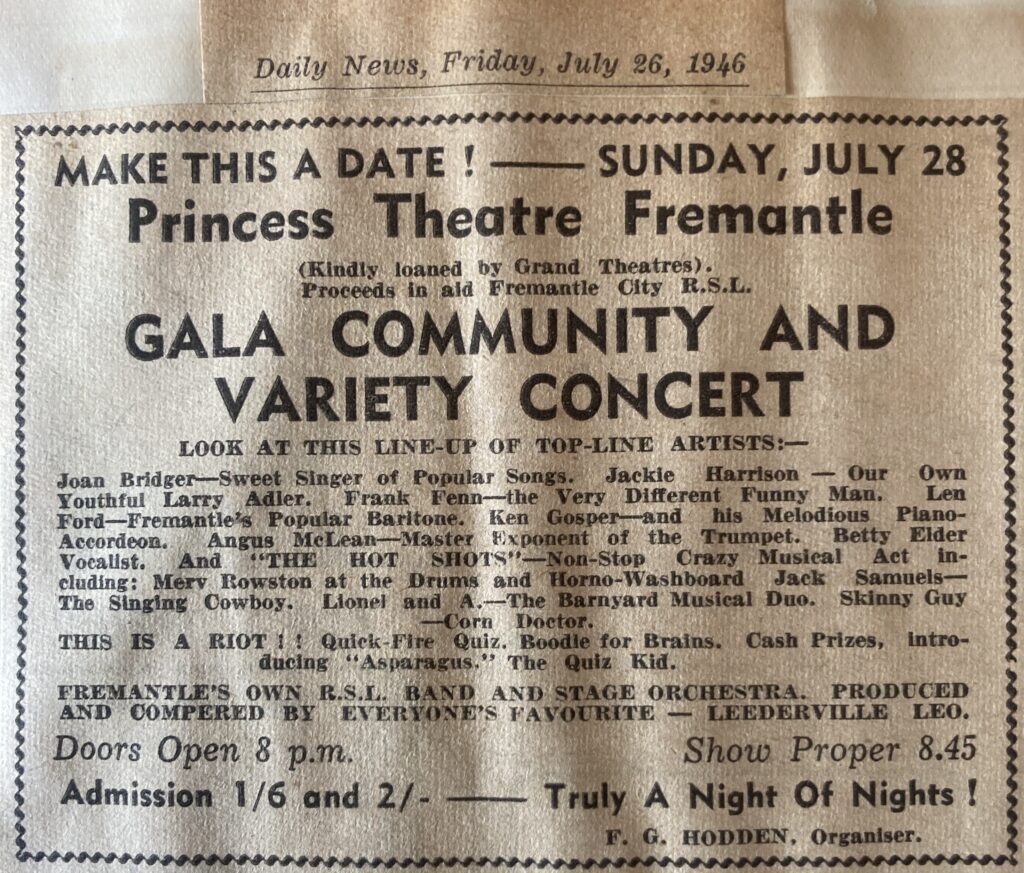
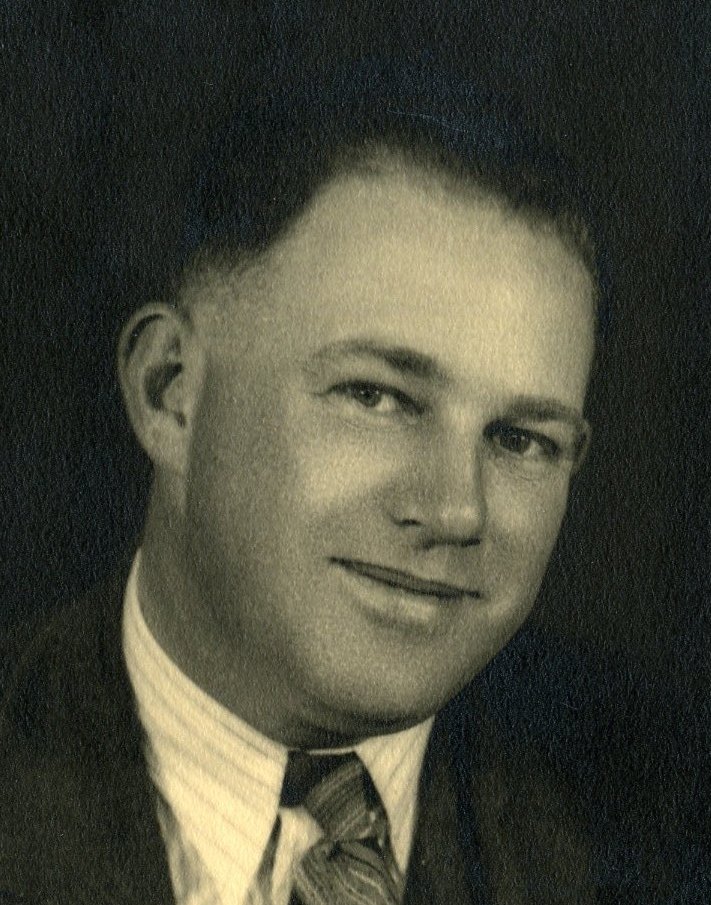
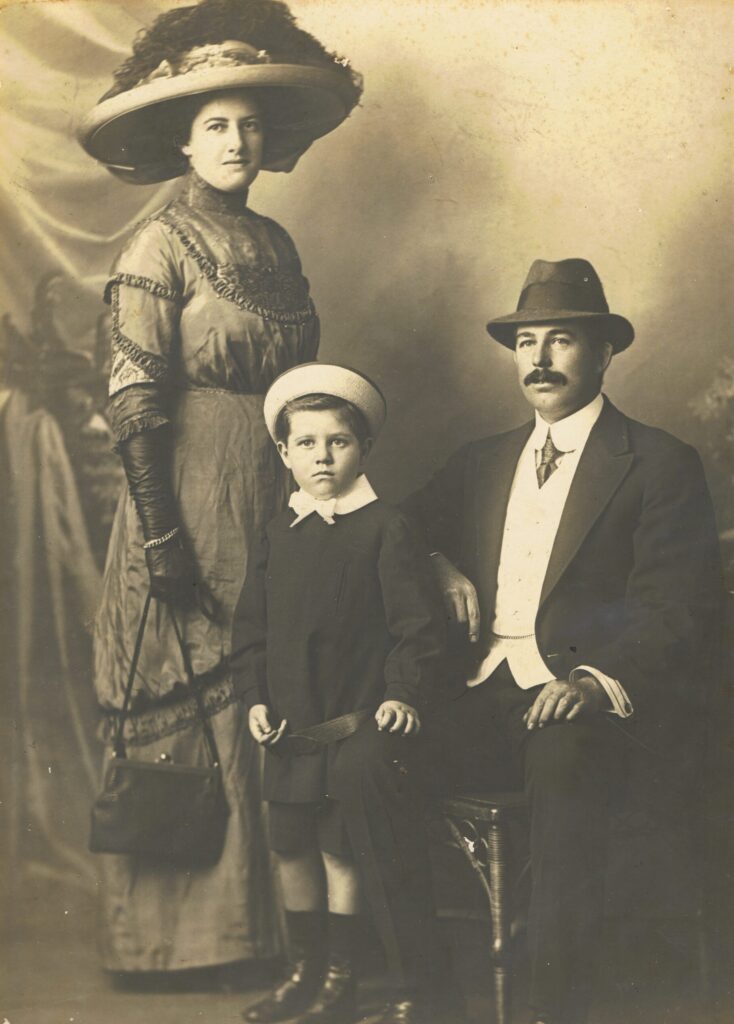
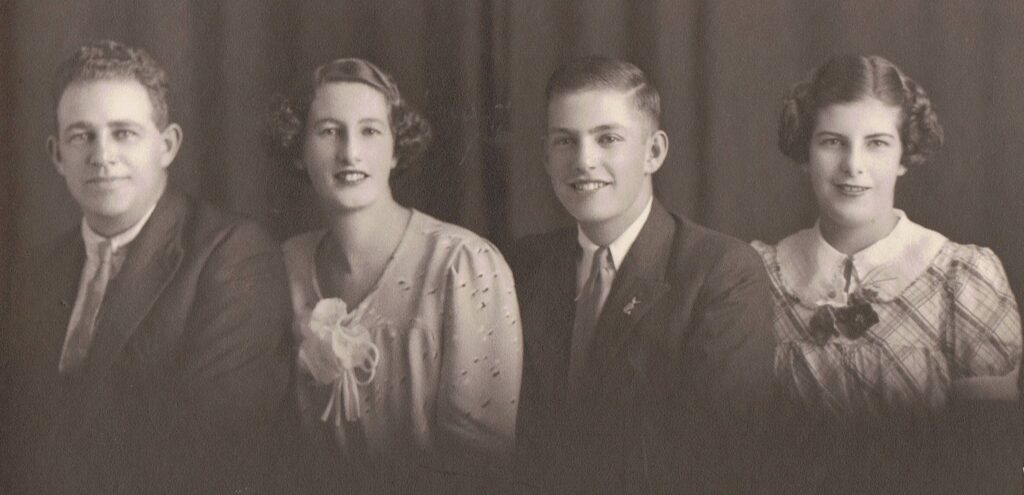
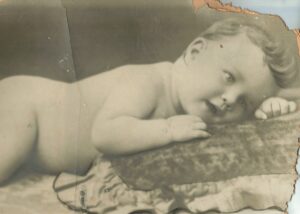
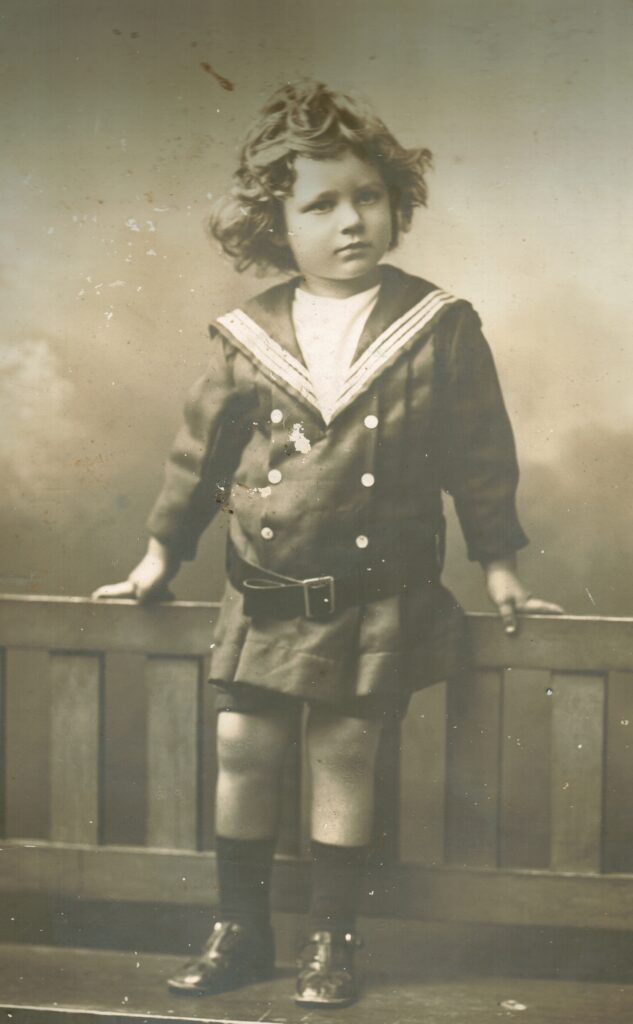
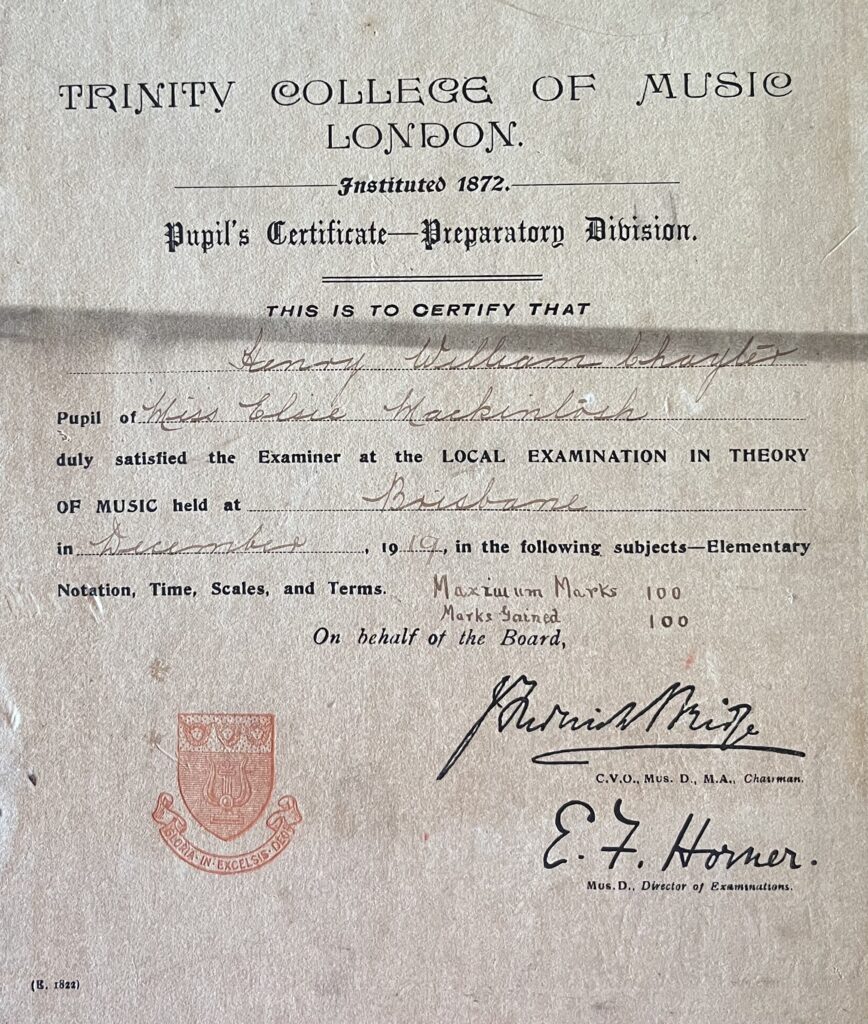
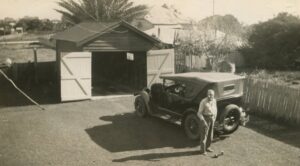
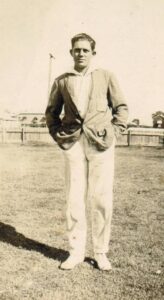
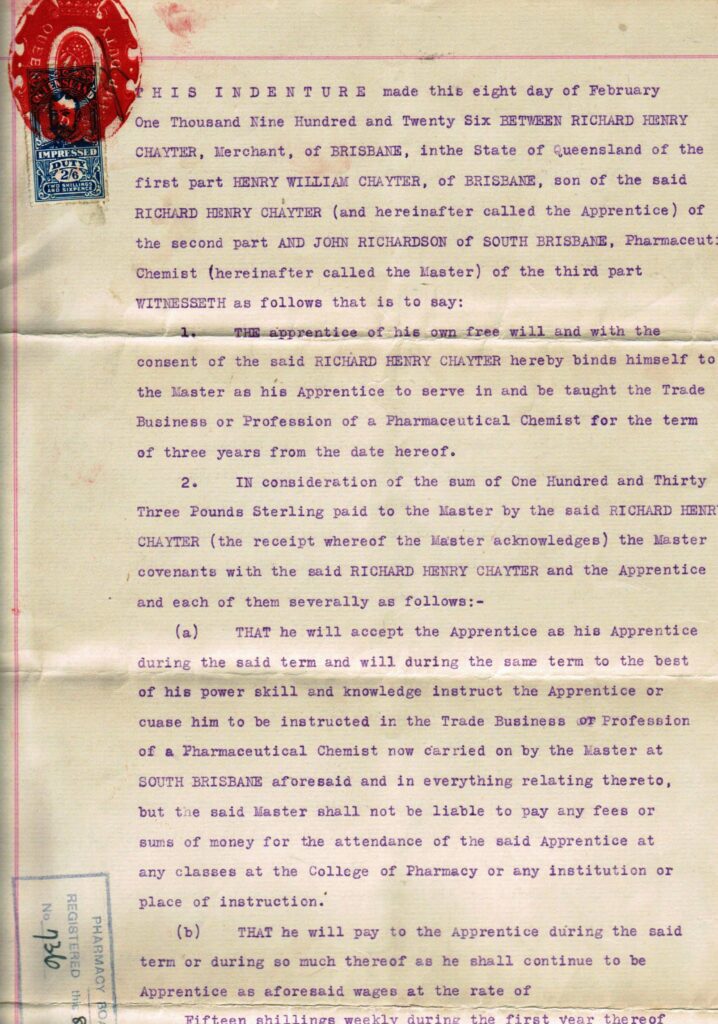
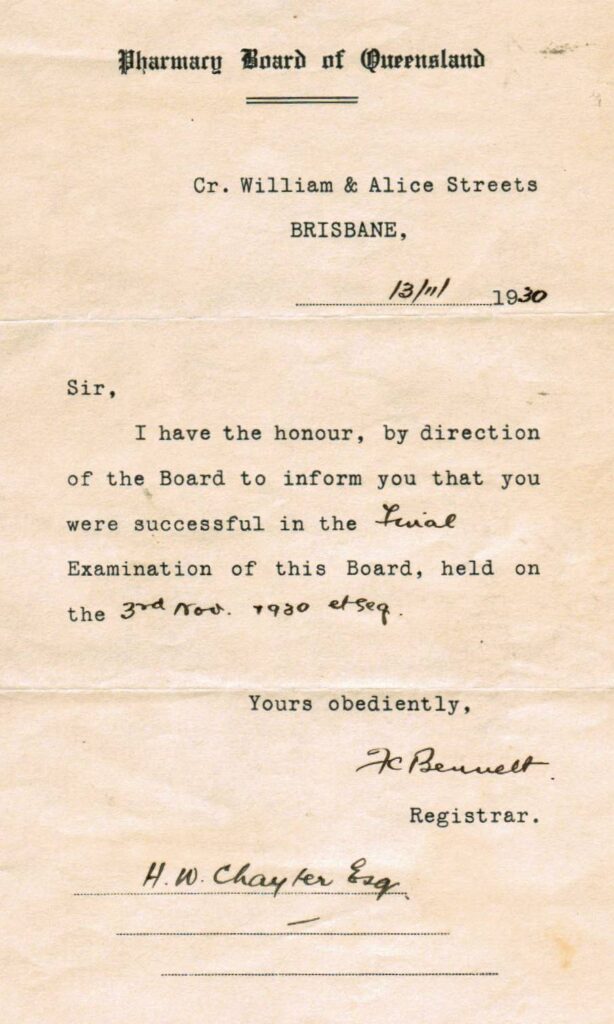
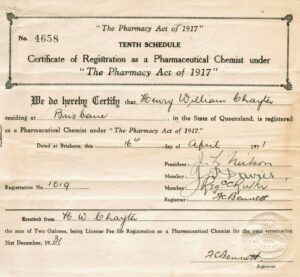
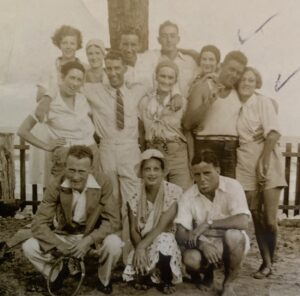
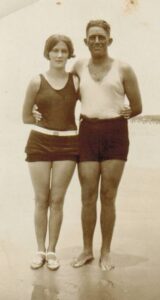
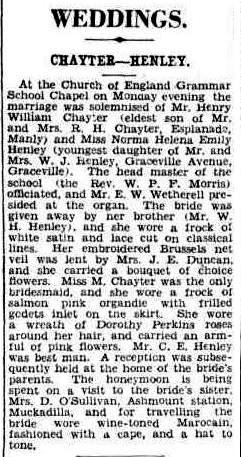
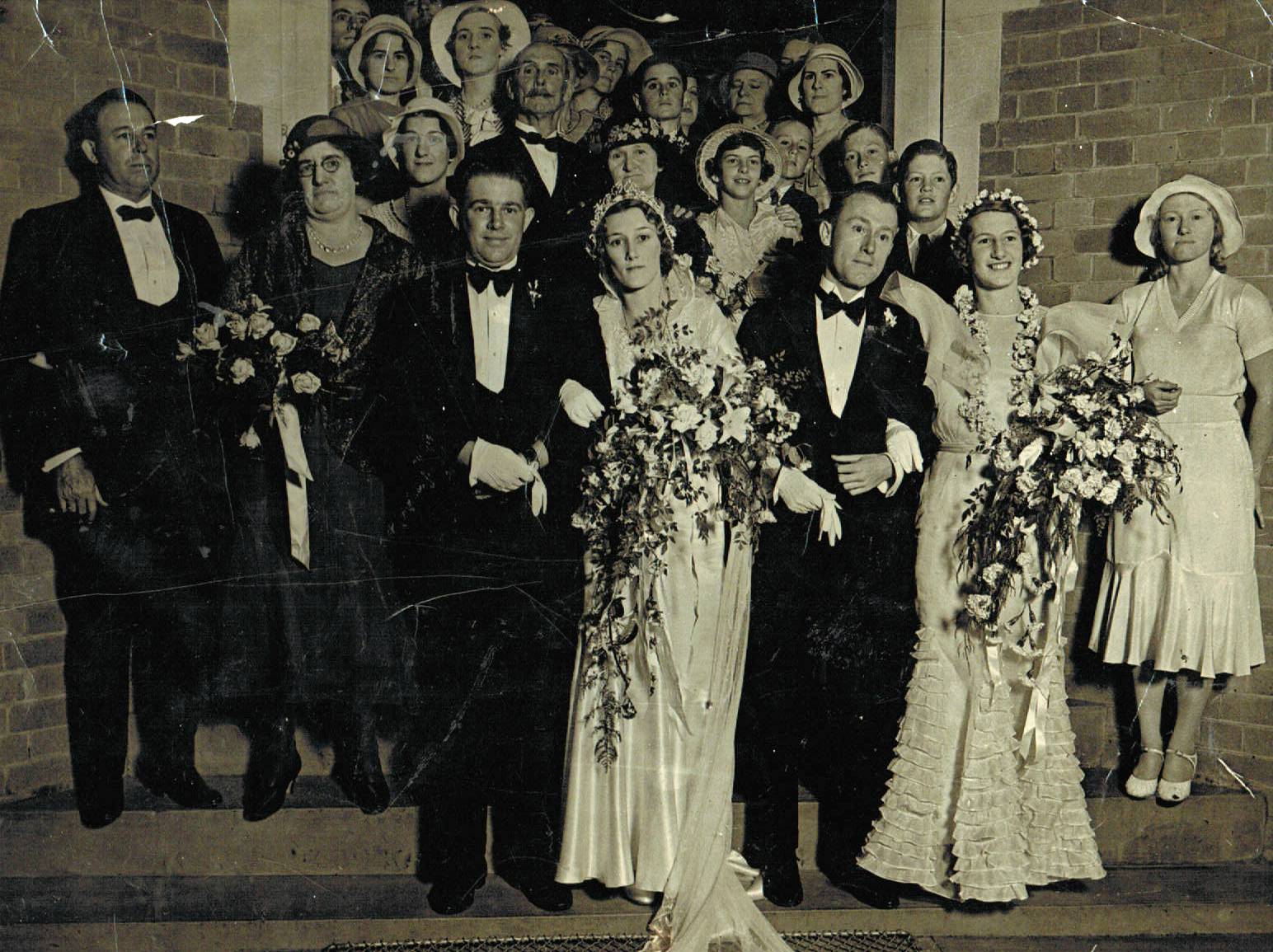
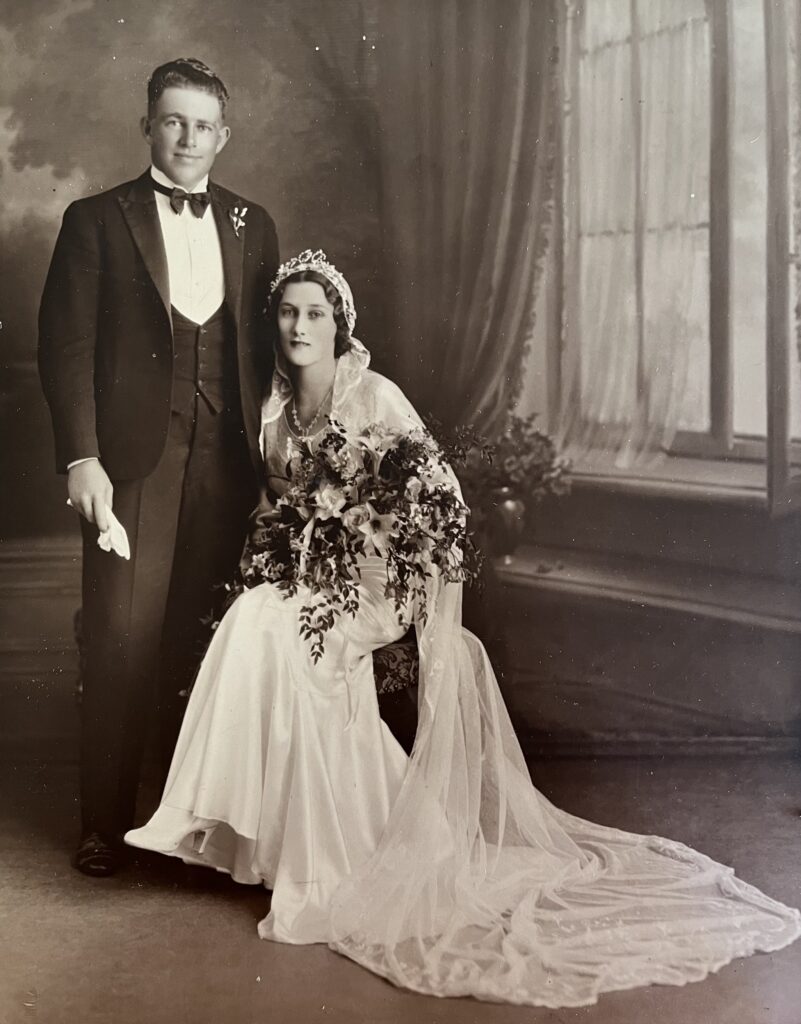
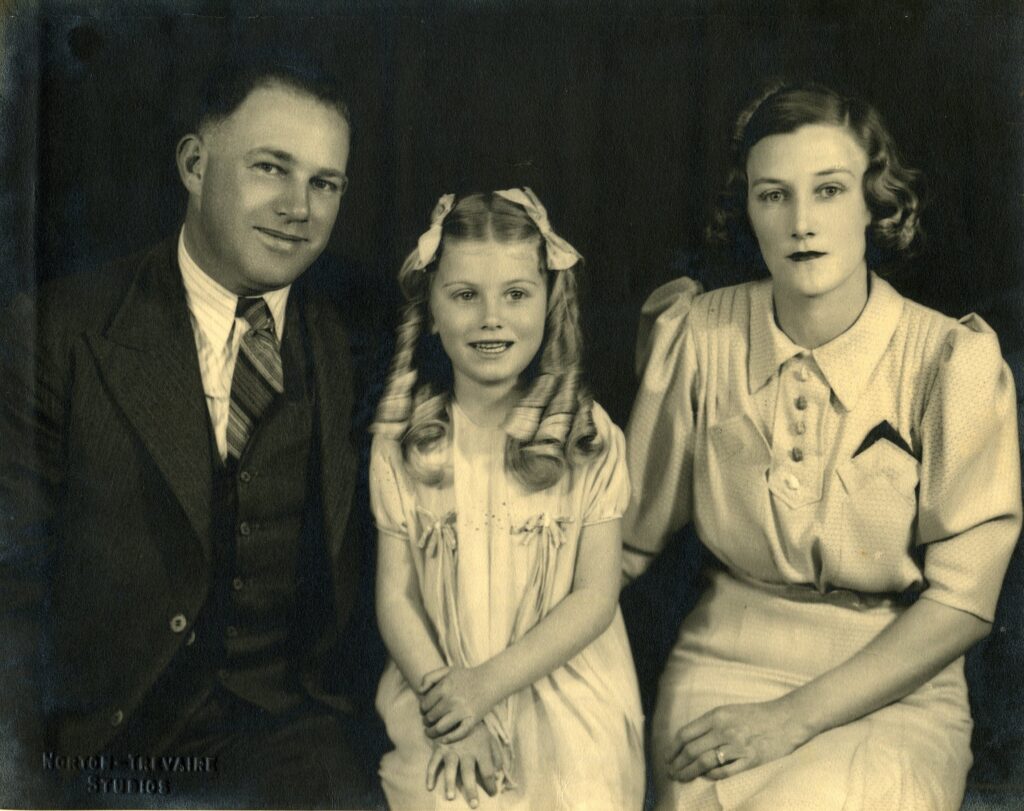
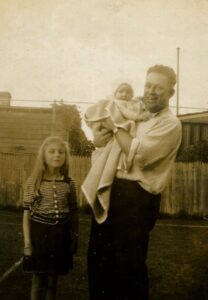
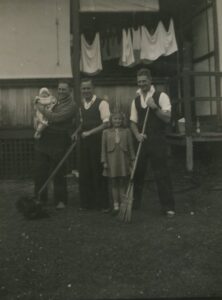
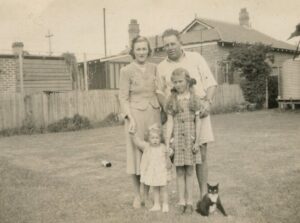
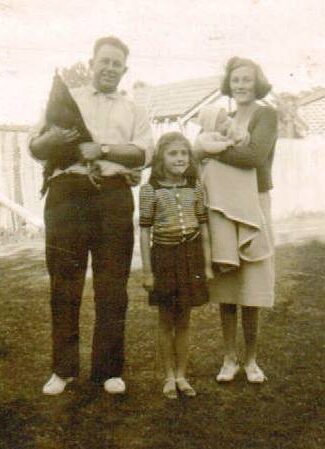
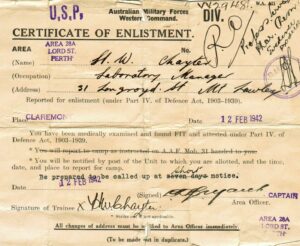
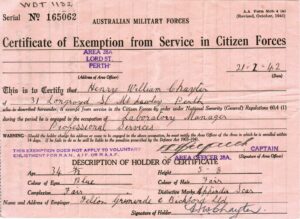
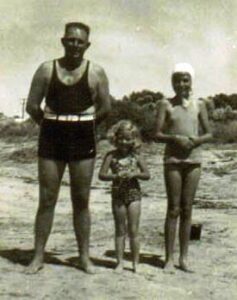
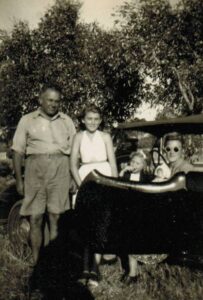
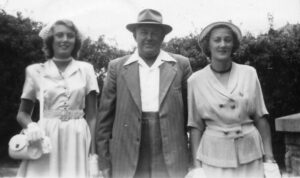
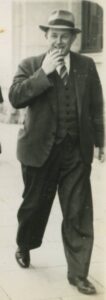
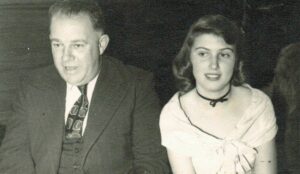
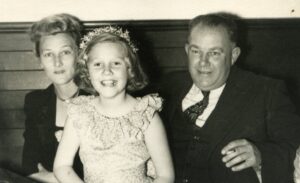
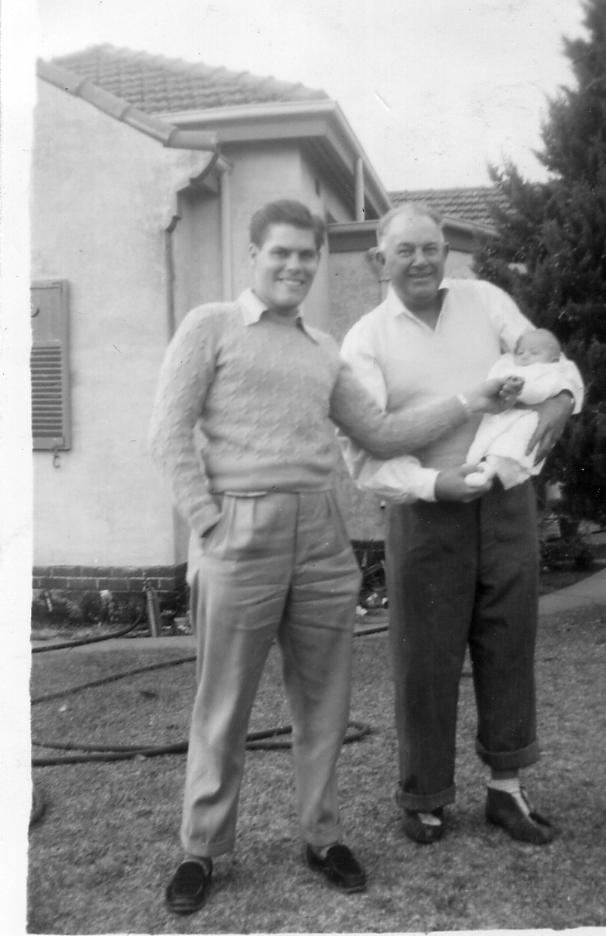
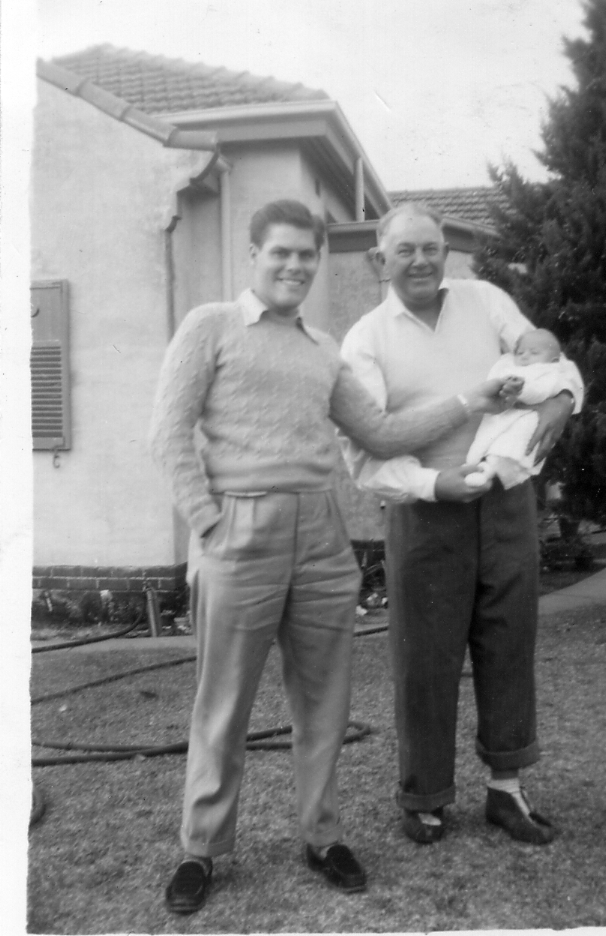
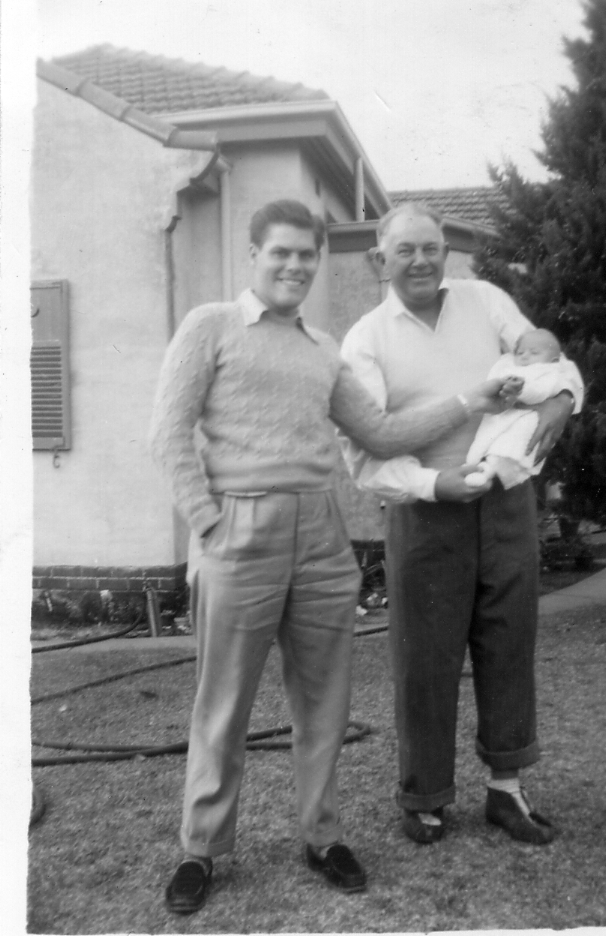
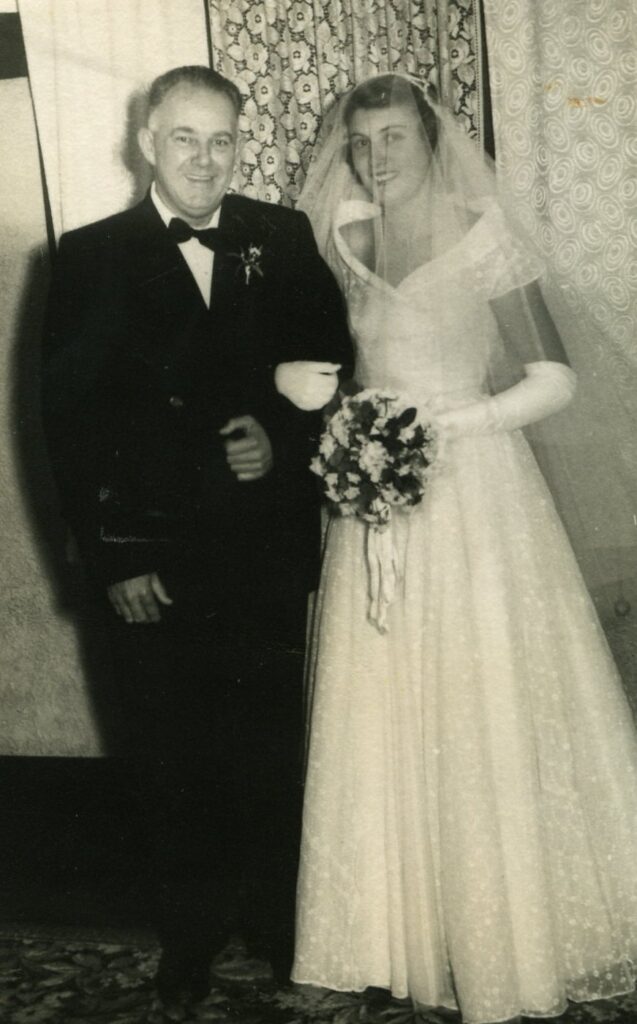
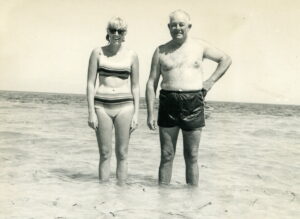
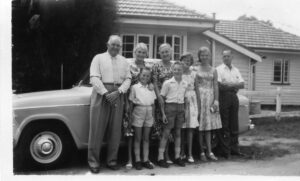
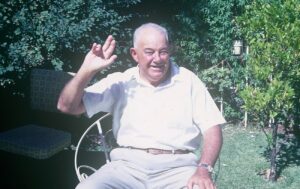
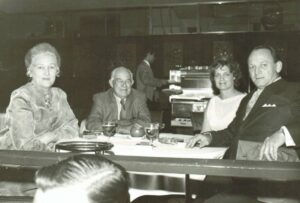
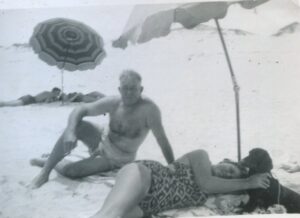
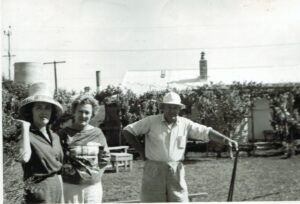
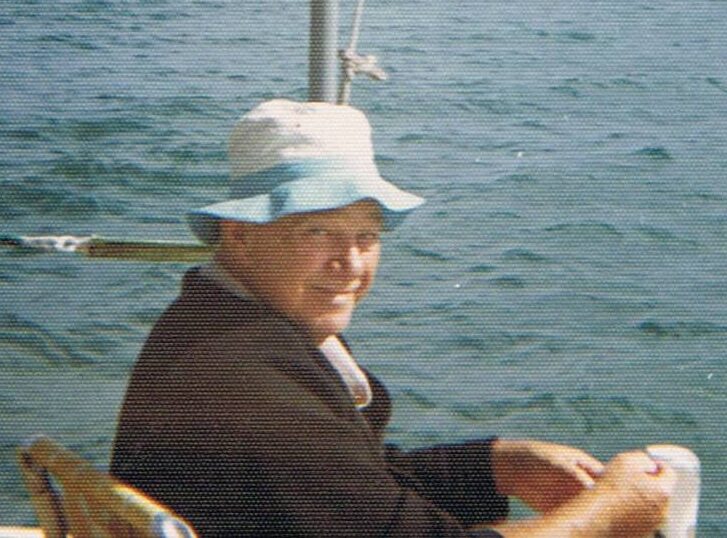
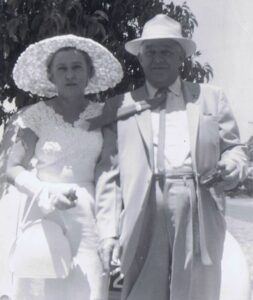
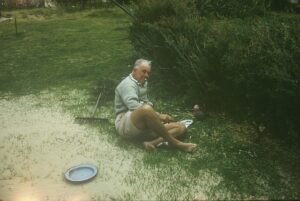
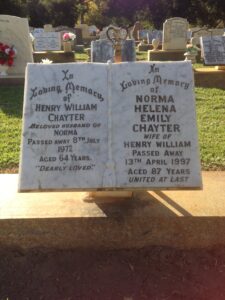
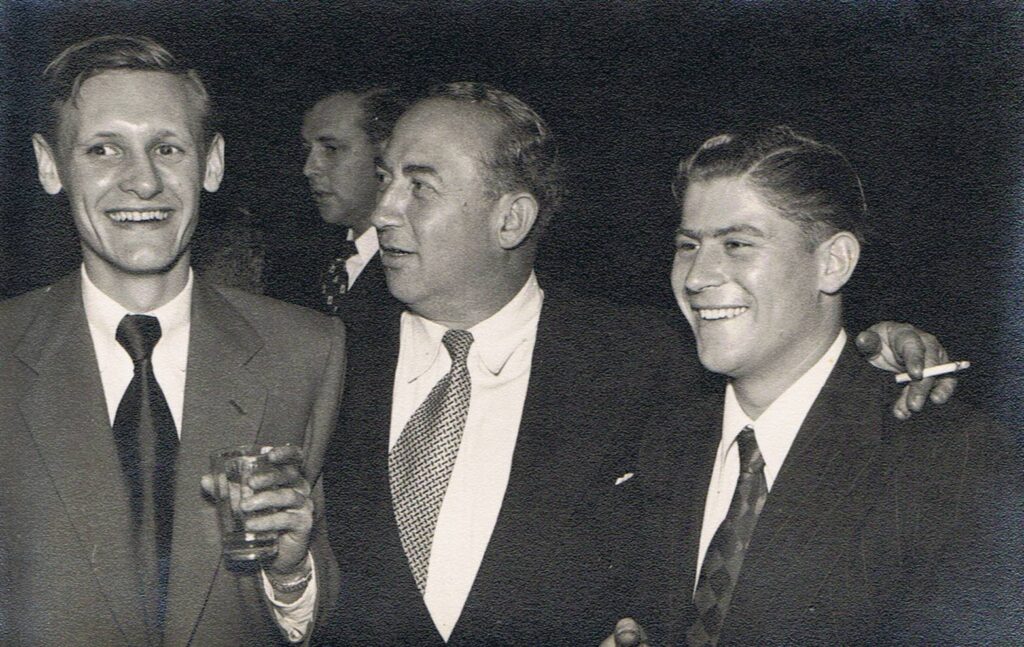
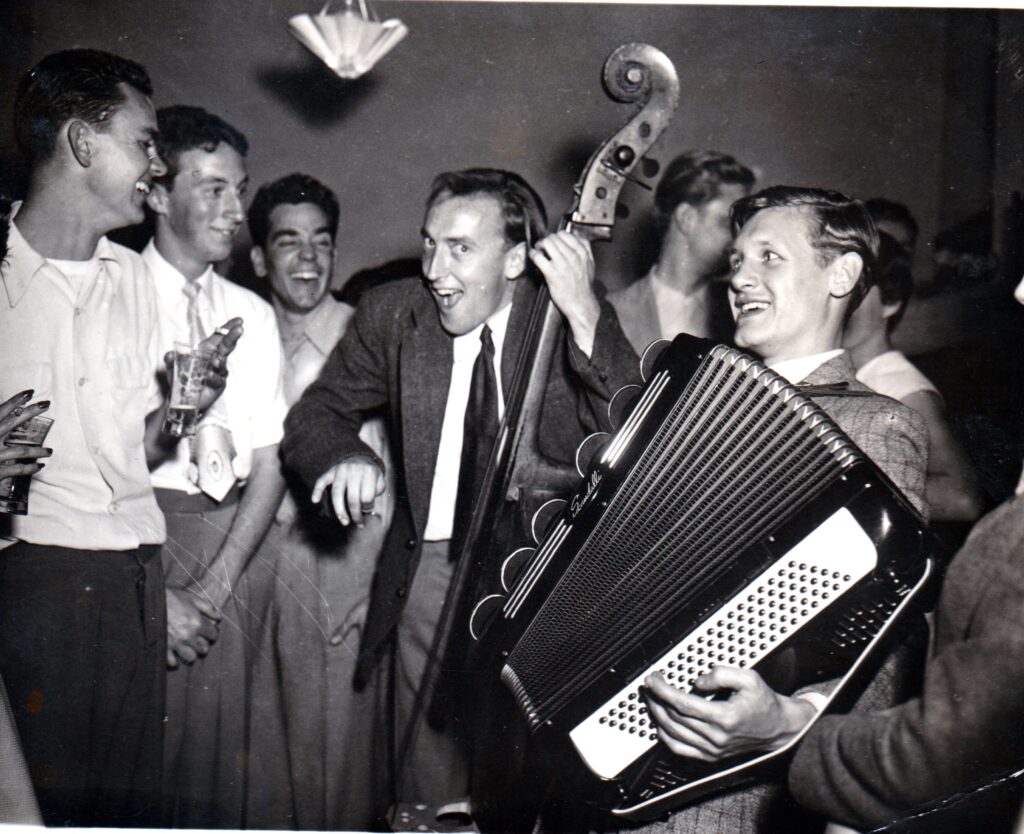
 1950
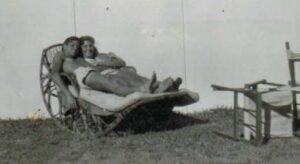
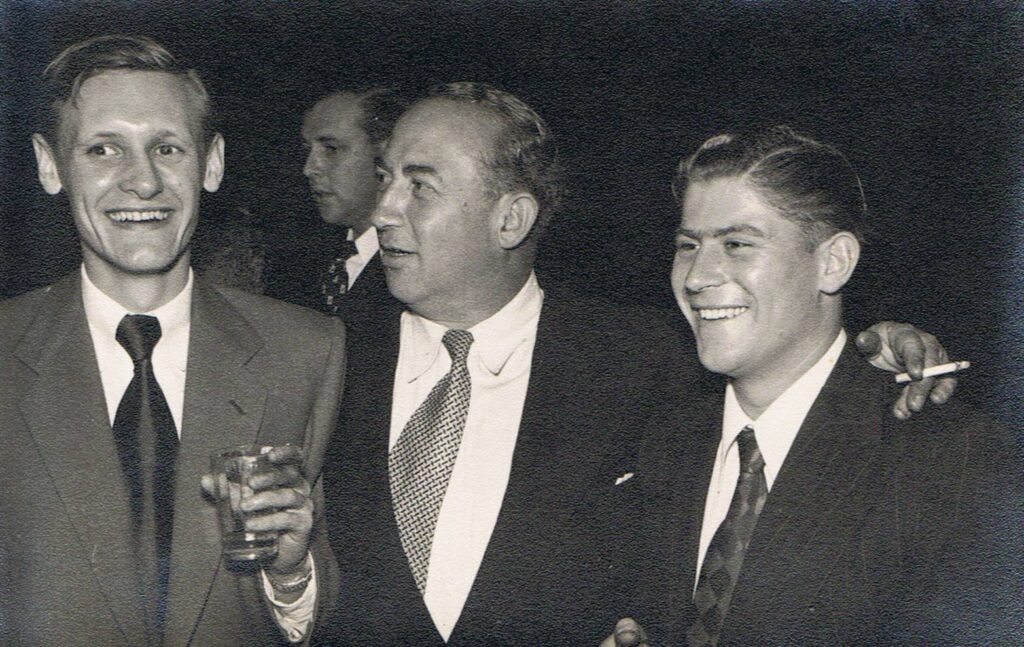
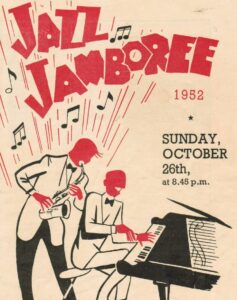
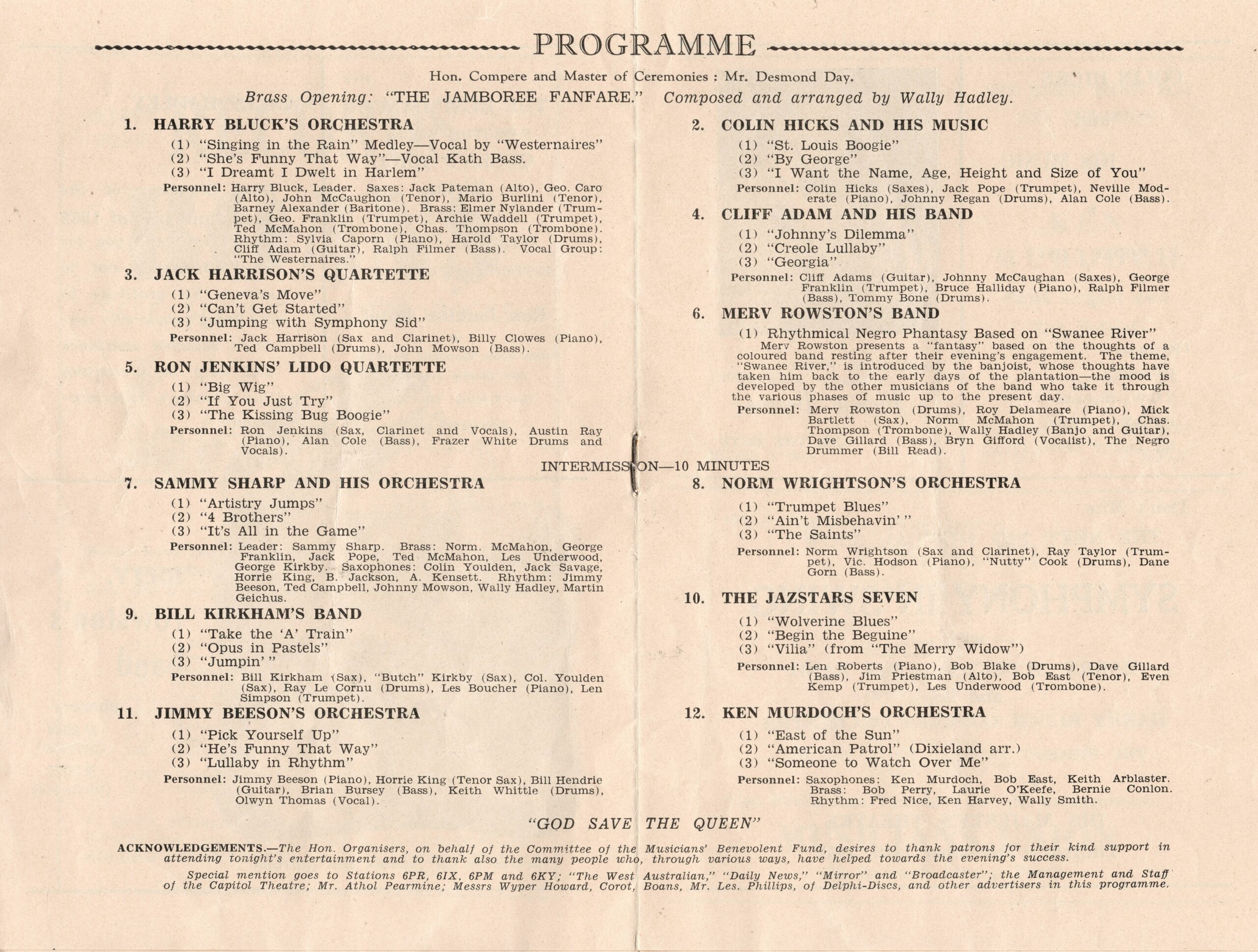
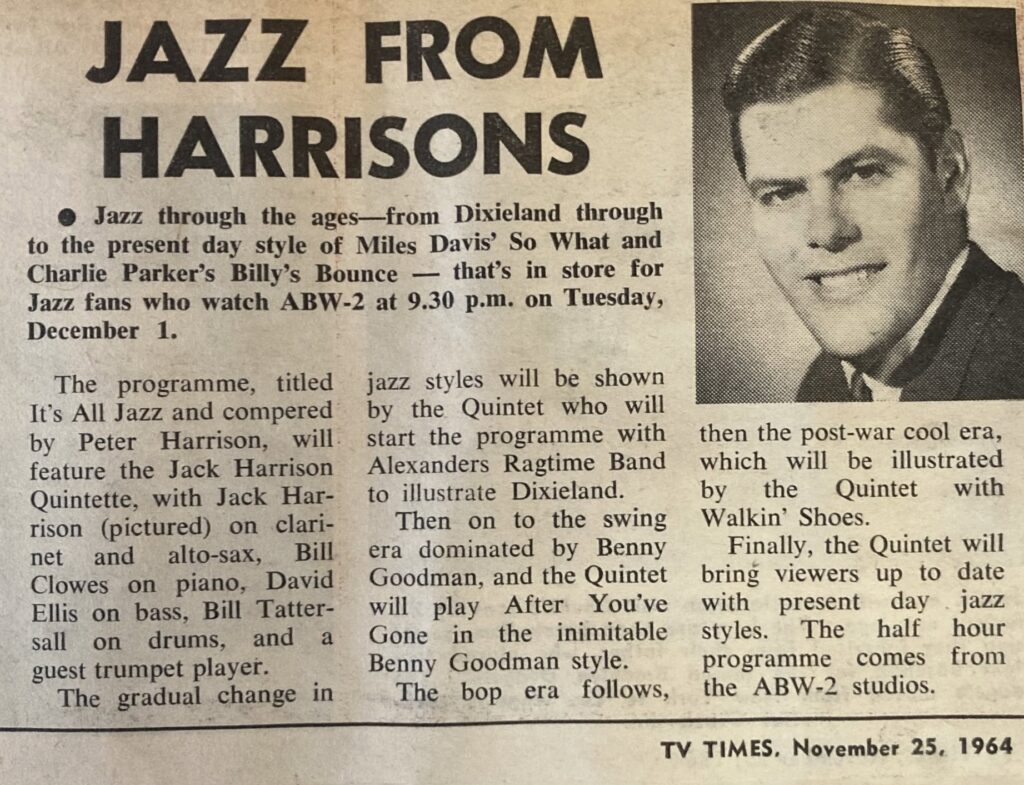
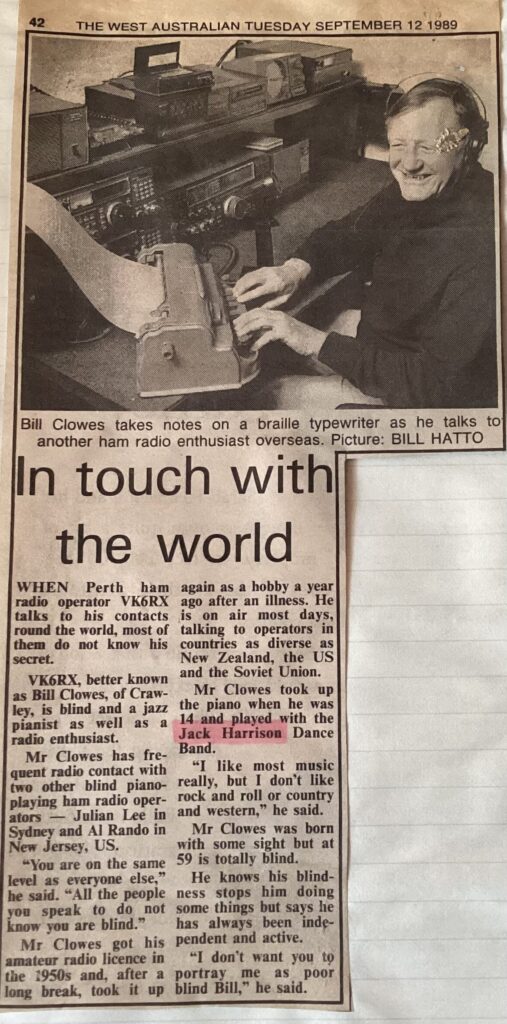
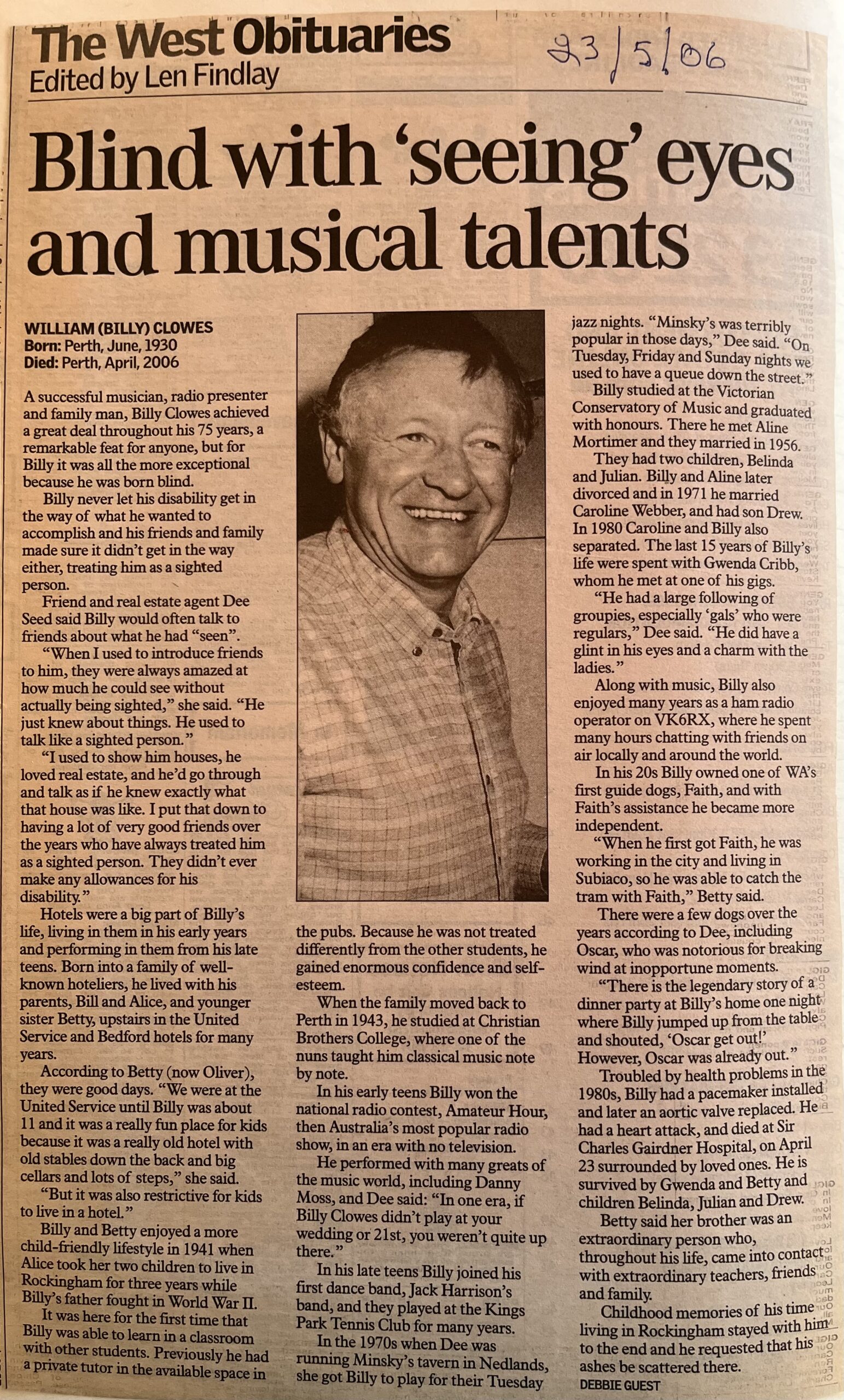
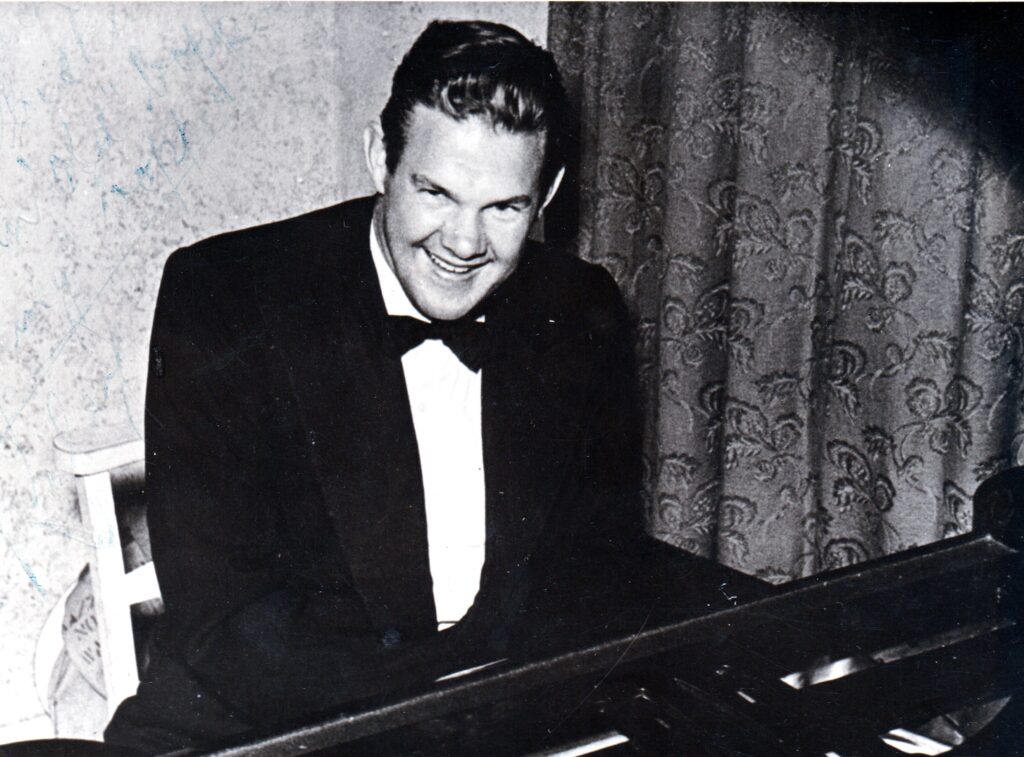
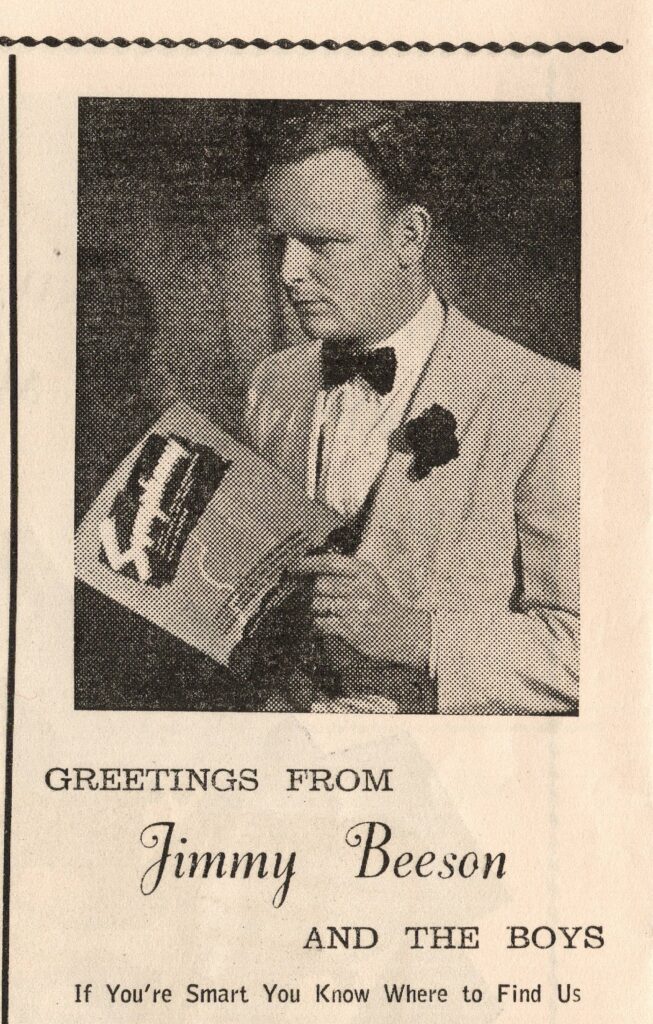
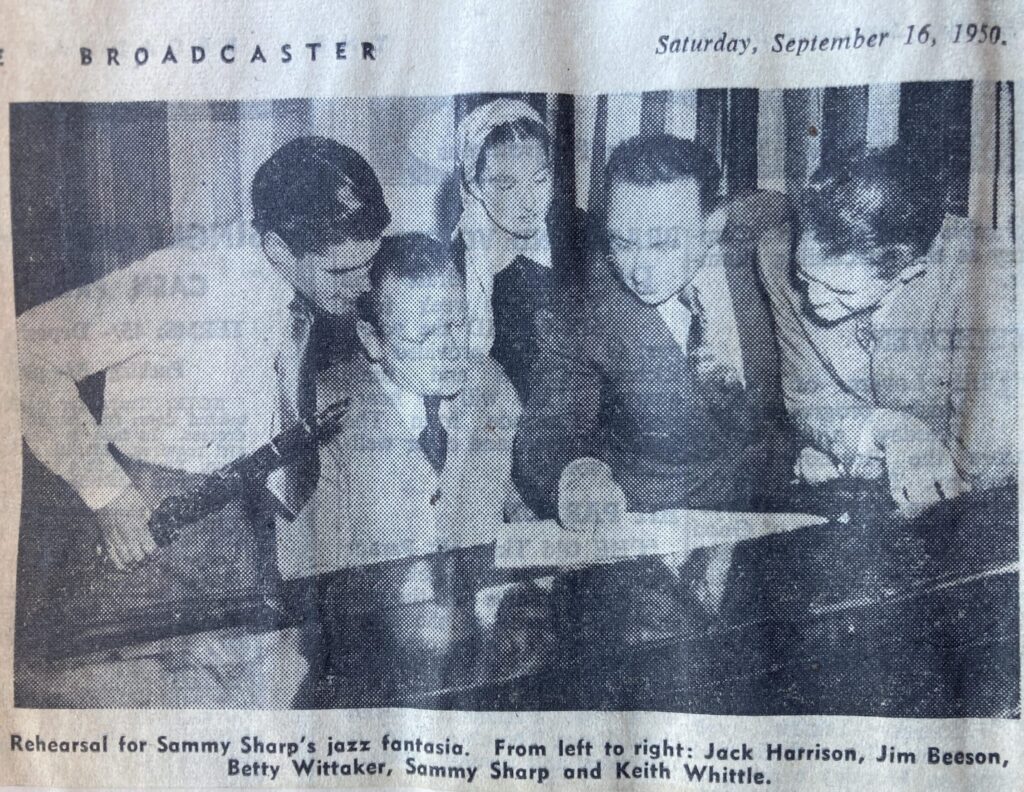
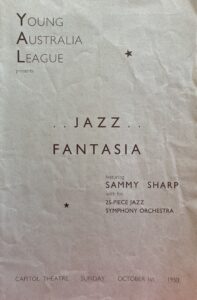
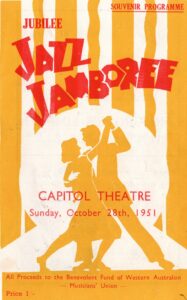
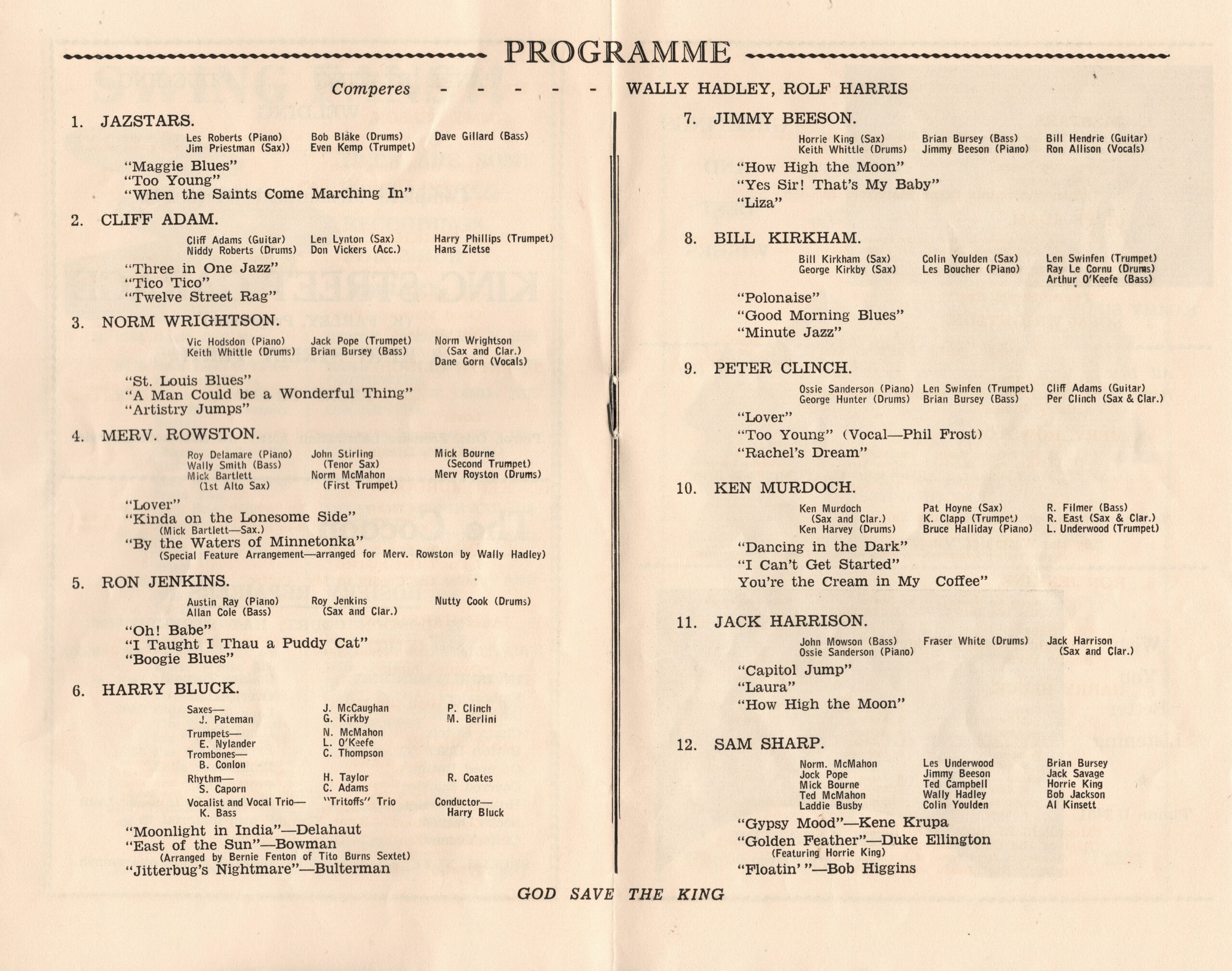
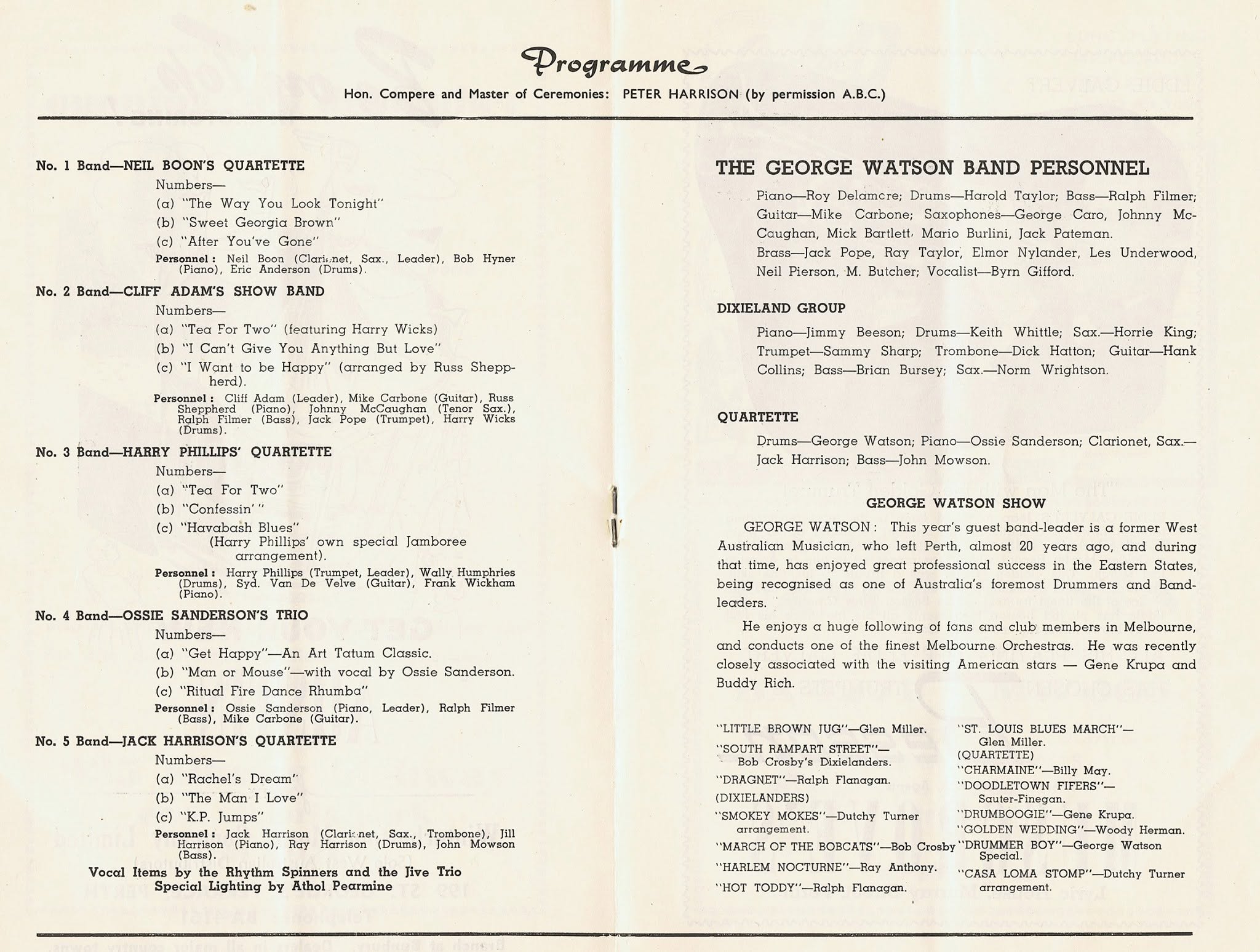
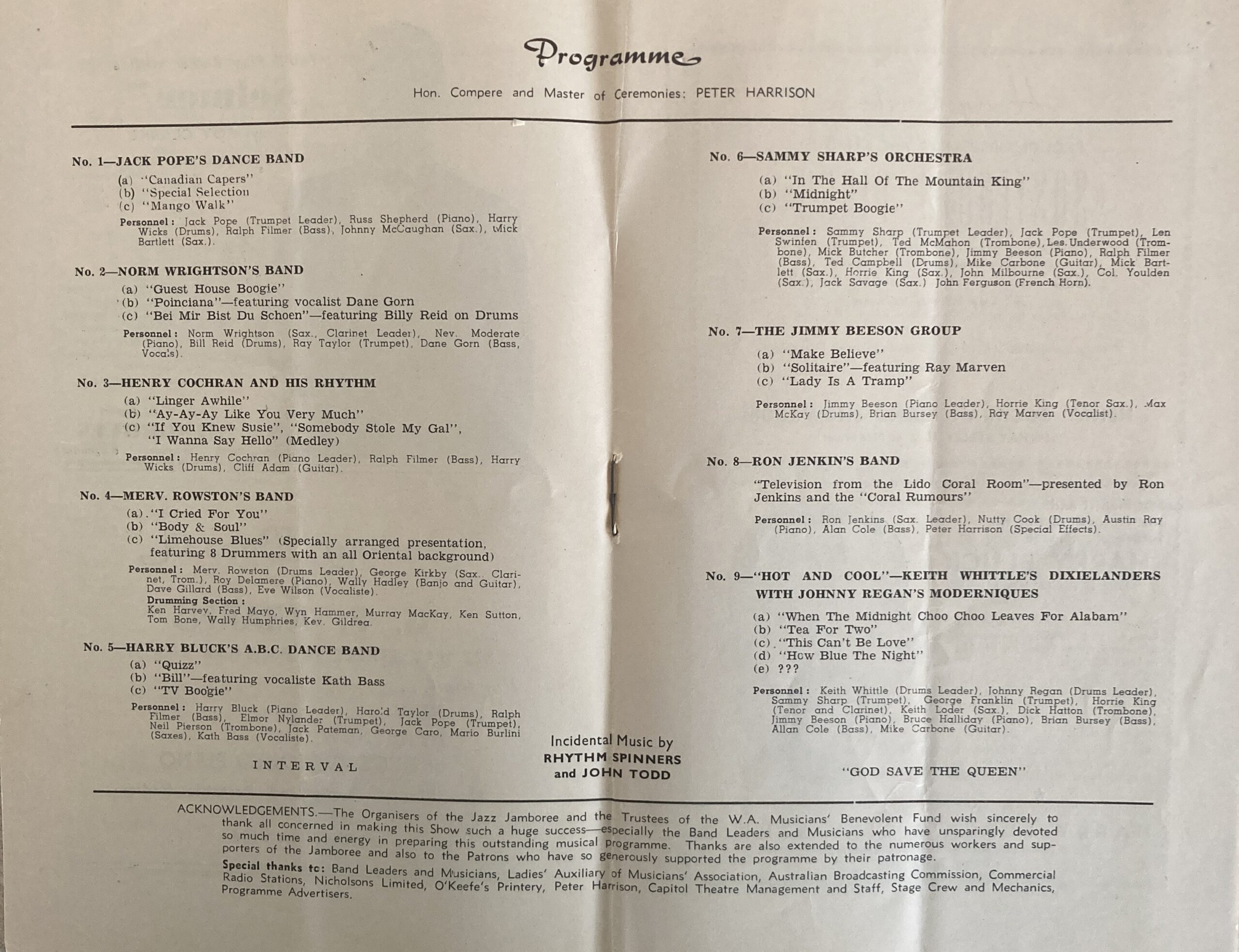
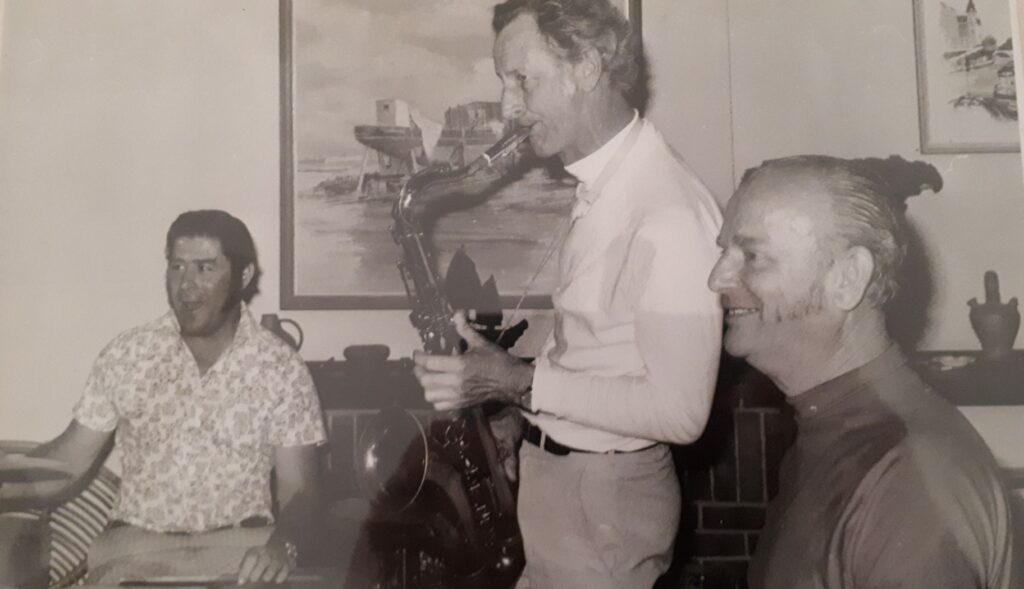
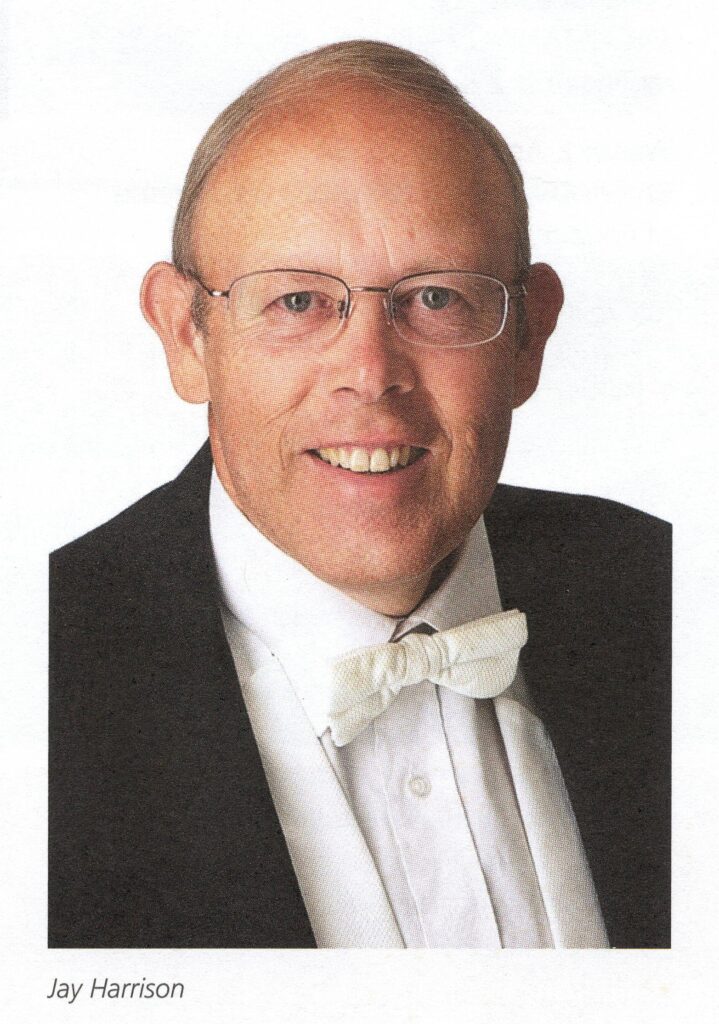

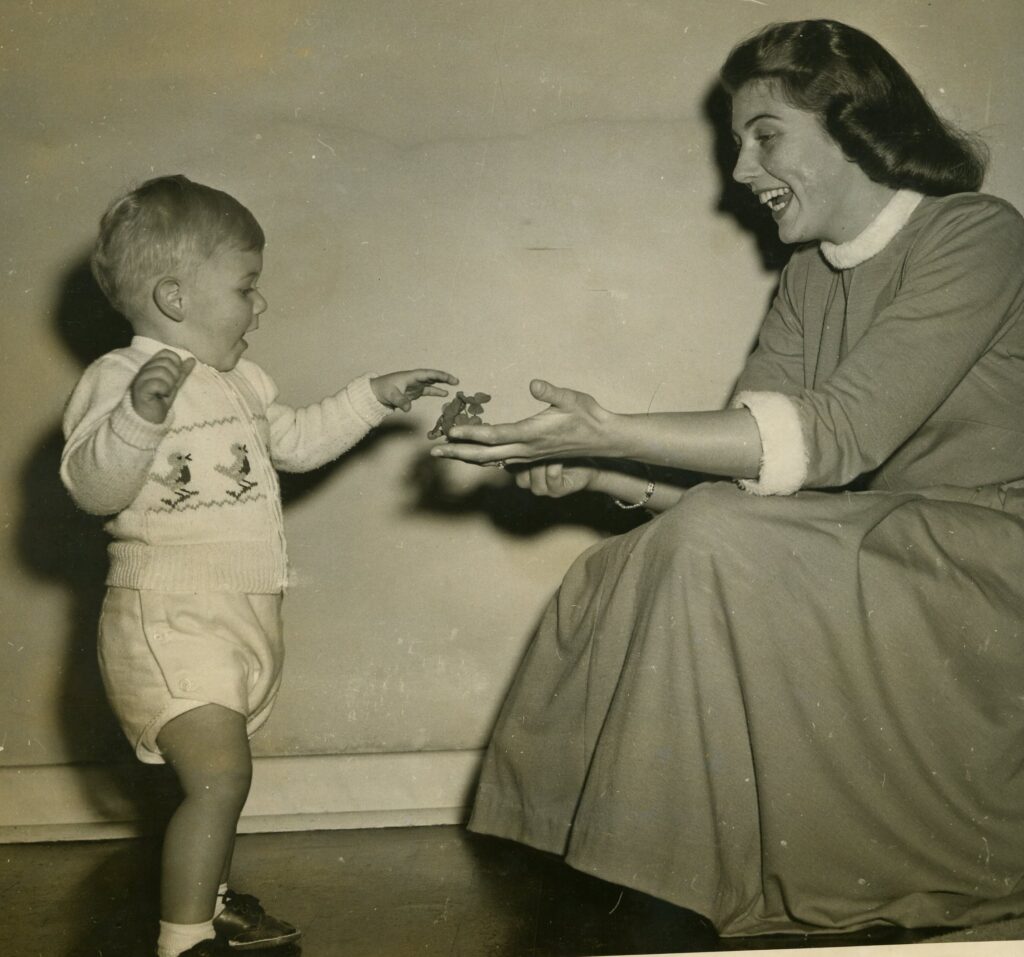
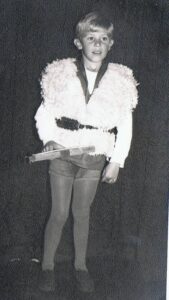
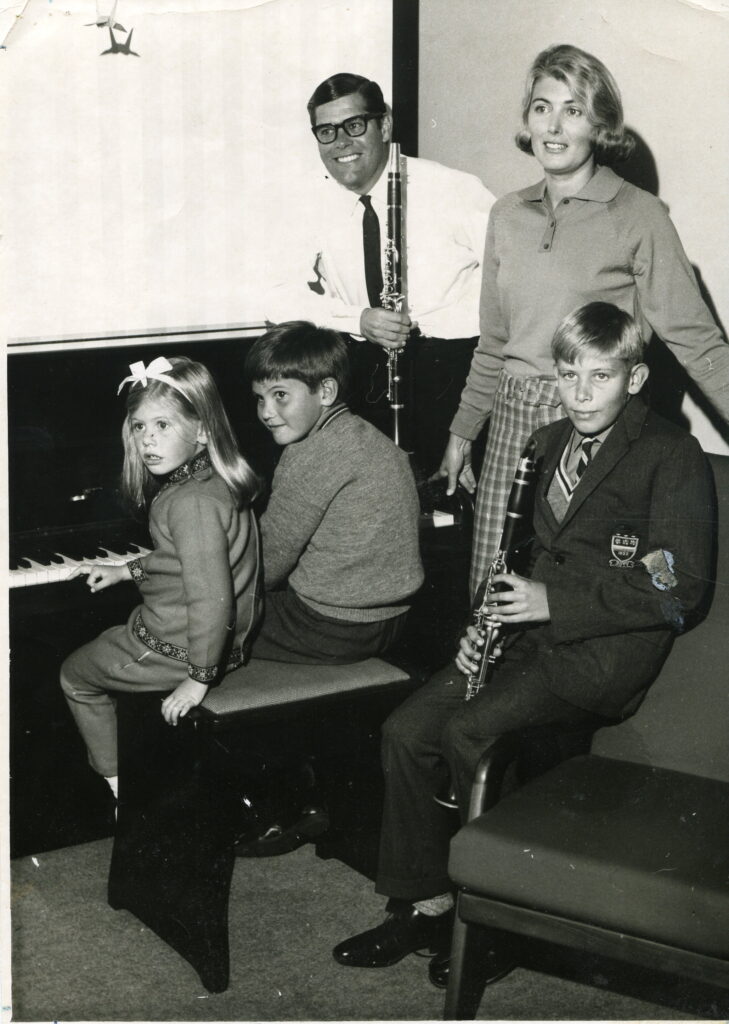
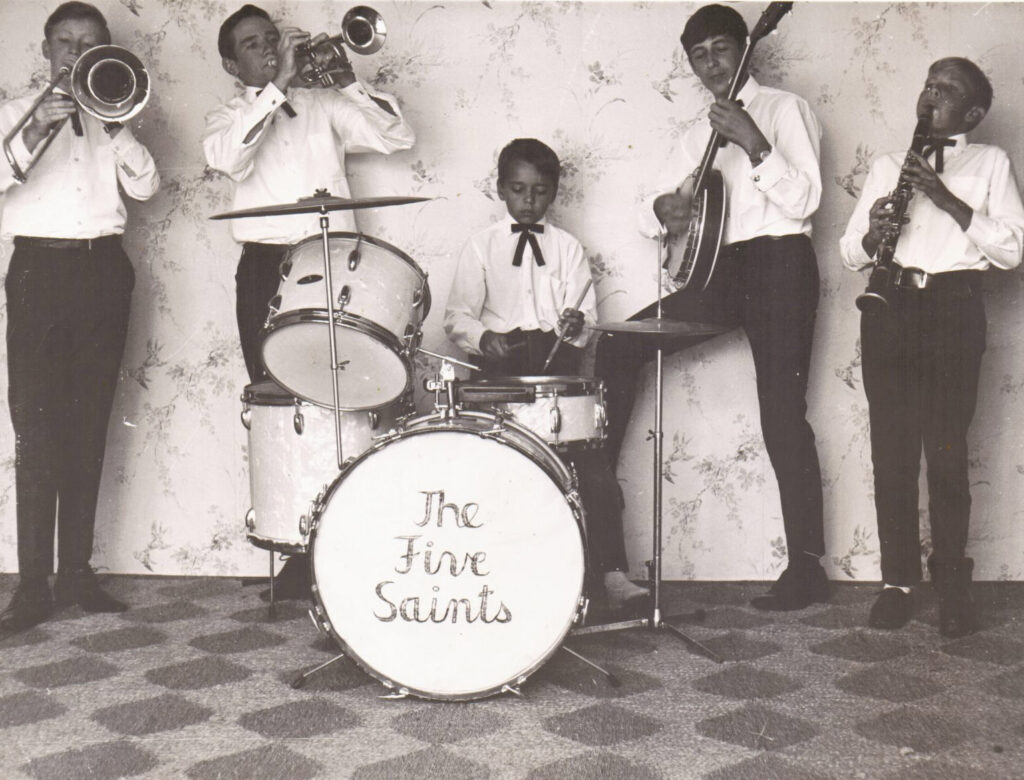
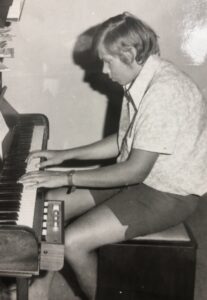
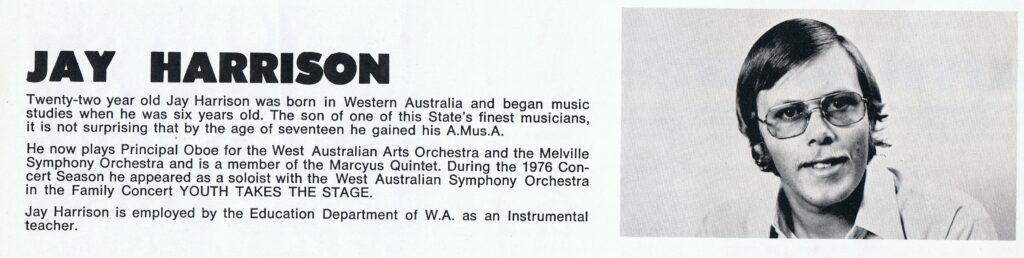
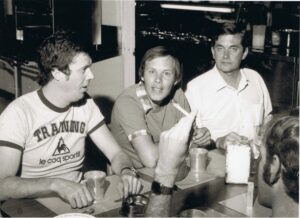
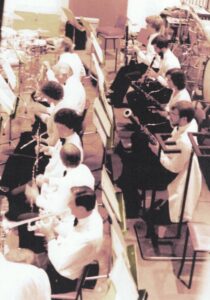
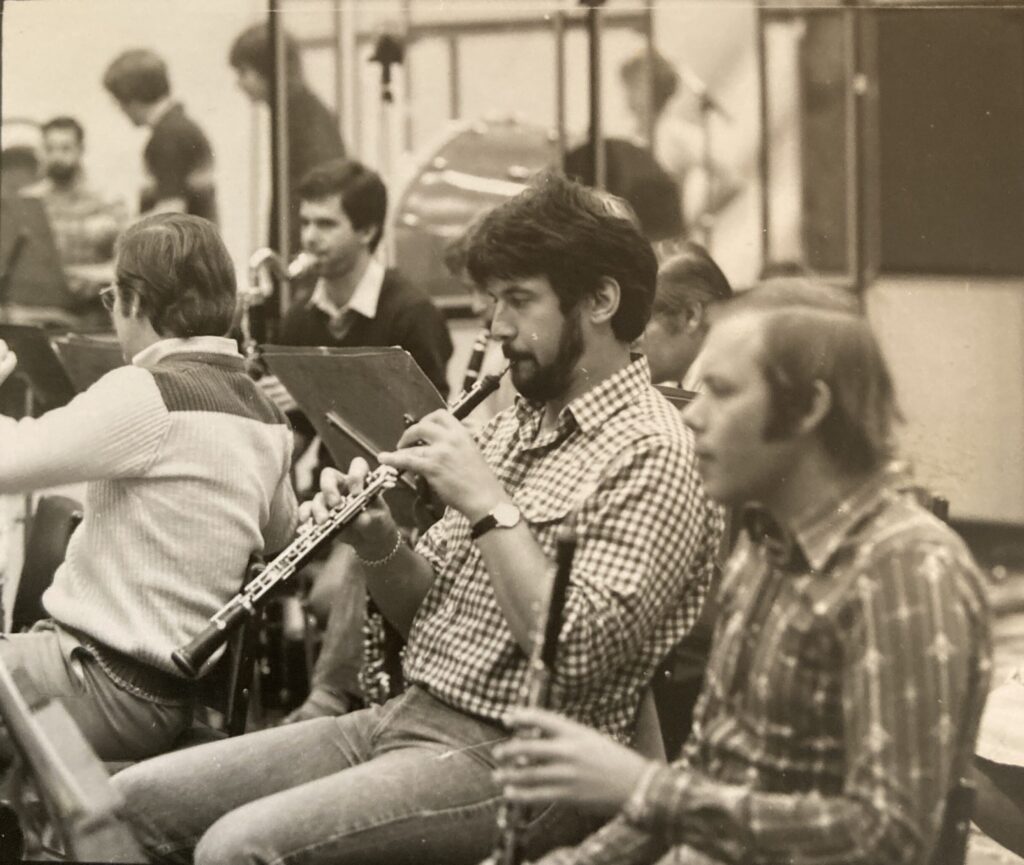
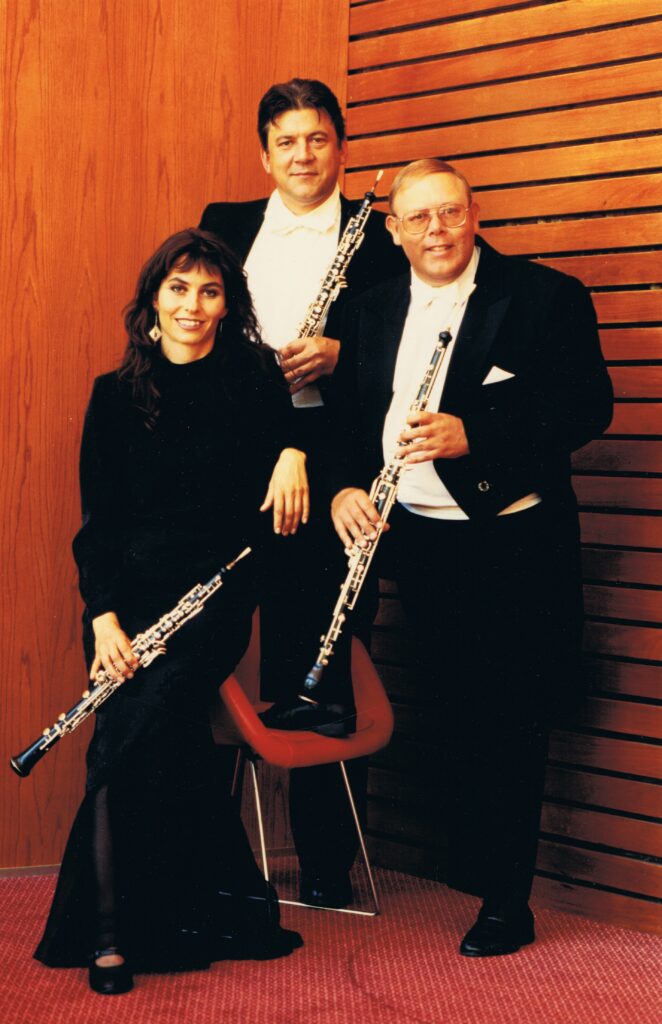
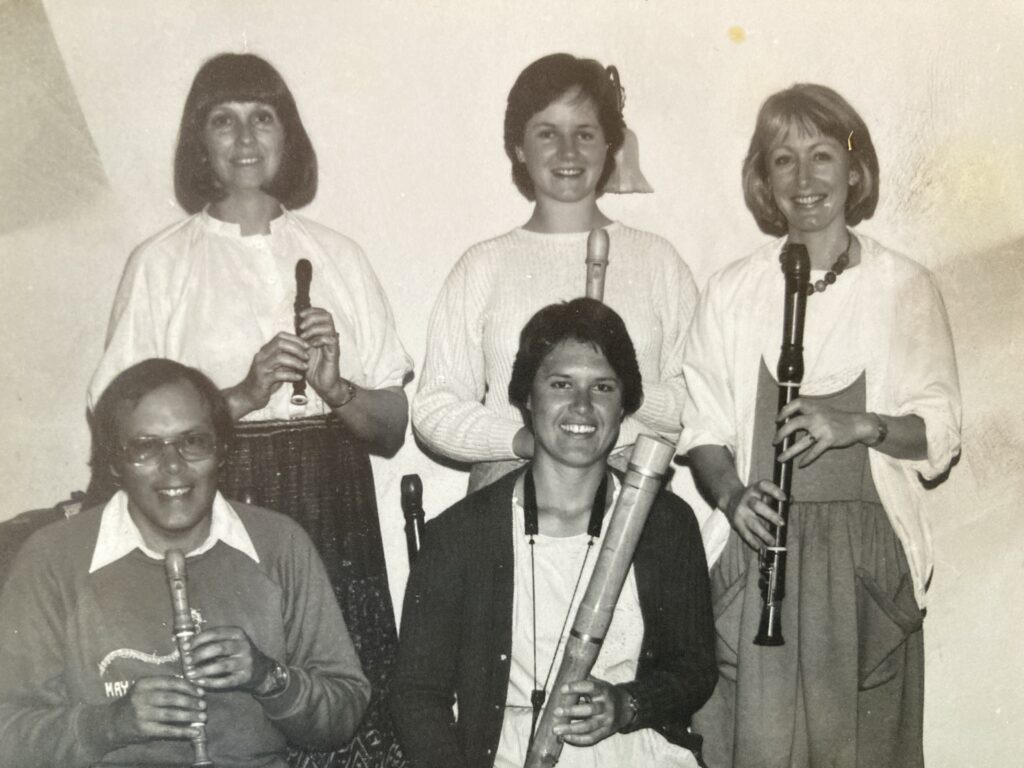
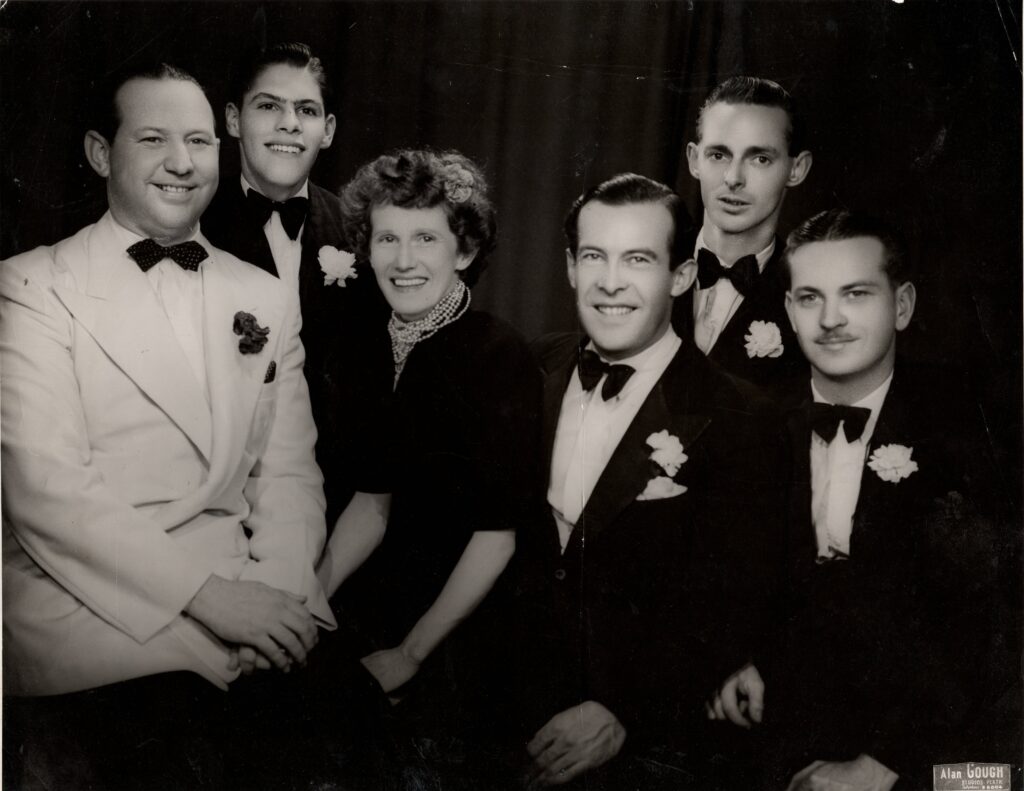
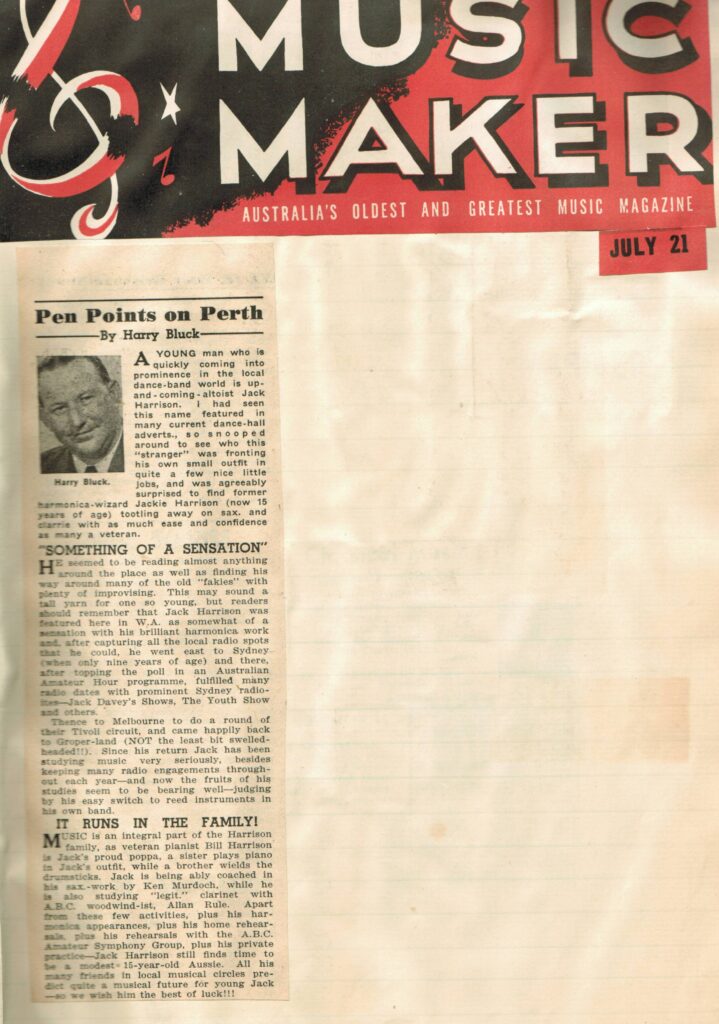
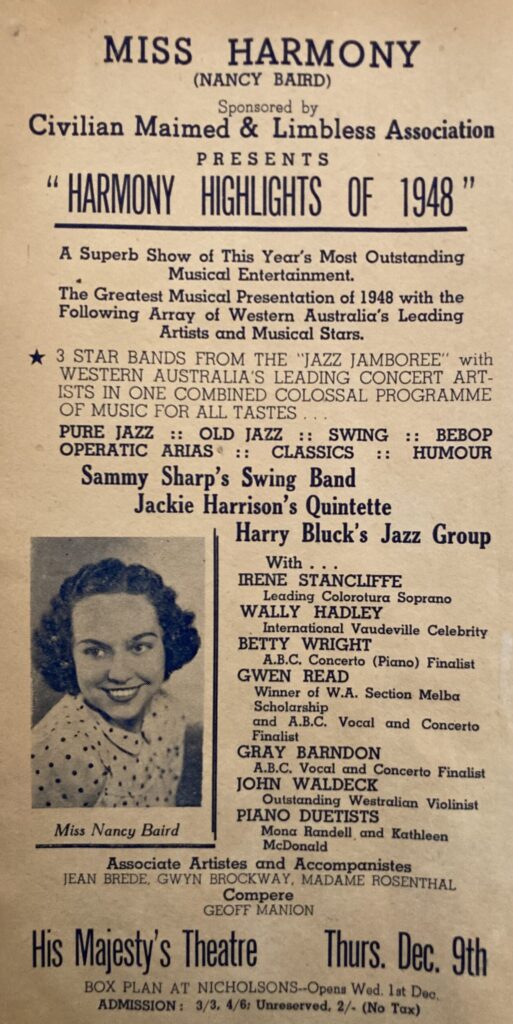

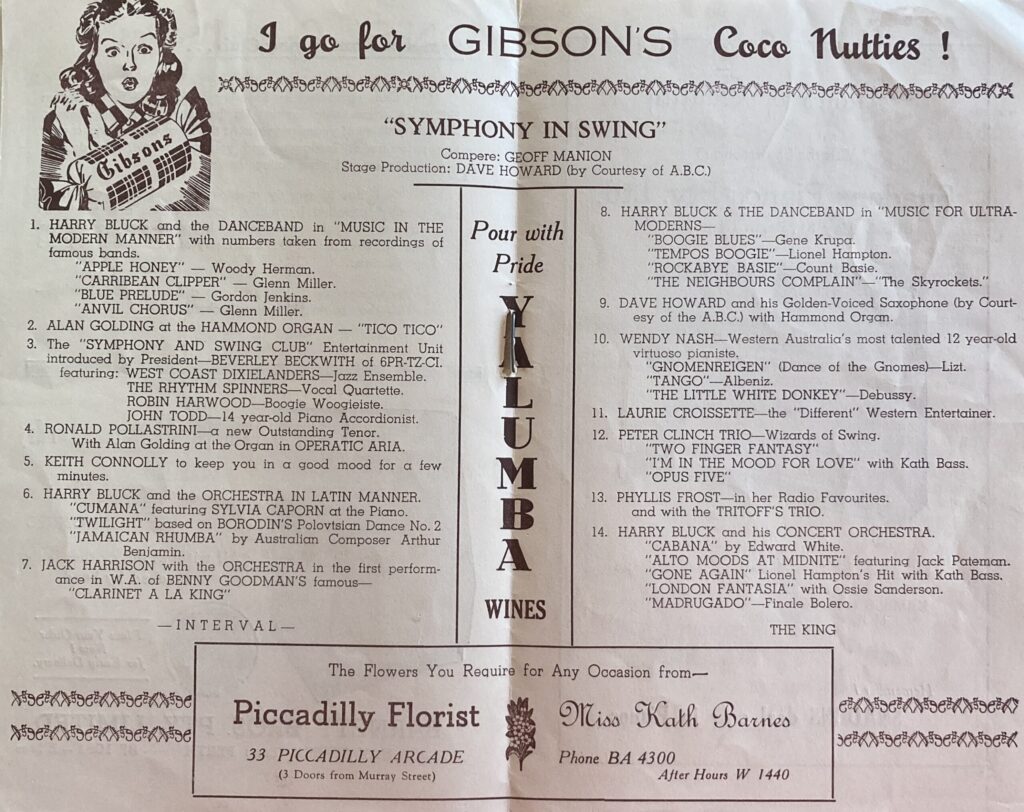
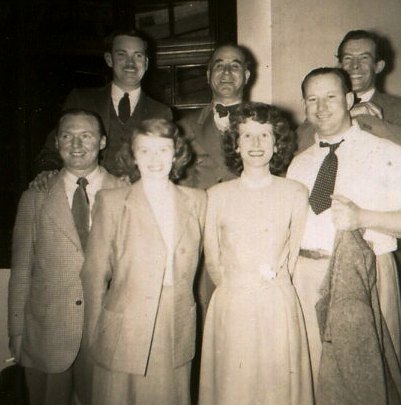
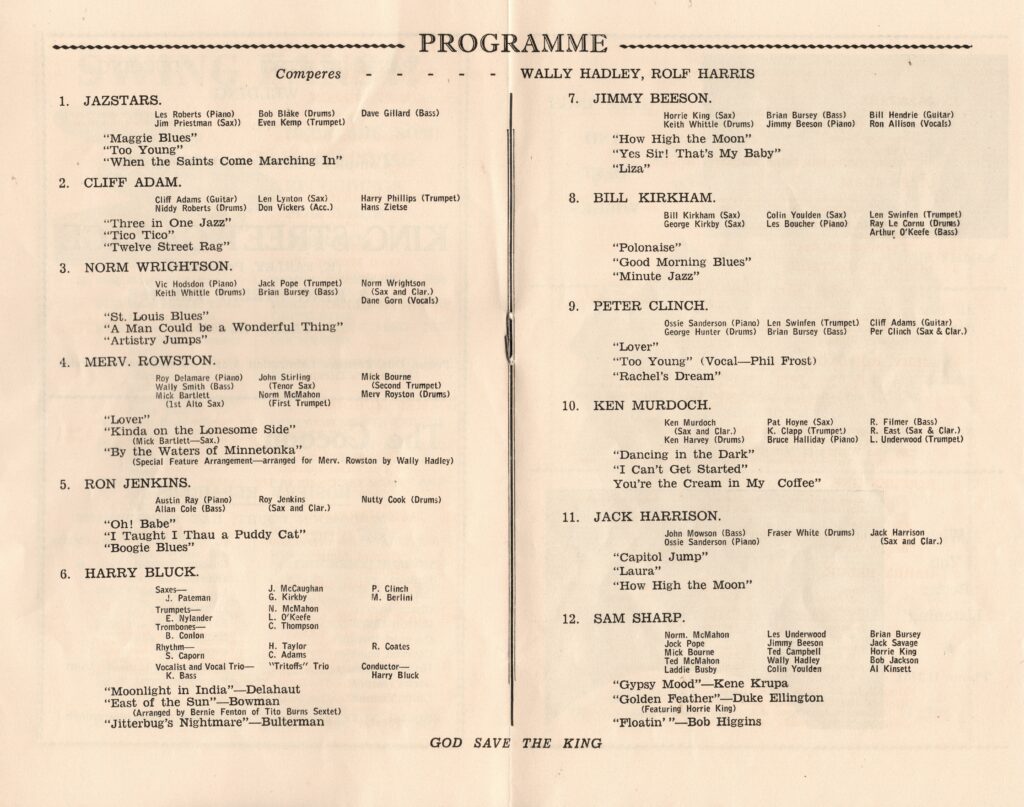
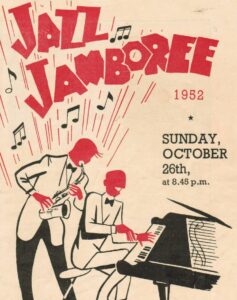
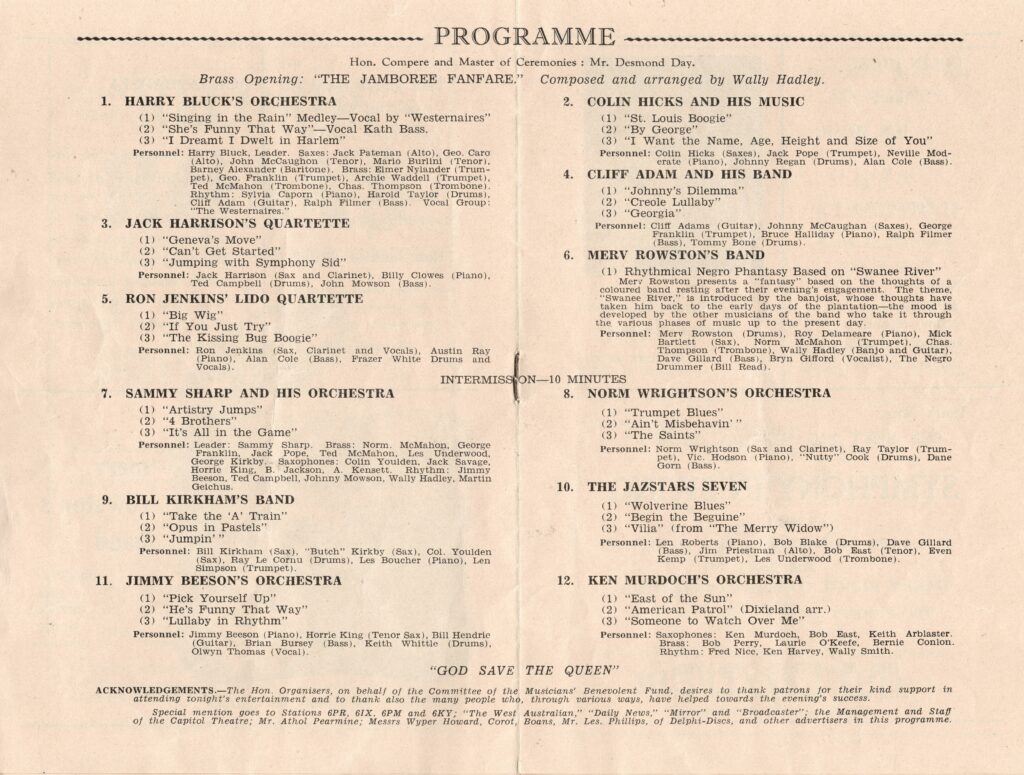
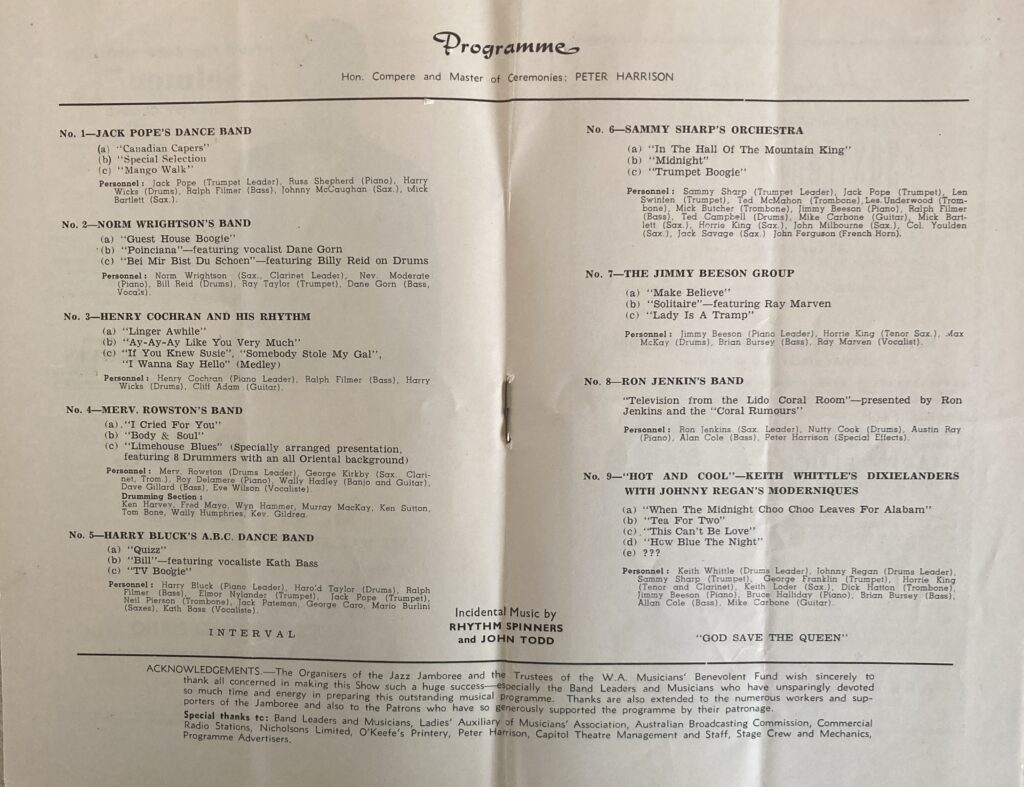
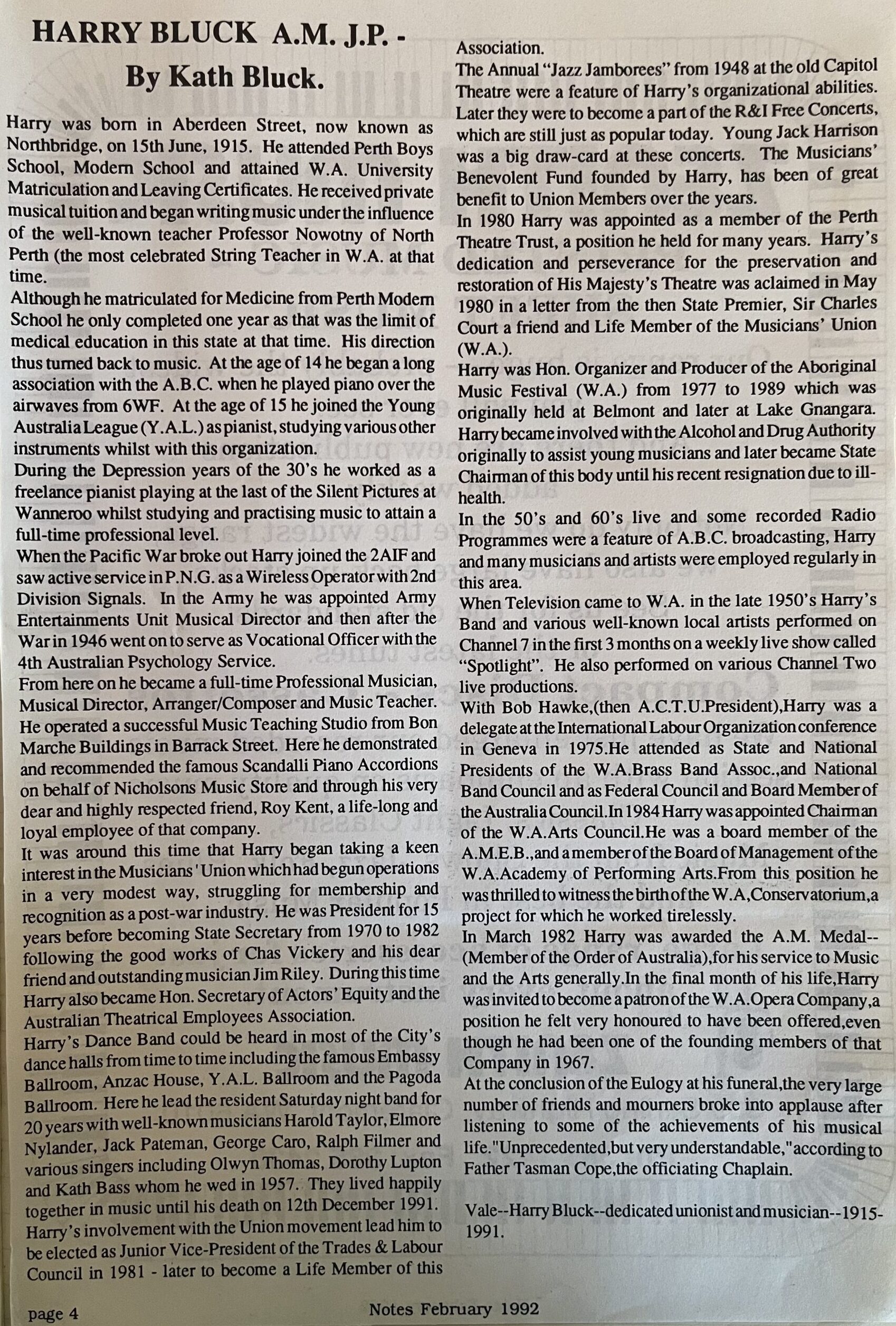
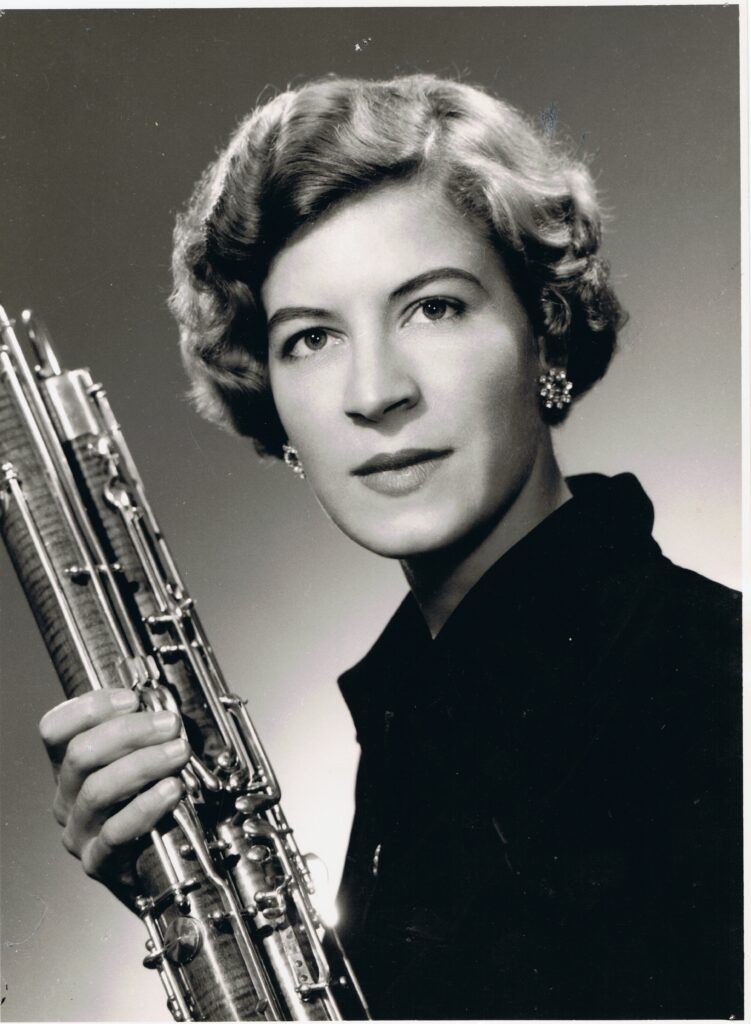
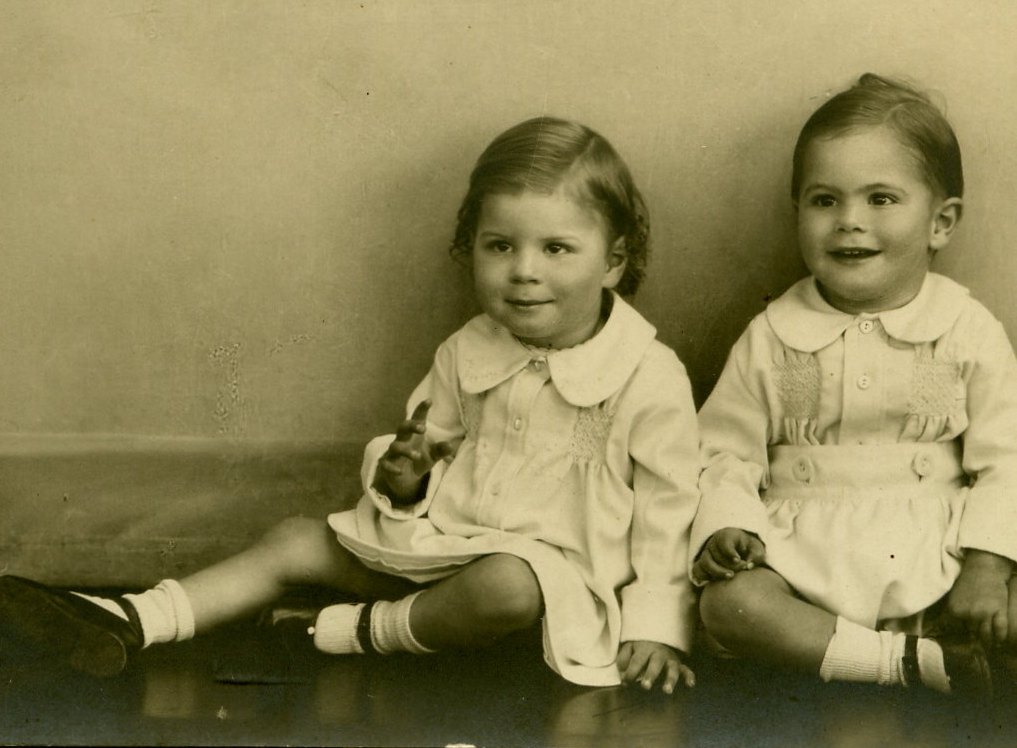
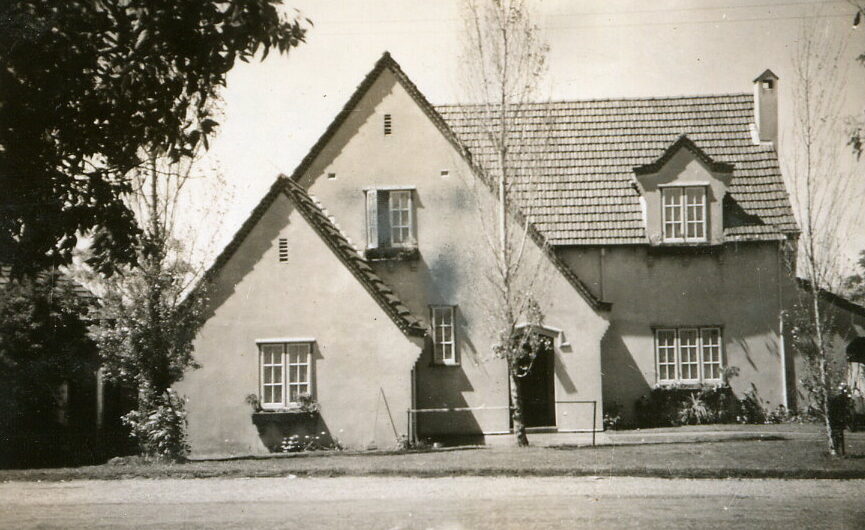
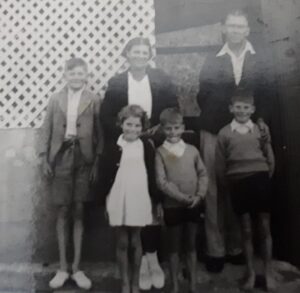
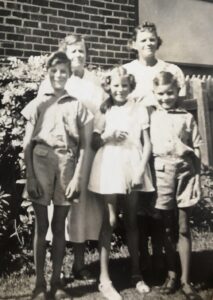
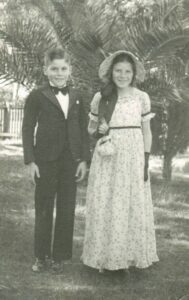
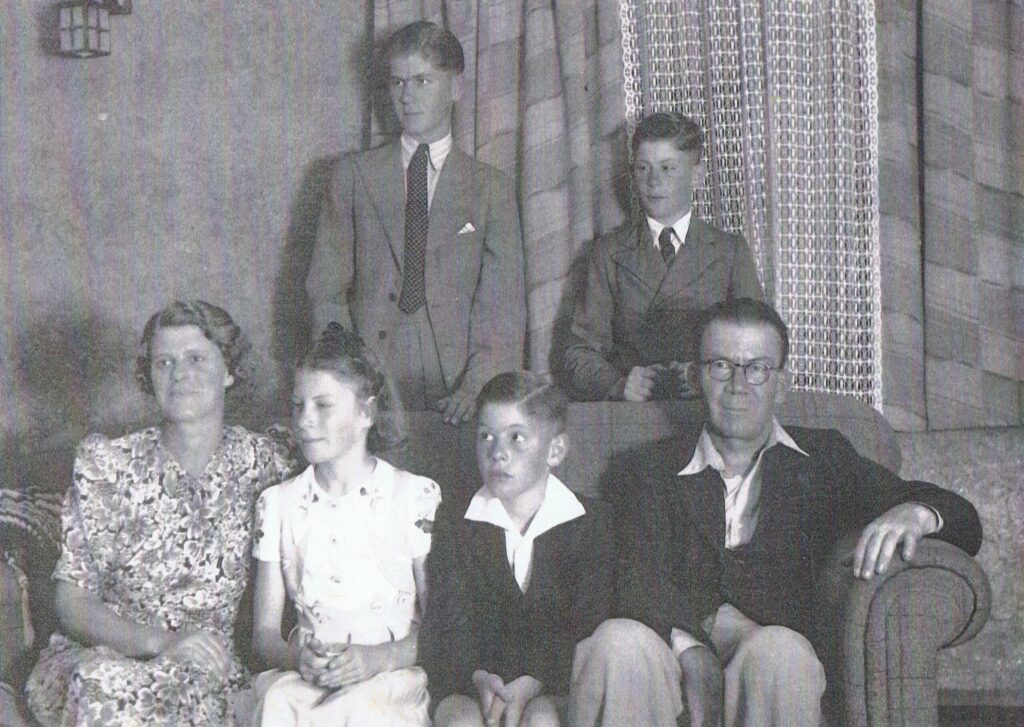
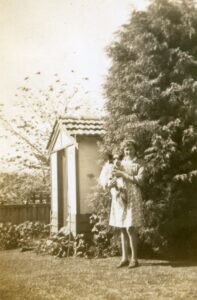 In 1944 during her last year at Primary School, Jill began bassoon lessons with Billy Moore assisted by a bassoon book of tutorials and attended P.L.C. for two years.
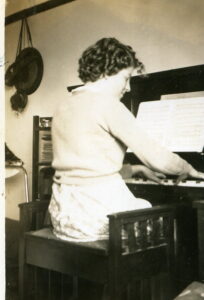
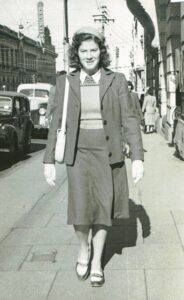
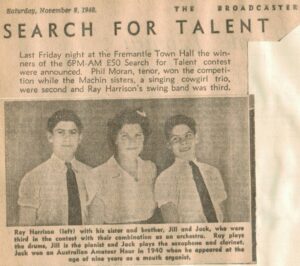
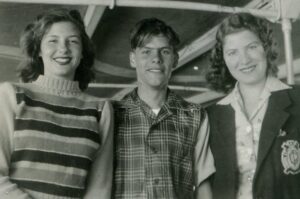
 In 1947, Jill left P.L.C at the insistence of her father and being held by a promise that she would devote her life to music practise.
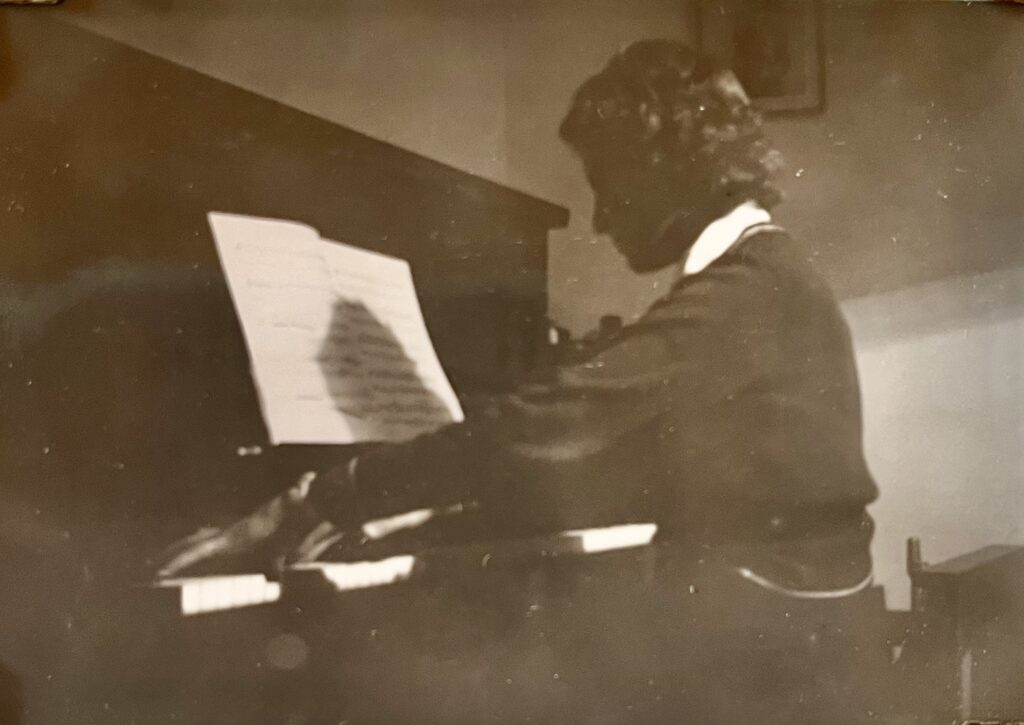
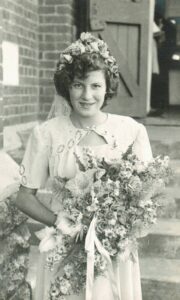
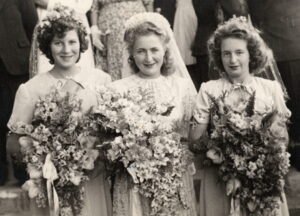
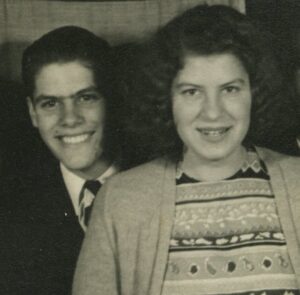
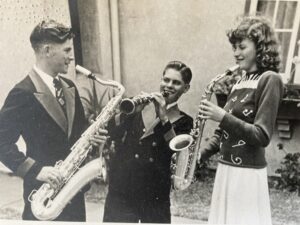
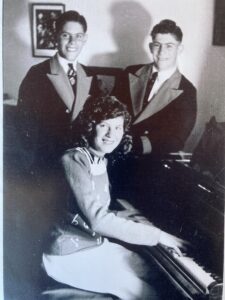
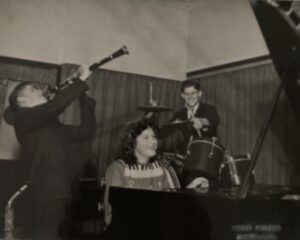
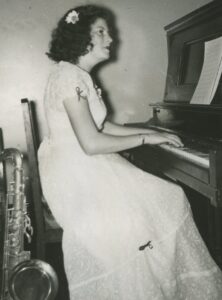
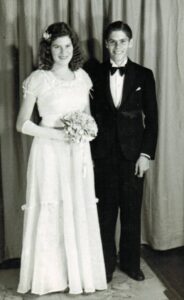
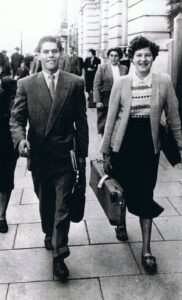
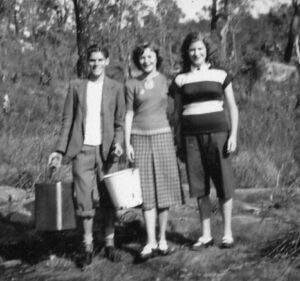
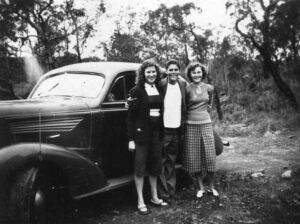
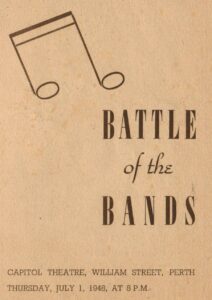
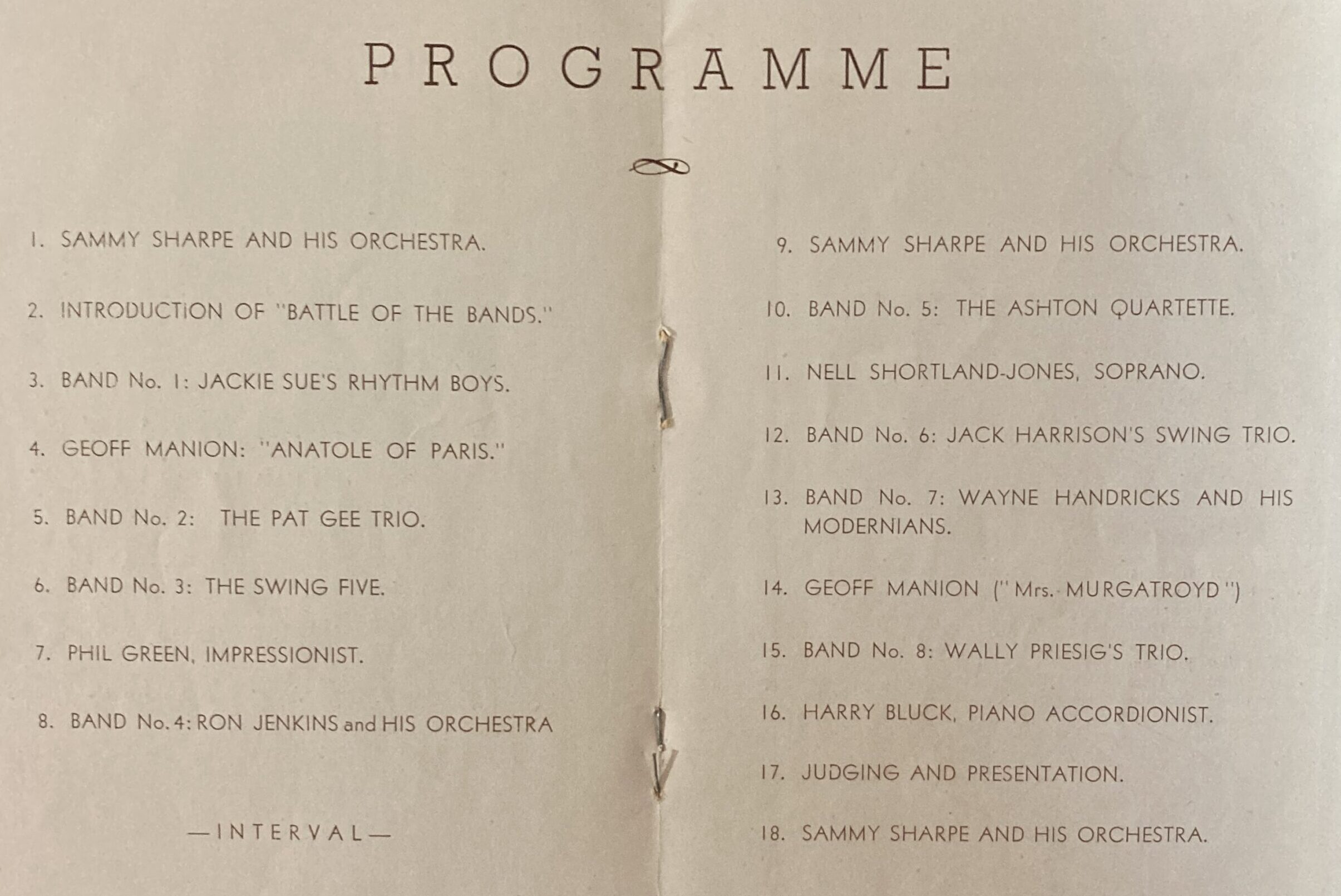
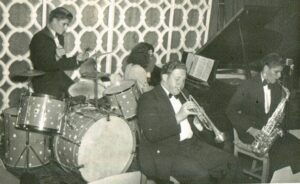
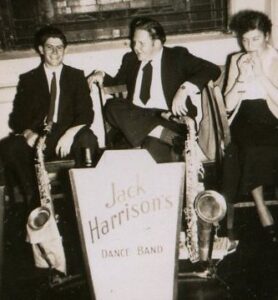 Balcony chatting saw Ronda MacKay and Jean Keogh with friend Harry Prestwood, of England. Ronda looked startlingly attractive in blue taffeta and silver lame, while Jean chose blue taffeta also with white lace effect. Now of Rockingham, and one of the city’s former ballroom dancing instructors, Stan Grey (in tails) was back on the floor. One of the largest floorside lounge parties consisted of Mount Hospital nurses. Norma Mills gold sequined aqua crepe with Arthur McDougall, of Perth. Her sister, Audrey, in cyclamen crepe, Marie Park looking cool in white lace, Graduates Peg Park and Joyce Grose chose red velvet top with a skirt of green, and red taffeta and white marquisette and silver lame respectively…Kath Nicholls in taffeta and blue lace …. Gazing down upon the dancing mass, espied Florence Kinsella of Wembley, whose order for the night was a blue taffeta ballerina and black ballerina shoes with Owen Fitzgerald of Mt. Lawley … Cabaret table party, mostly RPH nurses, comprised Margaret Lewis, Pat Cartwright, Betty Rice, Maxine Davis; June Rosier and Mr. and Mrs. Athol Ipsen, of Manjimup.
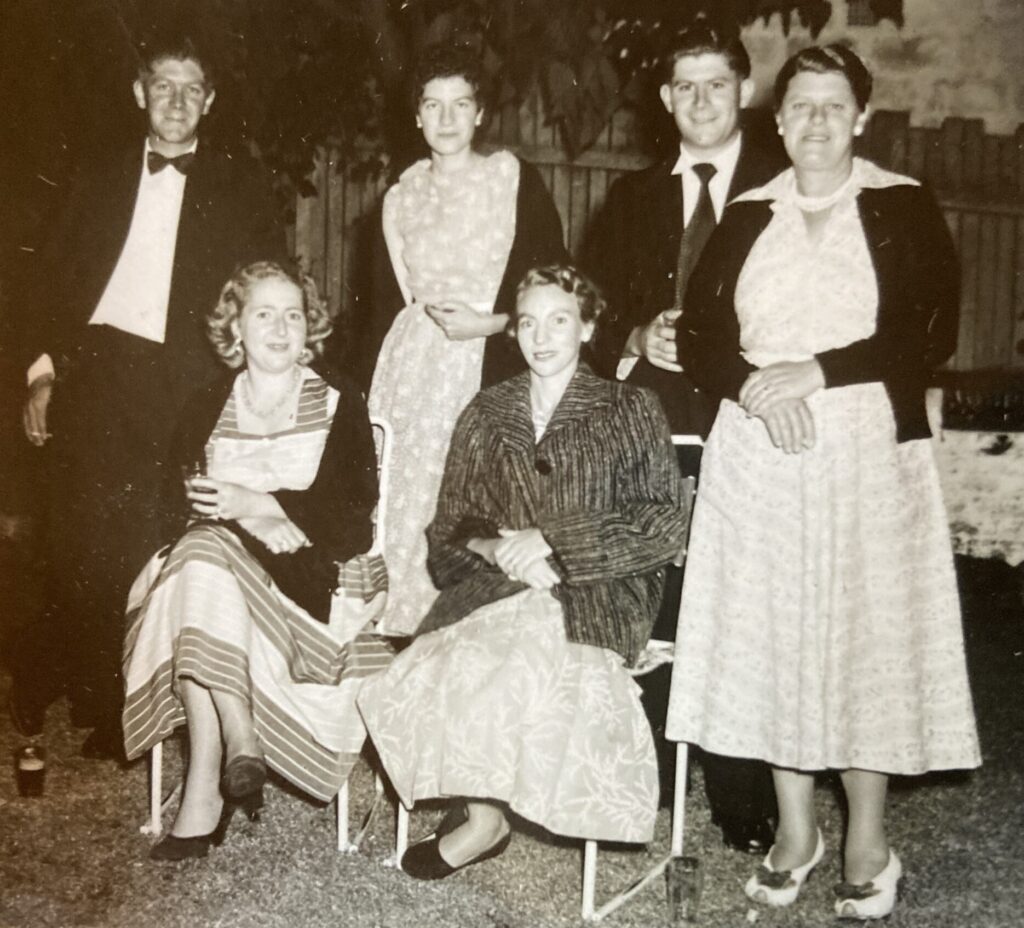
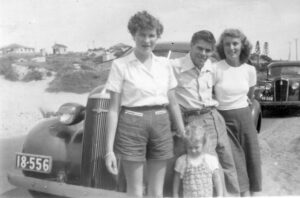
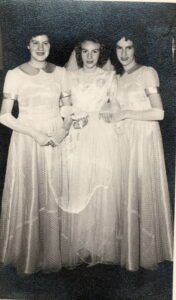
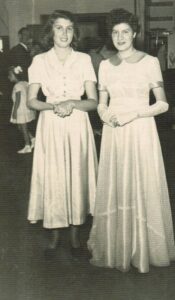
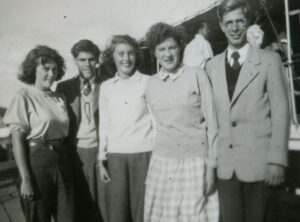
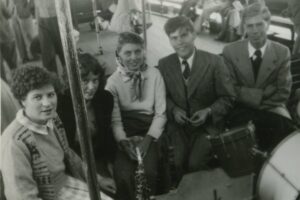
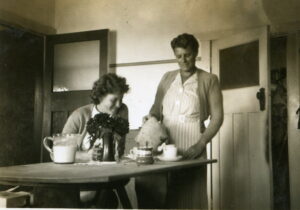
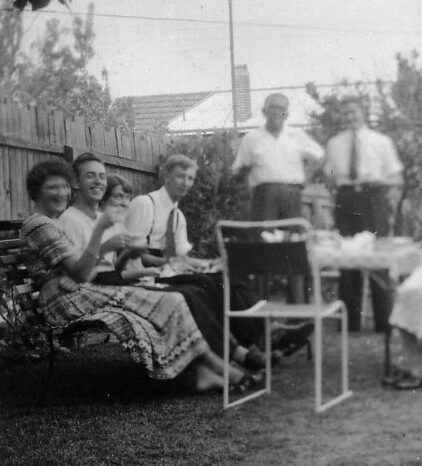
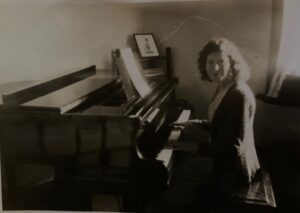 JILL JOINS JACK IN ORCHESTRA – Perth Sat: Jill Harrison, 20, who has been studying bassoon and piano at the Elder Conservatorium, Adelaide for two years, has been appointed second bassoonist with the W.A. Symphony Orchestra. That makes two Harrisons in the orchestra – the other is her twin brother clarinet player Jack Harrison. Jill was pianist for her brother’s orchestra before leaving Perth for Adelaide. Another brother was a drummer.
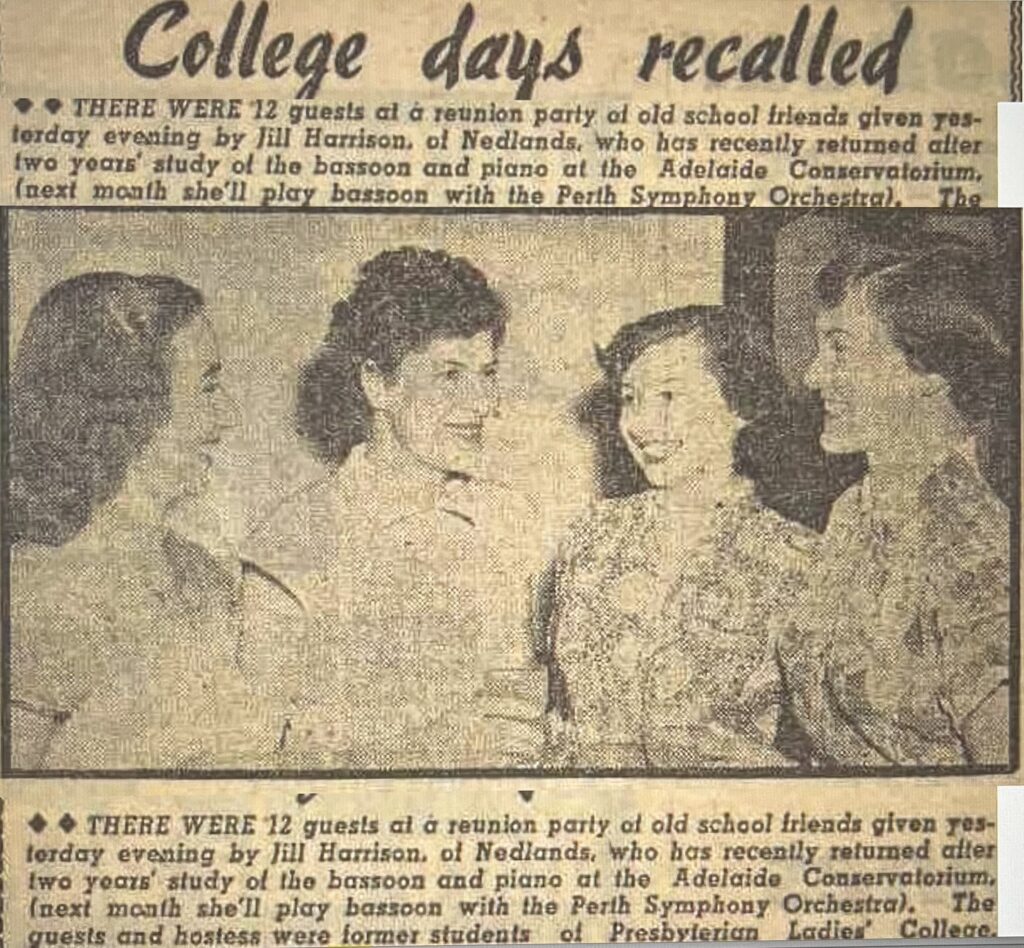
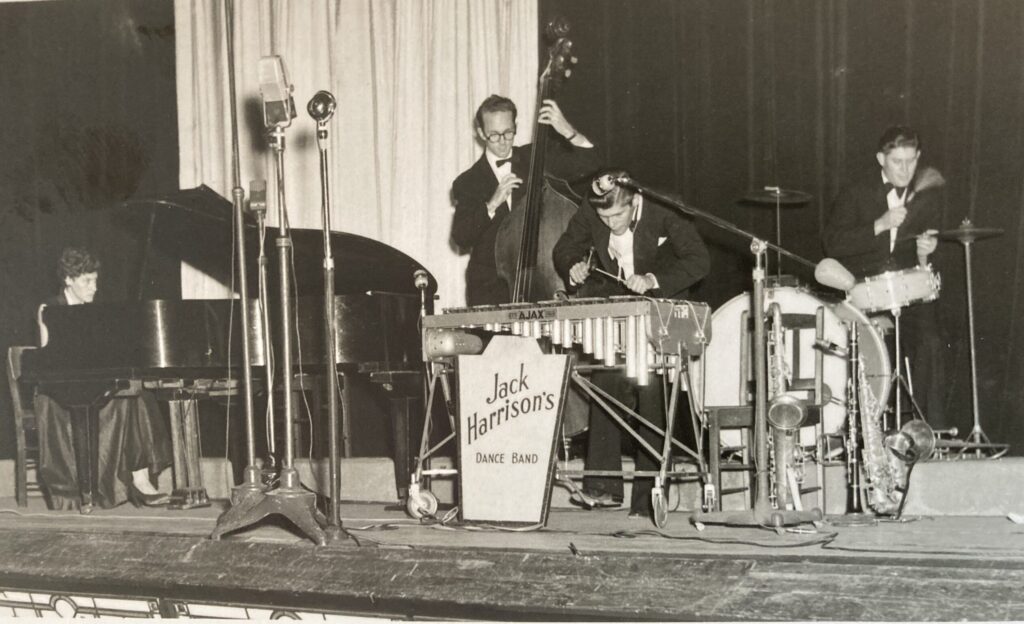
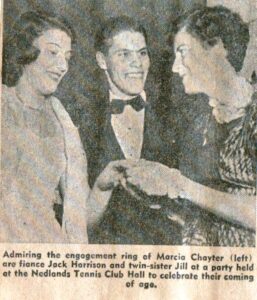
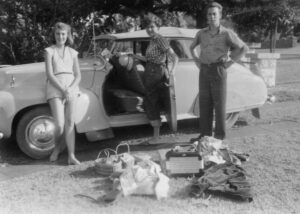
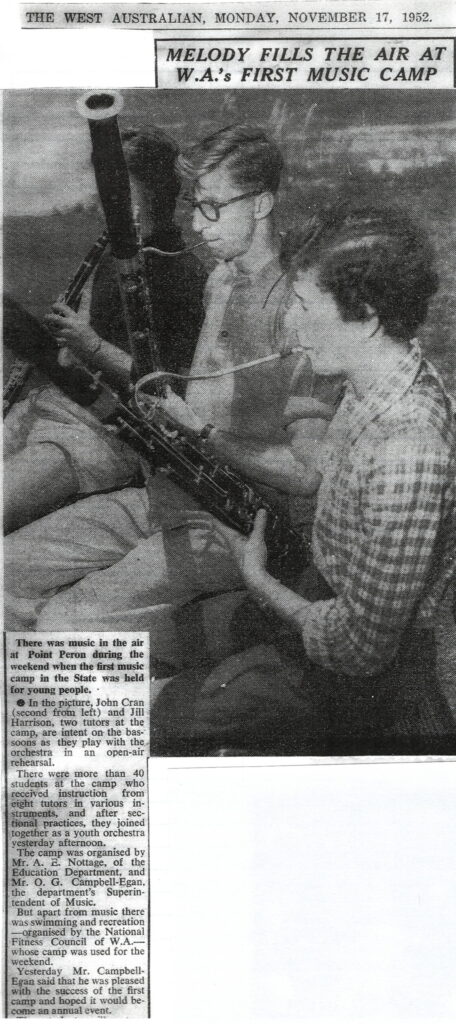
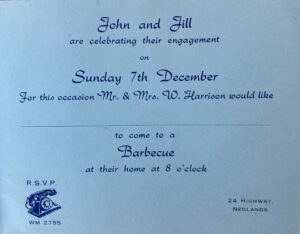
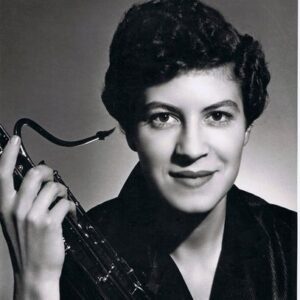
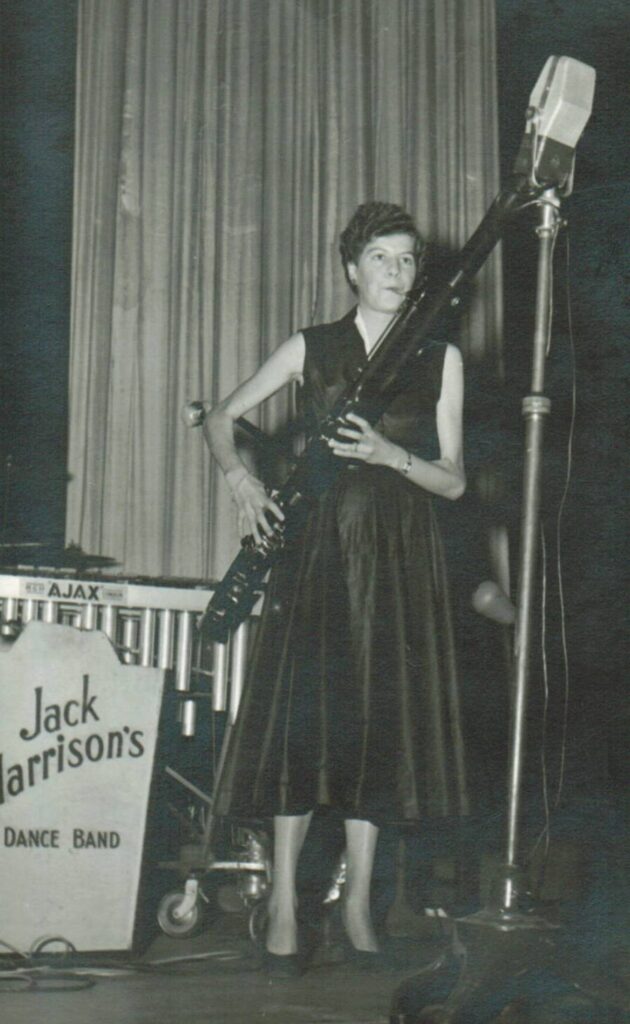
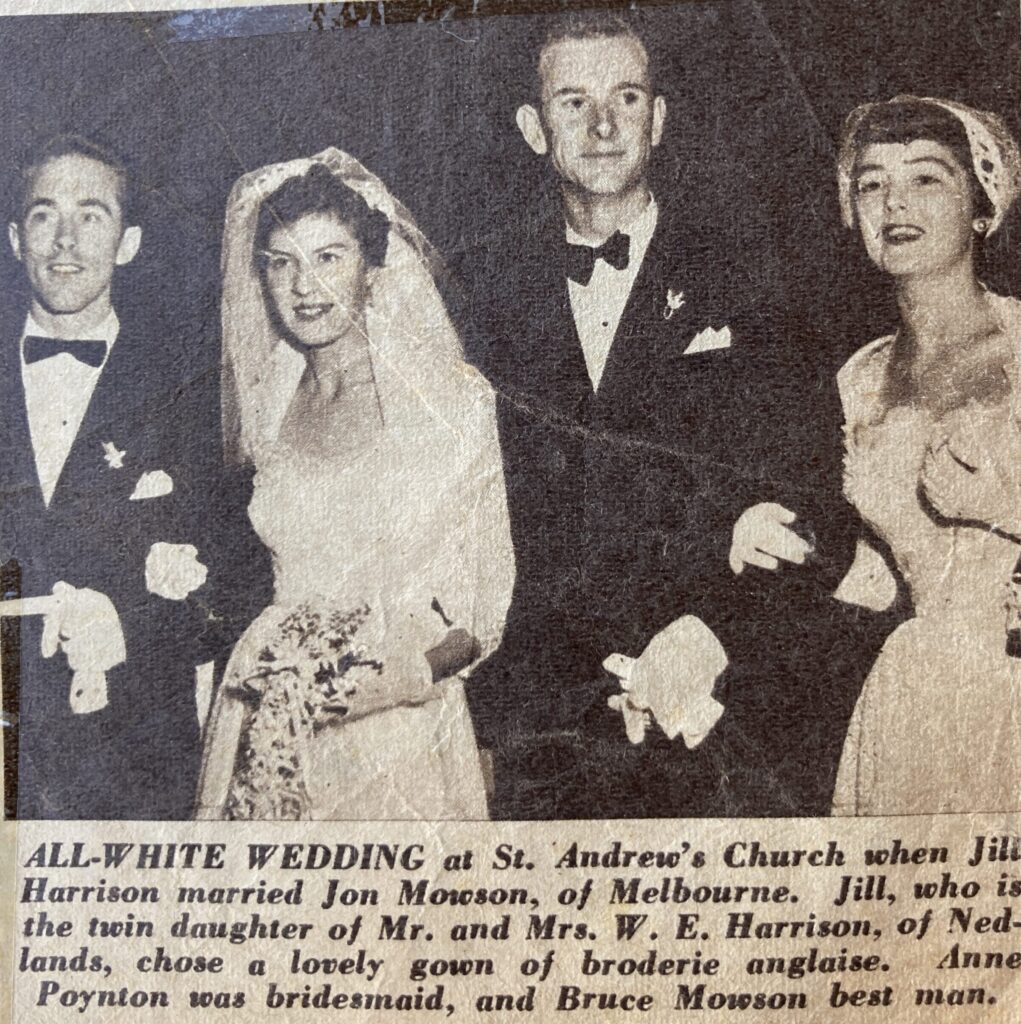
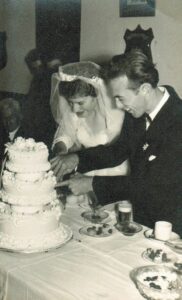
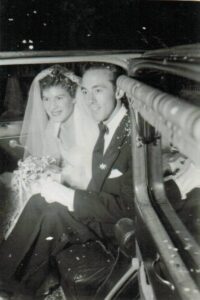
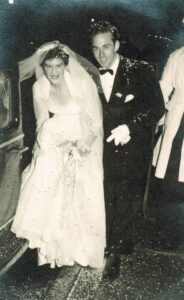
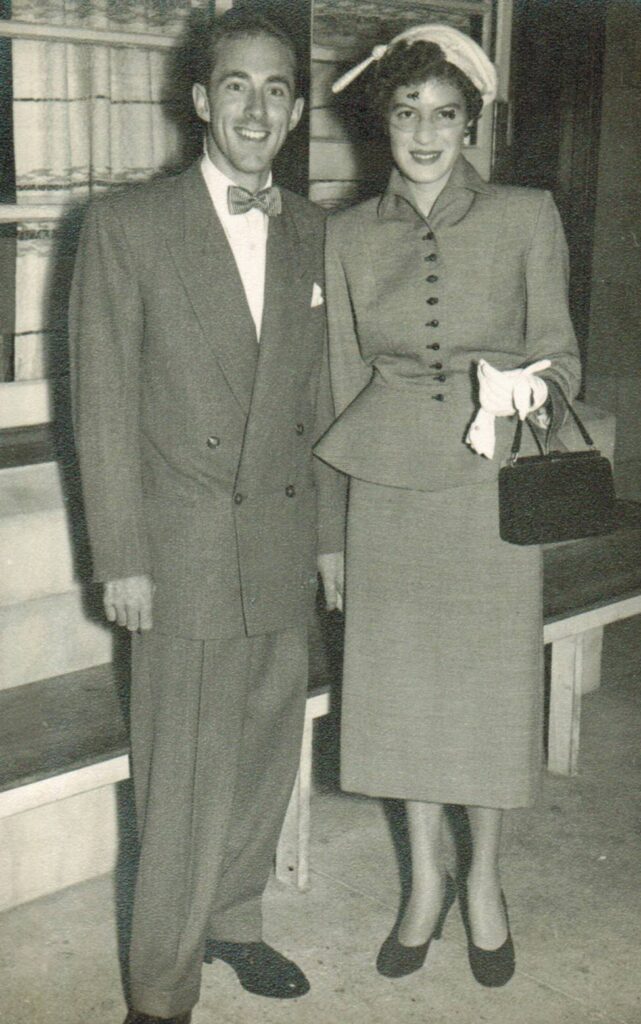
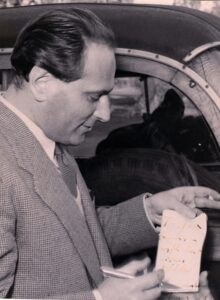
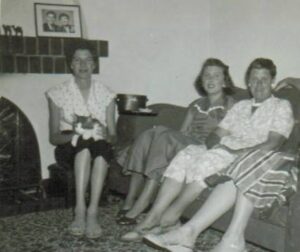
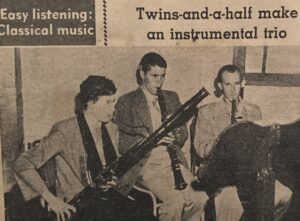
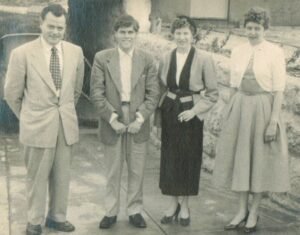
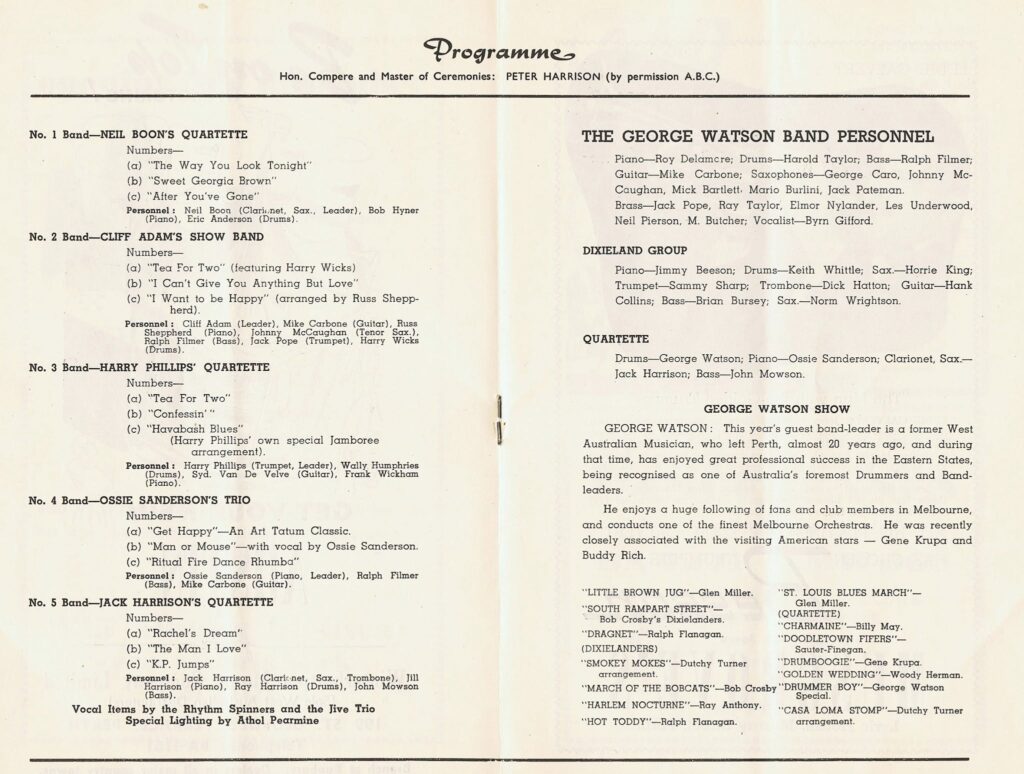
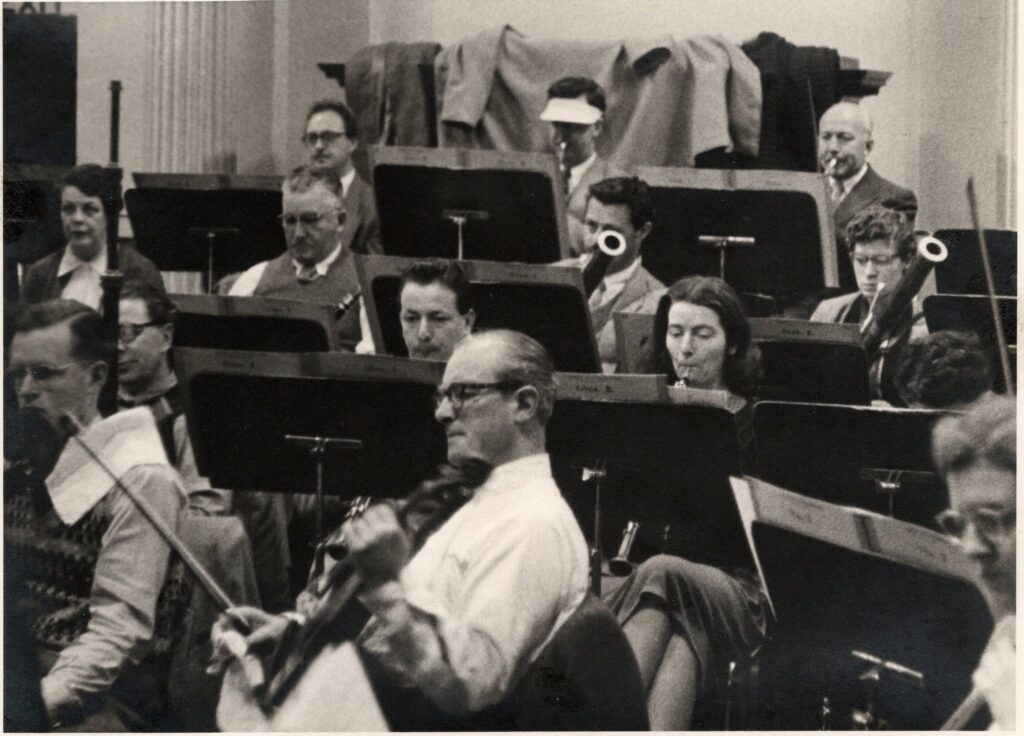
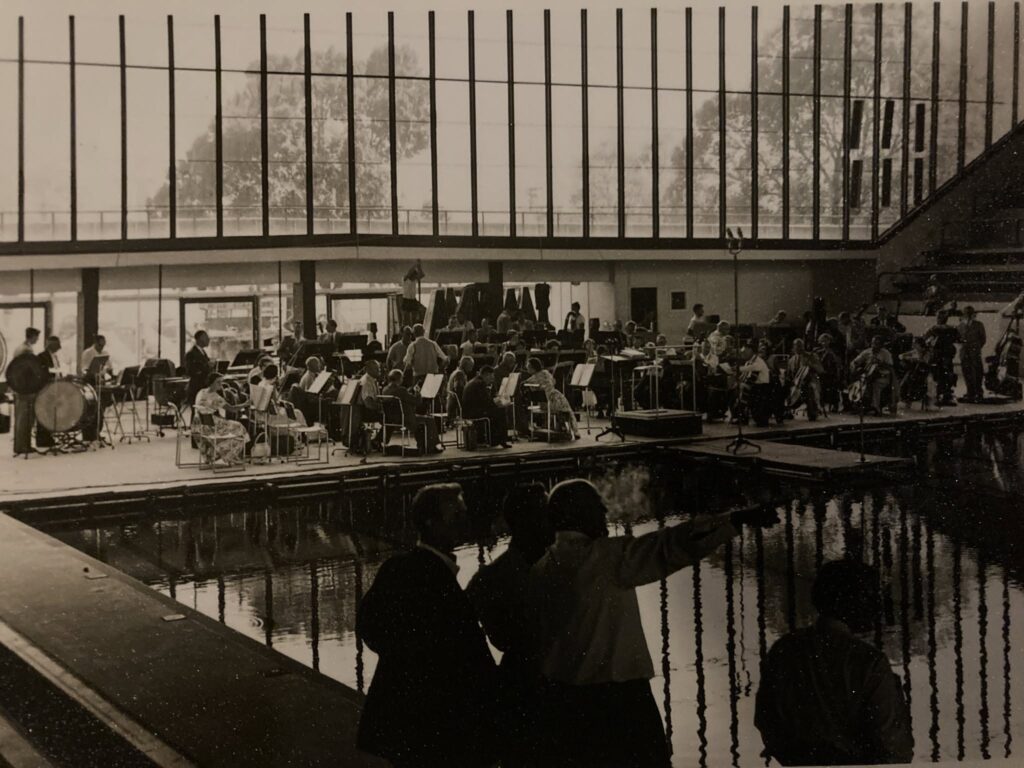
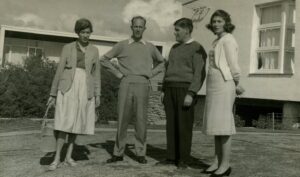
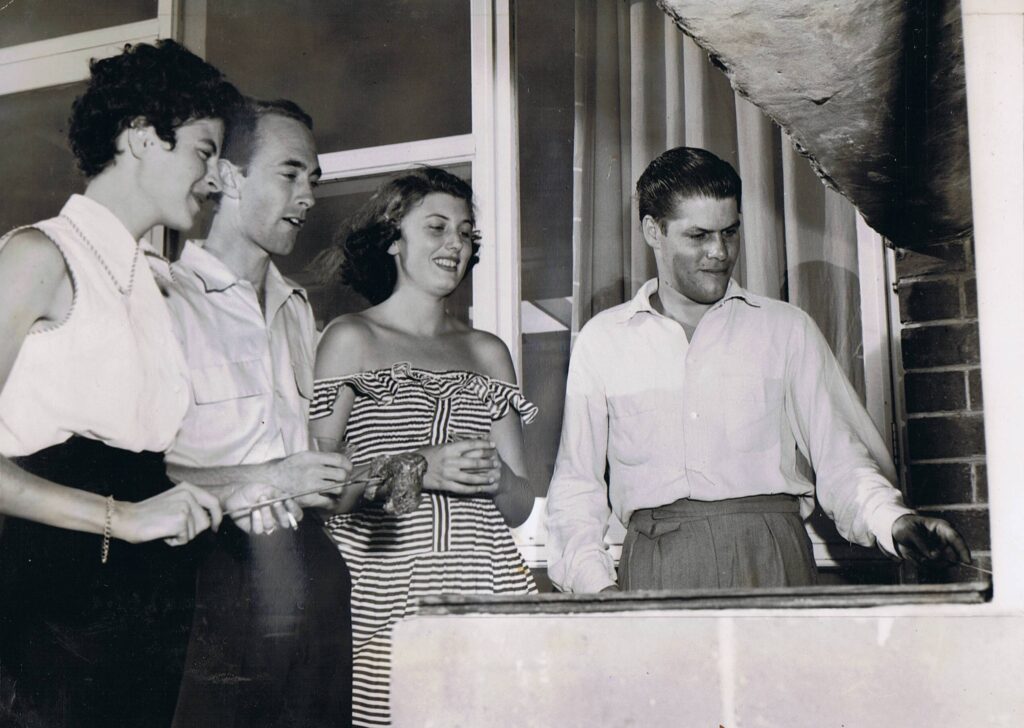
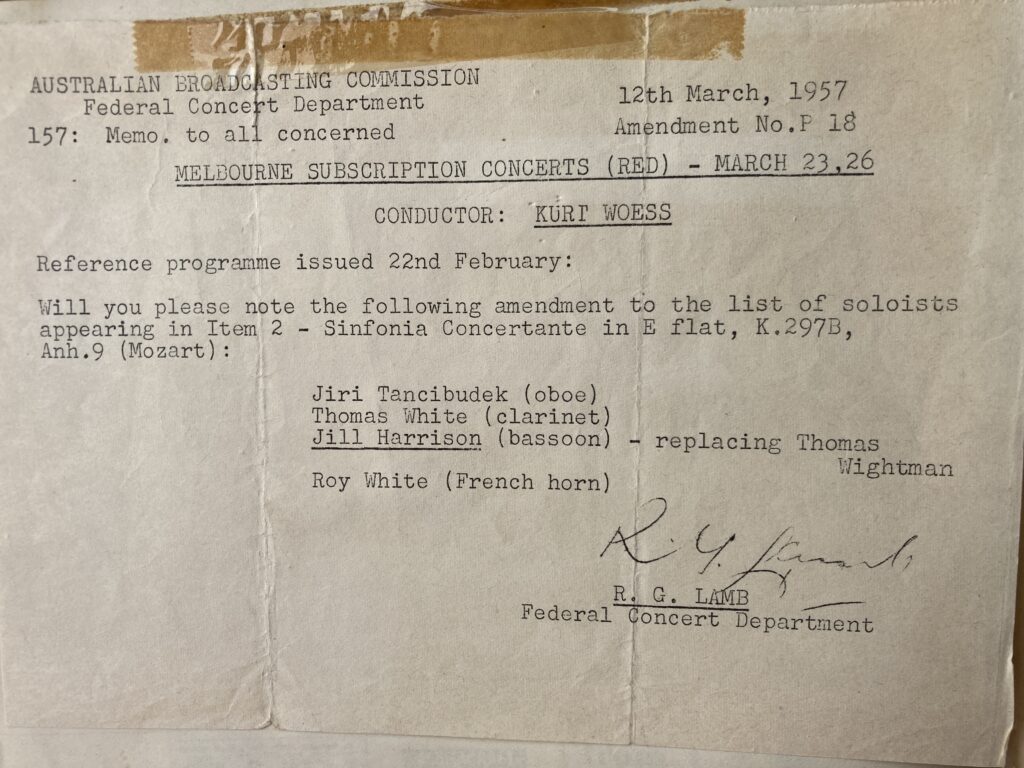
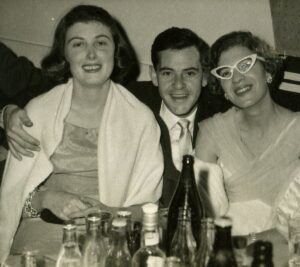
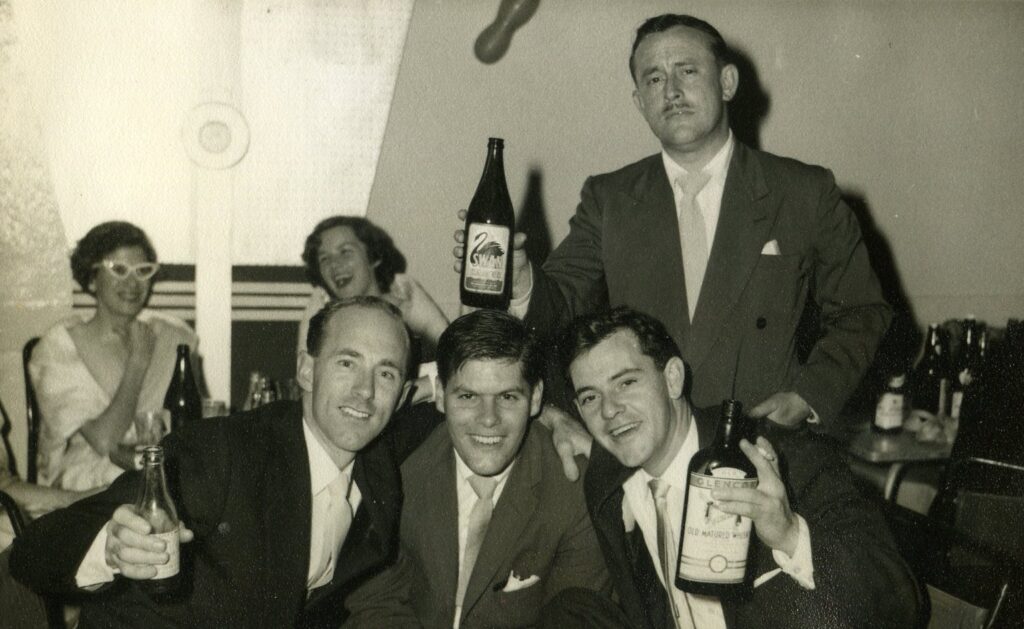
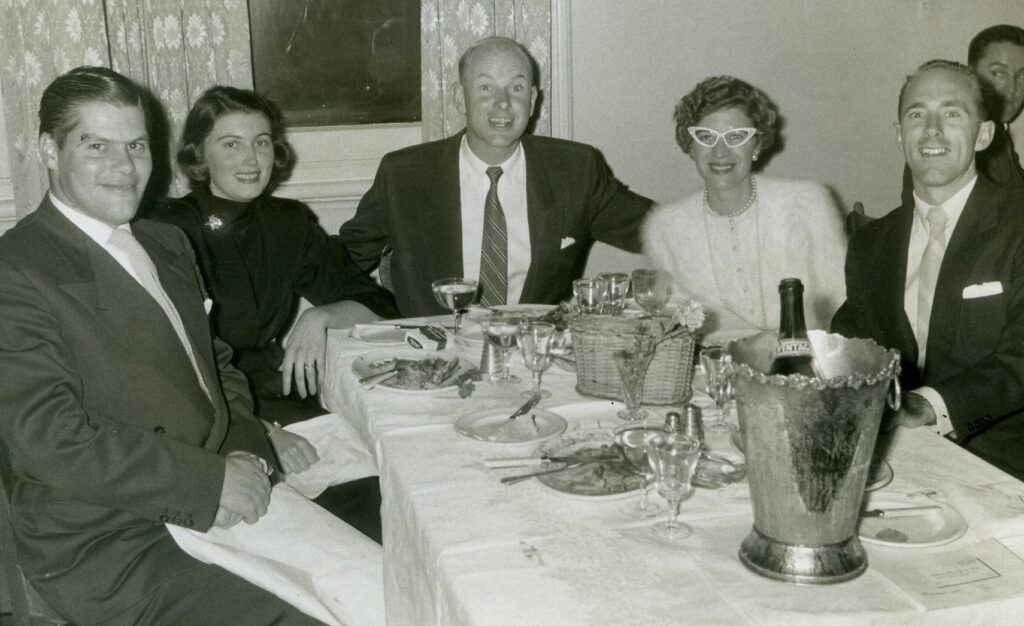
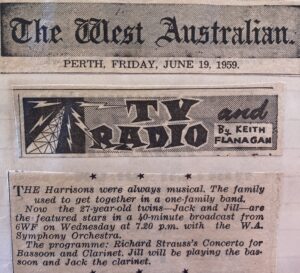
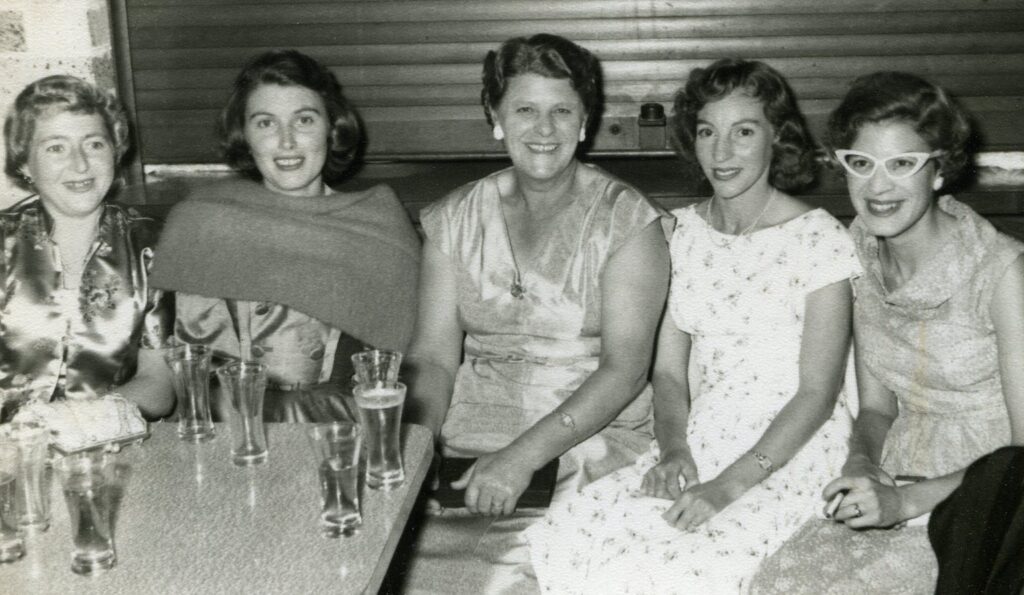
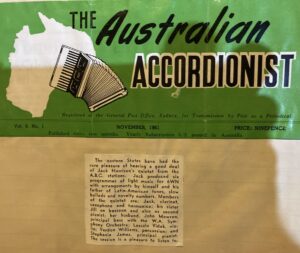
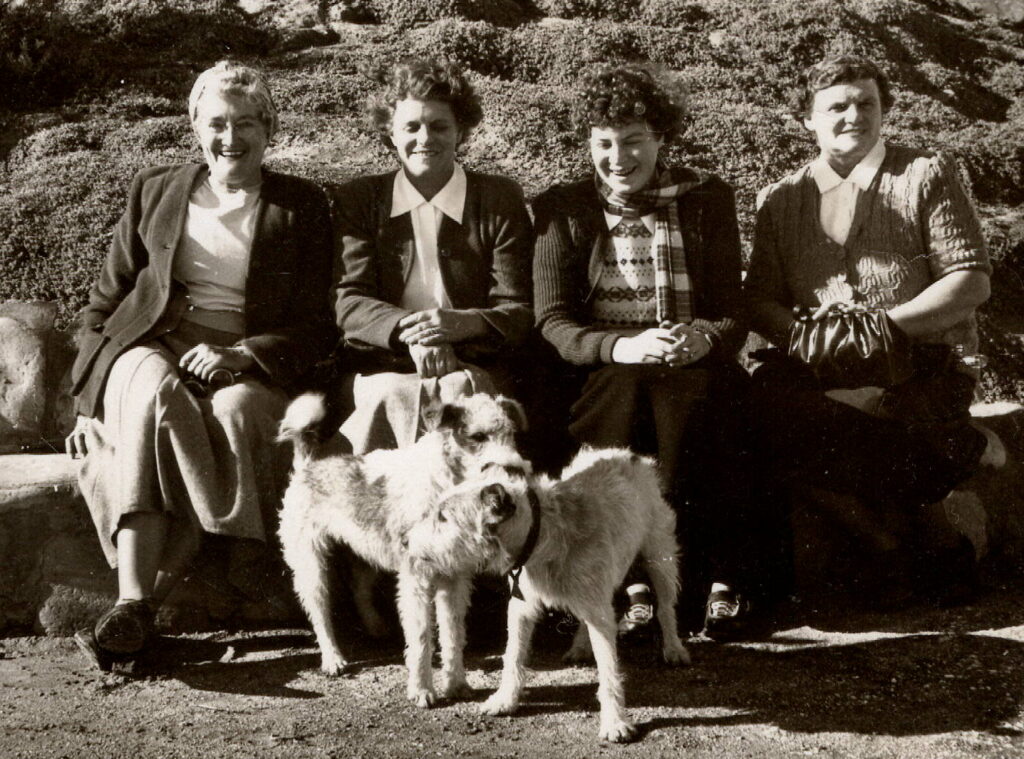
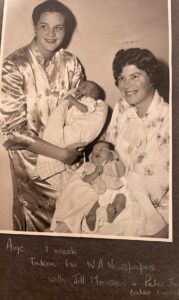
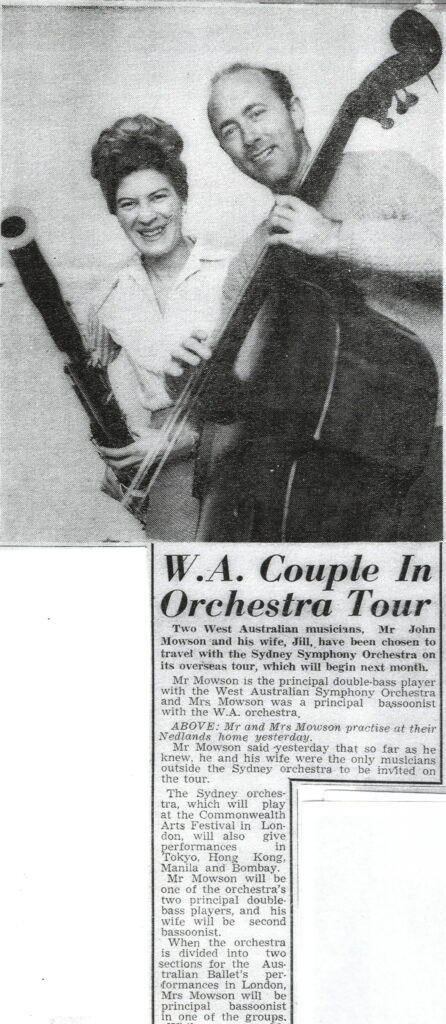
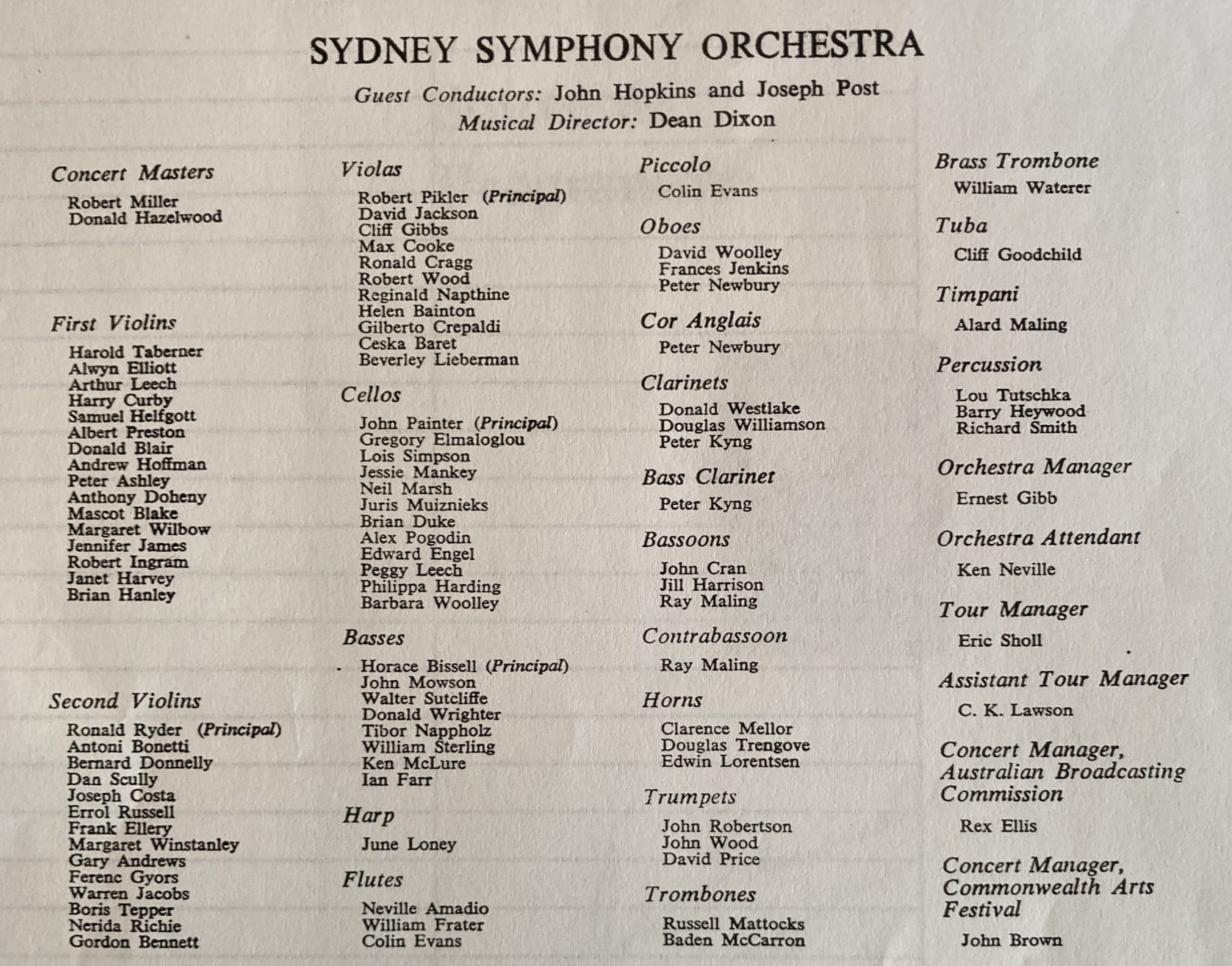
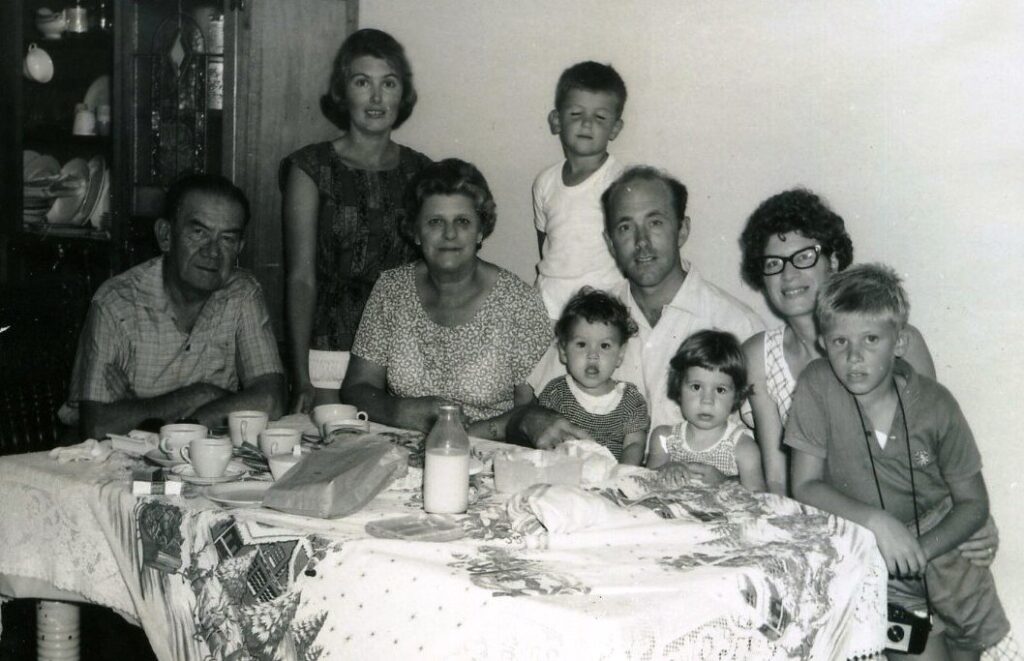
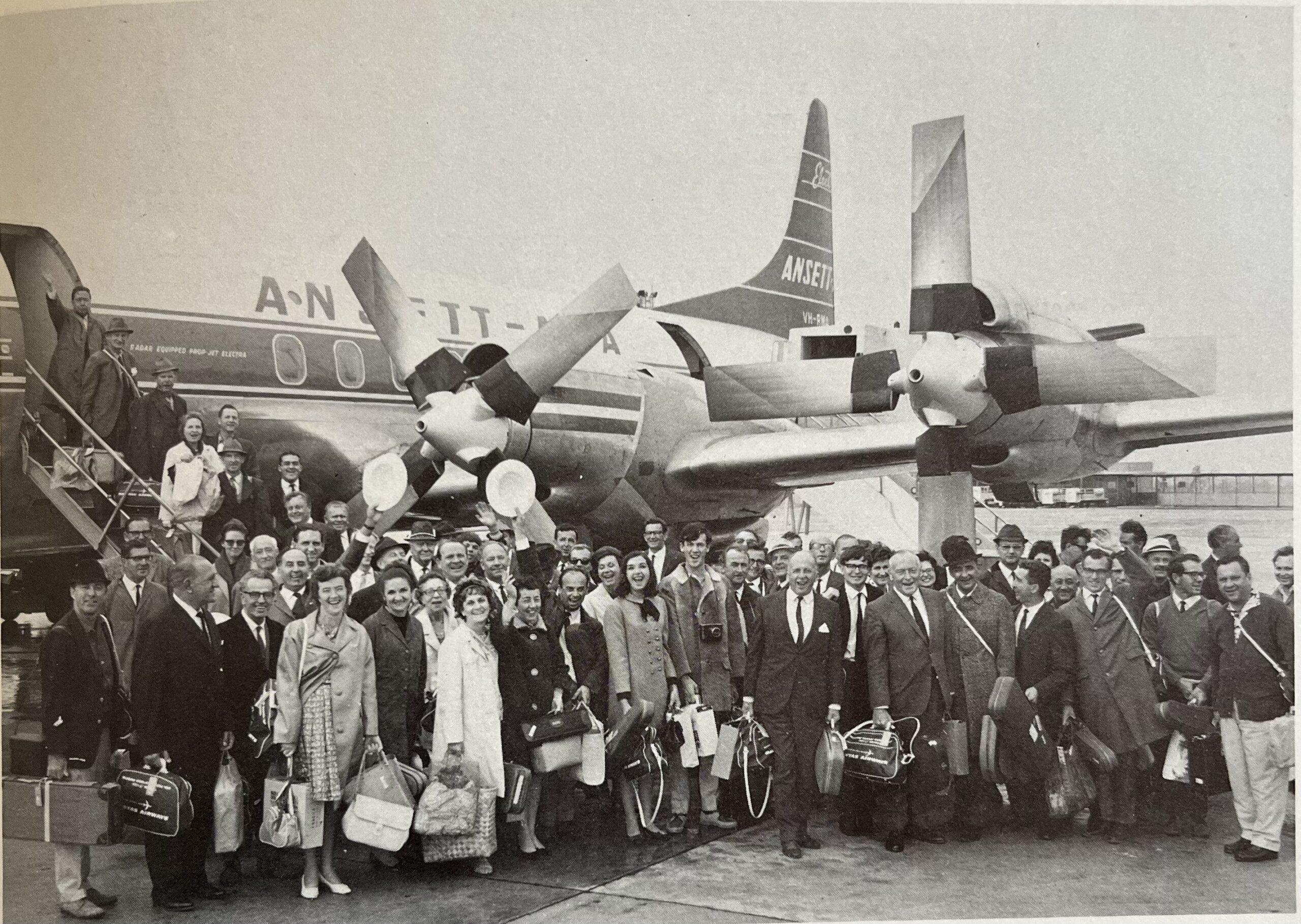
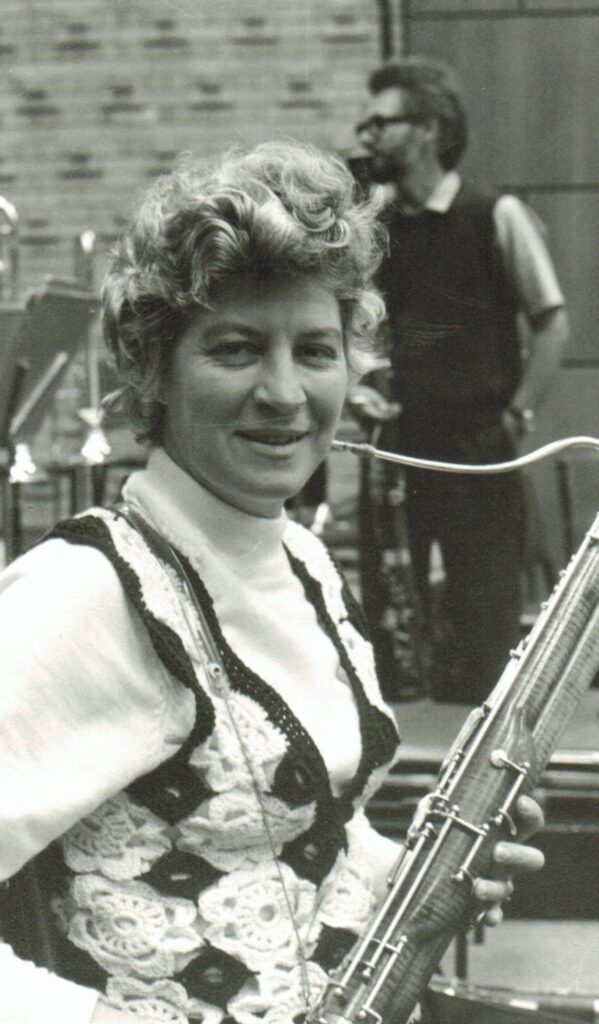
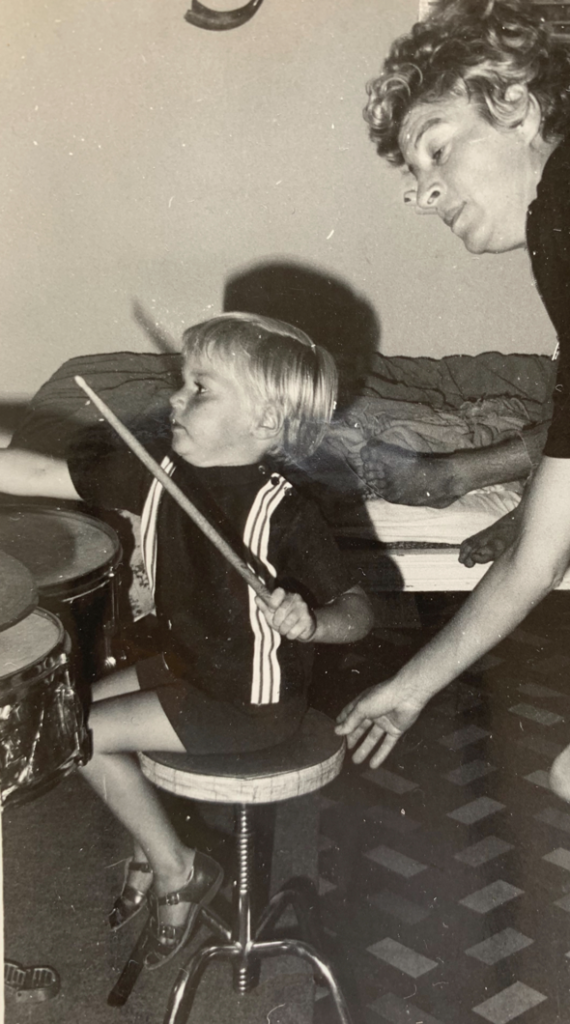
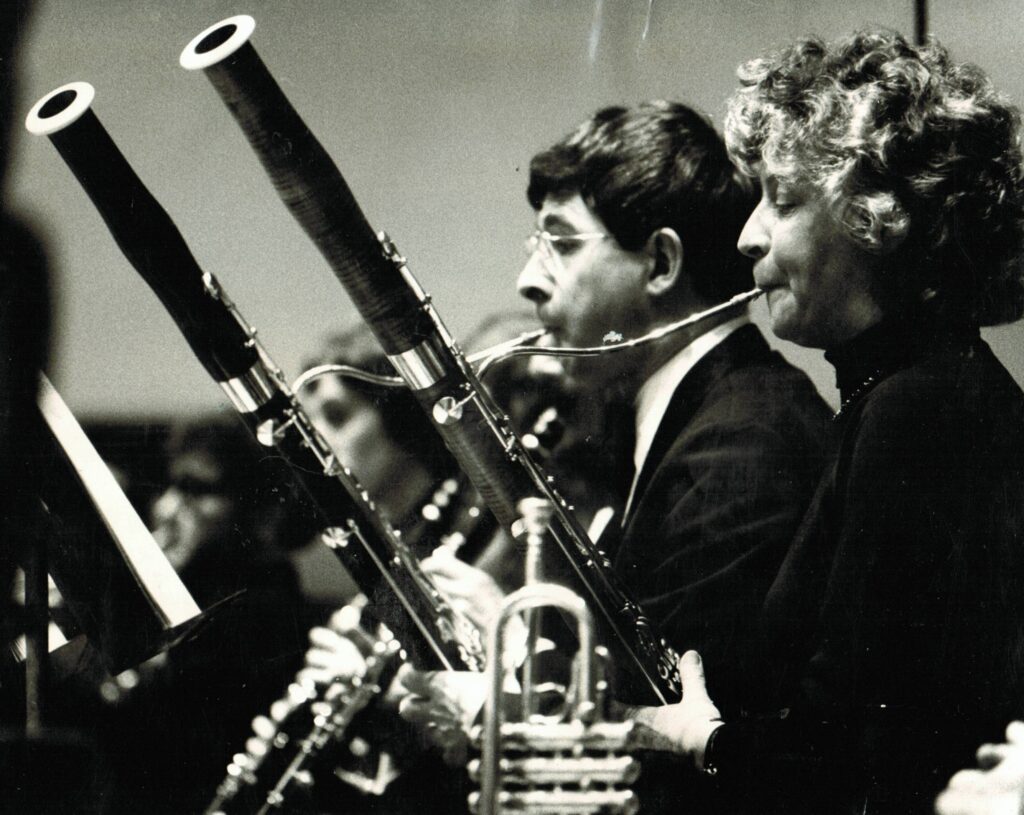
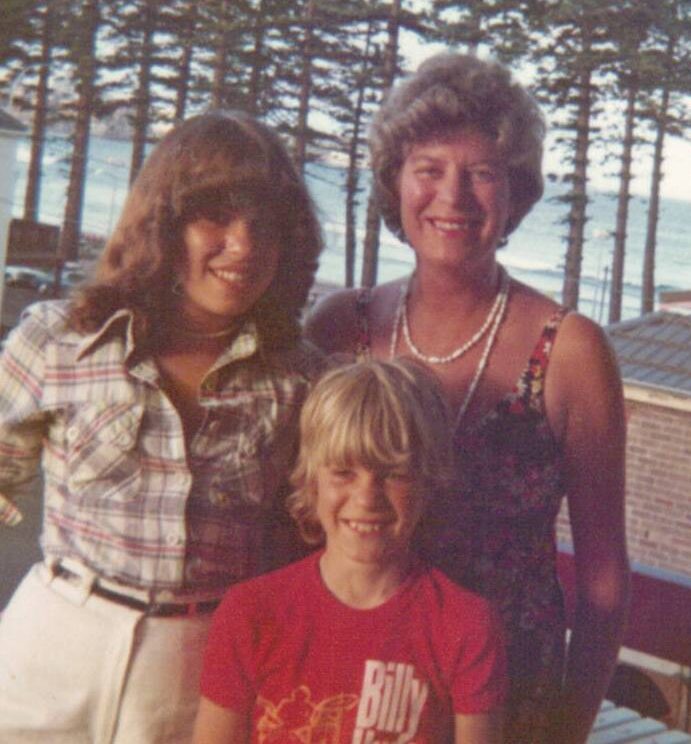
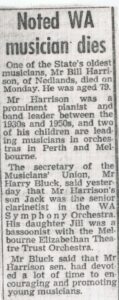
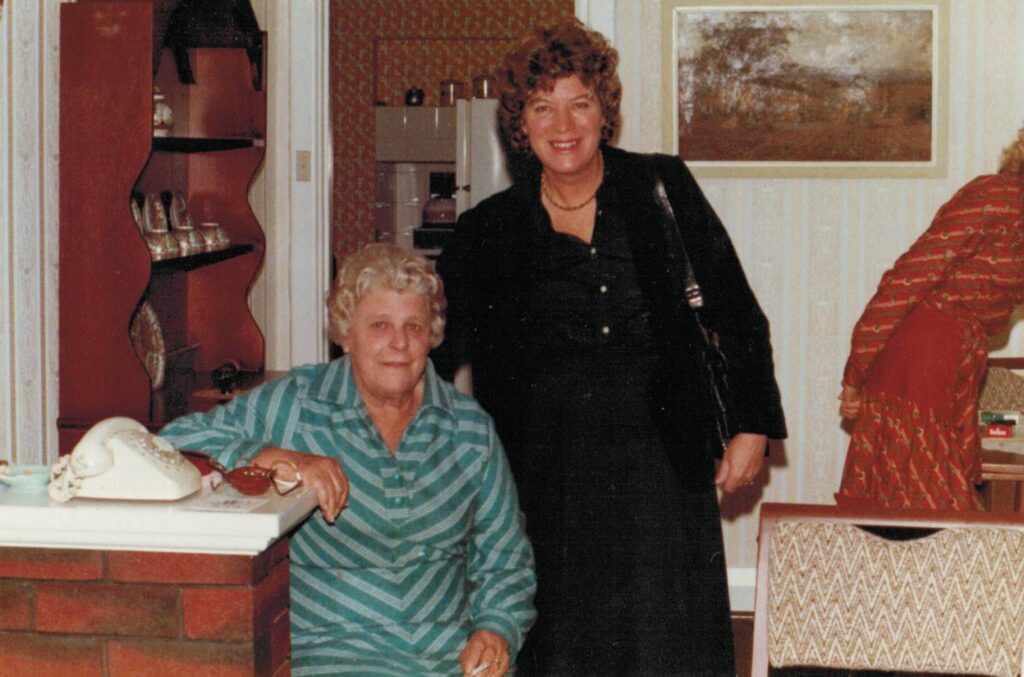
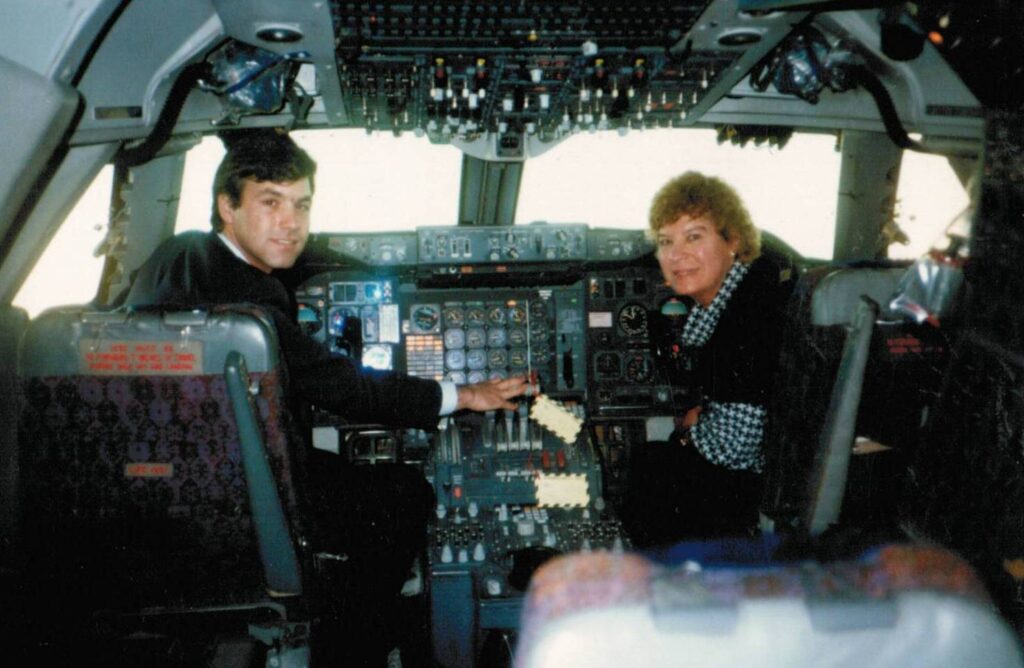
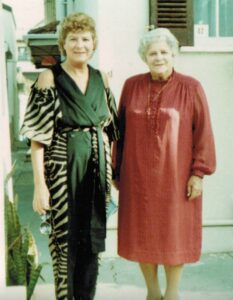
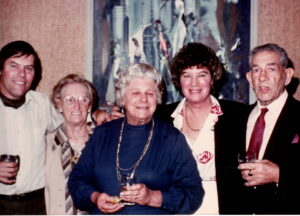
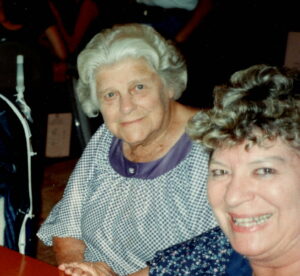
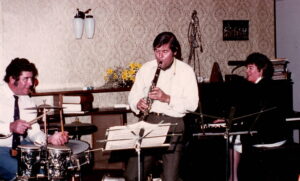
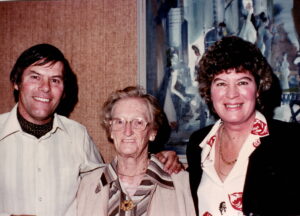
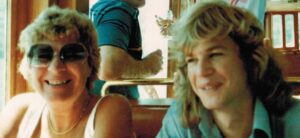
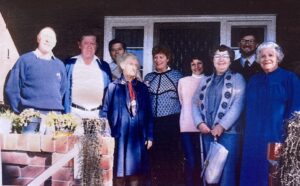
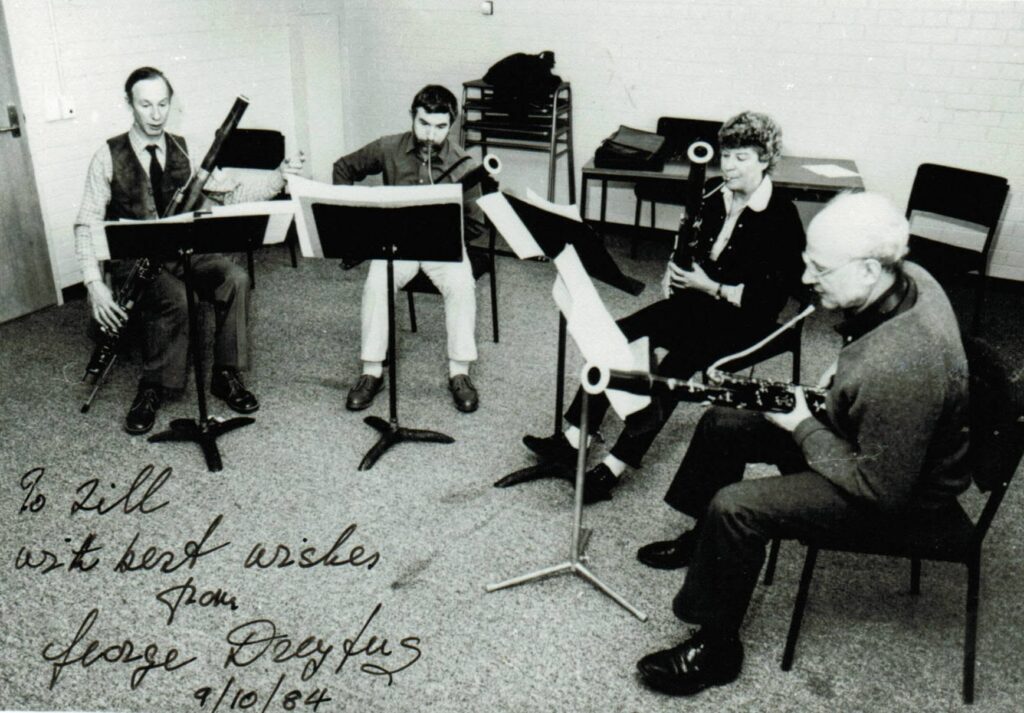
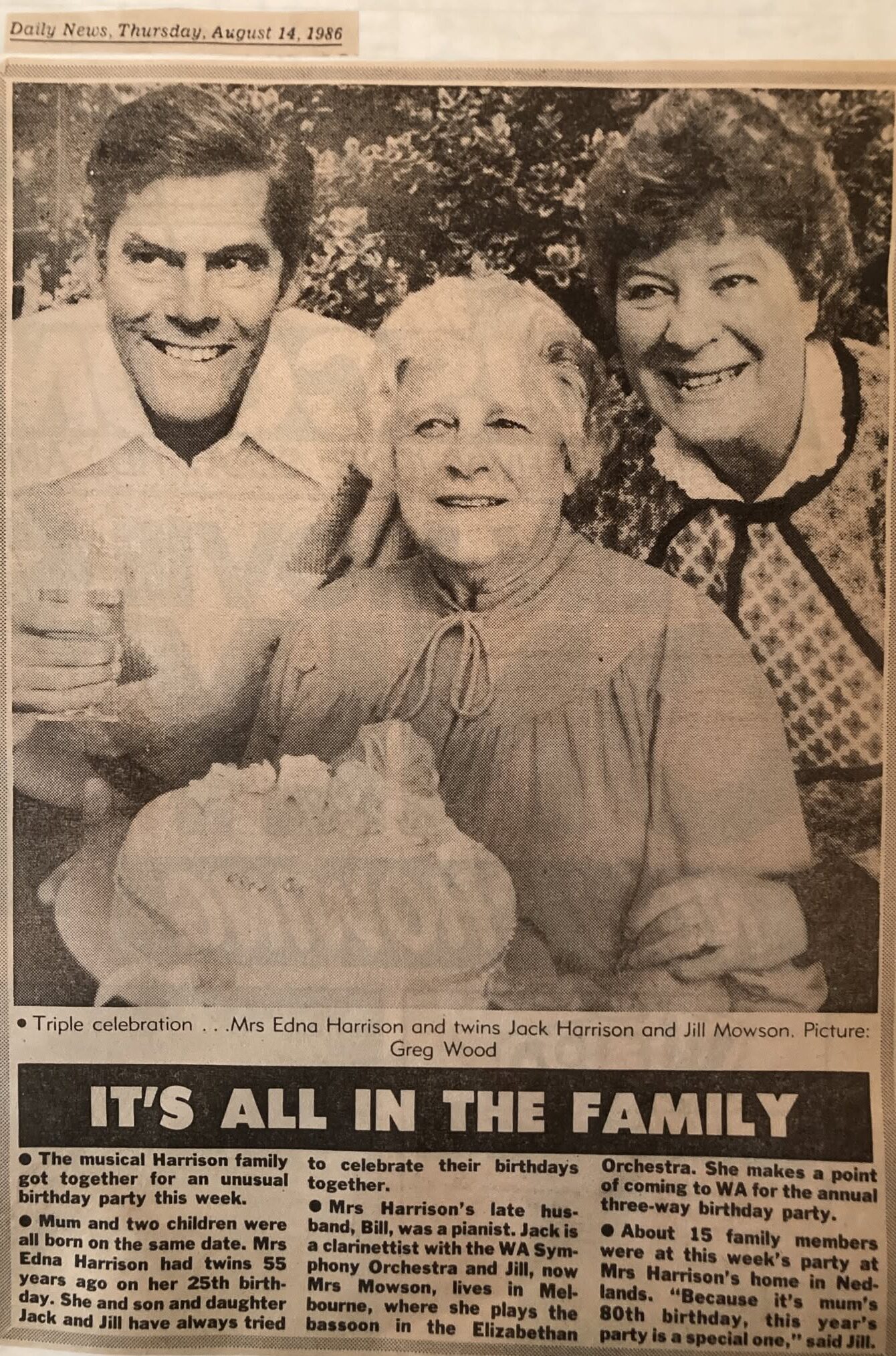
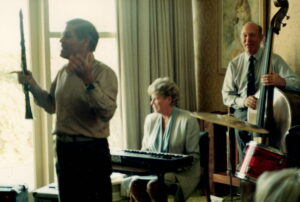
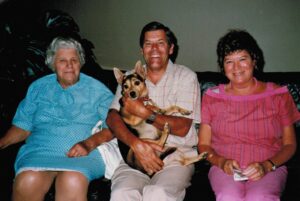
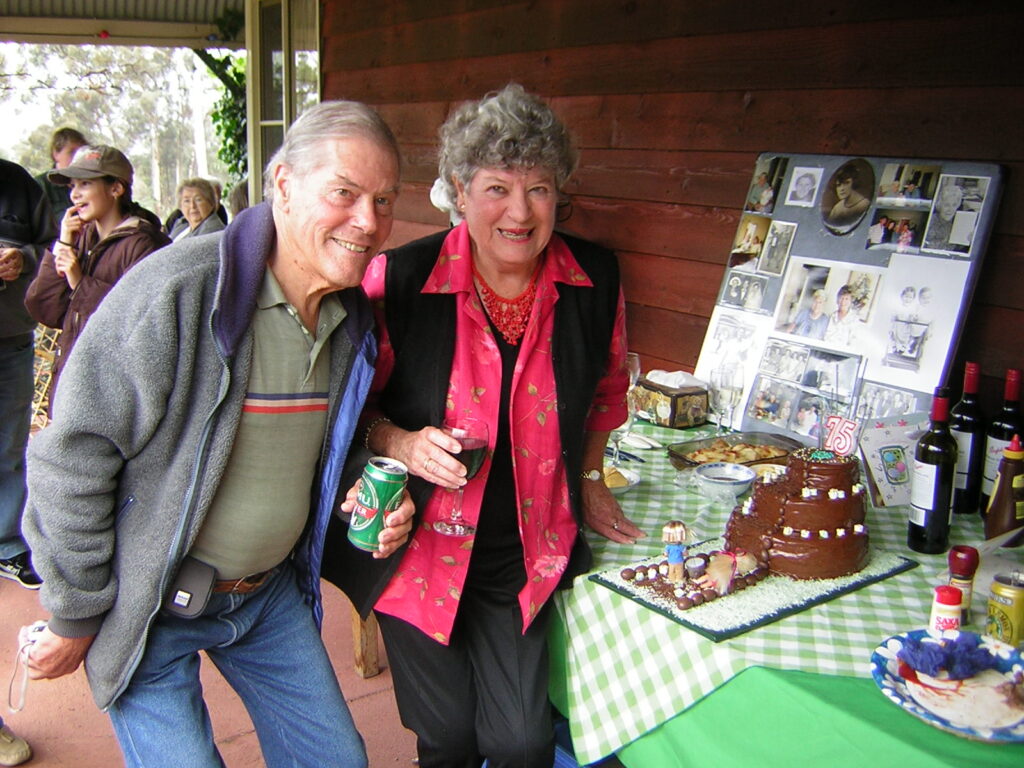
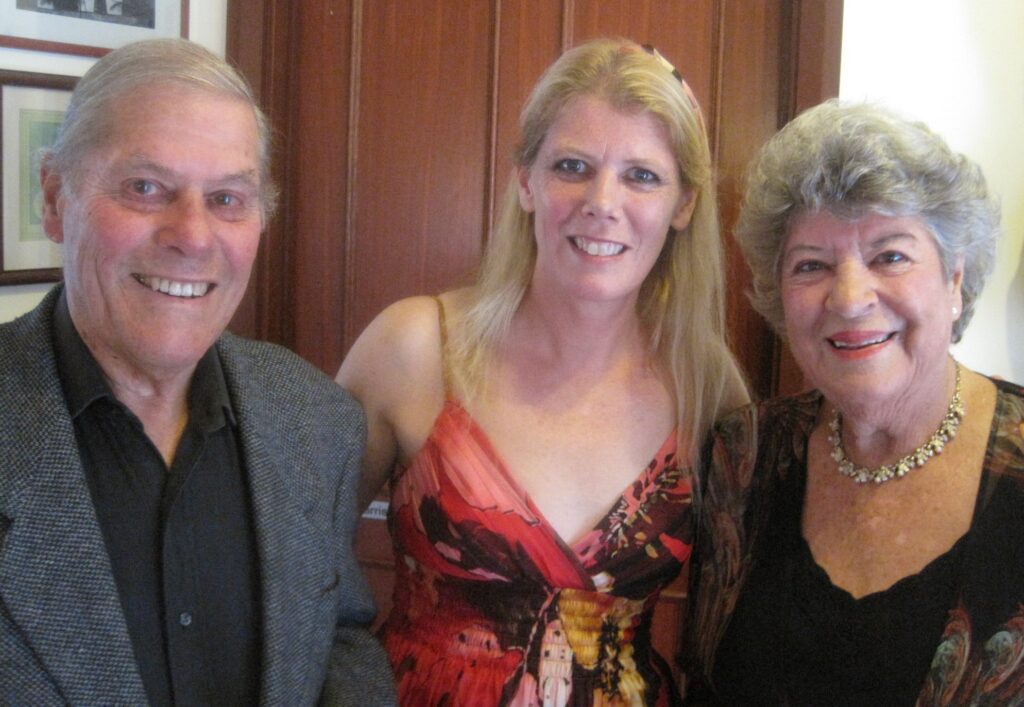
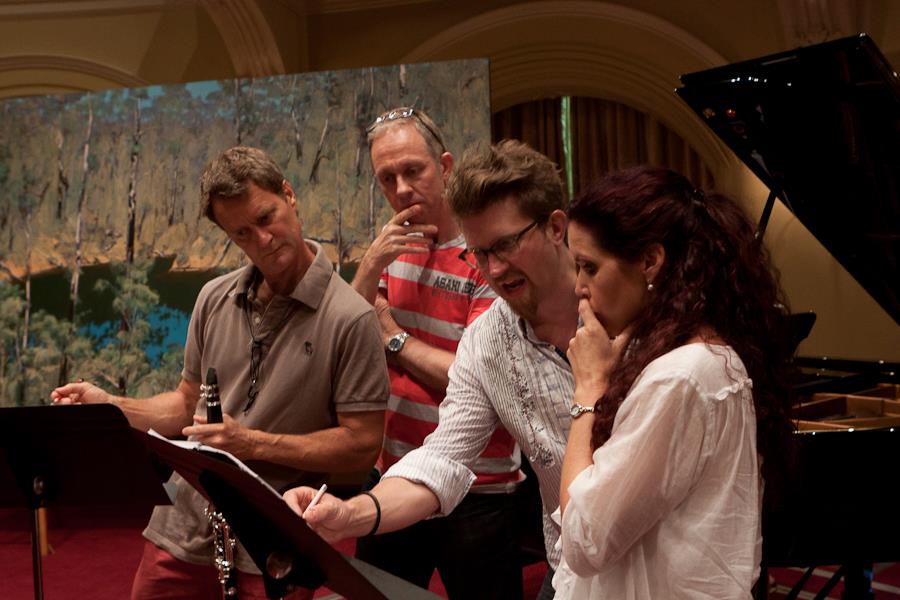
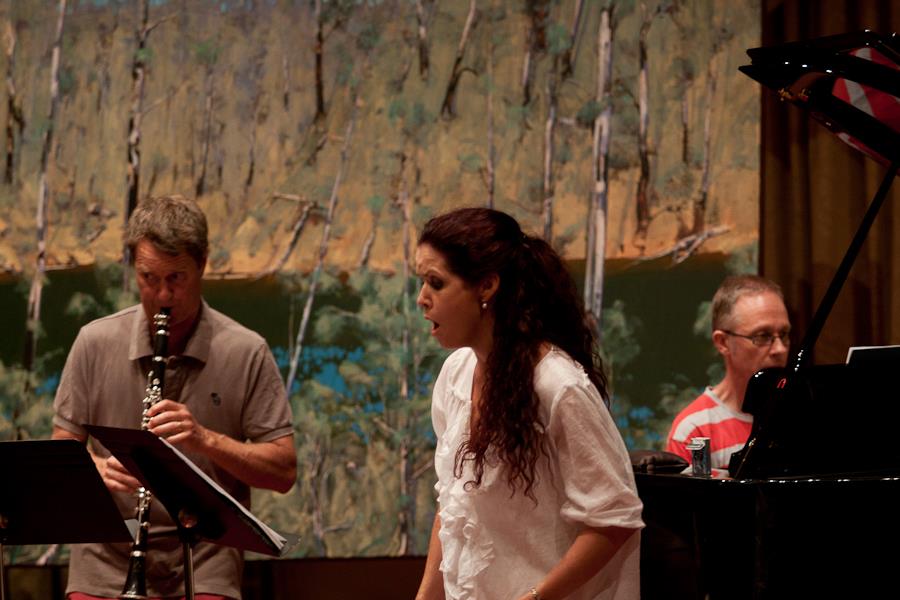 The clarinet (the woodwind family’s own black wood) alternatively plays the roles of lover and landscape – Messiaen-like birdsong and watery figurations on occasion make way for duets with the voice, most notably in the two love songs that delineate the work’s tripartite structure.
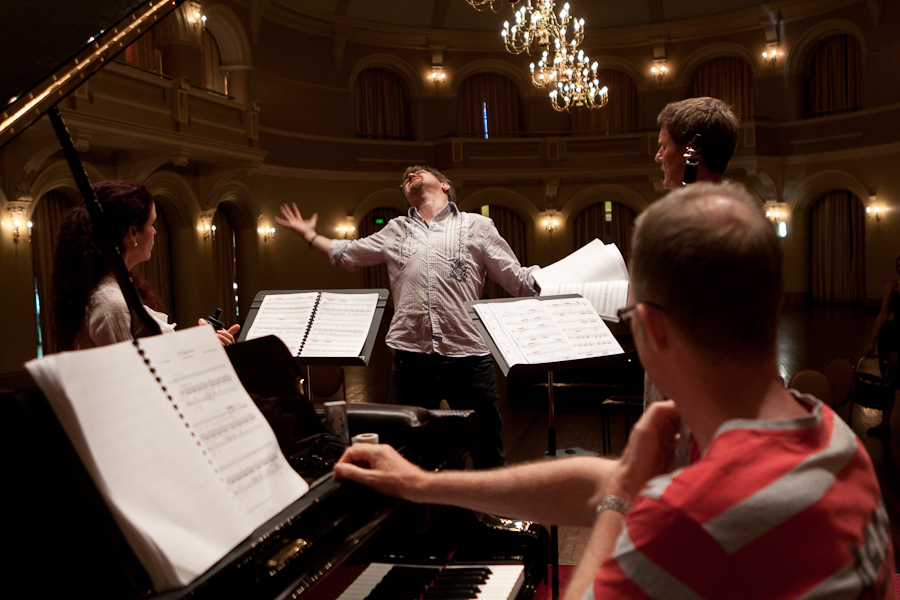 The first of these love songs (some nights there are no words) marks the end of the first section of the work and the second (Seine) occurs at the beginning of the final section. Throughout the central section of the cycle, an ever-darkening series of settings incorporate expanding musical means (including a quote from Schoenberg’s Pierrot Lunaire) and end with a clarinet solo – a reflection on the text ‘how great the diameter of solitude’.
 Iain said “My joy in writing this work was that it was in fact not an act of solitude. I was writing for dear friends and colleagues – musicians of the highest order whom I have had the pleasure of making music with for many years. I would like to thanks Sara, Allan and Graeme for their patience, facility and unfailing generosity whilst the piece emerged, Jody Harrison for commissioning it (with assistance from the Music Board of the Australia Council) and of course Kevin for his wonderful words that help transport us all to our own places of calm and deep contentment.”