Search names, events, places, organisations, and sources across the archive.
Person
VERBITSKY, Vladimir
Vladimir Igoryevich Verbitsky (born 1943) is a Russian and Australian conductor.
He was appointed guest conductor of the West Australian Symphony Orchestra in 1987, principal guest conductor in 1992, and conductor laureate in 1997.
When Vladimir first conducted the WASO he required an interpreter. He was a very much loved conductor during his time at WASO, delivering vibrant, entertaining and dramatic performances often fuelled with adrenalin. His interpretation of Russian music was particularly sublime.
My favourite quote ever by Vladimir was after Jack Harrison had retired from the WASO and he asked after him. On delivering the happy news that Dad was doing well, Vladimir said in his quirky english “Tell your father I love him.”
Vladimir enjoyed a plate of raw oysters with every performance and would not accept yellow flowers as they signified bad luck in Russia. Post performance, he insisted on accepting his post concert flowers on stage with a massive (usually a bit sweaty) bear hug and a kiss.
One of my all time favourite conductors!
Verbitsky was born in Leningrad. He studied piano and conducting at the St. Petersburg Conservatory, and had later conducting studies with Yevgeny Mravinsky. He made his Moscow debut in association with the pianist Emil Gilels, and often worked with Gilels thereafter.
He has been chief conductor of the Voronezh Philharmonic Orchestra since 1972, and regularly conducts other major Russian orchestras. From 1982 to 1984 he was the chief conductor of the Slovak Philharmonic.
He has undertaken many international tours. He first came to Australia in 1986 with the USSR State Symphony Orchestra, after which he was invited to conduct the State Orchestra of Victoria. He has worked in Australia every year since then. He was appointed guest conductor of the West Australian Symphony Orchestra in 1987, principal guest conductor in 1992, and conductor laureate in 1997.
In addition to Gilels, Verbitsky has worked with soloists such as Vladimir Spivakov, Gidon Kremer, Dame Evelyn Glennie, Oleg Kagan, Natalia Gutman, Viktor Tretiakov, Igor Oistrakh, Paul Badura-Skoda, and Frank Peter Zimmermann.
He has recorded widely, with orchestras such as the USSR State Symphony Orchestra, St. Petersburg Symphony Orchestra, Voronezh Philharmonic, Slovak Philharmonic, Saarbrücken Radio Orchestra, and many Australian orchestras.
Russian President Vladimir Putin has decorated Verbitsky with the award of People’s Artist of Russia.
Verbitsky became an Australian citizen on 6 June 2009.
Albert Rosen first appeared as a guest conductor with the West Australian Symphony Orchestra in 1979.
In 1980 he was appointed Chief Conductor, a position he held until 1985. The previous Chief Conductor, David Measham, was appointed Principal Guest Conductor.
Rosen was greatly admired by the orchestra with one of his most notable concerts being with Death and Transfiguration by Richard Strauss, Nigel Kennedy performing the Elgar Violin Concerto and the greatly augmented brass section basking in the glory of Janáček’s Sinonietta.
Jody Harrison with Rosen after the WAYO concert.
Albert Rosen has a special place in the heart of this website owner.
In June and July 1983, Rosen coached the West Australian Youth Orchestra on a weekly basis for their performance of Dvorak’s “New World” Symphony.
Rosen conducted Mahler’s First Symphony in 1984 in which four members of Jack Harrison’s family performed.
In 1984, Rosen also conducted the State Finals of the A.B.C. Instrumental and Vocal competition in which Jody Harrison was a finalist on cor anglais.
Rosen returned regularly as a guest conductor of the WASO right up until 1997 during which time it was painfully obvious he was losing his battle with cancer. Rosen commented at this time “that his arms were the only part of his body still working properly.”
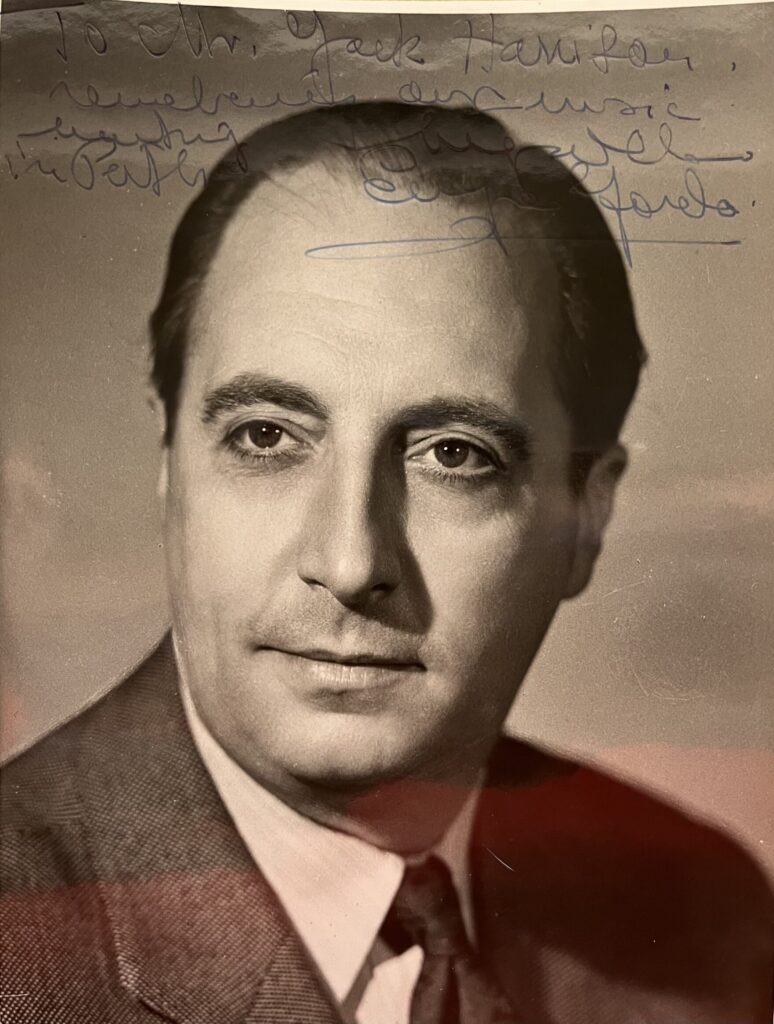
Rosen, Albert (1924–97), orchestra conductor, was born 14 February 1924 in Vienna, Austria, second child and only son of Dr Ludwig Rosen, an Austrian lawyer, and Teresia Rosen (née Ruzickova), of Czech ethnicity. The household was not especially musical, and Rosen’s talents were late to emerge. The family moved to Prague, Czechoslovakia, where he received his primary and secondary education. After studying piano, composition, and conducting at the Vienna state academy, he moved to the Prague conservatory, where, amid an important musical renaissance in the city, his training included thrice-weekly turns at conducting the conservatory orchestra, led by Josef Suk. Engaged on graduation as a conductor with the Pilsen (Plzeň) opera (1949), he honed his skills in the company’s wide repertoire of opera, ballet, drama, and background and incidental music. Appointed (1960) a resident conductor at Prague’s National Theatre, the country’s principal opera company, he became a conductor of the Prague Symphony Orchestra (1964) and director of the Smetana Theatre (1965), the city’s second opera company.
Rosen’s long association with Ireland commenced in 1965 when he made a huge impression conducting the Radio Telefís Éireann Symphony Orchestra (RTÉSO) at the Wexford Opera Festival in Massenet’s ‘Don Quichotte’. Return visits to Wexford, to conduct Donizetti’s ‘Lucrezia Borgia’ (1966) and Rossini’s ‘Otello’ (1967), led to his appointment as principal conductor of the RTÉSO; the third occupant of the post, he served the longest tenure to date (1968–80). A popular choice with both musicians and the public, he immediately restored coherence and direction to the orchestra after the uncertainty that followed the controversial departure of the Hungarian conductor Tibor Paul (the orchestra’s second principal conductor (1961–7), coming after the Yugoslav Milan Horvat (1953–8)). Rosen developed the orchestra’s repertory, embracing numerous contemporary offerings but with a solid grounding in the classical and romantic tradition, and continued the policy of programming works by Irish composers, including premieres of new compositions by Seoirse Bradley, Brian Boydell (qv), and A. J. Potter (qv). He conducted such eminent visiting soloists as Robert Casadesus, Ruggiero Ricci, and James Galway, and also programmed solo engagements by members of the orchestra. Throughout his tenure the RTÉSO’s base was the St Francis Xavier Hall, Upper Sherrard St., Dublin; taking the orchestra to other Dublin venues and to provincial locations, especially Limerick and Cork, Rosen reached a yet broader audience through the increased frequency of television broadcasts in addition to the long-standing radio performances. He regularly conducted in the Dublin Festival of Twentieth Century Music; particularly memorable were the premiere of the symphonic portrait ‘Jonathan Swift’ by Gerard Victory (qv) in St Patrick’s cathedral (1972), and a performance of Olivier Messiaen’s ‘Turangalîla-symphonie’ in the composer’s presence and with the composer’s wife and sister-in-law as soloists (1976). In March 1976 Rosen led the RTÉSO on a tour of seven English and Welsh cities, followed by its first three performances in continental Europe, playing to especial acclaim in Antwerp. For the orchestra’s second and longer European tour (1980) he teamed with Colman Pearse (who would succeed him as the orchestra’s fourth, and first Irish-born, principal conductor); Rosen identified a Paris performance of Mahler’s fifth symphony as a highpoint of his career.
Rosen’s foremost love and métier was always opera, followed by the lush, opulent scores of nineteenth-century romanticism, and the music of his native Czechoslovakia. Integral to the development and success of the Wexford festival, he conducted eighteen operas there, more than any other conductor; highlights included a passionate production of ‘Kát’a Kabanová’ by Janáček (1972), and a spine-chilling interpretation of Britten’s ‘The turn of the screw’ (1976). He was skilled at adapting big romantic scores to the 46-piece orchestra necessitated by the diminutive Wexford pit. He also conducted some 165 performances of twenty-four operas for the Dublin Grand Opera Society (latterly Opera Ireland), starting with ‘Die Fledermaus’ by the younger Johann Strauss (1969), and including the first Irish performance of Janáček’s ‘Jenufa’ (1973), and a modern-dress ‘Così fan tutte’ by Mozart (1983 and 1984), one of the company’s most acclaimed productions.
With a family and continuing career in Czechoslovakia, Rosen found difficult the years following the suppression of the ‘Prague spring’ liberalisation, which coincided with his Dublin appointment, and in 1971 he resigned his Prague positions. He once observed that under the Czech communist system if a thing was organised by the state it was organised well, but if it was not state-organised it did not exist; while basking in the greater artistic freedom and scope for individual initiative in the west, he frequently bemoaned the paucity of state support for the arts in Ireland. Resigning as principal, Rosen became chief guest conductor (1980–94) of the RTÉSO (from 1990, the National Symphony Orchestra of Ireland (NSOI)); on his seventieth birthday he received the unique appointment of conductor laureate (1994–7). One month after the venue’s opening, he debuted (4 October 1981) at the orchestra’s new home, the National Concert Hall, with a programme of Bruckner, Rachmaninov, and ‘The banks of Sullane’ by Seán Ó Riada (qv). Appointed chief conductor of the Western Australia Symphony Orchestra, Perth (1982), he later became principal conductor of the five orchestras of the Australian Broadcasting Corporation, based in Adelaide. A guest conductor with orchestras throughout Europe, he had an astonishing capacity to deputise at short notice for a scheduled conductor. His numerous international opera credits included acclaimed engagements in San Francisco, San Diego, and Paris, and with the Scottish Opera and the English National Opera.
A rugged giant of a man, who lumbered to the podium like a great bear, Rosen was a kinetically ebullient presence on the platform, constantly moving about with the emotion of the music, dubbed by the RTÉ musicians ‘the bouncing Czech’ for his propensity to spring into the air at particularly dramatic moments. A throwback to the nineteenth-century school of conducting, he eschewed the modern predilection for total command and finely rehearsed exactitude, favouring rather a flexible and improvisatory accommodation to the unpredictable character of every performance, valuing above all a sincere and unconditional surrender to the music as performed. Lively, engaging, and bon vivant, his impeccable old-world manners touched with a raffish streak, he was modest about his talents and unpretentious about his art. Twice married and twice divorced in Czechoslovakia, he had a daughter by his first marriage and a son by his second. An incessant smoker, he fell ill with lung cancer in 1996. He returned to Dublin from Australia in May 1997 to conduct the last night of the Bank of Ireland/RTÉ proms and record a session of Czech music, but was admitted to St Vincent’s hospital, where he died on 23 May 1997. A memorial service was held in St Stephen’s (the ‘Peppercanister’) church, Upper Mount St. Crescent (27 May). The NSOI performed a tribute concert under the baton of Oliver von Dohnanyi, music director of Prague’s National Theatre (28 September 1997).
Sources
ITWW; Ir. Independent, 14 Feb. 1994 (profile); Ir. Times, 18 Mar. 1994 (profile); ibid., 24, 26, 30 May 1997; Times, 11 June 1997; Pat O’Kelly, The National Symphony Orchestra of Ireland 1948–1998: a selected history (1998), passim; Michael Kennedy (ed.), Oxford dictionary of music (2001)
Publishing information
DOI: https://doi.org/10.3318/dib.007802.v1
Originally published October 2009 as part of the Dictionary of Irish Biography
Tibor Paul (1909-1973), conductor, was born on 29 March 1909 in Budapest, son of Antal János Paul, vintner, and his wife Gizella, née Verényi. Tibor studied piano and woodwind instruments at the Liszt Ferenc Zenemüvészeti Föiskola under the composer Zoltán Kodály and the conductors Hermann Scherchen and Felix Weingartner. In 1930 he founded the Budapest Concert Orchestra which, through his leadership and that of guest conductors, ‘rapidly achieved a high standard’. On 9 November 1935 he married Maria Penninger in Budapest; they were to have two sons. In 1939 he began conducting his own orchestra. About this time he became an adviser to the recording firm Durium Products Corporation, recording supervisor of the fledgling Hungarian film institute and a conductor at the Budapest National Theatre. By 1945 he was principal conductor for the Hungarian Broadcasting Corporation.
In 1948, when communist rule was established in Hungary, Paul left for Switzerland. He conducted for the Swiss Broadcasting Corporation and at the opera house in Berne before emigrating to Australia with his family in 1950. Within a year he was a conductor with the New South Wales National Opera and a guest conductor with the Australian Broadcasting Commission. Appointed to teach orchestral and choral conducting at the New South Wales State Conservatorium of Music in 1954, he was also principal conductor for the Elizabethan Theatre Trust Opera Company in 1954-55. On 28 November 1955 he was naturalized.
Paul found that the A.B.C. was unable to offer him sufficient engagements. He regularly corresponded with (Sir) Charles Moses, the general manager, asking to be given more concerts. During his nine years with the commission he worked extremely hard, travelled widely throughout Australia and conducted in every capital city. Meanwhile, he made trips to Britain, Italy, Switzerland, the Netherlands, Denmark, France, Portugal and Austria. A vigorous promoter of Australian composers, he toured Europe and North America in 1958 and included the work of Australians in his concerts.
In 1959 Paul left for Europe with his wife and younger son. He eventually settled in Ireland, where he was principal conductor (1961-67) with the Radio Eireann Symphony Orchestra and director of music (1962-67) for Radio and Telefis Eireann, Dublin. Although he visited Australia from time to time, he was based in Ireland for almost seven years. A versatile and accomplished musician, he had a fiery temperament. At the behest of the Elizabethan Theatre Trust, he returned to Sydney in October 1968 to conduct its orchestra. Over the next six years he divided his time between Australia and Europe.
He knew by heart 47 symphonies, 11 operas and numerous other works, and seldom conducted from a score.
1972
Welcome Back to Tibor PaulBy MARY TANNOCK
Tibor Paul, resident conductor of the West Australian Symphony Orchestra, made a welcome return to the dais in last night’s youth concert at Winthrop Hall. With the W.A. Symphony Orchestra, he skilfully directed works by Stravinsky, Stanford and Beethoven amid enthusiastic applause from the audience. The guest artist was the clarinettist Jack Harrison. Stravinsky’s Ballet Suite “The fairy’s Kiss” offered a kaleidoscope of orchestral textures and was a systematic workshop of individual instrumental colour. The stillness of the string playing in the opening scene and their clipped clarity and momentum against burlesque brass effects in the second scene were highlights of the reading. Airy fairy floss dynamics were in character with the allegory and beautifully sustained the mood of each tableau. It was an impressive performance. So too was Jack Harrison’s solo performance in Stanford’s Clarinet Concerto Op. 80. Heavy, nostalgic harmonies, perhaps a trifle solid were given exceptional momentum under Mr Harrison’s deft direction. Orchestral and solo balance was ably sustained. Beethoven’s Fifth Symphony was the final number on the program. This could have been weightier and there were instances of rhythmic and instrumental blemish that were not entirely satisfactory.
The West Australian Wednesday May 10 1972
Congratulations – we’re lucky to have you, Mr Paul – By Robert Gude
If conductor Tibor Paul thought the rousing ovation he received at this week’s Youth Concert was simply urging him on for an encore, he misjudged his young audience. It is customary for audiences who want more for their money to stomp and holler hoping for a kind of bargain basement addition to the printed program. Such was not the case following the WASO’s fine performance of the titanic Fifth. Every section without exception excelled in alternating dynamics and delicacy, Mr Paul conducting without a score, was in complete command with his subtle sweeping cues and characteristically spare, precise beat. Jack Harrison was heard in a fine reading of Stanford’s Clarinet Concerto. Mr Harrison alone saved this plain, uninteresting work bearing shades of Elgar and a momentary sally in Wagner. For one brief moment, an elegant melody carried by the entire string section could have lent unusual character to this concerto – had Stanford continued variations on this theme for solo clarinet, developing and alternating this material into meaningful music. Mr Stanford chose however to leave this melody suspended in mid-air, a la Bruckner, never to be heard again. Mr. Harrison came upon this work during his recent Churchill Foundation study tour and brought it to us as an example of fine writing for clarinet. This it was beyond doubt propelled by Mr Harrison’s undoubted skill and this was reflected in the fine reception he received from a young audience which appreciates his enormous talents. The program opened with Stravinsky’s orchestral suite from the ballet “The Fairy’s Kiss” one of this great Russian, French, American’s gentler works. What could go unnoticed was the excellence of harpist, Michael Jefferies, the first chair solo quartet provided by leader Vaughn Hanly, Stanislav Kowarski (second violin) George Coleman (viola) and Raymond Fraser (cello) and, again risking reputation, the WASO’s splendid horn section led by Neil Pierson. Concert audiences in Liverpool, England still recall with awe and admiration Mr. Paul’s appearance on the podium of the Royal Liverpool Philharmonic last October. Here, beyond question, is a conductor of world standing. The A.B.C. the WASO and Perth concert audiences should appreciate the nature and global reputation of Mr. Paul while he is with us, they should count themselves fortunate.
Sunday Independent May 14 1972
9.5.1972
Charles Villiers Stanford
Clarinet Concerto, Op. 80. AUSTRALIAN PREMIERE
Jack Harrison (clarinet)
Tibor Paul (conductor)
West Australian Symphony Orchestra
Youth Concert, Winthrop Hall, University of Western Australia
In an evening of Russian music at the ABC orchestral subscription concert in Winthrop Hall last night three works illustrating different facets of that nations musical heritage were featured. The highlight was a controlled and well-defined performance of Tchaikovsky’s Fifth Symphony in E minor played by the West Australian Symphony Orchestra and conducted by Tibor Paul. Mr. Paul’s total view of this symphony seem to be an admirable one. He did not emphasise only it’s obvious emotional qualities but gradually built up the drama from the sombre opening for clarinets to the triumphant climax of the final. In this last movement he was well supported by the Orchestra. The performance throughout was distinguished by some fine solo playing especially by Neil Pierson, horn and Jack Harrison and Peter Clinch clarinets.
The West Australian Saturday June 24 1972
Spectacular Performance
With Robert Gude
This week’s 1972 Youth Concert at Winthrop Hall began with a rather lethargic reading of Rossini spirited overture to The Thieving Magpie. Both conductor, Tibor Paul and the Orchestra seemed weary following the massive work devoted to Mahler’s Fifth only a few days before. Perhaps to compensate for a lack of crispness, Mr. Paul increased the tempo during crescendi allegro passages which made it difficult for the heavier brass to produce definitive articulation. The same tendency occurred during the major work Rimsky Korsakov’s Scheherezade in which perfectly etched brass textures were rushed. However, it was the woodwinds Mr Jack Harrison on clarinet, Mr Owen Fisenden on flute and Mr Brian Pope on bassoon which saved the suite in its more expressive moments.
1973
In January 1973 Tibor Paul conducted the combined West Australian and South Australian Symphony Orchestras in a performance to inaugurate the Concert Hall, Perth.
1973 WASO and ASO – opening concert Perth Concert Hall
MUSIC PROGRAMMES
A six-part series of West Australia Australian Symphony orchestral programs under the baton of conductor Verdon Williams and Tibor Paul will begin on Channel 2 on Thursday. The series also brings before the public seven of Western Australia’s leading concert Hall soloists: Robert Armstrong (flute); Jack Harrison (clarinet); Leslie Perrin (soprano); Ashley Arbuckle (violin); the Perth Trumpet Trio and pianists Wendy Pomroy and David Bollard. Music for the series was selected for its broad appeal. Works range from the themes from “Love Story” and “Exodus” and the part from the ballet Spartacus (made popular as the theme from the television series The Onedin Line) to Rossini’s Barber of Seville overture the Capriccio Italien by Tchaikovsky and Mozart’s Eine Kleine Nachtmusik.
The Sunday Times April 29 1973
RACHMANINOFF AT HIS GREATEST – By Robert Gude – May 1973
Sergei Rachmaninoff, last of the great romantics, was well remembered at the Perth Concert Hall this week with the 100th anniversary performance of his second symphony. It was obvious that conductor Tibor Paul had taken great pains in preparation. From the first statement of the primary theme in the first movement on cellos and basses, members of the W.A. Symphony Orchestra were as absorbed and engrossed as their musical director. A long work rich and melodic invention, generously scored and meticulously constructed, it must be considered as a whole despite the desire to single out movements or pick sections to pieces. It is in this regard that strict though the classical romantic form may be, it is logical, precise and entirely clear in its intentions. Oddly enough it is in this respect- and for a creative use of melody – that the romantics such as Rachmaninoff are despised by music’s avant garde. On the other hand, beyond conventional romantic melodic and harmonic style in a work of such big dimensions as this symphony, there is much intellectual satisfaction in Rachmaninoff’s contrapuntal writing and his use of orchestral resources. There are several characteristics about the symphony which suggests that Rachmaninoff like most composers in their time, was seeking to create a new sound. His use of the middle voices in woodwinds (clarinet in the low register and the cor anglais) and in the strings (prominent viola and cello lines recurring throughout) gave his orchestra a tawny texture not heard before or since. Of individual musicians, mention must be made of Mr Jack Harrison’s perfect silvery melodic line on clarinet in the adagio. Rachmaninoff liked the smooth velvety tone of the clarinet used it often in solo passages, and Mr Harrison was obviously en rapport with the work from the beginning.
Sunday Independent May 13 1973
Survived by his wife and sons, he died of a coronary occlusion on 11 November 1973 in his home at Wahroonga, Sydney, and was cremated with Catholic rites.https://adb.anu.edu.au/biography/paul-tibor-11352
Happy Birthday WASO
By Derek Moore Morgan
ABC Documentary “FIFTY YEARS ON”
“Fifty Years On” is the title of an unusual hour long television documentary to be screened by the ABC on Sunday, December 23 at 9:30 pm. Commemorating the 50th anniversary of the West Australian Symphony Orchestra this program traces the Orchestra’s evolution in pictures and sound. Nostalgic shots of Perth’s palmy theatre orchestra days are swiftly followed by the traumatic depression period for the musicians, sparked by Al Jolson and the arrival of talkies in Australia in 1928 and Perth a year, later bringing unemployment in its wake. Rare pictures often had to be obtained from former players, now long retired, or from relatives. A can of early black and white film was accidentally discovered by an ABC employee among outdated material scheduled for the trashcan and was mercifully preserved. The Perth Symphony Orchestra is depicted on stage at his Majesty Theatre in 1931 with nearly 40 musicians headed by conductor Harold Duffy Newton. The Orchestra’s name changed to the W.A. Symphony Orchestra in 1950 with the State Government, the Perth City Council and other municipal authorities joining forces to subsidise it. Two of the Orchestra’s longest serving members – clarinettist Jack Harrison and flautist Owen Fisenden joined that same year. The role of conductors is long and sometimes distinguished, including names such as Nelson Burton, Ernest Roberts, Henry Krips, Rudolph Pekarek, John Farnsworth Hall, Thomas Mayer and Tibor Paul. Vaughan Hanly the violinist and WASO’s leader for almost 40 years, speaks with affection of the Orchestra’s past and expresses his confidence in the shape of things to come. Backed partly by rehearsal shots of today’s musicians at work with conductors David Measham and Peter Eros, the film highlights the Orchestra’s community role travelling with it on country tours and moving behind the scenes during rehearsal and recording sessions. Devised, directed and produced by David Witt, it is compulsory and compulsive pre-Christmas viewing for the State’s concert-goers.
Tommy Tycho had a long association with the West Australian Symphony Orchestra. From 1984-2003 he was a frequent guest conductor in their family and contemporary music programs. At the time Tommy was the first popular music conductor to appear with all the state symphony orchestras (who were then managed by the ABC).
The first concerts Tycho performed with WASO were the ABC Family concerts 1984 featuring Tommy and Vicky and conducted by Dobbs Franks. Soon Tycho was invited as a guest conductor for WASO and the first concert was “Fascinating Rhythms” featuring singer Jackie Love. The program also included the Perth premiere of Tommy’s 1984 “Prom Overture”, op.5 which had been commissioned by Sydney Youth Orchestra. The concert also featured Tommy’s piano and orchestra arrangement of Gershwin’s “Fascinating Rhythm”, with many other Gershwin themes thrown in.
During the 1990s Tycho was featured as conductor in the “Fantastic Fridays” series. These concerts included Broadway music, and a Disney concert was also programmed in the 1990s featuring singers and instrumental arrangements of Disney music. Another concert called “All themes great and small” featuring daughter Vicky Tycho who gave her debut in 1982 and worked regularly with Tommy during the 1980s-1990s as a duelling piano act.
Tommy Tycho with James Morrison and WASOJody Harrison, Tommy Tycho, Grace Knight
In 2000 Tommy conducted many of WASO’s outdoor concerts called “Pops in the Park” held at Kings Park.
These featured James Morrison and Emma Pask, the crooner Frank Bennett, and Grace Knight.
Mark Underwood, Jody Harrison, Annie Neil, Sue Bluck, Jenny Wren (“Birdland”) and Tommy Tycho
The early 2000s saw Tycho return to WASO as a guest artist and conductor as part of the Ernst and Young Contempo Series. These concerts included Rhonda Burchmore and pianist Ray Aldridge. Other concerts featured Julie Anthony, Rob Guest, and others.
Tommy Tycho, Libby Hammer and James Flynn on tour in Esperance with “Sinatra”
In 2003 Tommy was commissioned by WASO to compose a five-minute piece to celebrate their 75th birthday (Tycho also celebrated his 75th birthday that year), which was a celebratory overture called The Celebration of Septuaginta Quinque.
This was part of their 5 x 15 commissioning program in which they commissioned 15 composers to write 5 minute works totalling 15 minutes. In this same concert Tommy also gave the premiere of the third movement of his Violin Concerto, which was performed by WASO’s concert master at the time, Daniel Kossov.
Material provided by Dr Samuel Cottell.
Tommy Tycho (1928-2013), AM MBE, Doctor of Music (honoris causa)
Thomas (Tommy) Tycho was born in Budapest, Hungary in 1928. His mother was a celebrated soprano, and his father worked for the Hungarian Electrical Commission. By age four Tycho began learning the piano and soon was a child prodigy, playing Gershwin’s Rhapsody in Blue with the Budapest Philharmonic at ten years of age. Tycho also studied composition with Leo Weiner, Zoltan Kodaly, and Carl Orff. The Occupation of Hungary and World War II interrupted Tycho’s studies and he was interned in a Labor camp and the ghetto. After the war Tycho continued his studies in composition and conducting. To make a living to support his family he worked as a pianist and arranger in jazz and dance bands in Hungary performing in upscale hotels and making recordings. He also worked in a number of night clubs. His formal studies included music at the Hungarian Gymnasium and the Franz Liszt Academy of Music. Leaving Hungary the day before the Communist takeover, Tommy joined a dance band led by Jules Szepesi, and they became residents at the Park Hotel in Tehran. Tycho was soon called upon by the Shah and became the palace pianist. During this time Tycho met his wife Eve, and wanting to settle down they migrated to Australia in 1951.
Unable to join the protectionist Musician’s Union of NSW Tycho sought work at David Jones as a storeman in the loading dock. Upon gaining entry to the Union Tycho auditioned at the ABC and soon gave broadcasts on the Sunday radio program A Handful of Keys. During the 1950s he regularly broadcast on ABC radio including as a duo pianist with Glenn Marks, as pianist with the Jay Wilbur Ensemble, in the Geza Bachmann Trio, and forming his own light music ensemble, The Thomas Tycho Players, where he wrote the music arrangements, compositions, and led the ensemble. Beyond the ABC Tycho led a quartet on radio 2UW, appeared on The Ford Show, and for a time was the Shefte Melody Man broadcasting popular tunes on the 2UW program. In the 1950s Tycho also composed his first two film scores for the Government film department: Valley of the Yarra and A Call for Order.
When Channel 7 (ATN) commenced broadcasting on 2 December 1956, Tycho was one of the first musicians to perform on television. At the same time he was also a pianist and arranger in the Sydney Tonight orchestra, soon becoming the music director of the entire 7 network. Tycho was vital to the success of television working as music director for all of the music and revue programs Curtain Call, The Commonwealth Bank Hour of Music, Revue ‘61, ‘62, Startime, Startime ‘63, Studio A, Teen Time, The Johnny O’Keefe Show (later renamed Sing Sing Sing), and many more. During this period Tycho also composed original music for locally produced television programs Penthouse, and the documentary series ANZAC. He later wrote music for The Mavis Bramston Show, the theme music for You Can’t See ‘Round Corners,The Battlers, and Riptide. During the period 1964-1968 Tycho wrote arrangements for RCA Records of Australia appearing on over fifty recordings. Here he released his debut LP as pianist arranger and conductor on Tycho, Tycho. In the latter years of his association with ATN7 Tycho also directed the orchestra at the Silver Spade, working with artists such as Ethel Merman, Mel Torme, Barbara Eden and other international artists.
Leaving television in 1972 Tycho reinvented himself by returning to live performing. With the help of Robert A. Gunn and Mel Welles, the trio created a series of concerts in association with 2CH Radio who had just switched to the ‘good music’ format. The concerts featured the newly formed Good Music Orchestra and showcased Tycho’s talents as a pianist, arranger, and conductor. The first of these concerts, Good Music Live at the Sydney Opera House, was released on Festival Records. These were followed by a series of “Nigh with …” concerts that included music by Gershwin, Cole Porter, Irving Berlin, and Rodgers, Hammerstein and Hart were all recorded and released on LP. During this time Tycho also created Big Band Concerts, An Evening with Julie Anthony, and Hello Broadway starring Anthony, Barry Crocker, and Frankie Davidson. In 1979 Tycho was the music director for Peggy Lee’s Australian tour. During this period he was the music director for A Concert for Darwin, and for June Bronhill’s concert at the Sydney Opera House.
Having established himself as the leading orchestral popular music figure in Australia, the 1980s saw Tycho conducting the first Royal Charity concert broadcast live from Sydney Opera House. In 1980 Tycho once again returned to television as the music director of the multicultural music variety program Cabaret on the newly established Channel-0 (SBS). He made recordings, and with Lynn Rich as manager formed the Sydney International Orchestra. In 1982 Tycho composed and arranged music for the Commonwealth Games in Brisbane. In 1983 he was the music director for the opening of Sydney Entertainment Center. During this time Tycho formed a piano duo with his daughter Vicky. They toured nationally and made an LP Duelling Pianos.
In 1984 Tycho arranged and recorded Australia’s new national anthem Advance Australia Fair for the ABC. He later arranged various versions of the anthem in 1985 and 1986. The 1986 version was recorded by Julie Anthony and is the version still used today for major sporting and cultural events. Tycho’s most iconic version is perhaps the special 1988 Bicentennial version broadcast live from the lawn of Parliament House and was used as ABC television’s station closing throughout the 1980s and 90s, with Tycho’s arrangement giving Australia’s anthem its heart and soul.
The 1980s saw Tycho engaged as a guest conductor with the state symphony orchestras becoming one of Australia’s first popular music maestros. He first was invited as a guest pianist with the MSO, then recorded a three-part television series, My Music, with the Queensland Symphony for ABC television. He conducted the Queensland, Adelaide, Tasmanian, West Australian, and Sydney Symphony Orchestras over a twenty-year period. Tycho continued to be in demand as conductor, arranger and pianist throughout the 1990s and 2000s making three albums with his protege Bernard Walz. Tycho also wrote the arrangements for three Anthony Warlow albums and was music director for two of Warlow’s national tours in the 1990s and 2000s. He provided arrangements and recordings for hundreds of artists and was in demand for all the major cultural events. In 1995 he published his memoirs The Tommy Tycho Story: Music, Maestro Please.
During his lifetime Tycho composed several film scores including the iconic Young Einstein for Yahoo Serious and others. Tycho composed a number of light music pieces including Sydney Suite, Sunday at Taronga Park, Dance of the Fireflies, The Kangaroo and others. He also composed a number of classical concert pieces including a String Quartet (1947), Suite for Grand Orchestra (1948/9), Three Pieces for Woodwind Quartet (1971), a Trumpet Concerto for Dick Montz (1985), Proms Overture, op.5 (1984) commissioned by the Sydney Youth Orchestra, The Celebration of Septuaginta Quinque commissioned by WASO in 2003, “Romanza” the second movement from his incomplete second piano concerto, and his magnum opus, the Violin Concerto (2002) which is regularly performed.
Tycho was awarded an MBE in 1977, an AM in 1987 and an honorary Doctor of Music in 2007 from the University of Sydney. He was also a patron of the MO Awards. Tycho’s enduring legacy is still present today in Australian cultural life. His orchestrations are still performed by orchestras and the Tycho Trust, led by his daughter Vicky, ensures his music is made available for future generations through digitisation and preservation. Samuel Cottell has written a PhD on Tycho “From storeman to stardom: the life and music of Tommy Tycho within the context of light music 1951-1978,” and a new documentary TYCHO! Beyond the Baton by Stephan Wellink has won multiple awards and accolades being regularly screened in cinemas around Australia.
Biography provided by Dr Samuel Cottell 2026.
Jody Harrison and Tommy Tycho
Memories of Tommy Tycho by Jody Harrison
The master, the Maestro, the magnificent Tommy Tycho – with whom I was privileged to work with on many occasions – told me after a day of rehearsing a Pops concert in which he was both the Conductor AND the piano soloist – that he wasn’t feeling well. I must preface this with the fascinating experience I shared a couple of weeks previously for a Family Concert with a medical theme, in which my colleague Paul Doyle an I had approached WASO sponsors St John of God Hospital for the use of a heart monitor. We hooked it up to the obliging Principal Cellist during the concert, a huge screen above the orchestra showing what happened to your heart rate when you began performing. This contact became hugely useful when I received a call from Tommy’s wife, Eve, late the same evening (that comes under my E.B. agreement contract right at the bottom that says “other duties as directed”) pleading with me for help as Tommy was most unwell. I popped to the Sheraton to assess the situation and seeing the usually cheerful and hilariously naughty Tommy grey and in obvious pain, immediately realised he needed to go to hospital. Tommy had previous heart problems and I wanted to call an ambulance and get him to hospital. Tommy didn’t want to go to hospital – Eve was sobbing and begging him to go. I bit the bullet and rang the fab staff at St John of God Hospital (not an emergency hospital) reminding the night staff of my use of their heart monitor a couple of weeks before, the fact that they were a WASO sponsor and I thought the conductor was having a heart attack. After a quick and urgent discussion they fabulously allowed me to drive him straight to ICU and be admitted. He was having a heart attack. Dobbs Franks filled in the next day of rehearsals (bearing in mind Tommy was also doing extensive piano solos – fab day for Dobbs I image) and Tommy came back for the final rehearsals and performances! Can’t hold a good man down.
Sydney-born Graham Abbott is a Music Education graduate of the Sydney Conservatorium and later studied conducting with Myer Fredman.
His forty-year conducting career saw him work with all the major Australian orchestras, opera companies and choirs. He was Conductor-in-Residence at the University of Adelaide (1986-88), Associate Conductor of the Melbourne Symphony Orchestra (1993-97), and Musical Director of Melbourne Chorale (now MSO Chorus, 1994-97).
In 1997, Graham was acting Chorus Master of the Chorus of the Royal Scottish National Orchestra, during which time he conducted concerts with the Edinburgh Royal Choral Union, the Royal Scottish National Orchestra, and the Ulster Orchestra.
Graham’s opera repertoire included The Marriage of Figaro, Don Giovanni, Fidelio, The Barber of Seville,La traviata, Il trovatore, Un ballo in maschera,Aida,L’Elisir d’amore, Don Pasquale, The Pearl Fishers and Pelléas et Mélisande. He was also Assistant Conductor for the Australian premiere season of John Adams’ Nixon in China at the 1992 Adelaide Festival.
A lifelong passion for the life and work of Handel saw Graham conduct Messiah more than 80 times in Australia, the UK and New Zealand. His repertoire also included many of the oratorios (Saul, Solomon, Belshazzar,Joshua, Israel in Egypt, Alexander’s Feast and the Australian premieres of Athalia and La resurrezione) and operas (Alcina, Julius Caesar, Orlando and the Australian premiere of Ariodante), and much of Handel’s orchestral music. He also conducted the first Australian performance of Handel’s complete Roman Carmelite music with the Adelaide Chamber Singers.
Graham Abbott retired from conducting at the end of 2024.
Graham is also one of Australia’s most highly-respected music educators. He has programmed, conducted and presented education concerts and other community outreach activities with most of the major Australian orchestras. He produced and presented Keys to Music on ABC Classic from 2003 to 2017 and has worked as a speaker, teacher and examiner around Australia. He also established Auckland Philharmonia Orchestra’s Unwrap the Music series in 2010 and continued to present and conduct that series until 2022. He has worked as a tour leader for Hayllar Music Tours since 2018 and now regularly leads tours for the company within Australia and internationally.
Graham received a Special Conductor’s Award in the 1995 Melbourne Green Room Awards marking his debut with Opera Australia conducting Handel’s Julius Caesar for the company. And in 2007 he was awarded the Sir Bernard Heinze Memorial Award by the University of Melbourne in recognition of his services to Australian music as both conductor and educator.
He made his professional opera conducting debut in 1991 conducting The Marriage of Figaro with W.A. Opera Company and WASO. Later that same year he conducted his only Perth Messiah with WASO. Some years later, Graham conducted Lindy Hume’s production of Handel’s Orlando for W.A. Opera, again with W.A.S.O. in the pit.
Graham conducted a recording of Carl Vine‘s Concerto Grosso for ABC Radio with WASO and also did a number of schools’ concerts with the orchestra.
During Graham’s tenure as the producer and presenter of Keys To Music with ABC Classic (2003-17), he conducted many Keys To Music concerts with WASO which were recorded in the PCH with a live audience for later broadcast. He particularly remembers doing educational treatments – with a single rehearsal – of amazing repertoire in Perth as WASO was especially supportive of Keys To Music and its aims. Among the works performed were Debussy La Mer, Britten Sinfonia da Requiem, Ravel G major Piano Concerto, and Stravinsky Symphony of Psalms.
Graham conducted at two Perth Festivals; in 2004 conducting the Dvorak Stabat Mater with the Prague Chamber Orchestra and the Intervarsity Choral Festival Chorus. The following year he conducted Lindy Hume’s staged version of the Bach St Matthew Passion with the Adelaide Chamber Singers and an ensemble of Perth-based instrumentalists.
1991 WASO Karratha concert with soloist Elisa Wilson and conductor Graham Abbott
German composer Paul Hindemith was born in Hanau, Germany on November 16, 1895. A major innovator of musical modernism, he was a composer, conductor, violist, educator, and a scholar. In his early teens he studied the violin at the Hoch Conservatory in Frankfurt and composition with Arnold Mendelssohn and Bernhard Sekles.
Hindemith acted as concertmaster for the Frankfurt Opera House Orchestra from 1915-23, interrupted only by time spent in army service. ; Initially establishing his reputation through his chamber music and expressionistic operas, Hindemith subsequently turned to neo-classicism in his Kammermusiken (1922-27). This series of seven chamber concerti pay homage to Bach’s Brandenburgs, while employing distinctly modern elements, notably jazz.
Besides chamber works, Hindemith composed in other genres including lieder, and music for amateurs as well as school children. ; Hindemith produced masterpieces including: the opera Mathis der Maler (1934-1935) in which he dramatized the dilemma of the artist in society and reflected the need for greater responsibility to art; the ballet Nobilissima Visione (1938) based on the life of St. Francis; and, the choral work Six Chansons (1939) to French poems by Rilke.
He also wrote several sonatas for every major instrument, which became part of the standard repertory. ; The Nazis forced Hindemith to leave Germany where his works were considered “culturally Bolshevist.” In 1938 he began his exile in Switzerland followed two years later by an exile in the United States, where he joined the Yale University faculty (1940-53).
The 1940s were witness to what is generally considered the apogee of Hindemith’s output and critical standing with such masterpieces as: Symphony in E Flat (1940); The Four Temperaments (1940); Sonata for Two Pianos (1942); Ludis Tonalis (1942), an homage to Bachâ’s Well -Tempered Clavier; Symphonic Metamorphosis on Themes of Carl Maria von Weber (1943); and, Sinfonia Serena (1945). In 1953 Hindemith left the United States for Switzerland. There he composed the opera Die Harmonie der Welt, where his search for an all-encompassing harmony was realized.
In 1963 Hindemith became ill in Frankfurt and died there in December.
https://www.kennedy-center.org/artists/h/ha-hn/paul-hindemithQUARTET FOR CLARINET, VIOLIN, CELLO AND PIANO
Paul Hindemith’s quartet for clarinet, violin, cello, and piano is a major work of imposing scale. Also celebrated during his lifetime for his virtuosic viola-playing, as a composer Paul Hindemith was a “revolutionary of the 20th-century musical world” (Emmanuel Loubet). Unusual among his contemporaries for his fascination with contrapuntal technique (with models like Bach and Handel), the passionate music theorist nonetheless described in his treatise the need for an expanded tonality that surpassed major-minor harmonic structures to find a new foundation in a hierarchic order of intervals. Composed in 1938 as he was emigrating from Germany under the growing storm of Nazism, Hindemith’s quartet performed here perfectly mirrors his dual ambitions of combining Baroque-inspired contrapuntalism with neoclassicism and other more modern compositional techniques.
https://www.medici.tv/en/concerts/chamber-music-society-hindemith-quartet-clarinet-violin-cello-and-pianoWIGMORE ENSEMBLE – 8.15pm Tuesday May 22 1979 – Perth Concert HallPaul Hindemith Quartet for Clarinet, Violin, Cello and Piano (1938)Graham Wood (violin) Jill Cole (cello)Jack Harrison (clarinet) David Bollard (Piano)Players respond to Challenge – By Derek Moore MorganThe main aim of the recently formed Wigmore Ensemble is to achieve flexibility of repertoire by altering the number and content of the group after the fashion of Britain’s famous Melos Ensemble. Last night’s Perth Concert Hall appearance for Musica Viva by W.A. artists Graham Wood, Jill Cole, Jack Harrison and David Bollard produced just the sort of piece which can so easily suffer neglect – the quartet for violin, cello, clarinet and piano of 1938 by Hindemith. This is a work which exploits a fine range of ideas and moods suffering not at all from the dryness which can affect this composer at times. The players had a well integrated and developed work under their fingers and they responded to its challenge. David Bollard’s handling of the prominent toccata-like piano climax had the right driving energy. The Wigmore ensemble can be very pleased with this their Concert Hall debut. The West Australian Wednesday May 23 1979
22.5.1979
Paul Hindemith
Quartet for Clarinet, Violin, Cello and Piano (1938)
Jack Harrison (clarinet) The Wigmore Ensemble Graham Wood (violin) Jill Cole (cello) David bollard (piano)
Richard Mills is deservedly one of Australia’s most sought after composers and music directors. In recent years he has pursued a diverse career as a composer and a conductor, which has seen him working with a large number of the nation’s music organisations.
Mills’s works are regularly performed throughout the world. Compositions range from major orchestral and choral works to ballet music. Commissions for the Sydney Symphony include Tenebrae,Emblems, and Totemic Journeys. Requiem Diptych was commissioned and premiered by the Chicago Chamber Musicians Brass in 2001. His symphonic/choral work for the Melbourne Symphony Orchestra, The Little Mermaid, was premiered in August 2005.
Victorian State Opera commissioned Mills to write an opera of Ray Lawler’s Summer of the Seventeenth Doll, which premiered in Melbourne in 1996, and received a Sydney season in 1999. His second opera, Batavia, was commissioned by Opera Australia and was premiered at the Melbourne Festival in 2001 to great acclaim, consequently receiving a number of Green Room and Helpmann Awards. He has been commissioned to write a new opera for the 2007 Perth International Festival with subsequent performances in Melbourne and Brisbane.
The performance of Wagner’s Tristan und Isolde in Brisbane in 2005 with the Australian Youth Orchestra under his baton won a Helpmann Award in 2006, and he will conduct it again in staged performances in Perth later in 2006.
His CD recording Richard MillsOrchestral Works with the Queensland Symphony Orchestra has become a best seller on the ABC Classics label. His three volume CD of the film music of Franz Waxman with the same orchestra was awarded a Deutsche Schallplattern Kritiks Preis in 1992, and he has conducted recordings with the West Australian and Tasmanian Symphony Orchestras.
Mills continues a high level of involvement in the community through such commissions for the 1982 Commonwealth Games, the 2000 Olympic Games, the 2006 Commonwealth Games, and the Australian Bicentenary re-orchestration of Charles Williams’ Majestic Fanfare (the ABC news theme).
In 2005 he was honoured with the Ian Potter Foundation Award for Established Composers. He was the 2008 Musica Viva Australia’s featured composer.
Mills is currently the artistic director of Victorian Opera and in the past has been the Artistic Director of the West Australian Opera, Artistic Consultant with Orchestra Victoria, Director of the Australian Music Project for the Tasmanian Symphony Orchestra, and Senior Fellow, University of Melbourne.
Biography provided by the composer — current to May 2022
https://www.australianmusiccentre.com.au/artist/mills-richardDouble Concerto for Clarinet and Violinhttps://www.wisemusicclassical.com/work/62878/Double-Concerto–Richard-Mills
VERDON WILLIAMS was one of Australia’s most versatile musicians – and one of the most popular – as percussionist, pianist, lecturer, arranger, composer and conductor.
After early piano training with his mother, he obtained a scholarship to the University of Melbourne Conservatorium of Music from where he graduated with first class honours. He studied piano under Waldemar Sidel and Percy Grainger, and undertook many tours in both solo and concerto performances, and gave lecture tours with his wife, soprano Doris Dodd.
A former conductor of opera at the National Theatre, Melbourne, he also composed two successful ballets, The Outlaw and Conflict.
Verdon Williams joined the West Australian Symphony Orchestra in 1960; shortly afterward he founded the Perth Sinfonietta and the Lyric Singers.
He was for a time conductor of the Tasmanian Symphony Orchestra before returning to Western Australia.
Jack “Harmonica and Clarinet”
Verdon arranged “Moon River” for harmonica and orchestra for Jack Harrison and the West Australian Symphony Orchestra. This arrangement appears on the ABC album “Moon River” (previously known as “Harmonica and Clarinet”) and is heard frequently on ABC Classic FM.
Verdon Williams moved in a number of different directions. He was initially engaged as a percussion player, doubling on piano. However, his talents were multi-faceted. The orchestra often played is light music arrangements, with Verdon wielding the baton; and as if that were not enough, he could also turn hs hand to a honking contra bassoon on the rare occasions when that cumbersome instrument was required.
ABW TO SCREEN BIRTHDAY SHOW Thursday May 11 1961 – By Keith Flanagan
ABW Channel 2 will tonight present its biggest live show yet, to celebrate its first birthday. There will be singers, dancers, a 25 piece orchestra and an invited audience of 200 for the two hour show. Jock Millett will produce the cabaret style show in the Kirk Memorial Studio in the radio building – the biggest studio the A.B.C. has here. The record library will be taken over as a makeup room for the 44 people who will come before the cameras. Lighting in the studio will be equivalent to 1000 60 watt globes. Jim Fisher, Earl Reeve and Diana Ward will compere the show, to run from 8pm to 10.30pm, with a half hour break from 9 for the American documentary “Our Man in Space”. Verdon Williams has formed a 25 piece orchestra for the show. Artists to appear are the Four Notes, Margot Robertson, Tony Federici, Carmen Arenas, Adriano Angelucci, Doris Dodd, Garry Smith and Derna Sluik, Jack Harrison, the Wrightsons, Lorna Sydney, Gerrard Sibbritt and Terri Charlesworth, Andre Tio, Peter Piccini and a demonstration ballroom group.
The West Australian Thursday May 11 1961
1961 RADIO BROADCAST
Light Music by Family
When Perth’s versatile instrumentalist Jack Harrison and his quintet play, it’s a family affair. In a series of six programmes of light music starting this Tuesday at 8pm from 6WN, Harrison will play the harmonica, saxophone and clarinet. He and his father have made special arrangements of Latin-American tunes slow ballads and novelty numbers for the programmes. Members of the quintet will be Harrison’s twin sister Jill (bassoonist and second pianist) her husband John Mowson (principal bass with the W.A. Symphony Orchestra), Laszlo Vidak (violin), Verdon Williams (percussion) and Stephanie James (principal piano).
FESTIVAL CONCERT TONIGHT
World Premiere of David Farquhar’s prize winning Concertino for Piano and Orchestra
First Performance in Australia – Chamber Concerto No. 3 for Bassoon, Strings and Percussion by Elisabeth Lutyens.
David Tunley’s Introduction and Scherzo for Clarinet and Strings
Plus works by Dvorak, Grieg, Delius, Elgar, Walton and others.
8pm Sat 5th August 1961 – Unreserved seats at door 10/ Students 7/6
BROADCASTS
The Eastern states have had the rare pleasure of hearing a good deal of Jack Harrison’s quintet from the A.B.C. stations. Jack produced six programmes of light music for 6WN with arrangements by himself and his father of Latin-American tunes, slow ballads and novelty numbers. Members of the quintet are: Jack, clarinet, saxophone and harmonica; his sister Jill on bassoonist and also as second pianist; her husband John Mowson, principal bass with the W.A. Symphony Orchestra; Laszlo Vidak, violin; Verdon Williams, percussion and Stephanie James, principal piano. The session is a pleasure to listen to.
The Australian Accordionist Vol. 8 No. 1 November 1961
1962
The Southern Serenaders
ATTRACTIVE PERFORMANCE
Southern Serenaders Tour
Verdon Williams, popular conductor of the Perth Light Orchestra and the A.B.C. Sinfonietta, will head the orchestra which will tour the North West next month. Accordion virtuoso Peter Piccini and versatile clarinettist Jack Harrison will also tour with the group. All the musicians with the exception of Peter Piccini are members of the West Australian Symphony Orchestra. People in the North will once again hear the magic violin of Laszlo Vidak, who earned thundering ovations during the 1959 M.M.A. A.B.C. Cultural Tour of the “Lido Quartet”.
Jack Harrison has written a special number called “Jumping Joeys” for this tour. Soprano, Shirley Flesfader, will also sing three excerpts from the lyric song cycle “North of Capricorn” by W.A. Composer, Robert Gude.
The outstanding gaiety and appeal of the programme compiled and arranged by Verdon Williams includes selections by Cole Porter, excerpts from “Oklahoma” and Latin American music and a special arrangement for string quartet of a movement from “Eine Kleine Nachtmusik” by Mozart. Shirley Flesfader will sing arias from Bizet’s opera “Carmen”, Puccini’s “Madame Butterfly” and a selection from “Kismet”. Peter Piccini will give an impromptu recital of audience request numbers. Each member of the group will be heard in solo items and the versatile musicians will play a wide variety of instruments.
The A.B.C. and MacRobertson Miller Airlines Ltd. Will send seven musicians through the North-West for a series of concerts between August 28 and September 8. The A.B.C. artists will fly 4000 miles in 12 days to give concerts in Carnarvon, Port Hedland, Broome, Derby, Wyndham, Kununurra and Darwin. The group is to be led by Verdon Williams, will include Shirley Fresfader, Peter Piccini (accordion), Jack Harrison (clarinet and harmonica), Graham Wood (violin), Laslo Vidak (violin and viola) and Brian Meddeman (cello and violin). A small TV film unit will tour with the group. The film they make will be shown in the Eastern States as a part of an A.B.C. project to focus attention on the North.
The West Australian August 8 1962
The “Southern Serenaders”
From August 28 – September 8th 1962 the A.B.C. sent a small group of musicians, led by Verdon Williams, on a tour of the north west of the state. Apart from Verdon, the ensemble which we called “The Southern Serenaders” included Graham Wood on violin, Laslo Vidak on violin and viola, Brian Meddemmen on cello, Jack Harrison on clarinet and harmonica, Peter Piccini on accordion and soprano Shirley Flesfader.
Graham Wood wrote to me: “ We travelled by DC3 aircraft, giving concerts in Carnarvon, Port Hedland, Derby, Broome, Darwin, Wyndham and Kununurra. Verdon had arranged all the music, which was of a pretty light nature and we all had a solo spot. We were paid £8 per concert and received a living allowance of £3/3/0 a day. We had a happy time, enjoying each other’s company. Peter Piccini was a natural comic and poor Shirley was the butt of many a practical joke, which she took in good part. One thing I remember vividly was the night when a huge stick insect landed on my violin while I was playing “The Flight of the Bumblebee”!
Most of the towns were still remote and largely undeveloped at that time, so people really appreciated our efforts. The aborigines were shy about coming to our concerts, so in Derby a few of us were taken out to a camp late at night after our performance. In a moonlit clearing we played to the people, some of whom produced a couple of digeridoos and played them for us. A magical moment ensued, as Jack Harrison quietly joined in with some gentle improvisations on his clarinet. We were entranced as were all the people there, dogs included. A genuine fusion of cultures.”
RECORD AUDIENCE CHEERS 1962 CULTURAL TOUR
The A.B.C. “Southern Serenaders” played to an estimated audience of 6000 people during their 4000 mile tour of seven North West ports including Darwin and Kununurra.
Darwin gave the orchestra its largest reception. About 4000 people crowded the Darwin oval sitting on available chairs provided, on rugs on the ground and in hundreds of motor cars parked around the perimeter of the ground. Darwin’s town Clerk (Bill Sullivan), who estimated the size of the audience, remarked that in all his experience it was the largest crowd he had seen in Darwin at such a presentation. Everywhere they went the “Southern Serenaders” earned cheering ovations and goodwill for M.M.A. and the A.B.C.
Departing from Derby around 4am, Jack Harrison (clarinet) and Peter Piccini (accordion) decided to hold an impromptu jam session in the air terminal. When M.M.A.’s chartered F.27 arrived, they moved out onto the tarmac, serenading the sleepy-eyed passengers that emerged from the aircraft in the small hours. The previous night, six members of the orchestra, augmented by four aborigine musicians, improvised what was probably the most unique combination of sounds heard in the North in a long time. The only bachelor in the orchestra, cellist Brian Meddemmen, was the only member of the group game enough to bring home an aboriginal wife beater. Violinist Laszlo Vidak fell victim to “fiddler’s peril” when the top string on his violin broke during a solo. He finished the item without a break and few people realised what had happened until Verdon Williams mentioned it to the audience.
On arrival at Wyndham, Peter Piccini discovered that the precision mechanism on one key on his £500 accordion had broken. A technician from Wyndham Aeradio was located who did a superb welding job at short notice and a scant hour before the concert there. Mr Piccini was still replacing bits and pieces of springs, levers and keys with the able assistance of Graham Wood and Jack Harrison.
In their off-duty moments, most members of the group took the opportunity to see the surrounding countryside of the towns they visited. Mr. E.K. Sholl, A.B.C. Manager, Fred Combs, A.B.C.2 cameraman and cellist Brian Meddermmen earned top honours for vim, vigour and vitality by climbing the Bastion at Wyndham and Kelly’s Knob at Kununurra. Shirley Flesfader was the only member of the touring group to return to Perth with genuine Nor’-West influenza. Well on the road to recovery as Jetstream went to press, Miss Flesfader enjoyed the joke on herself remarking “Trust the soprano to be the only one in the company to catch the ‘flu’”. To Verdon Williams, the North-West was a paradise. He collected seeds and minute cuttings of different varieties of Western Australian plants, shrubs and flowers. Some are already established in the large garden of his south Perth home.
PRAISE FROM A.B.C.
At every port-of-call, the Manager for Western Australia of the Australian Broadcasting Commission, Mr. E.K. Sholl, told audiences at the “Southern Serenaders” concerts how greatly he admired the work being done by M.M.A. to bring culture programmes into the North. He went on to assure audiences that by next March the A.B.C.’s two short wave stations, VLX and VLW, would increase their signals from 10 to 50 kilowatts and from 2 to 10 kilowatts respectively. “You will then be able to receive Perth short wave broadcasts with approximately the same clarity as you now receive Melbourne’s transmission through Radio Australia”, Mr Sholl said. This, he anticipated, would enhance the listening pleasure of almost everyone in the North from Carnarvon to Wyndham.
Jetstream Official Publication of Mac.Robertson Miller Airlines Ltd. Vol 1. No. 20 September 1962
1963
CONCERT – MARCH 14th 1963
An outstanding programme by the Perth Sinfonietta will be given in Winthrop Hall at 1.10pm next Thursday under the baton of Verdon Williams. This free recital is being presented by the A.B.C. as the first in a weekly series being sponsored by the University during the year. The Sinfonietta will play works by Berger, Copland, Delius and Vaughan Williams. The soloists will be Allyne Tilsed (flute) and Jack Harrison (clarinet). Those attending the concert include Russian violinist Nelli Schkolniskova and W.A. resident conductor John Farnsworth Hall, who will be soloists and conductor in the first A.B.C. Youth Concert on March 19.
LUNCH MUSIC IS PROMISING – By Sally Trethowan – MARCH 14th 1963
The programme for this year’s free lunch-hour concert series held on Thursdays in Winthrop Hall is even more interesting and varied in type of music and number of performers than last year’s. If the first concert given yesterday to a large audience by the Perth Sinfonietta, is any indication of the quality, the weekly programmes will be exciting musical experiences and a major contribution to musical life in W.A. The Perth Sinfonietta always gives us an entertaining, thought-provoking programme. Conductor Verdon William’s introductory comments are instructive, to the point, and do not offend by being too technical or too long. The choice of composers in yesterday’s concert – Berger, Vivaldi, Copland, Delius and Vaughan Williams – leaned heavily towards the moderate, making the Vivaldi Flute Concerto (“The Goldfinch”) a pertinent, pleasant comment on, and exposition of, a more elegant and graceful age. The young flautist, Allyne Tilsed, who has just joined the W.A. Symphony Orchestra has a sureness of tone control which allows the most delicate innuendos without over or under emphasis. In Vivaldi’s “Goldfinch”, flute and strings chattered and trilled in animated conversation, whereas in the Copland Clarinet Concerto, a different symphonic relationship exists between orchestra and clarinet. Clarinettist Jack Harrison interwove the sure mellowness of tone and bell-like clarity of his instrument into the orchestral texture of the work. The brief overture of Jean Berger that began the programme and a Delius “Serenade” and Vaughan Williams “Fantasia on Greensleeves” which closed it, are works typical of the individuality of their composers, but have in common the fact that they make light and easy listening.
The West Australian March 15 1963
1963 TELEVISION – 9.30 Channel 2: ALL STRINGS AND FANCY FREE
Perth Sinfonietta conducted by Verdon Williams. Featuring Audrey Webster (harp), John Reece (percussionist), Jack Harrison (clarinet and harmonica) and Molly McGurk (soprano). Music to be played includes All Strings, Fancy Free and Moon River.
TELEVISION – 9.30 Channel 2: ALL STRINGS AND FANCY FREE
An 18 piece orchestra will be used by Channel 2 for its live program – All Strings and Fancy Free – at 9.30pm on Tuesday. The group, conducted by Verdon Williams, will consist of 10 violins, three violas, two cellos, a double bass, harp and percussion. In some tunes they will be joined by the piano. Soloists will be pianist and soprano Molly McGurk and dance band leader, Jack Harrison who will play clarinet and harmonica. Some of the tunes to be played include Moon River, At the Balalaika, Cuban Rondo, One Kiss They Can’t Take that Away from Me.
1964
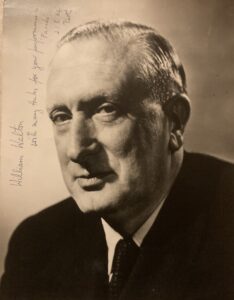
1964 William Walton – Facade – signed photo
Jack Harrison performed in the Perth premiere performance of “Façade” in May 1964 with the composer present.
Actor James Beattie was the speaker and Verdon Williams the conductor. William Walton signed a photo for Jack that reads:
“with many thanks for your performance in “Façade” 21.5.64 Perth”.
1966
Saturday 26 February 1966
In the same studio at 6pm next Saturday, Verdon Williams will conduct a chamber music concert. The performers will be the A.B.C. Chamber Ensemble and James Beattie and the Oriel String Quartet with Jack Harrison.
MUSIC – By Peter Hellstrom
British music to be played next week in the Festival Of Perth will include some well-known compositions in the ABCs Basil Kirk studio at 6 o’clock tonight. There will be a performance of William Walton’s “Façade” for speaker and chamber ensemble with which Walton first made an impact on the English musical scene. It consists of a recitation of Edith Sitwell poems against the background of chamber ensemble music. The speaker will be James Beatty and the ABC chamber ensemble will be conducted by Verdon Williams. The other work in the programme, Bliss Clarinet Quintet, will be performed by the Oriel String Quartet with Jack Harrison.
The West Australian Saturday February 26 1966
WORDS, MUSIC BLEND SUBTLY IN “FAÇADE” – By Sally Trethowan
Nearly 2 years ago, actor James Beatty conductor Verdon Williams and a small chamber ensemble gave a scintillating performance of the original version of “Façade”. The same actor and conductor were responsible for a no less diverting and accomplished reading of the work in the Basil Kirk Memorial studio on Saturday night as part of the Festival Of Perth “Music of Britain” series. William Walton deft and witty accompaniment to the spoken verses by Edith Sitwell no longer shock audiences as they did in the 20s. What seemed iconoclastic musical language then, derived as it was mainly from jazz and the music-hall, seems passe now. But though time has weathered the original satiric bite, the work still magnificently fulfils the sub- title “An Entertainment”. A successful performance of “Façade” depends predominantly on fractional timing and coordination between the individual musicians, and between the speaker and instrumentalists. On this count Saturday’s reading could scarcely have been better. Beattie’s performance of the verbal prestidigitations in the “Tarantella” and part of the “’Tango Paso Doble” was admirable as was his rhythmic delivery of the apparently nonsensical compilation of associative images into a rich mosaic of orchestrated word sounds. The other work on the program, Arthur Bliss’s Clarinet Quintet, is extremely demanding on all players, though in no sense is it a showpiece. The Oriel String Quartet and clarinettist Jack Harrison, who also performed this work in the composers presence when he visited W.A. about 18 months ago, gave a craftsman like an intelligent reading, inclusive in the brusque helter-skelter scherzo and finale, and reflective, even faintly nostalgic, in the intensely lyrical first and third movements. Bliss’s harmonic acidulation in these movements, however, precludes any thought of the molasses type sentimentality often associated particularly in 19th century music with lyricism.
The West Australian Monday February 28 1966
FESTIVAL FAILS IN ITS HUNT FOR A MUSICAL DRAW CARD – BY KENNETH HINCE IN PERTH
Put on at cocktail time “Façade” was prefaced by the Clarinet Quintet of Arthur Bliss, music of thick Brahmsian texture. This has no necessary reason for existence being simply a work that someone felt like writing down. All the instruments are used with a sense of duty, all the movements are filled with scrupulously professional writing, but it’s total meaning might be boiled down into a bar or two of Elgar or Britten. Only a historian could have really enjoyed its performance; only an archivist could have been satisfied to hear it played instead of reading it over in a library. It was performed on Saturday by Jack Harrison and the Oriel String Quartet – Harrison with unfailingly accurate but monotonous uninflected attack, the Quartet balanced, well matched and reasonably polished. “Façade” came off rather worse. Music of superb elan which has worn much better than most people realise, it had a fairly good reading from James Beatty. The décor in the Basil Kirke Studio was quite adequate with a gauze curtain allowing just enough of the reciter and the chamber Orchestra to come through to the audience. But the instrumental work was just not accurate enough for the music. For a mid 60s audience, the point of this music lies half in the way it bites its thumb at Victorian morality, half in the bitterly precise realisation of the score. On Saturday under Verdon Williams, things were too this and that too hither and thither. For people who had not heard “Façade” before this was a tolerable enough experience but to a man who wanted to feel the true historical grip of this music, the performance was too slack and inefficient for a casual reading let alone for a performance of festival tone.
The Australian Monday February 28 1966
1966 NEW PROGRAM OF “EVERGREENS” FROM W.A. JACK HARRISON AND HIS MUSIC
A new series of popular all-time favourite music will start on Monday on May 16 1966 at 8.30pm on the First Network.
It will be presented by six members of the West Australian Symphony Orchestra led by Jack Harrison. Special arrangements have been written for their combination of bassoon, bass, violin, piano and percussion with the leader doubling on clarinet and saxophone. There are five programs in the series to be titled “Jack Harrison and his Music”. Jack Harrison will occasionally introduce his first love the mouth organ. He is a versatile musician and once made a multi recording in which he played 14 instruments including percussion and piano. He has been a member of the W.A. Symphony Orchestra for 15 years during which he has appeared frequently as soloist in clarinet and saxophone Concertos. Highlights of these performances were the Australian Premiere of the Aaron Copland Clarinet Concerto and the Richard Strauss Double Concerto for Bassoon and Clarinet. On this occasion the bassoon soloist was his twin sister Jill who also joins him in his new series doubling on piano and percussion. Items in the first program are “Mice on the Move”, “Gigi”, “Sidewalk”, “Petite Waltz”, “Holiday in Honduras”, “Comedian Gallop” The Pygmy Patrol”, “Will O‘ Wisp” and “Forever Samba”. The other artists in the series Laszlo Vidak violin John Mowson bass Stephanie James piano and Verdon Williams percussion.
1967
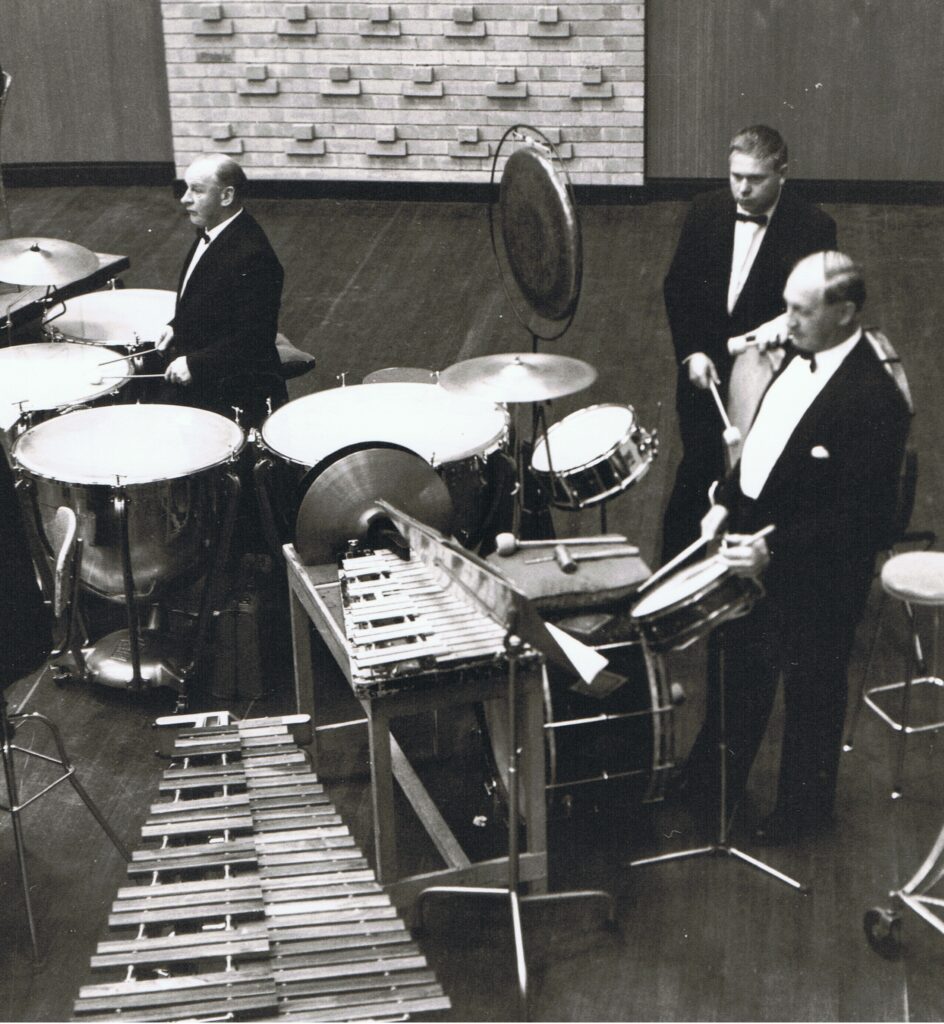
1967 WASO: Peter Clinch augmenting on percussion with Verdon on side drum
1967 CONCERT IS A PERTH MUSIC “HAPPENING”
By Sally Trethowan
The “straight” items included popular classics such as… Schubert’s “The Shepherd on The Rock” with pianist Stephen Dornan, soprano Margot Robertson and clarinettist Jack Harrison.
PART II: Harmonica and Piano:
“Genevieve Waltz” Larry Adler
Hungarian Dance No. 6 Brahms
Jack Harrison and Verdon Williams
1968
Free A.B.C. Concert – Sunday September 29th 1968
The free concert in the A.B.C.s Basil Kirke Studio tomorrow beginning at 3 o’clock is one of a series of six in which distinguished artists are performing a wide variety of works. The program will be Bartok’s outstanding and complicated “Sonata for two pianos and percussion” played by Wendy Nash and Stephen Dornan and percussionists John Reece and Brian Sadique directed by Verdon Williams and Stravinsky’s “Soldiers Tale” concert suite conducted by Verdon Williams. The performers will be Graham Wood (violin), John Mowson (bass), Jack Harrison (clarinet), Jill Harrison (bassoon), Donald Johnson (trumpet), Alan Mewitt (trombone) and Brian Sadique (percussion).
The West Australian Saturday September 28 1968
Igor Stravinsky‘s The Soldier’s Tale Concert Suite (July 1920) is scored for septet: Clarinet (in A and B♭), Bassoon, Cornet, Trombone, Violin, Double Bass and percussion. The West Australian premiere was performed on Sunday September 29th 1968 in a free concert put on by the A.B.C. in the Basic Kirke Studio. Directed by Verdon Williams, the performers were Graham Wood (violin), John Mowson (bass), Jack Harrison (clarinet), Jill Harrison (bassoon), Donald Johnson (trumpet), Alan Mewitt (trombone) and Brian Sadique (percussion).
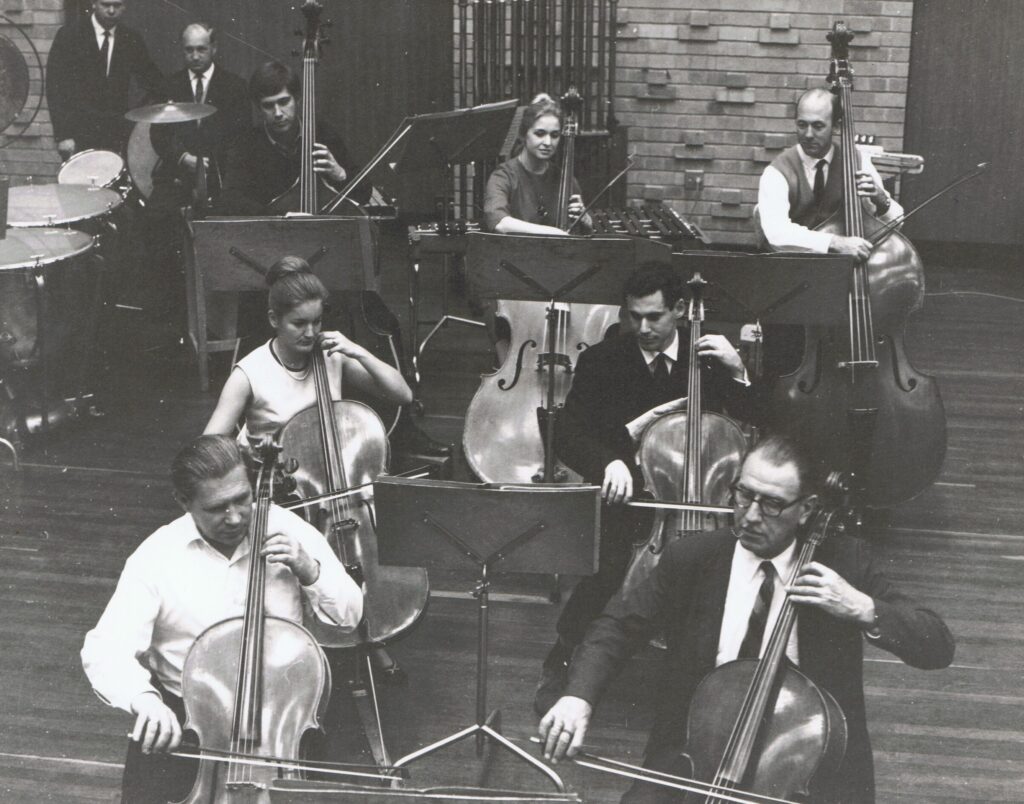
1967 WASO cellos and basses: Front row left to right: Zoltan Barna (Pest), Louis Mojzer (Buda). 2nd row Jill Heady, Brian Meddemmen. 3rd row: David Ellis, Aino Neumann, John Mowson. Back row: Peter Clinch, Verdon Williams.
ABC – AUSTRALIA DAY FREE CONCERT – SUNDAY 30TH JANUARY 1972 AT 8PM – Supreme Court Gardens
By the West Australian Symphony Orchestra
Conductor Verdon Williams
With soloist Jack Harrison (clarinet) and narrator David Hawkes
1973
MUSIC PROGRAMMES
A six-part series of West Australia Australian Symphony orchestral programs under the baton of conductor Verdon Williams and Tibor Paul will begin on Channel 2 on Thursday. The series also brings before the public seven of Western Australia’s leading concert Hall soloists: Robert Armstrong (flute); Jack Harrison (clarinet); Leslie Perrin (soprano); Ashley Arbuckle (violin); the Perth Trumpet Trio and pianists Wendy Pomroy and David Bollard. Music for the series was selected for its broad appeal. Works range from the themes from “Love Story” and “Exodus” and the part from the ballet Spartacus (made popular as the theme from the television series The Onedin Line) to Rossini’s Barber of Seville overture the Capriccio Italien by Tchaikovsky and Mozart’s Eine Kleine Nachtmusik. The Sunday Times April 29 1973
1974
ABC FESTIVAL OF PERTH FREE CONCERT – 3pm SUNDAY 3rd February 1974
West Australian Symphony Orchestra Conductor Verdon Williams
With soloist Jack Harrison (harmonica) playing Moon River, Raindrops Keep Falling on my Head
1977
CONCERT PLEASES FAMILIES
By Dan Chadwick
The third ABC Family Concert for this year was held at the Perth Concert Hall on Friday night. An all Australian program was greeted with the now customary glee associated with this show. The W.A. Symphony Orchestra was conducted by Alan Abbott, a large, affable raconteur of musical anecdotes. He is a long-standing exponent of light music, a sound which is supposed to be pleasing but not profound. This is in contrast to dark and heavy music which is regarded as profound but not very pleasing. The program was geared to the short attention spans of the youngest members of the audience. The most lively event was Jack Harrison’s mouth organ masterpiece as he wove his way around the microphone. The deep voiced Bruce Martin together with the male section of the W.A. Opera Company chorus contributed three songs including an emphatic rendering of Kipling’s Boots which encouraged the stamping for more items in the second half. Luciano Trebse, though only committed to a small part in a Verdon Williams work, also performed a Chopin Impromptu. The evening closed with a succession of singalongs.
PLEASANT AUSTRALIAN MUSIC – By Derek Moore Morgan
Australian music provided the theme for last night’s ABC family concert at the Perth Concert Hall. Under the title “Australia calls the tune” and with Alan Abbott as conductor, the highlights of this light music program were items by Percy Grainger and in particular his colourful and even moving setting of “Shallow Brown”. This was one of three folk songs settings in which the soloist was Bruce Martin with the W.A. opera chorus men’s voices. Bruce Martin possesses a pleasing, commanding voice and sings with residence and clarity. Pianist Luciano Trebse contributed a Chopin Impromptu in addition to his somewhat negative part in the “Chanson Romantique” by Verdon Williams, and the West Australian Symphony Orchestra’s Jack Harrison gave us very credible harmonica playing. Coaxed by conductor Alan Abbott, audience participation in William Lovelock’s “Let’s all join in” was effective – especially when it came to “Waltzing Matilda”. A lively audience with lots of really young children revelled in the programs variety.
He was a member of the Farmers Trio, a pioneering radio chamber trio, in 1923. The other members were Horace Keats, piano, and John Boatwright, cello.[2]
Career
He went to London to further his career, and played under various notable conductors. He harboured an ambition to be a conductor himself, and while on tour in New Zealand, he was given an opportunity to conduct when Henri Verbrugghen fell ill.[1]
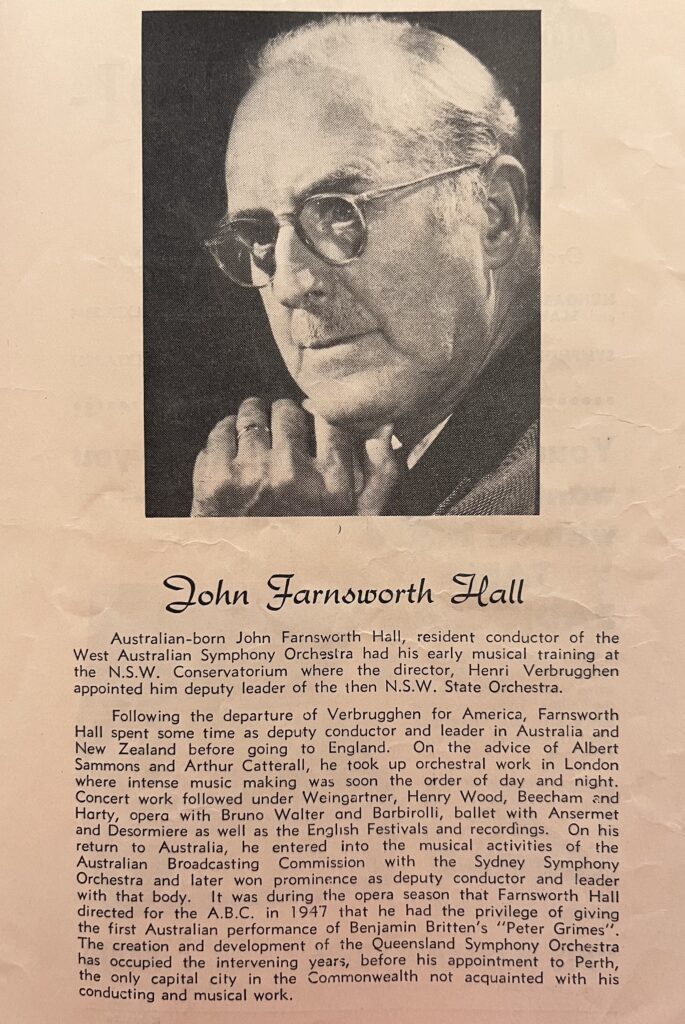
He then became leader and deputy conductor of the new Sydney Symphony Orchestra (SSO). In 1946, Hall conducted the first performance by the SSO of Mozart‘s Flute Concerto No. 2 in D (an arrangement of his Oboe Concerto in C, K. 314), with Neville Amadio as soloist.[3]
In 1947 he was appointed the first resident conductor of the Queensland Symphony Orchestra (QSO).[4][5] During his time there, he introduced the symphonies of Ralph Vaughan Williams to Queensland concert-goers.[6] Conducting the Queensland Symphony Orchestra, featuring soprano Tatjana Hitrina, he covered Auber’sFra Diavolo, Khachaturian’sMasquerade and others including “Knowest thou the Land”. It was broadcast on ABC radio at 9:15 pm Wednesday 11 November 1953.[7] He made a classic recording of Alfred Hill‘s piece for narrator and orchestra, Green Water, with the QSO and the speaker Peter Munro in 1954.[8]
He retired from conducting in 1965, and died in 1987, aged 87. He was survived by his third wife and a daughter, both named Deirdre and grandchildren Brendan and Chapin Ayres.[1]
After conducting in Madrid, Cape Town and Antwerp, he was music director of the San Francisco Symphony from 1954 to 1963. He made several stereophonic recordings in San Francisco for RCA Victor in 1957 and 1958. He made several highly acclaimed recordings for Decca in the late 1940s and early 1950s of Spanish music with the London Symphony Orchestra, National Symphony Orchestra and Paris Conservatoire Orchestra, including two recordings of Nights in The Gardens of Spain with Clifford Curzon as soloist. Several of these have been reissued on the Dutton label.
During his tenure in San Francisco he gave the world premiere of Joaquín Rodrigo‘s Fantasía para un gentilhombre with Andrés Segovia as the soloist. Jorda made recordings with both the San Francisco Symphony and the Symphony of the Air, several of which have recently[when?] been reissued on CD. His third recording of Nights in the Gardens of Spain was made with the San Francisco Orchestra with Arthur Rubinstein as soloist. His final recordings with the orchestra were for CRI in 1962.
After he left San Francisco, he was a guest conductor in Europe, South America and Australia. He published a book on conducting, “El Director de Orquesta Ante la Partitura,” in 1969, and from 1970 to 1976 was the music director of the Antwerp Philharmonic Orchestra (now: Antwerp Symphony Orchestra).
During the San Francisco Symphony’s 1973 European tour, the musicians were reunited with Jordá for the final time.[1] Jordá died at 84 in Brussels, Belgium, following a two-month illness related to a blood transfusion.
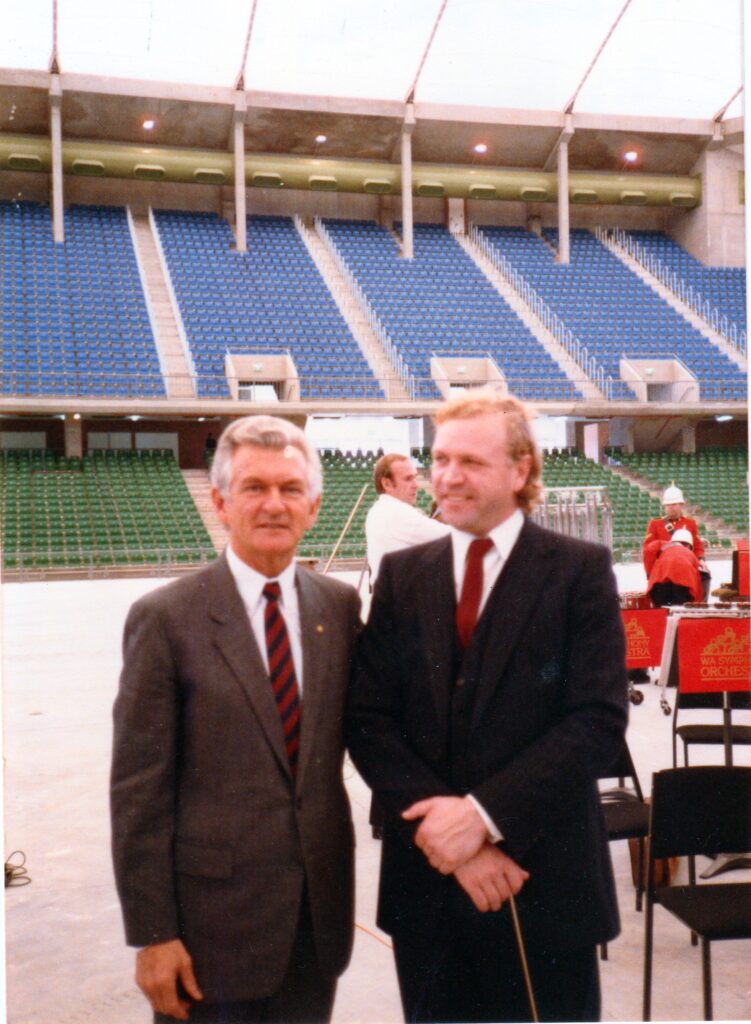
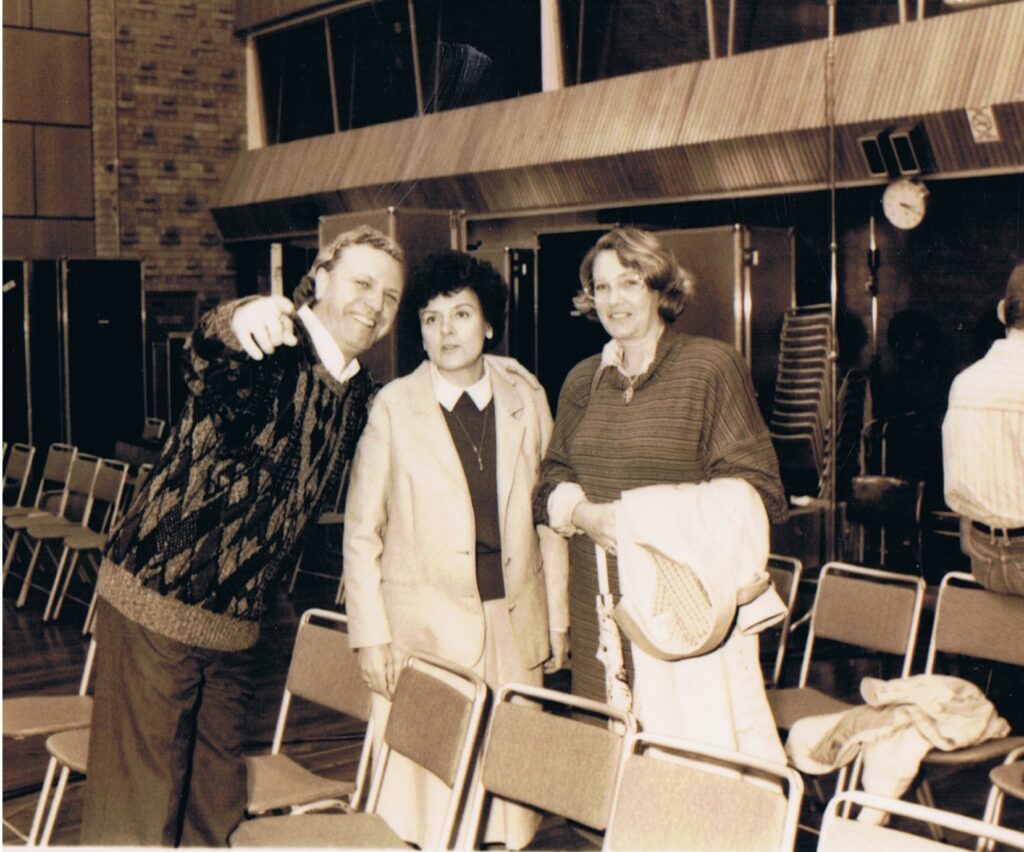
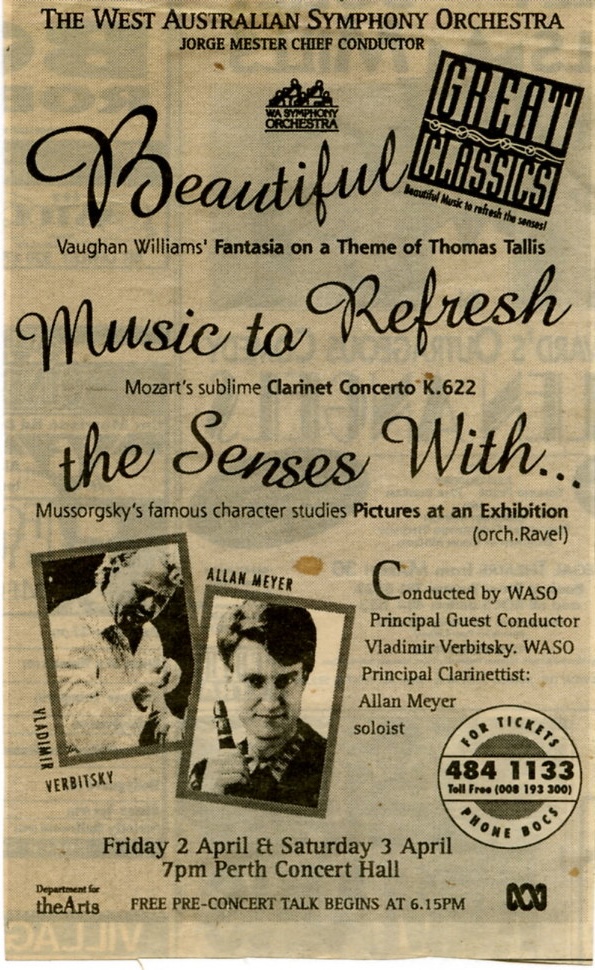
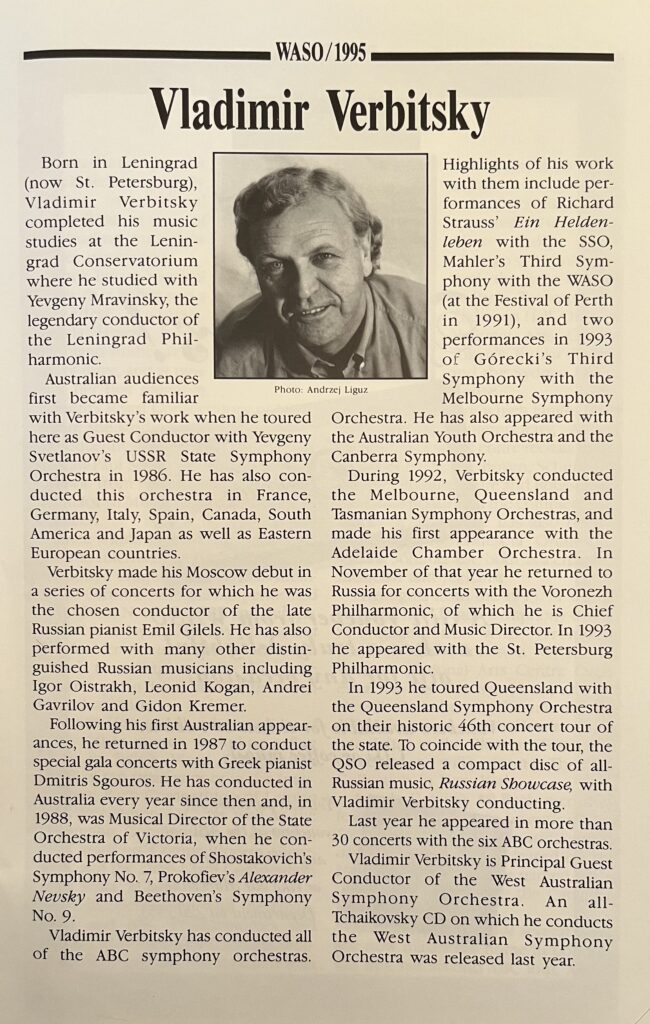
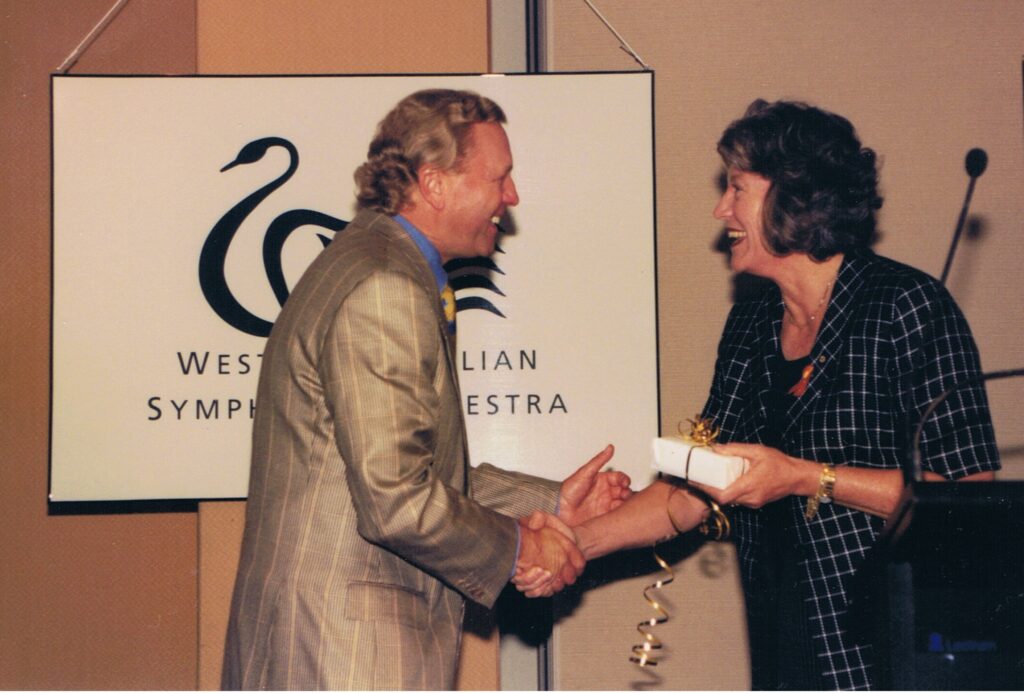
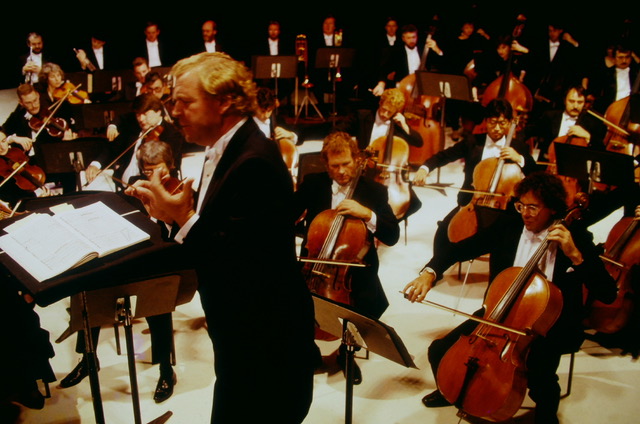
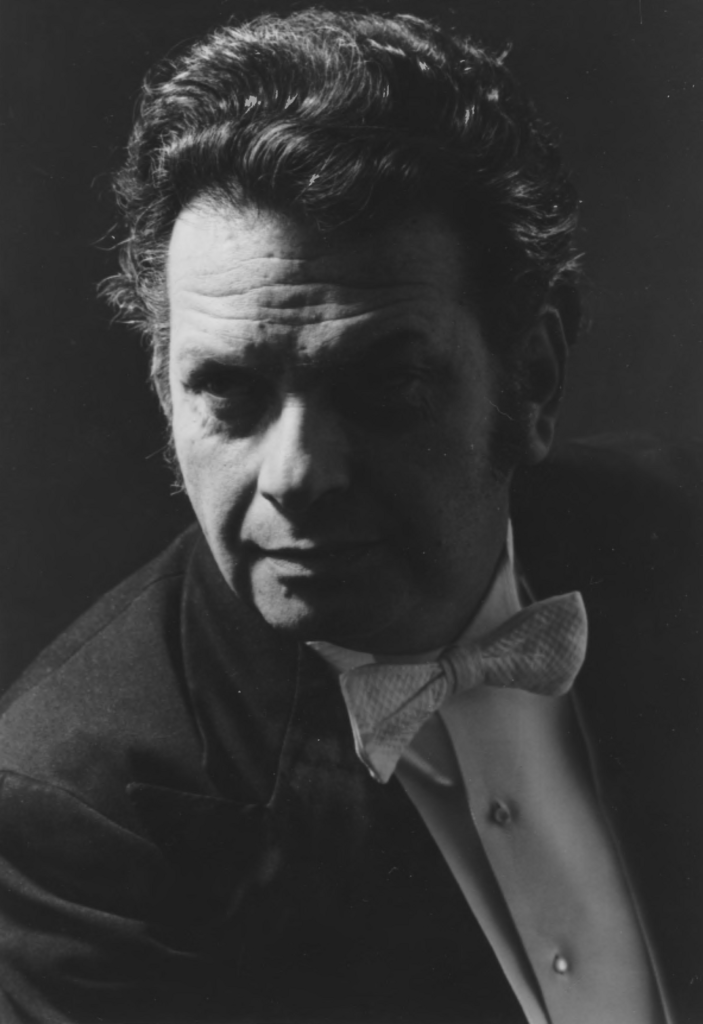
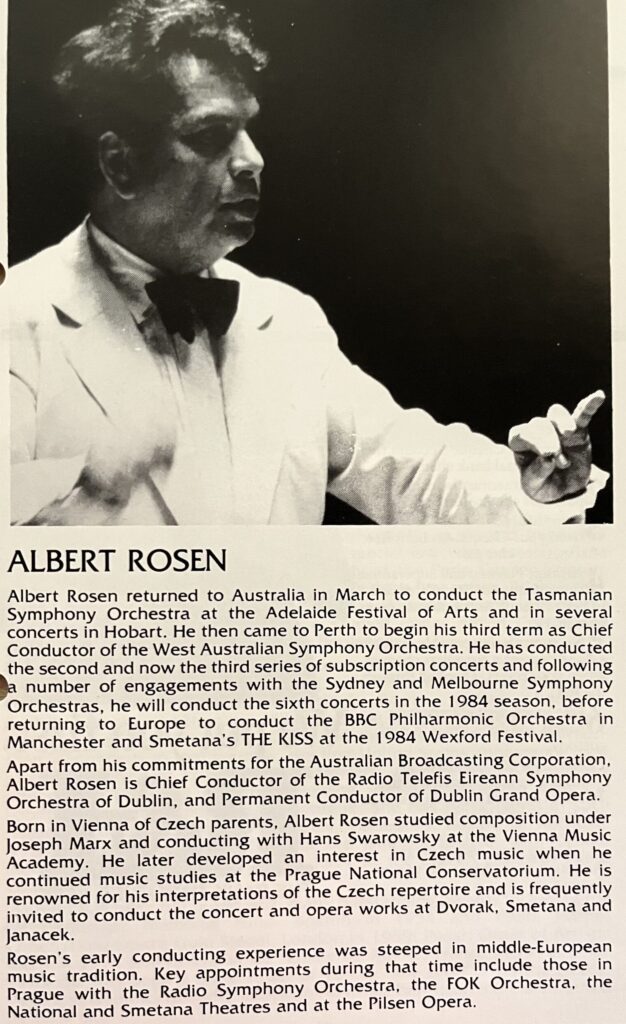
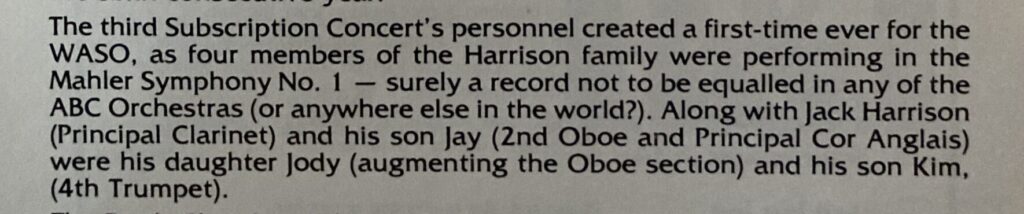
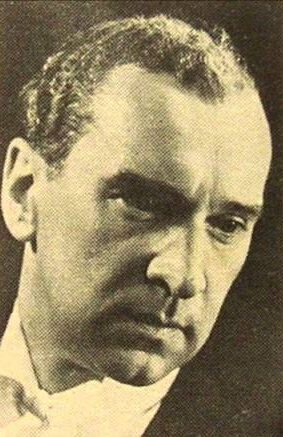
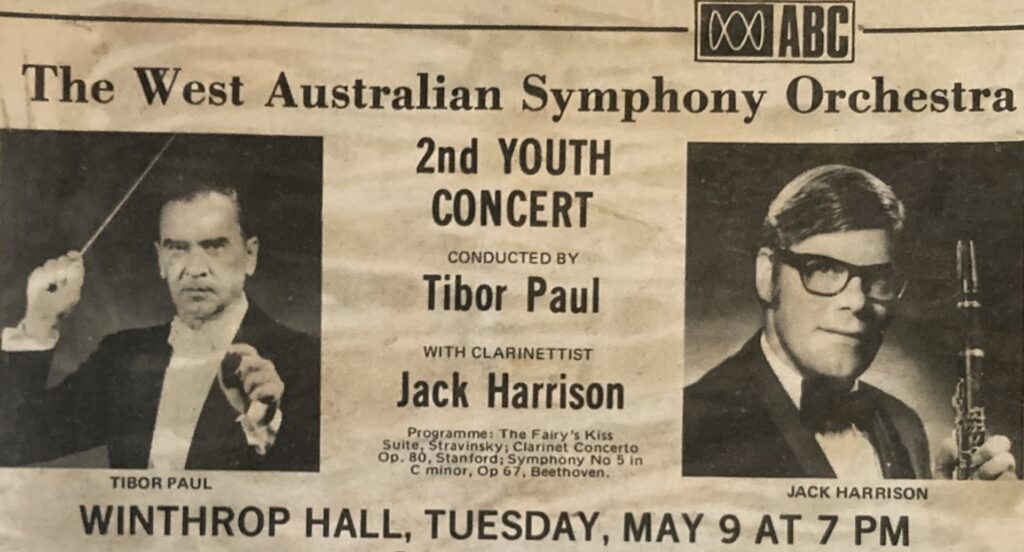
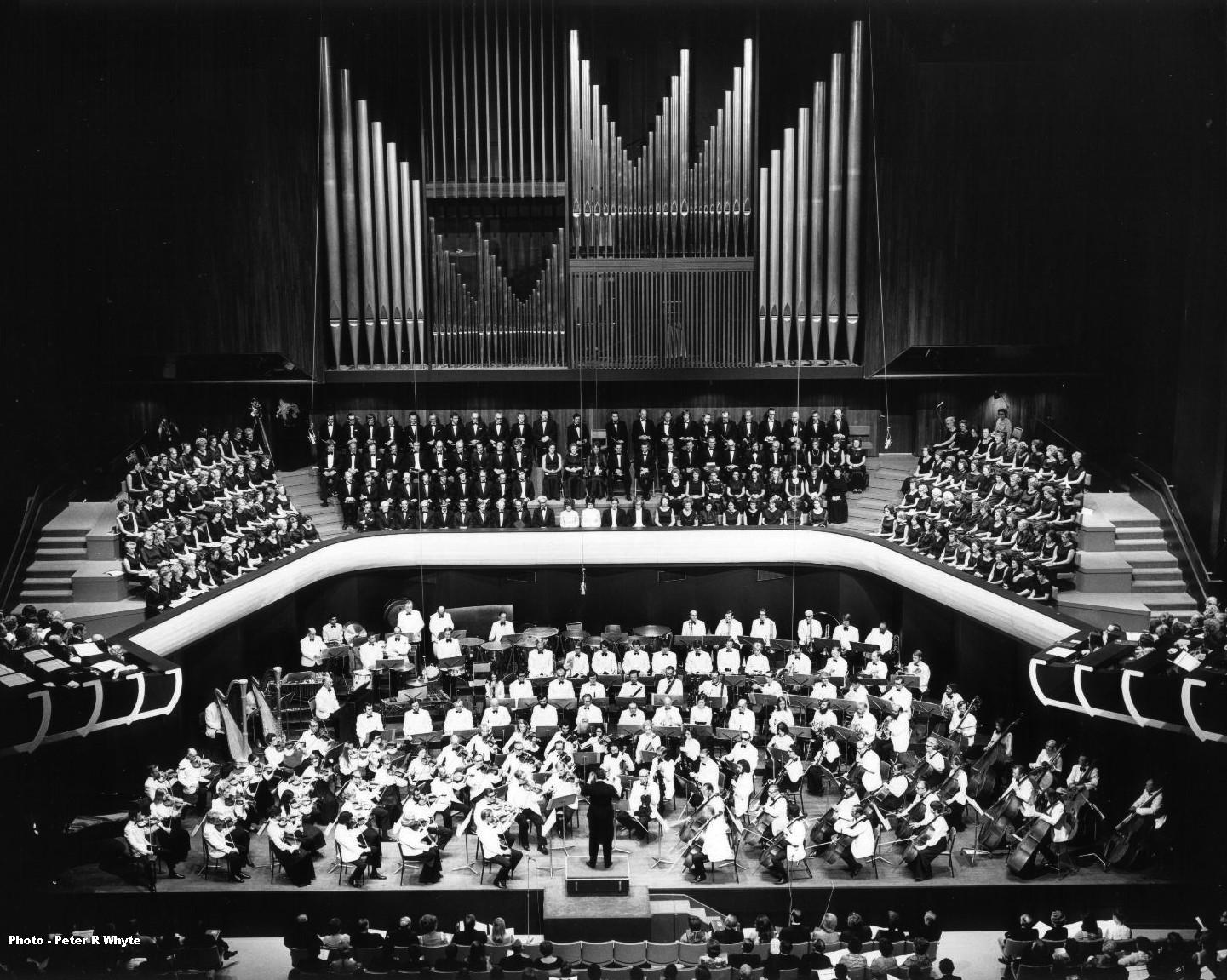
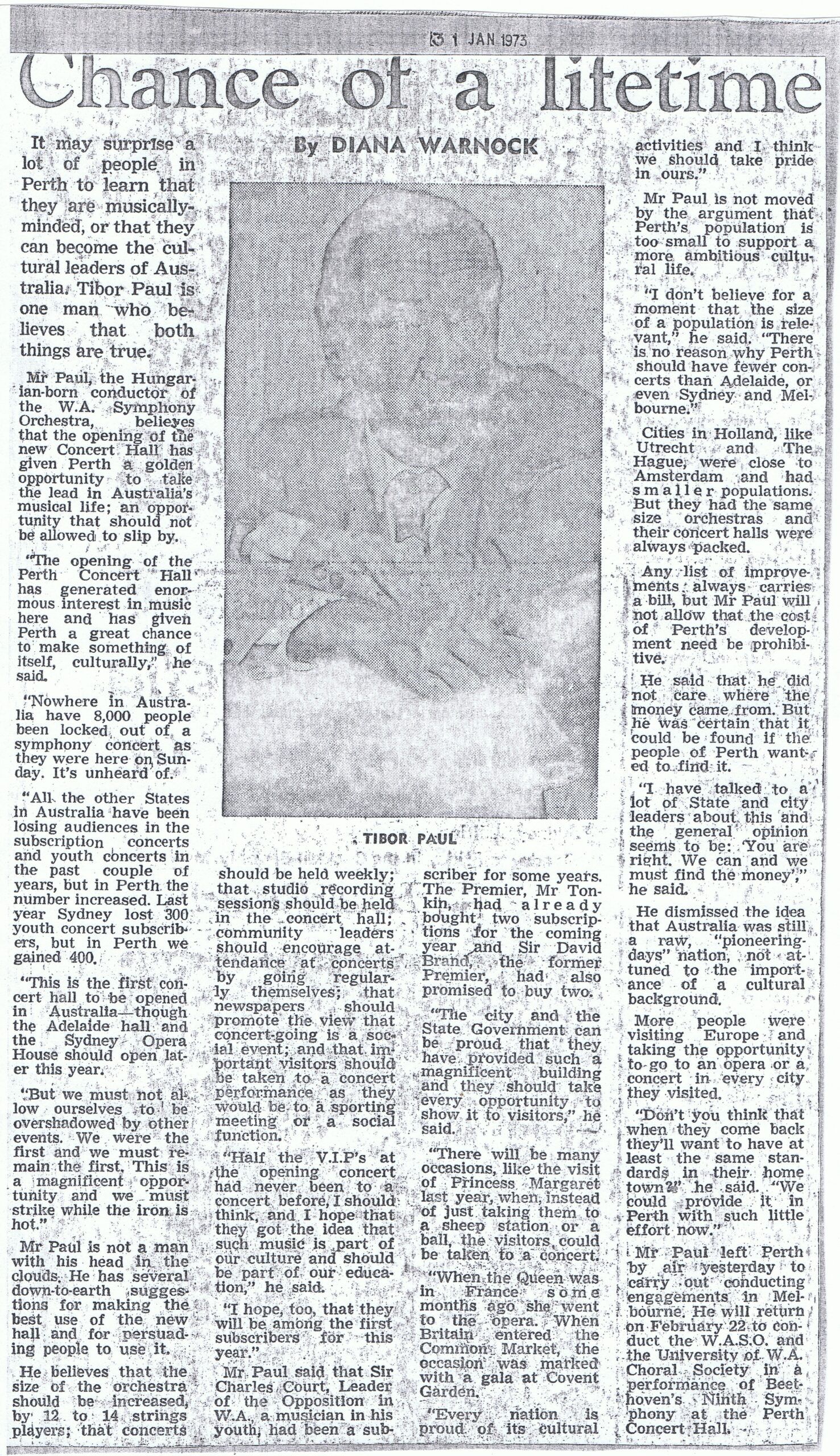
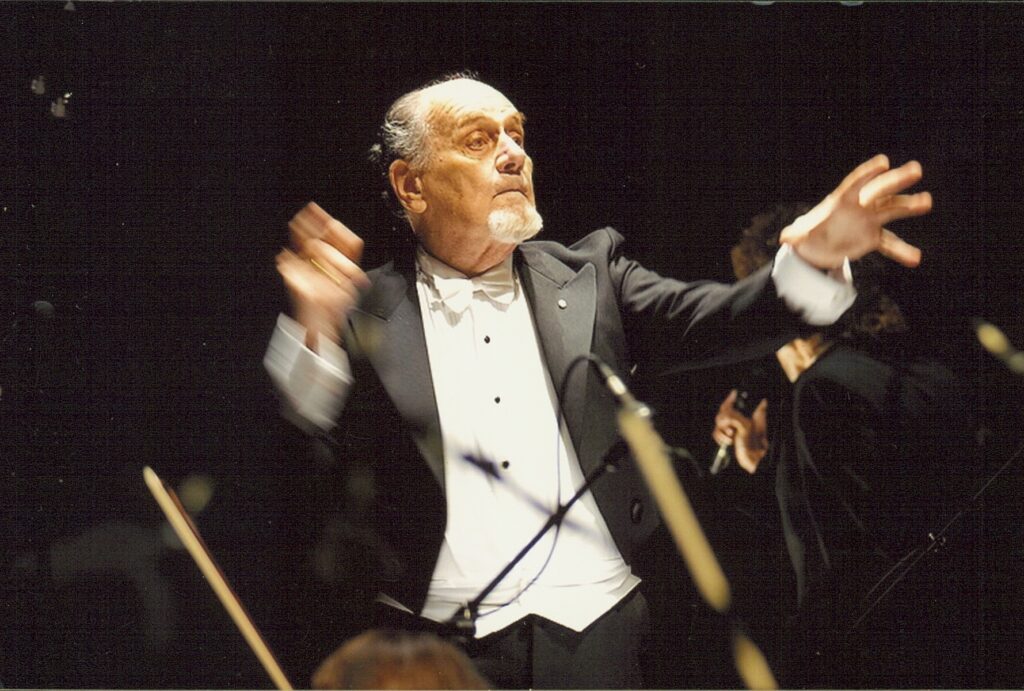
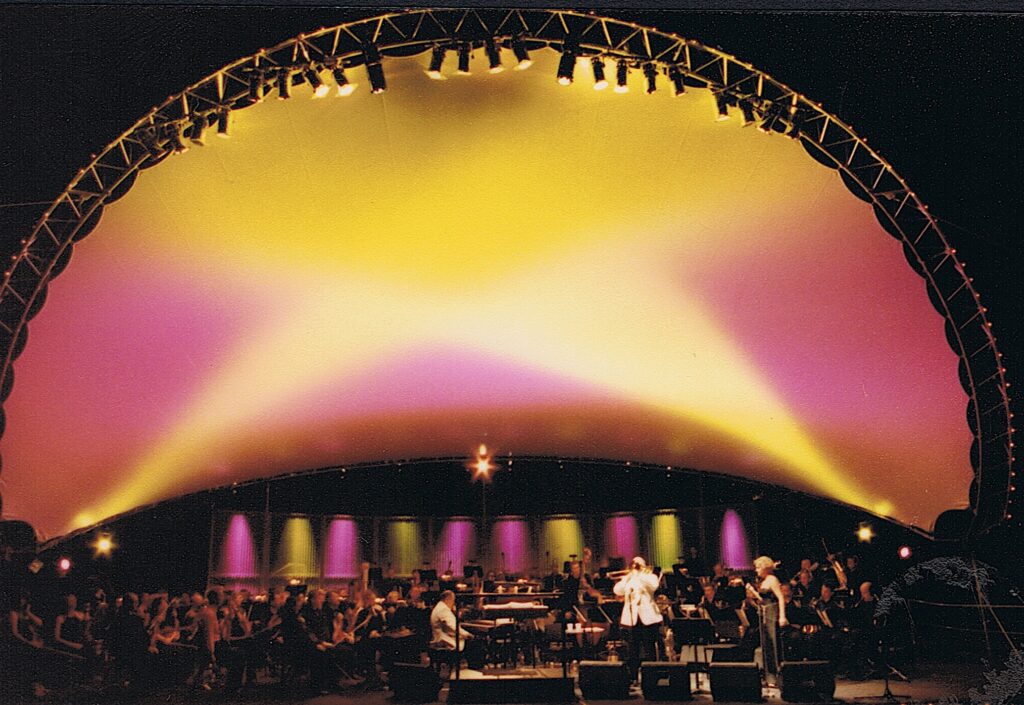
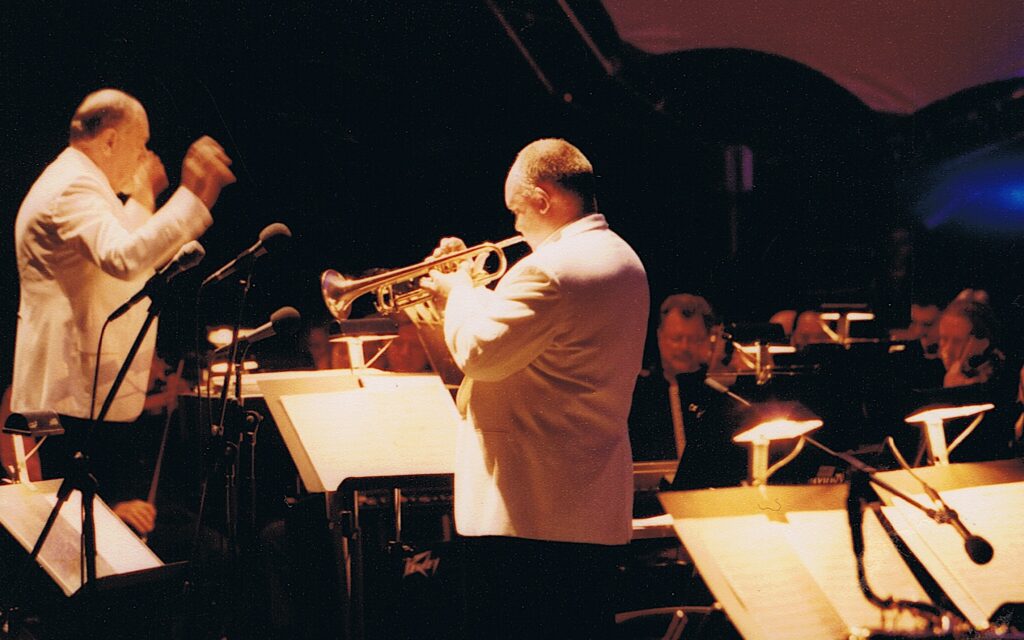
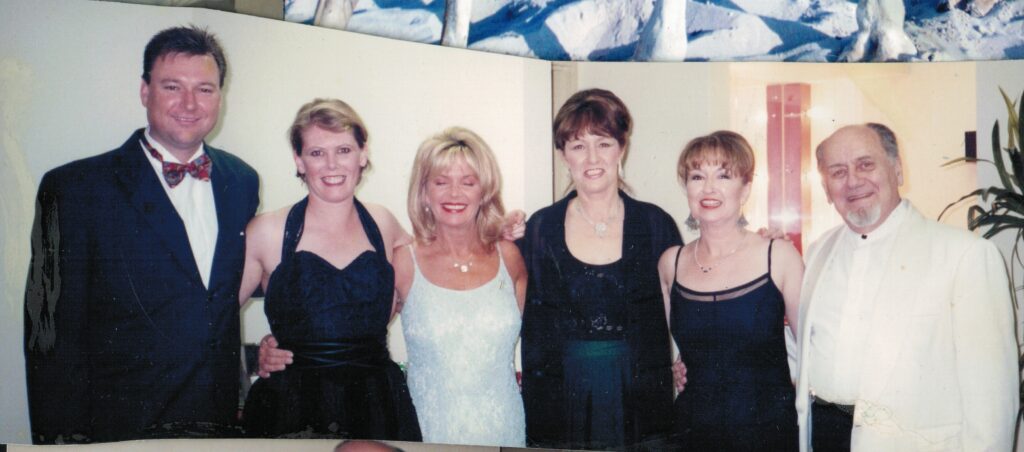
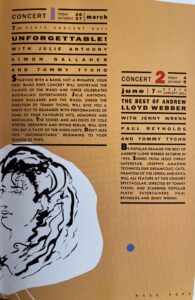
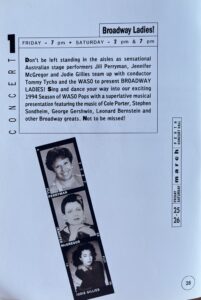
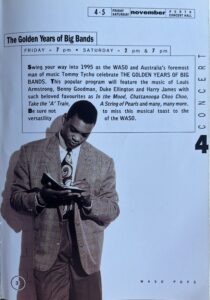
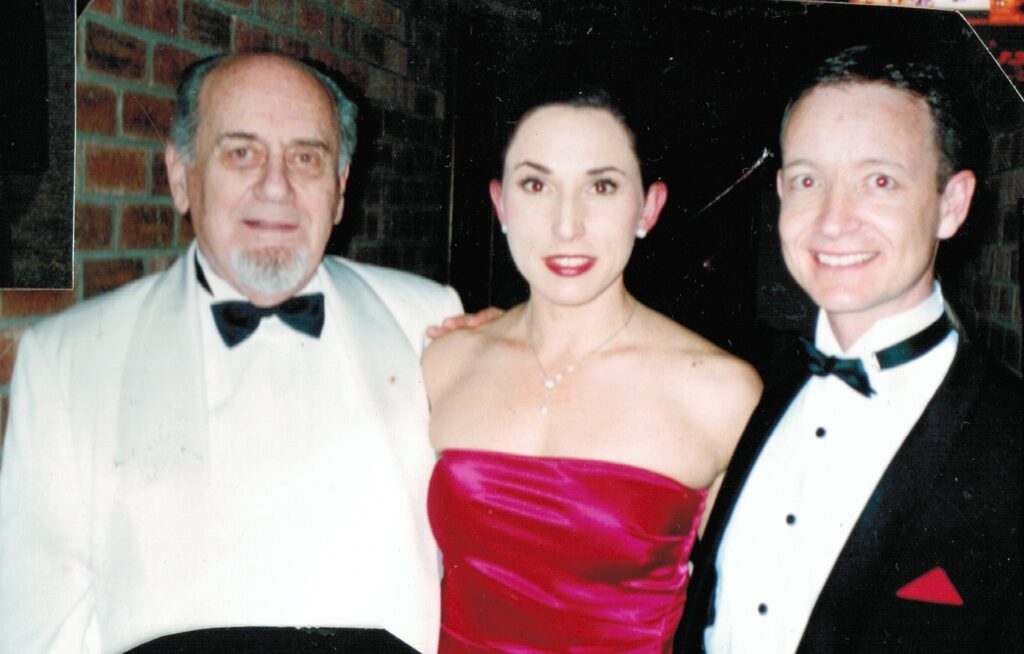
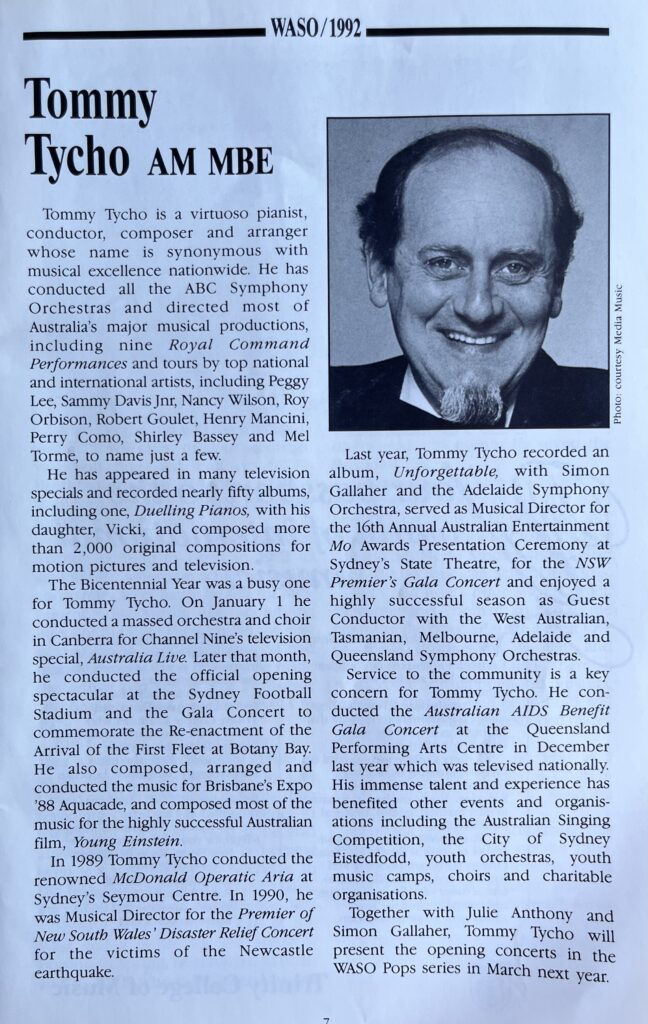
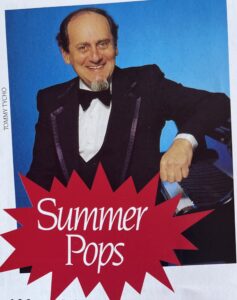 In 1984 Tycho arranged and recorded Australia’s new national anthem Advance Australia Fair for the ABC. He later arranged various versions of the anthem in 1985 and 1986. The 1986 version was recorded by Julie Anthony and is the version still used today for major sporting and cultural events. Tycho’s most iconic version is perhaps the special 1988 Bicentennial version broadcast live from the lawn of Parliament House and was used as ABC television’s station closing throughout the 1980s and 90s, with Tycho’s arrangement giving Australia’s anthem its heart and soul.
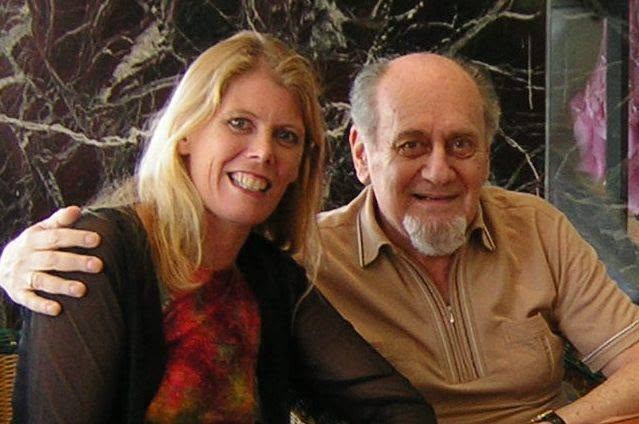
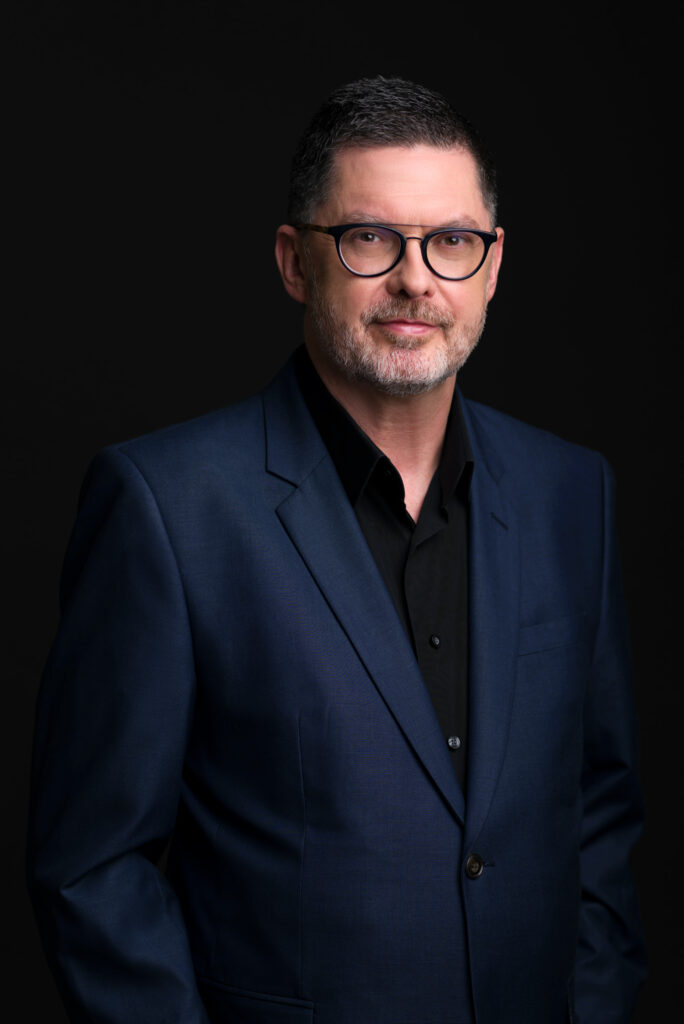

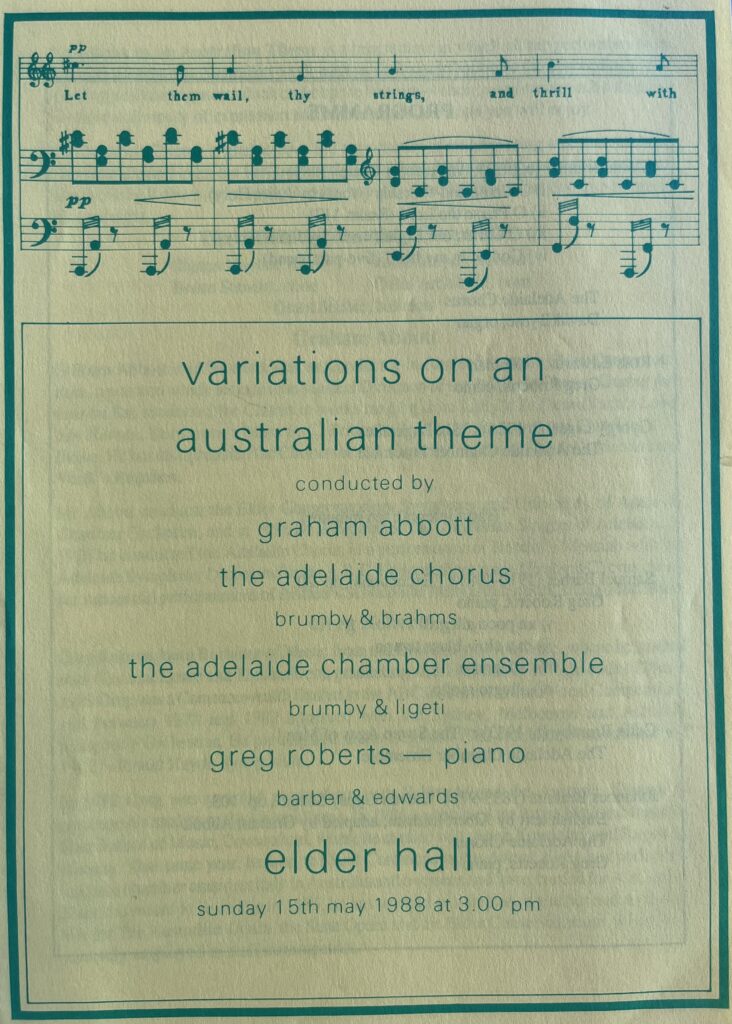
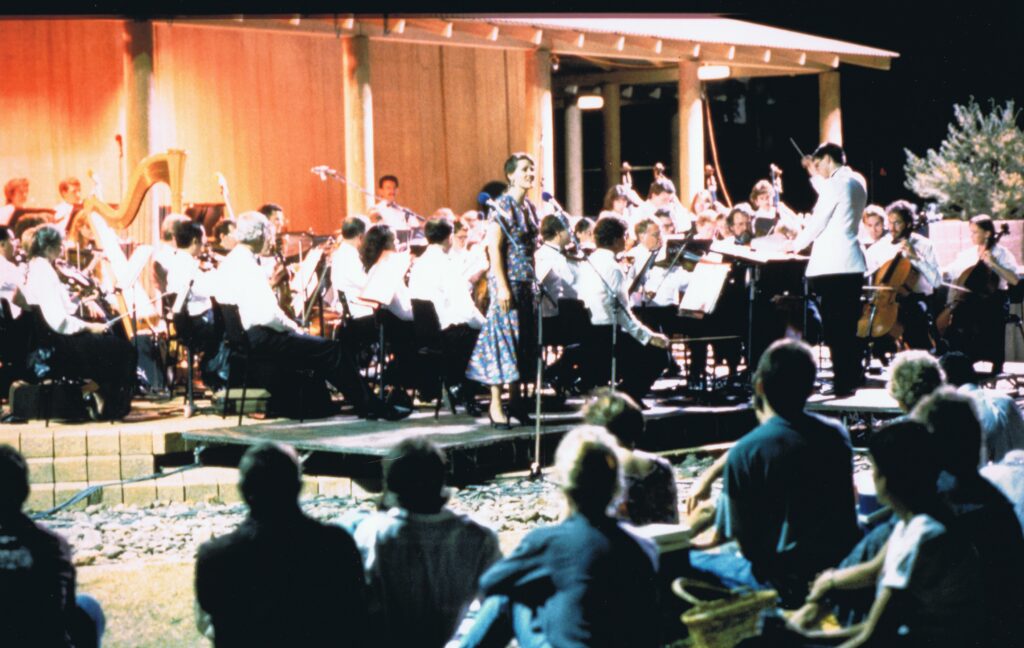
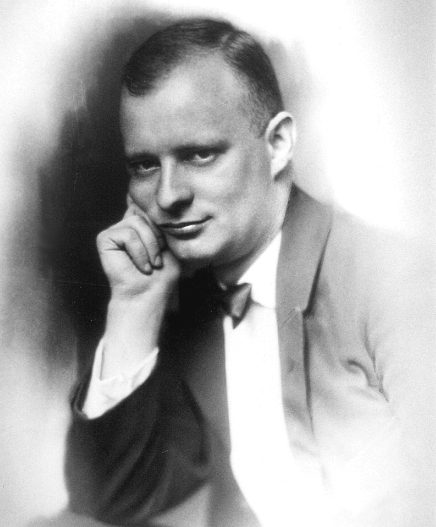
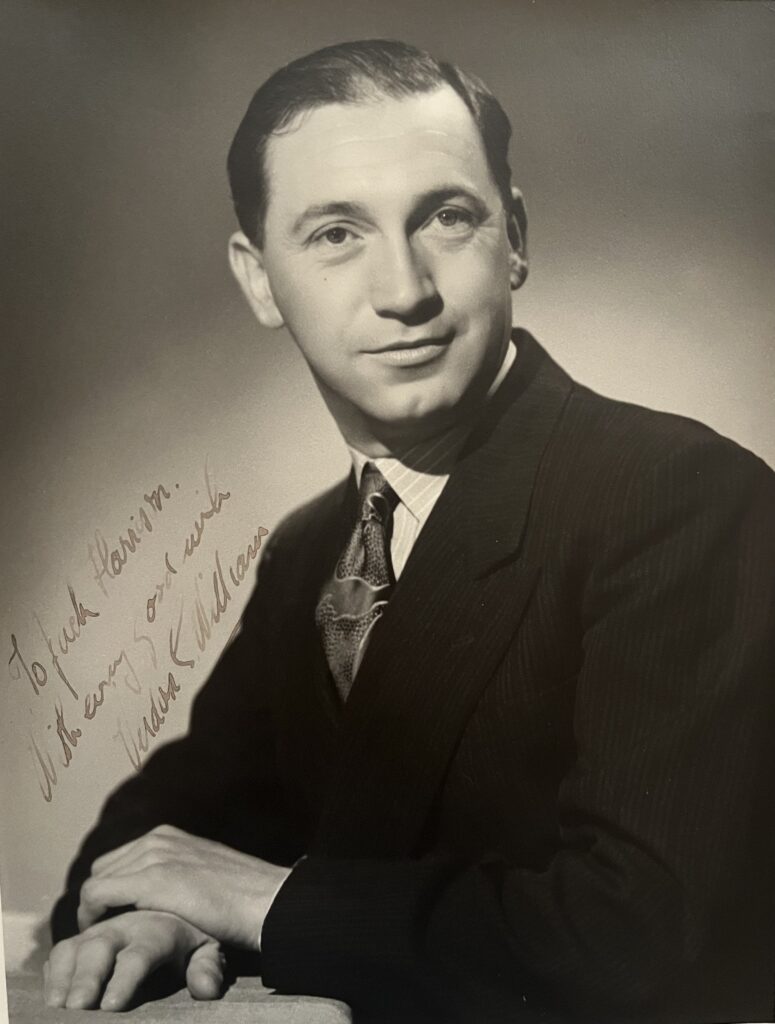
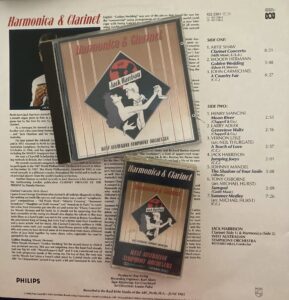
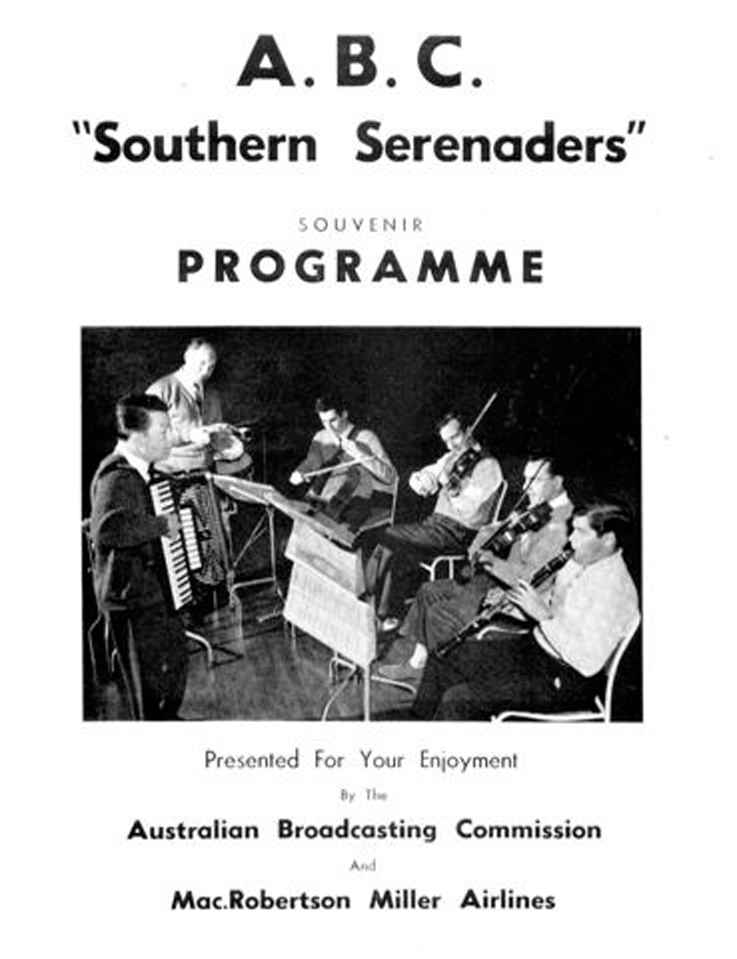
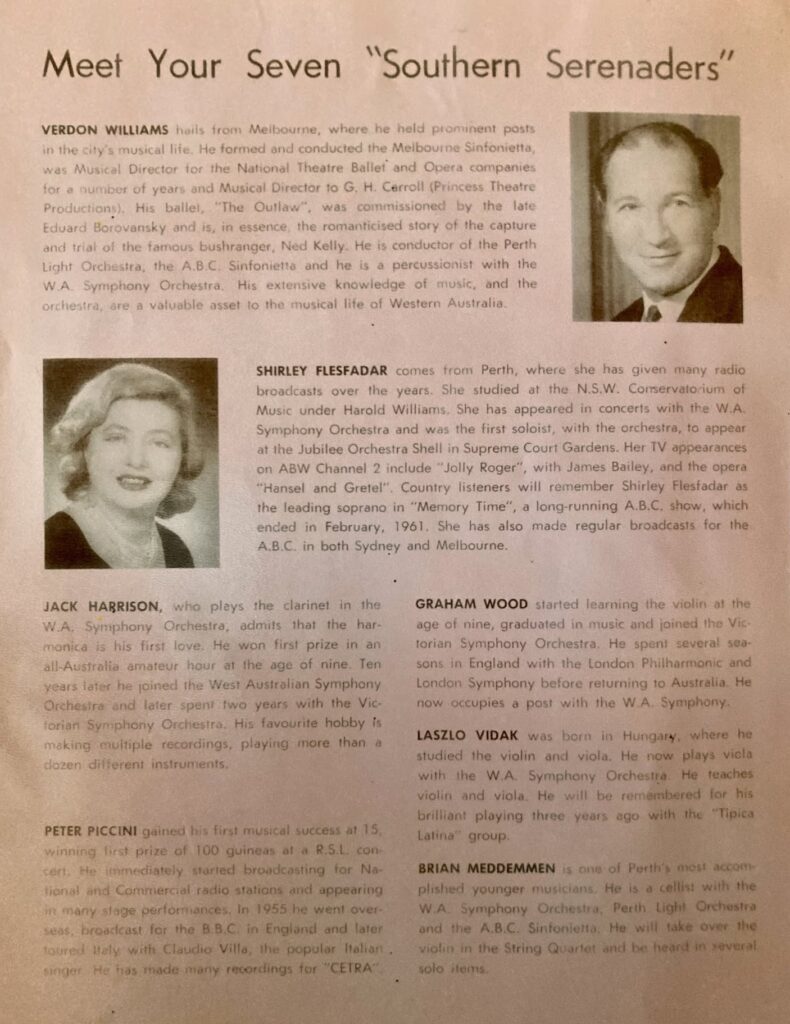 MUSICIANS TO TOUR IN NORTH
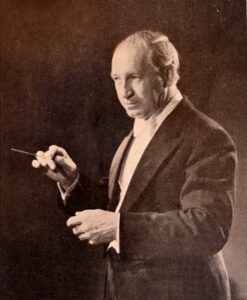 1963